
Some dogs win your heart in seconds with a cute face or a wagging tail. But behind that charm, many breeds need a lot of time, energy, and care every single day.
Knowing what a dog truly needs before bringing one home can save you stress and keep the pup happy. Here are the breeds that ask for more than most people expect.
Border Collie
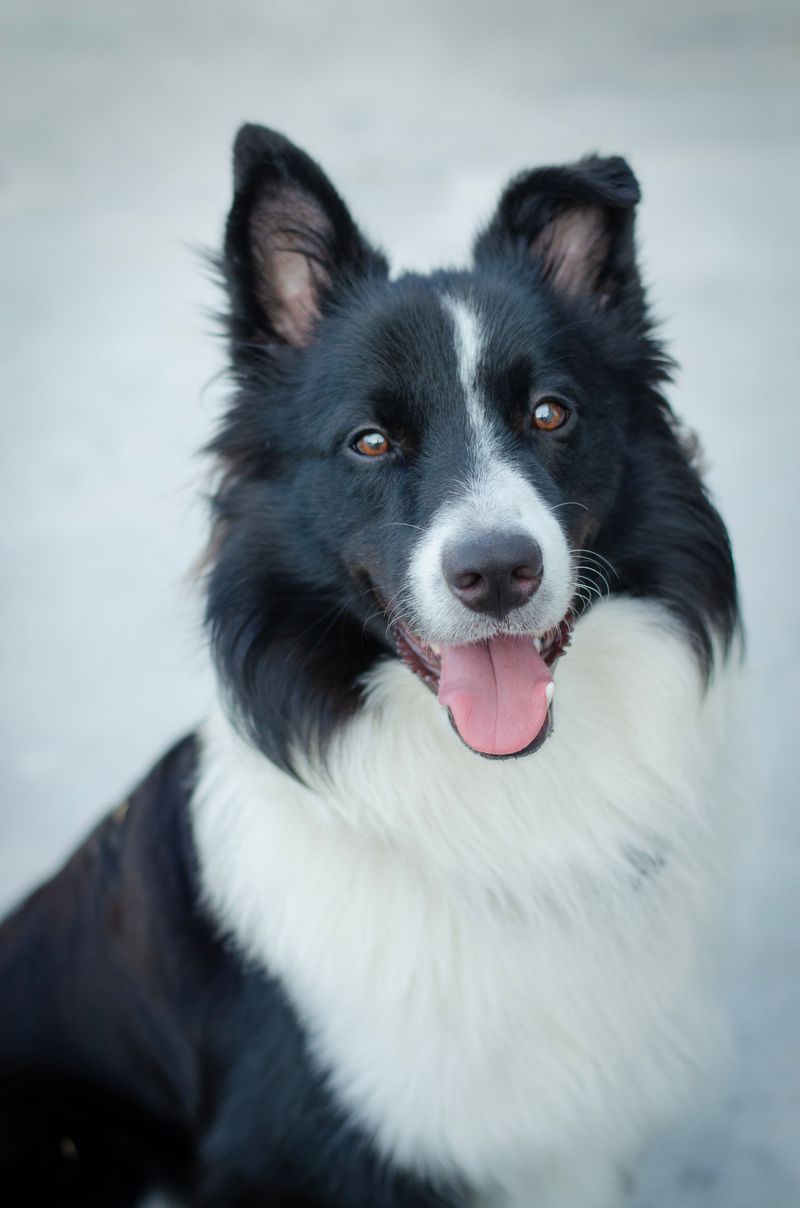
Picture a dog that can learn a new trick before lunch and get bored of it by dinner. That’s the Border Collie, often called the smartest breed on Earth.
A short walk won’t cut it. These herders crave jobs, puzzles, and hours of running every day.
Without enough to do, they may chew furniture or herd your kids around the yard. Try agility classes or frisbee games to keep that busy brain satisfied.
Siberian Husky
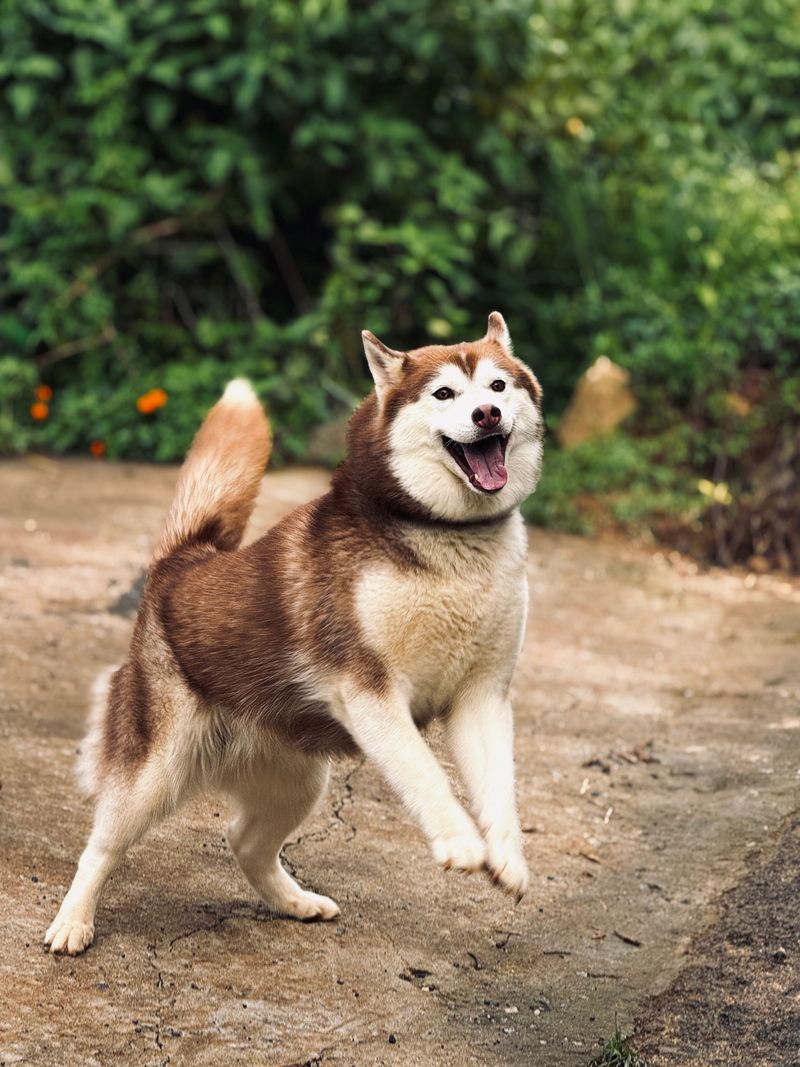
Those icy blue eyes could melt anyone. Yet Huskies were bred to pull sleds for miles across frozen Siberia, and that stamina never switched off.
Expect howling, digging, and clever escape attempts if they get bored. Fences need to be tall and secure.
Twice a year, they also blow their coat, leaving fur tumbleweeds everywhere. Daily runs, a sturdy brush, and lots of patience will make life with a Husky much smoother.
Jack Russell Terrier
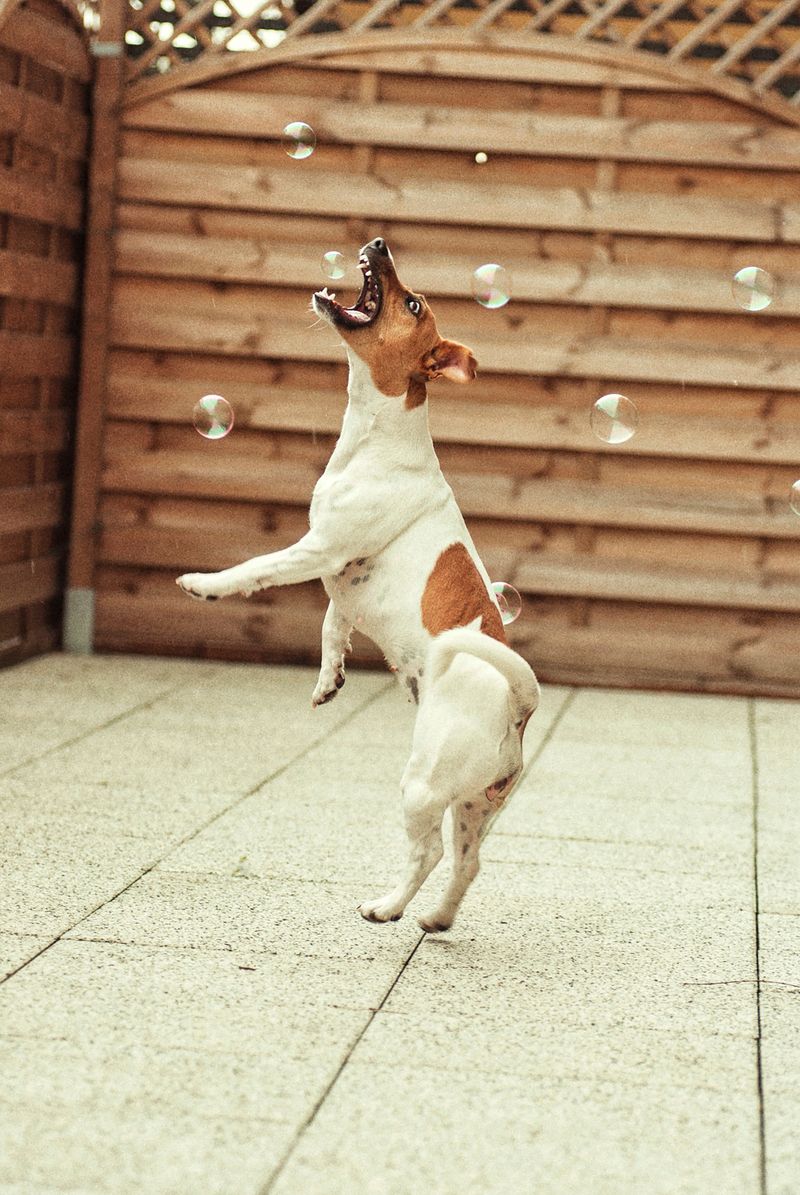
Small dog, small needs? Not even close.
A Jack Russell packs the energy of a dog three times its size into a tiny, bouncy body.
Fun fact: the breed was created by a preacher in England to chase foxes out of their dens. That hunting drive still shows up as nonstop digging and chasing.
Give this little firecracker games of fetch, tug, and short training sessions every day, or prepare for mischief.
Dalmatian
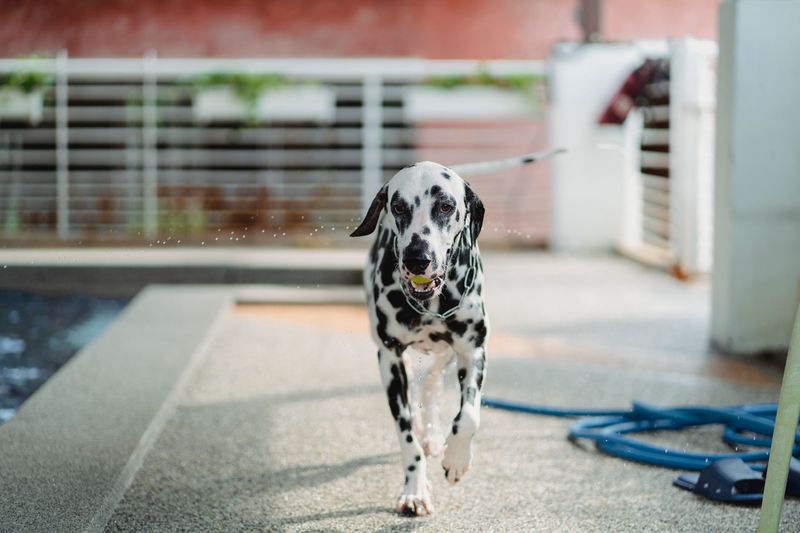
Thanks to a famous movie, plenty of families rushed to buy spotted puppies. Many quickly learned that Dalmatians are not cartoon characters.
Originally, these dogs ran beside horse carriages for miles, guarding them on the road. So they need serious exercise, like jogging or long hikes.
They also shed far more than their short coat suggests, and some can be stubborn. Early training and plenty of activity help this striking breed shine at home.
Australian Shepherd
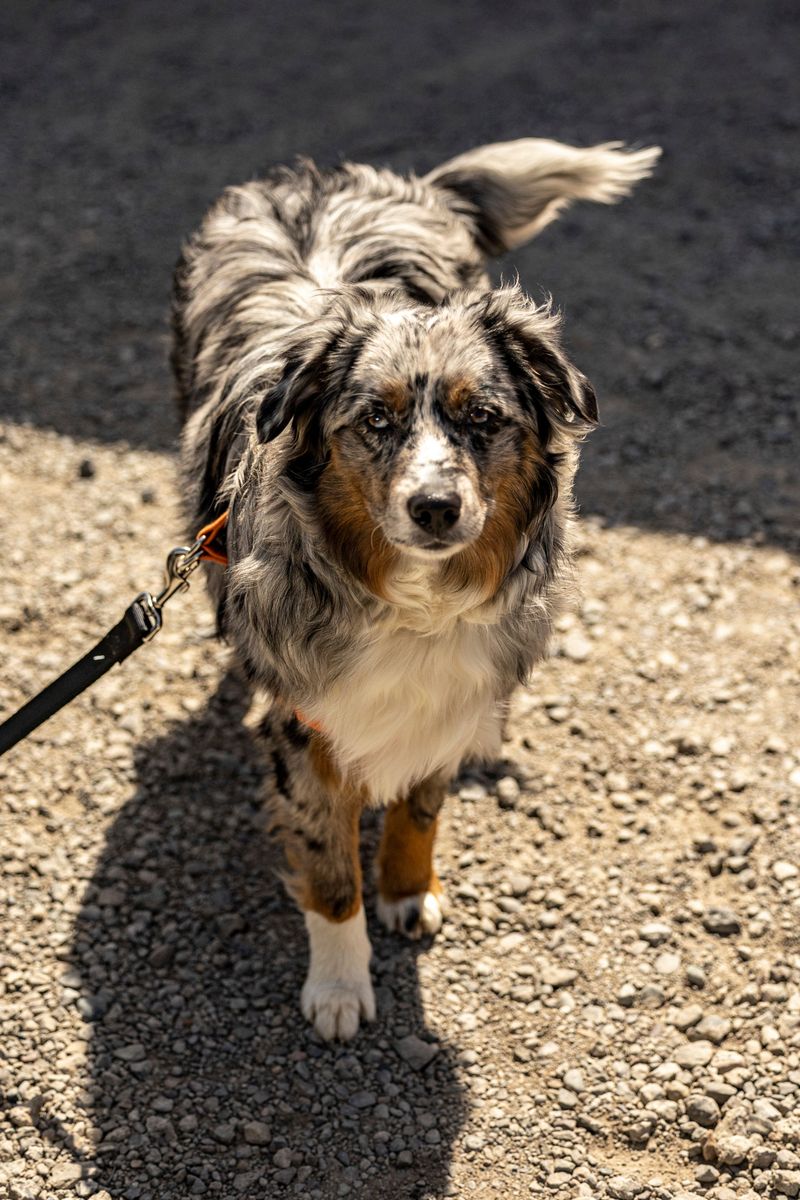
Ranchers love Aussies for a reason. These dogs work all day and still want to play fetch at sunset.
Here’s the twist: despite the name, the breed was mostly developed in the American West, not Australia.
Living with one means daily training, mental games, and outdoor time. Left alone too long, they can get anxious and noisy.
If you love hiking or dog sports, though, you’ll have a loyal, tireless sidekick by your side.
Beagle
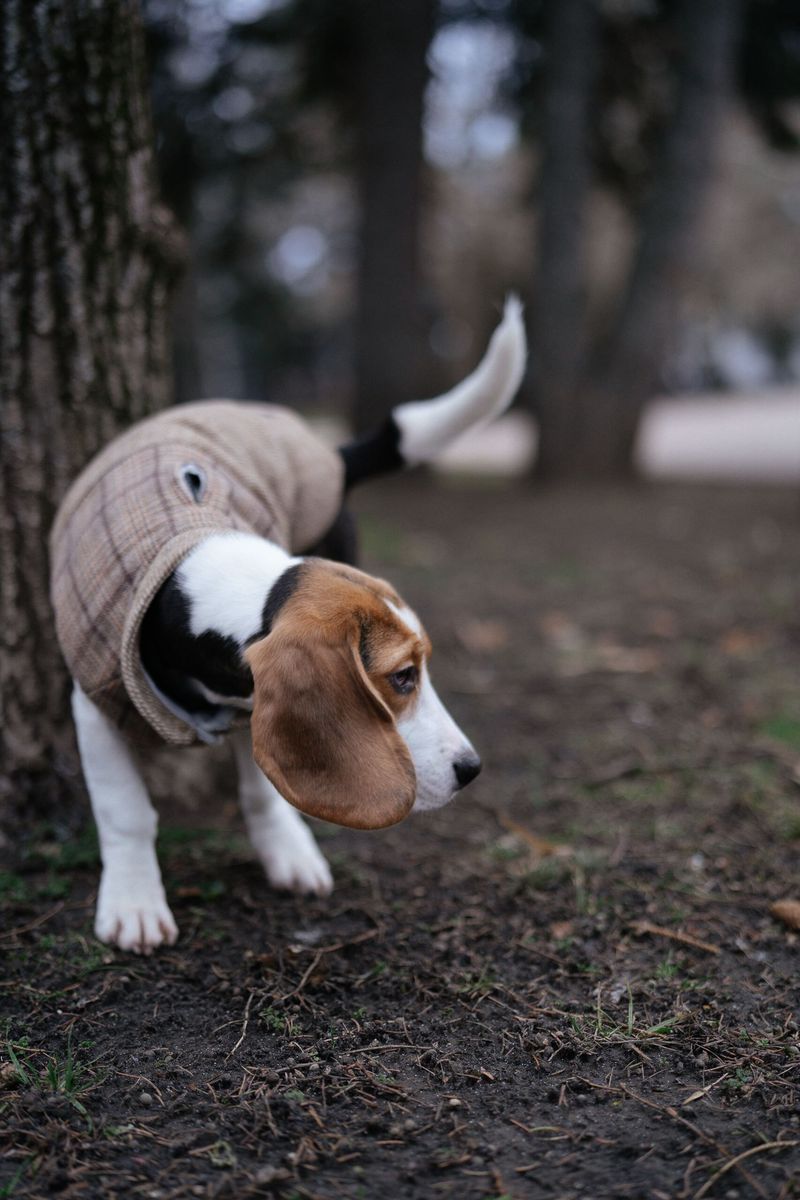
Floppy ears, soft eyes, friendly tail. Who could resist?
Just wait until that nose catches a scent.
Beagles have around 220 million smell receptors, so they’ll follow an interesting trail and ignore your calls completely. A leash is a must outside.
They also bay loudly, raid trash cans, and dislike being alone. Snuffle mats, scent games, and locked food bins can keep your hound happy and your kitchen safe from sneaky snacking.
Cavalier King Charles Spaniel

Royal lapdogs once warmed the laps of English kings, and today’s Cavaliers still believe your lap is their throne.
That sweetness comes with strings attached. They hate being alone and can develop separation stress quickly.
Health is another big factor, since heart problems are common in the breed. Regular vet checkups, careful brushing of those silky ears, and lots of company are the price of all that cuddly devotion.
Many owners say it’s worth it.
French Bulldog
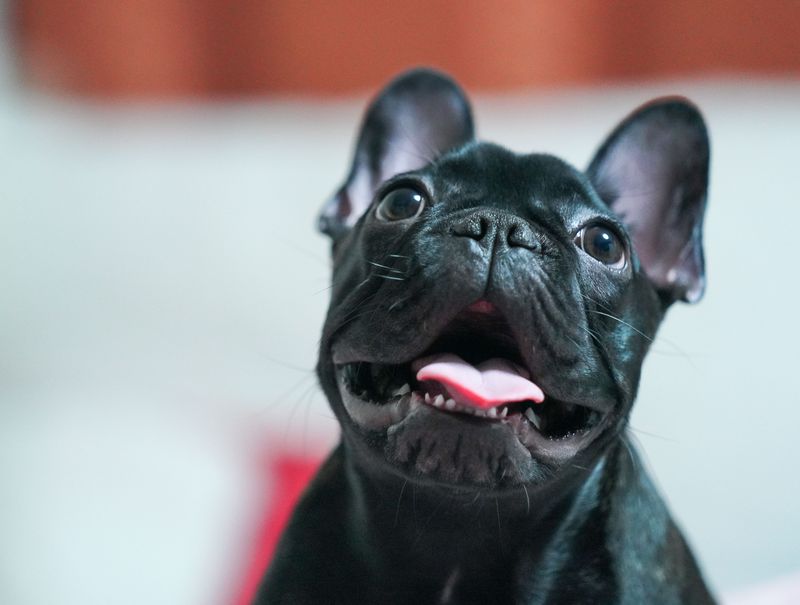
Bat ears and a goofy grin made Frenchies one of America’s most popular breeds. Apartment friendly?
Sure. Low maintenance?
Not quite.
Their flat faces make breathing tricky, especially in hot weather. Owners must watch for overheating and keep walks short on warm days.
Vet bills can climb fast because of skin, spine, and airway issues. Pet insurance, wrinkle cleaning, and a cool home go a long way toward keeping these clowns comfortable.
Golden Retriever
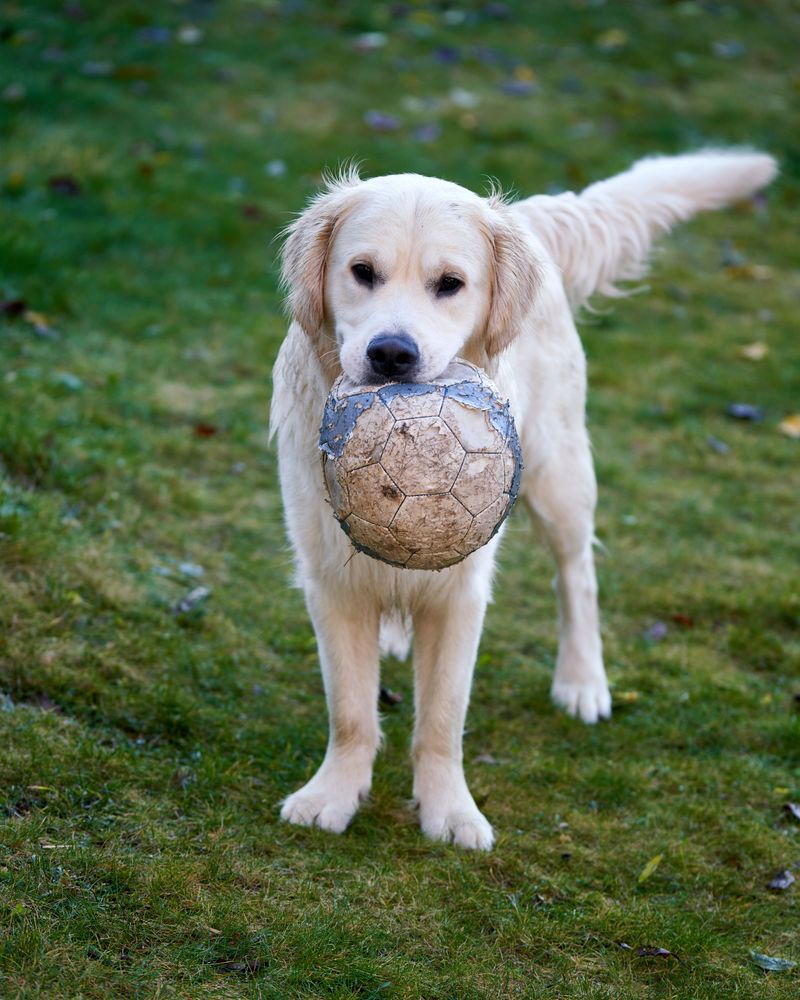
Ask a room of people to name a family dog, and Goldens usually top the list. Their sunny personalities are real, but so is their workload.
Young Goldens stay puppy-like for years, mouthing hands and bouncing on guests. They need daily exercise and lots of training.
Then there’s the hair. Expect golden fluff on clothes, couches, and even your dinner.
Weekly brushing and swimming trips will make this bright buddy truly content.
Weimaraner
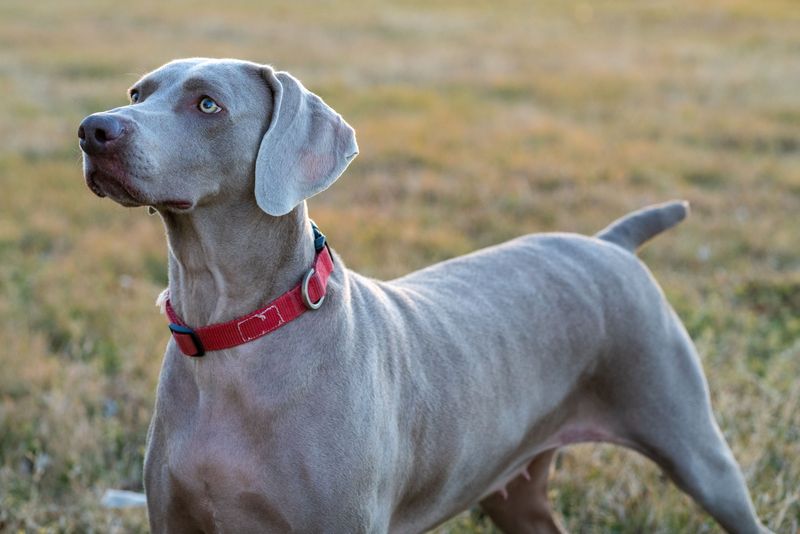
Nicknamed the gray ghost, this sleek hunter looks elegant enough for a fashion shoot. At home, it acts more like a shadow that never leaves your side.
Weimaraners bond so tightly with their people that alone time can trigger chewing, crying, or destructive behavior.
They were bred to hunt big game in Germany, so they need running room and steady training. Families who are home often and love outdoor adventures suit them best.
Shih Tzu
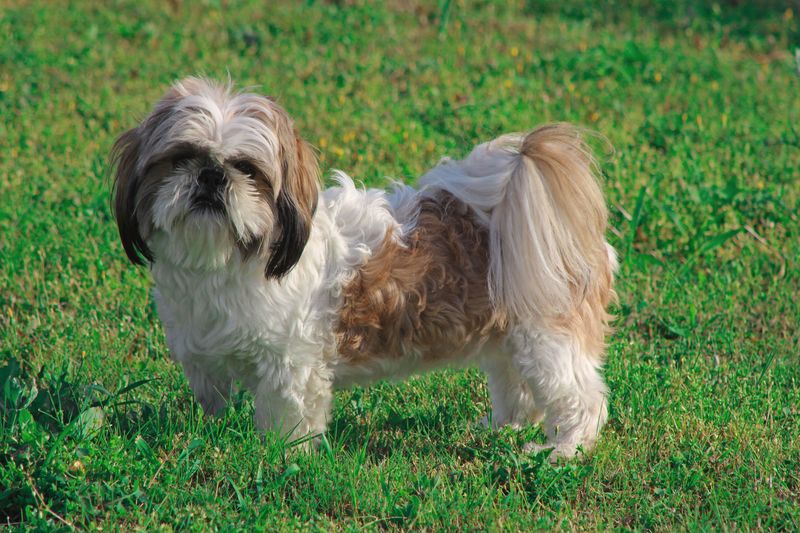
Chinese emperors once kept these little lion dogs in palaces, and the Shih Tzu still expects royal treatment.
That gorgeous flowing coat needs brushing almost every day, plus professional grooming every few weeks. Skip it, and painful mats form fast.
Housetraining can also take extra patience. Short haircuts save time, and gentle, reward-based lessons work wonders.
Treat this tiny noble well, and you’ll get a cheerful, affectionate friend for many years.
Belgian Malinois
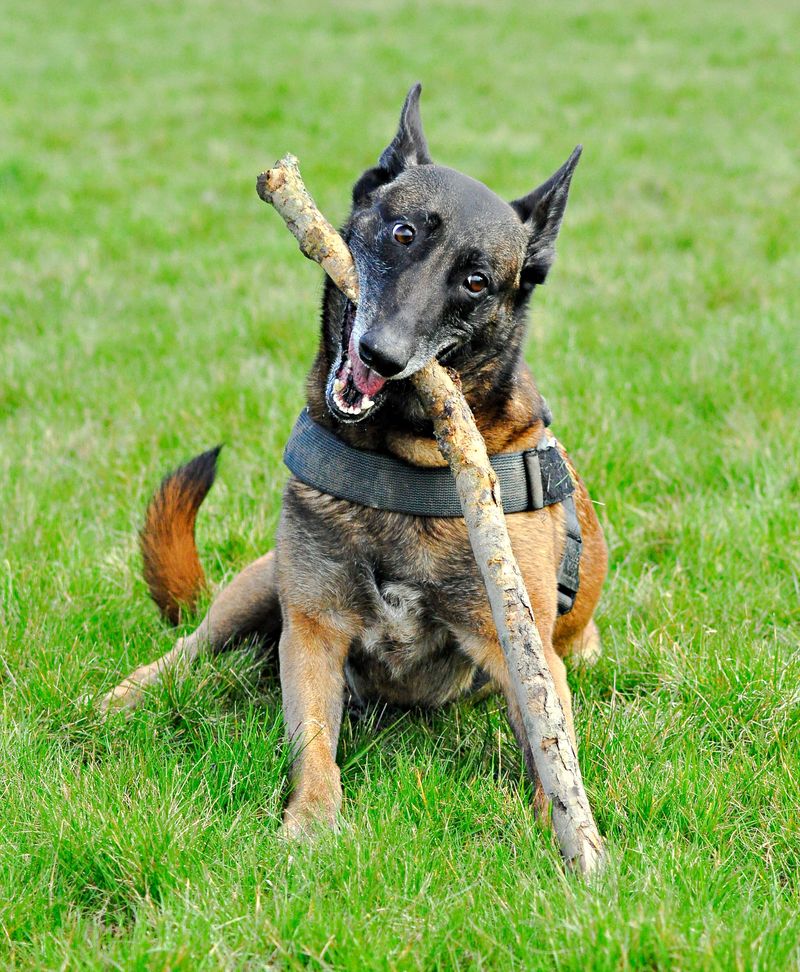
Police and military teams pick the Malinois for tough missions. That should tell you something about how much this dog needs.
Often mistaken for a German Shepherd, it’s lighter, faster, and even more intense. Daily hard exercise and advanced training aren’t optional.
In the wrong home, a bored Malinois can become anxious or pushy. Only experienced owners with time for serious work should consider one.
For them, few dogs are more impressive.
Labrador Retriever
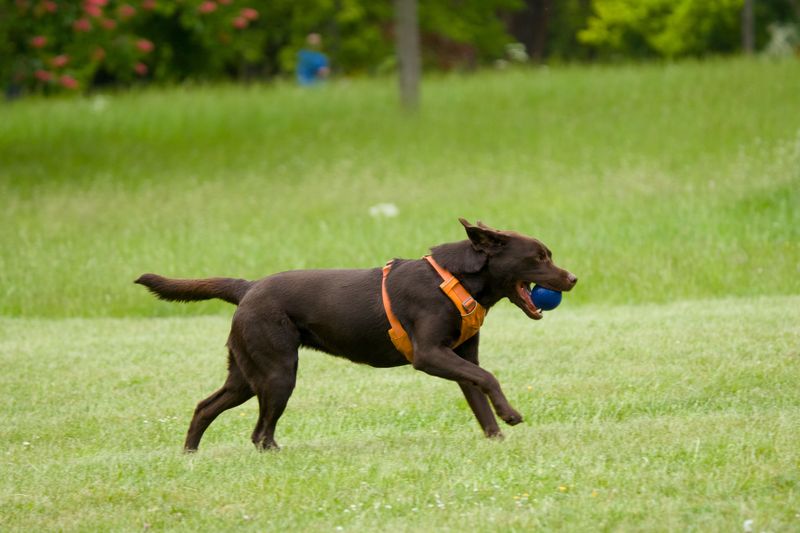
Did you know? Despite its name, the Labrador actually comes from Newfoundland, where it helped fishermen haul nets.
Labs are friendly to almost everyone, which makes them seem effortless. In reality, they’re big, strong, and full of energy for their first few years.
They also love food a little too much, so weight gain is common. Measured meals, daily swims or fetch, and early leash training will keep your Lab fit and well-mannered.