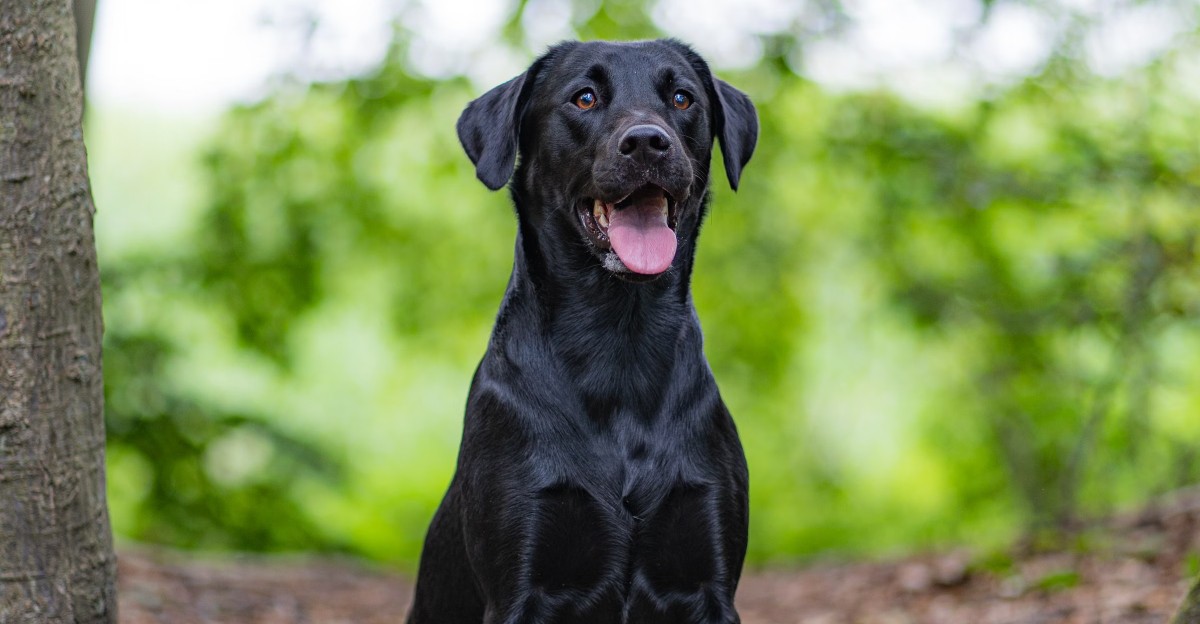
Friends, neighbors, and social media love to tell you which dog breed is the best. Many of those popular picks really are wonderful, but they also come with surprises that nobody mentions at the dog park.
Knowing the full picture before you bring a puppy home can save you stress, money, and heartbreak. Here is what longtime owners wish someone had told them first.
Labrador Retriever
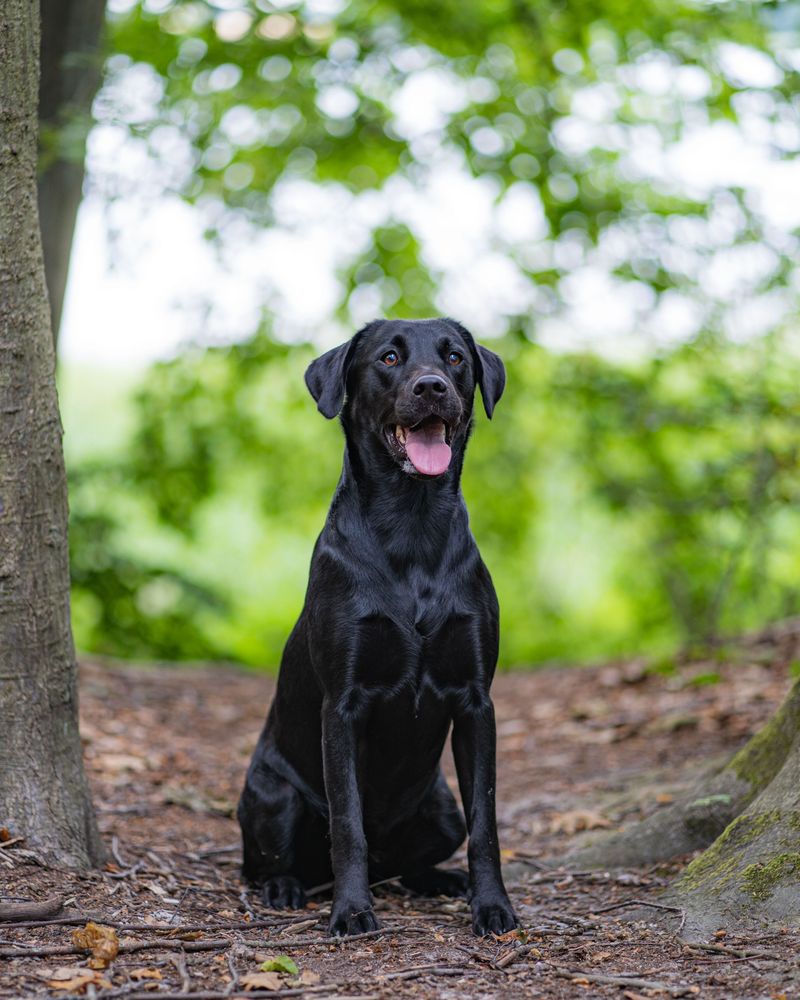
America loved Labs so much that they topped popularity charts for over thirty years. Friendly and eager, they seem like an easy choice for any family.
Here is the catch. Labs stay puppy-like until age three, chew almost anything, and gain weight fast if you are loose with treats.
They also shed a lot.
Plan on daily runs, sturdy chew toys, and measured meals to keep your goofy buddy healthy and your couch in one piece.
Golden Retriever
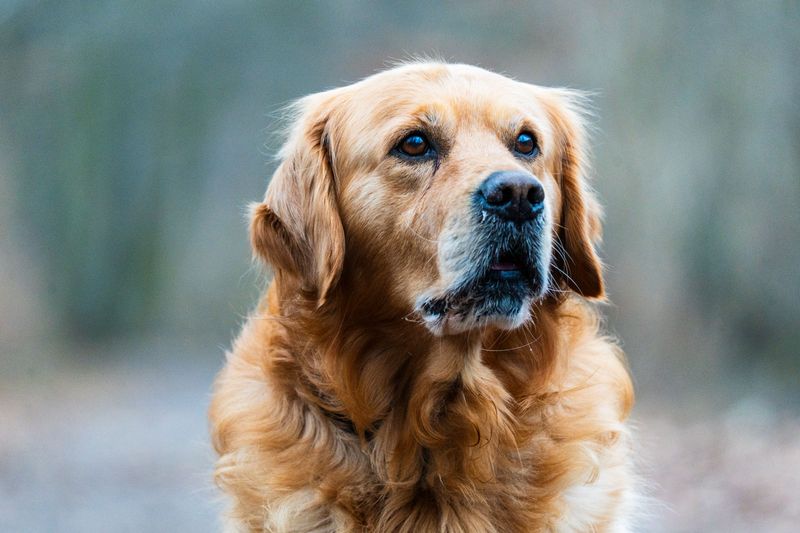
Picture a sunny dog with a wagging tail who loves everyone. That dream is real, but so is the fur tornado that comes with it.
Goldens blow their coat twice a year and shed steadily in between. Sadly, the breed also has high cancer rates, so vet bills can climb as they age.
Brush several times a week, consider pet insurance early, and give them a job like fetching to burn energy.
French Bulldog
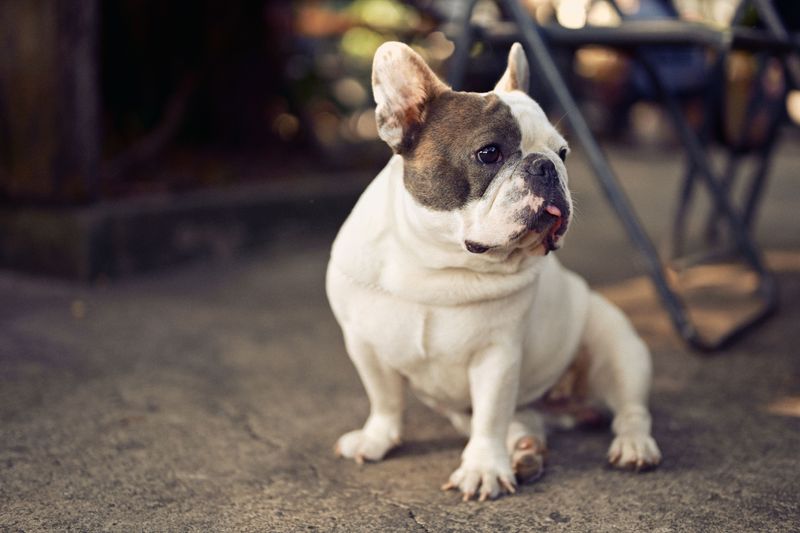
Those bat ears and squishy faces made Frenchies the most popular breed in the United States by 2022. Apartment dwellers adore their small size and calm energy.
Still, flat faces mean breathing trouble. Many Frenchies overheat quickly, snore loudly, and need costly surgeries for airways, spines, or skin folds.
Buy only from breeders who health test, keep walks short on warm days, and save money for vet care.
Border Collie
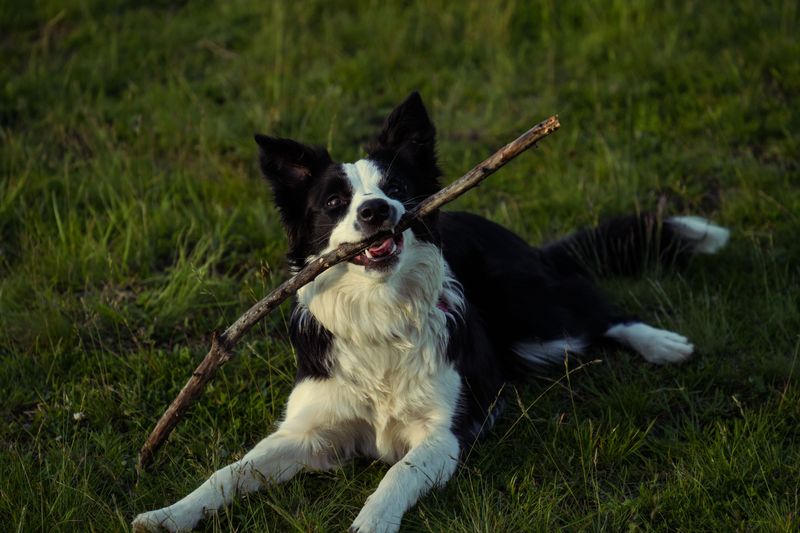
Smart is an understatement. Researchers often rank Border Collies as the brainiest dogs around, and one named Chaser learned over a thousand toy names.
That brilliance has a downside, though. A bored Border Collie may herd kids, chase cars, or invent destructive games when nobody is watching.
Unless you can offer hours of exercise plus puzzles, agility, or herding work every day, a calmer breed will likely make everyone happier.
Siberian Husky
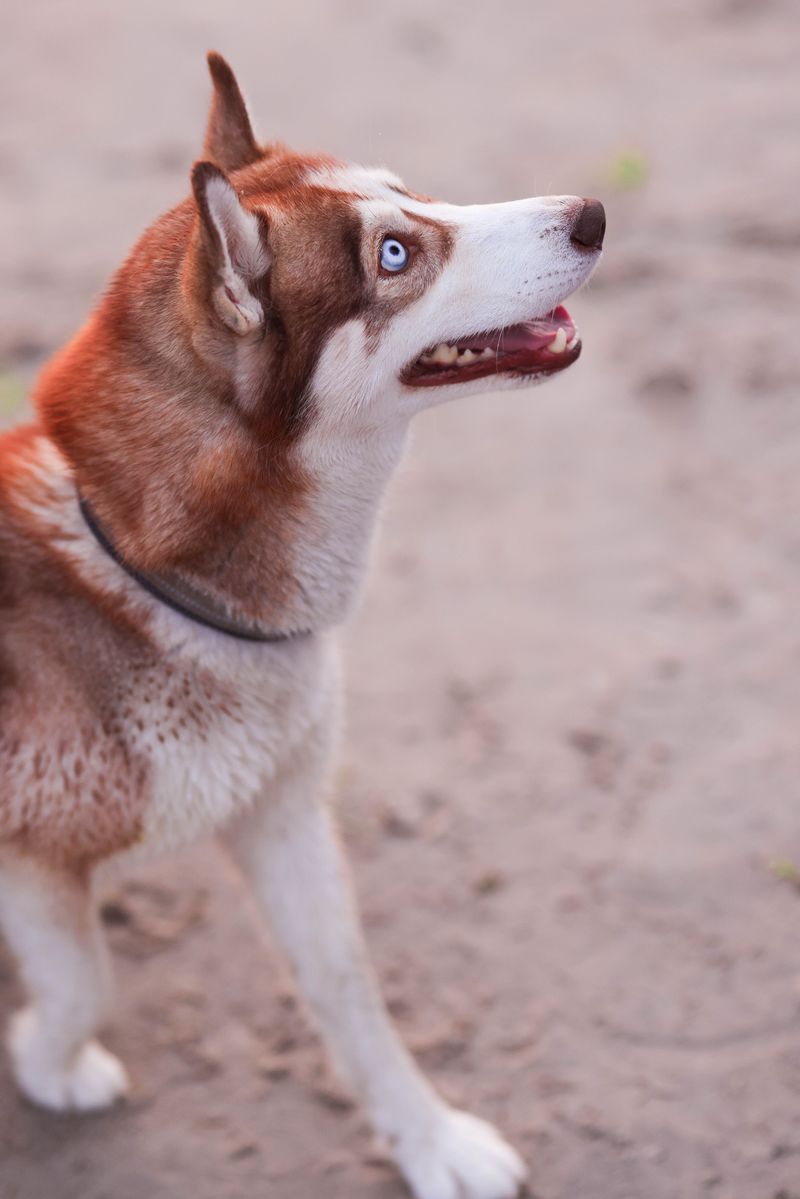
Wolfish looks and icy blue eyes have sent many people straight to a breeder. Movies and viral videos of talking Huskies only made things more tempting.
Owners laugh about the reality. Huskies escape fences, dig craters, howl at sirens, and rarely come when called off leash.
Their thick coats also struggle in hot climates.
Build a secure yard, invest in sled-style activities, and accept that independence is part of their charm.
Beagle
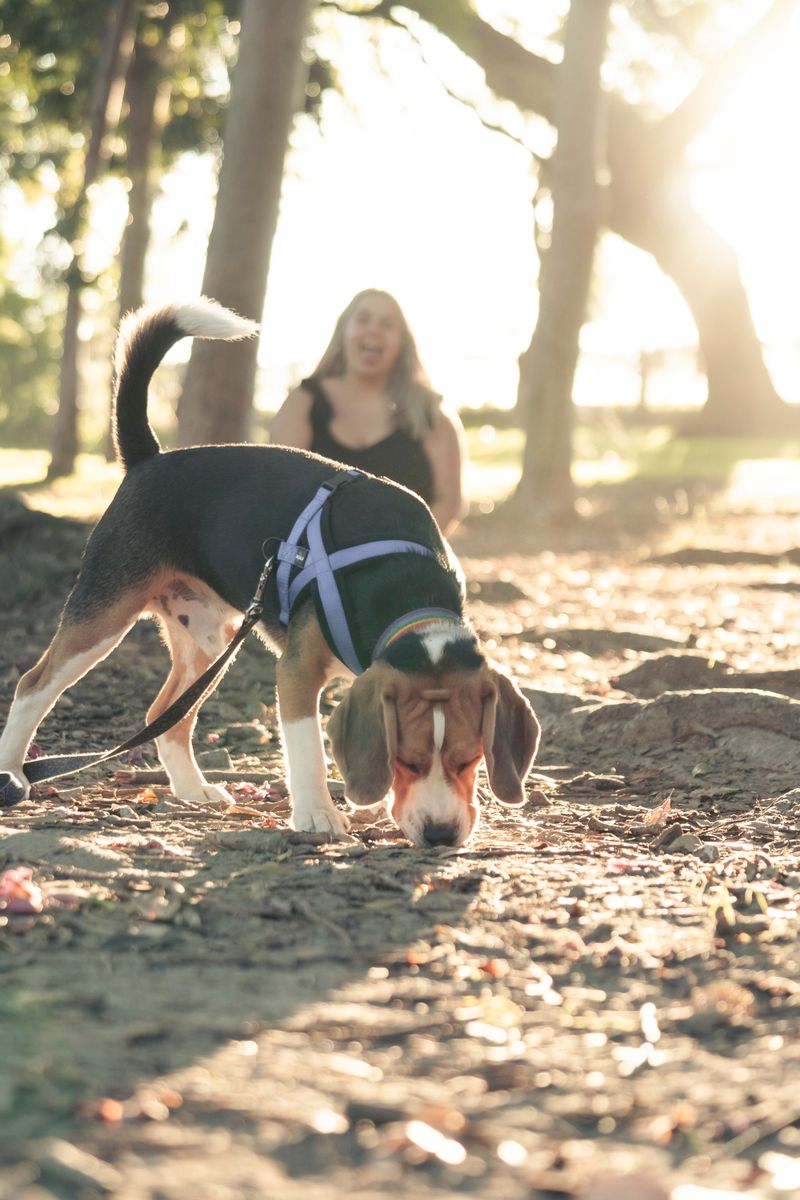
Snoopy made Beagles look like the cutest little sidekicks ever. In person they are cheerful, compact, and usually friendly with other pets.
Yet that famous nose rules their brain. Once a Beagle catches a smell, your voice disappears.
They also bay loudly, steal food off counters, and can be tricky to housetrain.
Use a long leash outdoors, lock up the trash, and reward good behavior with small, tasty treats.
Dachshund
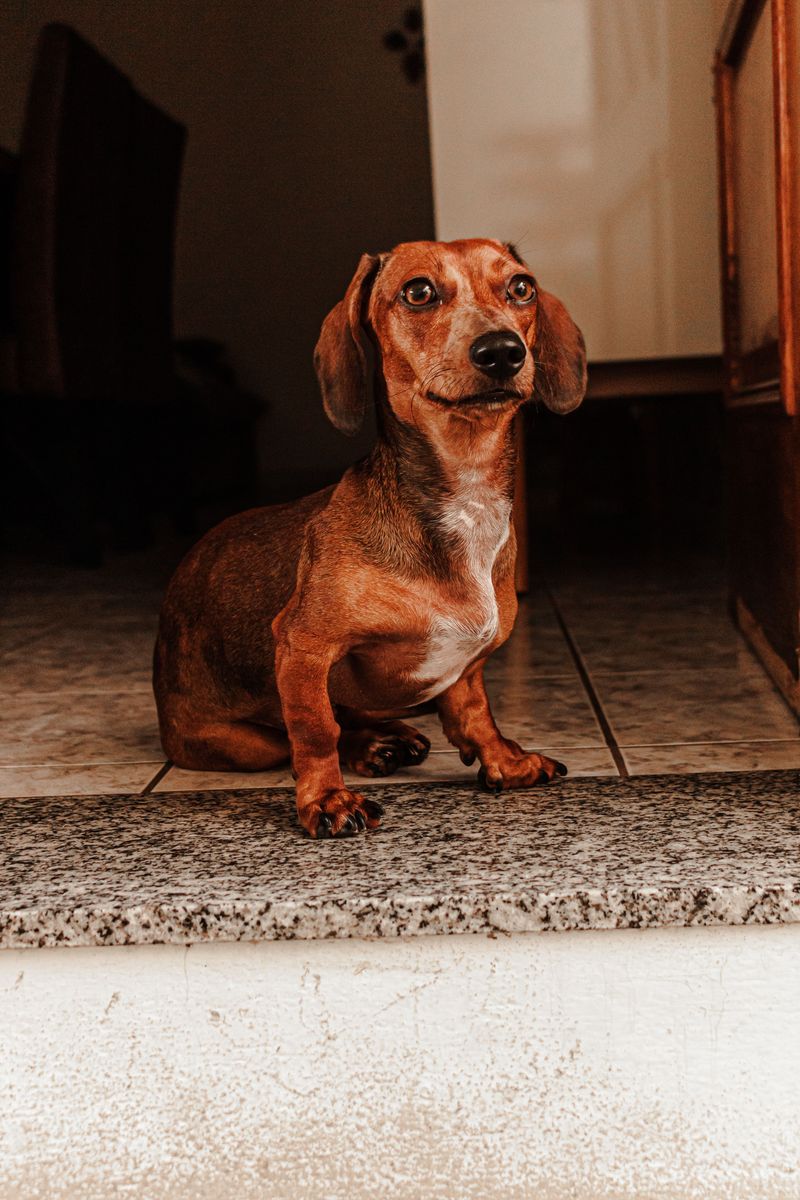
Bred in Germany to battle badgers underground, Dachshunds carry a big-dog attitude in a hot-dog body. People find them hilarious and loyal.
Their long backs are fragile, however. About one in four develops spinal disc disease, and jumping off furniture can cause injury.
Many also bark at every passing leaf.
Add ramps, keep them lean, and start barking training early so your fearless little hunter stays comfortable and calm.
German Shepherd
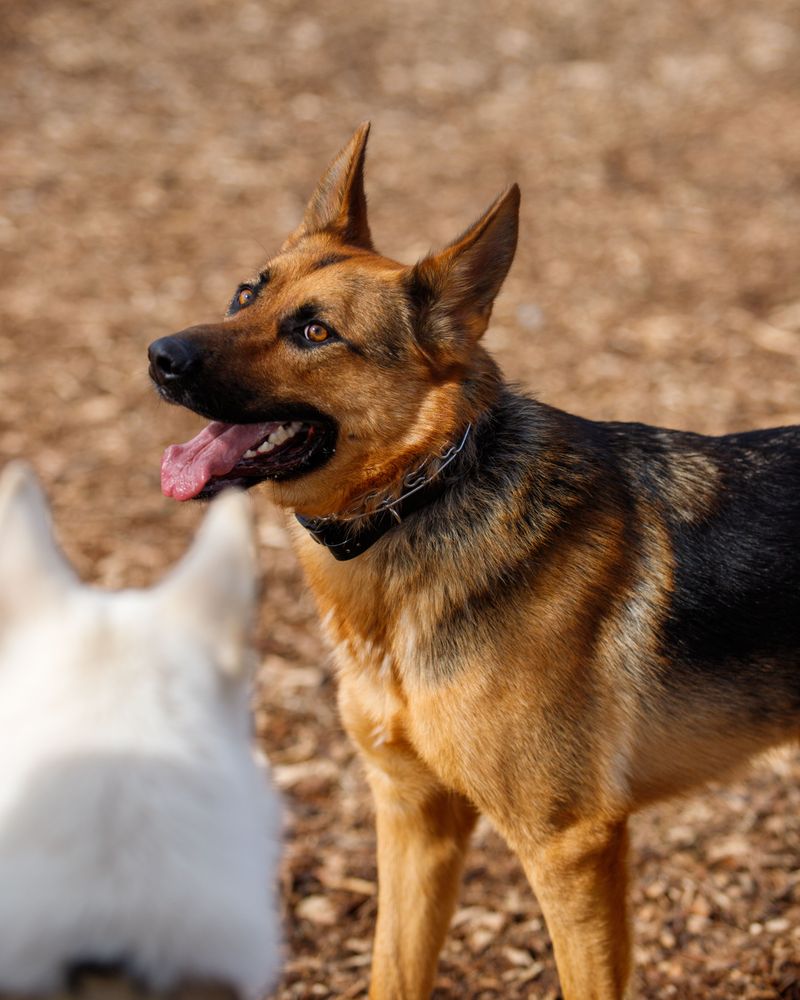
Police officers, soldiers, and search teams trust German Shepherds, so families assume they will be easy protectors at home.
Without serious training and early social time, that protective drive can turn into nervousness or overguarding. Hip problems are common too, and they shed so much some owners call them German Shedders.
Join a training class right away, meet lots of friendly people together, and pick a breeder who screens hips carefully.
Australian Shepherd
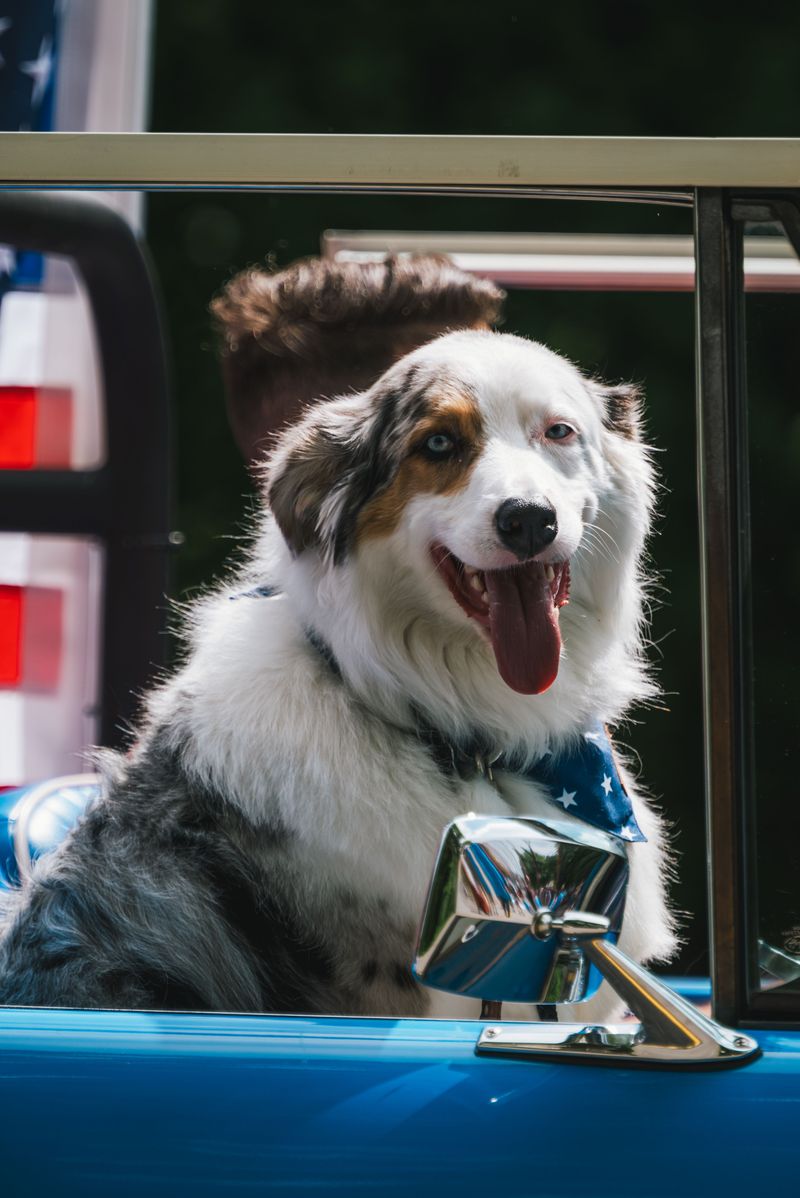
Funny thing about the name: Aussies were actually developed in the American West, not Australia. Their striking merle coats and bright eyes win hearts instantly.
Behind those eyes sits a motor that rarely turns off. Aussies may nip heels, bark at movement, and get anxious without structure.
Frisbee, agility, or long hikes help a lot. If your weekends lean toward movie marathons, this breed may feel frustrated in your home.
Cavalier King Charles Spaniel

Sweet, cuddly, and happy to nap on your lap all afternoon, Cavaliers often get called the ideal first dog. King Charles II reportedly let them roam his palace freely.
Heartbreak can hide behind that softness. Most Cavaliers develop heart valve disease, and some suffer a painful brain condition called syringomyelia.
Ask breeders for cardiologist reports on both parents, schedule yearly heart checks, and budget for medicine down the road.
Poodle
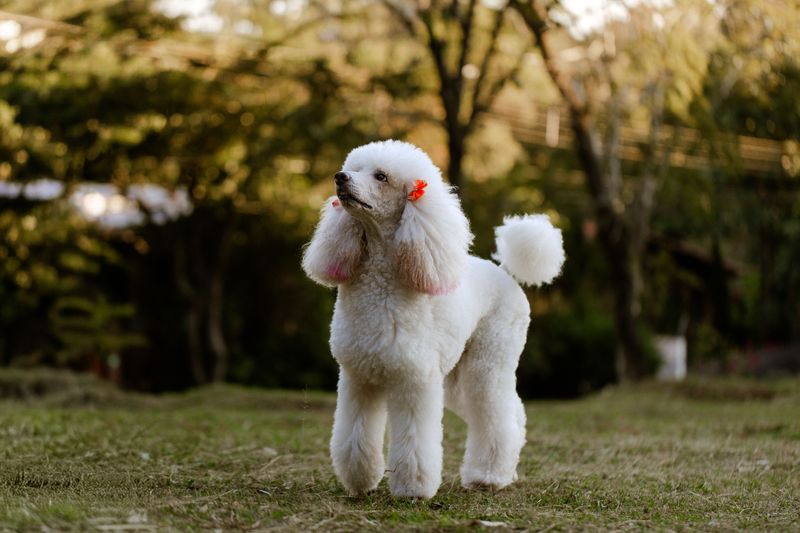
Allergy sufferers hear one word constantly: Poodle. Low shedding and sharp minds make them a top suggestion, especially for families.
Nobody mentions the grooming bill. That curly coat keeps growing and mats quickly, so professional trims every four to six weeks are a must.
Also, no dog is truly allergy-free.
Spend time around Poodles before committing, learn basic brushing, and factor salon visits into your monthly budget from the start.
Jack Russell Terrier
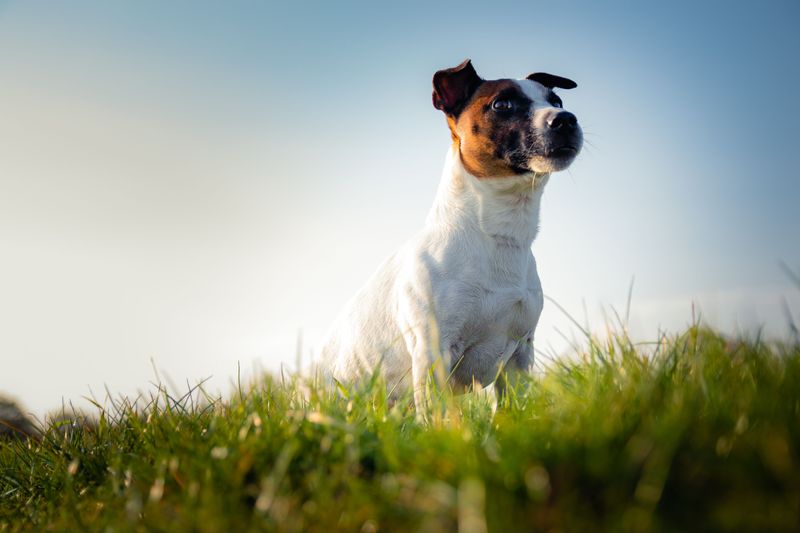
Remember Eddie from the TV show Frasier? That clever little scene-stealer convinced plenty of viewers to bring home a Jack Russell.
Real life feels more like owning a tiny tornado. These terriers can leap five feet, dig under fences, chase cats, and bark with enthusiasm.
Small does not mean easy. Give them daily games, firm and fun training, and a secure yard, or they will create their own entertainment.
Chihuahua
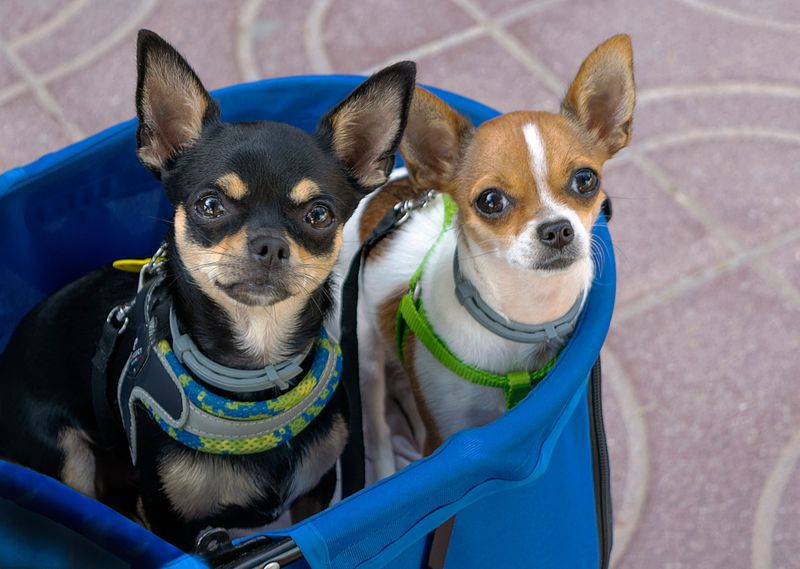
Tiny body, giant opinions. Chihuahuas fit in a purse and live for fifteen years or more, which seems perfect for small homes.
Many become clingy one-person dogs who snap at strangers or small children. Their little mouths also crowd teeth, leading to dental disease, and cold weather bothers them.
Treat your Chihuahua like a real dog, not an accessory. Socialize early, brush teeth often, and keep a cozy sweater nearby.
Bernese Mountain Dog
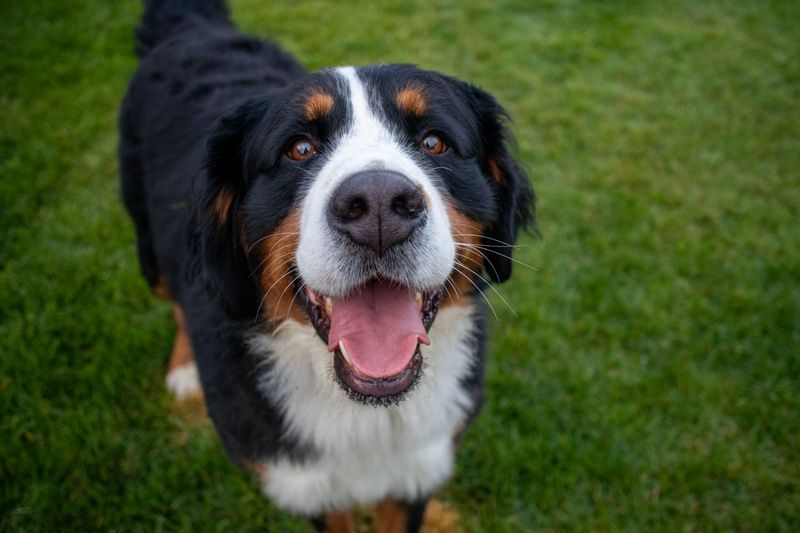
Originally farm helpers in the Swiss Alps, Berners pulled carts full of milk and cheese. Today their teddy bear looks and calm manners make them crowd favorites.
Sadly, their lifespan averages only seven to ten years, and cancer strikes often. They also drool, shed heavily, and hate hot summers.
Love them deeply while you can, keep them cool, and choose a breeder who tracks longevity in their family lines.
Shiba Inu
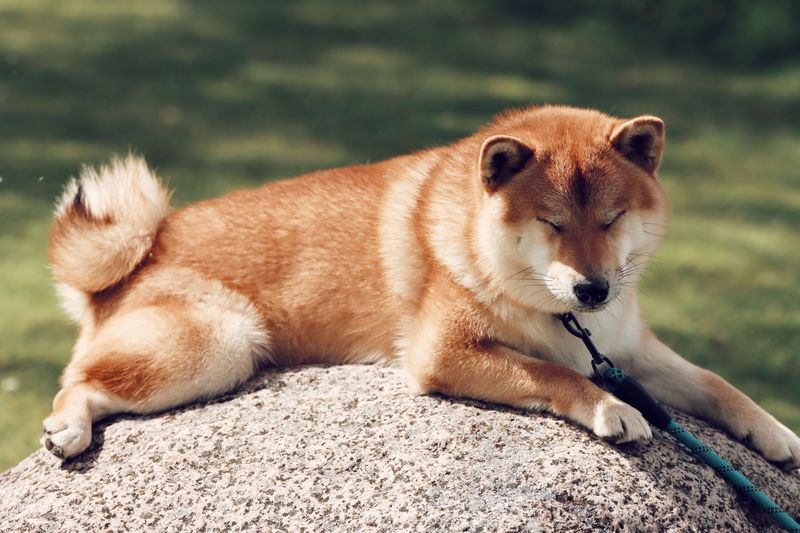
Thanks to the famous Doge meme, Shiba Inus became internet royalty. Their foxy faces and tidy, catlike habits sound like an easy match.
Owners describe them as stubborn and aloof. Shibas often ignore commands, dislike being held, and let out a dramatic Shiba scream when annoyed.
Off-leash walks are risky.
Patience is key. Use short positive sessions, start handling paws early, and respect that your Shiba may love you quietly.