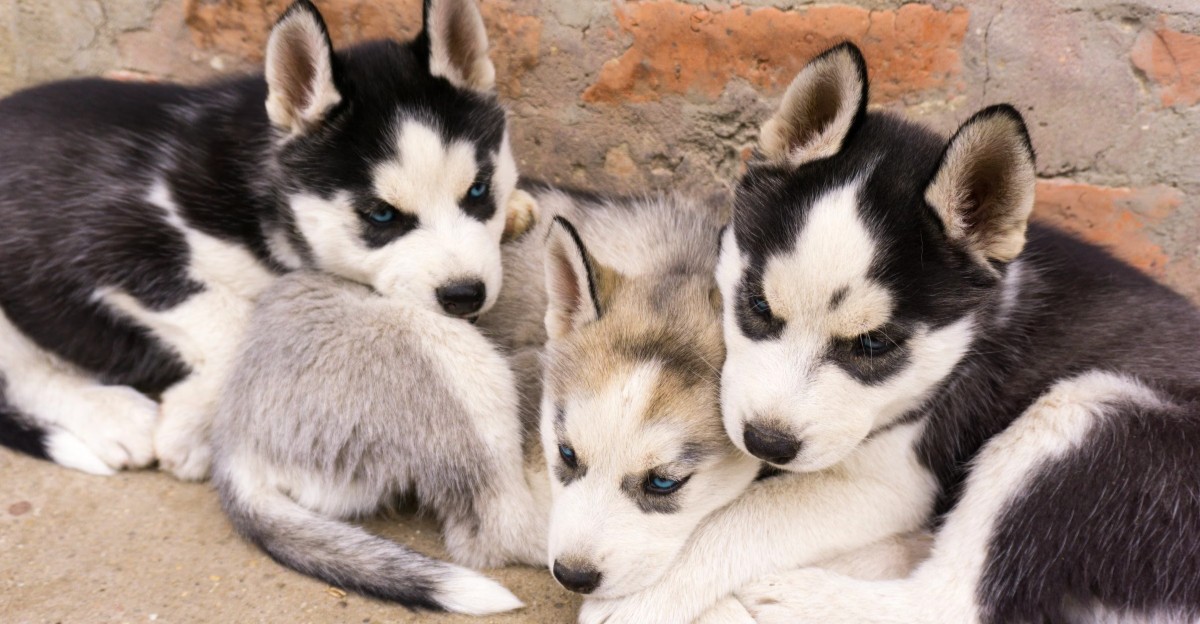
Some dogs learn the rules in a week, while others seem to argue with you for years. Picking a breed that matches your energy and patience can save you a lot of stress, chewed shoes, and sleepless nights.
Below you will meet eleven breeds known for stubborn streaks, wild energy, or slow training. Then you will discover five more that ask a lot of you but pay it back in loyalty, smarts, and love.
Siberian Husky
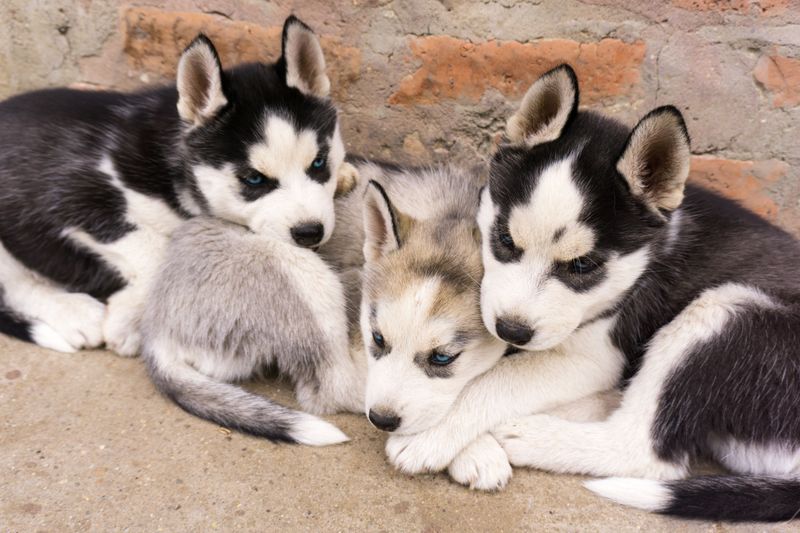
Picture coming home to find a perfect escape tunnel under your fence. Husky owners know that scene well.
Bred to pull sleds across frozen Siberia for hours, these dogs have endless stamina and a strong urge to roam.
Recall training can take years, and many never become trustworthy off leash. They also howl, shed heavily, and get bored fast.
Plan on long daily runs, sturdy fencing, and puzzle toys to keep that clever mind busy.
Beagle
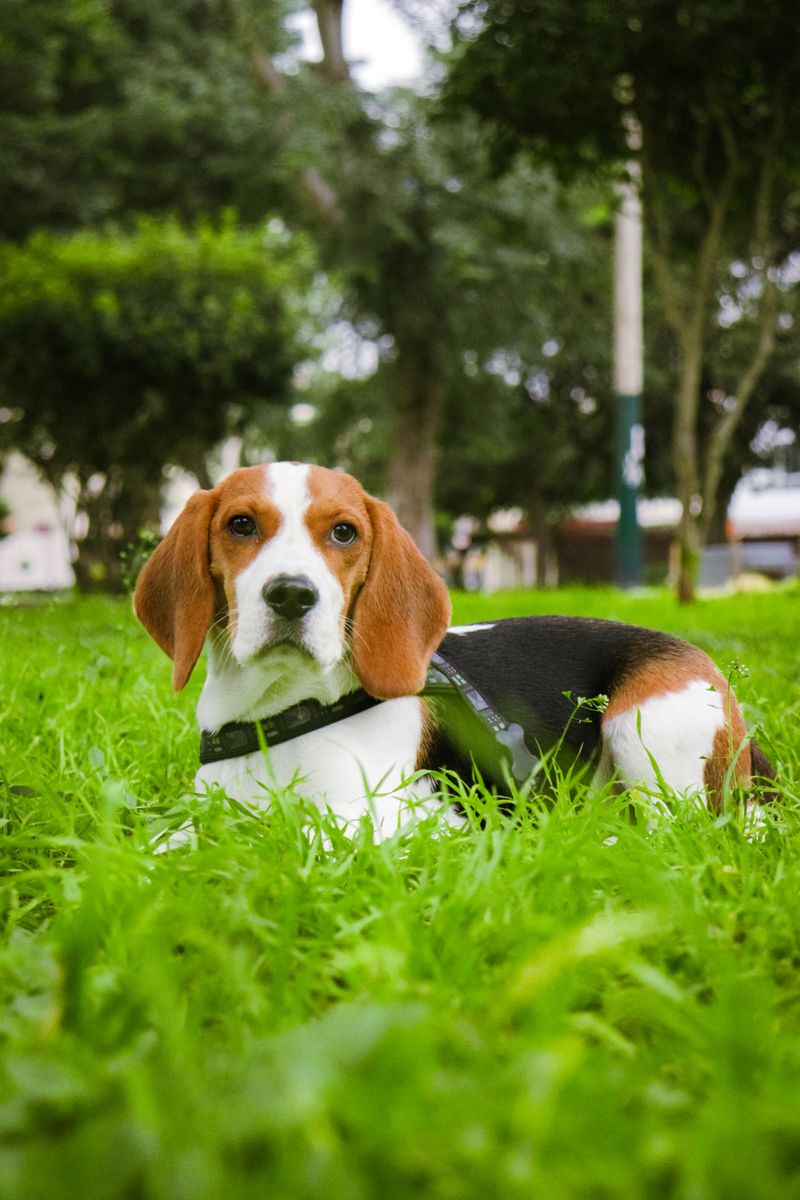
Your Beagle hears you calling. It simply decided the smell under that bush matters more.
With around 220 million scent receptors, this little hound lives nose first and ears second.
Training is slow because one interesting odor erases every lesson you taught. Beagles also bay loudly and raid trash cans like tiny bandits.
Keep treats handy, use a long leash outdoors, and lock up anything edible. Patience and humor work better than frustration here.
Dachshund
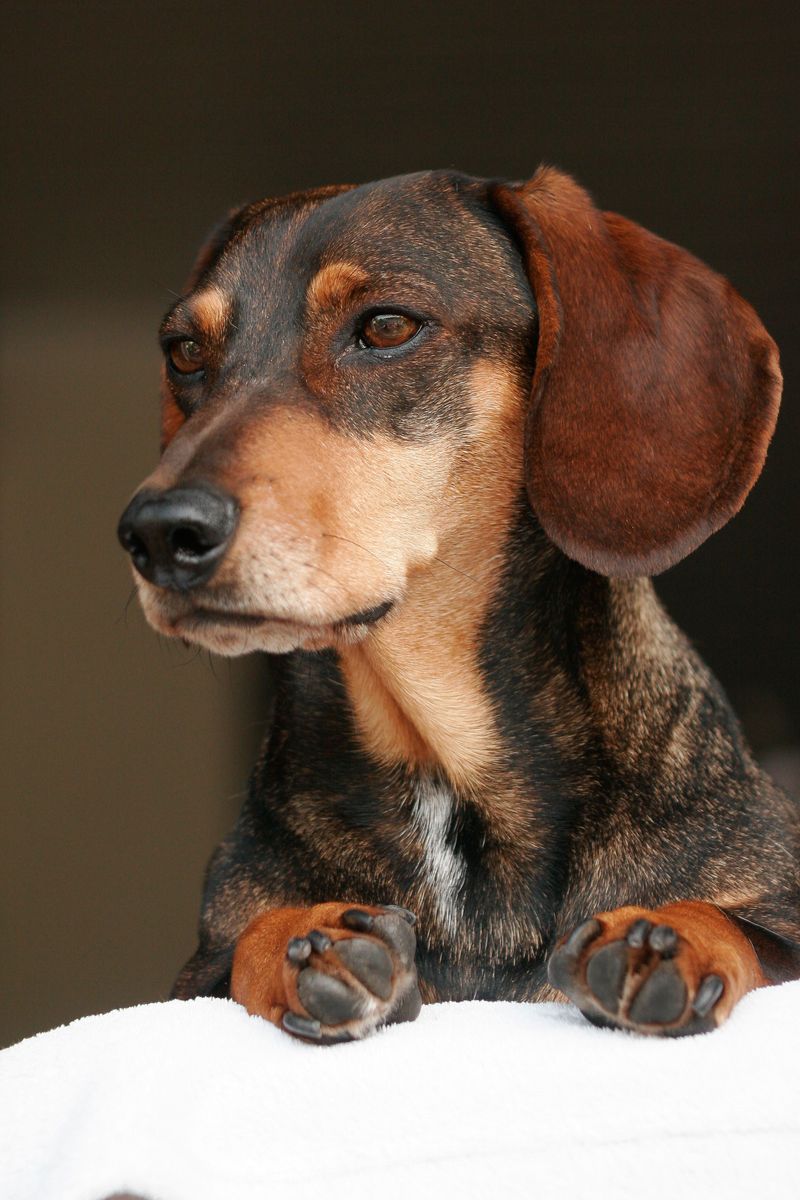
Small body, giant opinions. Dachshunds were created in Germany to chase badgers into tunnels, so bravery and stubbornness come built in.
Housetraining is famously tricky with this breed, sometimes taking a full year or more. Many also bark at every passing leaf and guard their favorite people jealously.
Keep sessions short and upbeat, since harsh words only make them dig in their tiny heels. Protect that long back by limiting jumps off furniture, too.
Afghan Hound
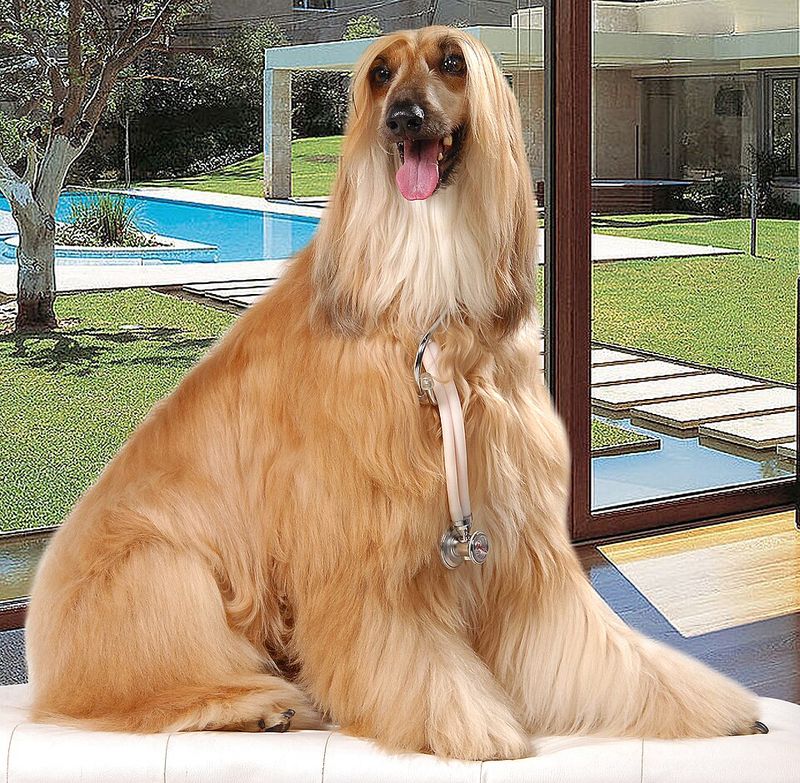
Gorgeous? Absolutely.
Obedient? Not so much.
The Afghan Hound often ranks near the bottom of canine obedience lists, not from lack of brains but from a very independent spirit.
Bred to hunt in the mountains of Afghanistan without human direction, they decide for themselves. Add hours of brushing each week for that silky coat, and you have a serious commitment.
Gentle, reward-based training and a secure yard are musts. Expect slow progress and lots of grooming.
Basenji
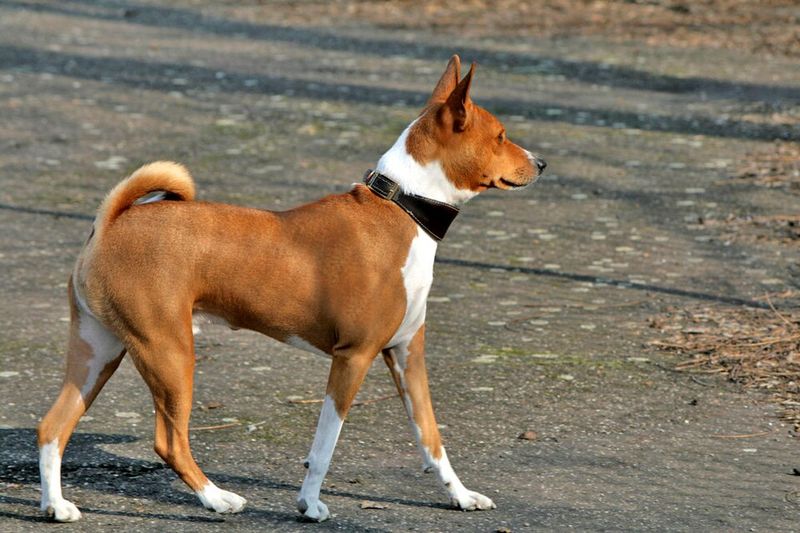
Here is a dog that does not bark, yet it is far from quiet. Basenjis yodel, scream, and chortle instead, a funny trick from their African hunting roots.
Owners often compare them to cats. They groom themselves, climb fences, and ignore commands when they feel like it.
Chewing can also become a real hobby.
Crate training, tons of exercise, and creative games help. If you want an eager people-pleaser, look elsewhere.
Jack Russell Terrier
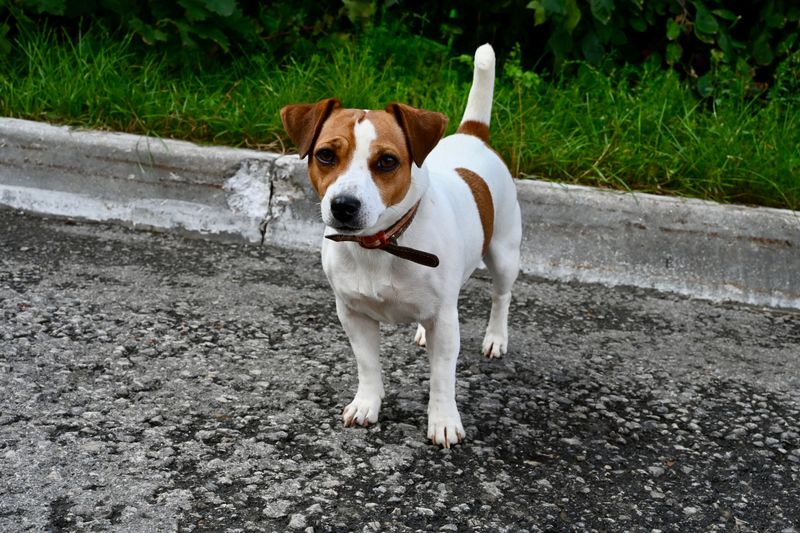
Think of a tiny tornado with legs. Jack Russells were bred in England to chase foxes, and that wild energy never seems to run out.
Leave one alone and bored, and you may return to shredded pillows or a garden full of craters. They can also be bossy with other dogs.
Agility classes, fetch, and daily mental challenges keep them happy. Owners who love an active lifestyle will laugh more than they groan.
Chow Chow
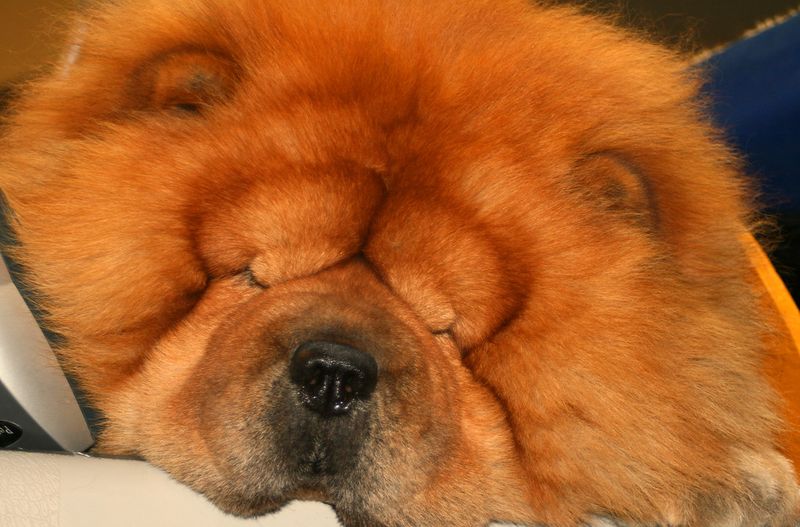
With its lion mane and blue-black tongue, the Chow Chow looks like a stuffed toy. Its attitude tells a different story.
This ancient Chinese breed tends to bond with one person and stay cool toward everyone else. Without early socialization, that reserve can turn into suspicion of guests and other pets.
Start meeting people and places in puppyhood, and stay calm and consistent. Respect wins its trust, while pushy handling backfires quickly.
Weimaraner
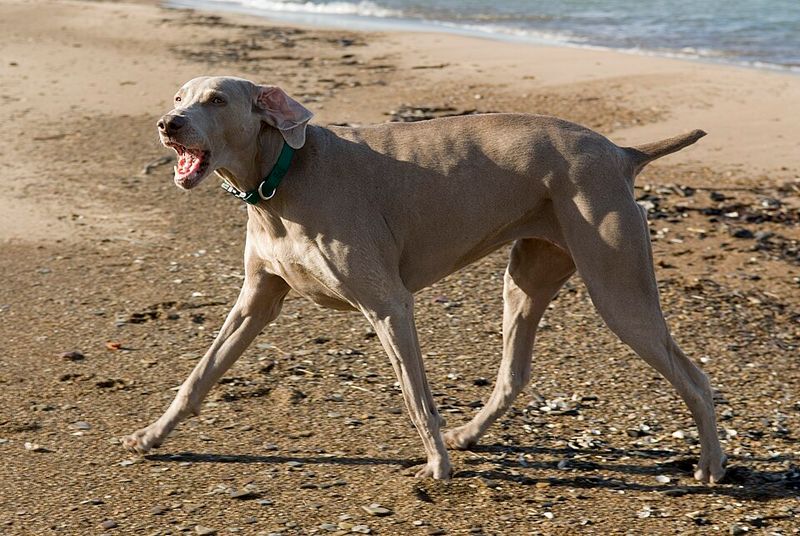
Some people call it the Velcro dog, and for good reason. A Weimaraner wants to be glued to your side every minute.
That clingy loyalty often leads to separation anxiety, with howling, scratched doors, and wrecked crates when you leave. Add huge hunting energy, and a quiet apartment life just does not fit.
Give at least two hours of activity daily and practice short departures. Slowly building alone time teaches calm confidence.
Bulldog
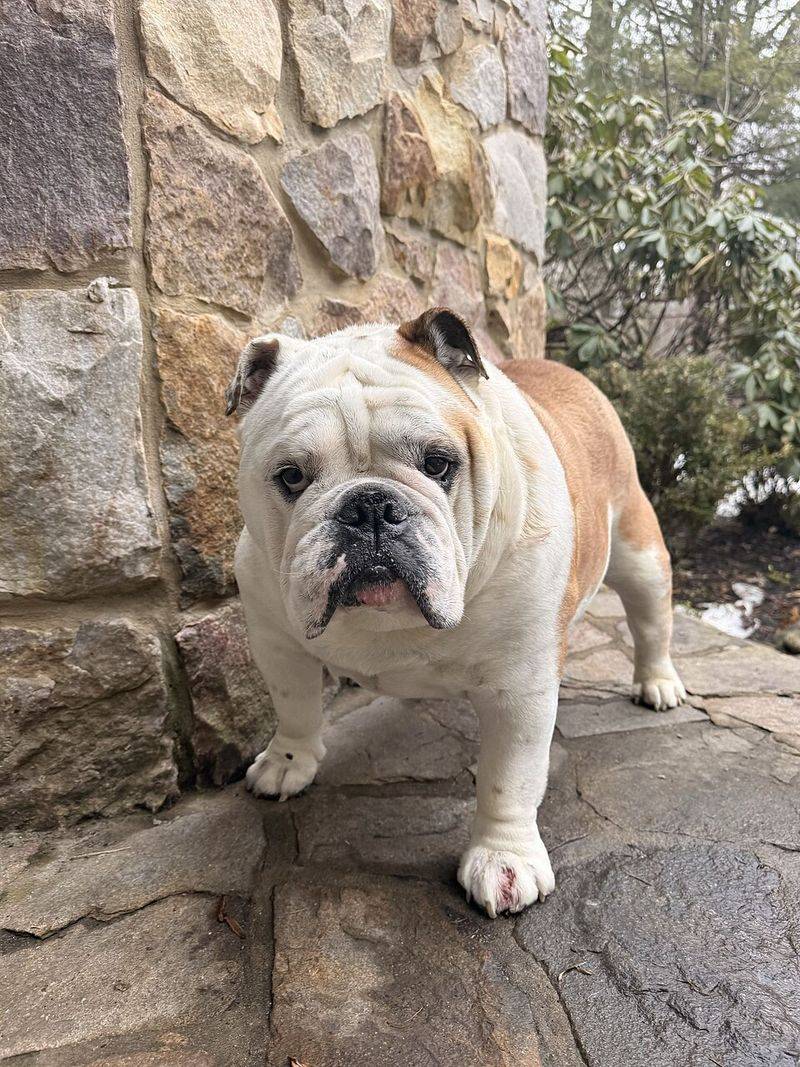
Ever tried moving 50 pounds of pure refusal? Bulldog owners have.
When this breed plants itself on a walk, it is not going anywhere.
Training takes steady patience, and health care adds another layer. Their flat faces cause breathing trouble, and those skin folds need regular cleaning to prevent infections.
Short walks in cool weather, tasty rewards, and a good vet relationship help a lot. The snoring is free of charge.
Shiba Inu
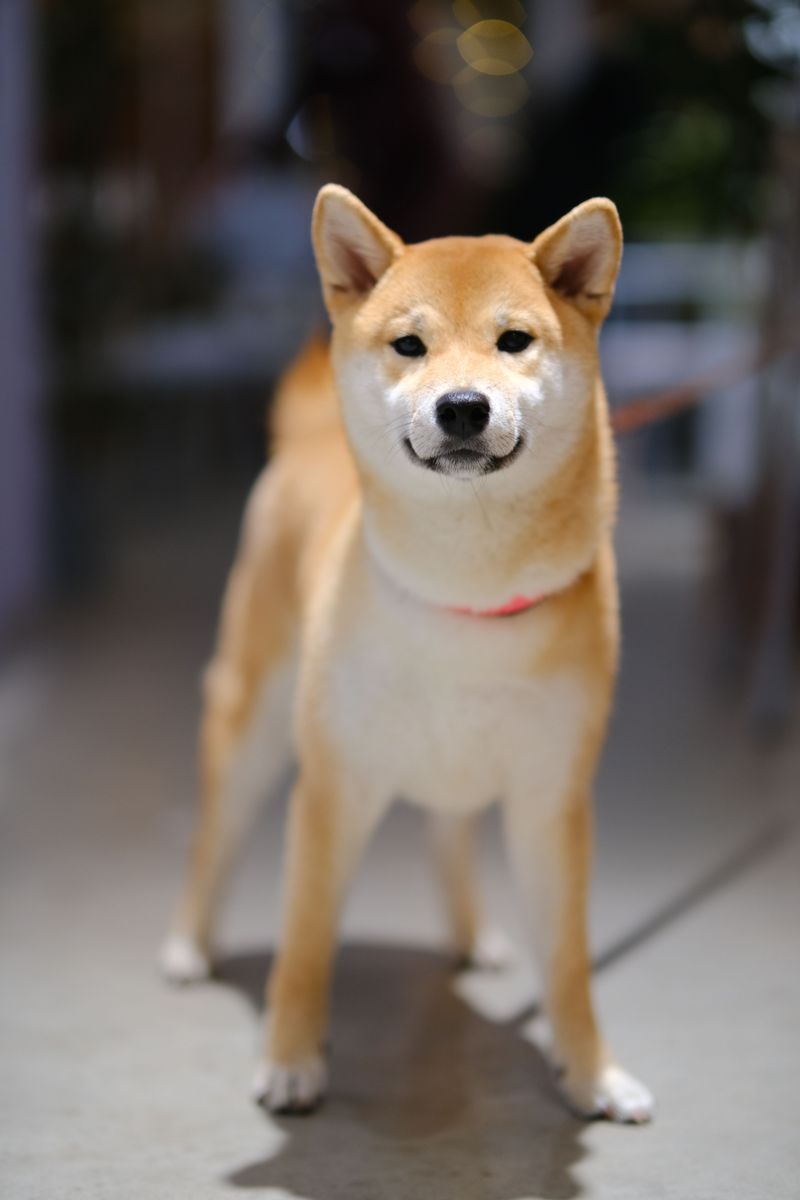
Japan’s beloved Shiba Inu has a famous move called the Shiba scream. Try trimming its nails, and the whole neighborhood will hear about it.
Proud, clean, and strong-willed, Shibas often treat commands like polite suggestions. Many can never be trusted off leash because their prey drive is intense.
Handle paws and ears early to reduce drama later. Celebrate small wins, since this fox-like dog does things on its own schedule.
Dalmatian
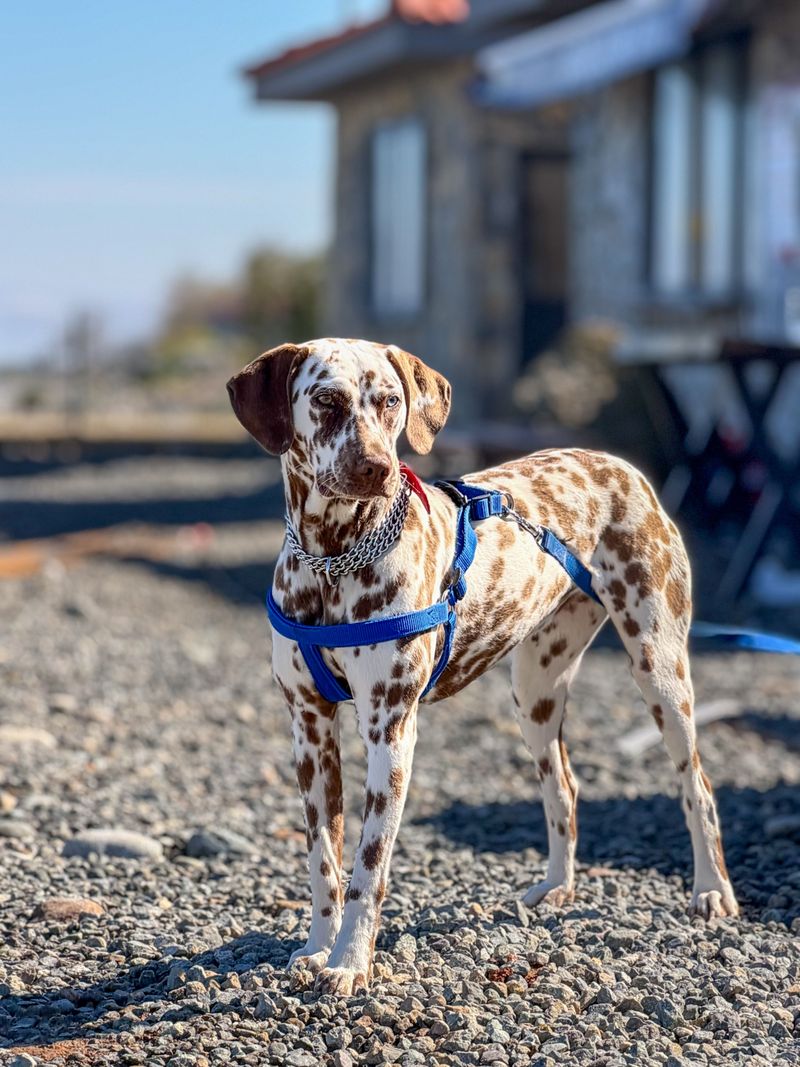
Movies made them look like easy family pets. Real Dalmatians are high-octane athletes who once ran miles beside horse-drawn carriages.
Without serious exercise, they get restless, pushy, and destructive. Many are also prone to deafness and urinary stones, so health checks matter.
Runners, hikers, and bikers make the best match. Consistent training from day one helps turn that wild puppy into a focused, spotted buddy you can actually take places.
Border Collie
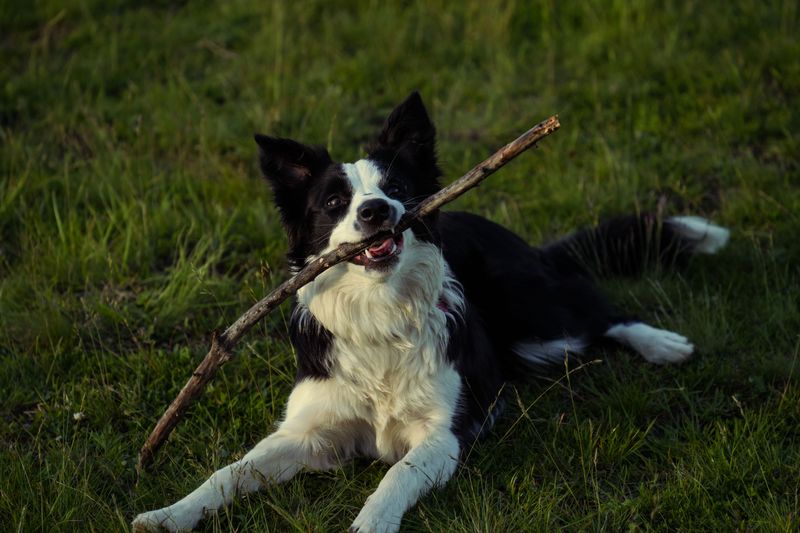
A Border Collie named Chaser learned the names of over 1,000 toys. That is the kind of brain you are signing up for.
Yes, the first year can be exhausting. Bored collies herd kids, chase cars, and invent their own jobs.
Once you channel that mind, though, magic happens.
Teach tricks, try agility or herding, and you will have a partner who seems to read your thoughts. Worth every tired evening.
German Shepherd
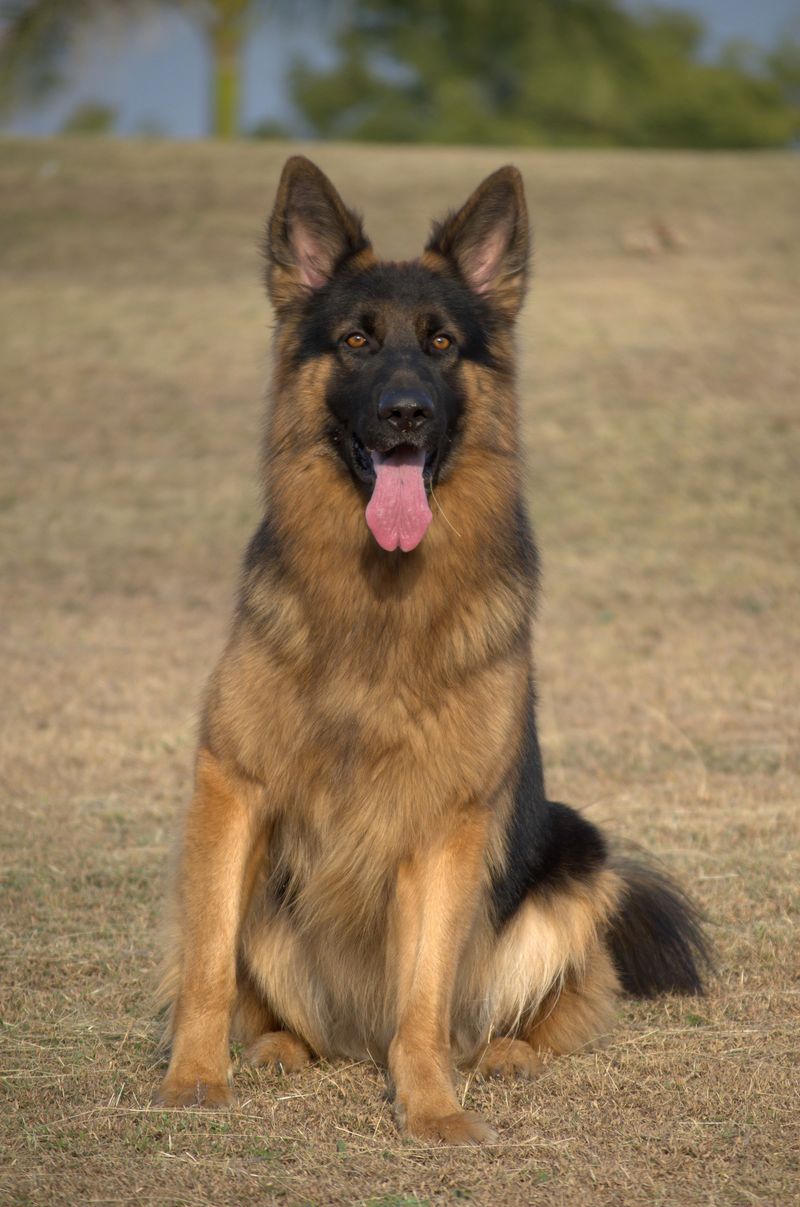
Puppy Shepherds are land sharks with giant ears. They nip, chew, and test boundaries for months.
Stick with it, and you get one of the most loyal and capable dogs on Earth. Police, search teams, and guide programs rely on them for good reason.
Early socialization keeps their protective side balanced. Daily training sessions build a bond so strong that your Shepherd will follow you from room to room, happily.
Labrador Retriever
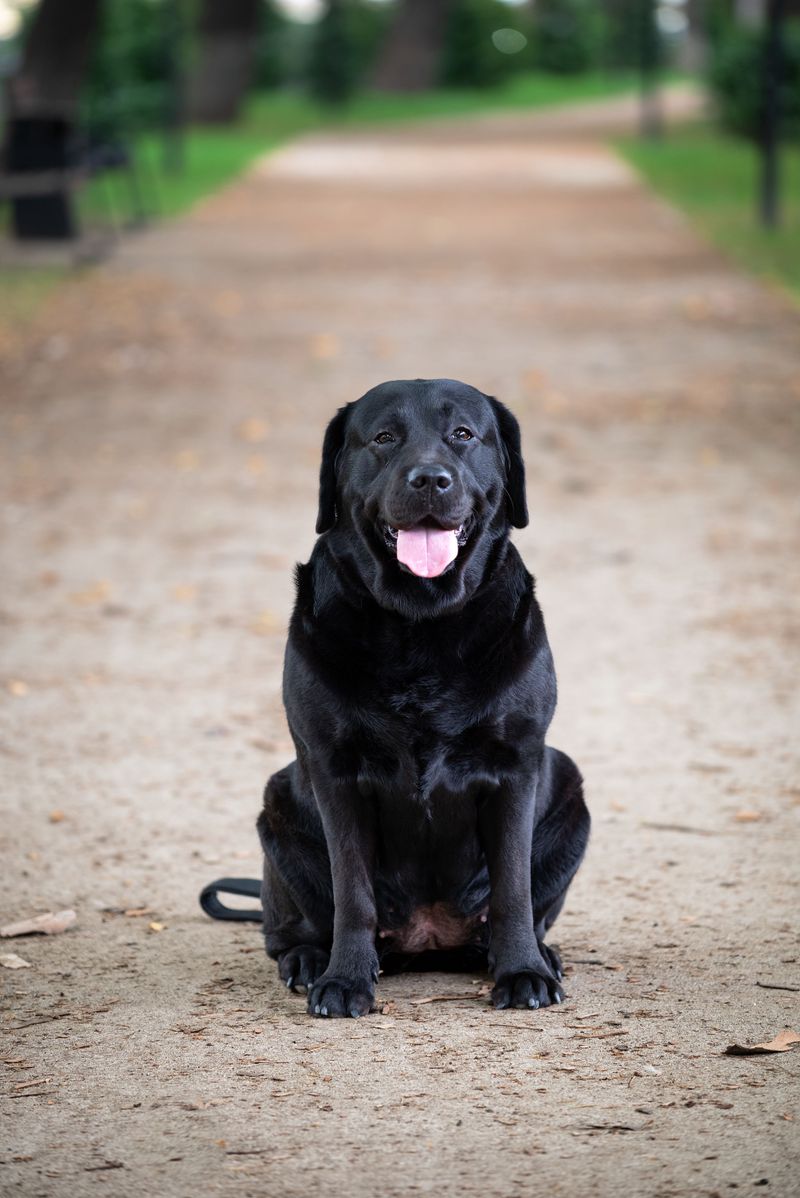
Did you know? Despite the name, Labs actually come from Newfoundland, Canada.
Their puppy years, however, come straight from chaos.
Young Labs chew everything, jump on guests, and stay wildly bouncy until around age three. Many owners wonder if it will ever end.
Then it does. A grown Lab is a calm, friendly, endlessly forgiving friend who loves swimming, fetch, and you.
Training and chew toys bridge the gap nicely.
Australian Shepherd
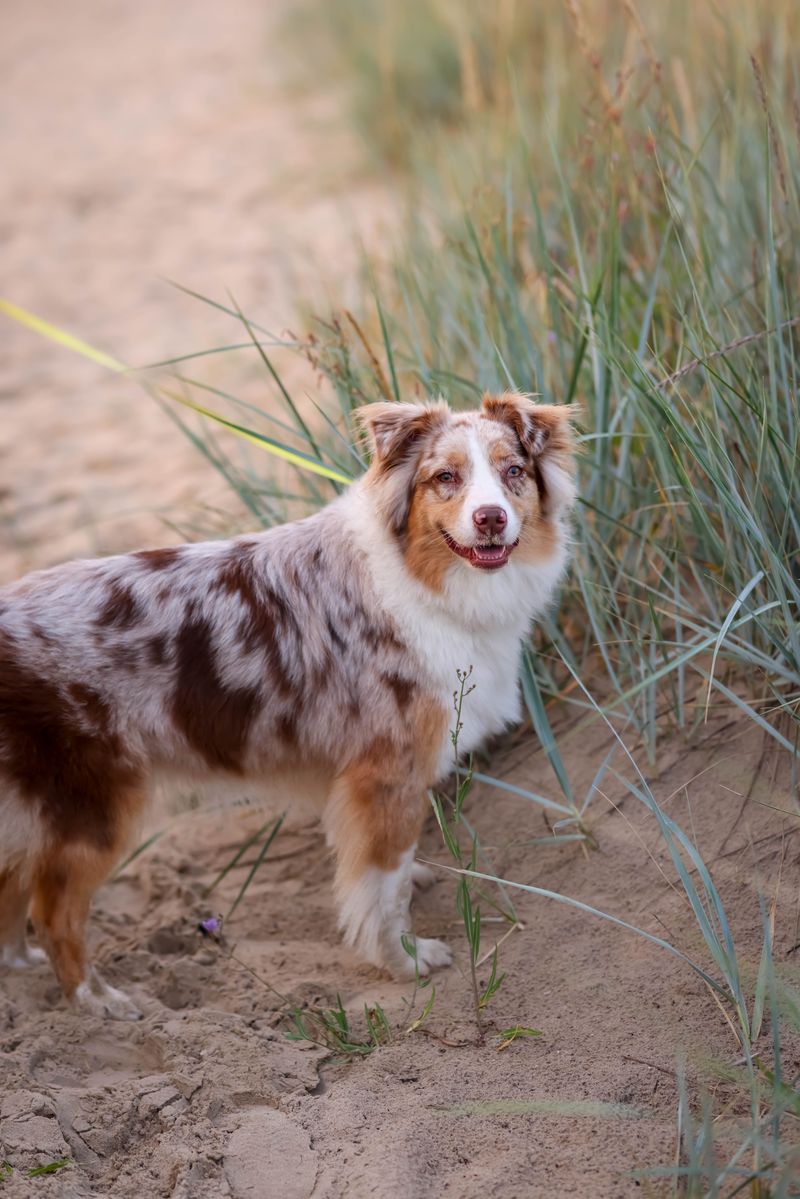
Fun fact: Aussies are not from Australia at all. They were developed on American ranches to herd livestock.
Their brains and stamina can overwhelm new owners, leading to barking, spinning, and herding the family cat. Give them purpose, however, and they shine.
Frisbee, trick training, and long hikes turn an anxious ball of energy into a joyful, devoted sidekick. Few breeds look happier when learning something new with their person.
Poodle
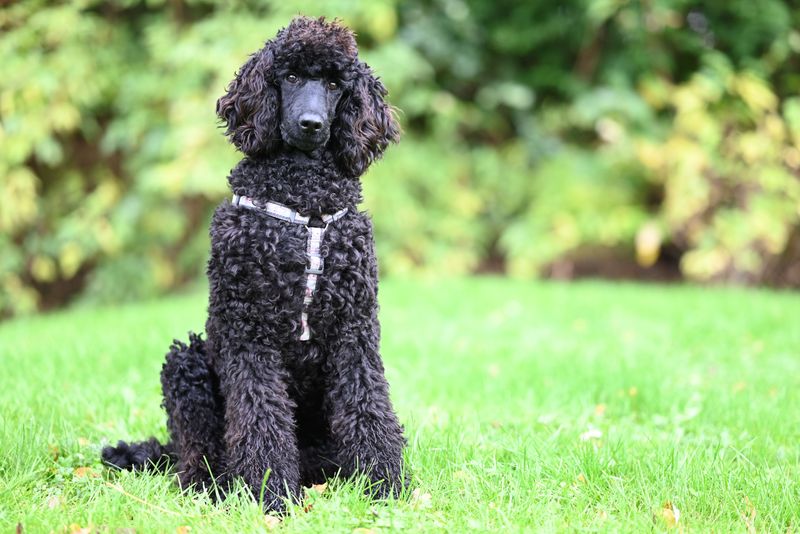
Forget the fancy show haircuts. Poodles were originally German water retrievers, and they are seriously athletic.
The effort comes from grooming every few weeks and their sensitive, clever minds that need daily challenges. Skip either, and you may face matted fur or a moody, bored pup.
The payoff is huge. They learn fast, shed very little, and bond deeply with families.
Many owners say they feel almost human in their understanding.