
Some dogs test your patience every single day, from chewed shoes to ignored commands. Yet the same stubborn pups often grow into the most devoted friends you could ever ask for.
Knowing which breeds need extra time and effort helps you pick a dog that truly fits your life. If you love a good challenge and a big reward, keep reading.
Akita
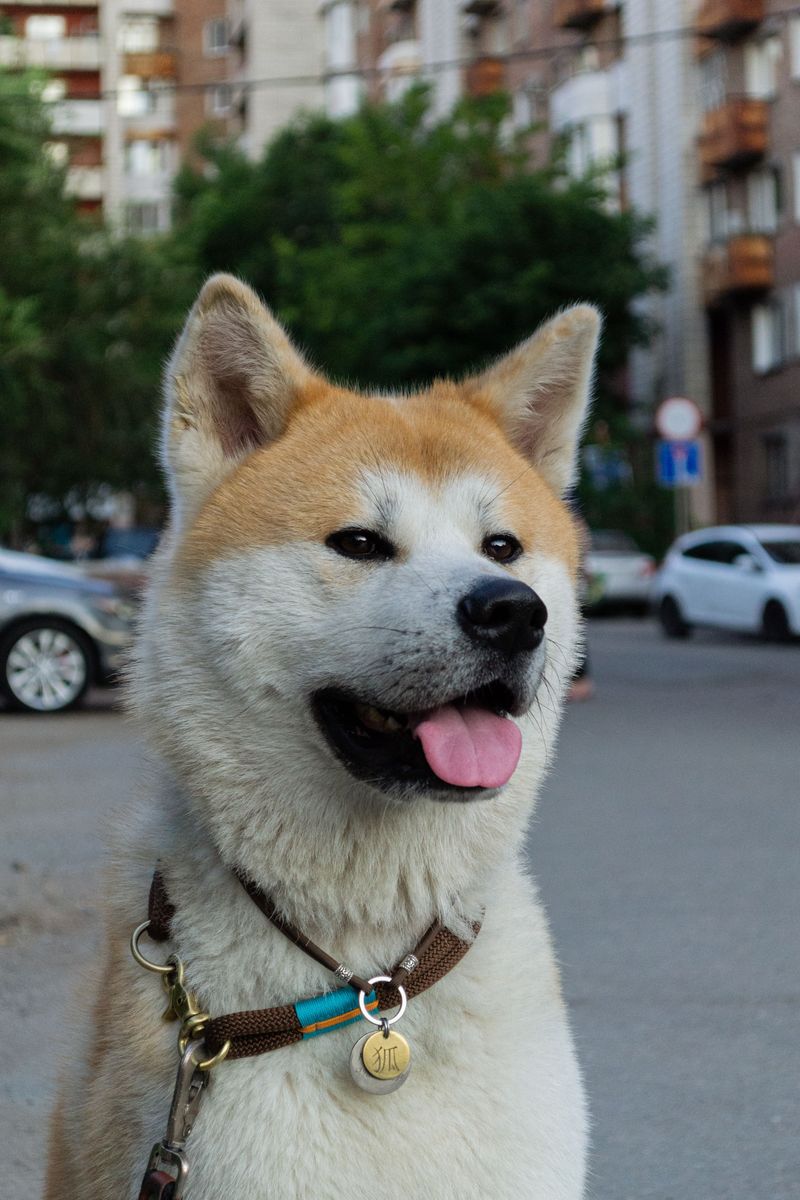
Hachiko, the famous Akita from Japan, waited at a train station for his owner for nearly ten years. That story says everything about this breed’s heart.
Still, Akitas are strong-willed and can be wary of strangers and other dogs. They need calm, steady training starting in puppyhood.
Skip yelling, because it only makes them shut down. Earn their respect slowly, and you will have a guardian who never leaves your side.
Siberian Husky
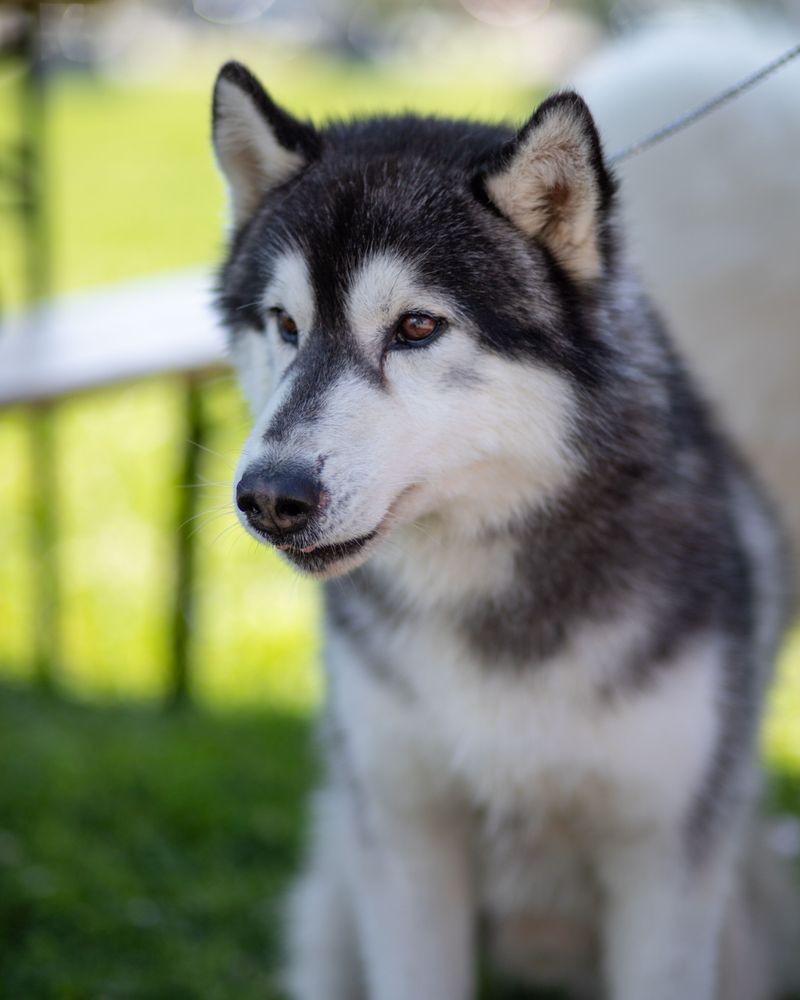
Ever heard a dog argue back? Huskies are famous for their dramatic howls and talking whenever they disagree with you.
Bred to pull sleds for miles across Siberia, they have endless energy and a strong urge to run. Fences get climbed, and holes get dug when they feel bored.
Give them long daily exercise and a secure yard. In return, expect a playful, affectionate buddy who treats your family like its own pack.
Chow Chow
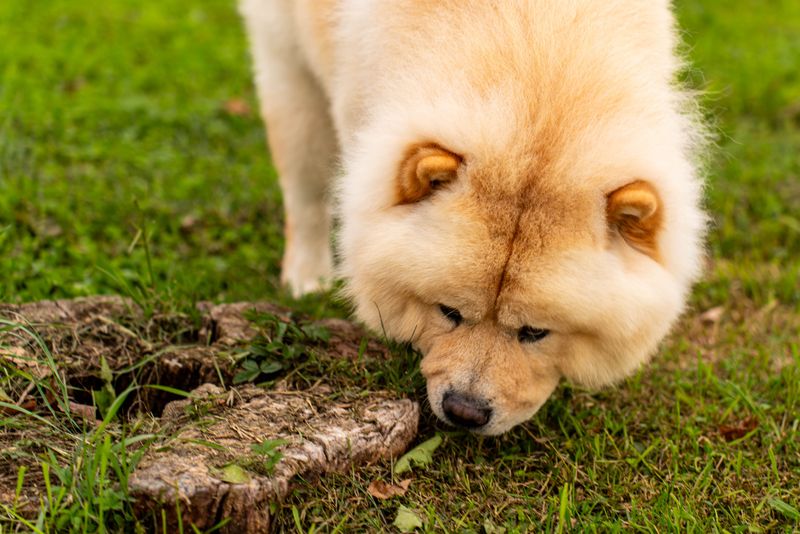
Picture a teddy bear with the attitude of a cat. Chow Chows look cuddly, but many prefer quiet respect over constant hugs.
Their independent streak makes training slow, and they can be aloof with new people. Early socialization matters a lot.
Fun fact: they have blue-black tongues, a rare trait among dogs. Once a Chow bonds with you, that loyalty runs deep, often focused on one special person in the household.
Basenji
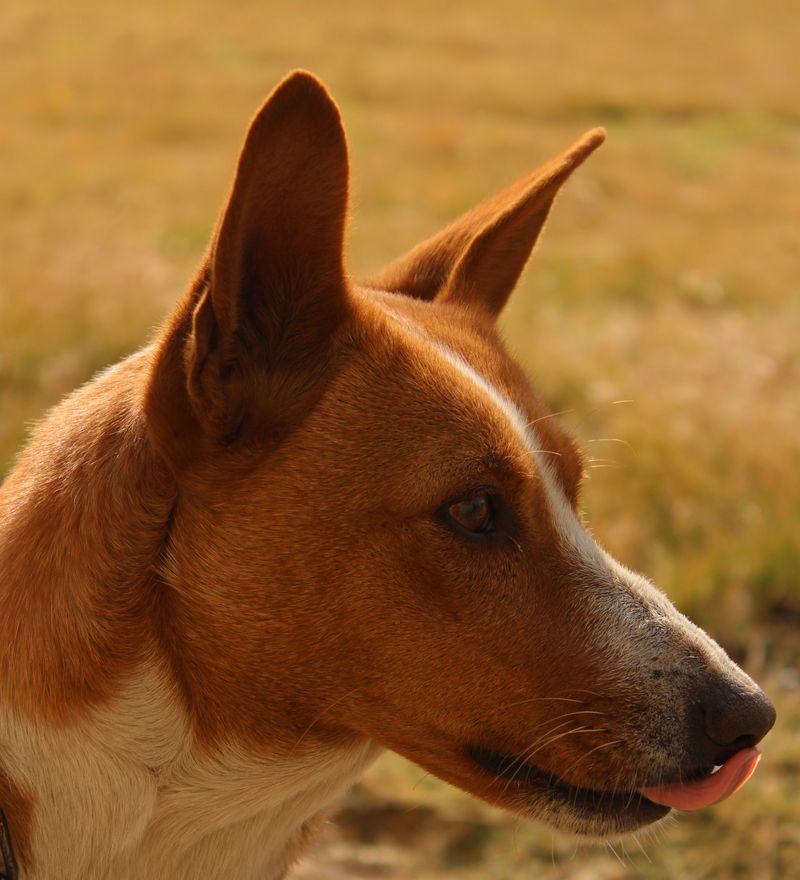
Known as the barkless dog, the Basenji makes a funny yodel sound instead. Quiet does not mean easy, though.
Originally from Central Africa, these clever hunters are curious, sneaky, and great at escaping. They often ignore commands when something more interesting catches their eye.
Keep training short and fun, and always use a leash outside. Owners who stick with it discover a clean, cat-like friend who loves curling up close at night.
Shiba Inu
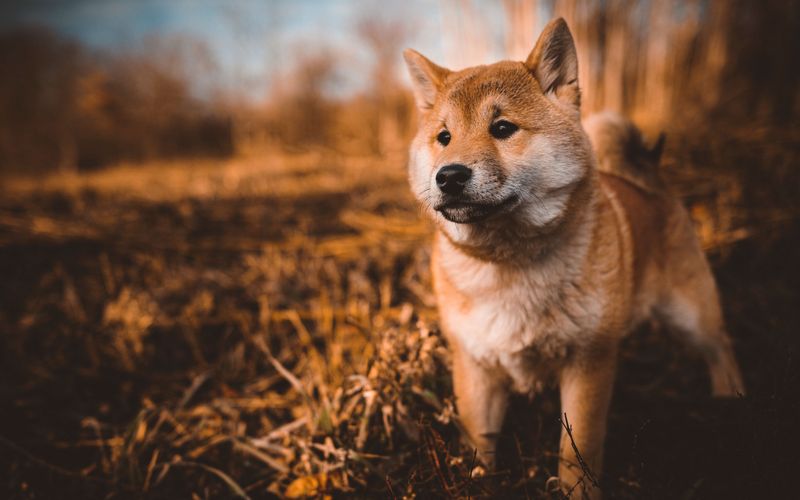
Try trimming a Shiba’s nails, and you might hear the legendary Shiba scream. These small Japanese dogs have big opinions.
They are proud, tidy, and stubborn, often deciding for themselves whether to listen. Recall training can take months or even years.
Patience and tasty treats are your best tools. Once trust is earned, a Shiba becomes a quietly devoted shadow, following you room to room while pretending it is just a coincidence.
Belgian Malinois
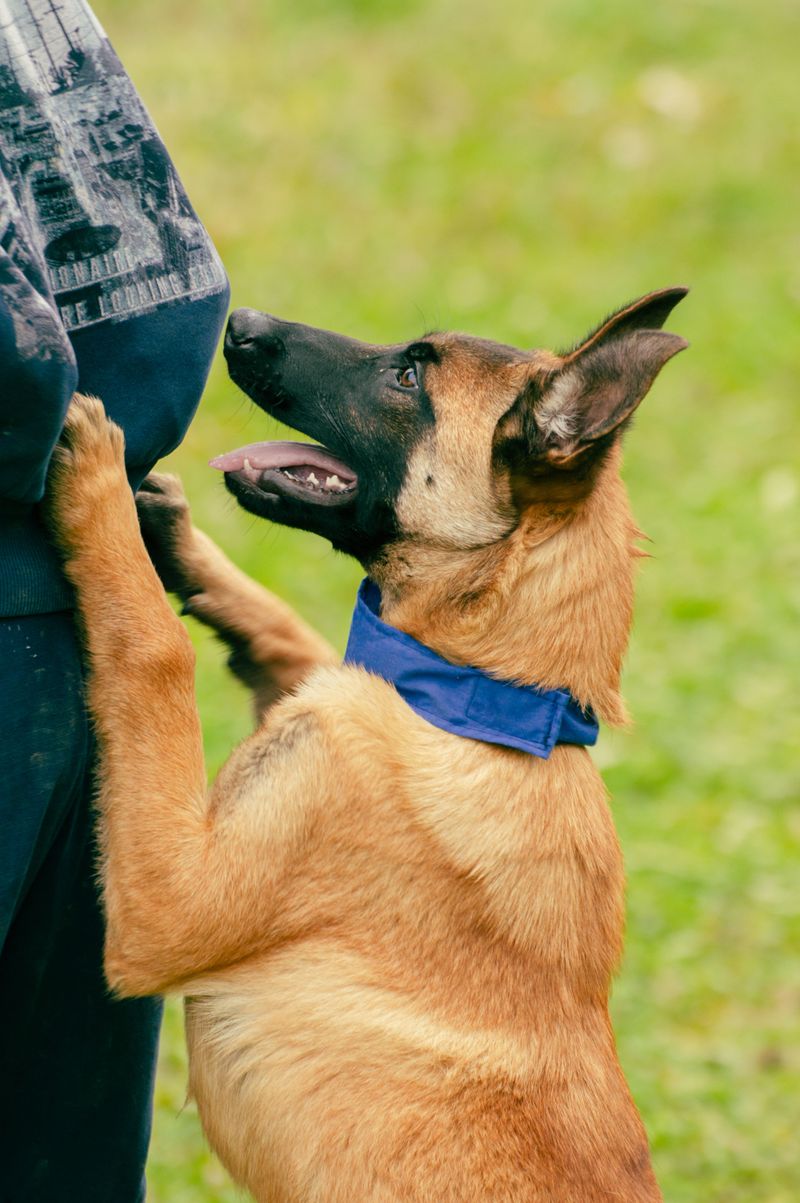
Police and military teams around the world choose the Malinois for a reason. This dog works hard and never seems to tire.
For regular families, that drive can become a problem. Without hours of exercise and mental tasks, a Malinois may chew, herd, or nip out of frustration.
Think puzzle toys, agility, and daily training sessions. Meet those needs, and you gain a fiercely committed partner ready to protect you with everything it has.
Dalmatian
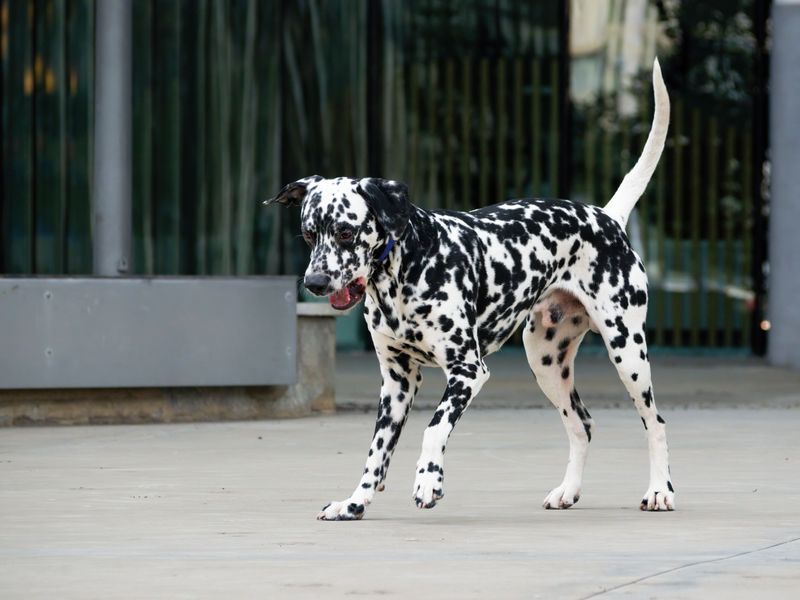
Long before cartoons made them famous, Dalmatians ran beside horse-drawn fire wagons, clearing the road ahead. That history explains their stamina.
Spotty pups are energetic, sensitive, and sometimes stubborn. Many are prone to deafness, which can make training trickier.
Hand signals and gentle routines work wonders here. Put in the effort, and your Dalmatian will reward you with goofy antics and a bond that feels unbreakable, especially on long morning jogs together.
Afghan Hound
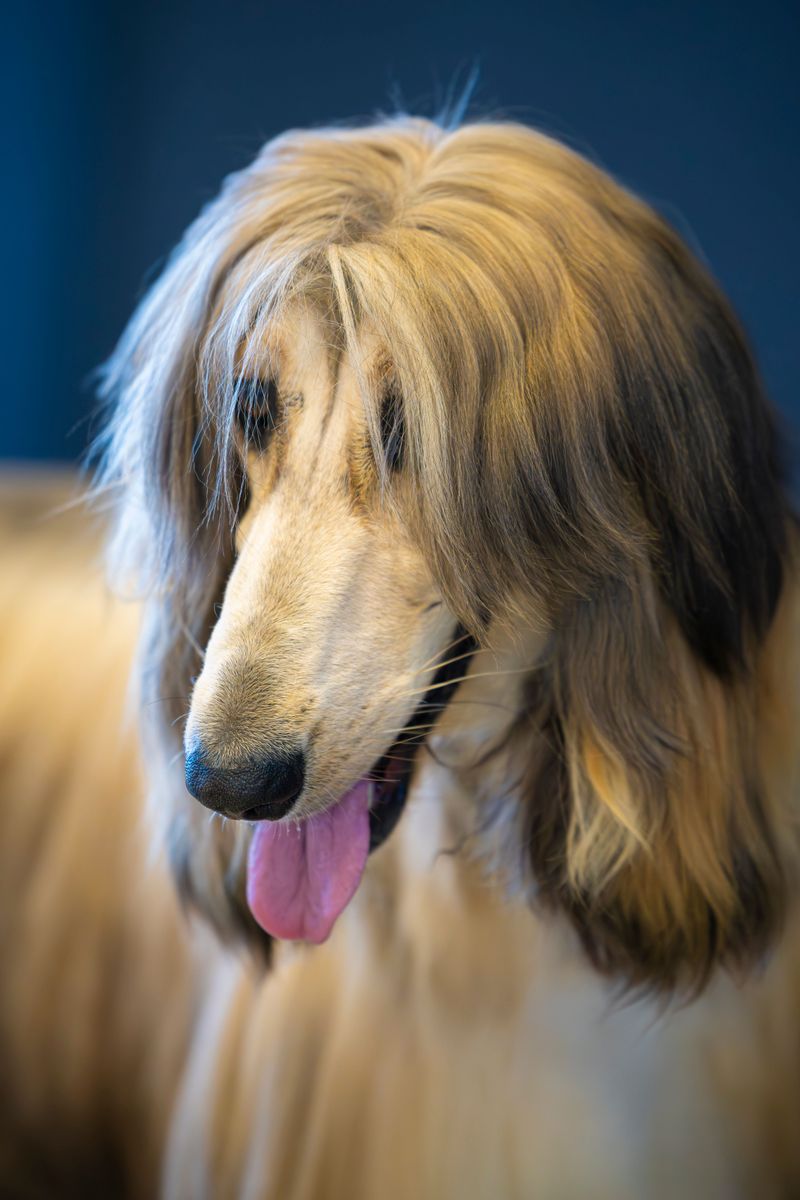
With hair like a runway model, the Afghan Hound turns heads everywhere. Brushing that coat, though, can take hours each week.
Beyond grooming, these sighthounds are independent thinkers and often rank low on obedience lists. They may bolt after anything that moves.
Gentle, consistent lessons help more than strict rules. Underneath the glamorous look hides a sweet, clownish soul that adores its people and enjoys being silly once comfortable at home.
Australian Cattle Dog
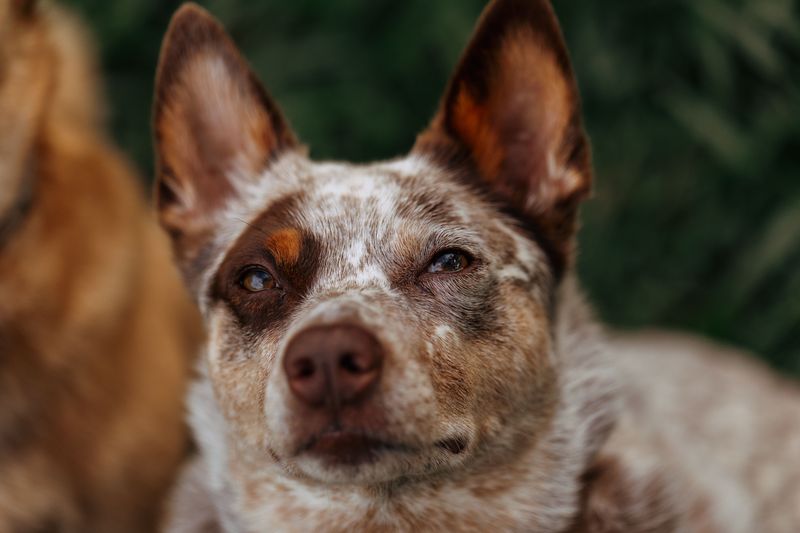
Got kids running around the yard? Your Cattle Dog may try to herd them by nipping at their heels.
Bred to move tough cattle across the Australian outback, these dogs are smart, tough, and always looking for a job. Boredom quickly leads to mischief.
Give them tasks like fetch, frisbee, or trick training. Fun fact: one named Bluey lived almost 30 years.
Their loyalty matches that incredible staying power.
Chinese Shar-Pei
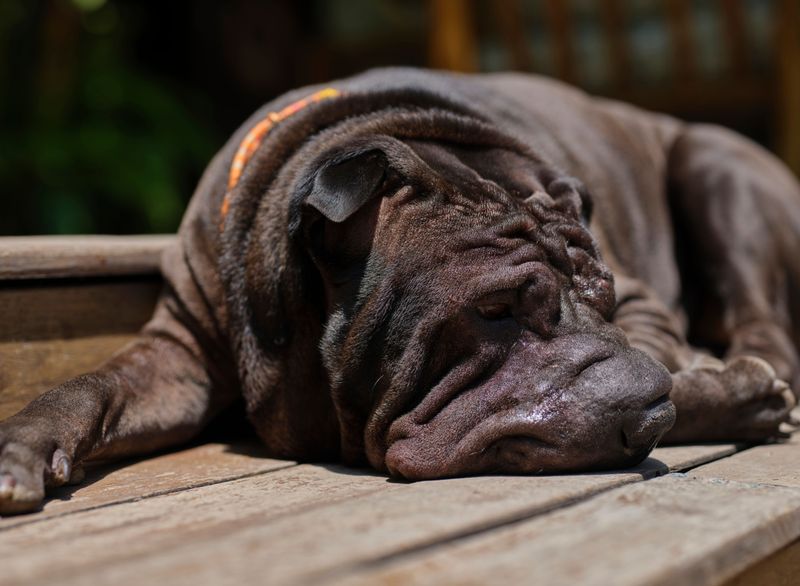
Those adorable wrinkles once protected Shar-Peis during fights in ancient China. Today, they mostly earn cuddles and photos.
Behind the cute face lives a suspicious, territorial guard dog. Strangers may get a cold stare, and training requires a firm yet kind approach.
Skin folds also need regular cleaning to avoid infections. Families who stay patient find a calm, devoted protector who quietly watches over every member of the house.
Beagle
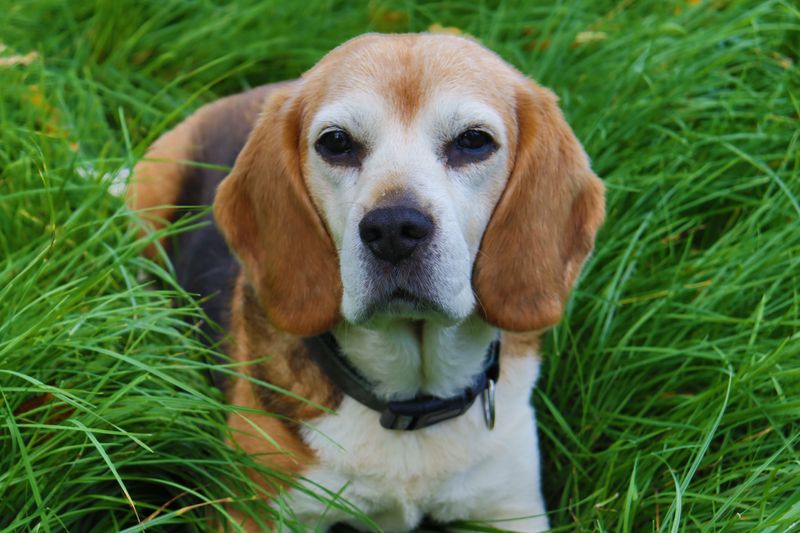
A Beagle’s nose has about 220 million scent receptors. That superpower is both its charm and its biggest training headache.
Once a smell grabs its attention, your voice basically disappears. Beagles also howl, raid trash cans, and steal snacks off counters.
Use food rewards and secure every trash lid. Happy-go-lucky and endlessly friendly, a Beagle will greet you at the door like you have been gone for a hundred years.
Rottweiler
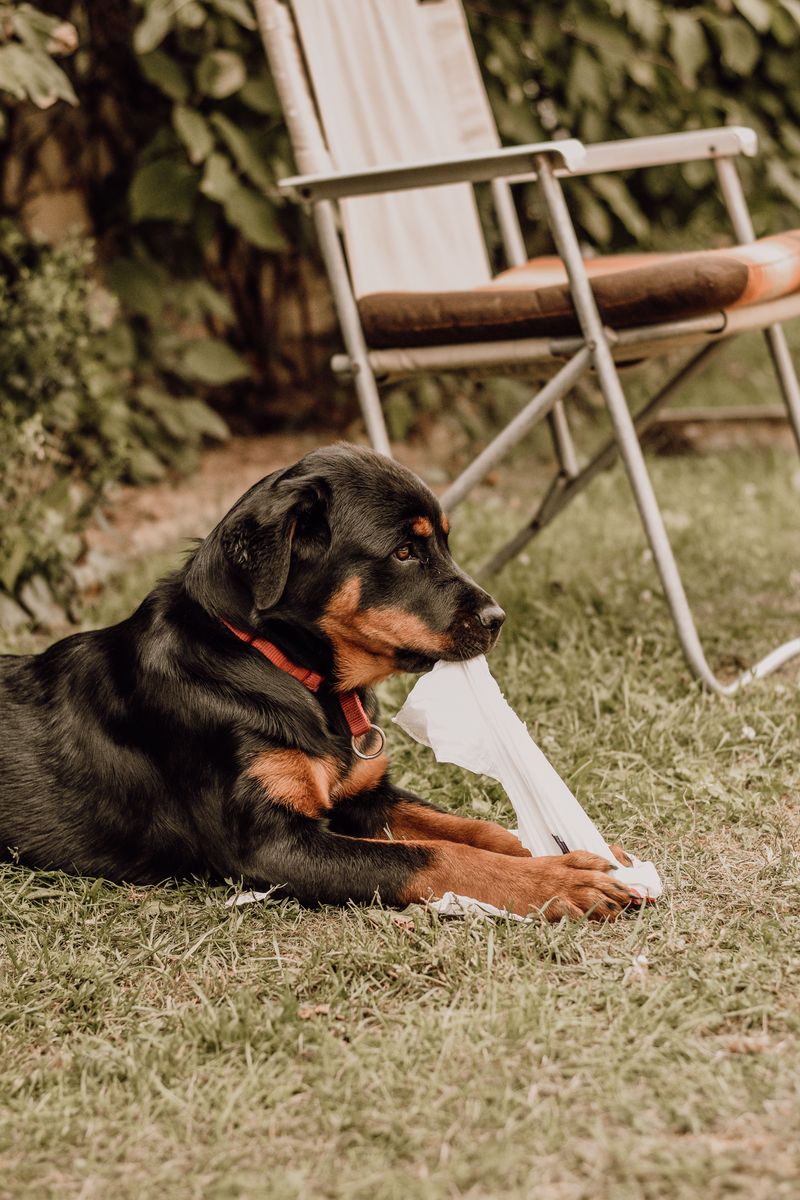
Ancient Romans used Rottweiler ancestors to drive cattle across Europe. Strength has always been part of their story.
Size and power mean training cannot wait. An untrained adult Rottie can easily pull you down the street or guard too aggressively.
Start early, stay consistent, and socialize often. Many owners describe them as big softies who lean on your legs for attention, always ready to stand between their family and any danger.