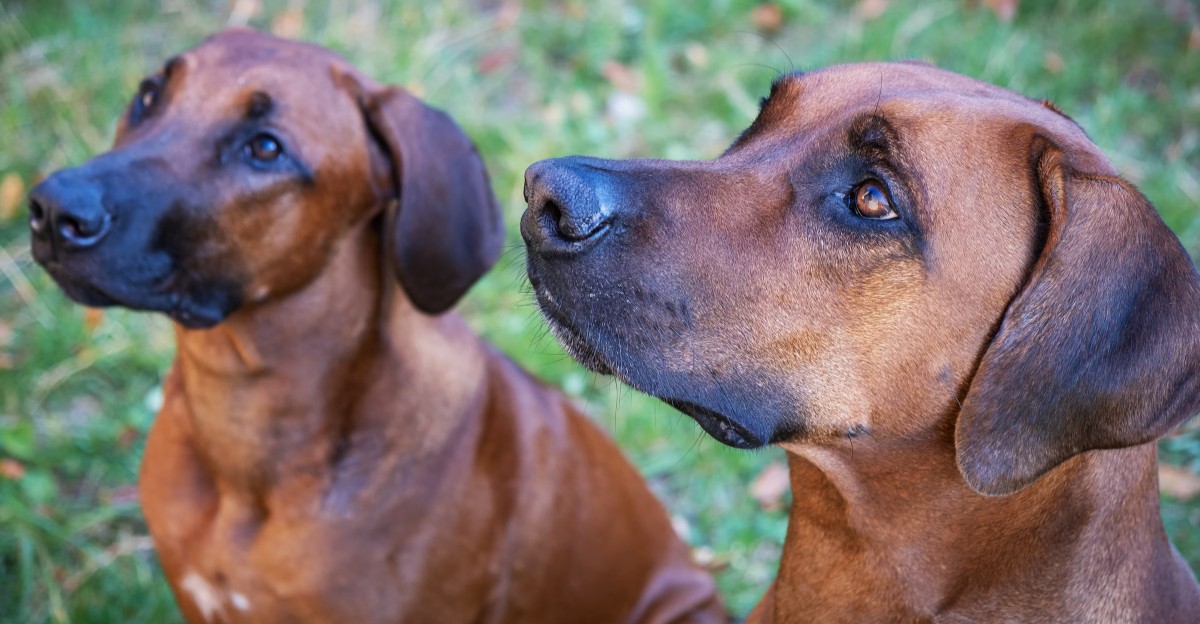
Some dogs spend all day snoozing on the couch and seem like they could never hurt a fly. But every breed was created for a job, and those old instincts never fully disappear.
A squirrel, a stranger, or even a rolling ball can flip a switch in a sleepy pup. Knowing what your dog was bred to do helps you keep everyone safe and gives your dog a happier life.
Greyhound
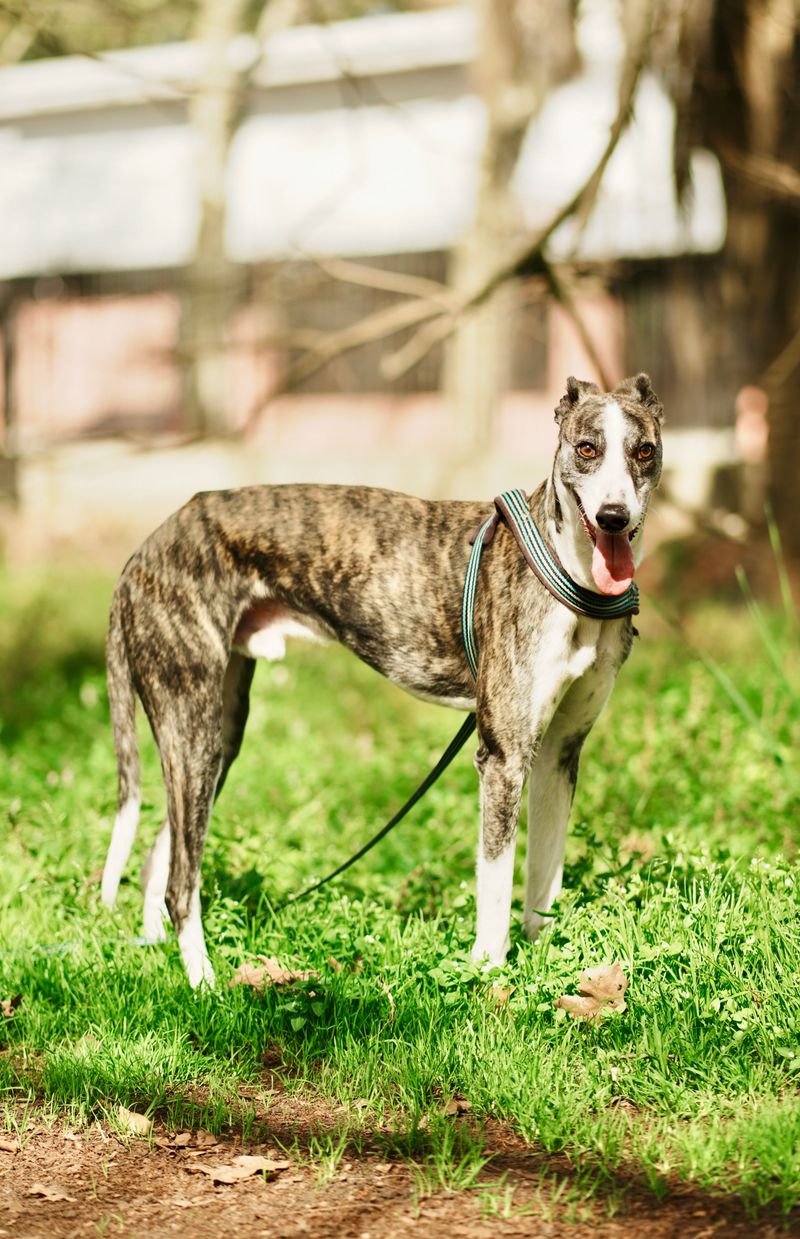
Nicknamed the 45-mile-per-hour couch potato, the Greyhound loves naps more than almost anything. Many owners say their dog sleeps up to 18 hours a day.
Then a rabbit darts across the yard, and everything changes. Greyhounds were bred to chase fast game by sight, and that urge kicks in instantly.
Always use a leash in open areas, and fence your yard well. Once they lock on, calling them back rarely works.
Basset Hound
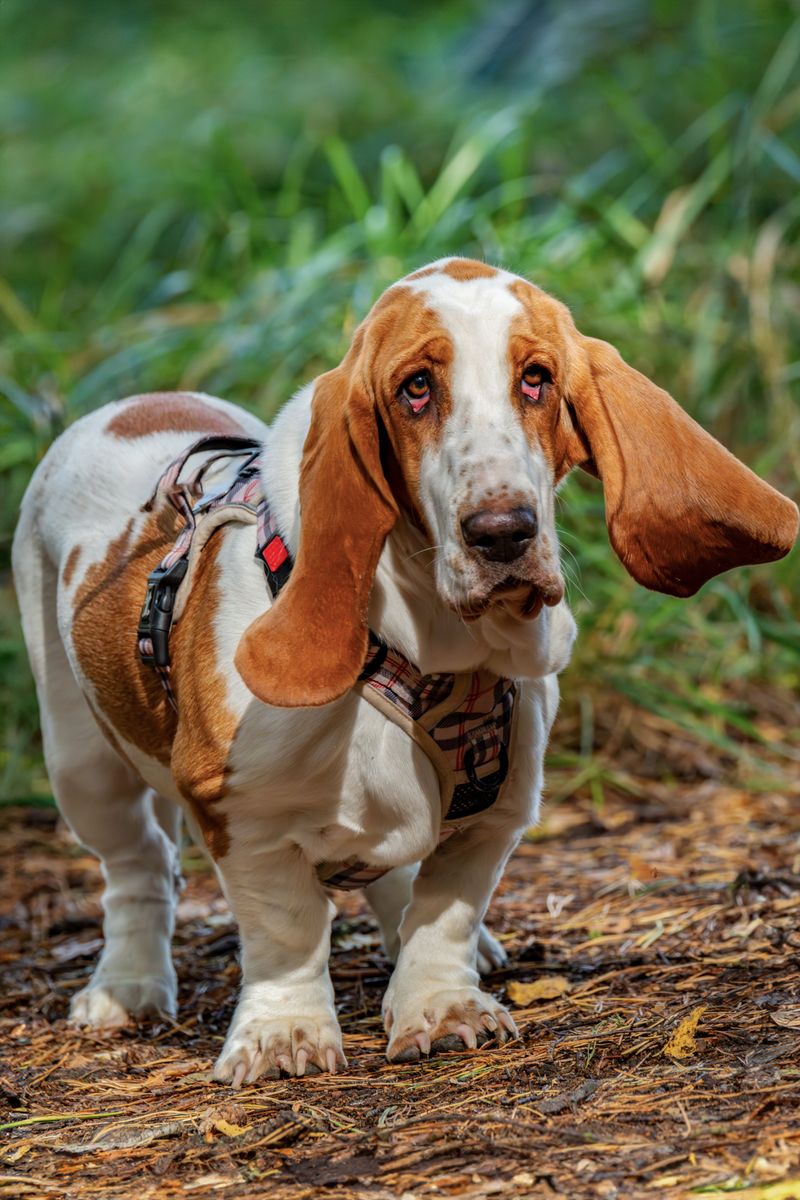
Those sad eyes and long ears make the Basset Hound look like the laziest dog on Earth. Honestly, indoors, that is often true.
Outside is another story. Bassets have one of the best noses in the dog world, second only to the Bloodhound.
When a scent grabs them, they become stubborn little trackers who ignore your voice completely.
Keep a secure harness on during walks, and try scent games at home to satisfy that nose.
Border Collie
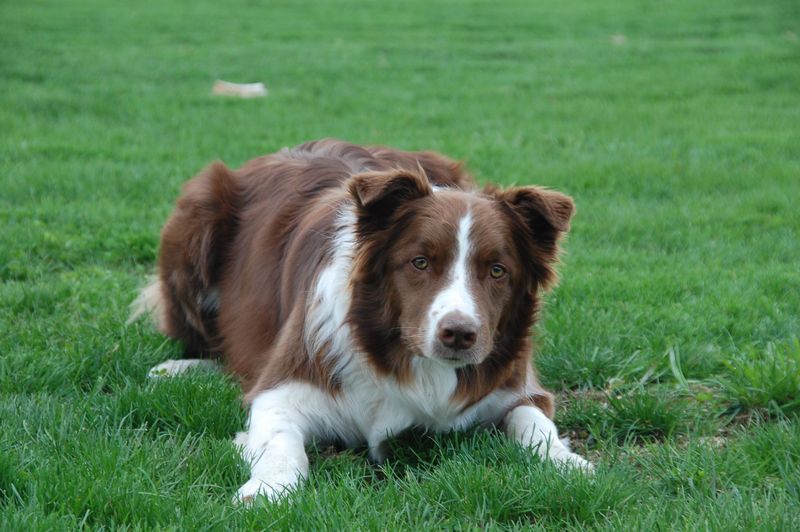
Picture a sweet, fluffy dog lying quietly at your feet. Now picture that same dog nipping at kids’ ankles during a game of tag.
Border Collies were bred to herd sheep, and they will happily herd children, cats, or even cars if they get bored. That intense stare is part of the job.
Give them daily work like agility, fetch, or puzzle toys. A busy collie is a calm collie, and a bored one finds its own tasks.
Jack Russell Terrier
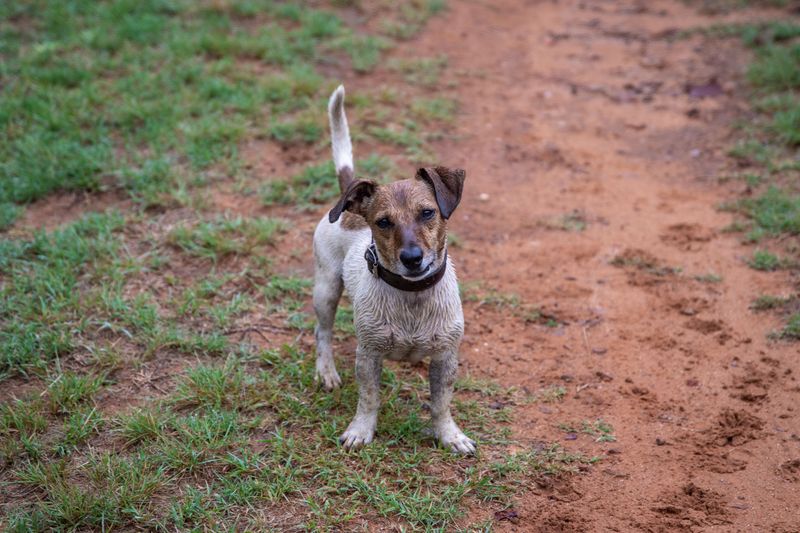
Small, cute, and fits in your lap. What could go wrong?
Plenty, actually. Jack Russells were bred in England to chase foxes out of their dens, so they dig, bark, and hunt with fearless energy.
Hamsters, gerbils, and backyard critters may not be safe around them.
Did you know? These pups can jump five times their own height.
Tall fences and lots of exercise are must-haves if you want your flowerbeds to survive.
Anatolian Shepherd
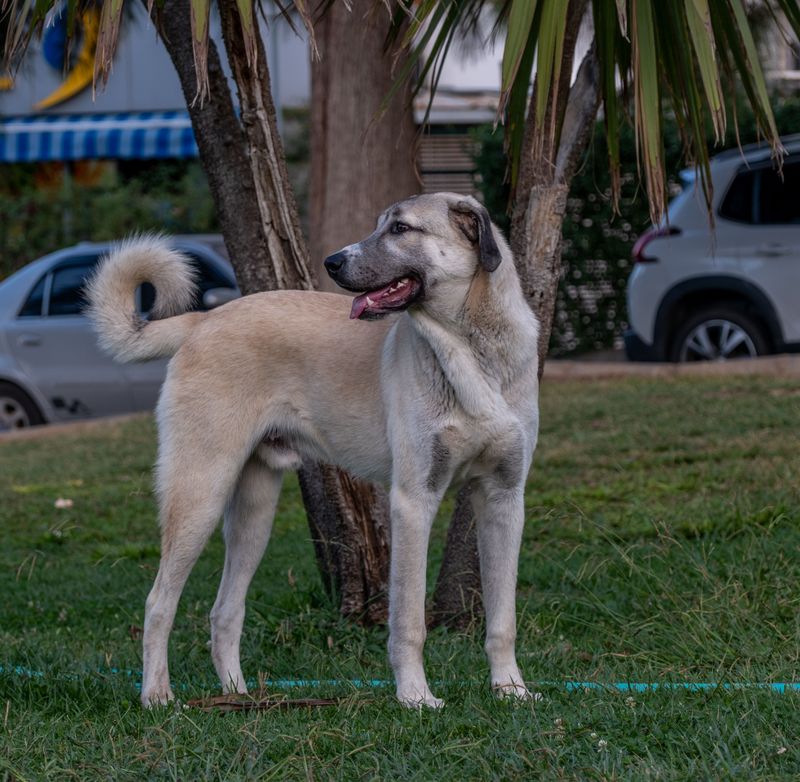
On a quiet farm in Turkey, this big dog might look half asleep among the goats. Do not be fooled.
Anatolian Shepherds were bred to guard flocks from wolves and bears, and they decide on their own when something is a threat. Strangers walking onto your property may get a serious warning.
Early socialization matters a lot. Introduce them to many people and places while young, so they learn who is a friend and who is not.
Siberian Husky
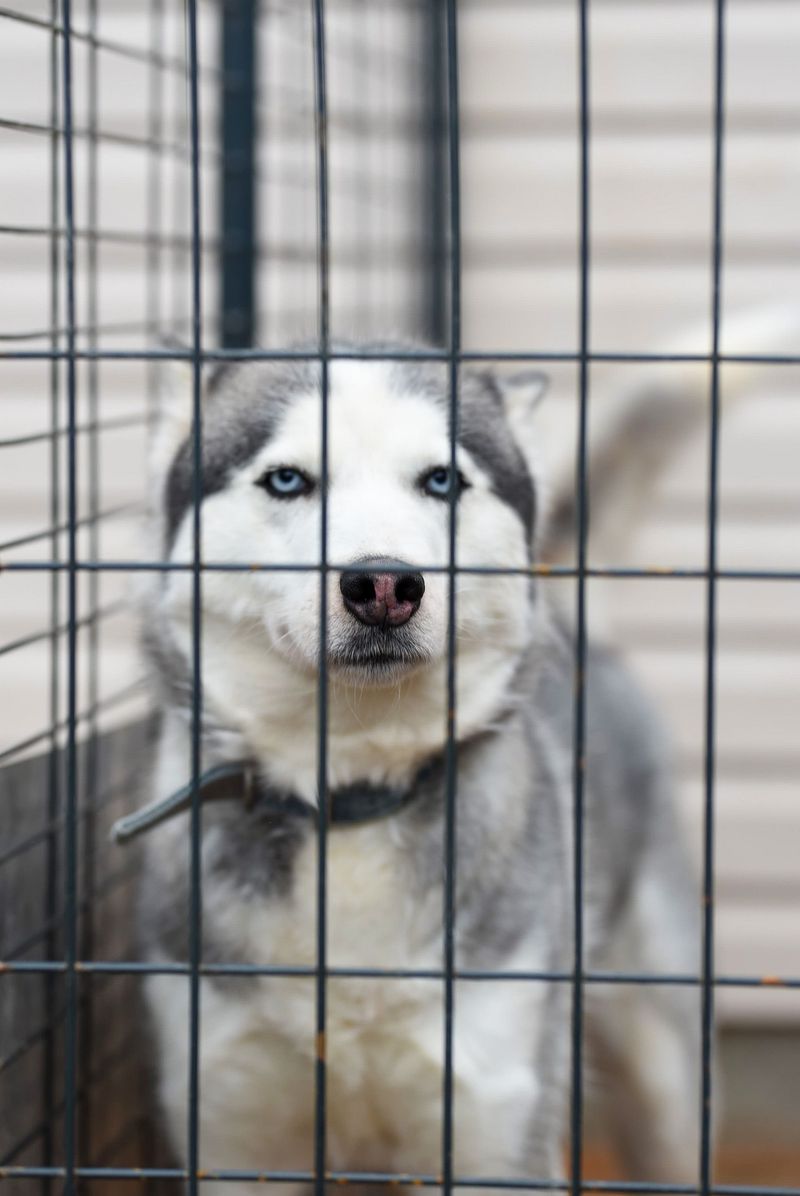
Friendly to nearly everyone, Huskies make terrible guard dogs. They would probably greet a burglar with kisses.
Small animals, though, are a different matter. Huskies come from the Chukchi people of Siberia, where they pulled sleds and often hunted for their own food.
That means cats and rabbits can trigger a strong prey drive.
They are also escape artists who love to run. Check your fence for gaps, and never trust a Husky off leash.
Rhodesian Ridgeback
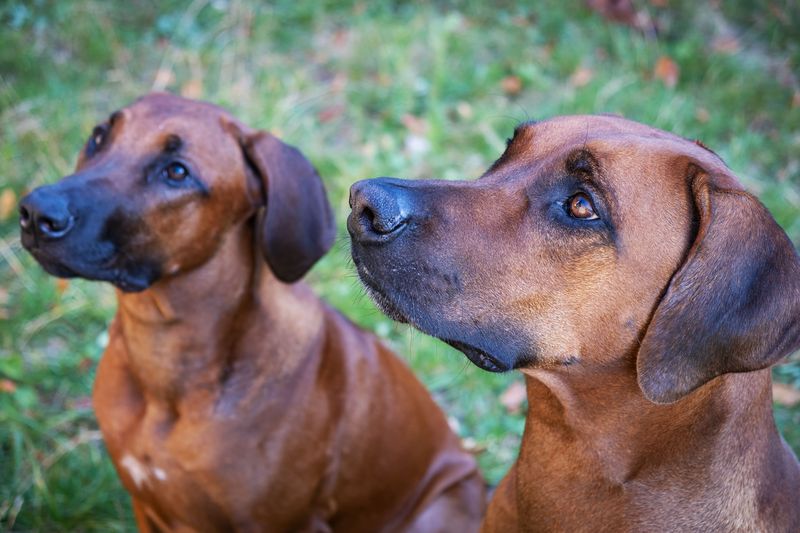
Would you believe this calm, dignified dog was once used to keep lions at bay? It is true.
Rhodesian Ridgebacks were bred in southern Africa to track lions and hold them until hunters arrived. At home, they are quiet and often aloof.
When they sense danger or prey, though, their bravery and speed show up fast.
Steady, positive training works best. These smart dogs can be independent, so patience and consistency go a long way.
Beagle
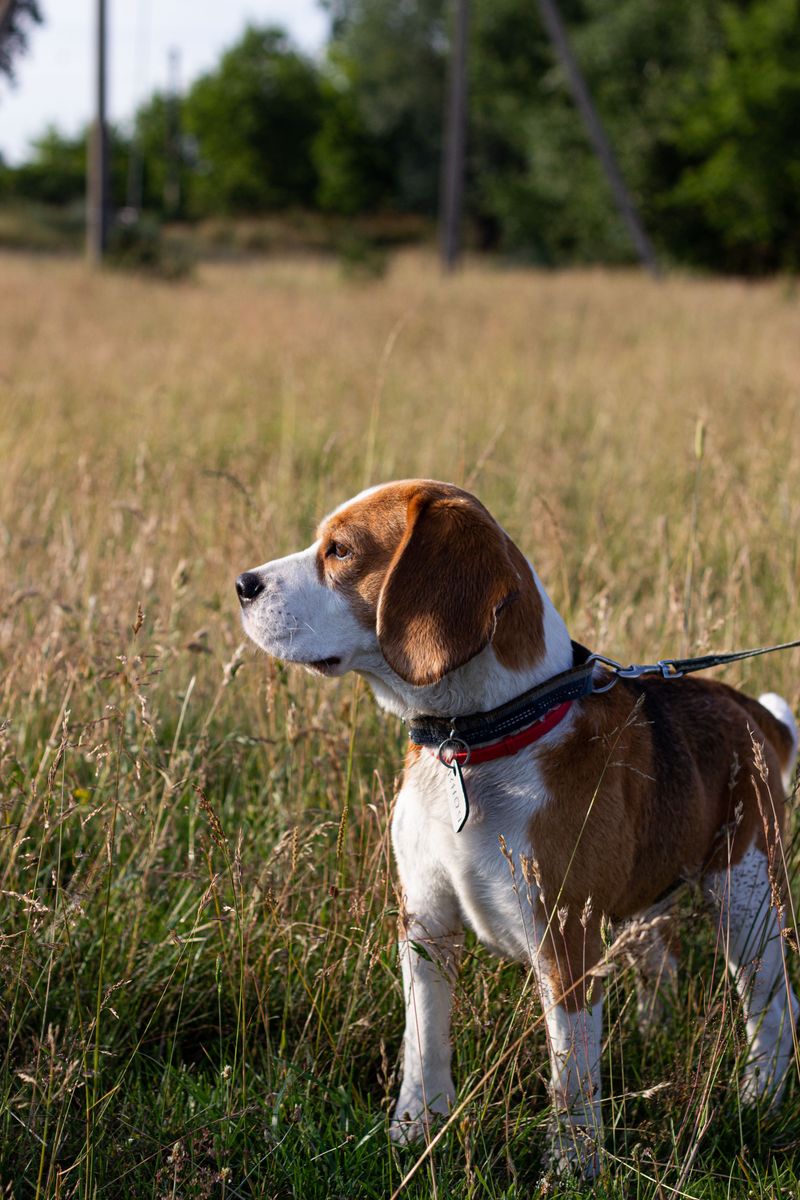
Ask any Beagle owner about the howl, and you will probably get a tired laugh.
Beagles look cheerful and easygoing, but they were bred to hunt rabbits in packs and call out when they find a trail. That loud baying is a built-in alarm, and neighbors may not love it.
Their noses also lead them straight into trash cans and lunchboxes. Lock up food, use a leash, and offer sniffing walks to burn energy.
Great Pyrenees
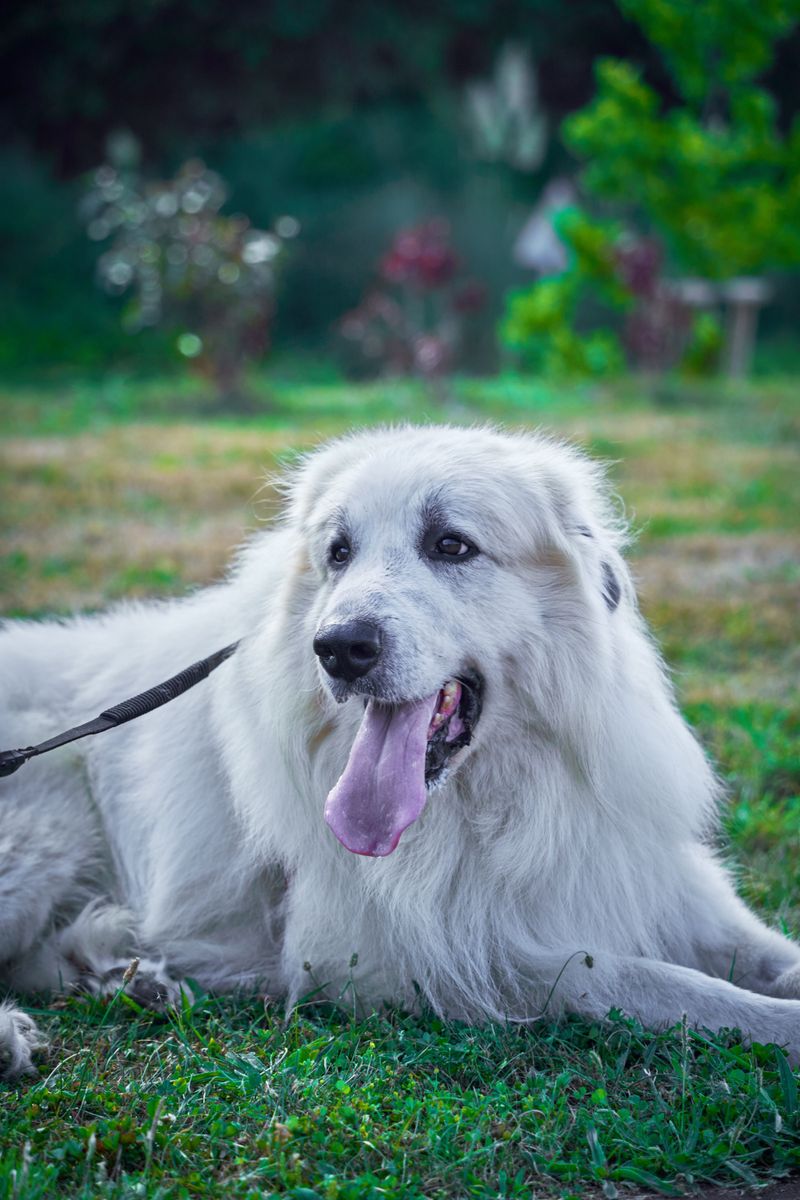
Big, white, and fluffy like a polar bear plush, the Great Pyrenees seems built for hugs. By day, it mostly lounges around.
At night, the guardian wakes up. These dogs protected sheep in the mountains between France and Spain, and they bark loudly at any noise in the dark.
Coyotes, deer, or a passing jogger can set them off.
Expect nighttime barking and plan for it. Training helps, but this instinct runs deep.
Australian Cattle Dog
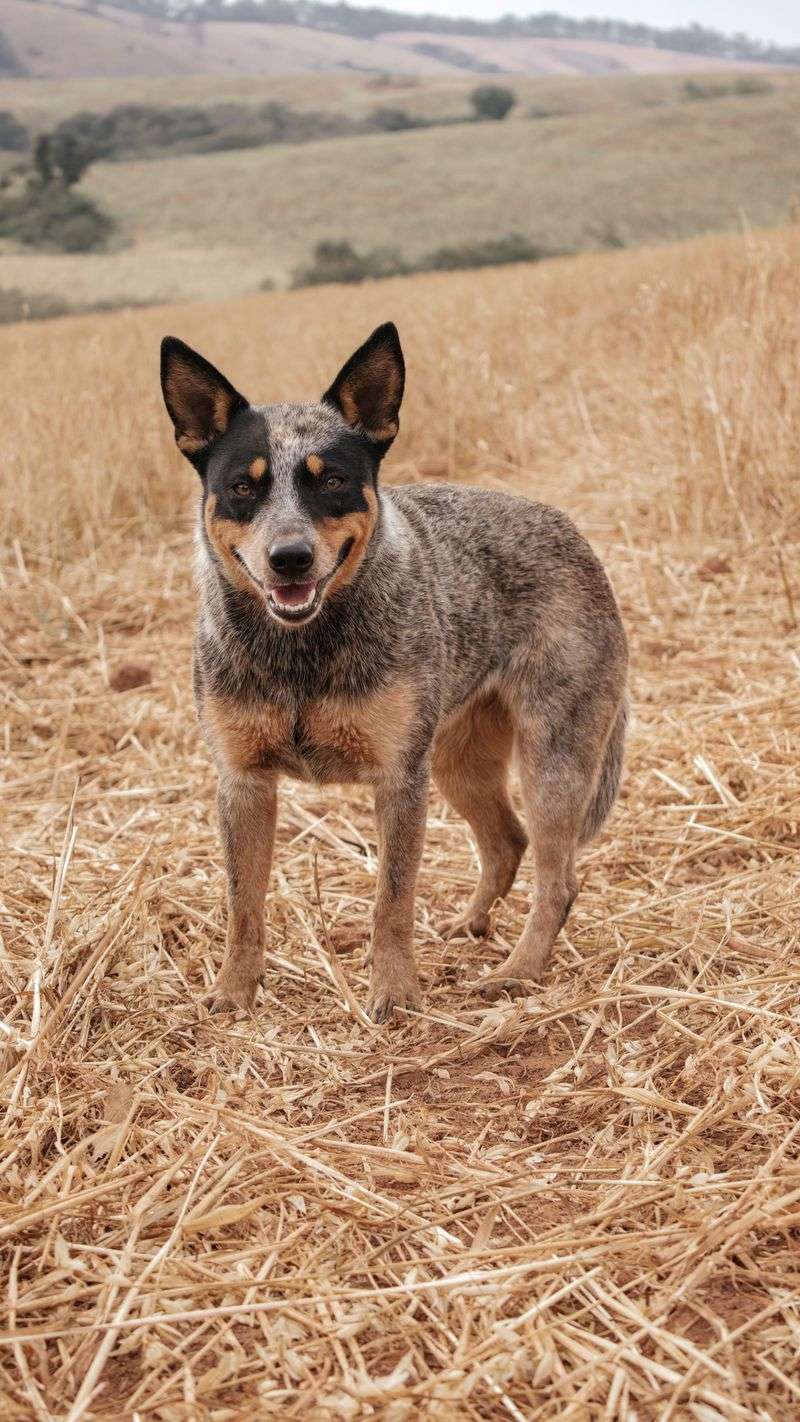
Fun fact: the oldest dog ever recorded, Bluey, was an Australian Cattle Dog who lived almost 30 years.
Heelers can seem relaxed once they know you, but they were bred to move stubborn cattle by nipping their heels. At home, that may turn into nipping kids or chasing bikes.
Teach a strong recall and offer jobs like frisbee or herding classes. Tired heelers are polite heelers, while restless ones invent mischief.
Shiba Inu
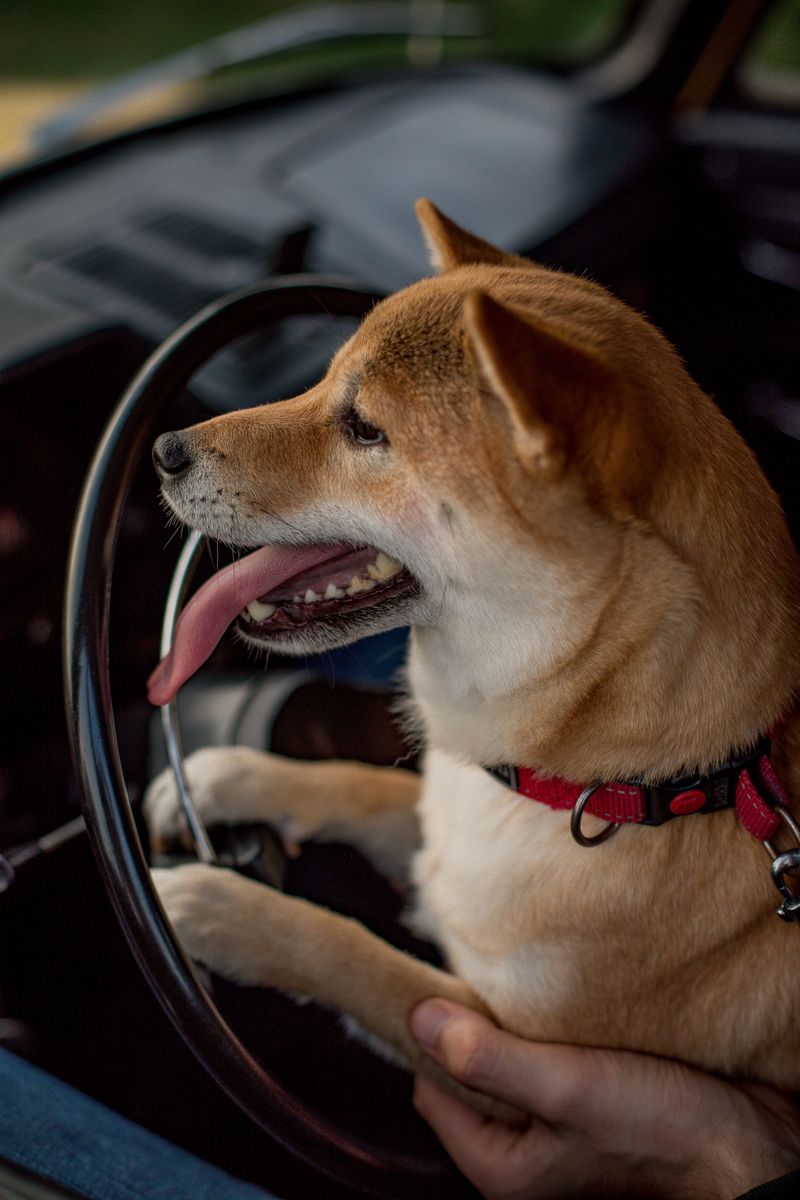
With a fox-like face and a cute smile, the Shiba Inu is an internet favorite. Many people forget it is an ancient hunting breed from Japan.
Shibas chased birds and small game through thick brush. Their prey drive is strong, and their independent streak means they often ignore commands when excited.
Keep them leashed, and start training early. Be ready for the famous Shiba scream, a dramatic yell they use when unhappy.
Dachshund
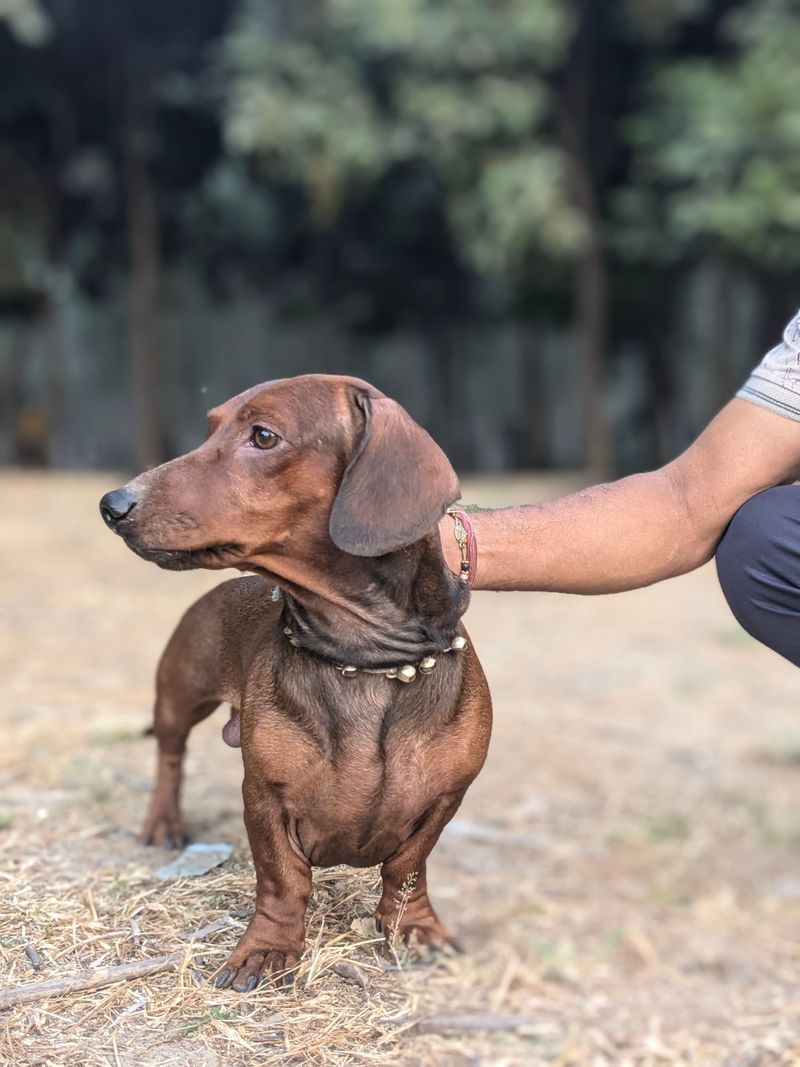
Short legs, long body, and a big personality. Dachshunds look like silly little sausages, yet their name means badger dog in German.
They were bred to crawl into tunnels and fight badgers, which takes serious courage. That bravery can show up as barking at strangers or snapping when startled.
Gentle handling and early socialization help a lot. Also, protect their backs by limiting jumps off furniture, since spine injuries are common.
Whippet
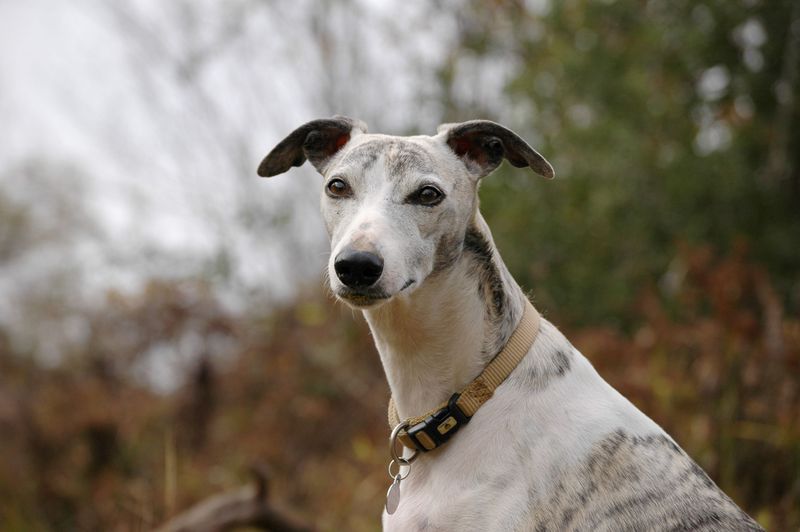
Wrapped in a blanket and shivering slightly, a Whippet looks like the most fragile pet around. These sensitive pups adore warmth and cuddles.
Show them a squirrel, though, and they become tiny rockets. Whippets were bred in England to race and catch rabbits, reaching about 35 miles per hour.
Fenced areas are the best places to let them sprint. Lure coursing is a fun sport that lets them chase safely.
Akita
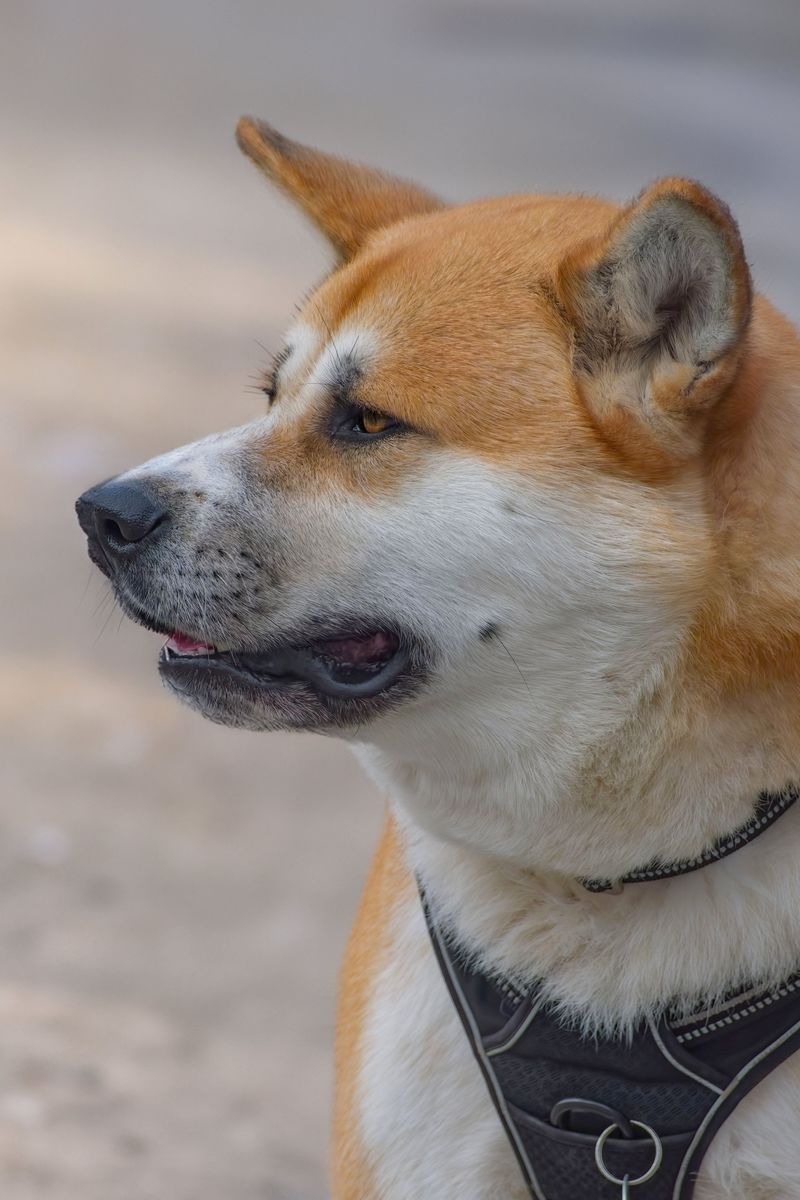
Remember Hachiko, the loyal dog who waited for his owner at a Tokyo train station for years? He was an Akita.
Akitas are quiet, calm, and deeply devoted to family. However, they were bred to guard and hunt large game, so they can be protective and may not tolerate other dogs, especially of the same sex.
Experienced owners do best with this breed. Firm, kind training and careful introductions keep everyone peaceful.