
Some dogs look like the perfect pet in movies and on social media, but real life can tell a different story. Many popular breeds come with needs that surprise their owners, from nonstop energy to stubborn streaks.
Knowing the truth before you bring a puppy home can save you stress, money, and heartbreak. Here is an honest look at well-loved breeds that take more work than most people expect.
Labrador Retriever
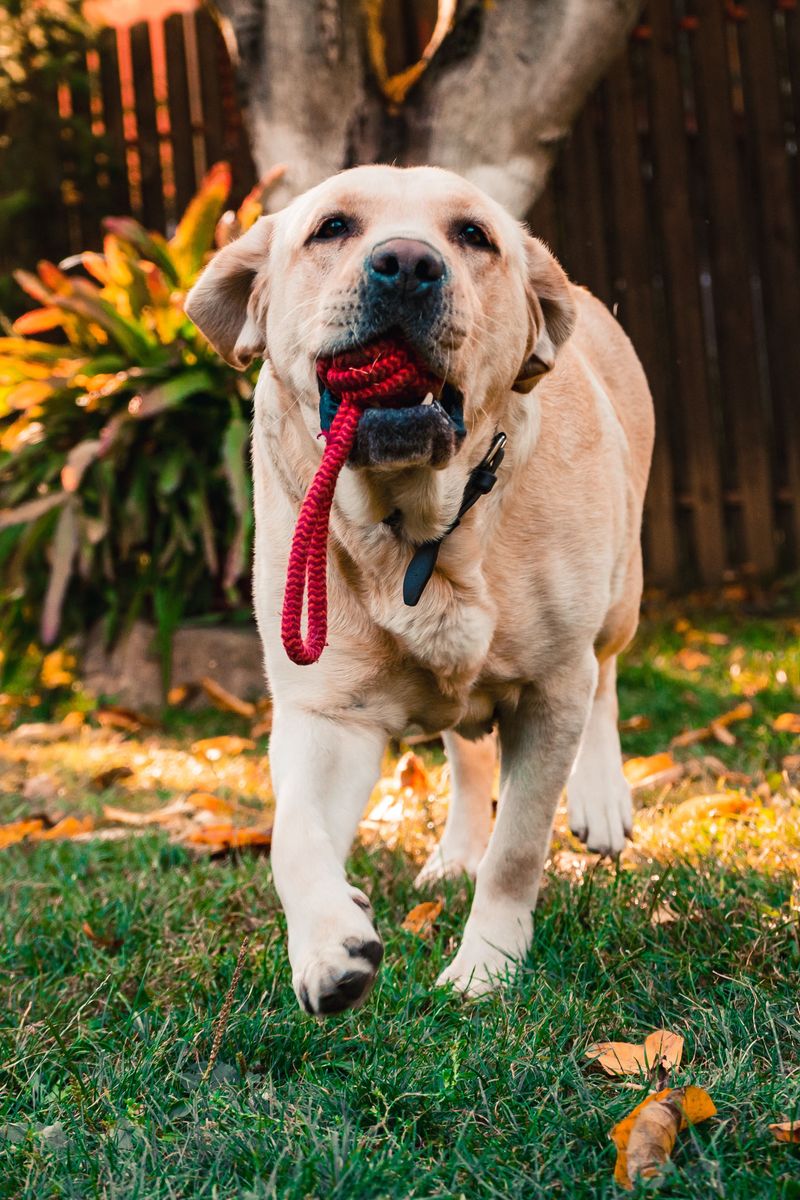
America’s favorite family dog has a secret: it stays a goofy teenager for years. Labs often act like puppies until age three, chewing shoes, couch cushions, and even drywall.
Their love of food is legendary too. Many will raid trash cans or swipe sandwiches right off the counter.
Plan on at least an hour of exercise daily, plus puzzle toys. A bored Lab will happily invent its own fun, and you probably won’t like it.
Golden Retriever
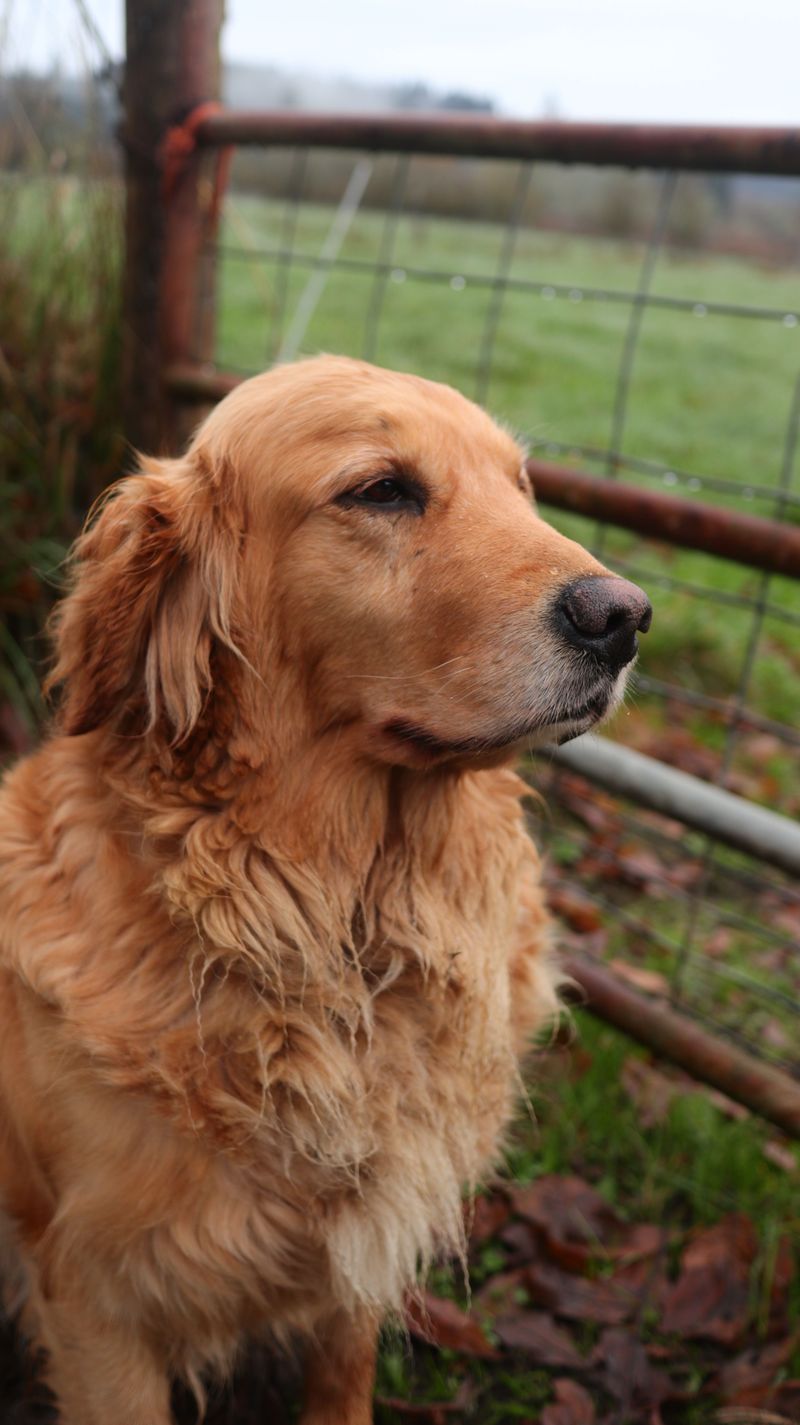
Picture a sunny dog with a big smile, and then picture tumbleweeds of golden fur rolling across your kitchen. That second image is just as real.
Goldens shed all year and blow their coats twice a season. They also need tons of activity and hate being left alone, which can lead to whining or chewing.
Fun fact: they were bred in Scotland to fetch birds all day. That stamina hasn’t gone anywhere.
French Bulldog
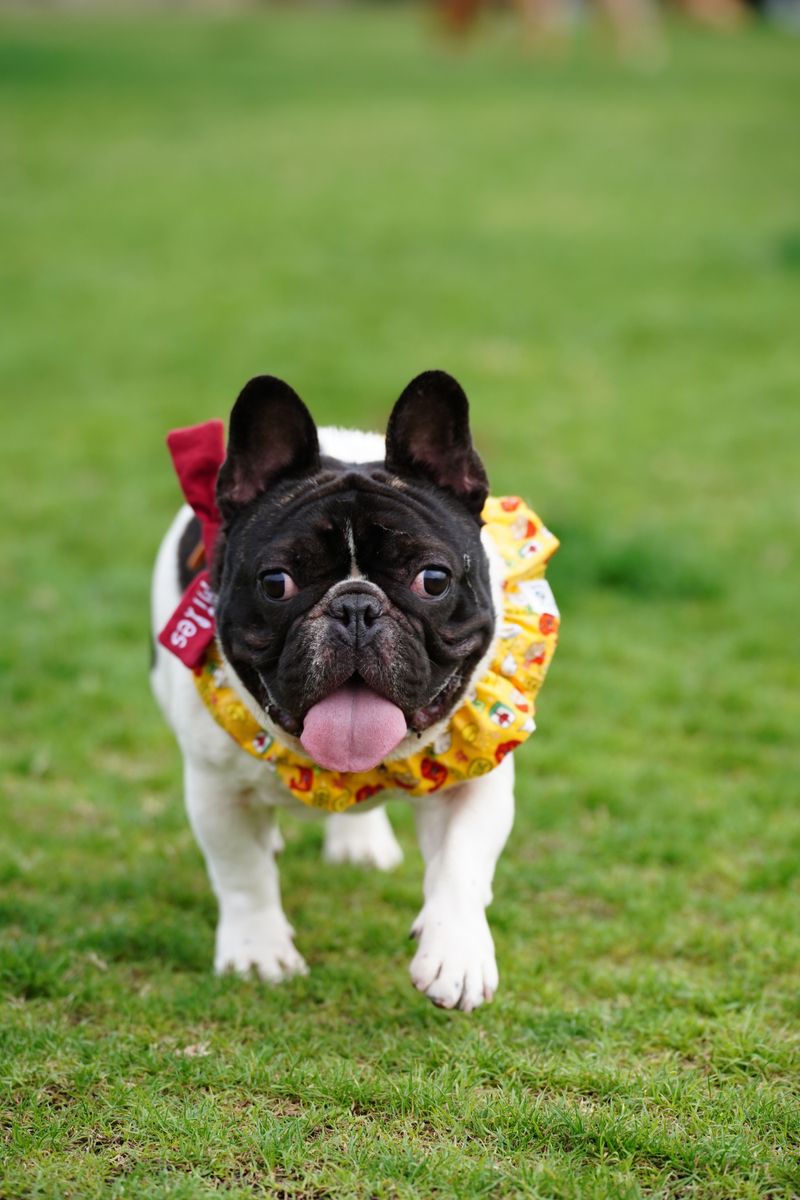
Small, quiet, and apartment friendly? Partly true.
French Bulldogs are charming, but their flat faces make breathing hard, especially in heat.
Many owners face costly vet bills for airway surgery, skin fold infections, back problems, and allergies. Most Frenchies can’t swim safely either.
Before buying one, set aside an emergency fund and look for a breeder who health tests. Your wallet and your pup will both thank you later.
Siberian Husky
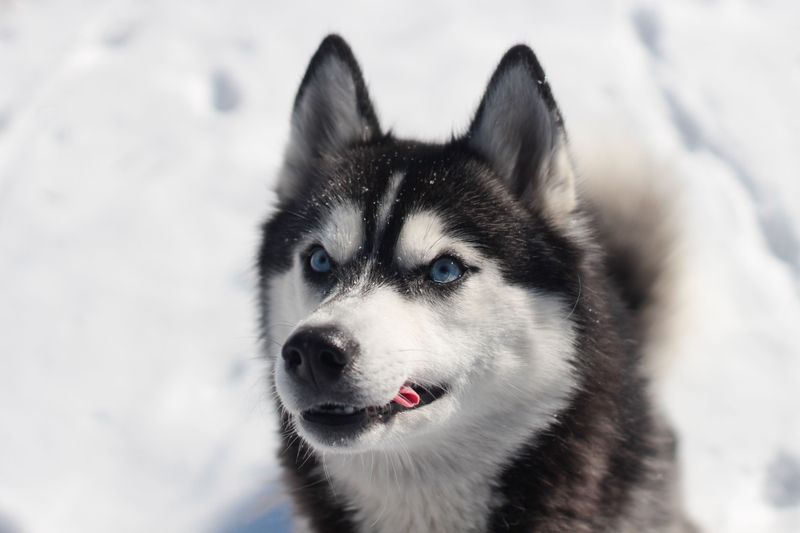
“My husky talks back.” You’ll hear that from almost every owner, and they mean it. Huskies howl, yodel, and argue like tiny wolves.
Bred to pull sleds for miles in Siberia, they have endless energy and a strong urge to run. Many are escape artists who dig under fences or leap over them.
Never trust one off leash. A fenced yard, daily runs, and a sense of humor are must-haves.
Border Collie
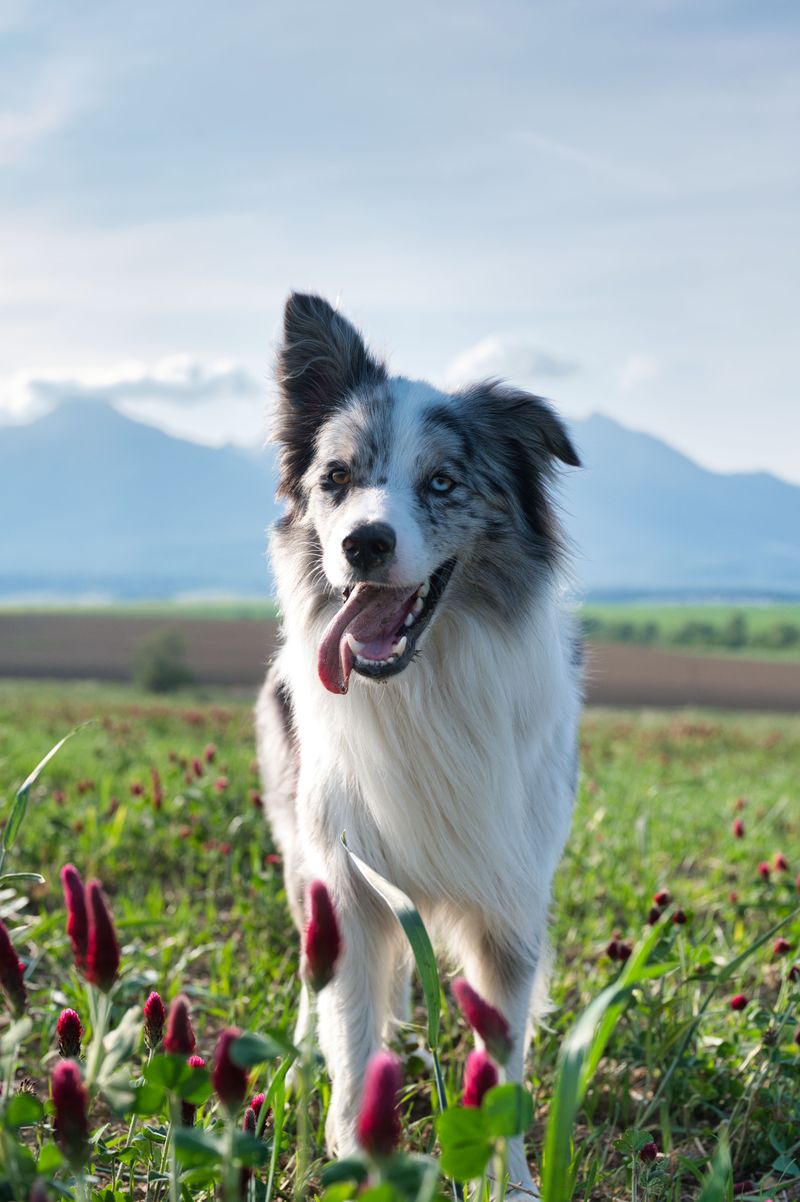
Think of the smartest kid in class who gets bored after five minutes. That’s a Border Collie.
Known as the most intelligent breed, these dogs need jobs. Without work, they may herd your kids, chase cars, or spin in circles.
A simple walk around the block barely warms them up.
Try agility, frisbee, or herding classes. If you work long hours away from home, this brilliant breed probably isn’t your match.
Beagle
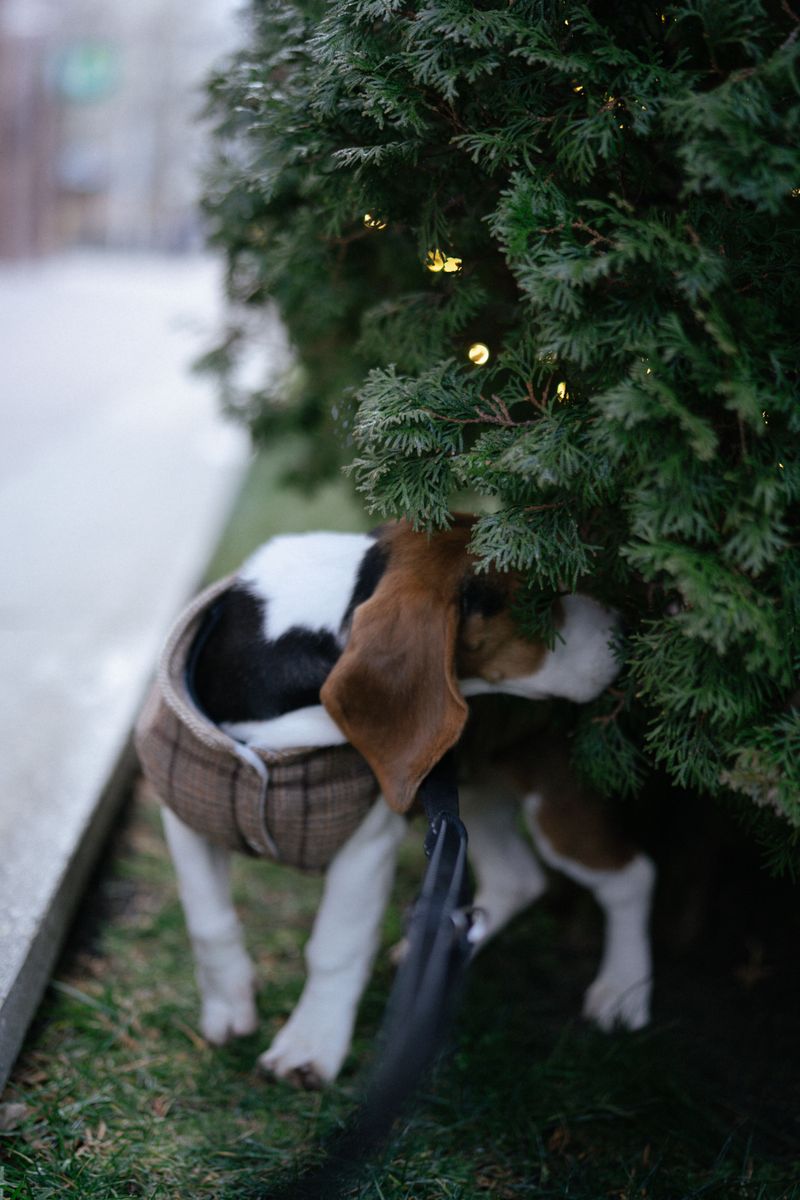
Ever met a dog that follows its nose straight out the front door? Beagles were built for exactly that.
Their sniffers are so powerful that the U.S. airport “Beagle Brigade” uses them to find smuggled food. At home, that skill means ignored commands and raided pantries.
They also bay loudly, which neighbors may not love. Keep snacks locked away, use a secure leash, and practice recall training with very tasty treats.
Dachshund
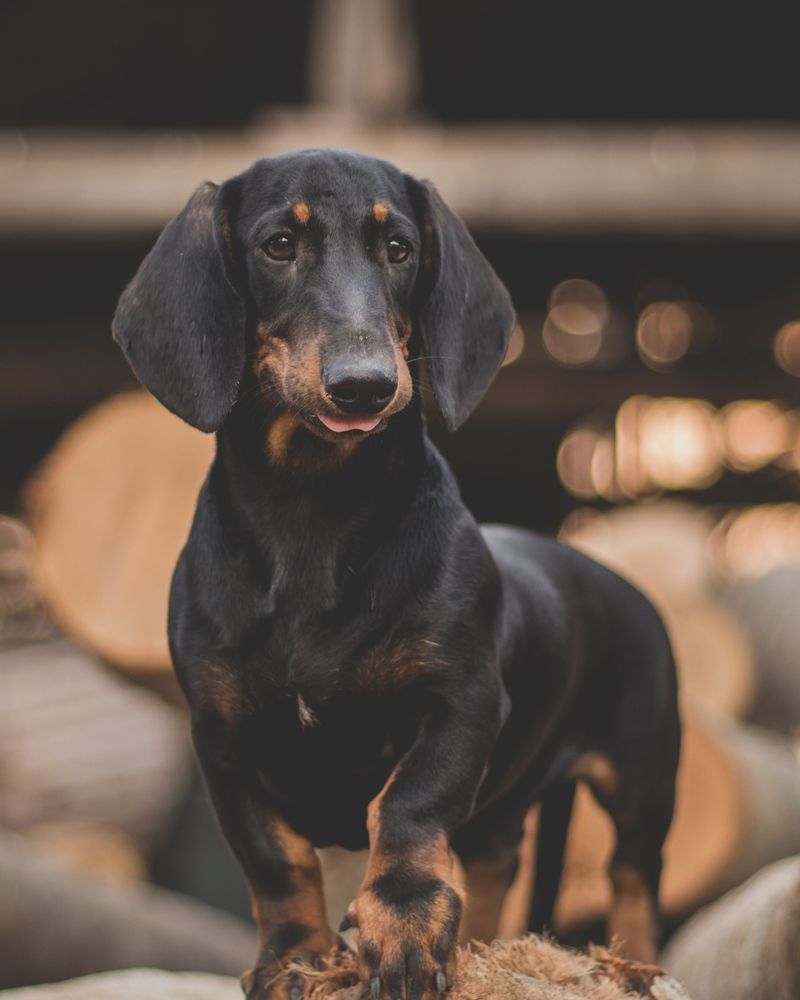
Don’t let those short legs fool you. Dachshunds were bred in Germany to battle badgers underground, and they still think they’re tough.
Many are bossy, loud, and hard to housebreak. Their long backs also make them prone to spinal injuries, so jumping off couches can be dangerous.
Use ramps or pet stairs, keep them at a healthy weight, and stay patient with potty training. Big attitude comes in a tiny, fragile package.
Chihuahua
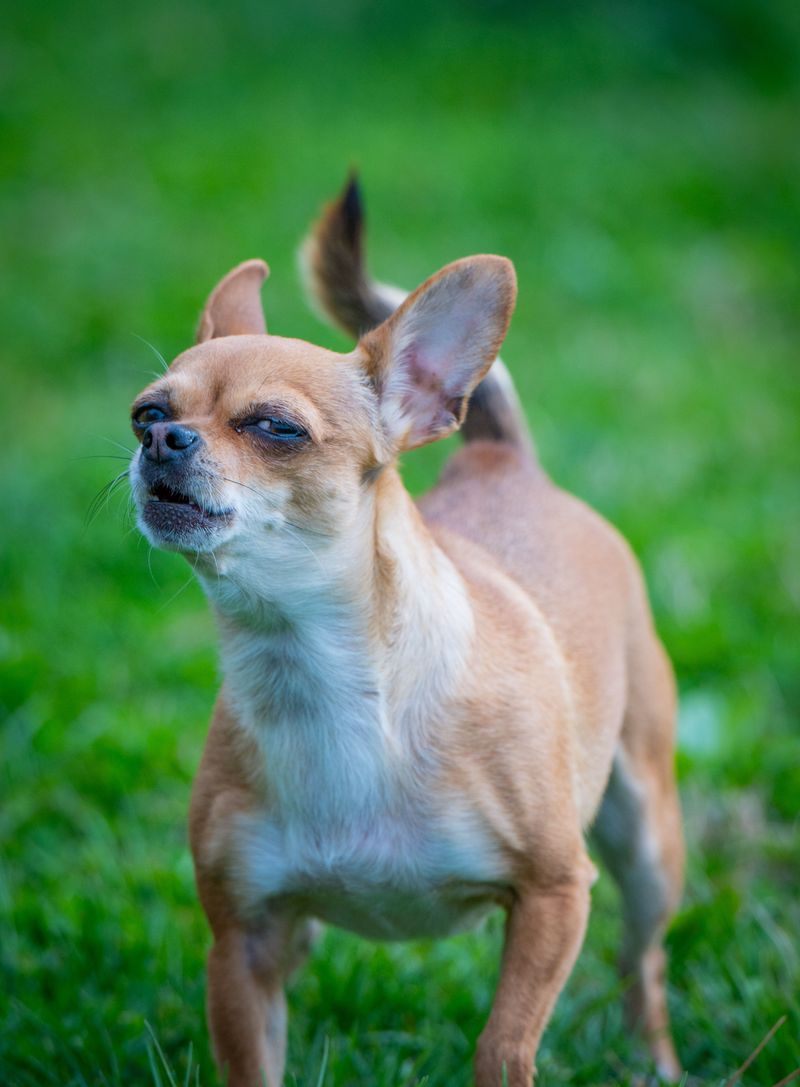
Purse dog? More like pocket-sized security guard.
Chihuahuas often bond tightly with one person and treat everyone else with suspicion.
They can snap at strangers or small kids who grab them. Their tiny bodies also chill quickly and get hurt easily from falls.
Early socialization matters a lot here. Set them on the floor, let them meet calm people, and reward brave behavior.
A confident Chihuahua is a much happier one.
German Shepherd
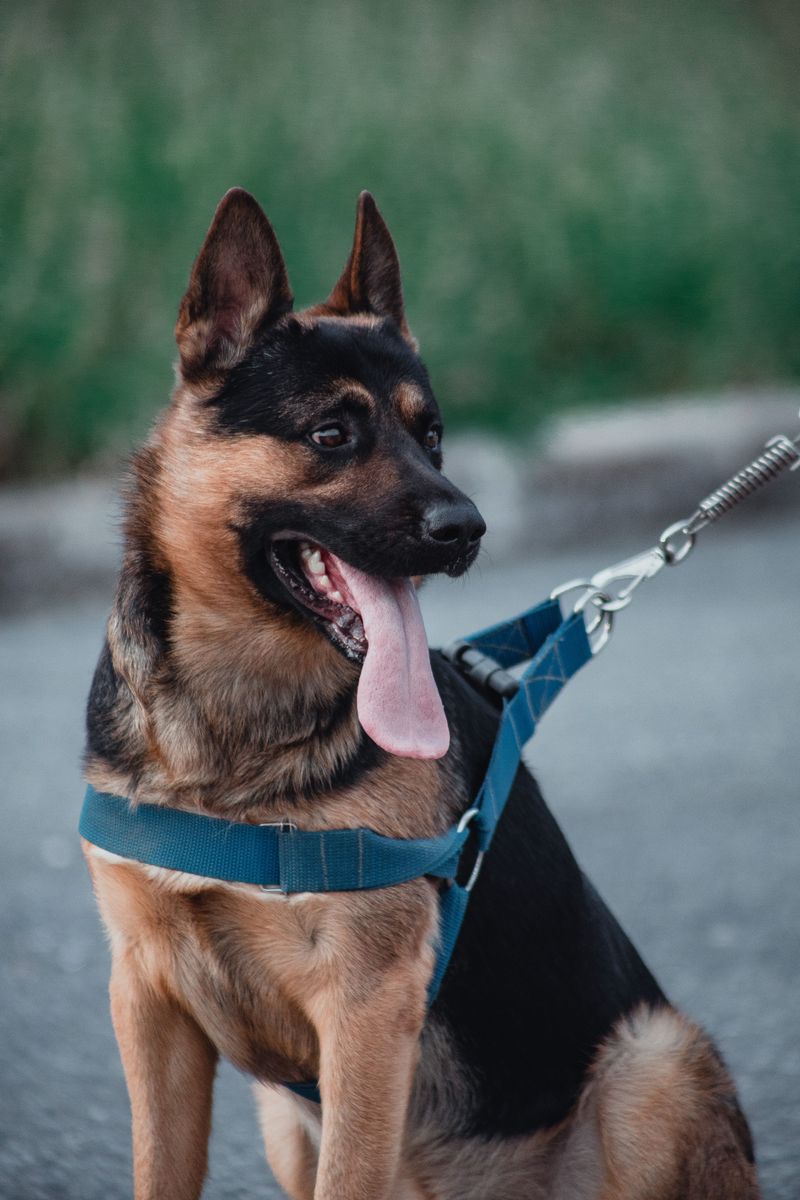
Police movies make German Shepherds look calm and perfectly behaved. Those dogs train for years with experts.
A typical shepherd at home needs daily mental work, firm guidance, and lots of social time. Without it, they can become anxious, overprotective, or destructive.
They shed so much that owners call them “German Shedders.”
Hip problems are also common. Choose a responsible breeder, and budget for obedience classes from the very start.
Australian Shepherd
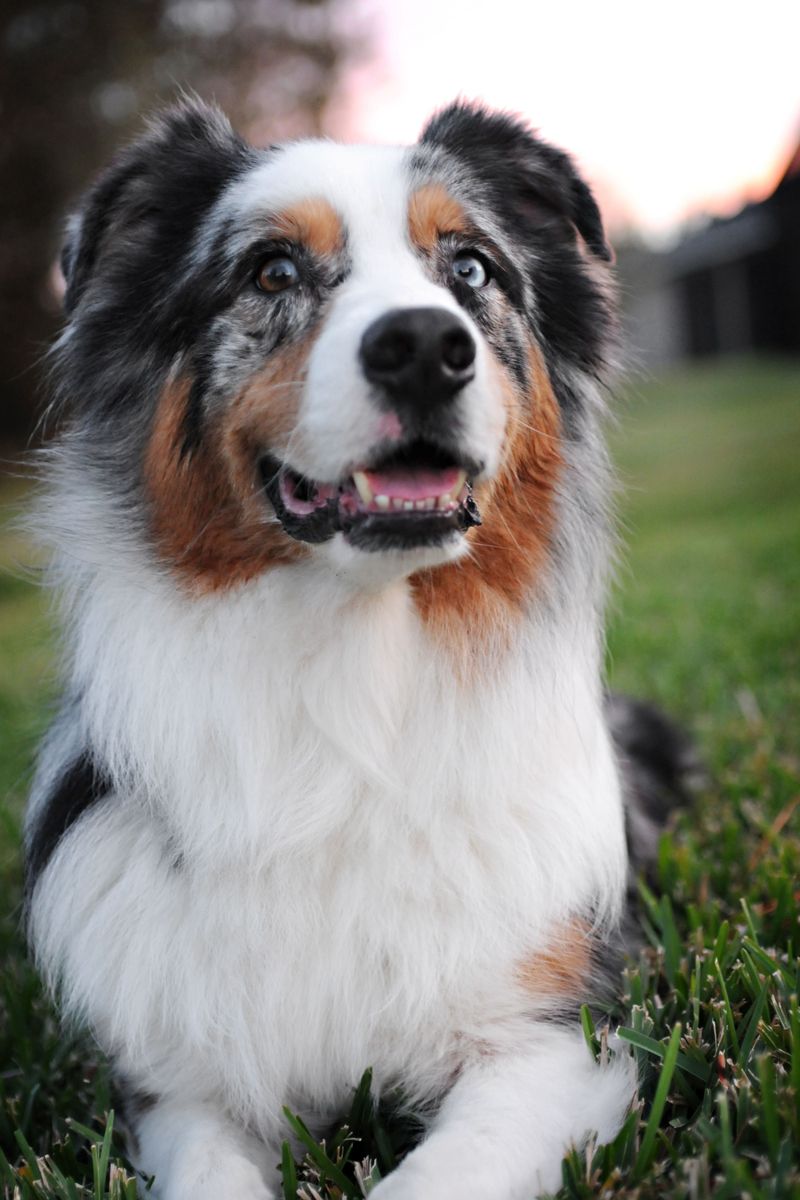
Here’s a surprise: Australian Shepherds actually come from the American West, not Australia. Cowboys loved them for herding cattle all day long.
That working drive makes them a lot for most families. Aussies can nip ankles, bark at moving things, and grow restless indoors.
Plan for two hours of activity daily, including brain games. Their thick coats also need regular brushing to avoid mats.
Active hikers often do best with them.
Jack Russell Terrier
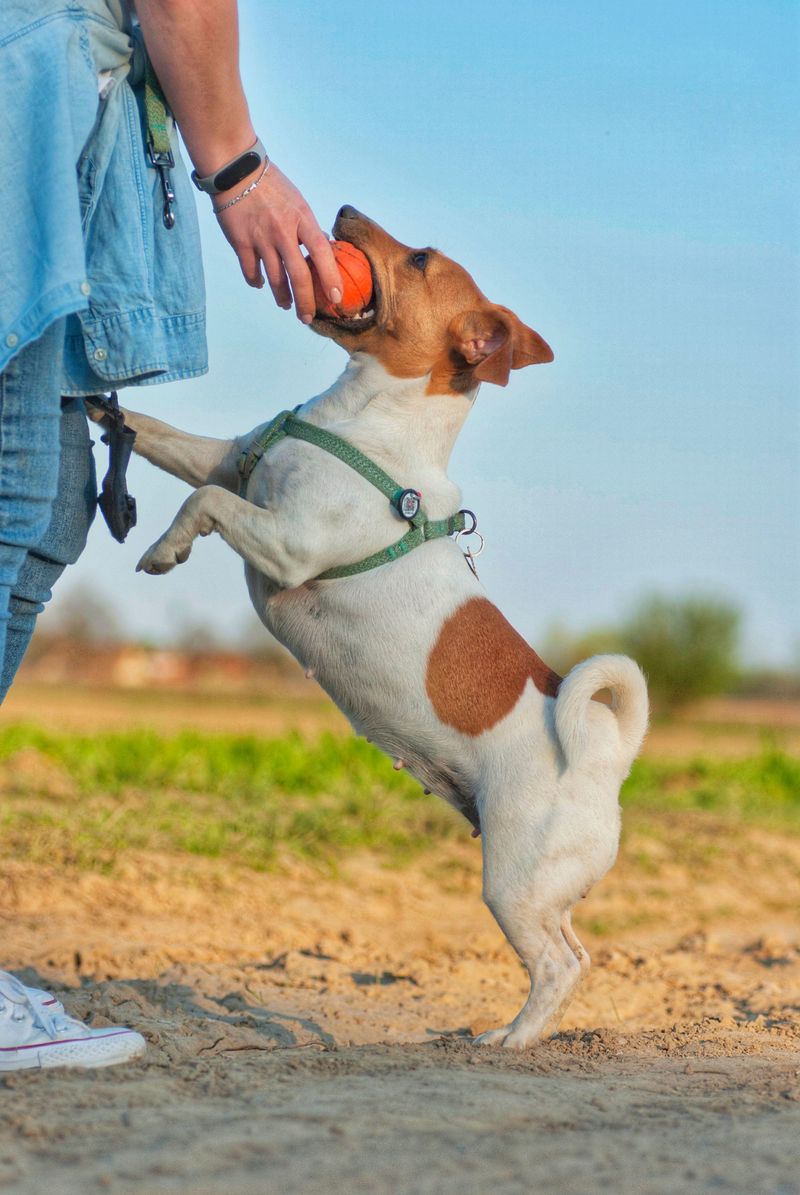
Picture a spring wrapped in fur that never runs out of bounce. Jack Russells can jump five feet high and dig to China.
Originally bred to chase foxes, they’re fearless, clever, and stubborn. They may chase cats, squirrels, and anything else that moves.
Movie fans fell for Eddie on Frasier, but real Jacks rarely sit still. Give them tough chew toys, fetch sessions, and secure fencing, or chaos follows quickly.
Dalmatian
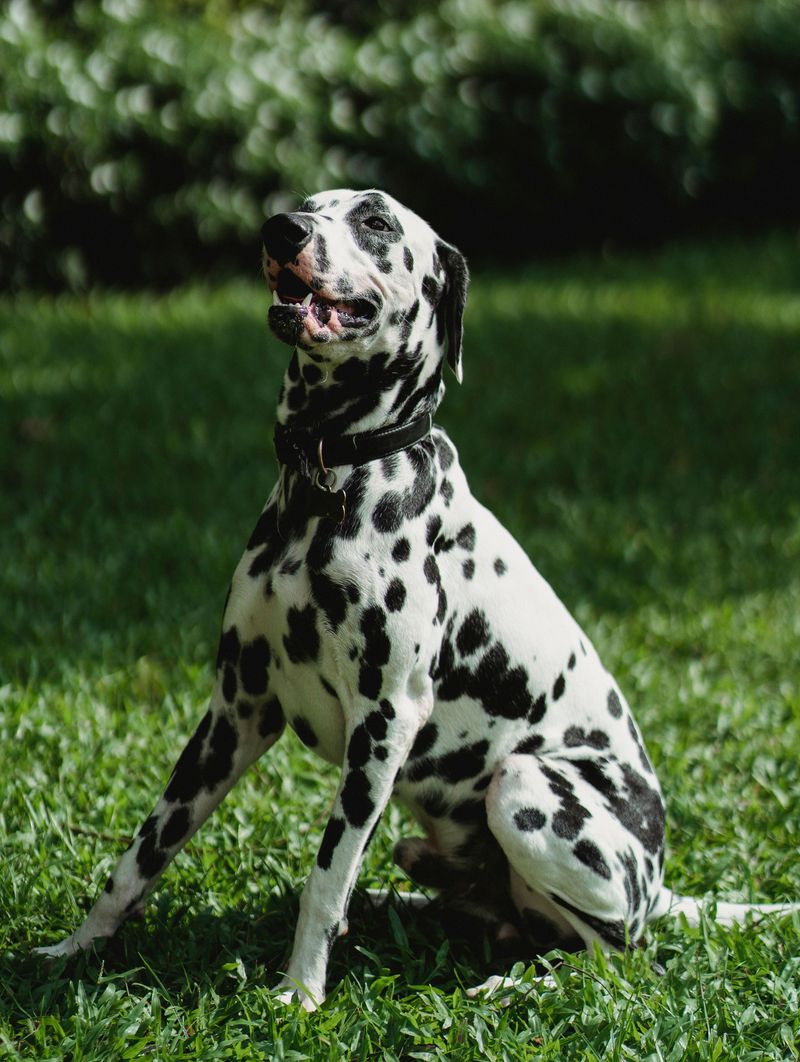
After the movie 101 Dalmatians came out, shelters filled with spotted dogs. Families quickly learned these pups aren’t cartoon characters.
Dalmatians once ran beside horse-drawn fire wagons for miles, so they need serious exercise. They shed short, prickly hairs that weave into clothes and furniture.
Some are born deaf, and many have urinary stone issues needing special diets. Research carefully, and consider an adult rescue whose personality is already known.
Cavalier King Charles Spaniel
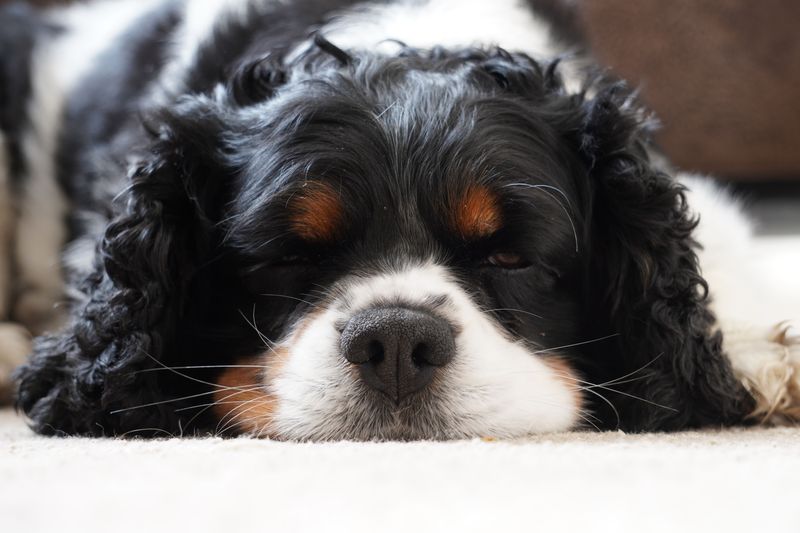
Sweet, cuddly, and eager to please, Cavaliers seem like an easy win. Sadly, their health often isn’t.
Most develop a heart condition called mitral valve disease, and many face a painful skull problem named syringomyelia. Vet visits can add up fast.
They also hate being alone and may cry when you leave. If you choose one, ask breeders for heart screening results and consider pet insurance early on.
Shiba Inu
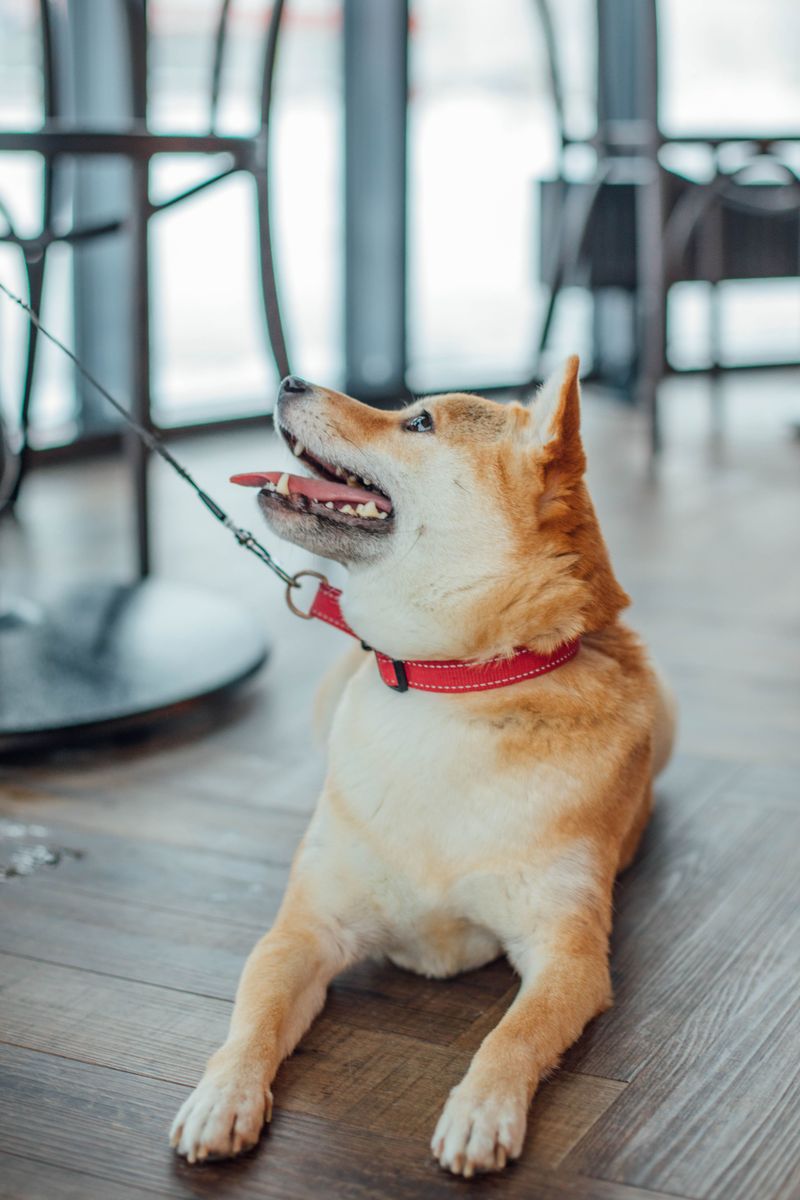
Meme fame made the Shiba Inu a celebrity, but owning one feels more like living with a proud cat.
These Japanese dogs are independent and often ignore commands they find pointless. They’re famous for the “Shiba scream,” a dramatic shriek during nail trims or baths.
Most can’t be trusted off leash. Keep training sessions short and fun, and accept that your Shiba will love you on its own terms.
Pomeranian
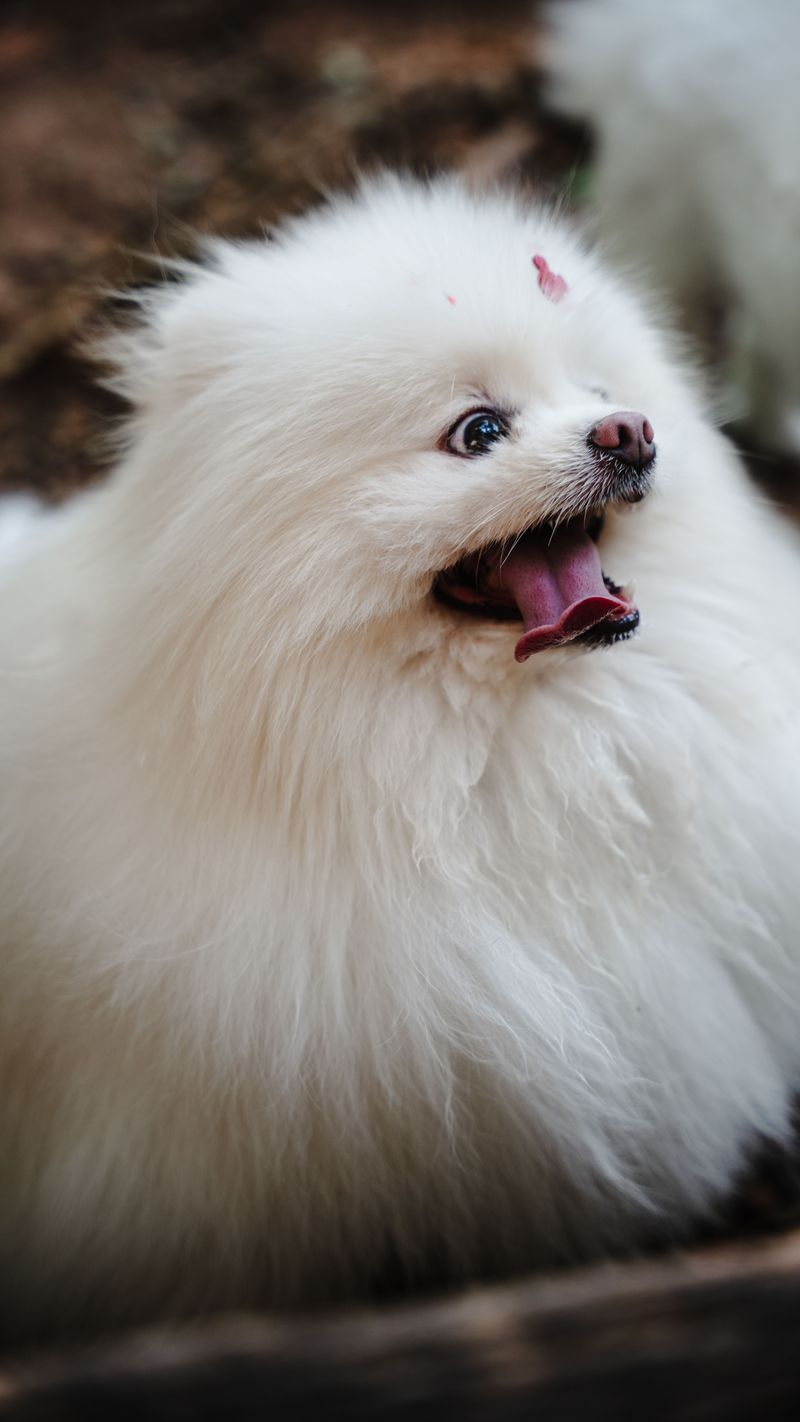
Fluffy as a cotton ball and loud as a smoke alarm, Pomeranians love announcing every visitor, leaf, and passing truck.
That thick double coat needs brushing several times a week to prevent tangles. Their teeth also crowd easily, leading to dental disease without regular care.
Queen Victoria adored Poms and helped shrink them to toy size. Today, teaching a quiet command early can keep your peace and your neighbors happy.
Weimaraner
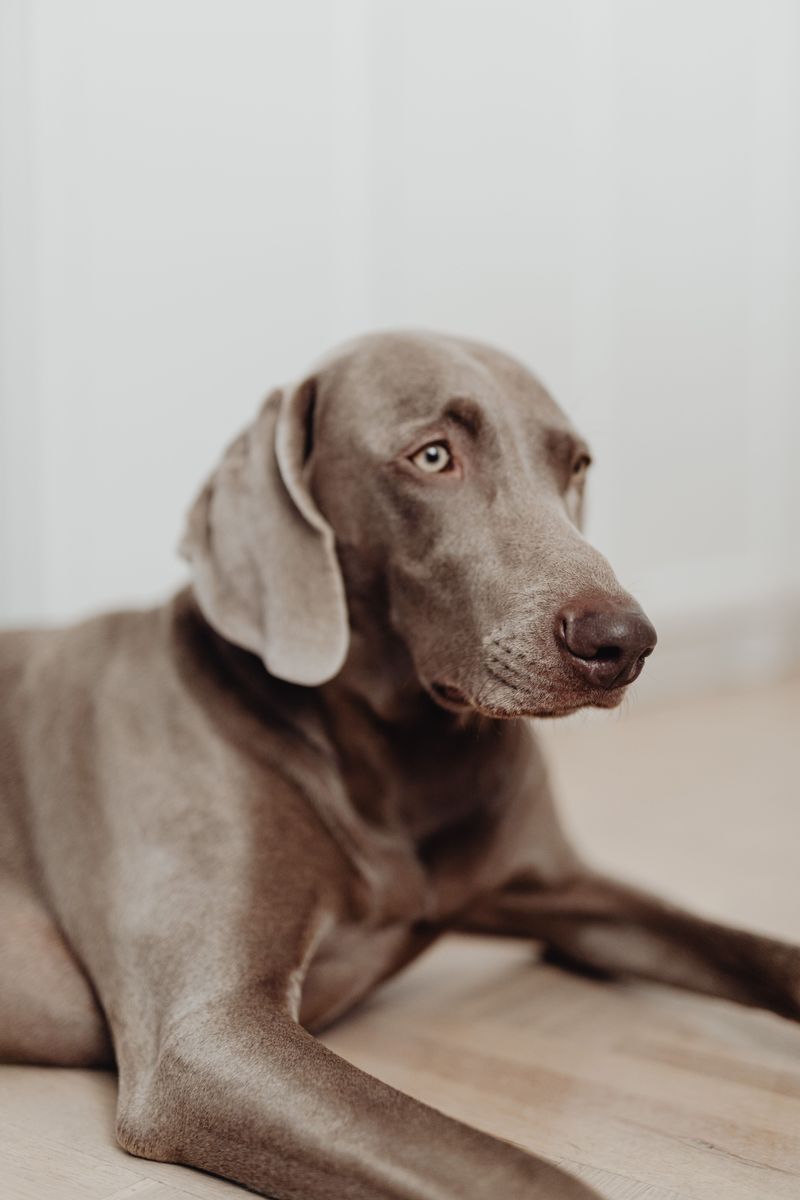
Nicknamed the “Velcro dog,” a Weimaraner will follow you from room to room, even into the bathroom.
That clinginess often turns into separation anxiety, with howling and chewed doors when you leave. These German hunting dogs also have huge energy and a strong prey drive.
Crate training, long runs, and slowly practicing alone time help a lot. They suit people who work from home and enjoy a shadow with silver fur.