
Every dog carries a little bit of its ancestors inside, no matter how well trained it is. Some breeds were made to chase, dig, herd, or guard, and those urges never really switch off.
Knowing what drives your dog can keep it safe and save you a lot of stress. Read on to meet the breeds whose instincts always win, plus a few that catch even seasoned owners off guard.
Siberian Husky
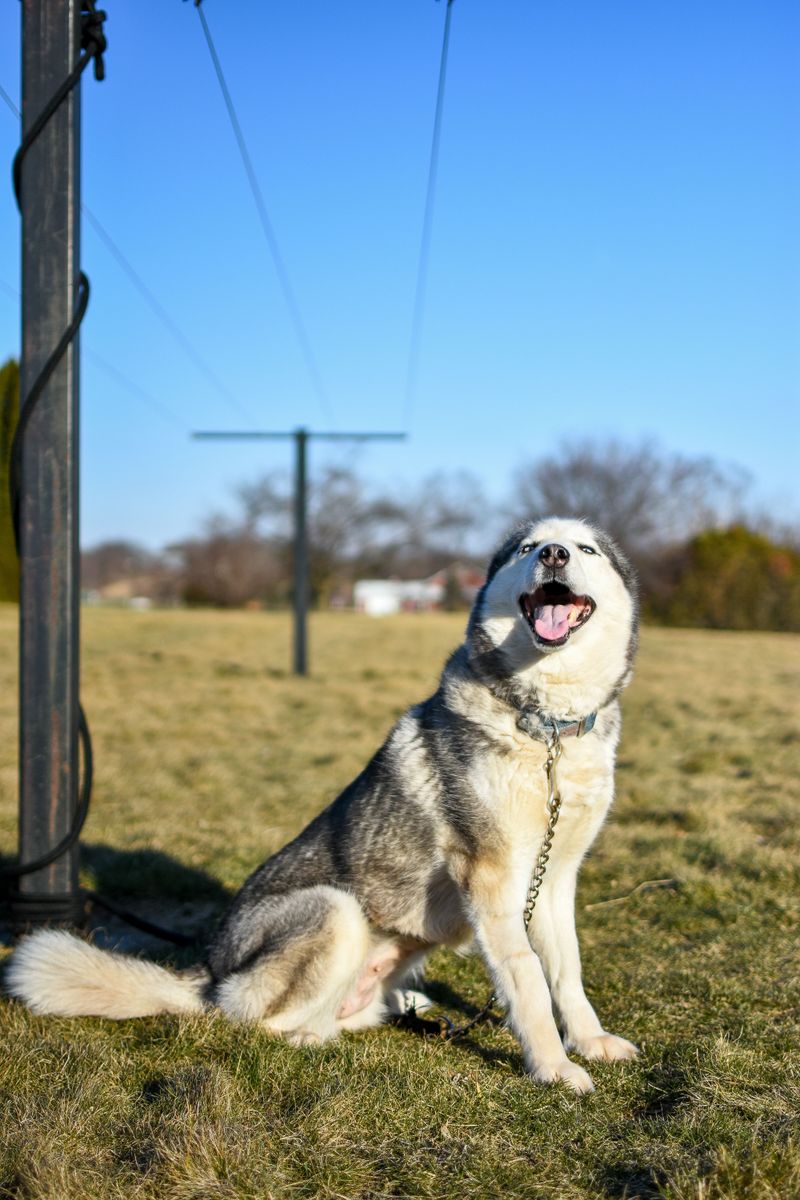
Picture a Husky spotting a squirrel across the park. One second it is calm, and the next it is gone like a furry rocket.
Bred to run for miles pulling sleds in Siberia, these dogs simply love to roam.
Never trust a Husky off leash in open areas. Tall, secure fencing is a must, since many can climb or dig under barriers.
Daily runs help burn off that wanderlust.
Border Collie
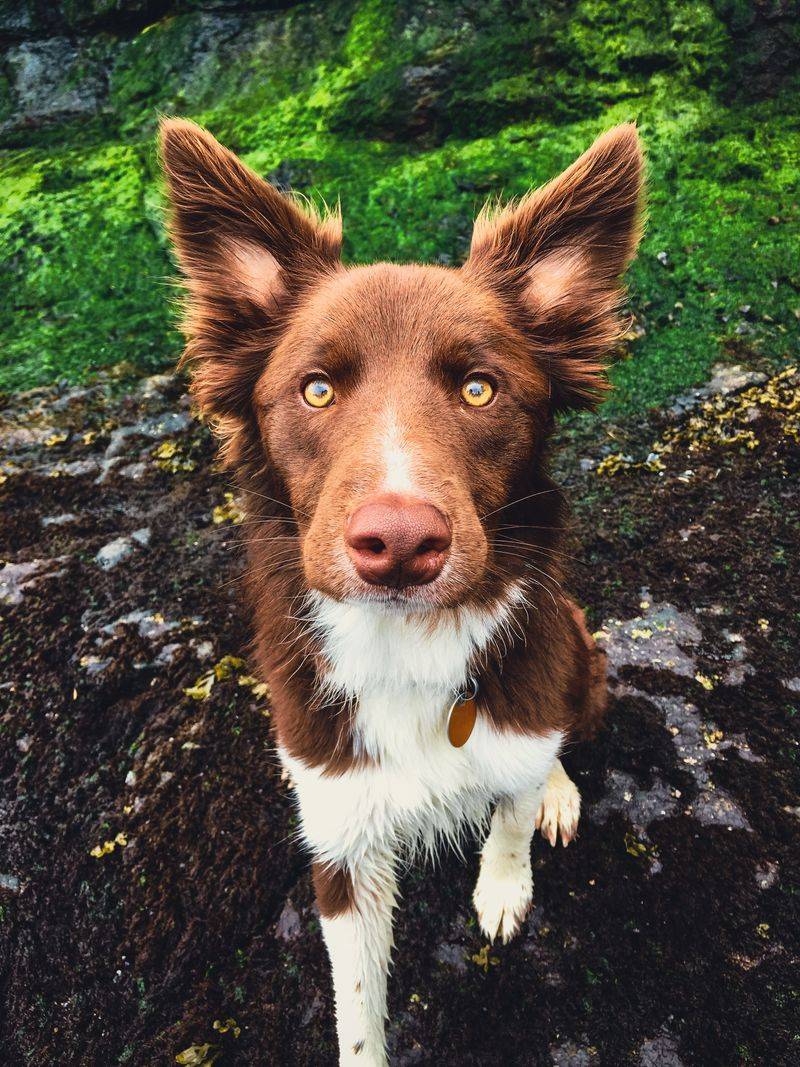
Kids on bikes, the family cat, even cars. A bored Border Collie will try to herd anything that moves.
That famous stare and crouch come straight from generations of sheep work in Scotland and England.
Training helps, but the urge never disappears. Give this brainy breed real jobs like agility, puzzle toys, or herding classes.
Without a task, it may start nipping at heels to keep its flock in line.
Beagle
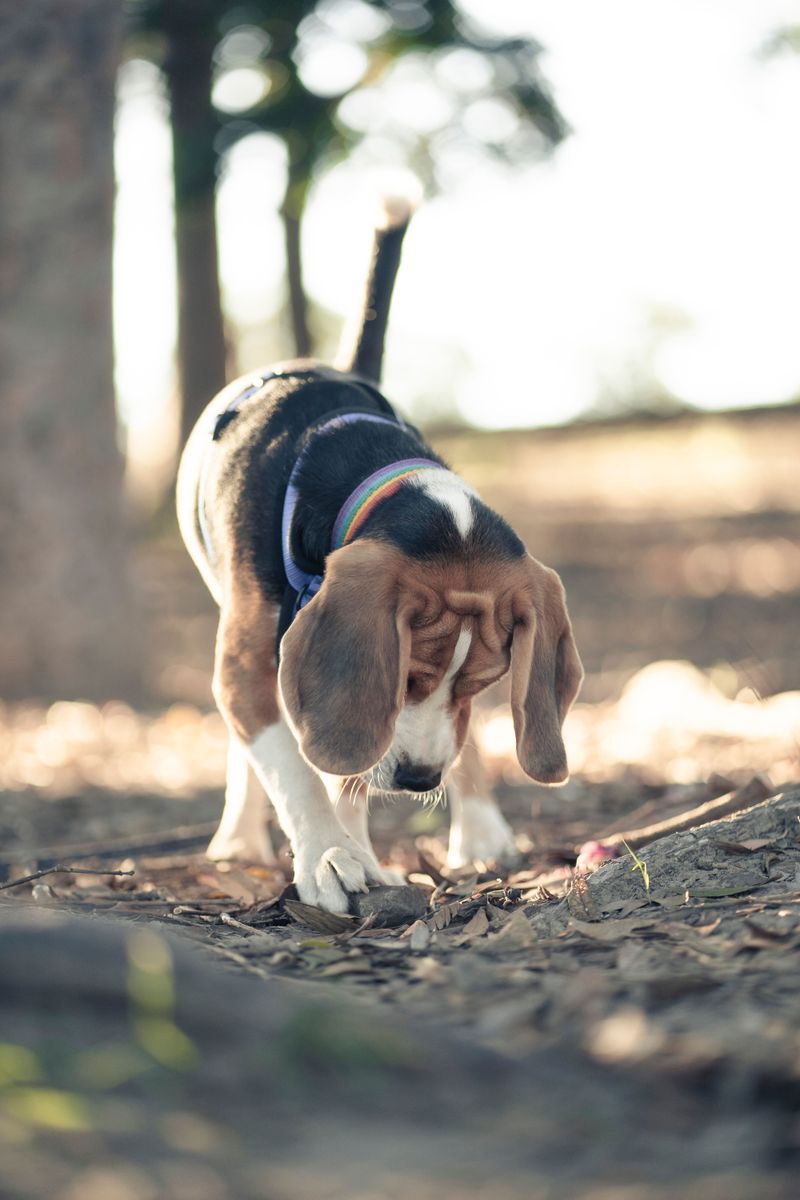
Fun fact: a Beagle has around 220 million scent receptors. Humans have about five million.
No wonder that sweet little hound forgets your voice the moment it catches an interesting smell.
Once a Beagle locks onto a trail, recall commands often fade into background noise. Keep yours on a leash during walks and lock up the trash can.
Scent games at home are a happy outlet for that powerful nose.
Jack Russell Terrier
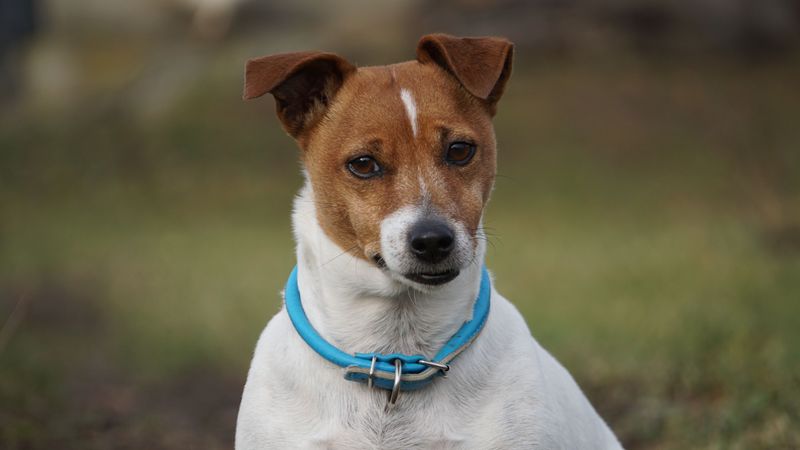
Small body, giant attitude. Jack Russells were bred in England to chase foxes into their dens, and they still act like tiny hunters on a mission.
Expect holes in the yard, fearless barking at bigger dogs, and wild chases after rodents. Owners often say these terriers have endless batteries.
Long play sessions, digging boxes, and firm, patient training keep their energy pointed in the right direction instead of at your flowerbeds.
Greyhound
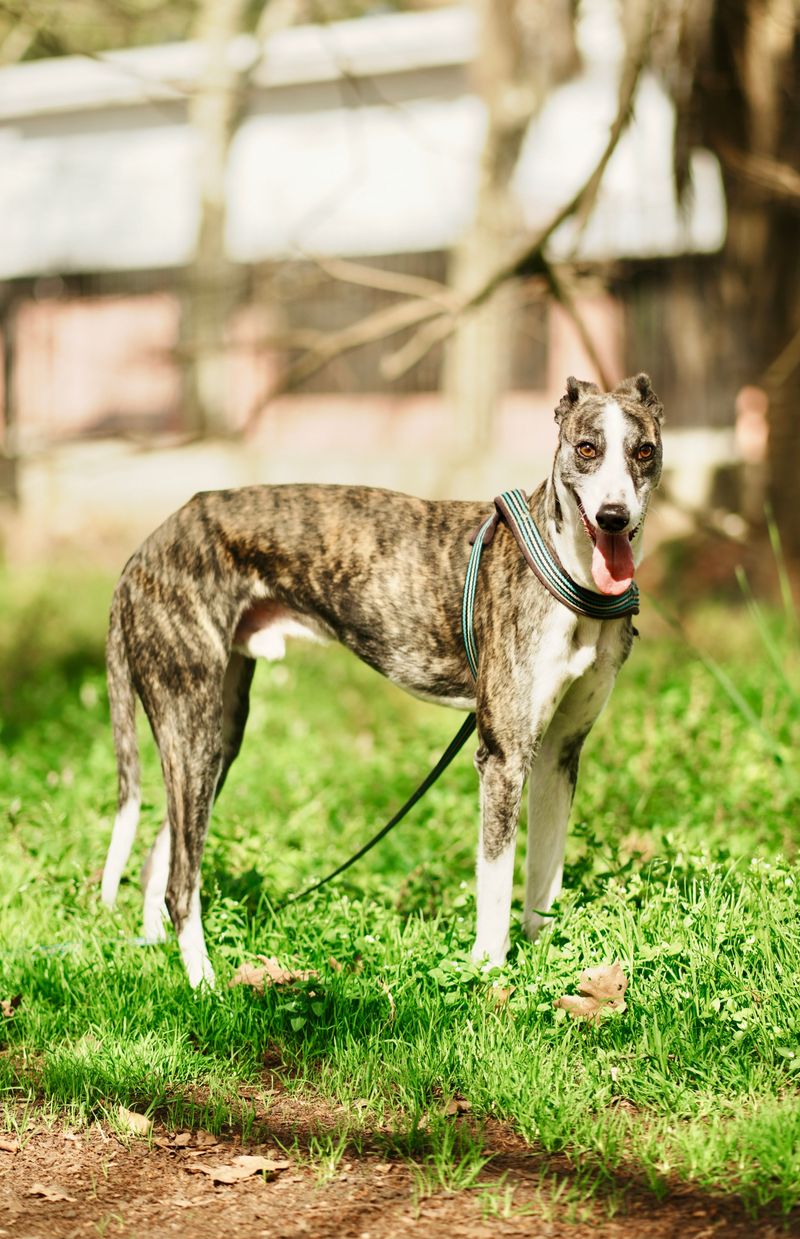
Gentle couch potato at home, blur of speed outside. Greyhounds can hit about 45 miles per hour, and a fleeing rabbit can trigger that sprint in a heartbeat.
Because they hunt by sight, they may not stop to think about roads or danger. Many rescue groups ask adopters to keep them leashed in unfenced places.
Small pets need careful introductions too, so test reactions slowly before trusting this sweet sprinter around cats.
Australian Cattle Dog
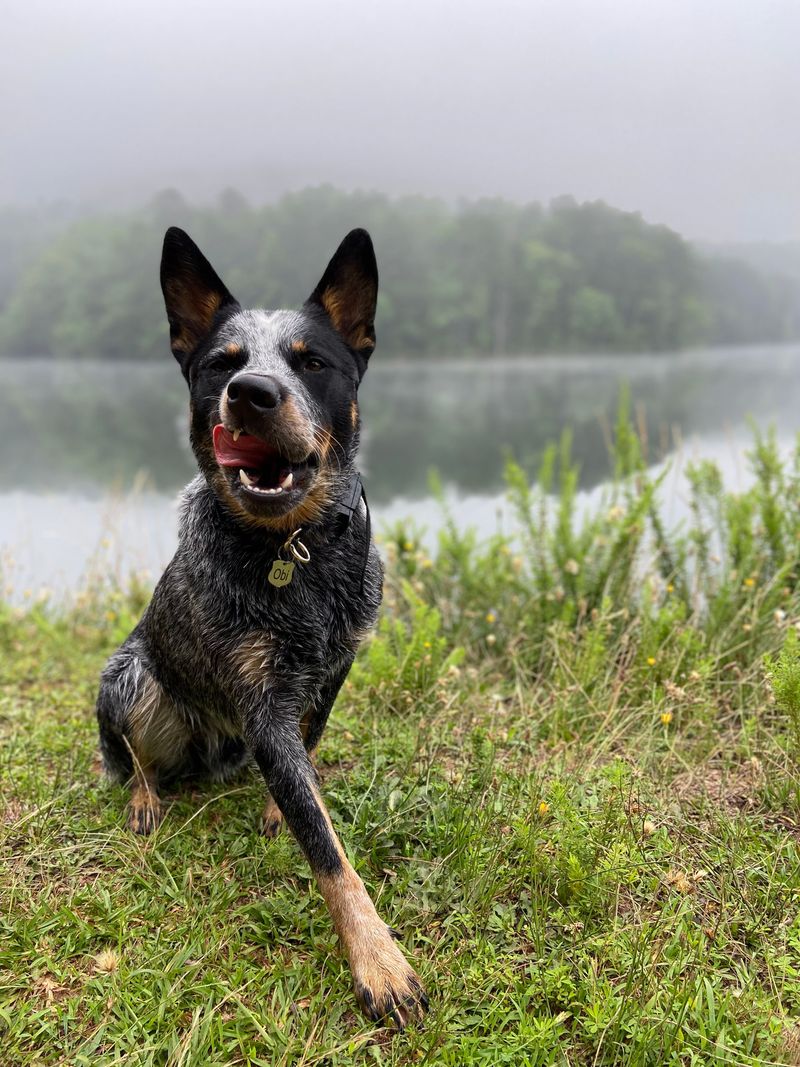
Ranchers in Australia needed a tough dog that could move stubborn cattle by nipping their heels. The result was this sturdy, clever worker, also called the Blue Heeler.
That nipping habit sometimes shows up with running children or other pets. Teach a solid leave it command early.
Daily mental challenges matter as much as exercise, because a heeler with nothing to do will invent its own projects, and you might not like them.
Dachshund
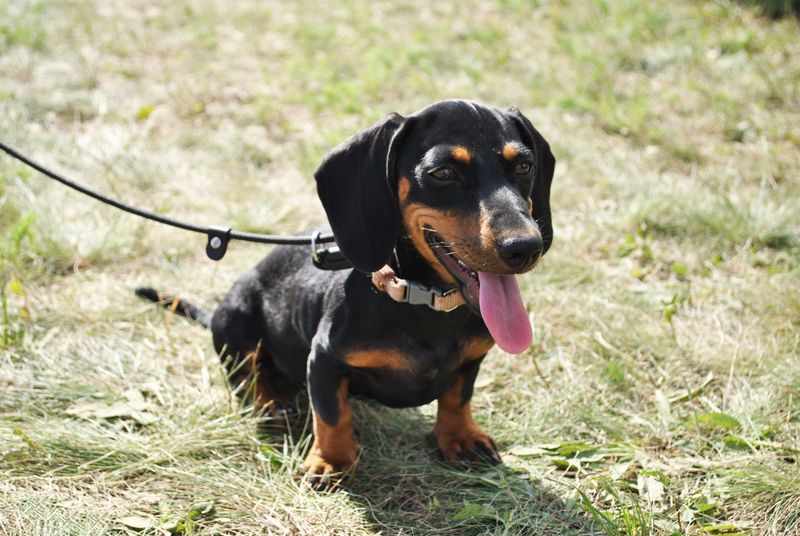
Don’t let those short legs fool you. In German, Dachshund means badger dog, and these brave little hunters once tunneled after badgers underground.
Today that history shows up as digging, burrowing in blankets, and loud barking at strange noises. Many also chase small critters with surprising speed.
Offer a dig spot or snuffle mat, keep their back safe by limiting jumps, and stay patient during training, since stubbornness comes with the package.
Alaskan Malamute
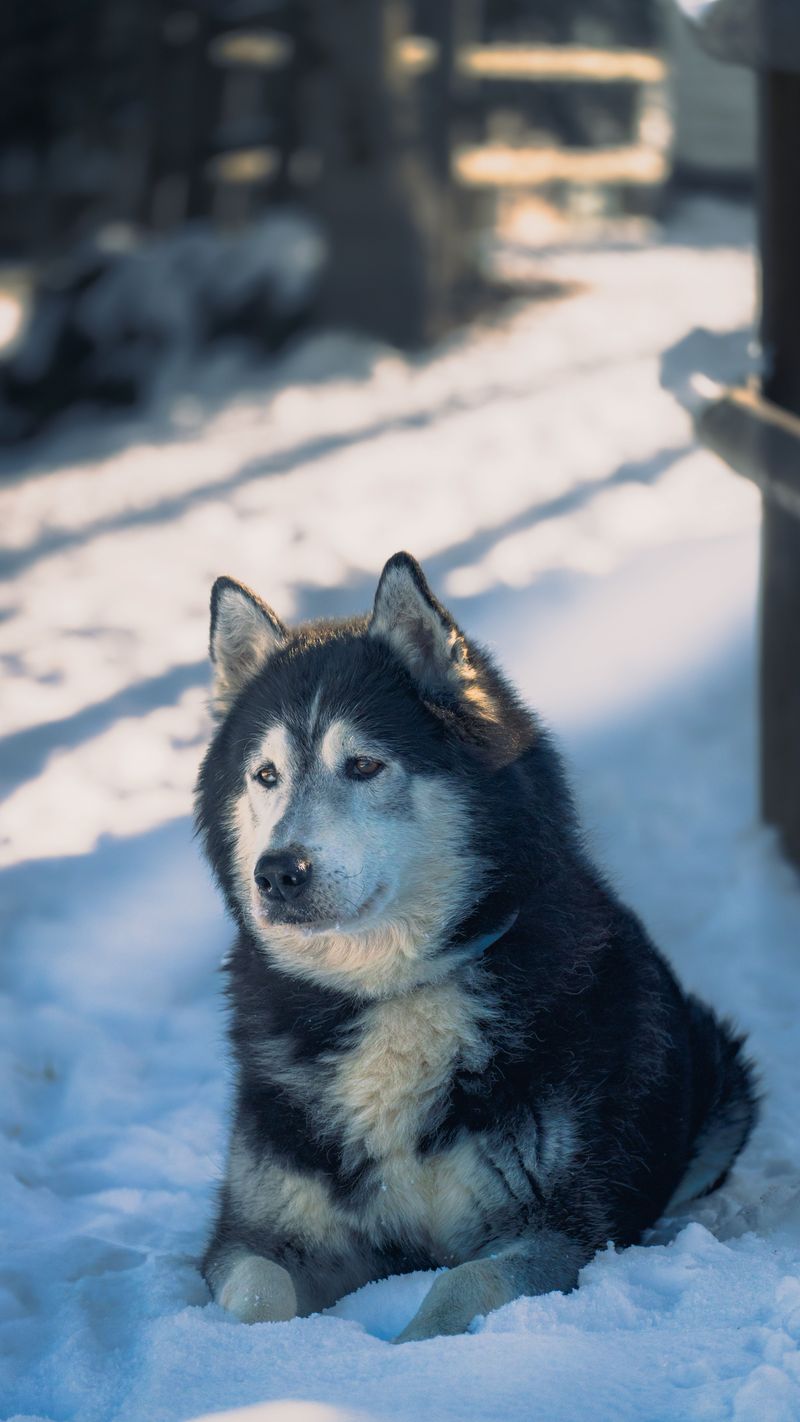
Strong as an ox and twice as stubborn, the Malamute hauled heavy freight across Arctic snow. Independence kept these dogs alive, so they still like making their own choices.
A Malamute may chase small animals, dig huge craters, and ignore commands it finds boring. Keep training short and rewarding.
Secure fencing, plenty of pulling activities like hiking with a pack, and a cool place to rest in summer help this snow giant thrive.
Basenji
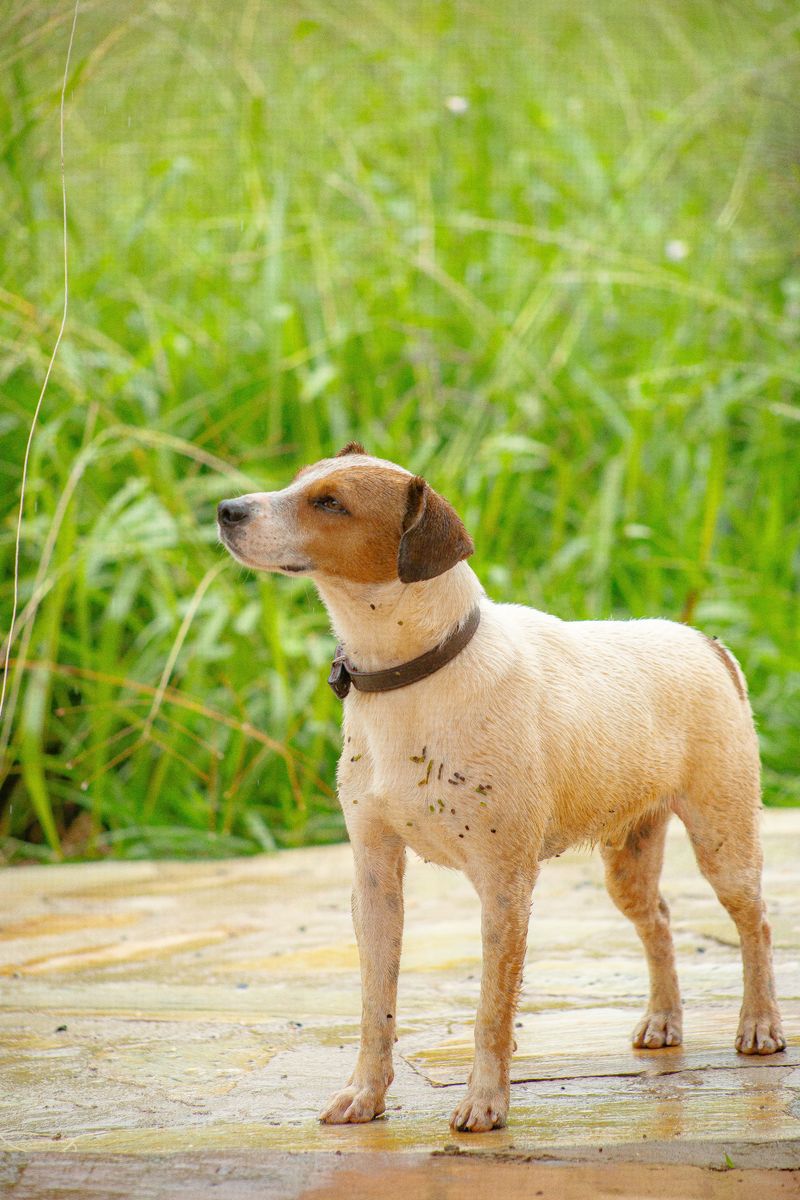
Known as the barkless dog, the Basenji yodels instead. Hunters in Central Africa used these quiet, quick dogs to flush game into nets.
That hunting brain makes them curious escape artists that chase anything small. Many owners compare them to cats, since they clean themselves and decide when to listen.
Use a leash outdoors, puppy-proof your home, and keep sessions fun, because a bored Basenji may chew whatever is nearby.
Weimaraner
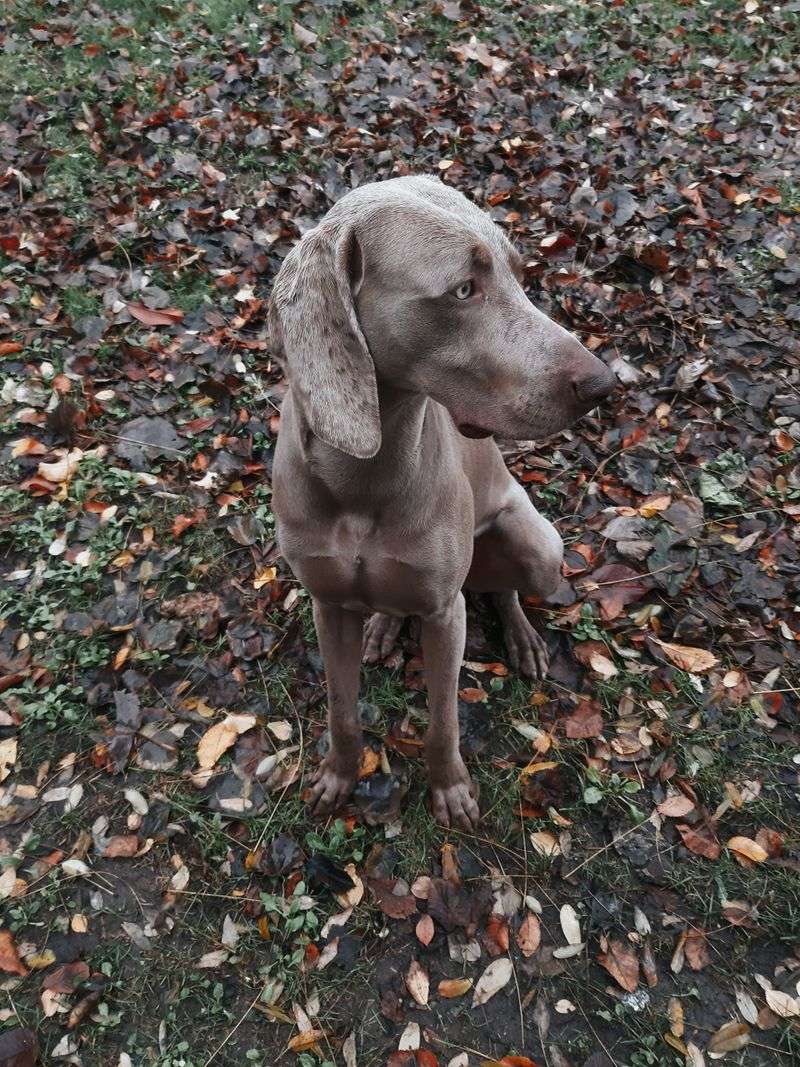
Nicknamed the gray ghost, this sleek German hunter once tracked deer and boar for nobles. It still has the stamina and focus of a true field dog.
Birds, squirrels, and cats can flip its switch instantly. Weimaraners also hate being left alone and may get destructive.
Plan long daily runs, nose work, or field training. With enough activity and company, the result is a loyal shadow that sticks close by your side.
Anatolian Shepherd
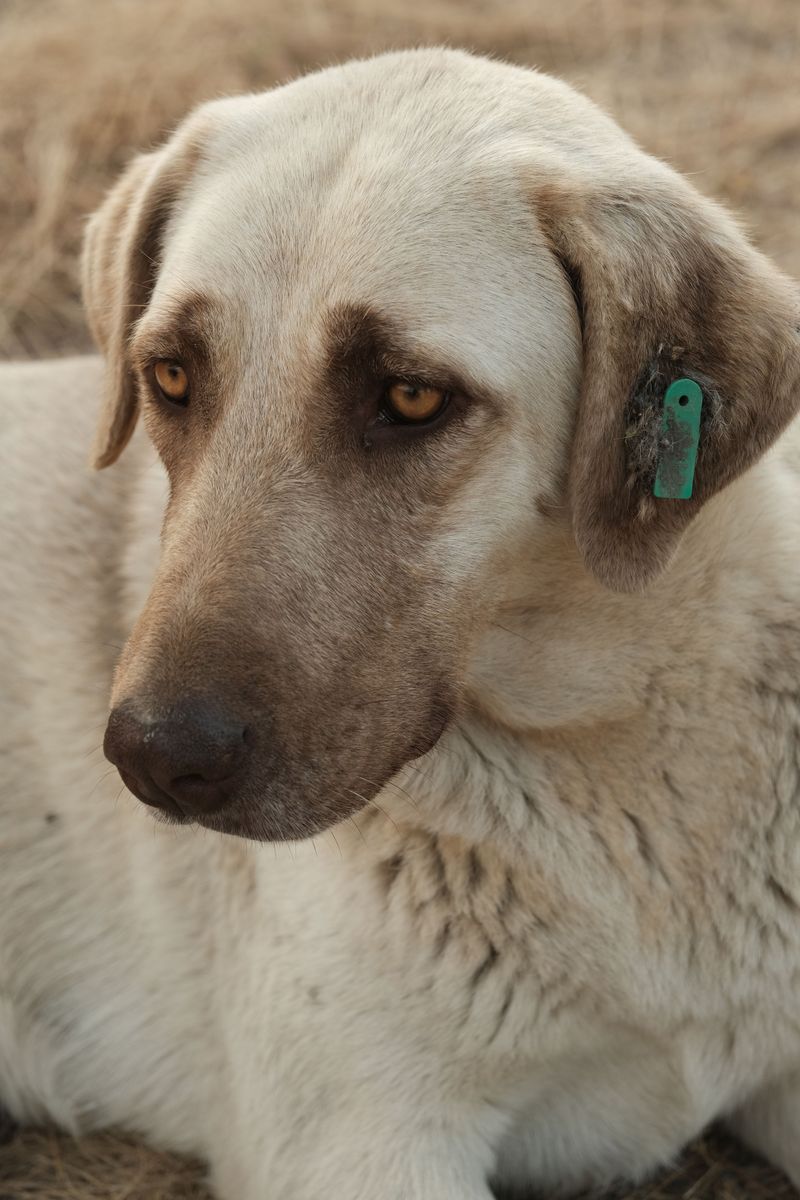
In Turkey, shepherds trusted this huge guardian to protect flocks from wolves with no human help. Thinking for itself was the whole job.
So when strangers visit, an Anatolian decides on its own if they are a threat. Early socialization with many people and places is critical.
Avoid tiny yards and weak fences. Respect its watchful mind, and you will have a calm, devoted protector who takes guarding your family very seriously.
Bloodhound
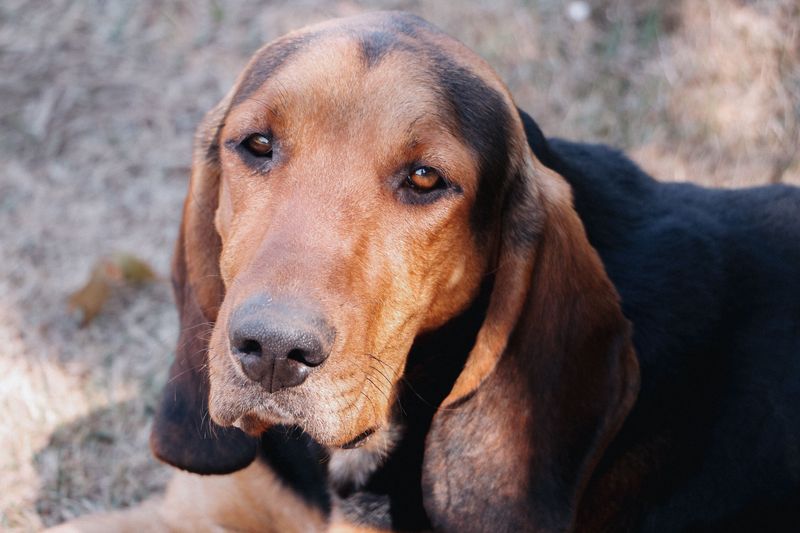
Courts have accepted Bloodhound trailing as evidence. That nose is so accurate it can follow a scent that is days old.
The downside? A Bloodhound on a trail hears nothing else.
These droopy sweethearts will wander for miles if a smell leads them there. Use a long line for safe sniffing adventures, and try tracking games for fun.
Also keep towels nearby, because the drool is very real and very plentiful.
Rhodesian Ridgeback
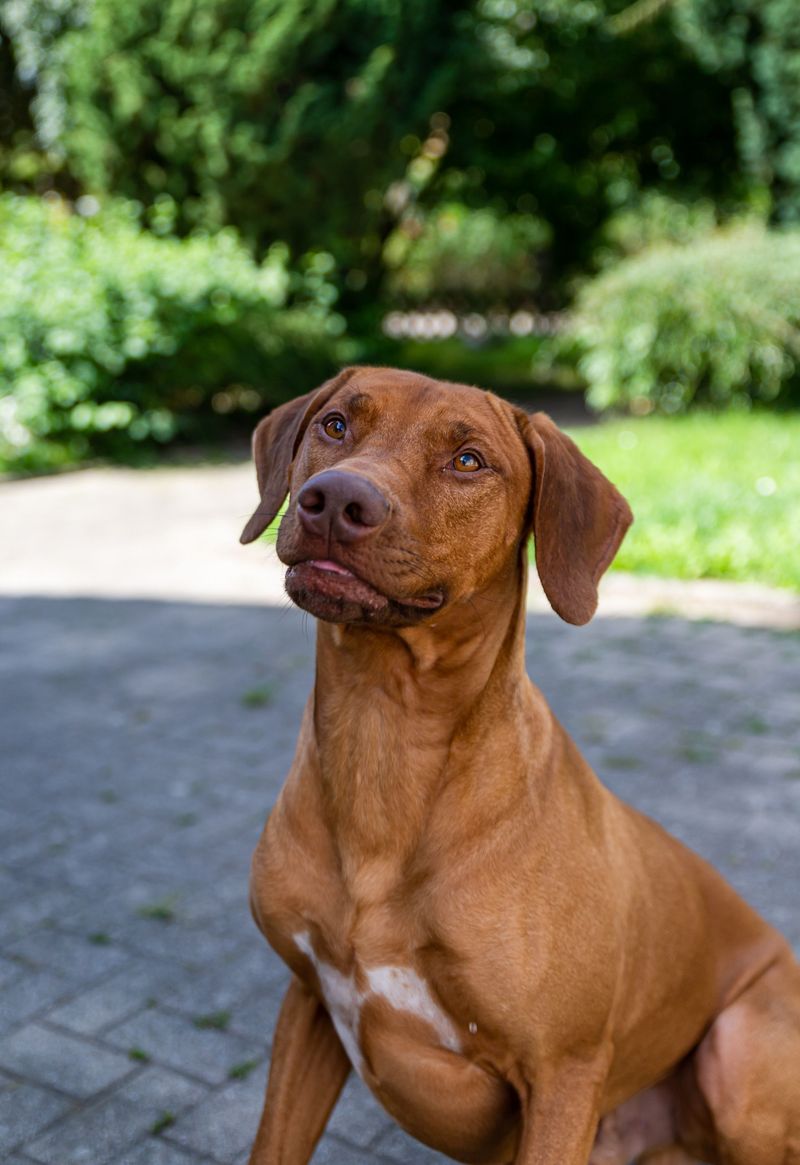
Brave enough to hold lions at bay in southern Africa, the Ridgeback is famous for the stripe of backward hair along its spine.
It is calm indoors yet quick to chase cats, deer, or joggers. Its strong will can test new owners.
Start training early with treats and consistency, since harsh methods backfire. Secure fencing matters too.
Once it trusts you, this dignified athlete becomes a loving, quietly protective family member.
Shiba Inu
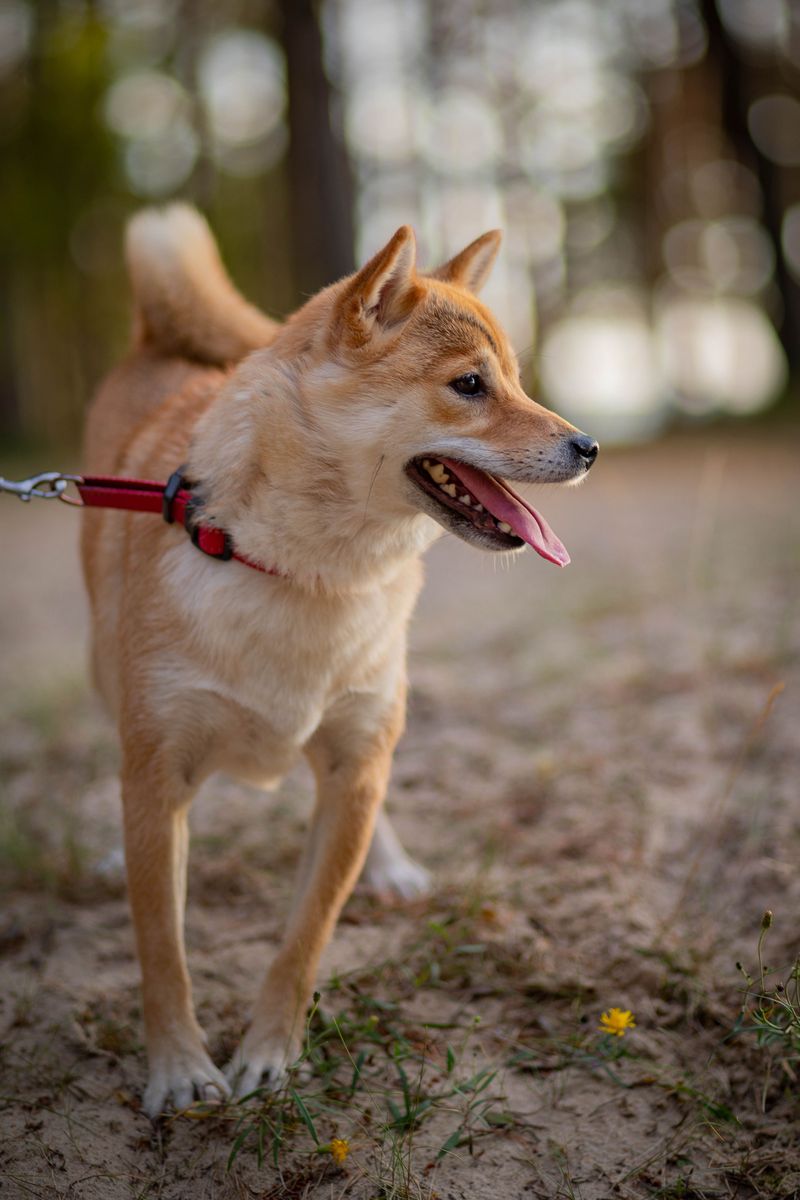
Ever met a dog with a strong opinion about everything? Meet the Shiba Inu, an ancient Japanese hunting breed with a fox face and a bold spirit.
Shibas are known for bolting through open doors and ignoring recall. They may also guard food or toys.
Keep them leashed, practice gentle handling from puppyhood, and reward calm behavior. Expect the famous Shiba scream when they disagree, which is often hilarious and loud.
Golden Retriever
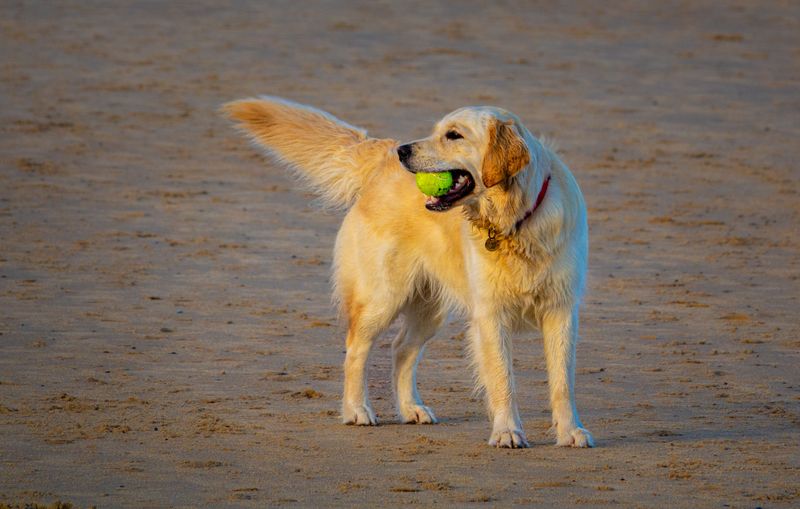
Surprise! The friendliest dog on the block still has a hunter’s heart.
Goldens were bred in Scotland to fetch ducks, and that urge to carry things runs deep.
Owners find socks, shoes, and remote controls in their beds. Some Goldens also chase birds or leap into any pond they spot.
Turn the habit into fetch games and teach a solid drop it. A tired Golden is a happy, well-mannered one.
Cavalier King Charles Spaniel
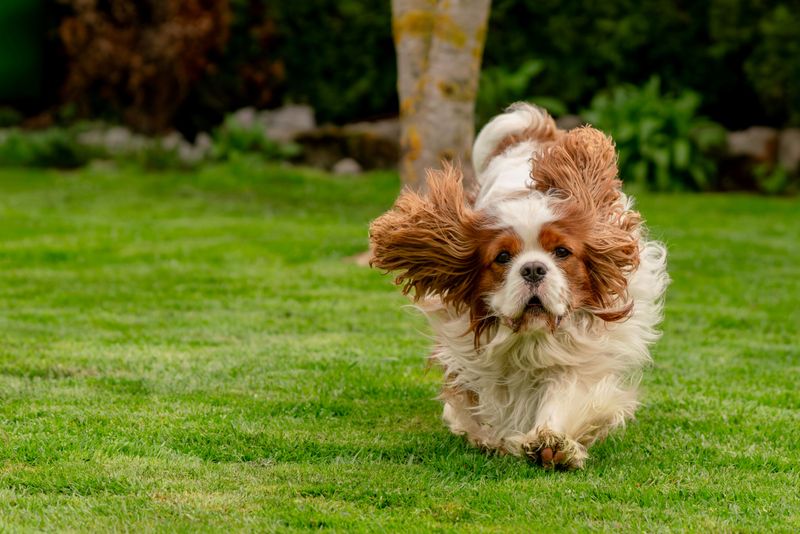
Most people see a royal lap dog. Experienced owners know better.
Beneath those silky ears lives a little spaniel that once flushed birds for English hunters.
Many Cavaliers will happily chase butterflies, birds, or squirrels right into danger, completely forgetting their name. They often lack street sense too.
Keep them on a leash near roads and practice recall in safe spaces. Their sweetness is real, but so is that sporty streak.
Poodle
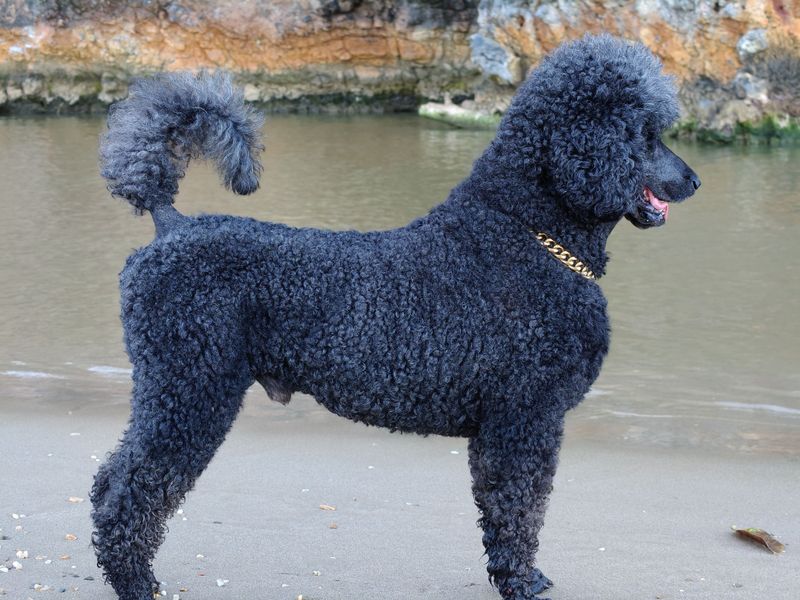
Fancy haircuts hide a working past. Poodles started in Germany as water retrievers, and that famous cut once kept their joints warm while swimming.
Many owners are shocked when their elegant pup dives into a muddy pond or stalks a rabbit. Standard Poodles especially have real hunting drive.
Swimming, retrieving, and scent work suit them well. Their clever minds learn fast, so reward good choices before mischief takes over.
Yorkshire Terrier
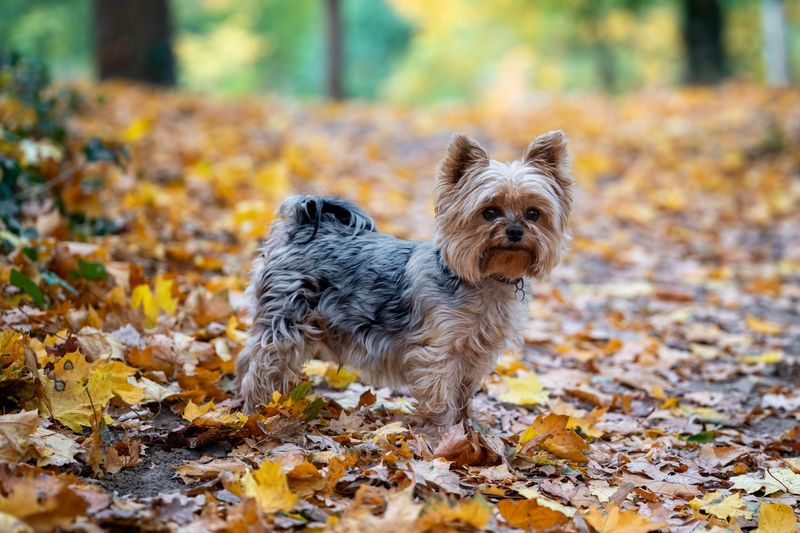
Tiny bows and fancy carriers fool almost everyone. Yorkies actually began in northern England mills, catching rats in tight corners.
That terrier fire still burns. A Yorkie may bark at every sound, chase mice, or challenge dogs ten times its size.
Do not let the cute size excuse rude habits. Teach manners just as you would a big dog, offer squeaky toys for hunting play, and supervise around larger pets.