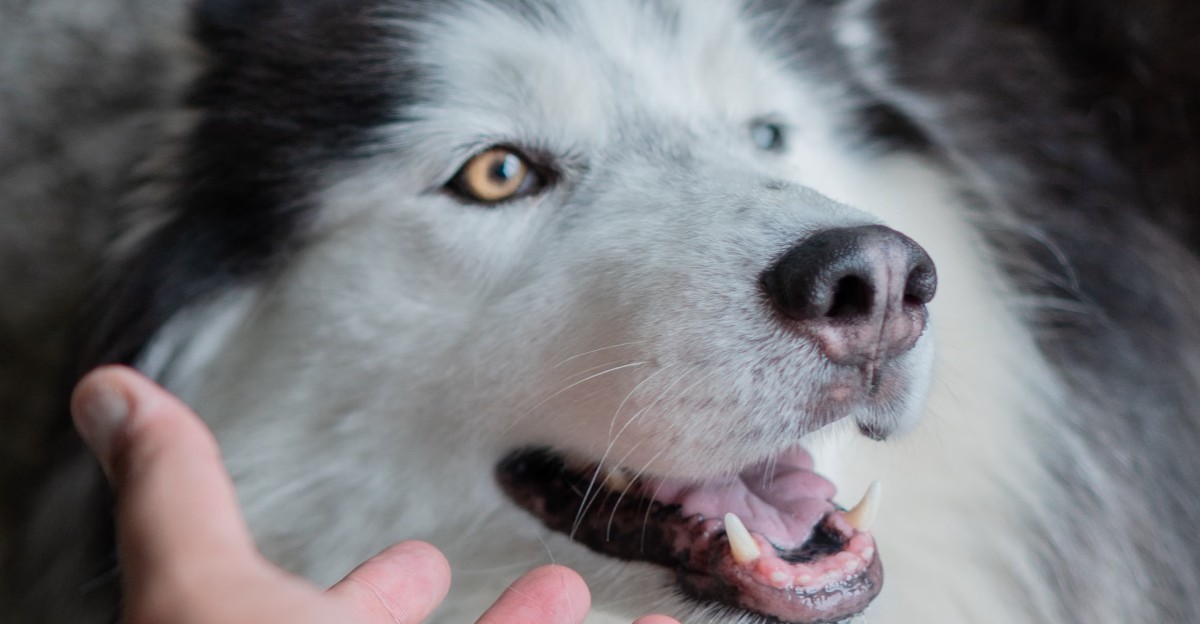
A fluffy puppy can melt your heart in seconds. But once the cuddles settle down, real life starts with chewing, barking, digging, and endless energy.
Some breeds surprise new owners with needs they never saw coming. Knowing what to expect before you bring one home can save you stress and give your new friend a happier life.
Siberian Husky
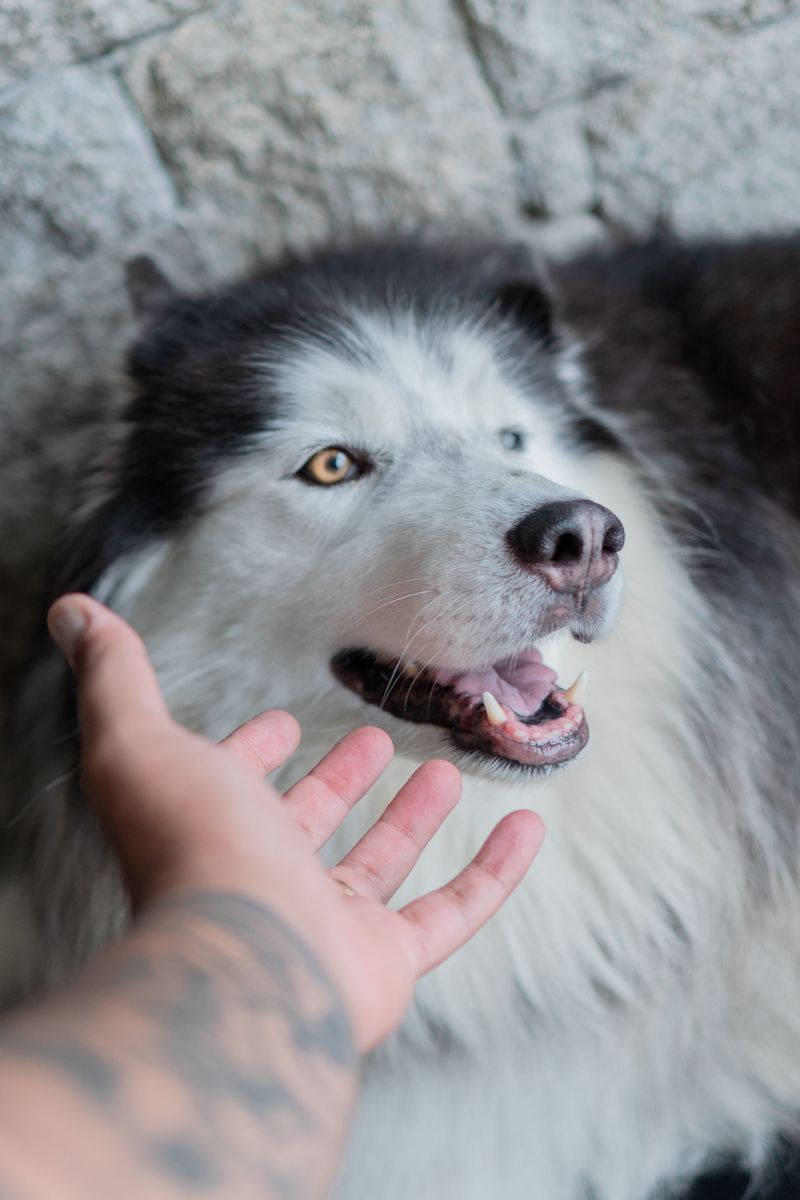
Those icy blue eyes have sold more puppies than any ad ever could. Then the howling starts, along with escape attempts that would impress a magician.
Huskies were bred to pull sleds for miles across Siberia, so a short walk barely counts. They dig, climb fences, and shed enough fur to knit a sweater.
Plan on long runs, a tall secure yard, and a sturdy vacuum before saying yes.
Border Collie
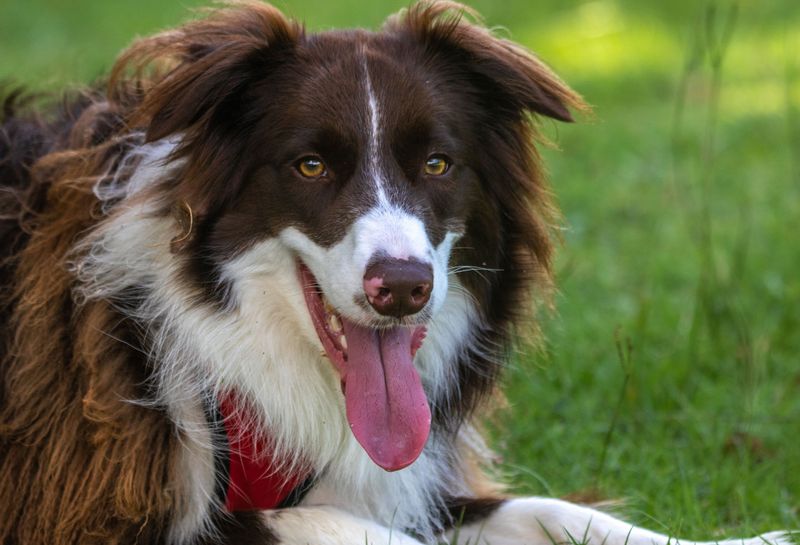
Picture a genius who gets bored in five minutes. That is daily life with a Border Collie.
Often ranked the smartest breed on Earth, these dogs need jobs. Without one, they invent their own, like herding kids, chasing cars, or rearranging your couch cushions.
Puzzle toys, agility classes, and daily training sessions help a lot. Families who love outdoor adventures tend to do best, while couch lovers may feel completely outmatched.
Dalmatian
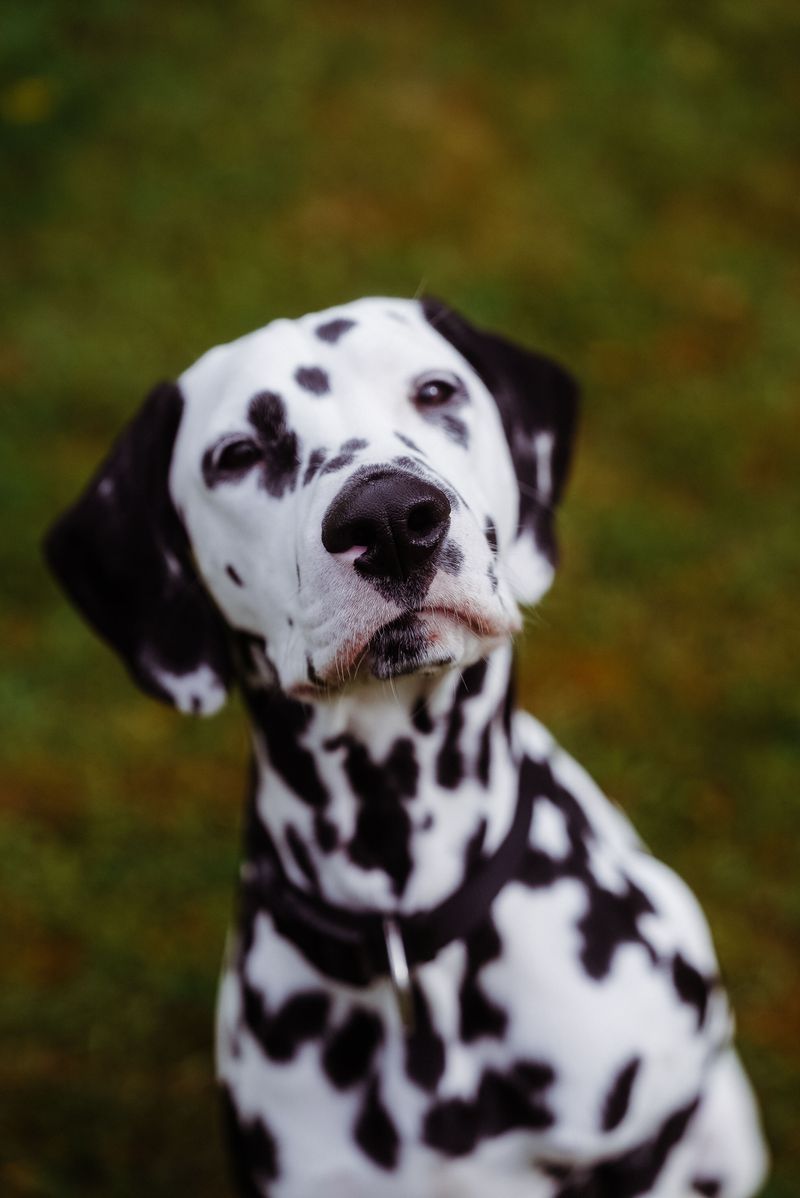
Blame the movies. After the famous film about spotted puppies, shelters filled with Dalmatians that families could not handle.
These dogs once ran beside horse-drawn fire wagons for hours, and that stamina never left. They can be stubborn, sensitive, and some are born deaf, which makes training trickier.
Fun fact: Dalmatian puppies are born pure white, and the spots appear later. Expect lots of exercise and patient, steady training.
Jack Russell Terrier
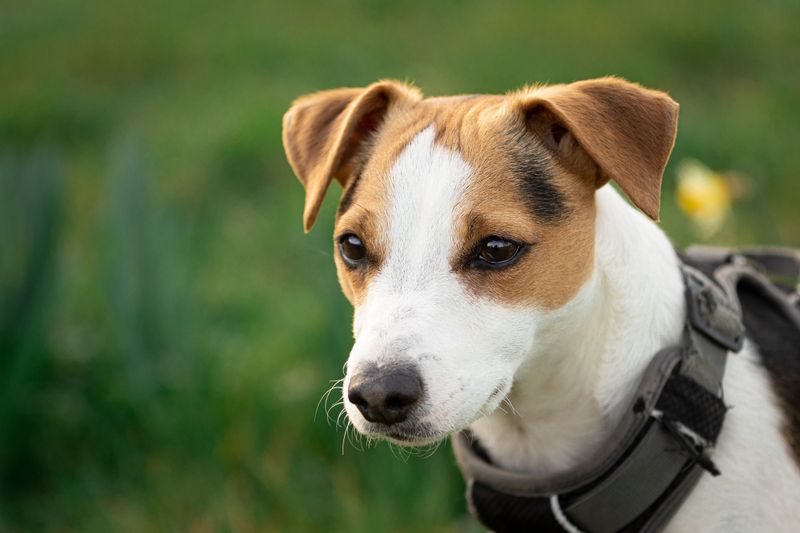
Small body, giant engine. Many people pick a Jack Russell thinking a tiny dog means easy care, and they learn fast how wrong that is.
Bred to chase foxes underground, these terriers dig, bark, and can leap five feet straight up. Squirrels become their sworn enemies.
Give them fetch sessions, scent games, and firm rules. A tired Jack Russell is a sweet, funny buddy, but a bored one turns into a furry tornado.
Beagle
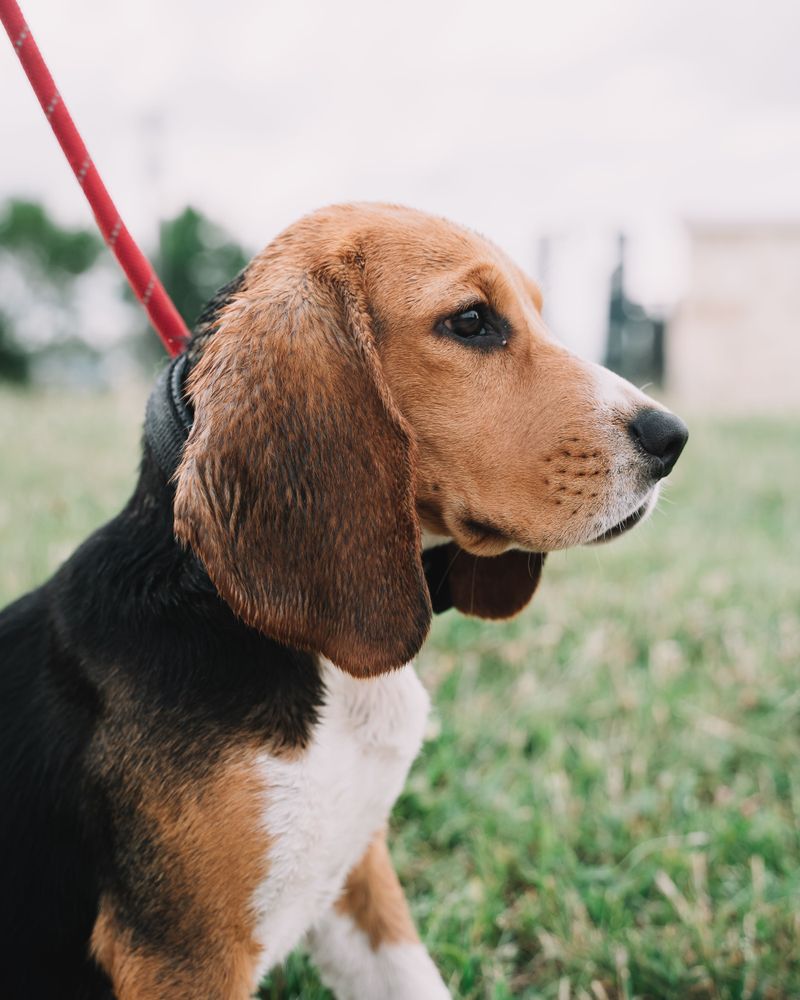
“Where did the sandwich go?” Beagle owners ask that question a lot. Their noses hold around 220 million scent receptors, and they follow smells anywhere.
That talent makes them wander off, raid trash cans, and ignore calls when a trail gets exciting. Their loud baying howl can also surprise neighbors.
Keep food out of reach and always use a leash outdoors. Scent games at home can turn that super nose into happy fun.
Australian Shepherd
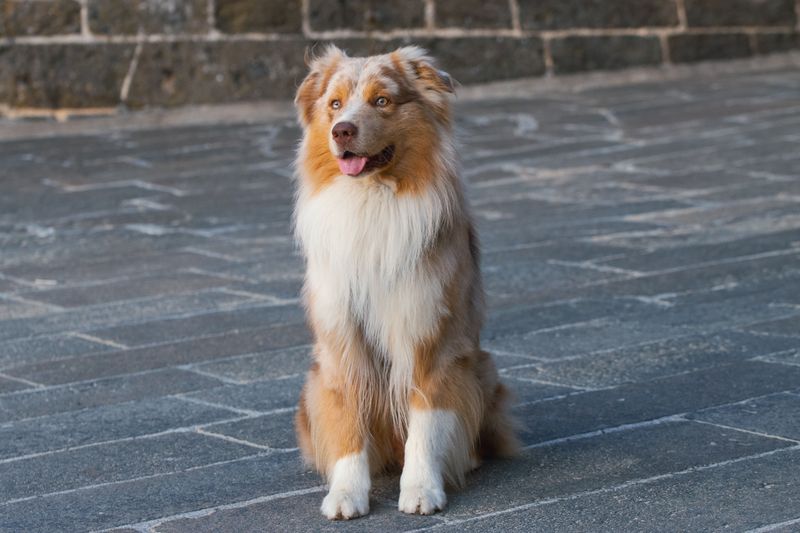
Gorgeous merle coats and mismatched eyes make Aussies hard to resist. Oddly enough, they are not Australian at all.
The breed was shaped on American ranches.
Working cattle all day takes serious energy, and these dogs still carry it. Without enough action, they may nip at heels, spin, or chew furniture.
Frisbee, hiking, and herding games keep them balanced. Weekly brushing matters too, since that beautiful coat sheds quite heavily.
Chow Chow
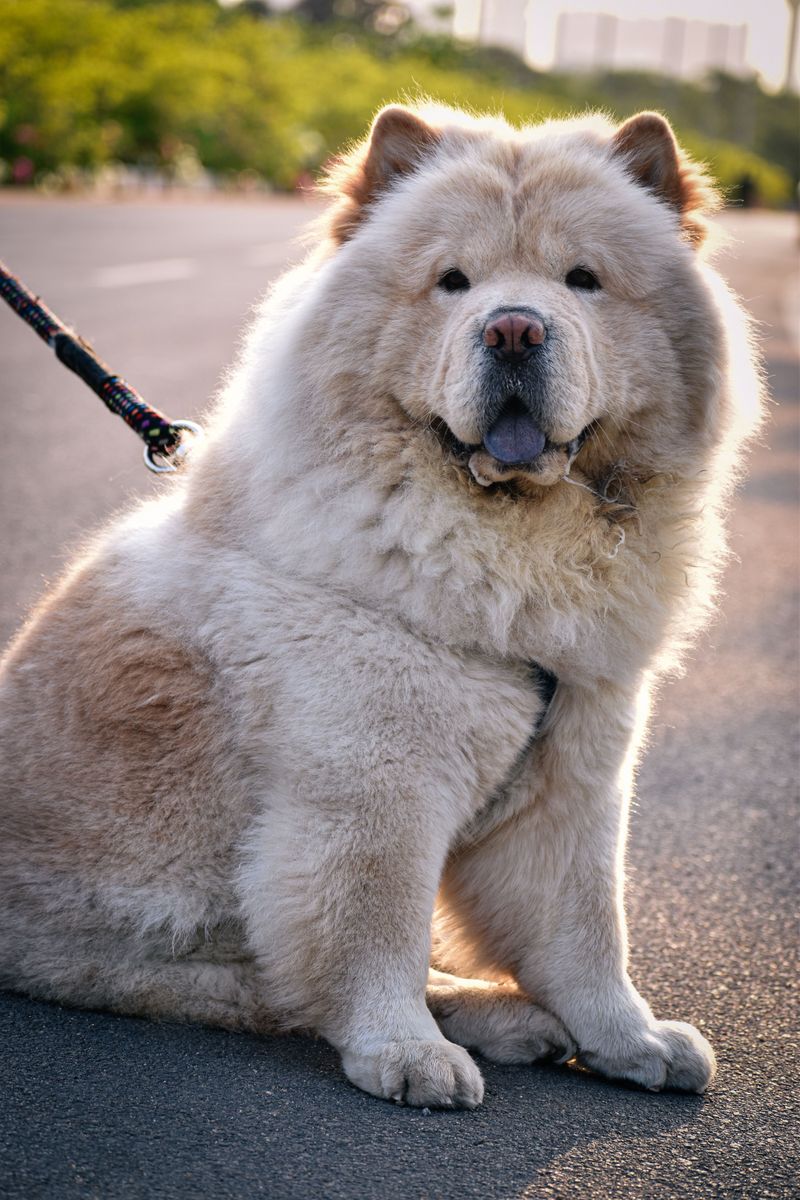
Like a teddy bear crossed with a lion, the Chow Chow looks made for hugging. Many of them, however, would rather you kept your distance.
This ancient Chinese breed is independent, protective, and often cool toward strangers. Early socialization is a must, or guarding can become a problem.
Their thick double coat needs frequent brushing and struggles in hot weather. And yes, that blue-black tongue is completely normal for the breed.
Weimaraner
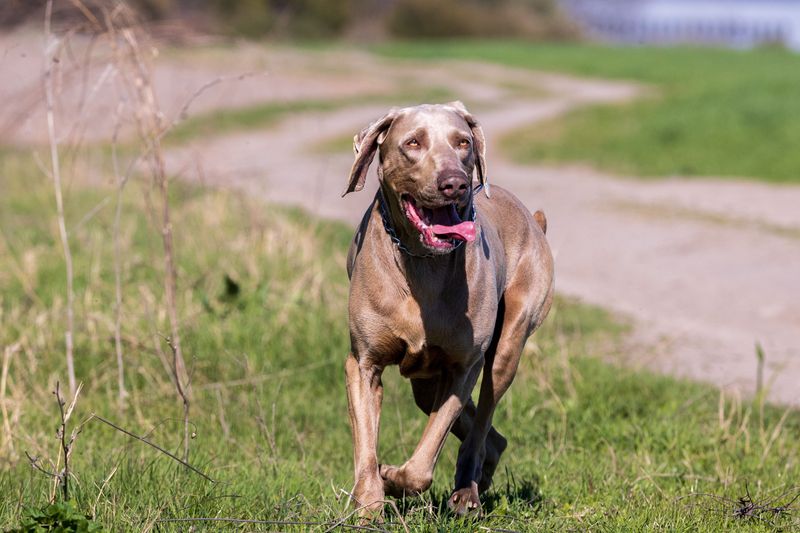
Folks call them gray ghosts, but Weimaraners act more like shadows. They follow their people from room to room, even into the bathroom.
That deep attachment can lead to separation anxiety. Left alone too long, some chew doors, howl, or tear apart pillows in frustration.
Originally hunting dogs for German nobles, they need running time every single day. Crate training and slowly building alone time can help them feel calm and secure.
Shiba Inu
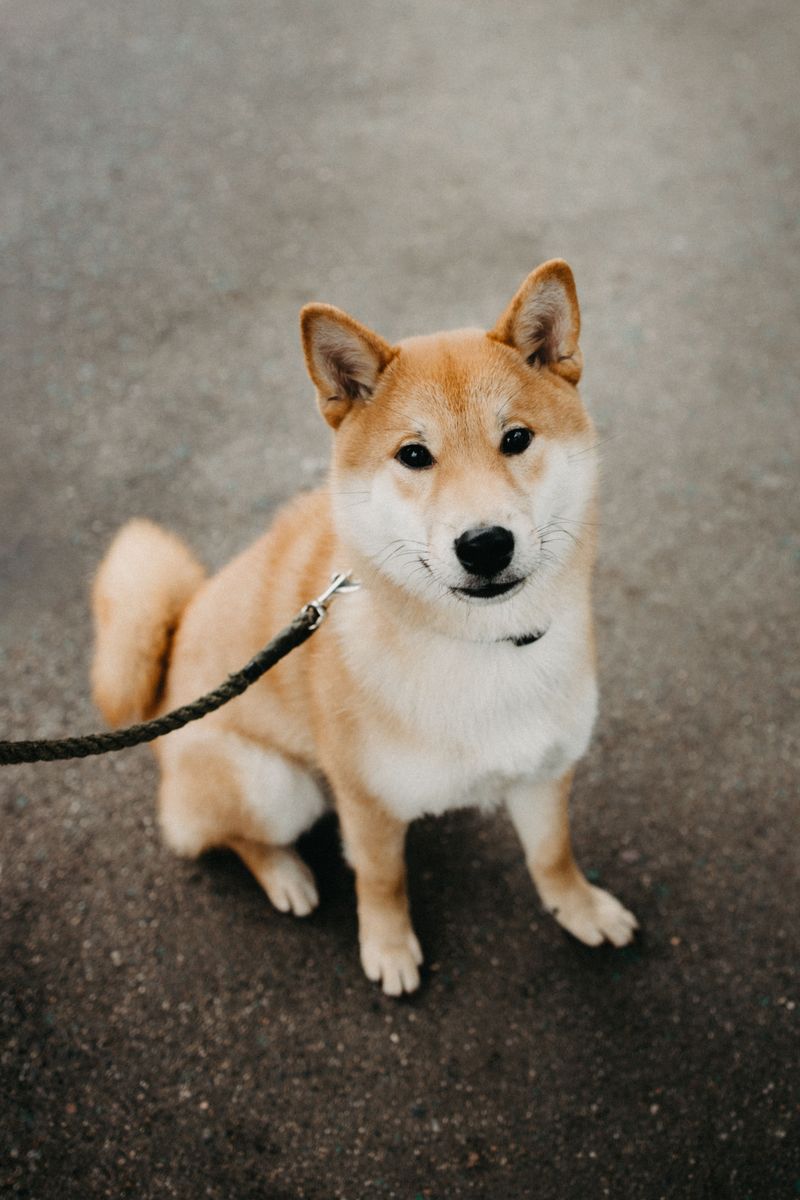
Think of a cat living in a dog costume. Shiba Inus are clean, clever, and fiercely independent, which can shock first-time owners.
Recall training is tough, so off-leash time is risky. When upset, they may let out the famous “Shiba scream,” a dramatic noise that sounds alarming.
Patience wins here. Short, upbeat training with tasty rewards works better than force.
Respect their space, and slowly they will show real loyalty.
Labrador Retriever
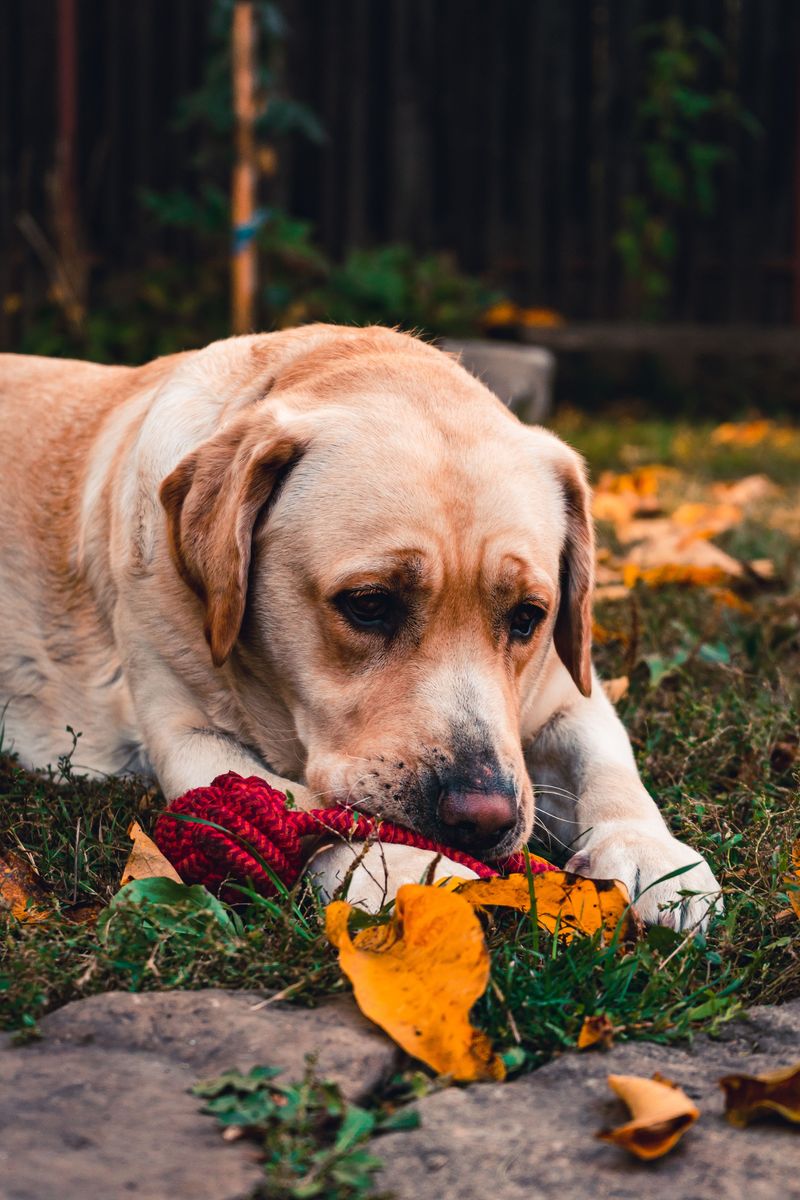
Surprised to see America’s favorite family dog here? Plenty of owners are.
Labs are friendly, but puppies can be wild for two or three years.
Shoes, remote controls, and even rocks may get chewed or swallowed. They also love food so much that weight gain sneaks up quickly.
Daily swims or fetch games burn energy well. Did you know?
Labradors actually came from Newfoundland, Canada, not Labrador.
Belgian Malinois
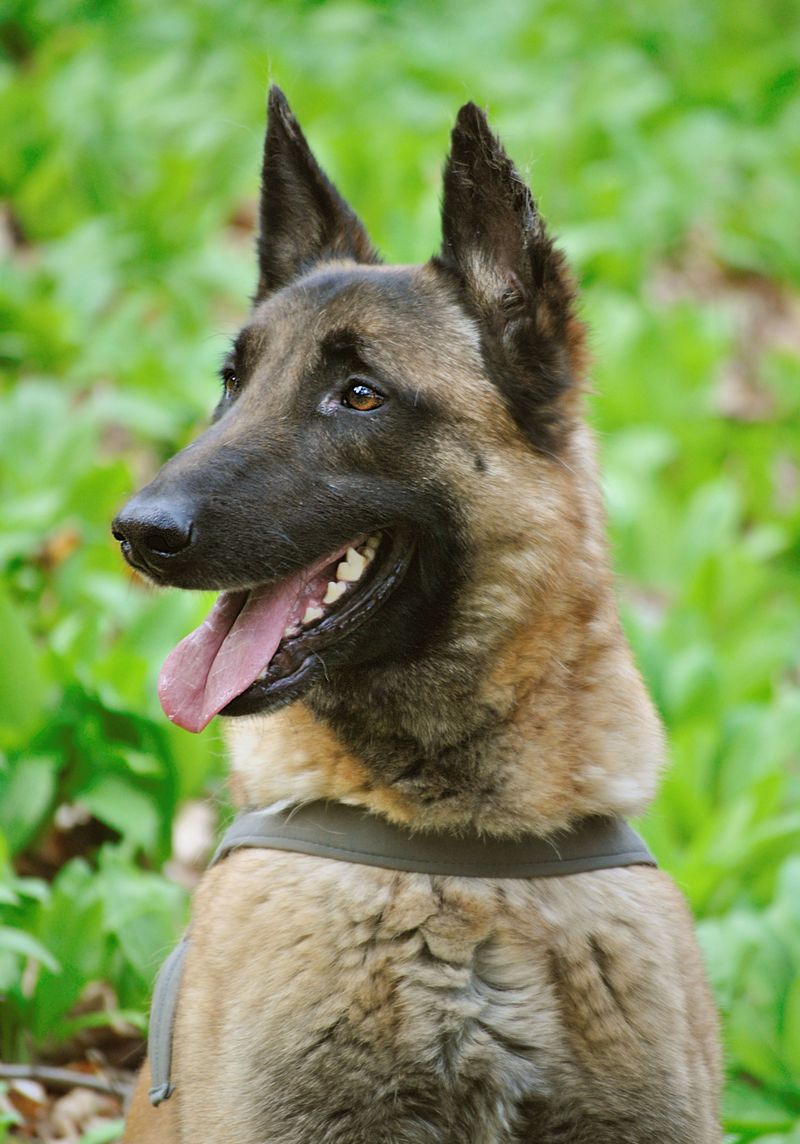
Police and military teams trust the Belgian Malinois for a reason. Its drive is intense, and it rarely seems to run out of fuel.
Some people buy one after seeing heroic videos online. At home, though, they may bite, chase, or bounce off walls without hours of work.
Honestly, this breed suits experienced trainers best. If you choose one, budget for professional classes, structured activities, and a lot of time.
French Bulldog
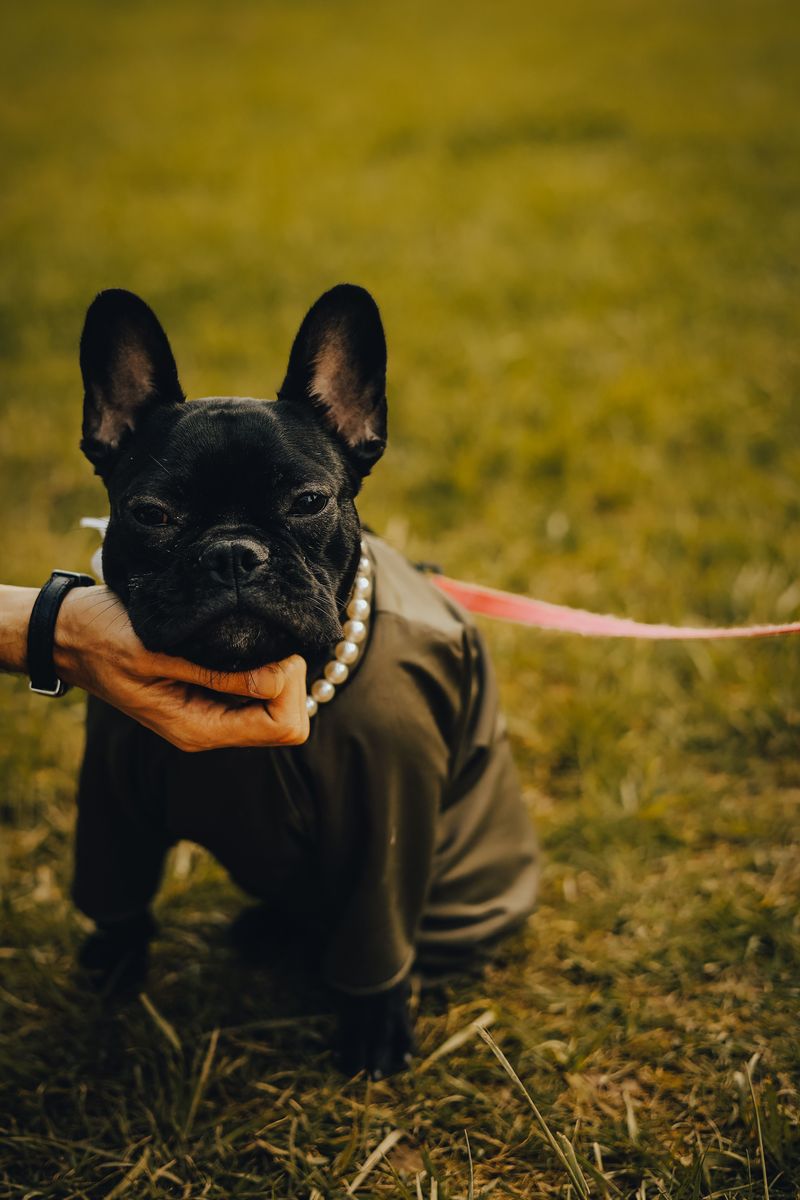
Bat ears, a squishy face, and a big personality make Frenchies wildly popular. Behind the charm, there are some serious health concerns.
Their short noses can cause breathing trouble, snoring, and overheating on warm days. Vet bills for spine, skin, or airway problems can add up fast.
Choose a careful breeder, keep walks short in heat, and set aside money for care. Love them wisely, and they will reward you with endless giggles.