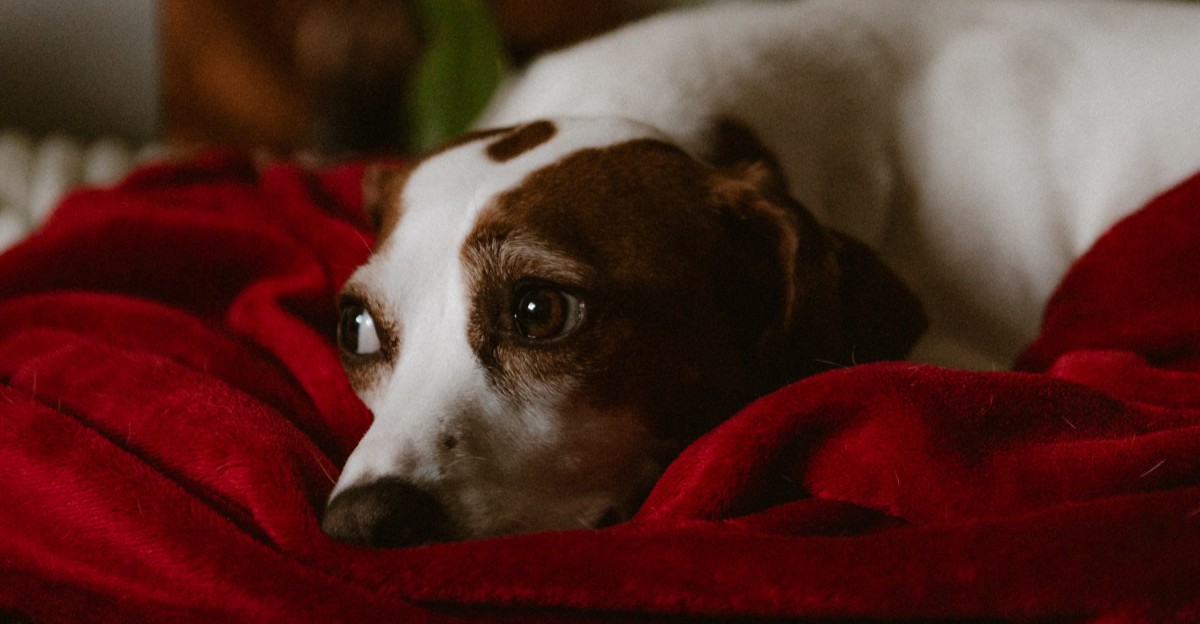
Many people think a hyper dog just needs more fetch, more running, and more games. For some breeds, that plan actually backfires and creates a pup who cannot switch off.
Planned rest helps these dogs calm their busy brains, sleep better, and behave more politely at home. If your dog seems wired after every walk, the breeds below might help explain why.
Border Collie
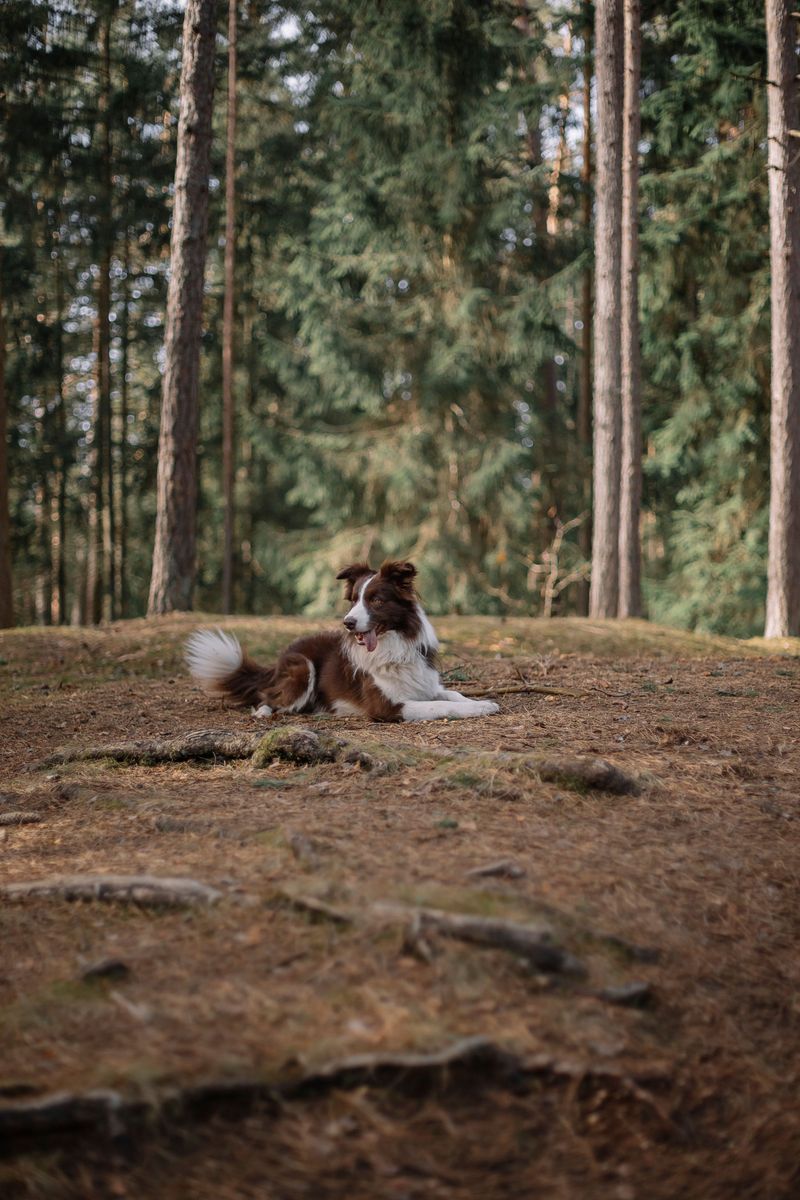
Picture a dog who would herd the vacuum cleaner if you let it. Border Collies are famous for brains that never seem to stop working.
Endless frisbee sessions can actually push them into an anxious, overexcited state. Instead, try two short rest breaks each day in a crate or quiet room.
Give them a chew or lick mat to help them settle. Over time, they learn that calm moments are part of a good routine.
Australian Shepherd
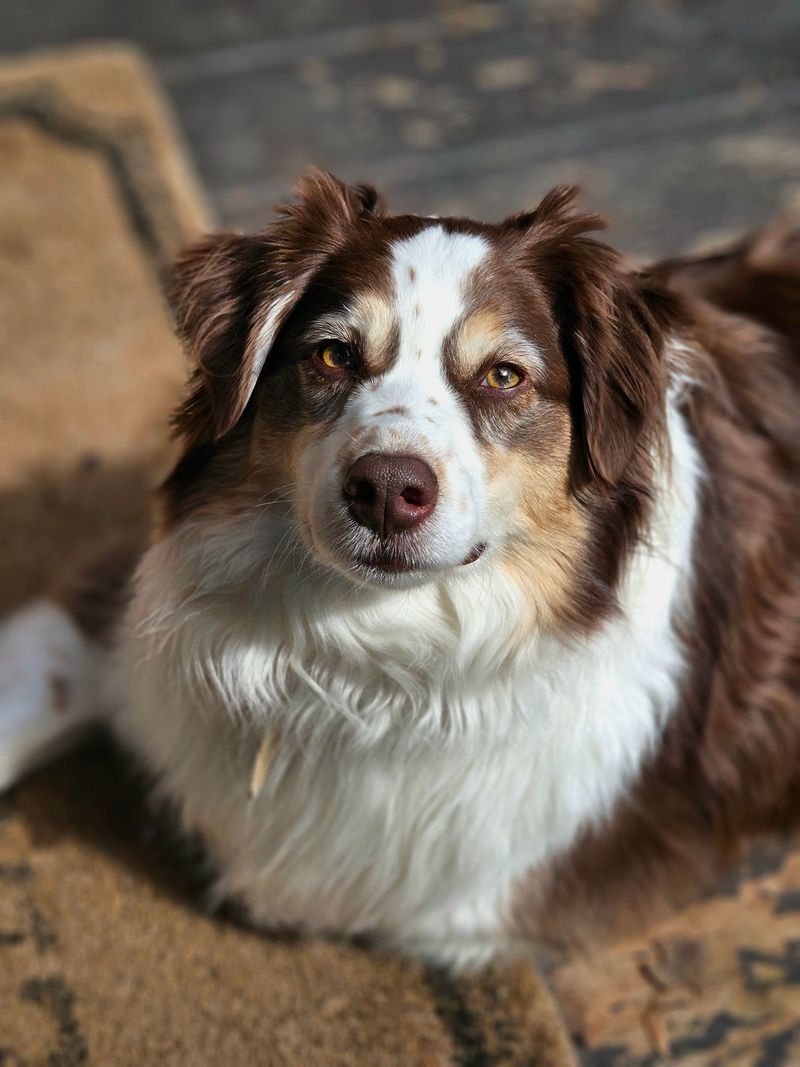
Did you know the Australian Shepherd was actually developed in the American West, not Australia? Ranchers loved its tireless drive.
That same drive means an Aussie may keep going long after its body needs a break. Owners often notice a cranky, nippy dog after a busy weekend.
Build in nap times after walks, just like you would for a toddler. A darkened room and soft music can work wonders.
Belgian Malinois
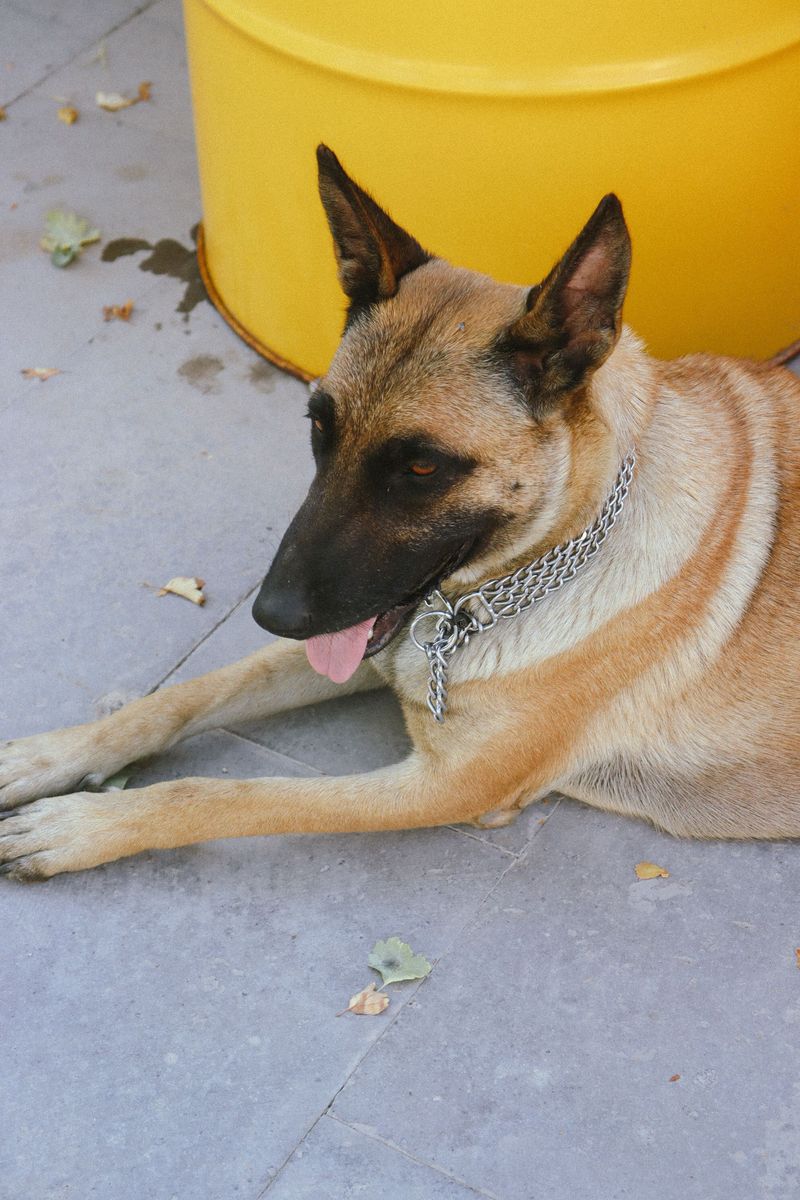
Police and military teams trust the Belgian Malinois for good reason. This breed is intense, focused, and ready for action at all times.
Here is the tricky part. A Malinois that never practices relaxing can become restless, destructive, or even reactive.
Trainers often teach a settle command on a mat, rewarding calm breathing and lying down. Daily crate rest of an hour or two helps this powerhouse reset its busy nervous system.
Jack Russell Terrier
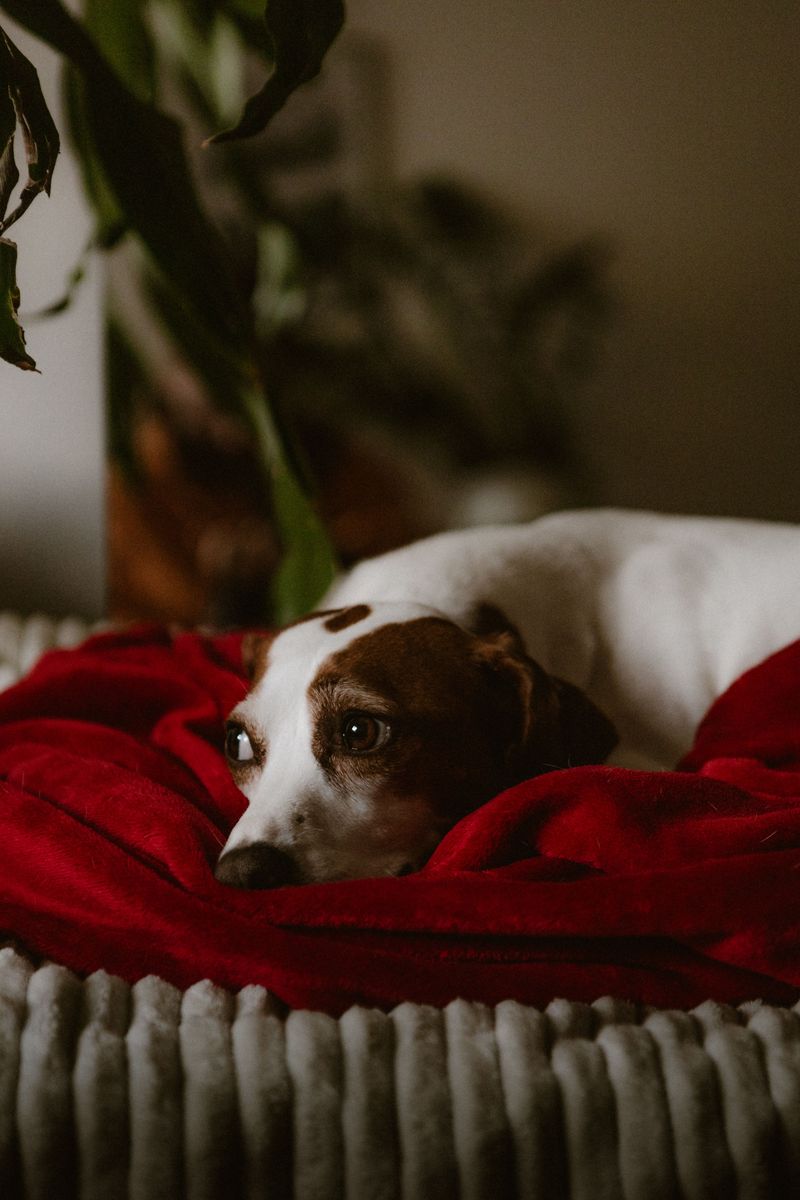
Small body, giant motor. Anyone who has lived with a Jack Russell knows they can bounce off the walls for hours.
Yet more ball throwing often turns them into tiny tornadoes who bark at every leaf. Their terrier brains get hooked on excitement.
Set a calm hour after meals where the house goes quiet. A snuggly covered bed gives them a safe den, and many Jacks will happily snore through it.
Boxer
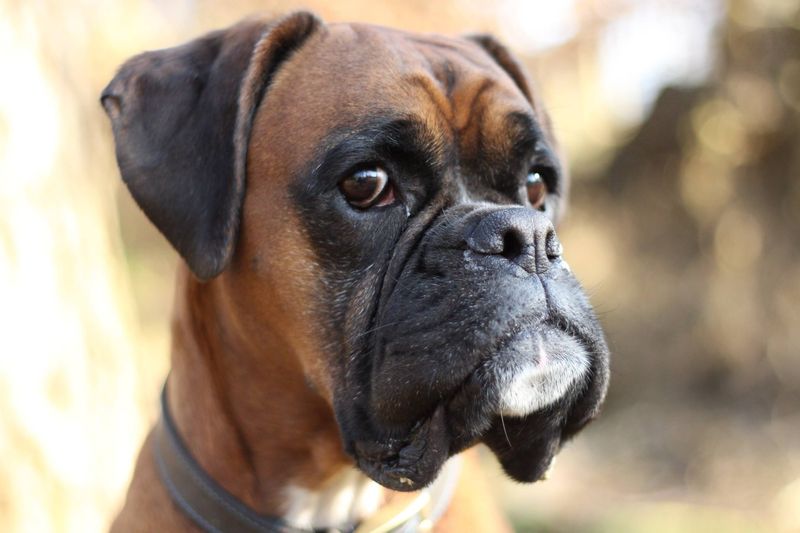
Boxers are the clowns of the dog world, wiggling their whole bodies when happy. Fun, sure, but that silliness can tip into wild zoomies fast.
Young Boxers especially struggle to calm themselves. Without rest, they jump, mouth, and knock over guests.
Plan short downtime breaks between play sessions. A sturdy chew toy and a cool spot to lie down help them unwind.
You will often find them sleeping belly up within minutes.
Miniature Schnauzer
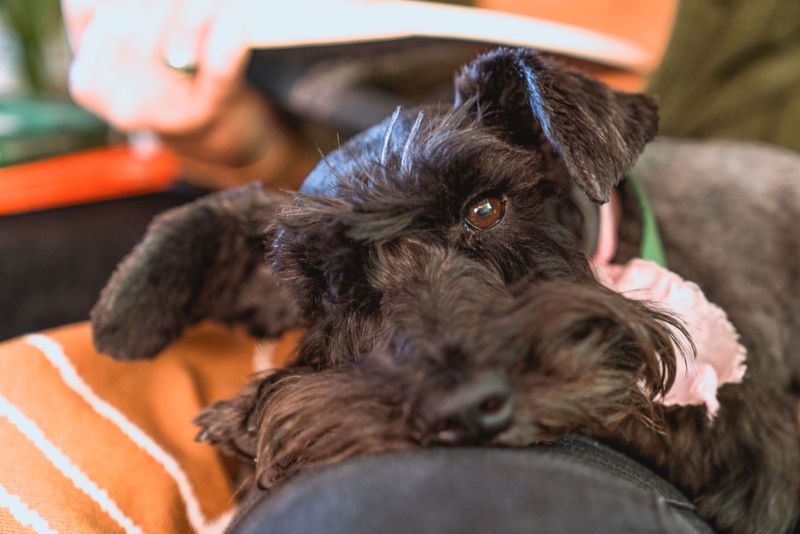
With those bushy eyebrows and serious beard, the Miniature Schnauzer looks like a little old professor. Inside, though, lives a watchful alarm system.
These dogs notice everything, from the mail carrier to a squirrel three yards away. Constant alerting wears them out and stresses them.
Quiet time in a room away from busy windows helps a lot. Try a white noise machine to soften outside sounds so your Schnauzer can truly relax.
German Shepherd
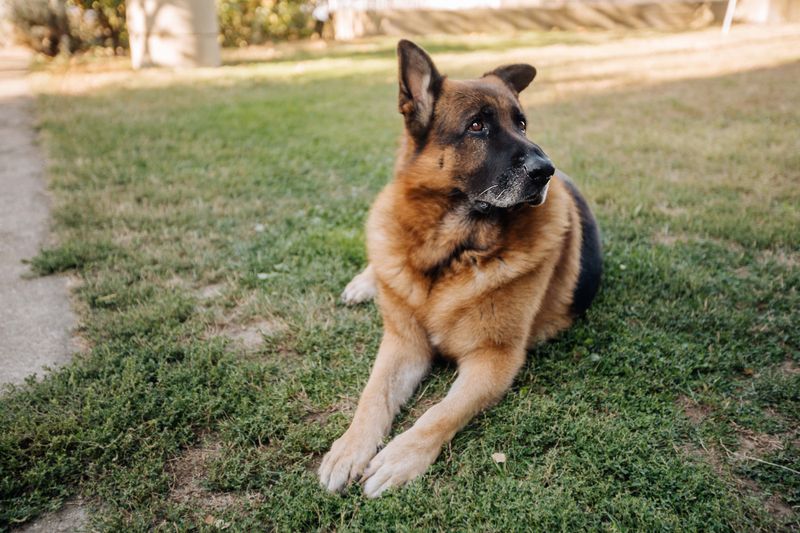
Loyal, smart, and always on guard duty, the German Shepherd takes its job seriously. Sometimes a little too seriously.
Puppies of this breed need up to 18 hours of sleep a day. Adults still need plenty of real rest to stay balanced.
Owners who overdo exercise may end up with a jumpy, worried dog. A routine that includes mat time, gentle chews, and calm evenings builds a steady, confident Shepherd who handles life better.
Shetland Sheepdog
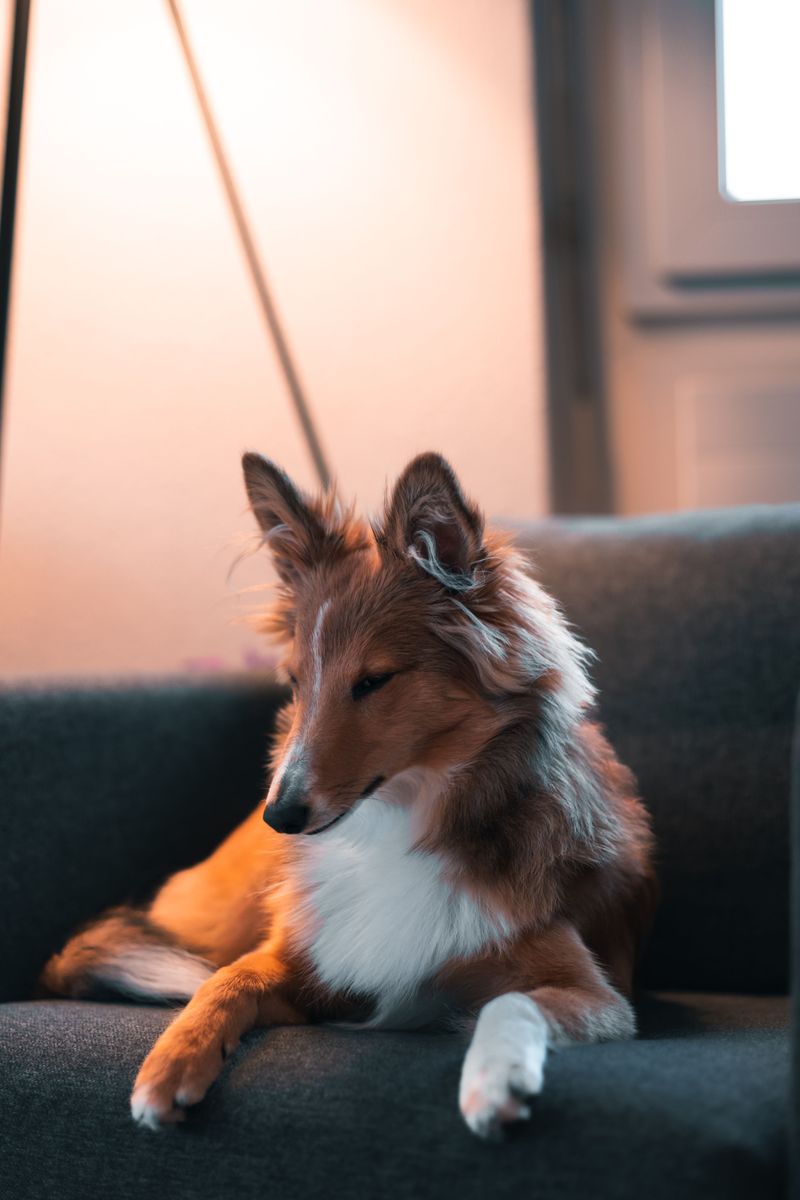
Sensitive souls often come in fluffy packages, and the Sheltie proves it. These little herders pick up on every mood in the house.
Loud games and busy households can leave them barking, spinning, or hiding. They feel things deeply.
A predictable rest schedule gives them comfort. Choose the same time and place each day, like a covered bed in a calm corner.
Your Sheltie will start heading there on its own before long.
Staffordshire Bull Terrier
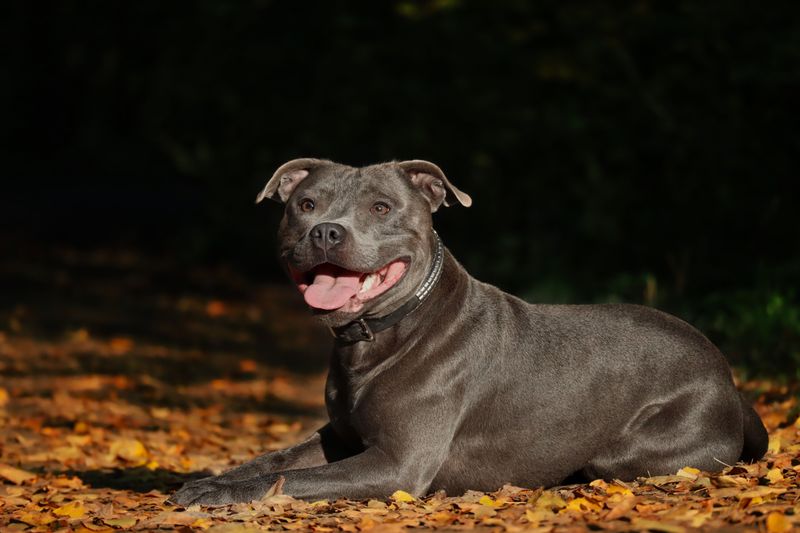
In Britain, the Staffy earned the nickname nanny dog for its love of people. Affectionate as they are, they also get excited in a flash.
Rough games like tug can crank them up past the point of listening. That is when manners fall apart.
End play sessions with a calm activity, such as a stuffed food toy. Then offer a blanket and some quiet.
Staffys adore cuddly naps and wake up much more relaxed.
English Springer Spaniel
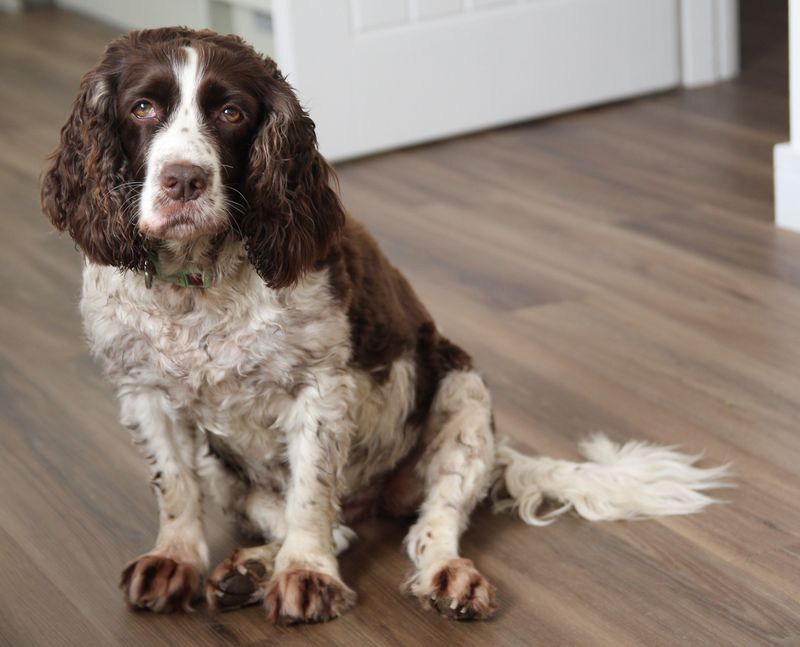
Bred to spring birds out of bushes, these spaniels seem powered by happy energy. Their tails rarely stop wagging.
Many owners believe a tired Springer is a good Springer. In reality, too much activity builds stamina, so the dog needs even more next time.
Balance outdoor fun with sniffing games and quiet rest afterward. Sniffing calms the brain, and a nap seals the deal.
Think of it as recharging their batteries properly.
Australian Cattle Dog
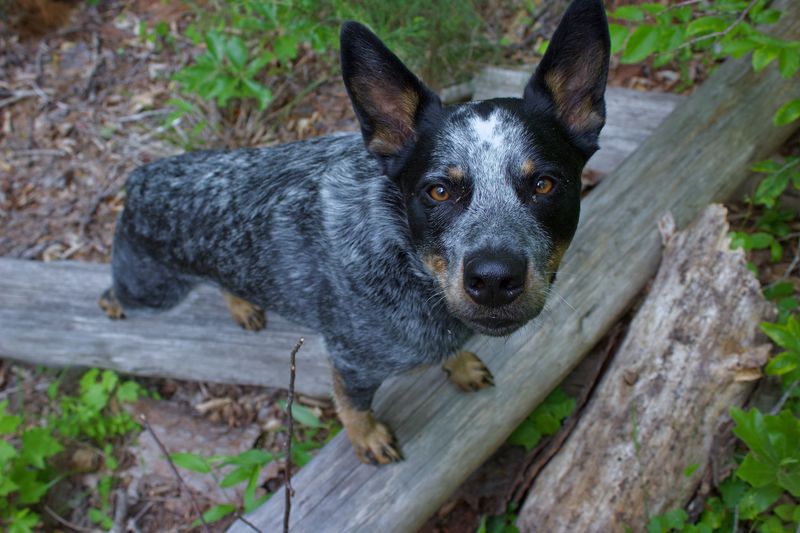
Tough enough to move stubborn cattle across the Australian outback, the Blue Heeler is pure grit. One famous Cattle Dog named Bluey lived to almost 30.
That toughness hides a simple truth. Heelers rarely know when to quit, and overtired ones may nip heels or guard toys.
Schedule rest periods in a crate or gated area. Puzzle feeders before naptime help them wind down.
Calm rest keeps this hardworking breed sharp and friendly.
Pomeranian
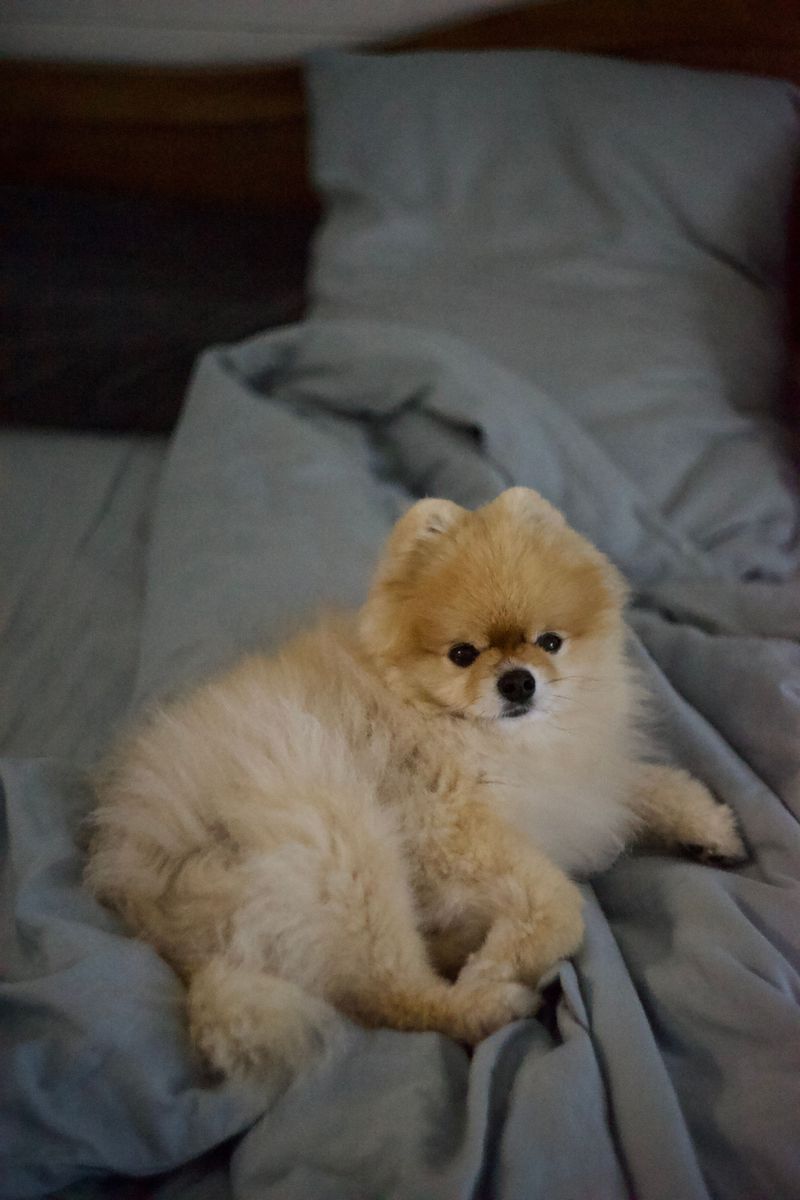
Tiny fluffball, big opinions. Pomeranians descend from large sled dogs, and they still act like they weigh fifty pounds.
Their small size means they tire quickly, but they often fight sleep to keep up with family action. That leads to yappy, grumpy behavior.
Give your Pom a plush bed in a quiet spot and enforce short daily naps. A rested Pomeranian is sweeter, quieter, and far more fun to be around.