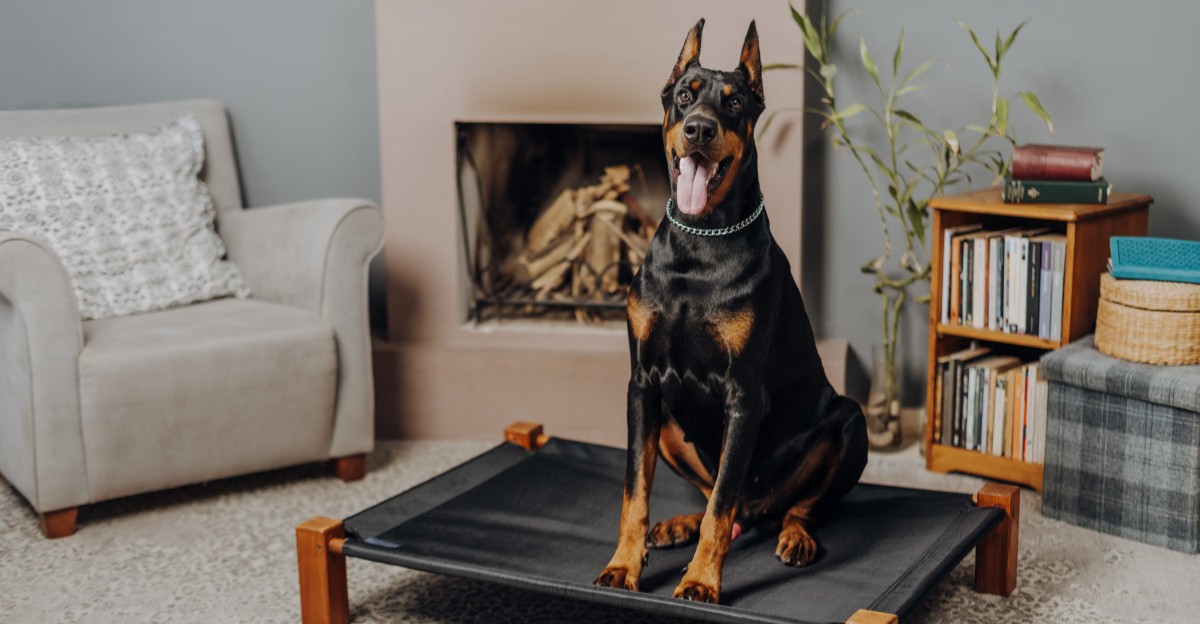
You walk your dog for miles, play fetch until your arm aches, and still your pup paces the house at night. That can feel confusing and even a little frustrating.
For many active breeds, the missing piece is not more running but more thinking, training, rest, and calm time. Learning what your dog truly needs can turn a restless pet into a happy, settled friend.
Border Collie: The Brain That Never Clocks Out
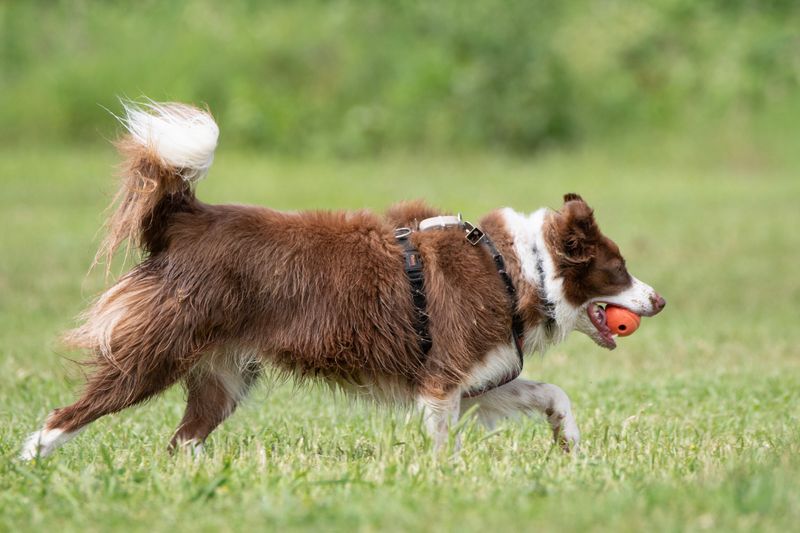
Picture a dog who herded sheep all day and still wanted homework at night. That is the Border Collie in a nutshell.
Long runs alone can actually build a fitter, more wired dog. What these pups crave is a job for their busy minds.
Try short training sessions, scent games, or puzzle feeders.
Also teach an off switch. Reward your collie for lying calmly on a mat, and watch the pacing slowly fade.
Belgian Malinois: A Working Dog Without a Shift
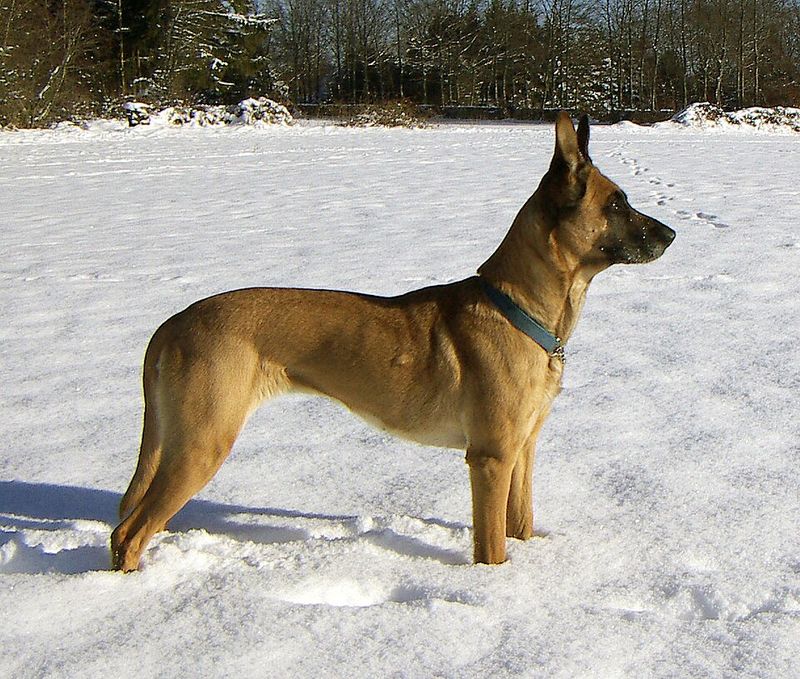
Police and military teams pick the Malinois for a reason. This dog was built to work, focus, and follow commands under pressure.
At home, endless fetch can turn into an obsession instead of a release. Swap some of that play for structured tasks like obedience drills, nosework, or tracking games in the backyard.
Rest matters too. Many Malinois need help learning to nap, so a quiet crate routine can be a real gift.
Australian Shepherd: Happiest With a Purpose
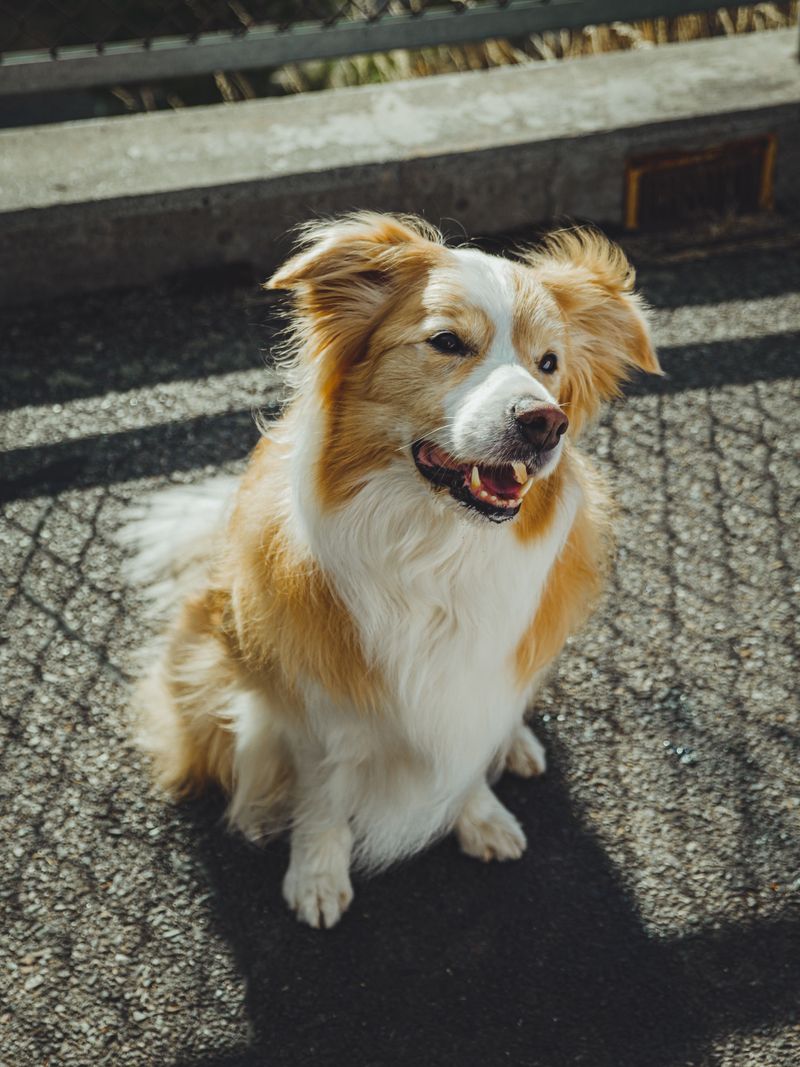
Ever notice your Aussie herding the kids or the cat? That is a clue, not just a cute quirk.
Aussies love having a role in the family. Teach them helpful tricks like fetching shoes, closing doors, or putting toys in a basket.
Agility classes are another fantastic outlet.
Fun fact: despite the name, the breed was developed mostly in the American West. Cowboys valued their sharp minds as much as their stamina.
Vizsla: The Velcro Dog Who Hates Alone Time
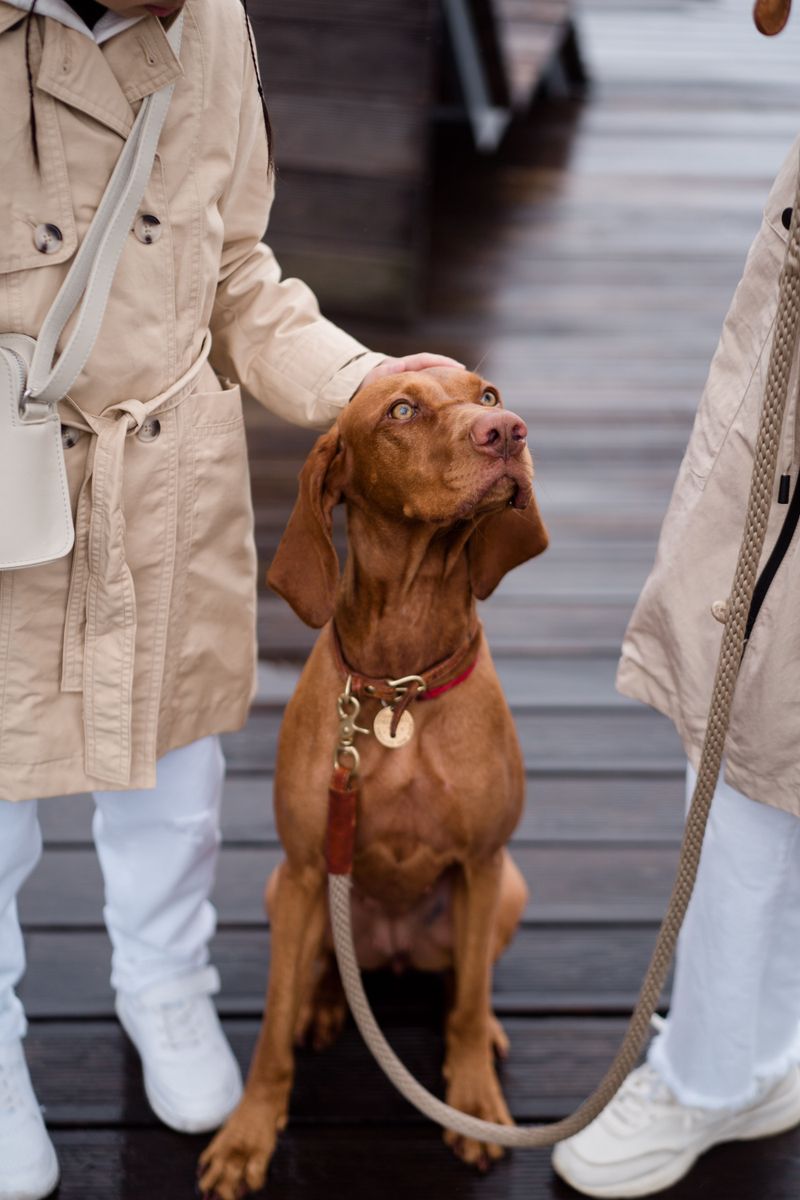
Nicknamed the Velcro dog, the Vizsla sticks to its people like glue. Sometimes restlessness here has little to do with energy and everything to do with feelings.
A Vizsla left alone for long hours may pace, whine, or chew. Build confidence with short practice departures and calm returns.
Snuggle time counts as real care for this Hungarian hunter. A cozy spot near you can settle nerves better than another lap around the block.
Weimaraner: The Gray Ghost Needs Calm Too
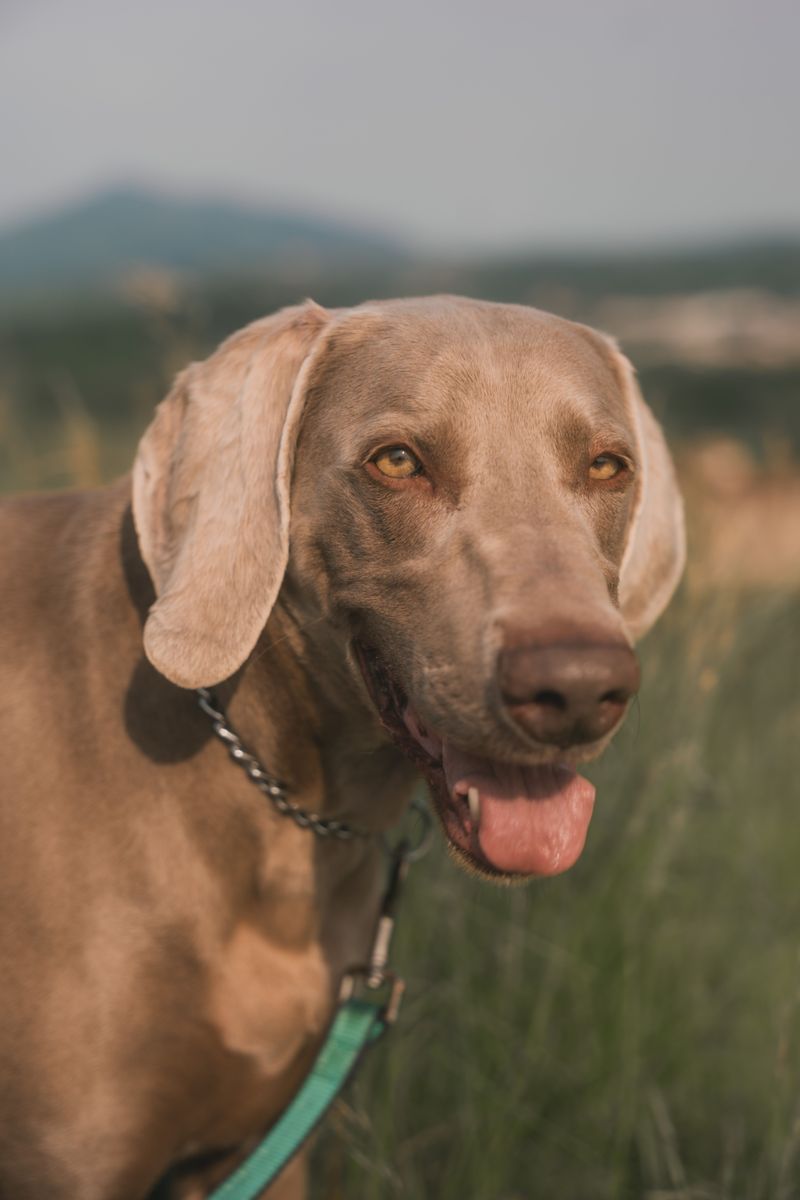
Sleek, silver, and dramatic, the Weimaraner earned the nickname gray ghost. Bred to hunt big game in Germany, it has stamina for days.
Still, nonstop activity can leave a Weim overstimulated. Try slow sniff walks on a long leash, where your dog chooses the pace and follows scents.
Sniffing tires the brain in a gentle way. Pair those outings with chew toys at home, and you may notice a much more peaceful evening.
Dalmatian: Spots, Speed, and a Need for Routine
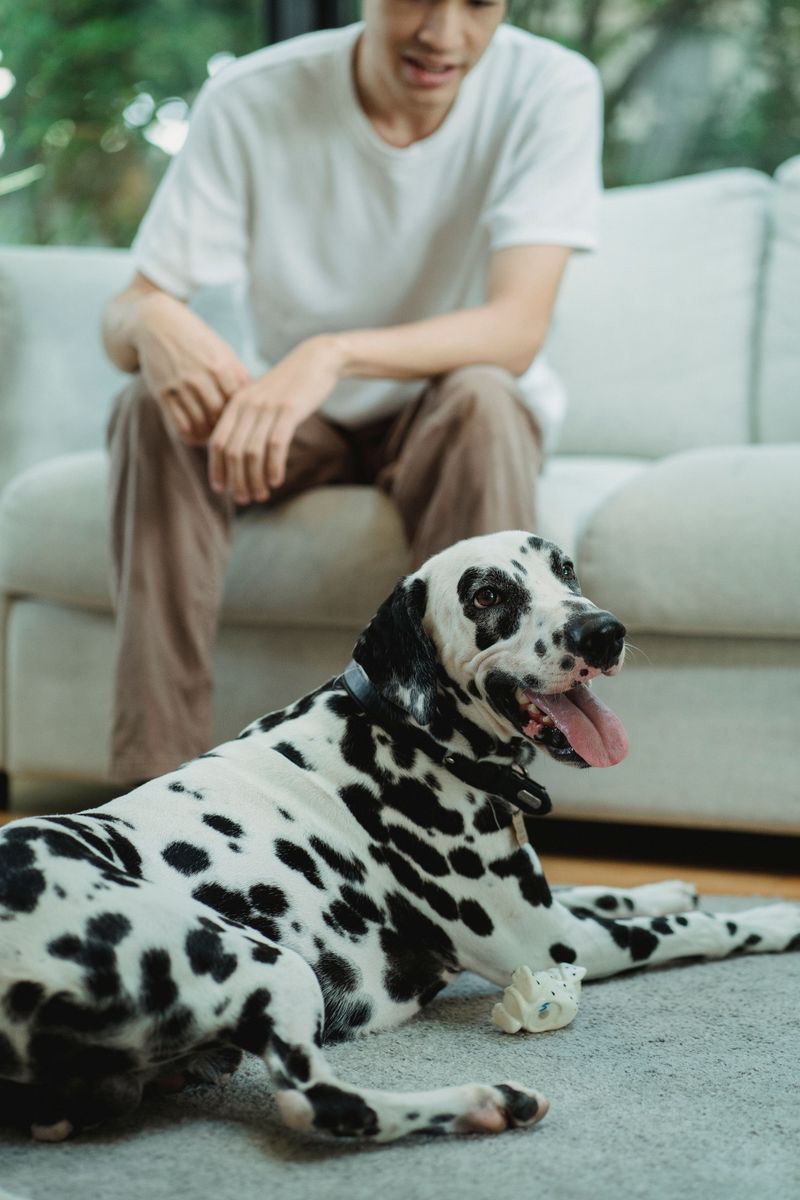
Back in the day, Dalmatians ran alongside horse-drawn fire wagons for miles. That history explains their amazing endurance.
Here is the twist: a Dalmatian with no daily rhythm can become jumpy and unsettled. These dogs thrive on predictable schedules for meals, walks, play, and sleep.
Keep things steady and simple. Feed at the same times, add a short training game after dinner, and give your spotted pal a quiet bed away from household noise.
German Shorthaired Pointer: Born to Search
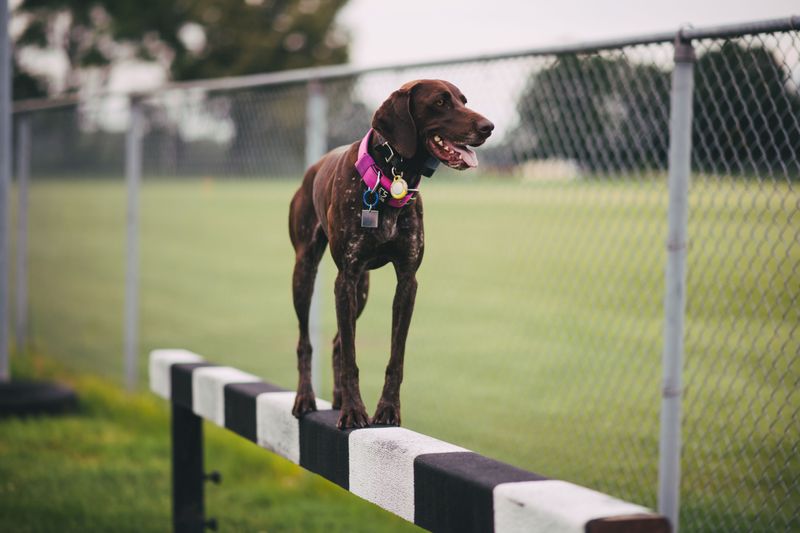
Watch a GSP freeze with one paw raised and nose locked forward. That pointing instinct is pure hunting magic.
Running burns calories, but searching satisfies the soul of this breed. Hide treats around the yard, play find it with a favorite toy, or try a beginner scent class.
Owners often say their pointer sleeps like a rock after a good sniffing session. Giving instincts an outlet can bring surprising calm to an otherwise twitchy dog.
Boxer: Forever a Bouncy Kid
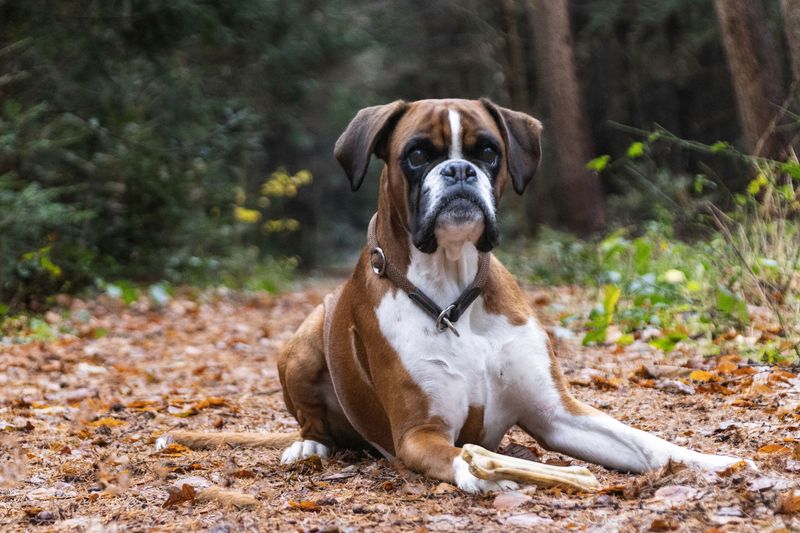
Boxers act like puppies for years, wiggling and bouncing with goofy joy. Their playful spirit is part of the charm.
That clownish energy can tip into chaos when play gets too wild. Use games with rules, like tug with a drop it cue, to teach self-control.
Boxers also overheat easily because of their short snouts. On warm days, choose indoor brain games over long runs, and let your buddy cool off between rounds.
Doberman Pinscher: A Watchful Guardian
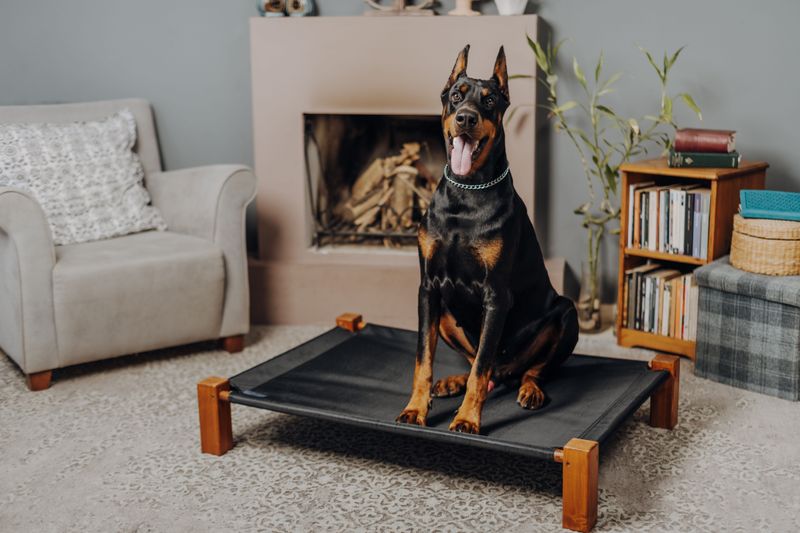
A tax collector named Louis Dobermann created this breed in the 1800s to keep him safe. Protective instincts still run deep.
Sometimes a restless Doberman is simply on guard duty, reacting to every sound outside. Blocking window views or playing soft background noise can lower that alert mode.
Confidence-building training helps a lot too. When a Dobie trusts that you have things handled, it can finally relax and enjoy downtime beside you.
Brittany: Small Body, Big Motor
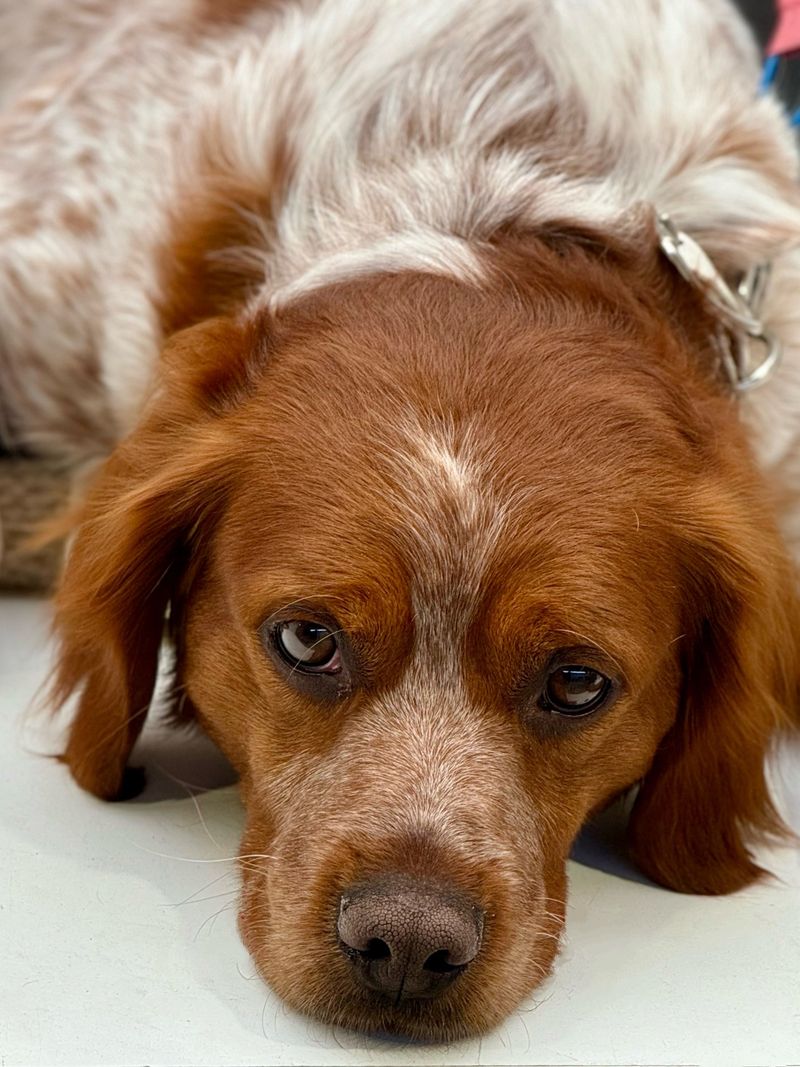
Do not let the medium size fool you. A Brittany can outlast many bigger sporting dogs in the field.
Because they love to please, these pups respond well to quick, cheerful lessons. Five minutes of new tricks can tire them more than a long jog.
Try calming tools as well. Lick mats, frozen food toys, and safe chews release relaxing feelings, helping your eager little bird dog shift into a peaceful mood.
Siberian Husky: Clever, Chatty, and Easily Bored
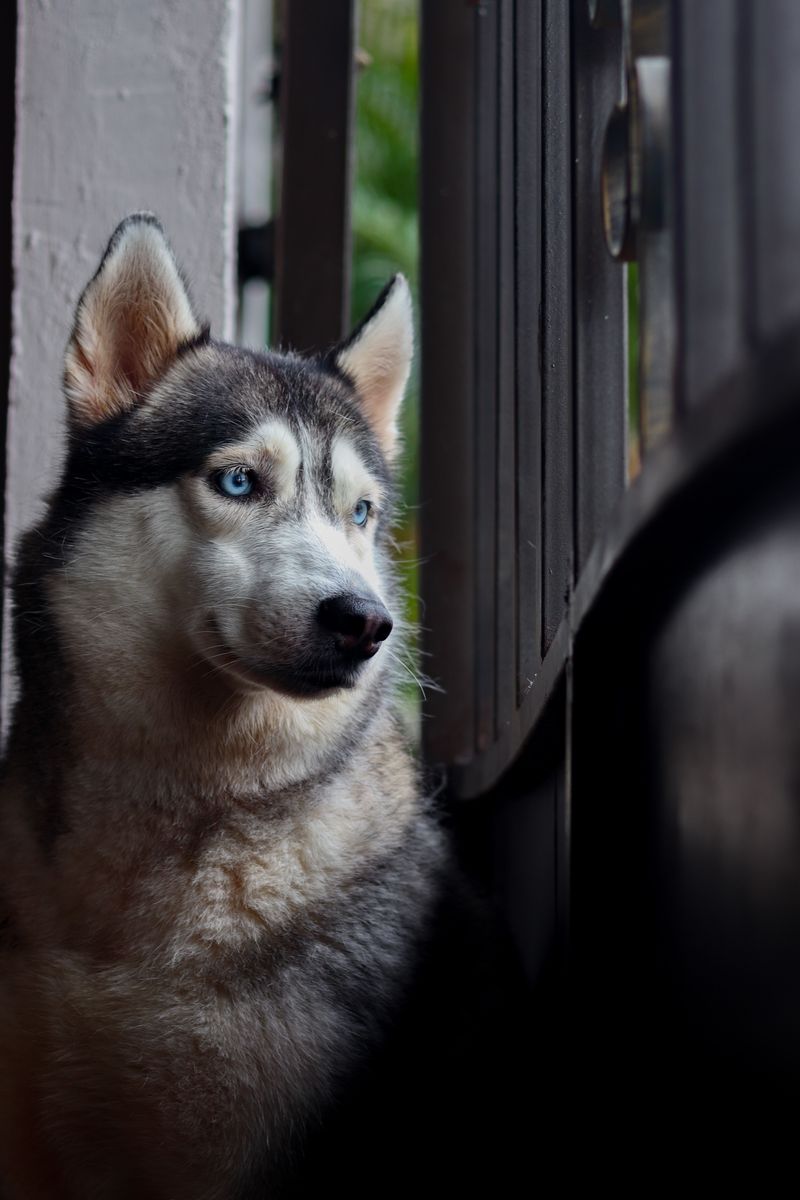
Huskies pulled sleds across icy Siberia, and in 1925 they famously helped deliver medicine to Nome, Alaska. Toughness is in their blood.
Yet a husky with a strong body and a bored brain becomes an escape artist and a world-class howler. Mix running with problem-solving toys, digging boxes, and new places to explore.
Variety is key. Rotating activities keeps your fluffy adventurer curious, content, and less likely to redesign your backyard.