
Some dogs can sit, spin, and shake on cue, while others just stare at you like you asked a silly question. It is easy to think the trick-loving dog is the brainy one, but that is not the whole story.
Many breeds were built to think for themselves, solve problems, and make choices without a human giving orders. Once you understand how these dogs use their brains, you might see your stubborn pup in a whole new light.
Bloodhound
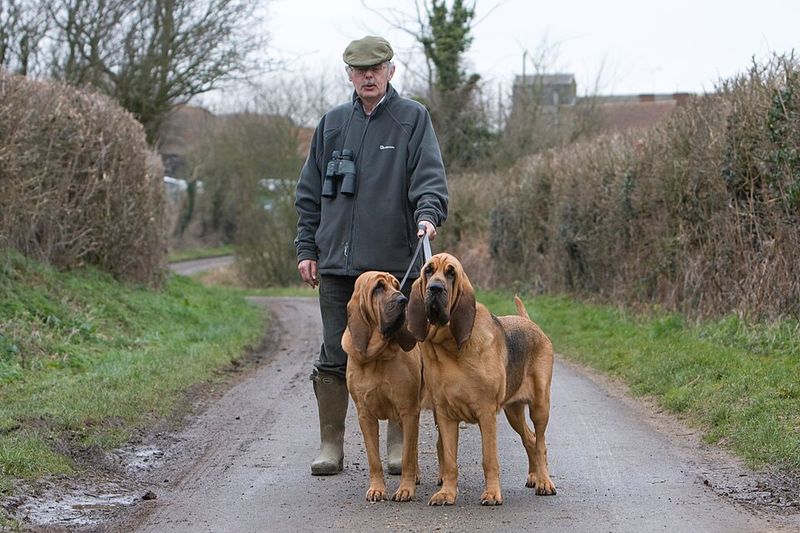
Picture a dog that can follow a trail more than a week old. Bloodhounds do exactly that, and their tracking work has even been accepted as evidence in court.
Asking one to roll over may earn you a blank look. Their brains are busy sorting thousands of smells at once.
If you live with one, try scent games. Hide treats around the house and watch that clever nose solve the puzzle in minutes.
Beagle
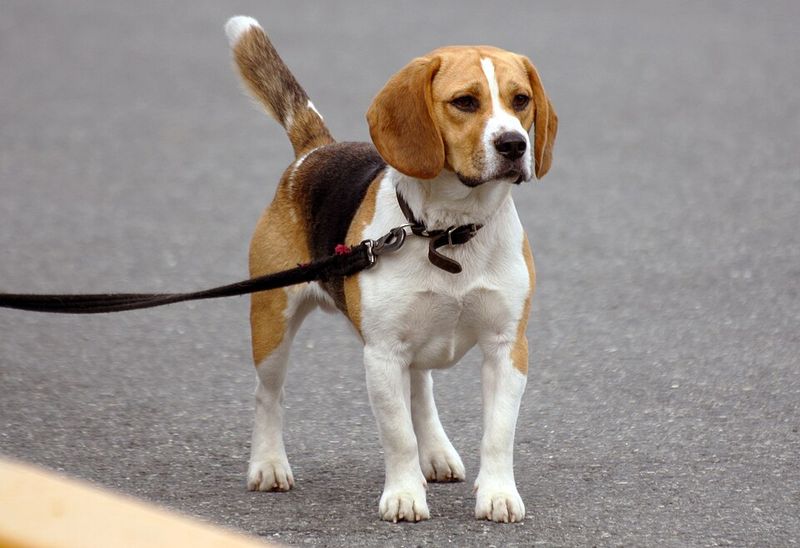
Ever found your lunch missing and a Beagle looking innocent? That is not luck.
Beagles plan, wait, and strike when you turn your back.
Airports use them to sniff out banned foods in luggage, which shows how sharp they really are. They simply care more about smells than your commands.
Training works best with tasty rewards and short sessions. Keep snacks locked up, because this little detective always finds a way.
Akita
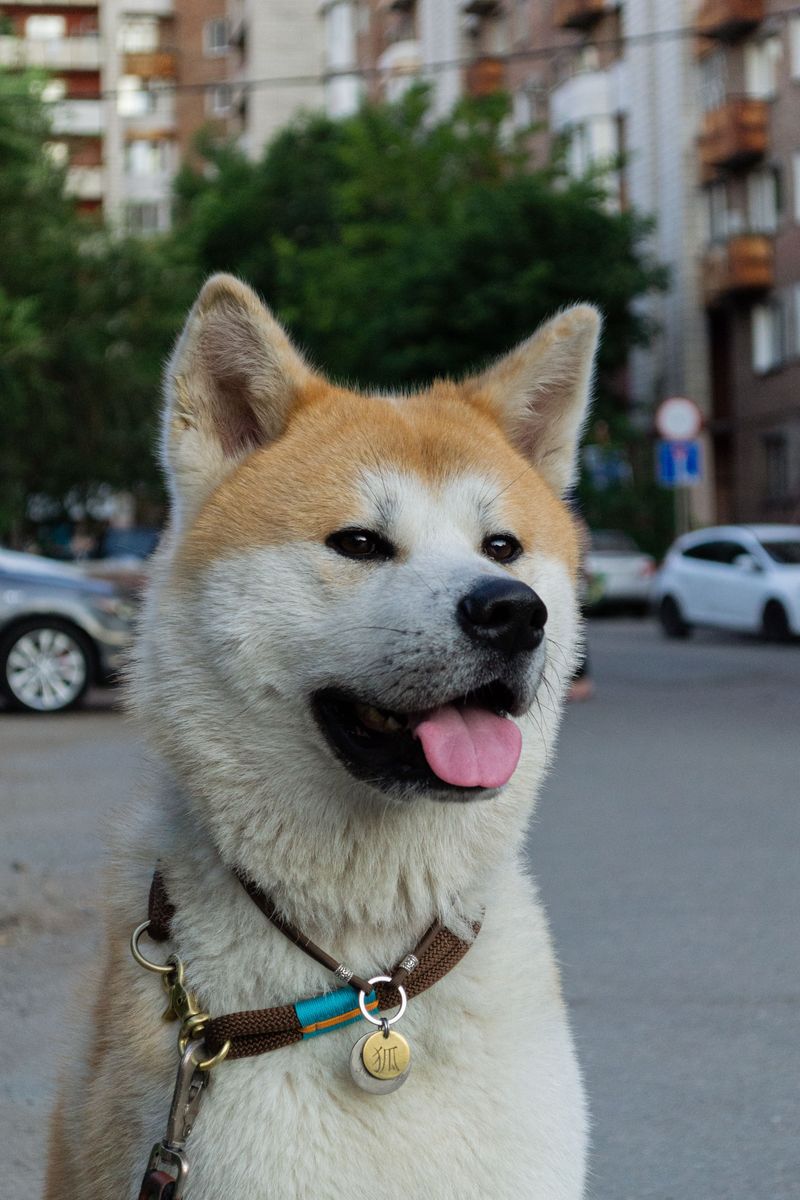
Remember Hachiko? This famous Akita waited at a Tokyo train station for his owner for nearly ten years after the man passed away.
That kind of devotion comes with a serious, thoughtful mind. Akitas size up situations before acting, and they rarely perform just to please a crowd.
Owners should earn trust through calm, steady leadership. Respect goes both ways with this breed, and once you have it, you have a guardian for life.
Shiba Inu
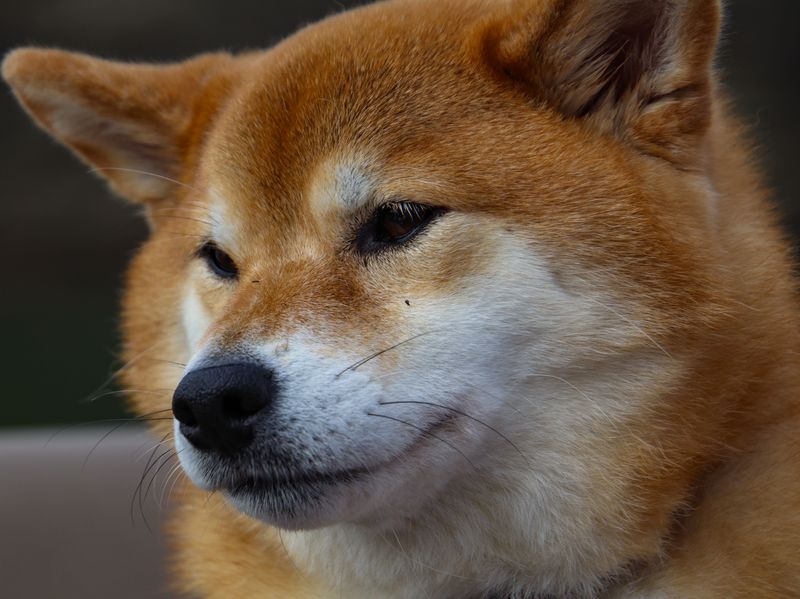
Shibas are famous online for the dramatic Shiba scream. Try to trim their nails, and you might hear it too.
Behind the attitude sits a quick, independent brain. These dogs learn fast but decide for themselves whether a command is worth following.
Many keep themselves spotless, almost like cats.
Patience pays off here. Make training feel like their idea, use fun rewards, and never expect blind obedience from this fluffy free spirit.
Siberian Husky
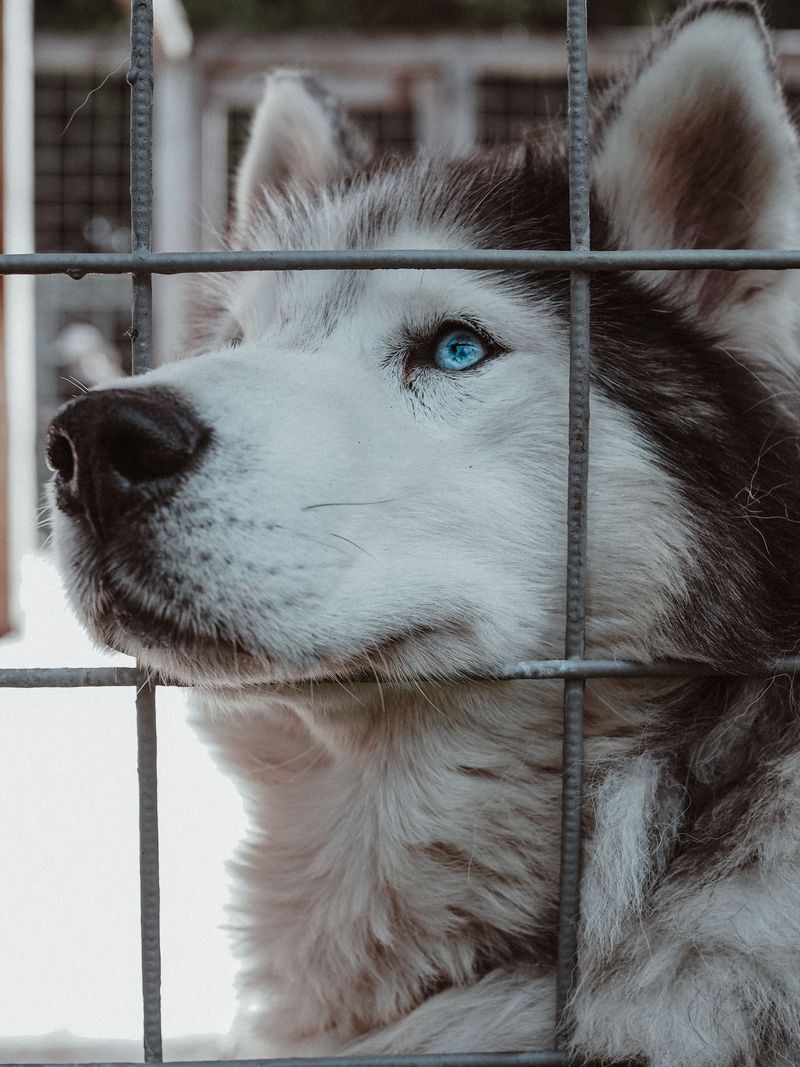
Ask any Husky owner about fences, and get ready for stories. These dogs dig under, climb over, and figure out latches with surprising skill.
Bred to pull sleds across Siberia, they learned to read ice and weather on their own. That problem-solving drive is still there today.
Give them plenty of running and mental challenges. A bored Husky will invent its own fun, and you probably will not like the results.
Great Pyrenees
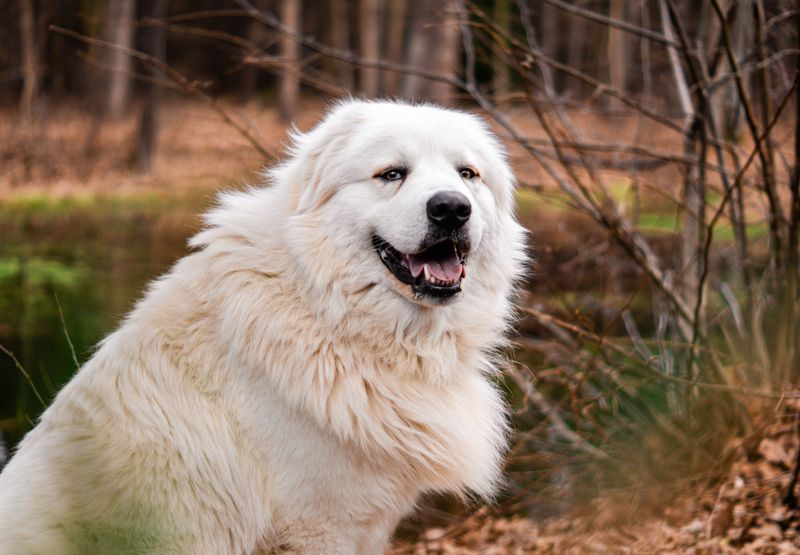
Out in the fields, a Great Pyrenees protects sheep from wolves with no farmer around to give orders. It decides what counts as a threat all by itself.
So when yours ignores a fetch command, do not take it personally. This dog was built to make big choices, not chase tennis balls.
Expect some barking at night, since that is guard duty. A securely fenced yard keeps this wandering watchdog close to home.
Basset Hound
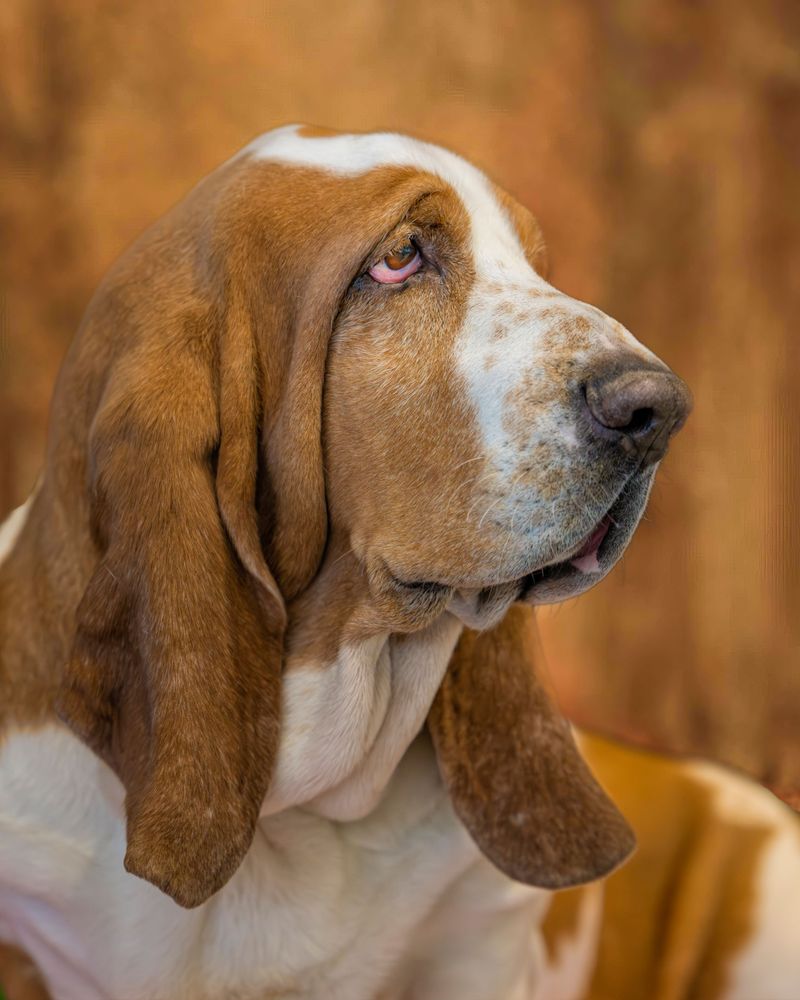
Basset Hounds look sleepy, but do not be fooled. Their noses are second only to the Bloodhound, and those long ears help sweep scents toward the face.
Many owners notice their Basset only hears the word treat, never the word come. That selective listening is a strategy, not a lack of brains.
Keep walks steady and fun, and watch their weight. Short legs and extra pounds make a tough combo for this laid-back thinker.
Rhodesian Ridgeback
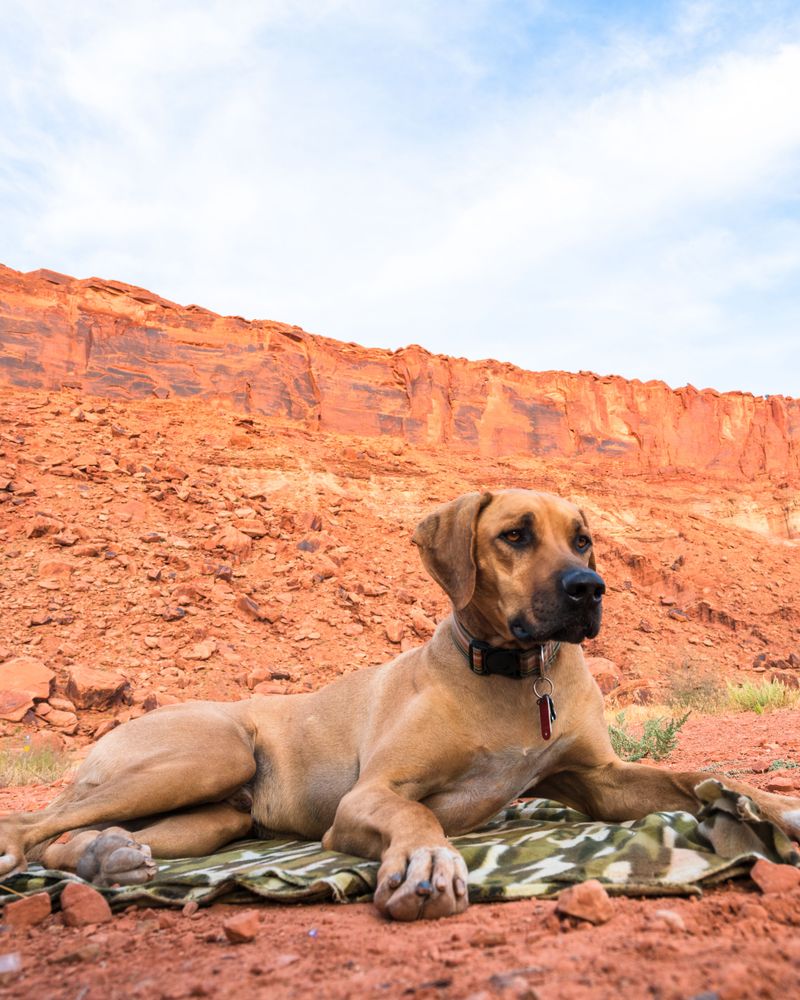
Here is a wild fact: Ridgebacks were once used in southern Africa to help hunters keep lions at bay. That job took courage and quick thinking.
Look for the stripe of hair running backward along the spine. It is the breed’s signature mark.
Today, these dogs stay calm and clever, yet strong-willed. Start training early, keep it positive, and give them a job, like long runs or tracking games.
Dachshund
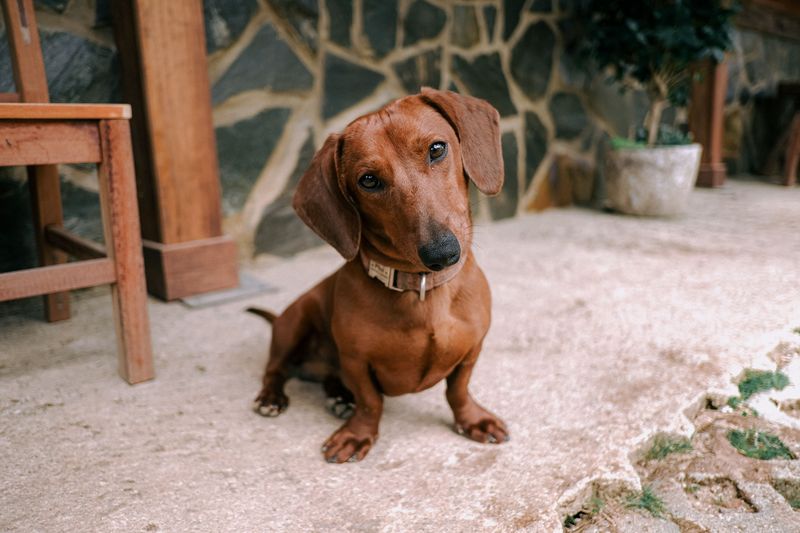
Wiener dog? Sure, but the name Dachshund means badger dog in German.
These little hunters went into dark tunnels to face badgers alone.
That history explains their fearless, stubborn streak. Underground, nobody could tell them what to do, so they learned to trust their own judgment.
Protect their long backs by limiting jumps off furniture. Puzzle toys and digging boxes keep that busy mind happy and your flower beds safe.
Scottish Terrier
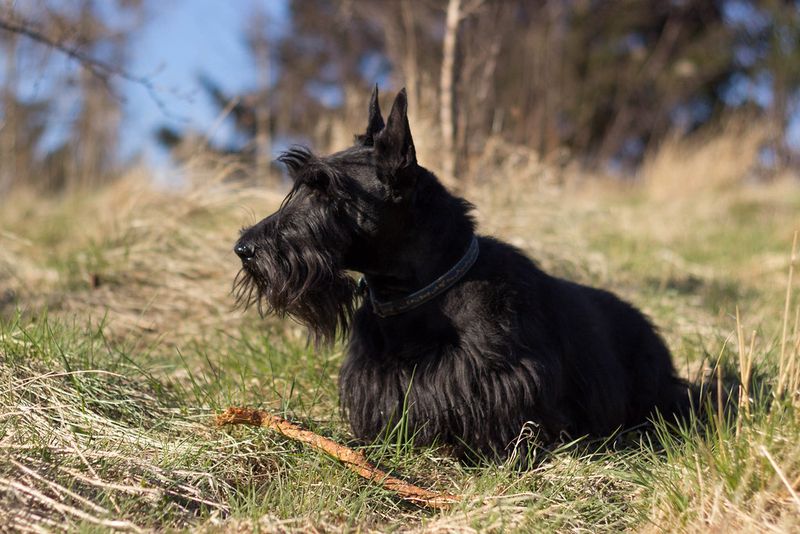
Scotties carry themselves like tiny generals. Fans nicknamed them the Diehard for their tough, determined spirit, and President Franklin Roosevelt’s Scottie, Fala, became a national celebrity.
Sharp and alert, they notice everything. Still, they hate repeating dull drills and may simply walk away.
Mix up training with new games and quick wins. Respect their dignity, skip harsh corrections, and you will find a loyal, witty friend under that beard.
Alaskan Malamute
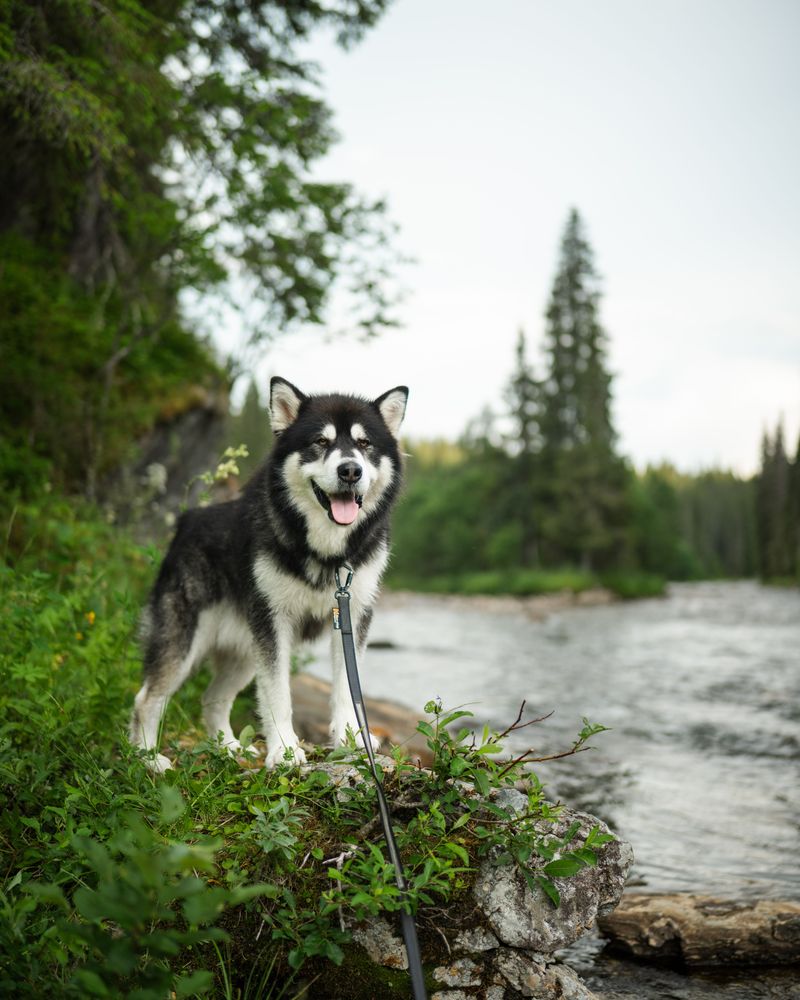
Built for hauling heavy loads across frozen Alaska, Malamutes had to judge thin ice and rough trails, sometimes better than their humans.
That is why one might refuse a command that seems pointless. It is weighing your request against its own good sense.
Fun fact: Malamutes often woo-woo instead of barking, almost like they are talking back. Give them hiking, pulling sports, and firm but friendly guidance to keep things smooth.
Chow Chow
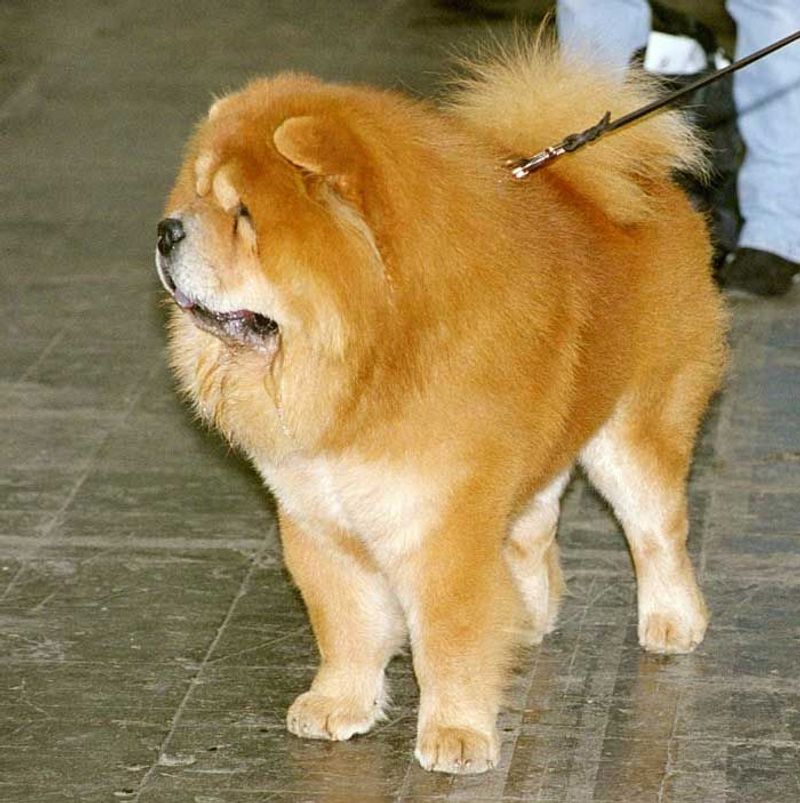
With a lion-like mane and a blue-black tongue, the Chow Chow looks like it stepped out of an ancient legend. In fact, it is one of the oldest breeds on Earth.
Chows are reserved and selective about who they trust. They rarely beg for attention or show off.
Early socialization matters a lot. Treat them with calm respect, and this aloof thinker will quietly become the most devoted member of your household.