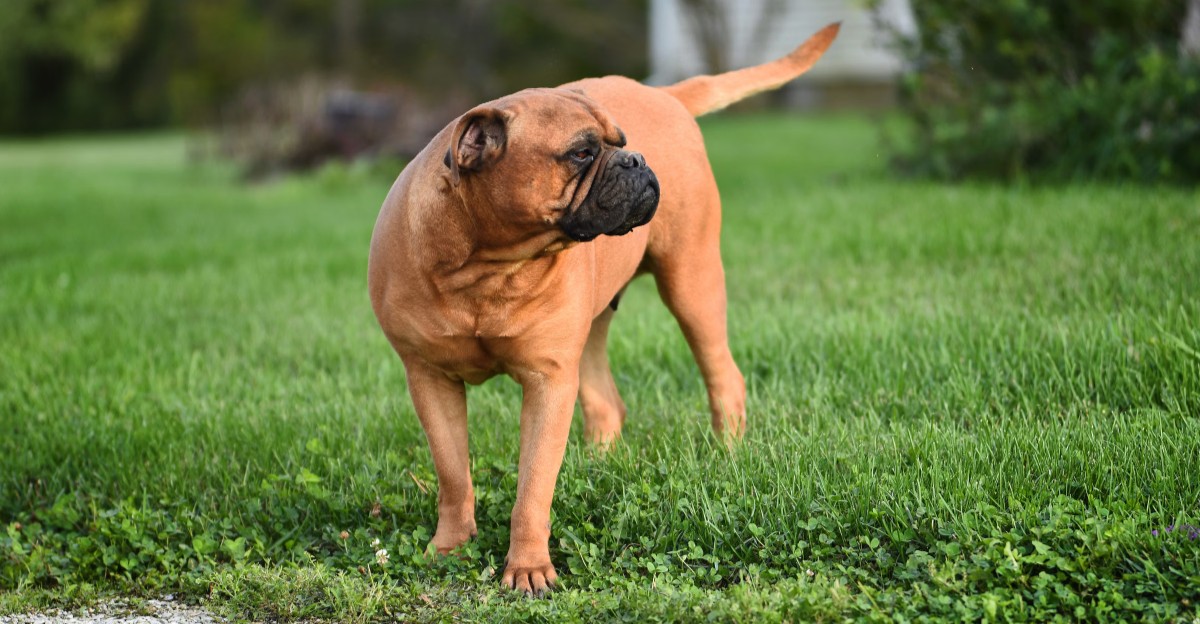
Some dogs spend all day snoring on the couch, and it is easy to think they just love being lazy. But the moment you step outside, many of them turn into fast, curious, and playful explorers.
Knowing this hidden side helps you give your pet the right mix of rest and activity. Read on to find out which couch potatoes have a secret adventurous streak.
Greyhound
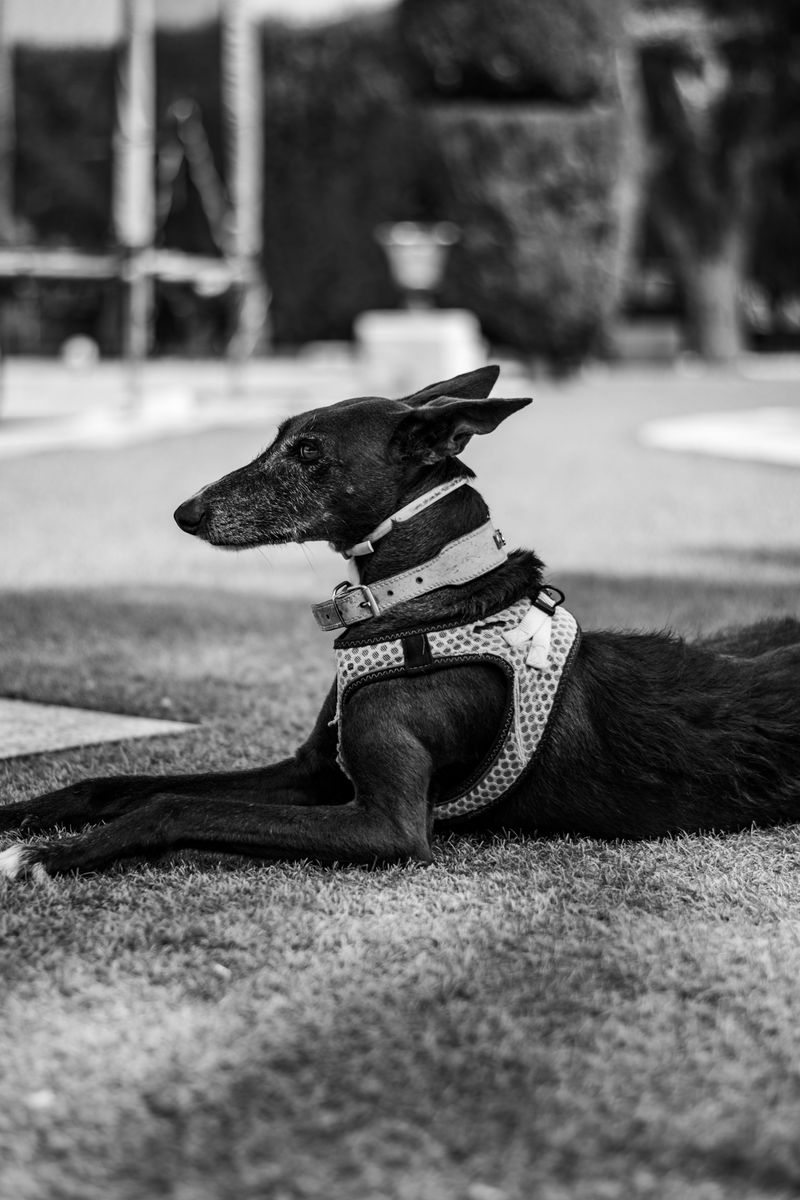
Picture a dog that naps up to 18 hours a day, then hits 45 miles per hour in seconds. That is the Greyhound in a nutshell.
Many owners call them 45 mph couch potatoes.
Indoors, they stretch out like elegant rugs. Outside, though, a fenced field turns them into rockets chasing anything that moves.
Give your Greyhound short, safe bursts of running in an enclosed area. Always keep a leash on near roads, since their chase instinct is powerful.
Whippet
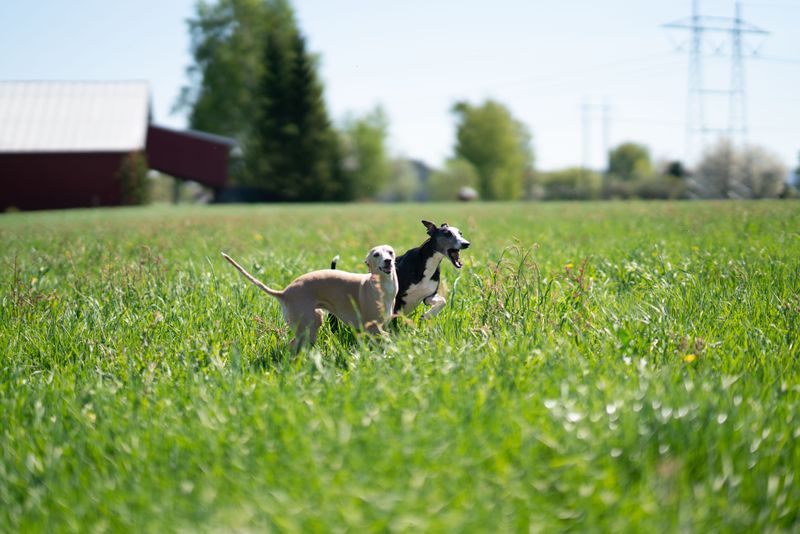
Ever seen a dog curl up under three blankets and refuse to move? Whippets are famous for loving warmth and comfort.
Once they spot an open beach or park, everything changes. Their legs blur as they zoom in wide circles, grinning the whole time.
Some call this the Whippet happy dance.
A quick daily sprint plus a cozy bed keeps them balanced. Bring a coat in winter, because their thin fur offers little protection from cold.
Basset Hound
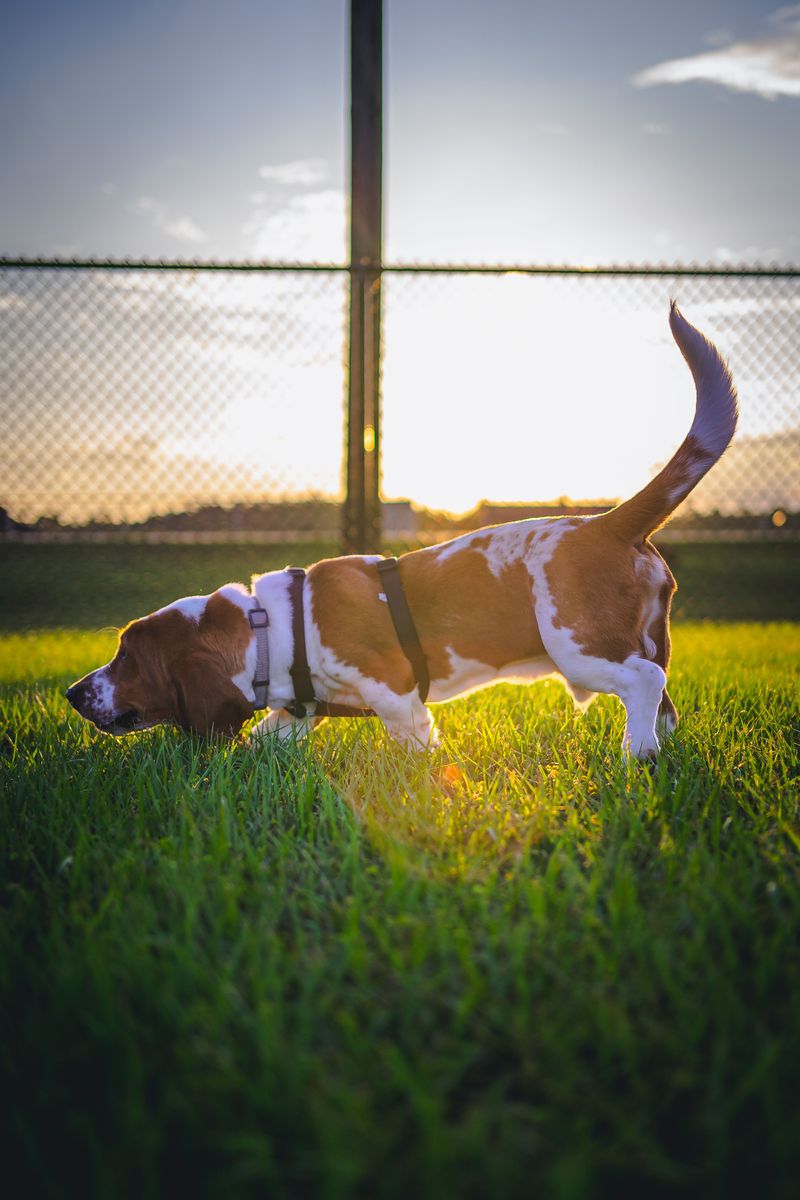
Those droopy eyes and long ears make Basset Hounds look sleepy all the time. Do not be fooled for a second.
Fun fact: their nose holds around 220 million scent receptors, second only to the Bloodhound. On a walk, a Basset can follow a smell trail for what feels like forever, ignoring every call you make.
Try scent games in the backyard. Hide treats and let them sniff them out.
It tires their brain nicely.
Great Dane
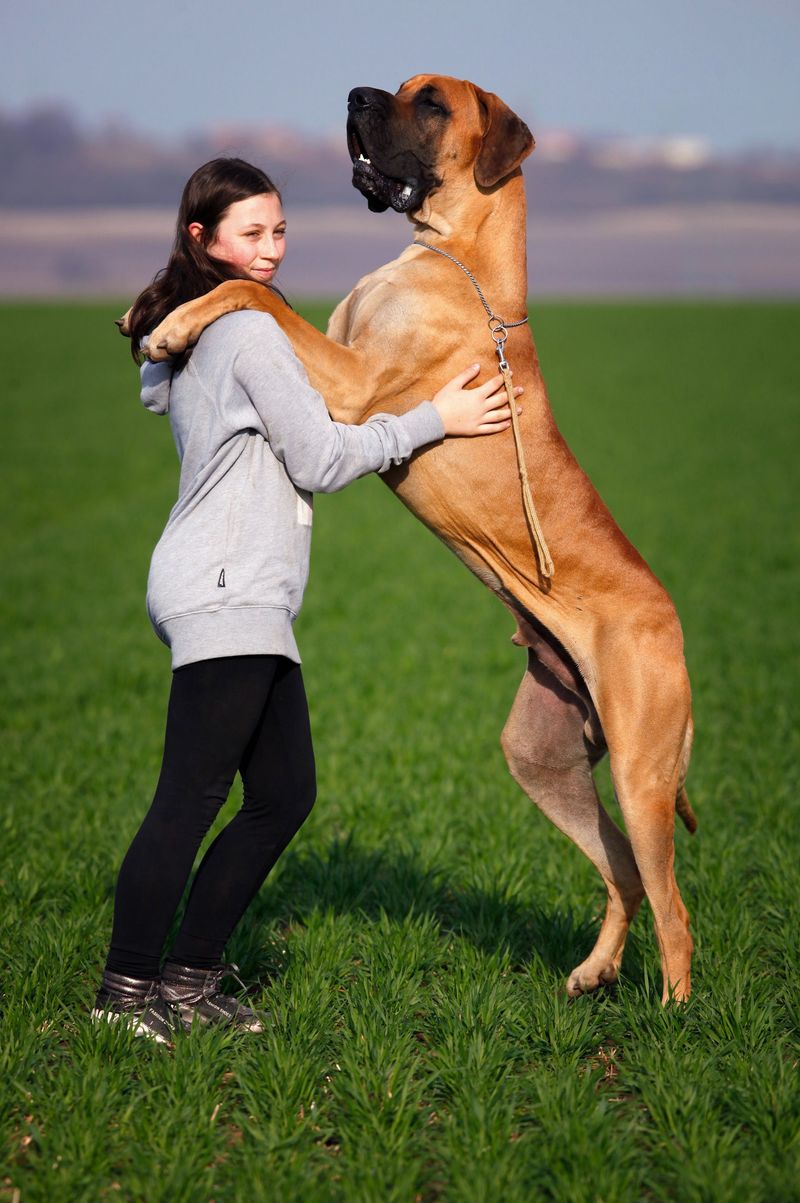
Imagine a pony-sized pup that thinks it fits on your lap. Great Danes love lounging and often hog the whole couch.
Out in the yard, however, they can bounce around like oversized puppies. Watching 150 pounds of joy gallop past is quite a sight!
Keep exercise moderate, especially while they are young and their bones are still growing. Avoid hard running right after meals, since big breeds face a higher risk of a dangerous stomach condition called bloat.
Staffordshire Bull Terrier
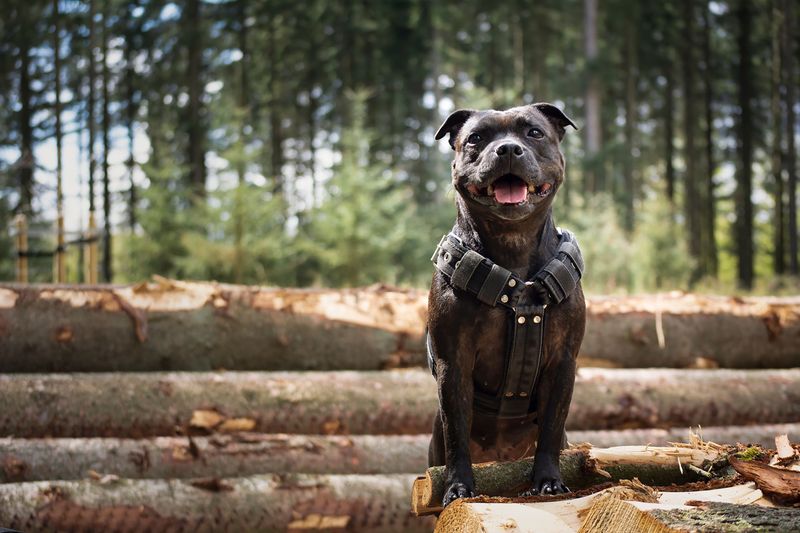
Back in England, families nicknamed the Staffie the nanny dog for its loving ways. At home, these muscular pups melt into snuggles and snores.
Head outside, and you will meet a different animal. Staffies adore tug-of-war, fetch, and climbing hills with endless enthusiasm.
Channel that strength with sturdy toys and structured play. A tired Staffie is a happy Staffie, and it is also much less likely to chew your shoes later that evening.
English Bulldog
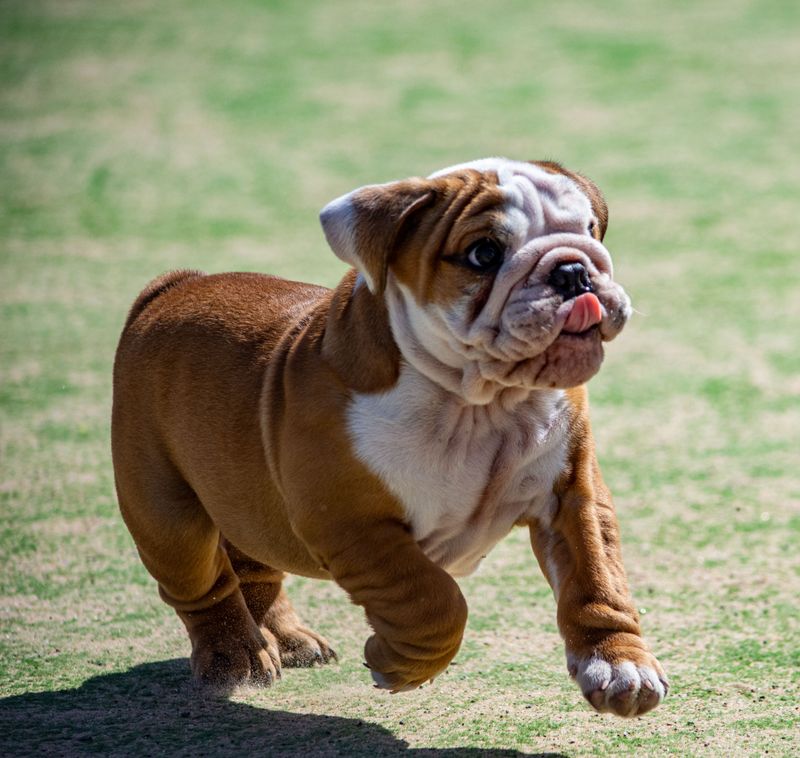
Honestly, most people picture Bulldogs snoring loudly on the floor. That image is mostly true, but there is more to the story.
Give a Bulldog a big ball in the yard, and it may push it around like a tiny bulldozer. They can be stubborn, silly, and full of short-lived energy.
Keep play sessions brief and shaded. Their flat faces make breathing hard in heat, so early mornings or cool evenings work best.
Dachshund
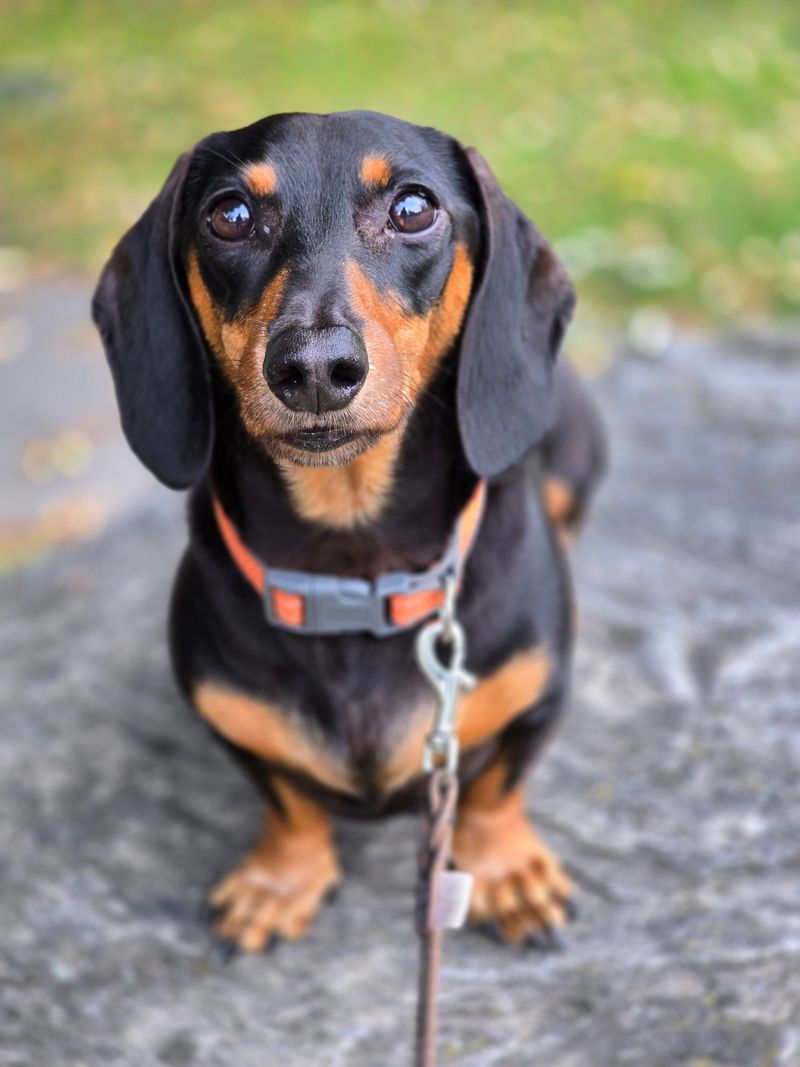
Bred in Germany to chase badgers into tunnels, Dachshunds carry a hunter’s heart in a short body. Their name literally means badger dog.
Indoors, they burrow under blankets and nap for hours. Outdoors, they dig, bark at squirrels, and explore with real courage.
Let them sniff and dig in a safe spot, but protect their long backs. Discourage jumping off furniture or steep stairs, since spinal injuries are common in this breed.
Beagle
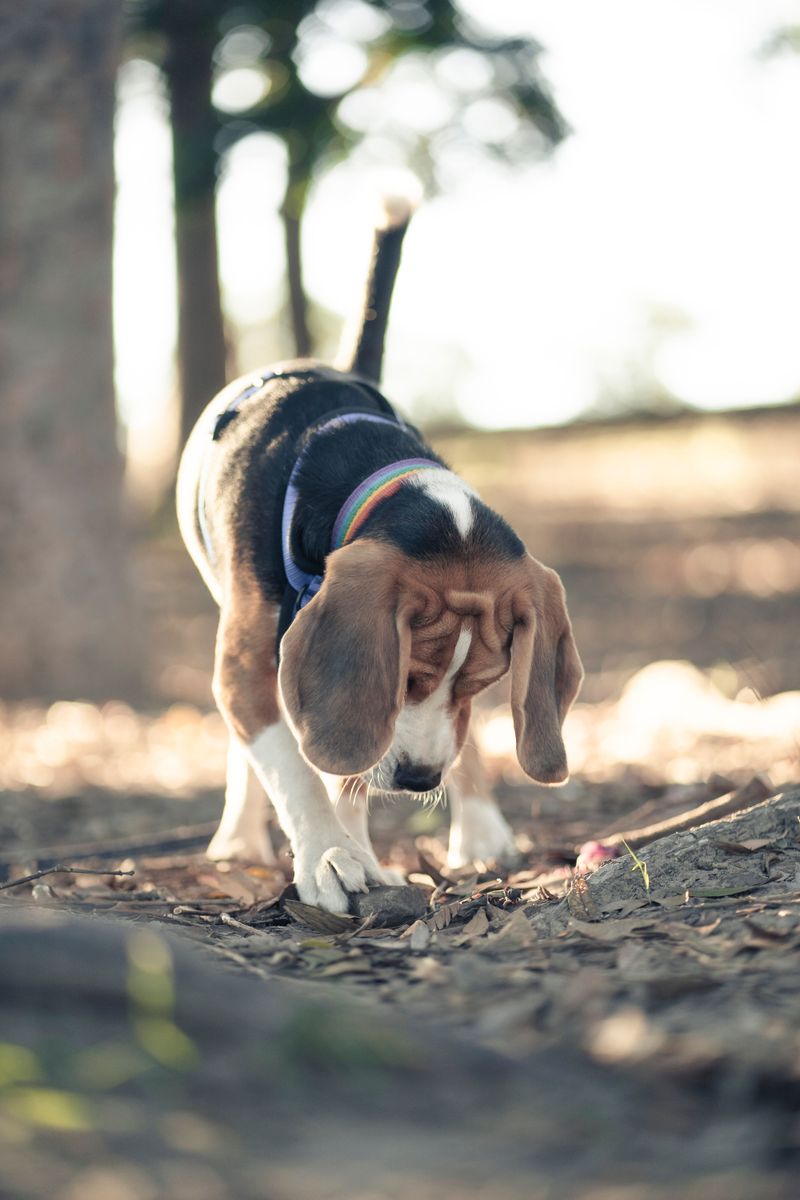
Why does a Beagle seem so mellow on the rug? Simple.
It is saving energy for the next big sniff adventure.
Once outside, Beagles transform into happy trackers. Their tails stand tall like flags, which hunters once used to spot them in tall grass.
Long walks and puzzle feeders keep these merry hounds busy. A secure fence matters too, because a Beagle following a scent will happily wander off without looking back.
Bullmastiff
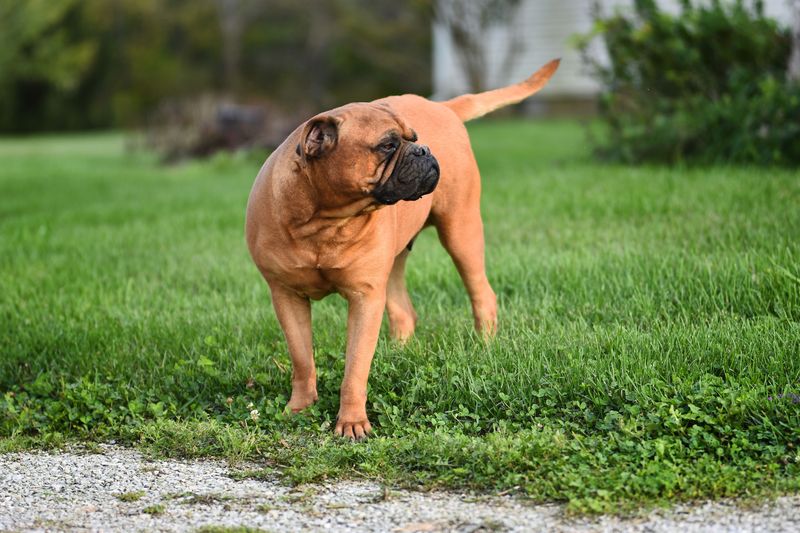
Long ago, English gamekeepers used Bullmastiffs to catch poachers at night. That watchful spirit still lives in today’s sleepy giants.
At home, they drool and doze like oversized teddy bears. On a walk, though, they become alert, confident, and surprisingly quick to notice anything unusual.
Steady daily strolls suit them better than long runs. Early training is a must, since their size and strength can easily pull an unprepared owner along the sidewalk.
French Bulldog
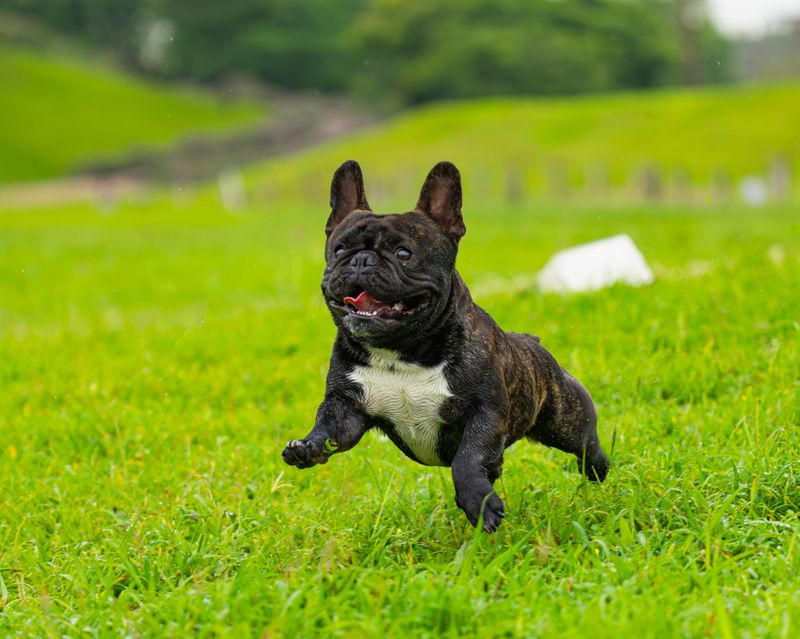
With those bat ears and goofy faces, Frenchies were born to entertain. Many spend afternoons stretched out like little frogs on cool floors.
Put one on a patch of grass, and the comedy starts. Rolling, spinning, and sudden happy sprints are all part of the show.
Like Bulldogs, Frenchies struggle in hot weather. Short play sessions, plenty of water, and a harness instead of a collar help keep their breathing comfortable and safe.
Boston Terrier
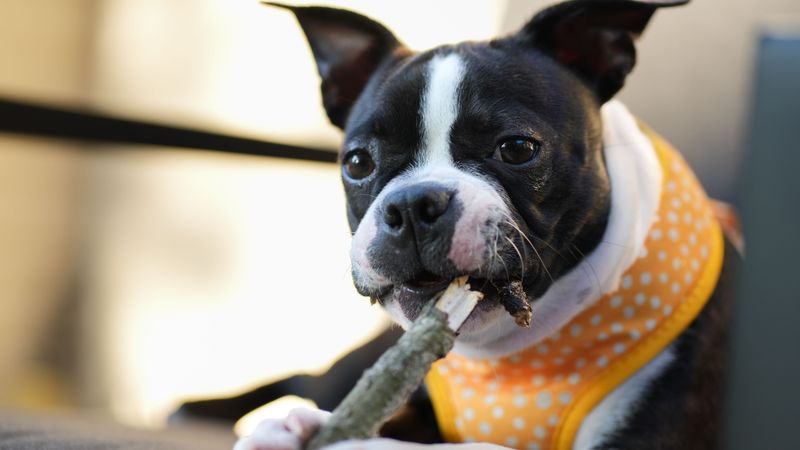
Known as the American Gentleman for its tuxedo coat, the Boston Terrier looks ready for a fancy dinner. At home, it happily lounges beside you.
Outdoors is another story! Bostons love chasing balls, catching soft frisbees, and greeting every friendly person in sight.
They learn tricks quickly, so mix outdoor play with simple training games. Fun bonus: this breed was among the first developed in the United States, back in the 1800s.
Pug
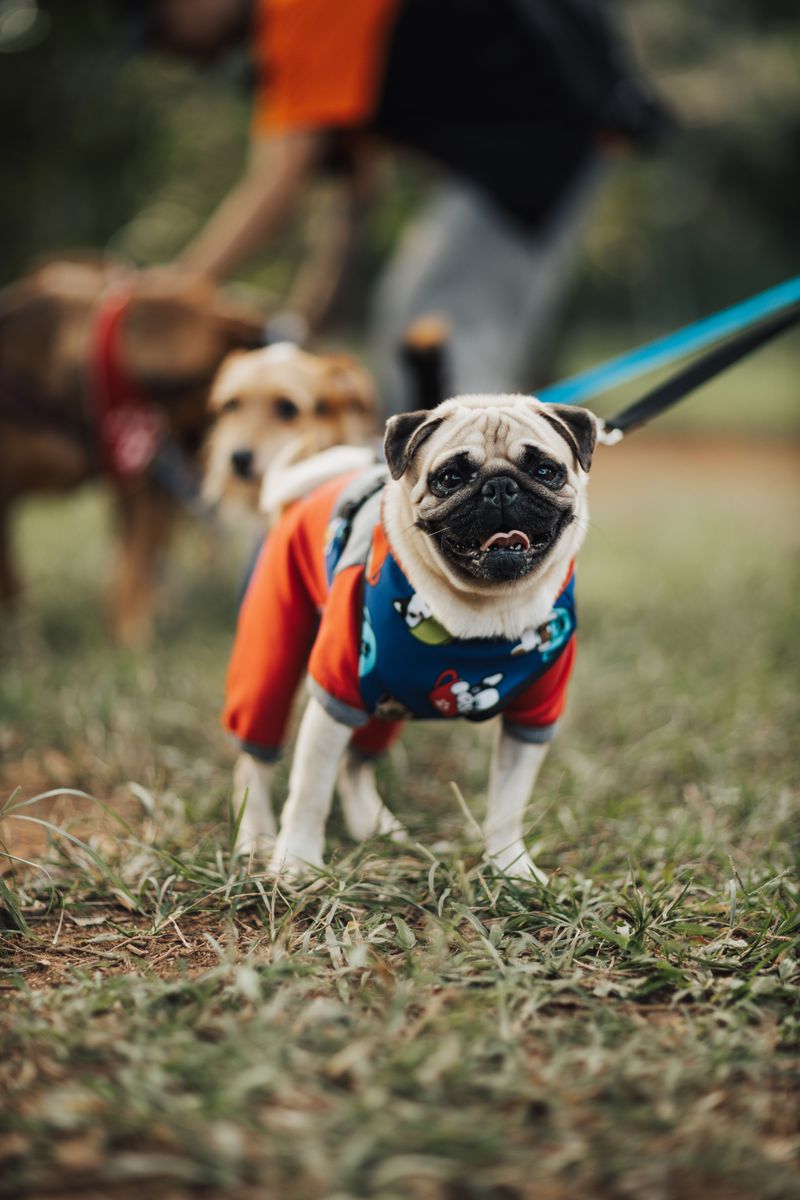
Chinese emperors once kept Pugs as treasured lap dogs, and modern Pugs still act like royalty on a pillow.
Yet a stroll through the garden often reveals a curious, bouncy side. Pugs love sniffing flowers, trotting proudly, and showing off for anyone watching.
Watch their weight closely, since these little charmers gain pounds easily. Gentle daily walks during cool hours keep them fit, cheerful, and far less likely to beg at dinner.
Rhodesian Ridgeback
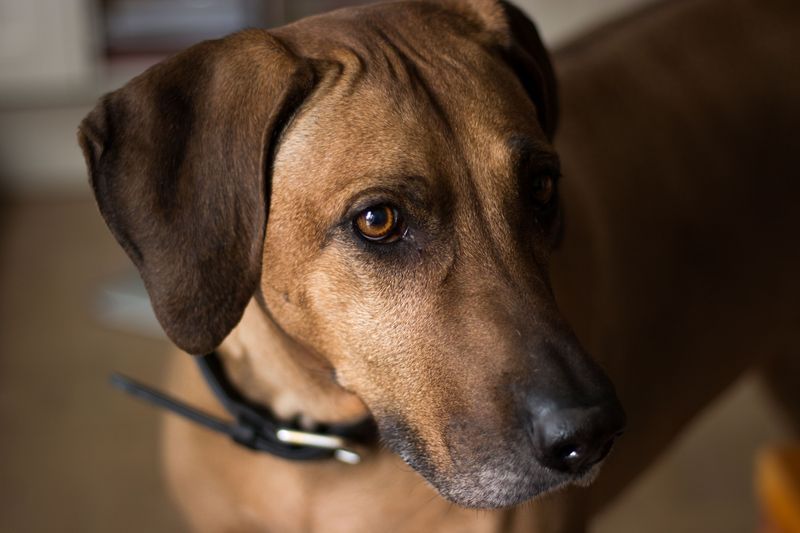
In southern Africa, Rhodesian Ridgebacks once helped hunters track lions. Hard to believe when you see one sprawled across the couch like a giant cat.
Outside, that ancient drive wakes up. Ridgebacks love long hikes, open trails, and running beside an active owner.
Look for the special stripe of fur growing backward along the spine. Give them plenty of exercise and firm, kind training, because a bored Ridgeback can become a crafty troublemaker.