
You grab your keys, say goodbye, and close the door. Your dog seems calm, but some breeds start planning their own fun the second you are gone.
Bored dogs can chew, dig, bark, or even escape, and the mess can be a big surprise when you get home. Knowing which breeds need extra care can save your shoes, your couch, and your patience.
Siberian Husky
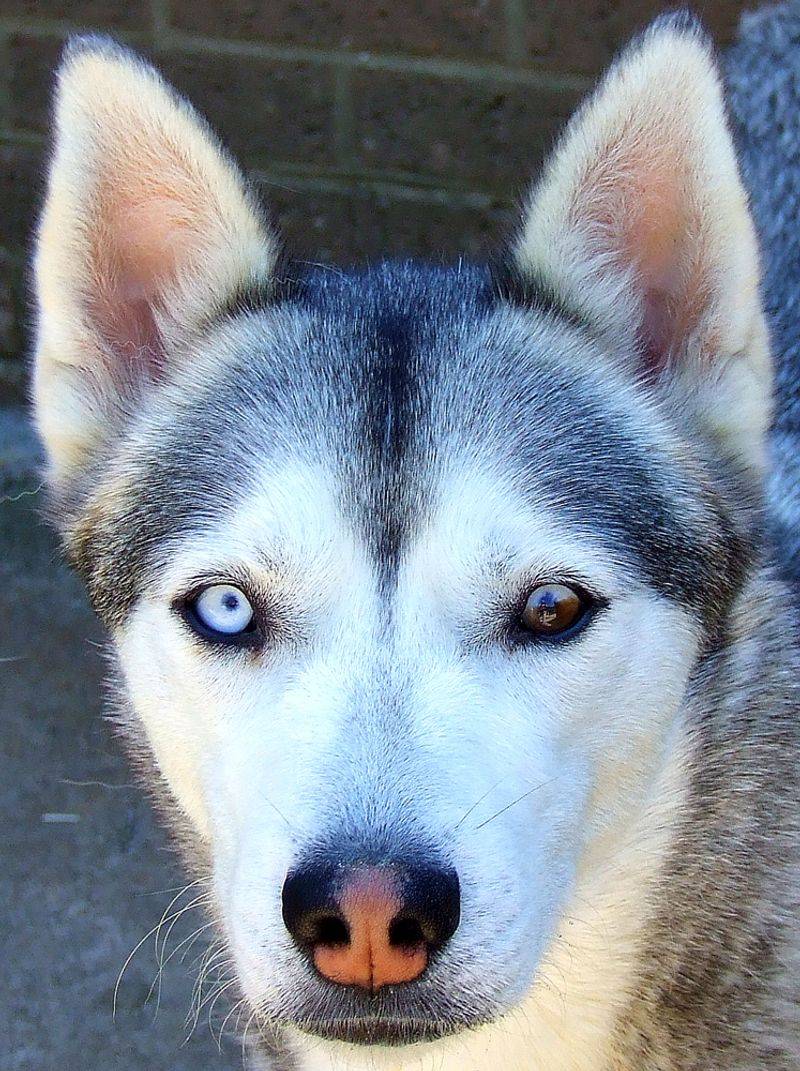
Picture coming home to a backyard that looks like the moon. Huskies were bred to pull sleds for miles across snowy Siberia, so sitting still all day is not their style.
Many will dig, howl, or try to escape when bored. Some can even climb fences!
A long run before you leave helps a lot. Sturdy fencing and puzzle toys stuffed with treats can keep that clever brain busy while you are away.
Jack Russell Terrier
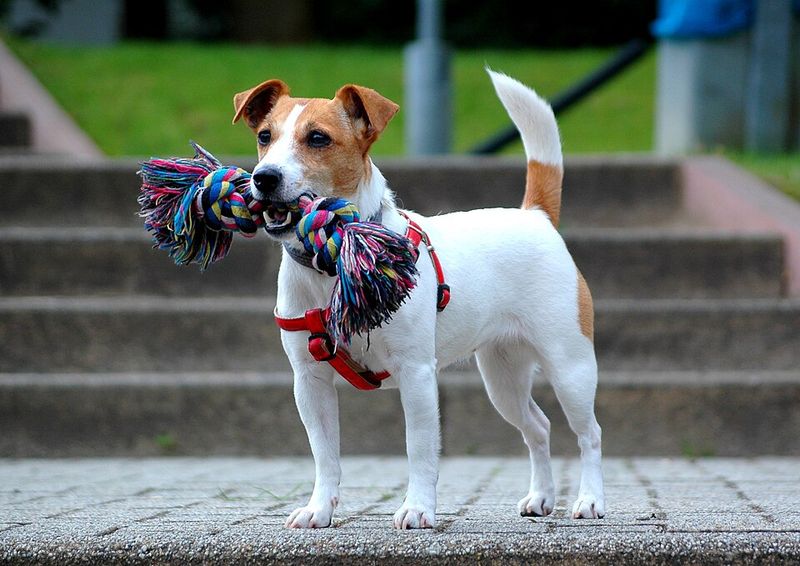
Small body, giant battery. Jack Russells were created to chase foxes out of their dens, and that hunting drive never really switches off.
Left alone, they might shred pillows, chase shadows, or bark at every squirrel outside the window. Their energy can seem endless.
Try a game of fetch before work and leave a tough chew toy behind. Closing the curtains can also stop them from guarding the street all afternoon.
Beagle
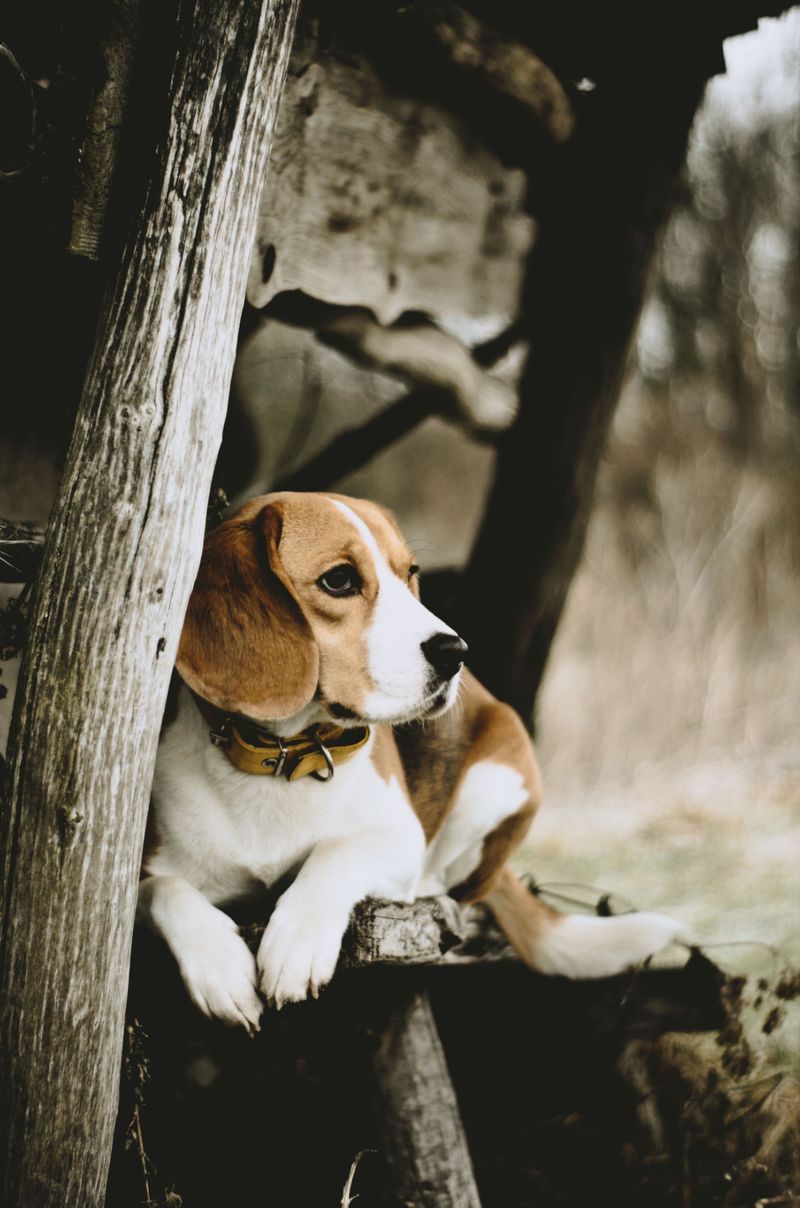
Did you know a Beagle’s nose has around 220 million scent receptors? That super sniffer leads to trouble when nobody is watching.
Trash cans, lunch bags, and countertops become treasure hunts. Beagles also love to bay, a loud howling sound your neighbors may not enjoy.
Lock away food and use a trash can with a secure lid. Snuffle mats, which hide kibble in fabric strips, let them use their noses in a safe way.
Dalmatian
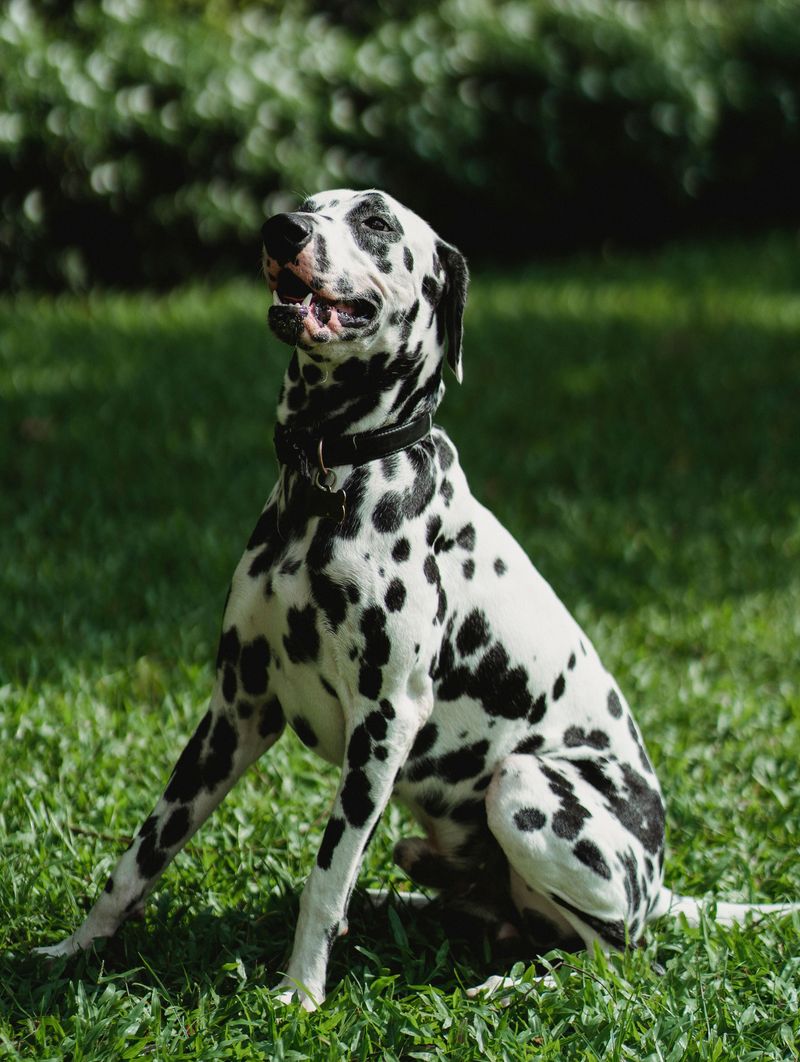
Long ago, Dalmatians ran beside horse-drawn fire wagons for miles. Today, that same stamina can turn into chewed chair legs and scratched doors.
These spotted athletes need lots of exercise and dislike being ignored. A bored Dalmatian may get anxious and start creating chaos.
Plan a jog or bike ride together each day. Rotating toys every few days keeps things fresh, so your spotty friend has something new to explore instead of furniture.
Australian Shepherd
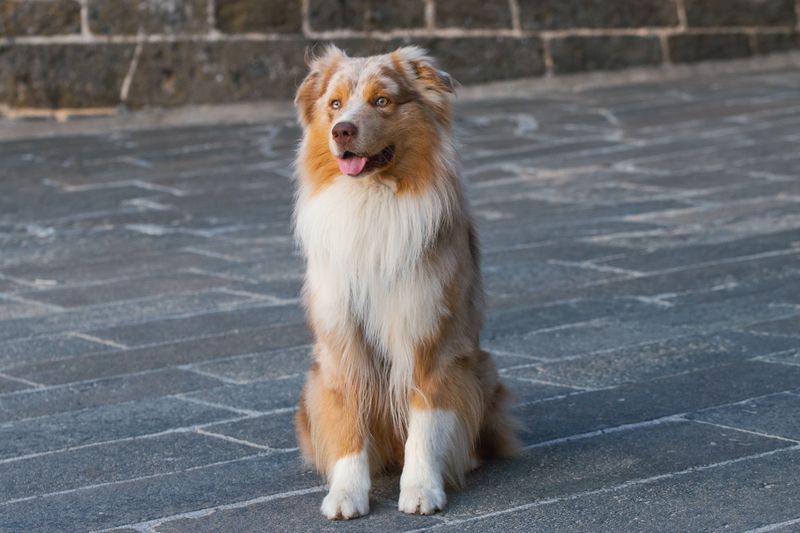
“My Aussie rearranged the shoes again,” is something many owners say with a sigh. These smart herders love having a job, and they will invent one if you do not.
That can mean pacing, chewing, or trying to herd the cat.
Give them mental work before you leave, like practicing tricks for ten minutes. Puzzle feeders and agility classes on weekends help satisfy their busy minds and keep your house in order.
German Shorthaired Pointer
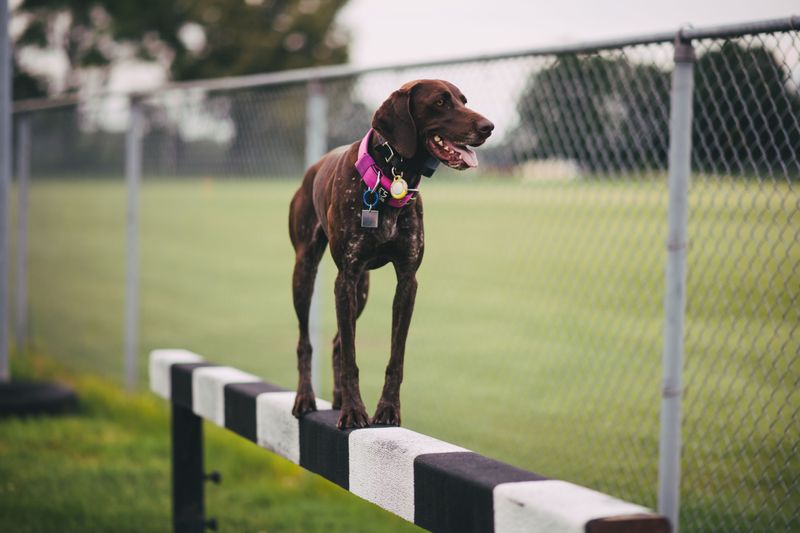
Honestly, a German Shorthaired Pointer could probably run all day and still ask for more. Bred as all-around hunting dogs, they have serious speed and endless drive.
Without enough activity, they may jump fences, dig, or tear up the yard. Some get restless and whine loudly.
An hour of hard exercise daily is a good goal. Fetch, swimming, or hiking trips can burn energy so they nap peacefully while you are gone.
Labrador Retriever
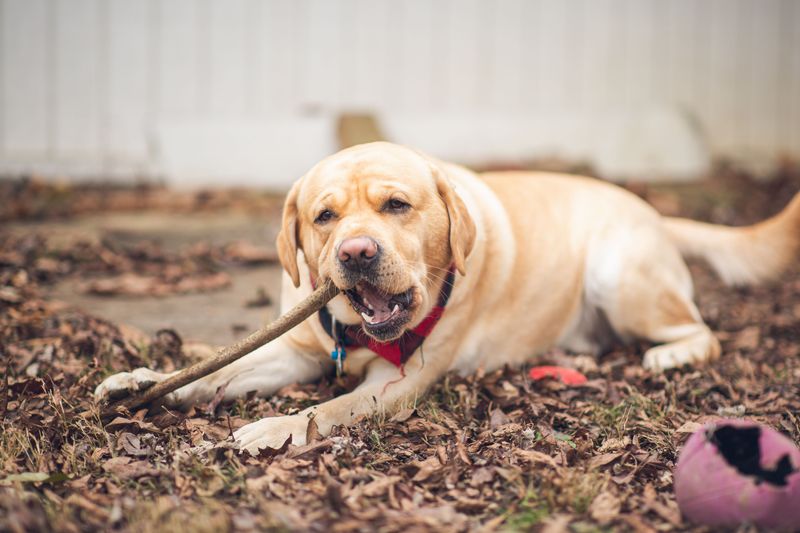
Sweet face, sneaky mouth. Labs are famous for their friendly hearts, but young ones especially love to chew anything they can grab.
Remotes, socks, and even drywall have fallen victim to bored Labs. They also tend to eat things they should not, which can mean a vet visit.
Fun fact: Labradors actually come from Newfoundland, not Labrador. Keep floors clear and offer frozen chew toys to protect both your stuff and your pup.
Miniature Schnauzer
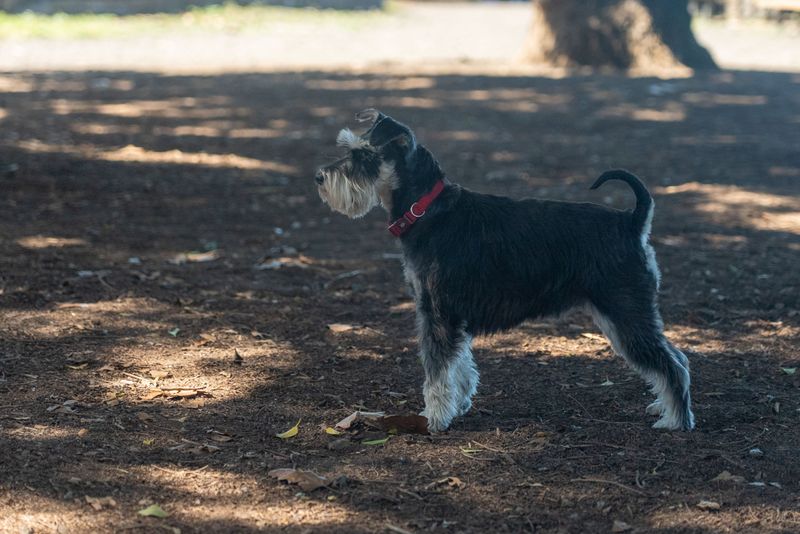
With that bushy beard and serious eyebrows, a Miniature Schnauzer looks like a tiny old professor. Underneath, though, is a watchdog with plenty to say.
Alone at home, many will bark at mail carriers, passing dogs, and even falling leaves. Your neighbors might hear the whole show.
Background noise like soft music can help. Short training sessions teaching a quiet command also work, and treat toys give that busy mouth a better job.
Boxer
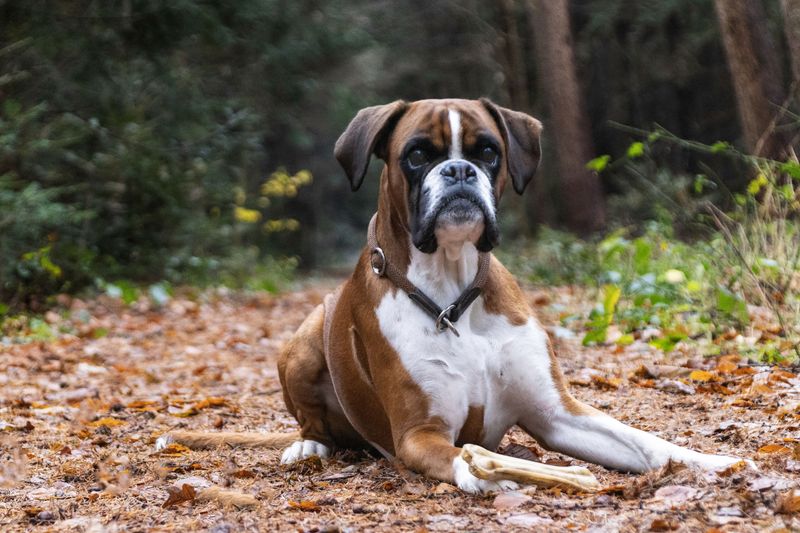
Boxers are basically big kids in dog suits. They bounce, wiggle, and play well into adulthood, which is adorable until they do it on your bed alone.
When lonely, they may pull blankets off, chew shoes, or knock things over with their happy bodies.
A tired Boxer is a good Boxer. Play tug or chase before leaving, and consider a dog walker at lunch so your goofy pal gets a midday break.
Dachshund
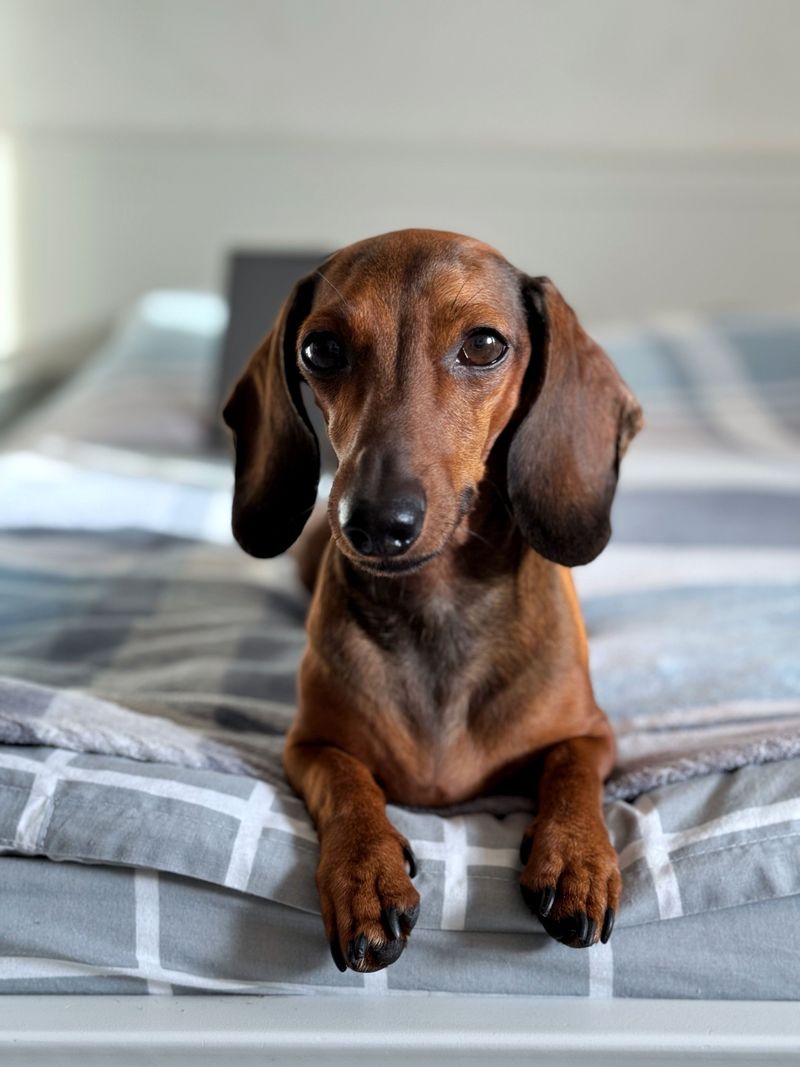
Their name means badger dog in German, and these long little hunters still love to dig. Couch cushions, blankets, and potted plants can all become tunnels.
Dachshunds are also loyal and can get upset when their favorite person leaves, leading to barking.
Give them a cozy burrow bed and a digging box with buried toys. Practicing short goodbyes helps them learn that you always come back.
Weimaraner
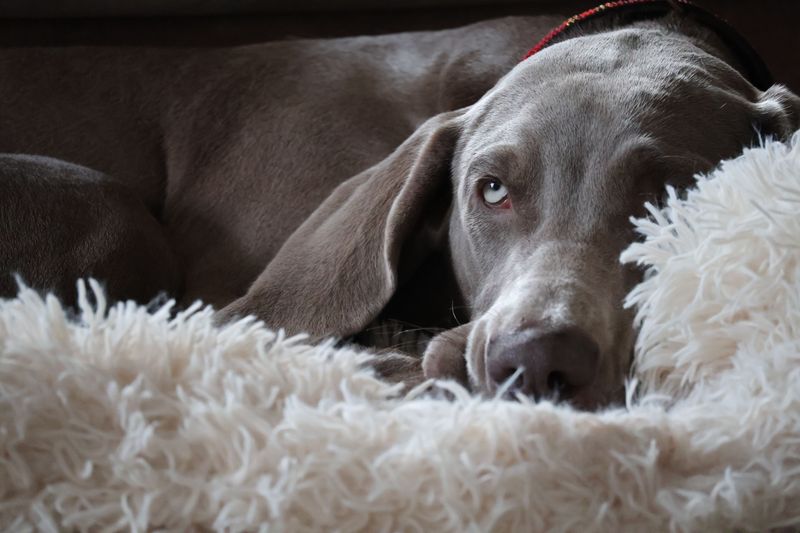
Nicknamed the gray ghost, the Weimaraner follows its owner everywhere like a silver shadow. That deep attachment has a downside.
Many struggle with separation anxiety, so being alone can lead to scratched doors, howling, and chewed window frames. It is stress, not spite.
Start with short absences and slowly build up time. Plenty of exercise, a crate they feel safe in, and calm goodbyes can turn panic into peaceful naps.