
Walk through any park in America and you will spot all kinds of dogs, from tiny lap pups to big, sturdy guard dogs. The breeds people love most are not all the same size, and that mix tells a fun story about how families live.
Some folks want a pocket-sized buddy for a small apartment, while others need a strong partner for hiking or farm work. Here are the breeds Americans keep bringing home, plus tips to help you see which one might fit your life.
French Bulldog: The Bat-Eared Superstar
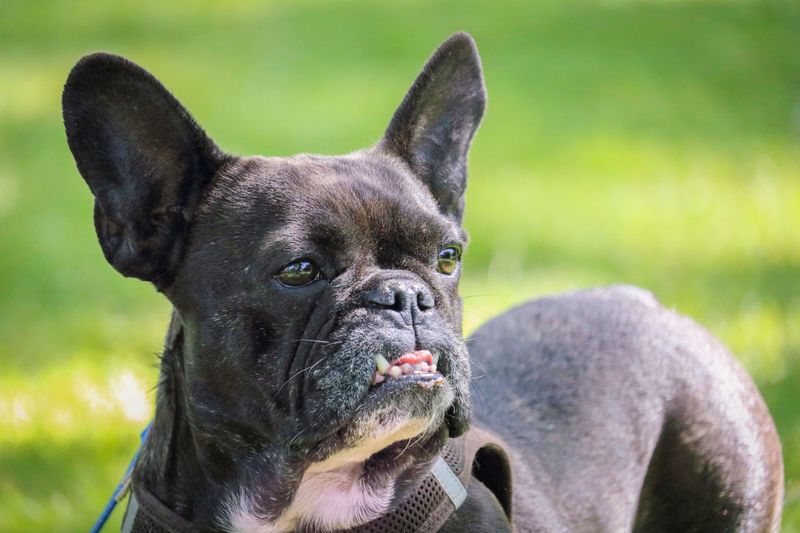
Those giant bat ears have helped the Frenchie climb to the top of America’s most popular breed list. City folks adore them because they are small, quiet, and happy in apartments.
Still, their flat faces mean they can struggle in hot weather. Keep walks short on summer days and watch their breathing closely.
Fun fact: Frenchies cannot really swim, so a life vest is a must near pools.
Labrador Retriever: America’s Longtime Sweetheart
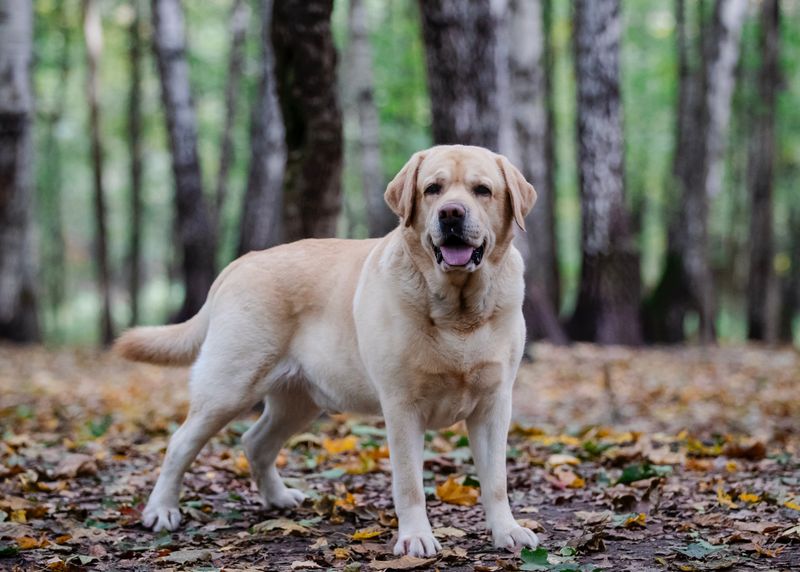
For over thirty years, the Lab held the number one spot, and it is easy to see why. Labs love people, water, and anything that can be thrown.
Did you know? Despite the name, these dogs actually came from Newfoundland, Canada.
Plan on daily exercise and lots of fetch. A bored Lab may chew shoes, so keep toys around and snacks measured, since they gain weight quickly.
Golden Retriever: Sunshine With a Wagging Tail
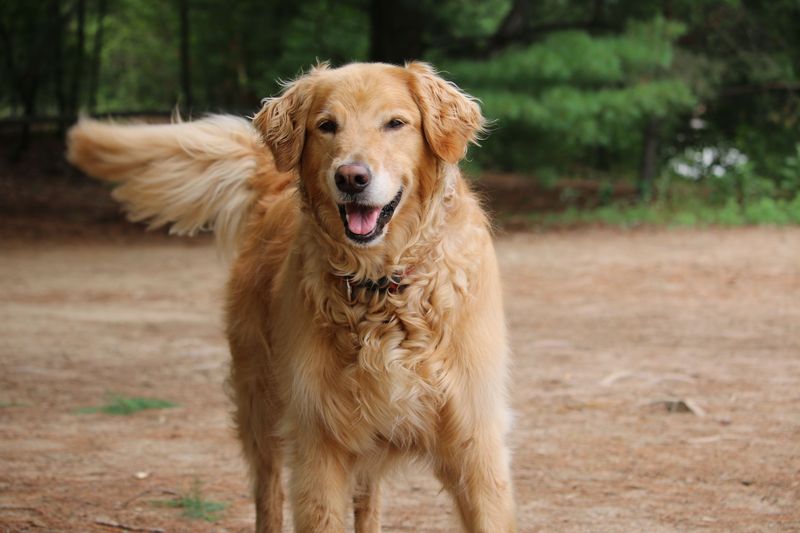
Picture a dog that greets the mail carrier like an old friend. That is the classic Golden, a fluffy bundle of cheer with a soft mouth made for carrying birds.
Their friendly spirit makes them popular therapy dogs in hospitals and schools.
Be ready for shedding, though. Brushing a few times each week keeps fur off your floors and helps their beautiful coat stay healthy and tangle-free.
German Shepherd: Brains Meet Bravery
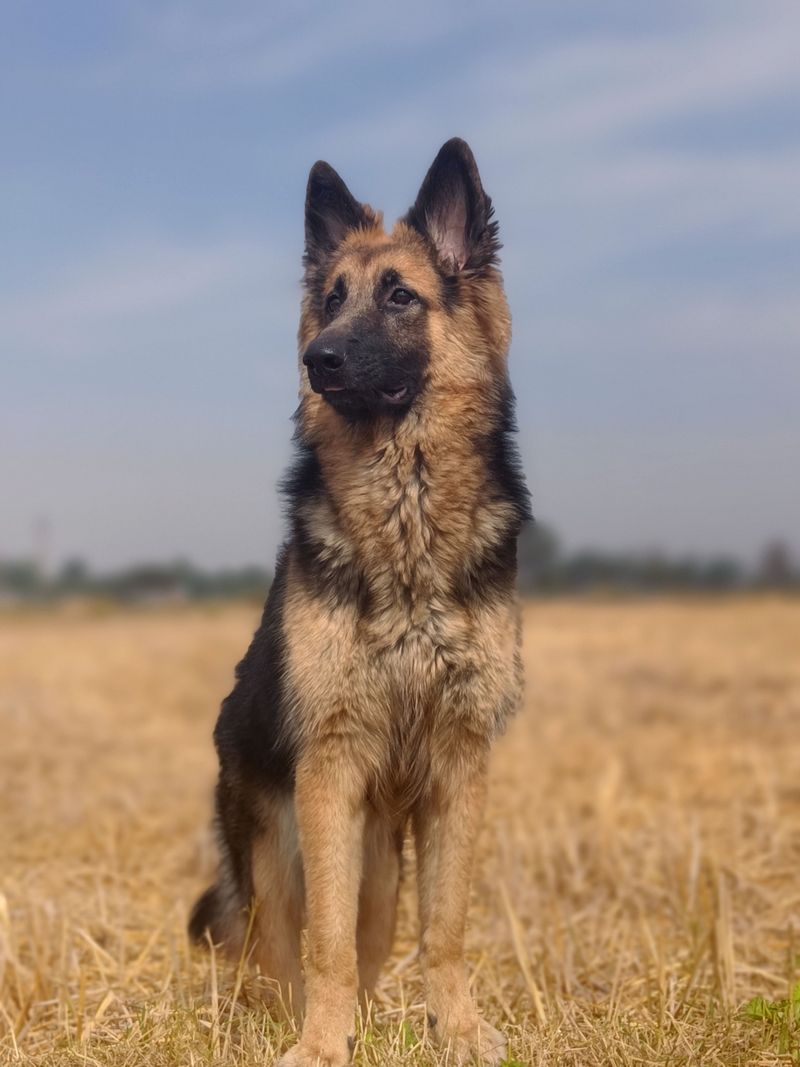
Police officers, search teams, and guide dog groups all trust the German Shepherd. Why?
Few breeds learn commands so fast or work so hard.
At home, this loyal dog bonds deeply with its family and keeps a watchful eye on the yard.
Mental puzzles matter as much as running. Try hide-and-seek games or training classes.
A Shepherd with a job is a calm, content Shepherd.
Dachshund: Small Body, Big Attitude
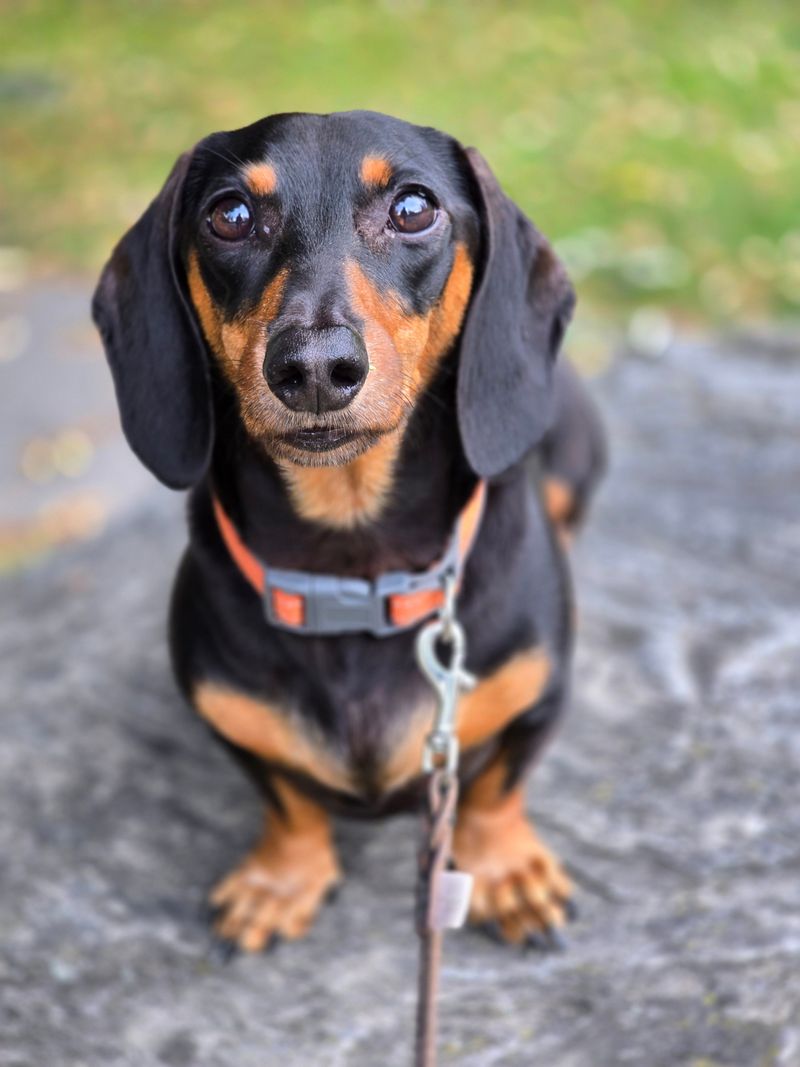
Long, low, and full of sass, the wiener dog was first bred in Germany to chase badgers into tunnels. That fearless hunting past still shows today.
Many Dachshunds bark at every leaf that moves, so early training helps.
Protect that long back by using ramps instead of letting them jump off beds or couches. Keeping them slim also lowers the chance of painful spine problems later.
Poodle: Fancy Look, Sporty Soul
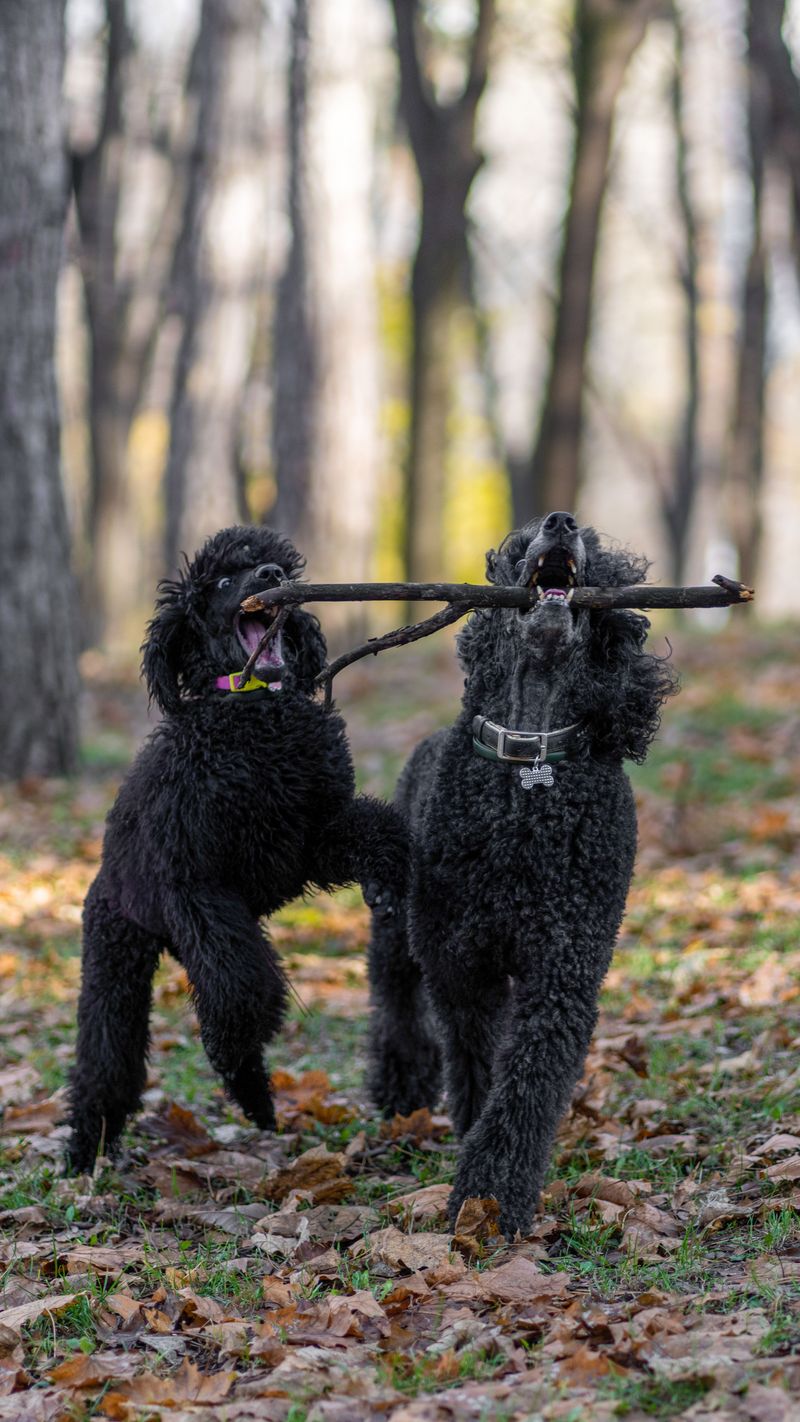
Forget the fancy show haircut for a second. Poodles were actually water retrievers, and that puffy style once kept their joints warm while swimming.
They come in three sizes: toy, miniature, and standard, so there is one for nearly any home.
Their curly coat barely sheds, which pleases many allergy sufferers. Just budget for grooming every six weeks or so to prevent painful mats.
Beagle: The Nose That Never Rests
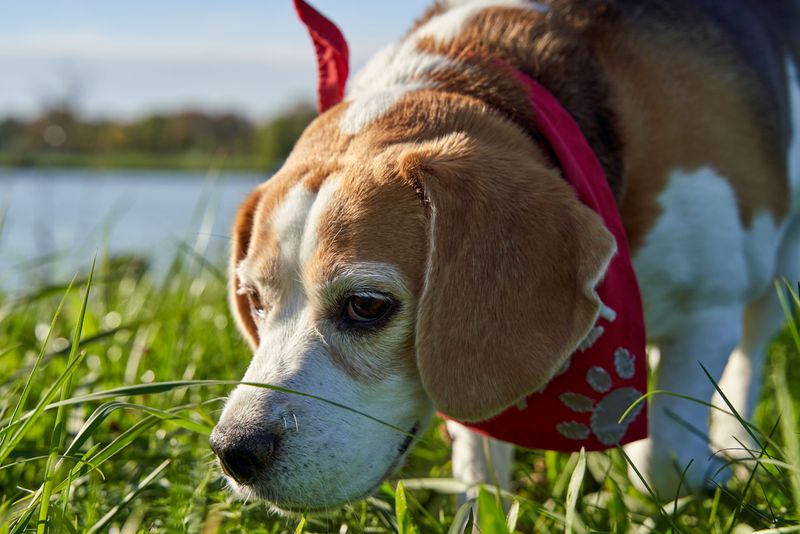
Snoopy made Beagles famous, but their noses made them legends. With around 220 million scent sensors, they can follow a trail for miles.
That talent also means they wander off chasing smells, so always use a leash or a secure fence.
Merry and kid-friendly, Beagles do best with company. Expect some howling, called baying, when they get excited or feel lonely during the day.
Rottweiler: A Gentle Giant Underneath
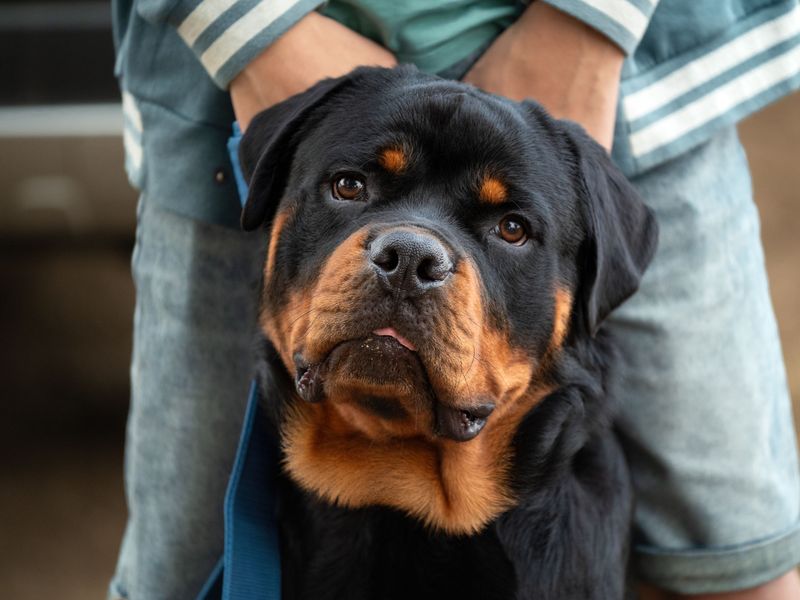
Ancient Roman armies marched with dogs that pushed cattle across Europe, and the Rottweiler descends from them. Today, this powerful breed guards homes with quiet confidence.
Many owners say their Rottie is a big softie who leans on legs for hugs.
Because they are strong, early socialization and firm, kind training are key. Meeting new people and dogs as puppies helps them grow into steady adults.
Bulldog: King of the Couch

Some dogs want to run marathons. The Bulldog would rather nap through one.
With its wrinkly face and rolling walk, it brings a funny, laid-back charm to any home.
Dozens of colleges, including Yale and Georgia, use it as a mascot.
Clean those face folds often to stop infections. Like Frenchies, Bulldogs overheat easily, so air conditioning and shady rest spots are a big deal.
German Shorthaired Pointer: The Weekend Warrior
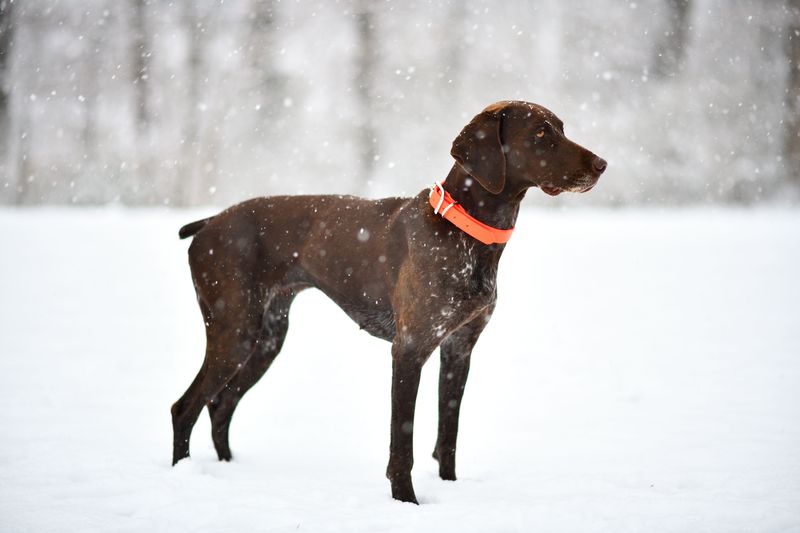
Hunters love it, runners love it, and families with busy weekends love it too. The GSP is an all-purpose athlete that can point, retrieve, and swim.
Watch one freeze with a paw lifted when it spots a bird. It is pure instinct.
Here is the catch: this dog needs at least an hour of hard exercise daily. Couch potatoes should probably pick a different breed.
Pembroke Welsh Corgi: Royal Fluff on Short Legs
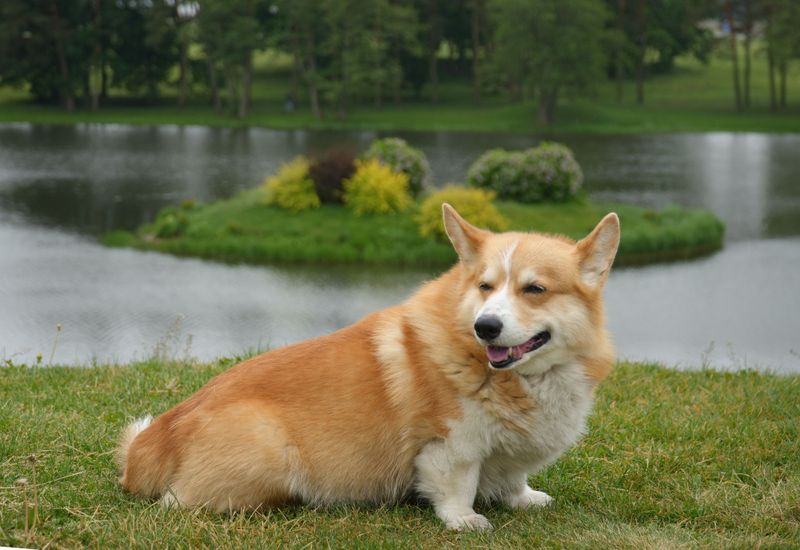
Queen Elizabeth II owned more than thirty Corgis during her reign, giving these stubby herders a royal reputation.
Don’t be fooled by the short legs, though. Corgis were bred to nip at cattle heels in Wales, and they still have plenty of energy and smarts.
Fans adore their fluffy rear ends. Keep treats limited, because extra pounds strain their backs and joints quickly.
Australian Shepherd: The Cowboy’s Sidekick
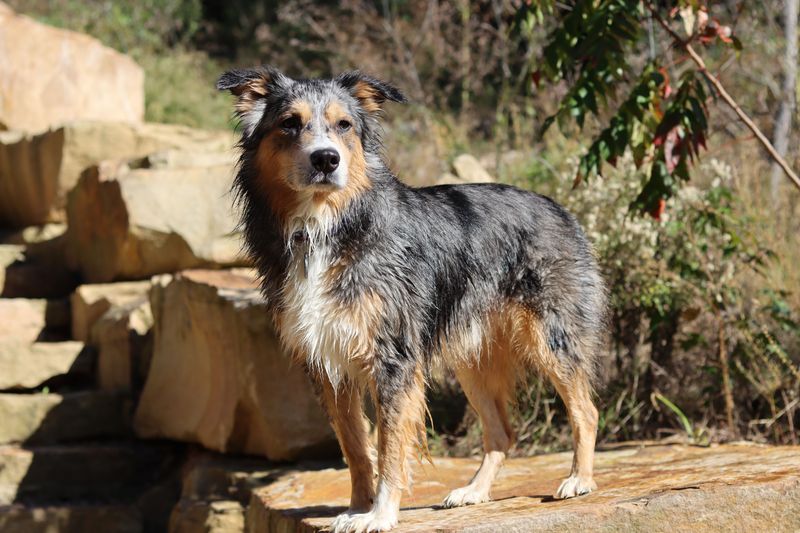
Here’s a surprise: the Aussie actually grew up in the American West, not Australia. Ranchers and rodeo riders made it famous for herding livestock.
Many Aussies have striking blue or mismatched eyes and swirly merle coats.
They are wicked smart and a little bossy. Agility courses, frisbee, and long hikes keep them happy.
Without tasks, they might try herding your kids around the yard.
Yorkshire Terrier: Tiny Boss in a Bow
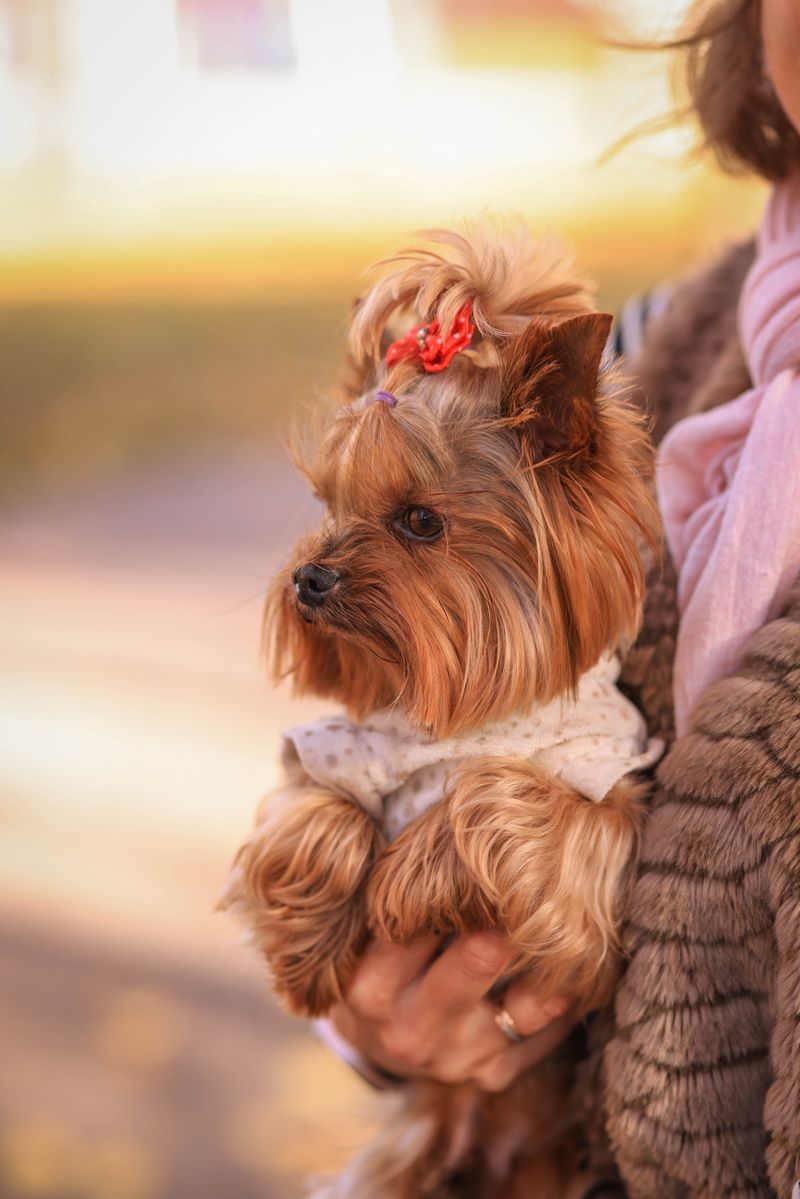
Weighing about seven pounds, the Yorkie acts like it rules the whole block. Back in 1800s England, these little terriers caught rats in clothing mills.
Their silky coat feels more like human hair than fur, and it sheds very little.
Brush daily or keep a short puppy cut. Since they are so small, watch them around big dogs and rough play with young children.
Cavalier King Charles Spaniel: A Born Cuddler

Kings in old England kept these spaniels on their laps to stay warm, and the breed still treats every lap like a throne.
Cavaliers are sweet, easy to train, and happy with short walks or quiet evenings.
They are a smart pick for first-time owners and seniors. Ask breeders about heart health testing, since this breed can develop heart valve problems as it ages.