
Many dogs react to more than holiday fireworks. Everyday sounds like blenders, doorbells, and clanking dishes can feel scary or exciting to certain breeds.
Knowing which dogs are more sensitive helps you plan training, routines, and calm spaces. With the right steps, daily noise can become no big deal.
Shetland Sheepdog
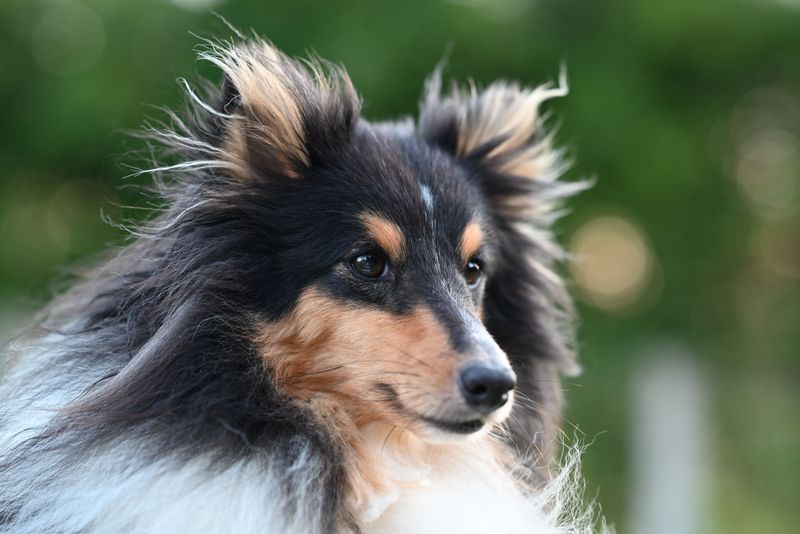
Farm-born and quick to notice small changes, the Shetland Sheepdog often reacts to squeaks, rattling pans, and phone alerts. Their sharp ears made for herding pick up household sounds that other dogs ignore.
Offer a quiet retreat, like a covered crate with a chew, and use calm praise. Predictable routines, soft music, and gradual exposure help them learn that everyday noise is safe.
A sniffy walk after loud chores can reset their mood at home.
Border Collie
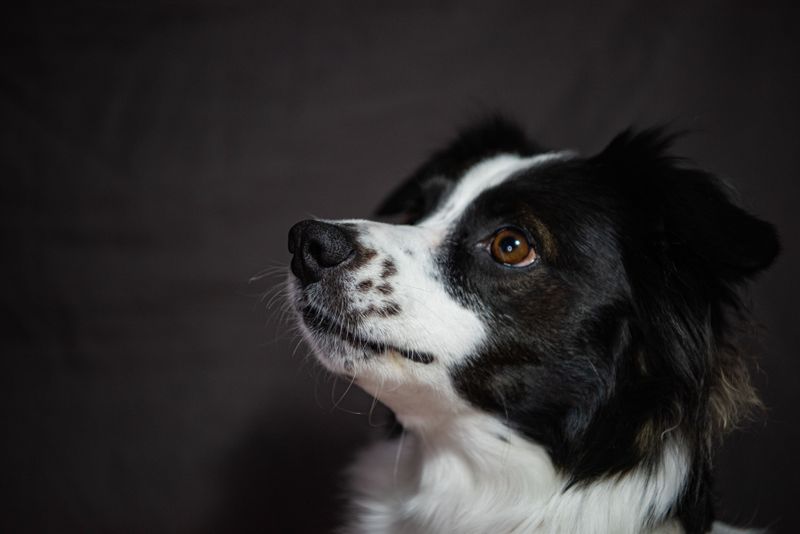
Built for fast decisions, the Border Collie may flinch at clattering dishes or humming appliances. That keen working brain notices patterns and predicts action from even tiny sounds.
Turn sound into a cue by pairing a mild noise with treats, then add slightly louder versions over days. Teach a solid settle on a mat and reward stillness during vacuum time.
Brain games, like scent puzzles, tire the mind so random rumbles bother less at home.
Chihuahua
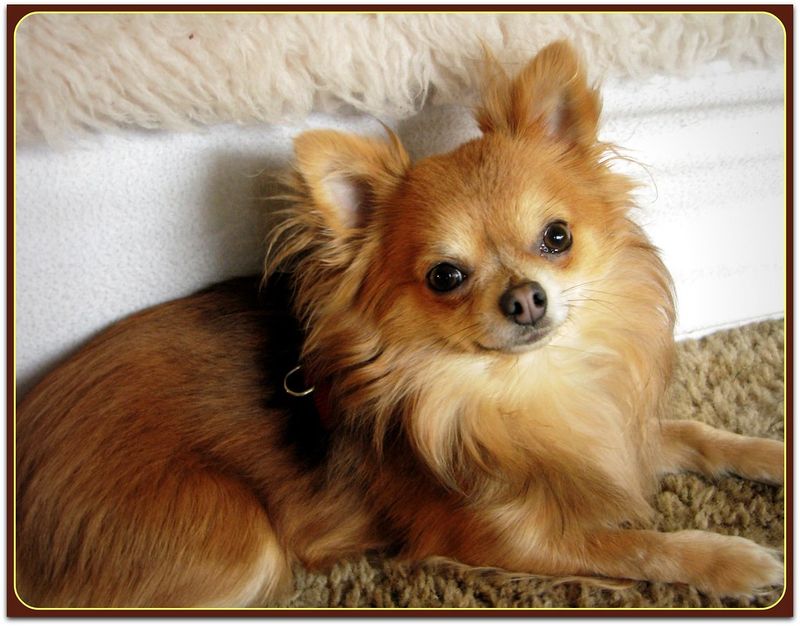
Small body, big feelings captures the Chihuahua when a door slams or keys jingle outside too. Many bond to one person and act like tiny guards, announcing every creak.
Build confidence with easy wins, like nose target games and short, fun training. Carry treats to mark quiet moments after a noise, then toss a snack on a bed.
Warm sweaters and a cozy perch also reduce shivers that amplify jumpiness during windy walks and errands.
Papillon

Those butterfly ears are not just cute, they catch every clink and whir. Papillons read the room quickly, then respond with excited barks or alert pacing.
Early socialization with gentle sounds builds lasting ease.
Give a job, like learning tricks, to channel that energy when the blender starts. Practice a go-to spot, reward calm breaths, and model relaxed body language.
Short play after noisy chores helps release the fizz without feeding the worry at home.
Miniature Schnauzer
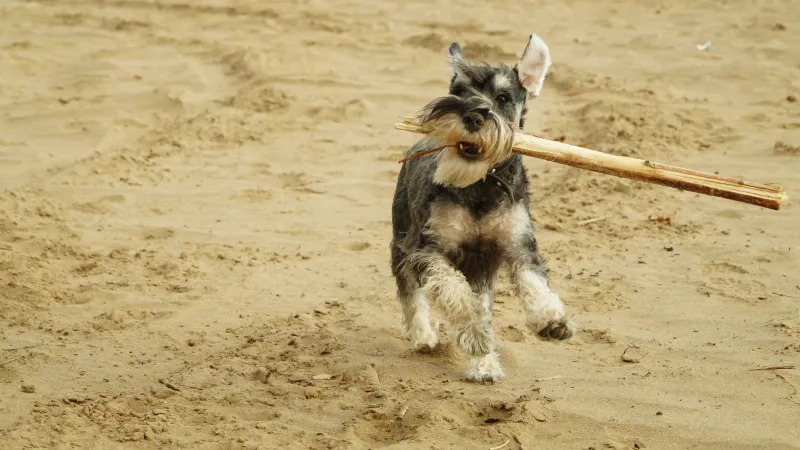
Lively and vocal by nature, the Miniature Schnauzer treats clanks and knocks like breaking news. Originally a farm ratter, quick reactions were part of the job at dawn too.
Teach a speak cue, then a quiet cue, so you can reward silence after a sound. Provide chew time, sniff games, and a window with a film to block triggers.
A daily brisk walk trims edgy energy before the neighborhood wakes and the garbage trucks pass.
Italian Greyhound
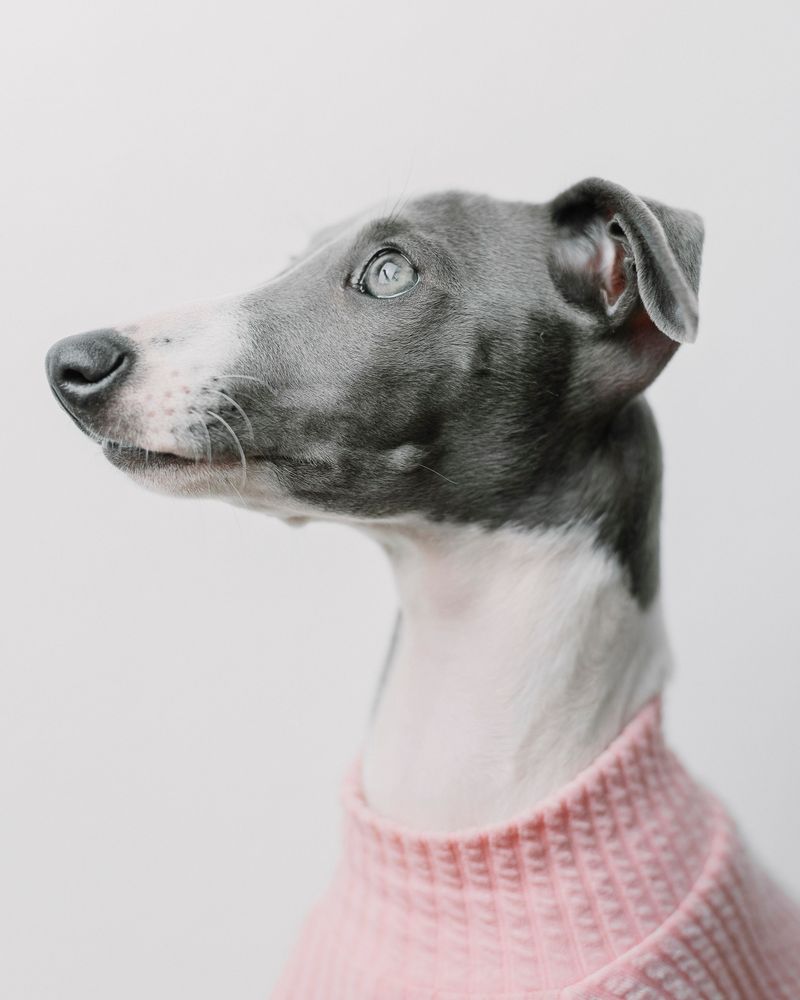
Like a tuning fork, the Italian Greyhound can shiver at clinks and sudden laughs. Sensitive skin and slim build make cold, echoey rooms feel louder.
History note, they charmed Italian nobles and preferred quiet courtyards.
Warmth helps, so try a soft sweater, rugs under bowls, and padded corners. Train a chin rest on your hand, then breathe together while gentle sounds play.
Short zoomies in a hallway after noise release jitters without crowding at night.
Australian Shepherd

All go and plenty of brains, the Australian Shepherd can spring up at beeps and bangs. Work-driven instincts turn small noises into possible jobs to handle at home often.
Redirect with tasks, like carrying a toy to a mat when the washer rattles. Off-switch training pairs play bursts with cue-based relaxation, so arousal does not run the show.
Long hikes and scent work satisfy the need to think and move before evening chores get noisy.
Yorkshire Terrier
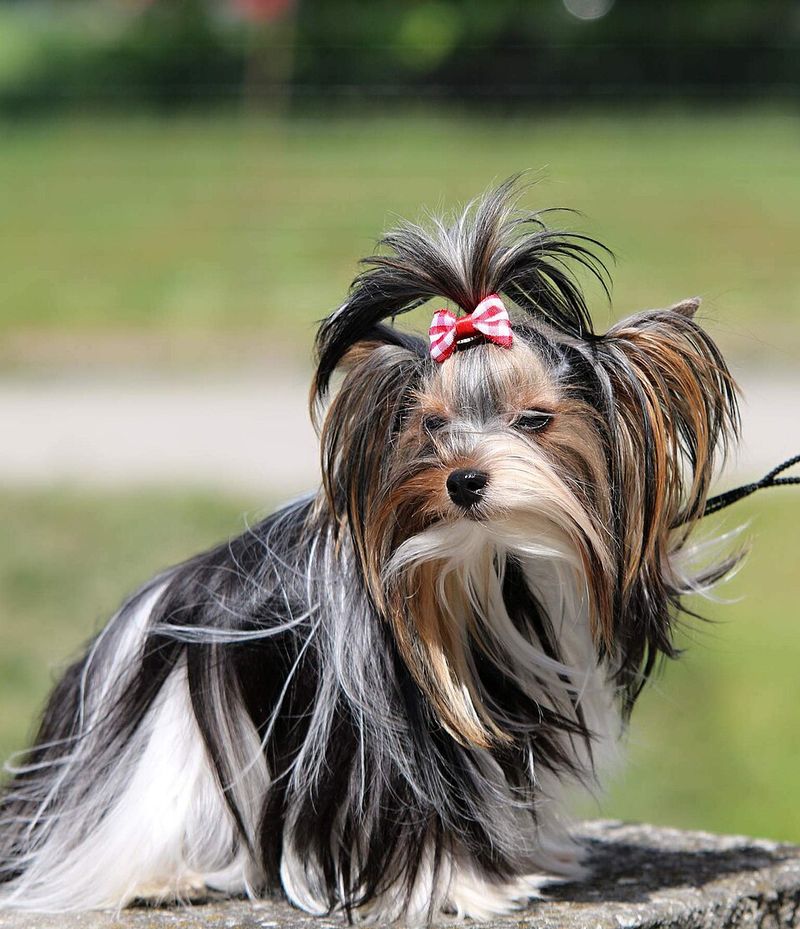
Pocket-sized bravery describes the Yorkshire Terrier when mail slots snap or bikes clatter by. Bred for mills, their alert streak once kept pests in check.
They love predictable, cheerful routines.
Teach a watch-me and reward eye contact after a sound, building focus over fuss. Use food puzzles and gentle grooming sessions to create calm habits around daily noise.
A window perch with curtains limits street triggers while still satisfying curiosity during busy afternoons and deliveries.
German Shepherd
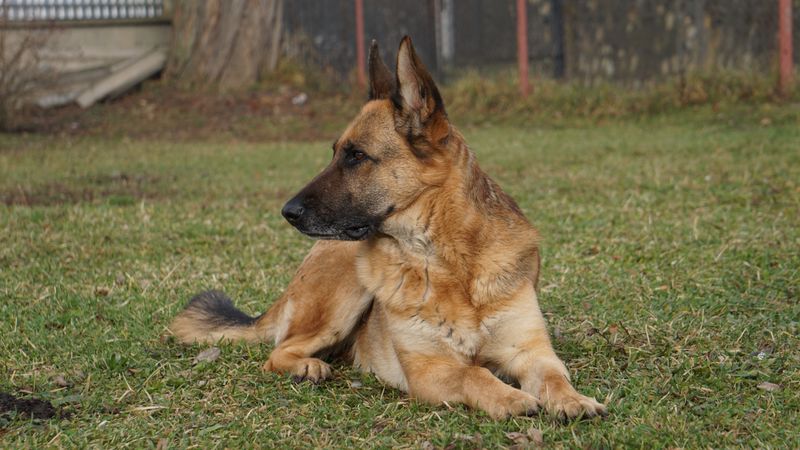
Guardian instincts run strong, so a German Shepherd may respond to clanks, footsteps, and gate clicks. Smart and serious, they study sound patterns and anticipate movement during daily life at home.
Train a place cue near family activity, rewarding calm scanning instead of patrolling too. Balanced exercise matters, with tracking games, obedience, and decompression walks in quiet areas.
Speak kindly and keep voice volume steady to prevent accidental alarm escalation when guests arrive or leave.
Whippet
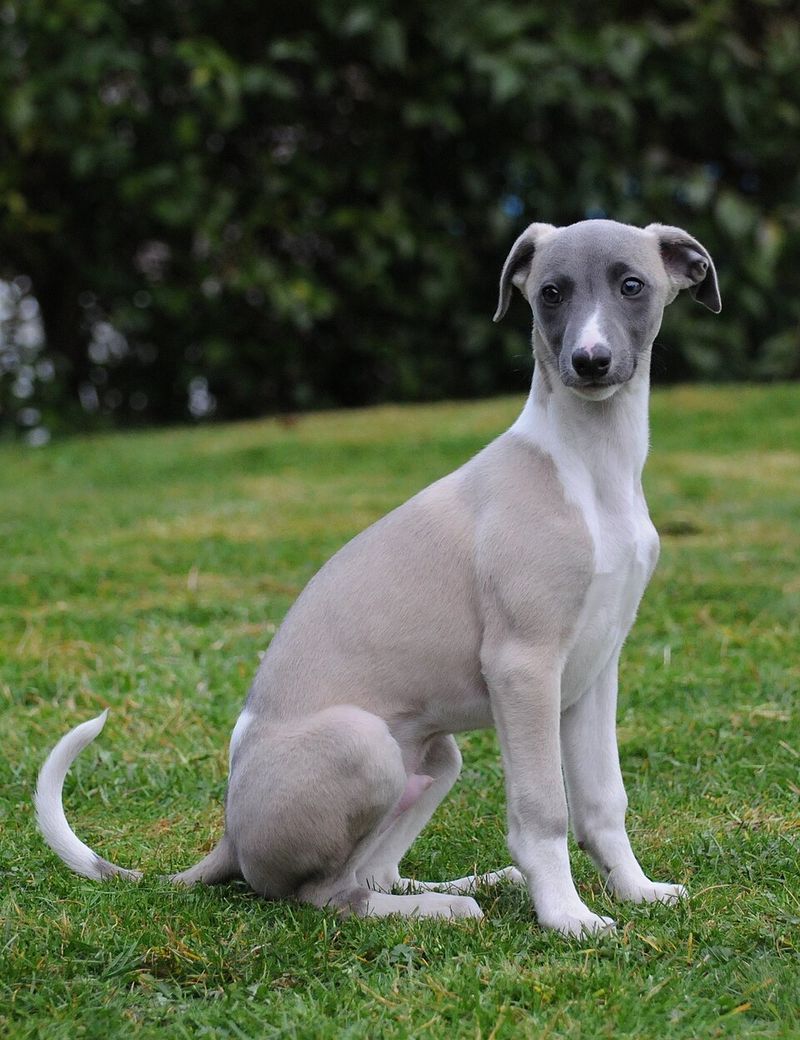
Quiet sprinter by day, the Whippet can startle at metallic dings and echoing hallways. Low body fat makes vibrations feel stronger on hard floors.
History tidbit, they warmed laps in drafty English cottages.
Add rugs and soft beds in busy paths, and teach a relax on cue. Play calming games like find it after a clang, then reward a stretch.
Gentle sprint sessions outdoors drain the fizz so small sounds fade before evening meals inside.
English Springer Spaniel
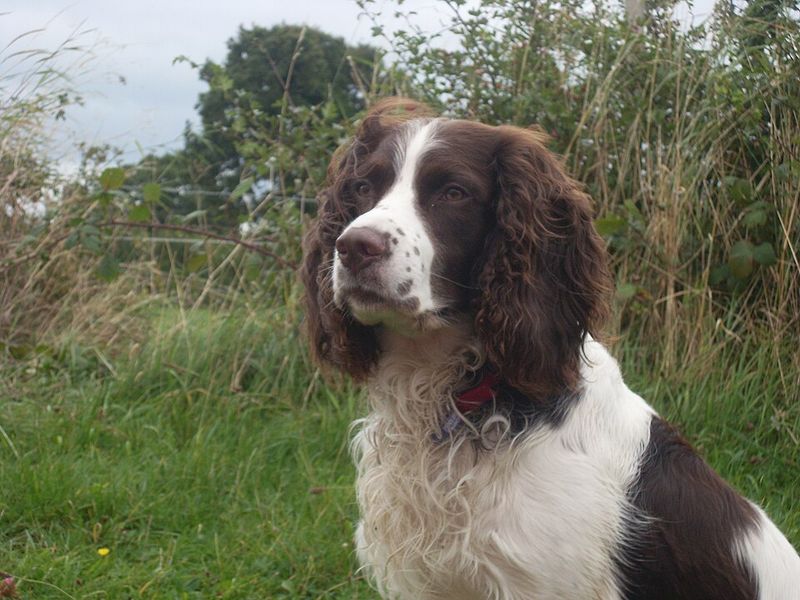
Built to notice movement in brush, the English Springer Spaniel also hears every cupboard snap. Excitement can bubble over into barking or prancing when chores get loud.
Many enjoy jobs that tax nose and brain.
Channel that spark with retrieve games that end on a mat as washers cycle. Teach ear rubs to signal calm, and pair gentle touch with mild sounds.
Sniff-heavy field walks settle the mind, then house noises feel ordinary most days.