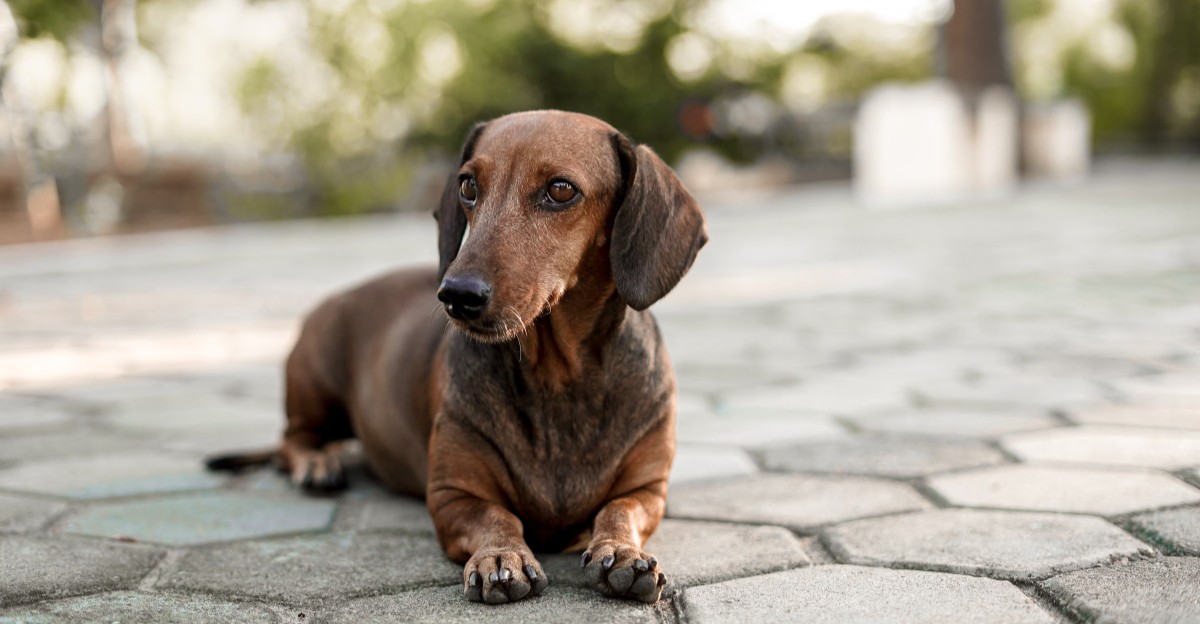
Little dogs often have tight, crowded teeth that trap food and plaque. That can lead to bad breath, gum disease, and expensive cleanings or extractions.
The good news is smart daily habits can keep trouble away. Meet the small-mouth breeds most likely to need extra care, plus two that deserve careful monitoring.
Yorkshire Terrier
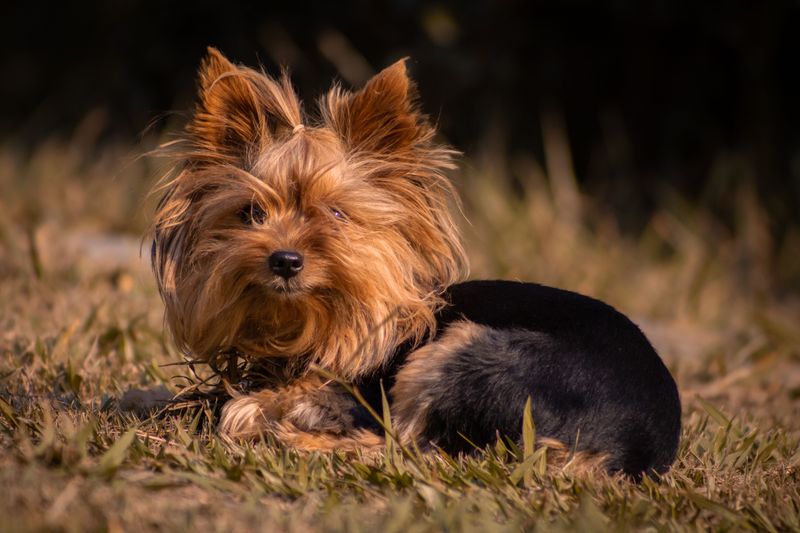
Silky hair, tiny jaws, and plenty of personality come in one pocket-size package. Yorkies often have baby teeth that do not fall out on time, which crowds adult teeth and traps plaque.
Use a soft finger brush daily and pick dental chews labeled for small breeds. Schedule early puppy dental checks to catch retained teeth.
Keep the mustache trimmed around the mouth so food does not cling. Professional cleanings every 12 to 18 months help protect their smiles.
Chihuahua
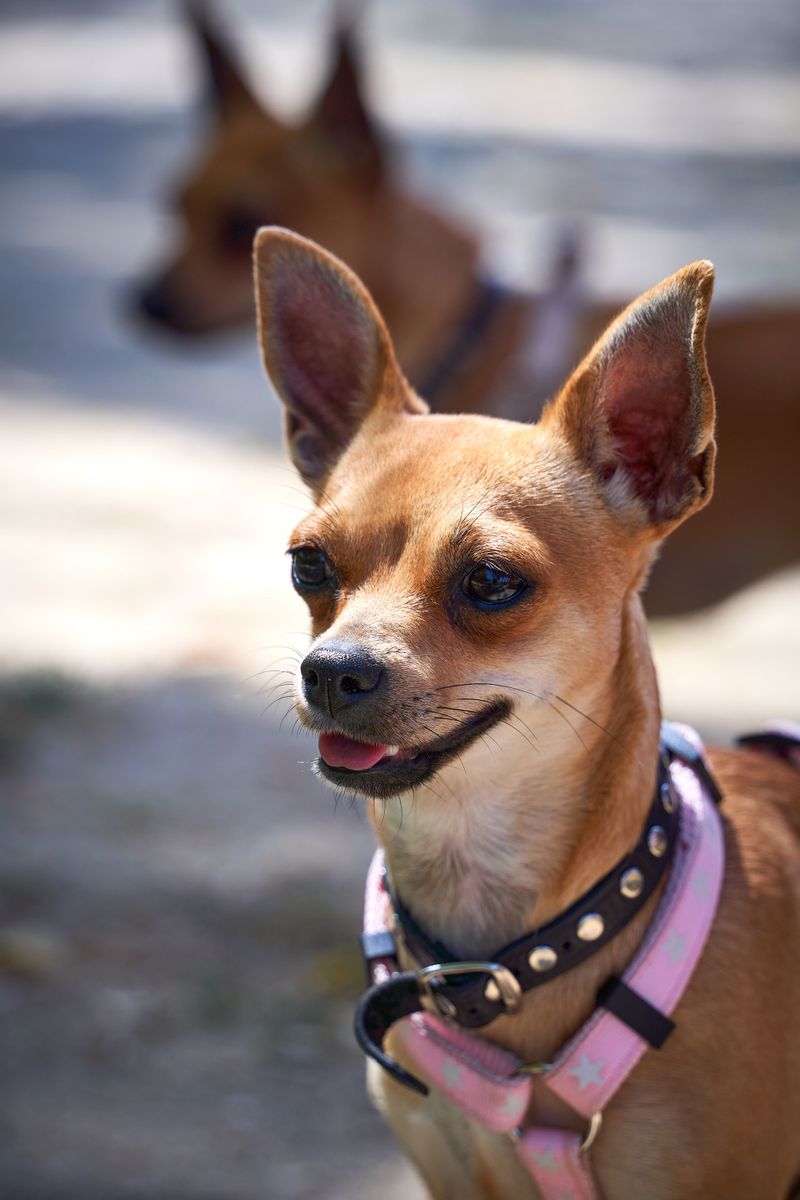
Feisty spirit, very small muzzle, and close-set teeth make plaque build up fast. Many Chihuahuas develop tartar early, which can lead to wobbly teeth and sore gums.
Brush at night when energy is low, using pea-size toothpaste. Choose crunchy kibble sized for toys, and avoid sticky treats that glue to molars.
Ask your vet about dental sealants and baseline dental x-rays by age two. Frequent mouth sniffs help you catch bad breath before problems grow.
Maltese
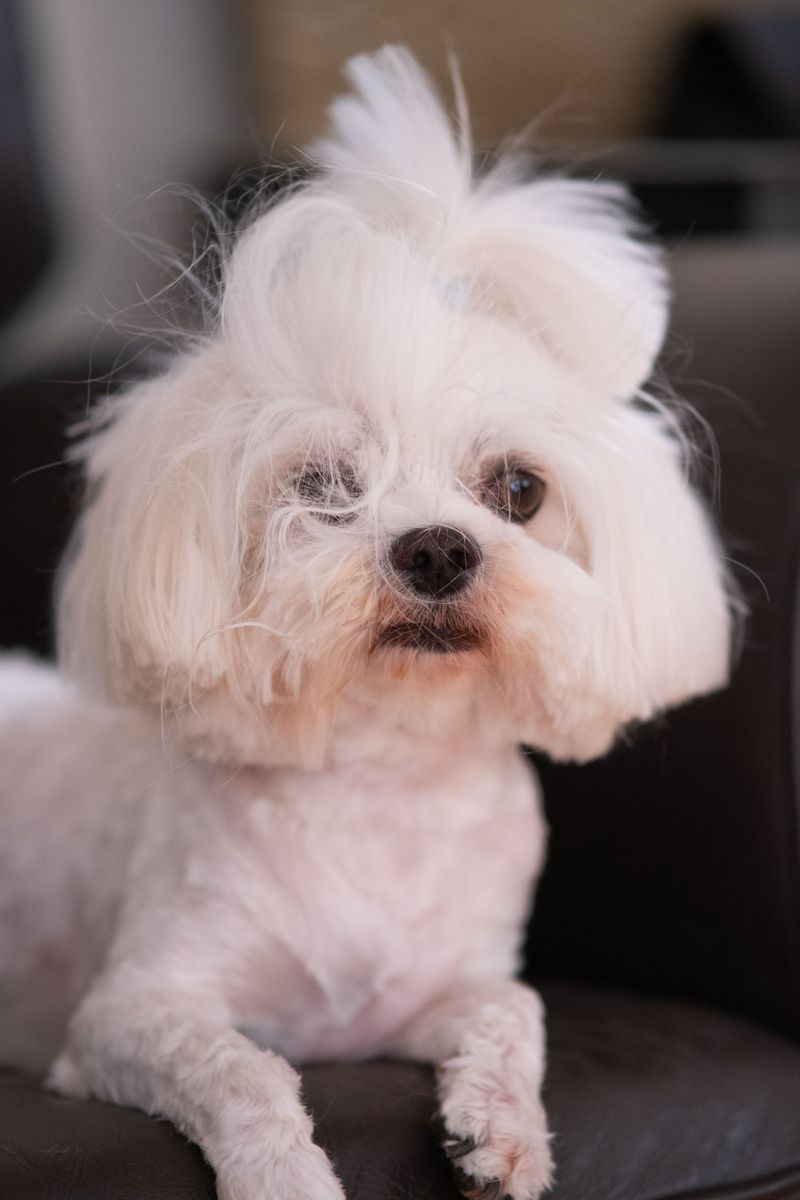
Cotton-soft coats look angelic, yet their tight bite can hide trouble. Maltese often struggle with plaque under the gumline and tear staining that hints at mouth bacteria.
Rinse bowls daily and add a vet-approved water additive for extra help. Keep lip hair short to reduce moisture and odor.
A weekly check under the upper lip can spot red lines or swelling. Plan routine cleanings and consider dental diets that gently scrub teeth without being too hard.
Toy Poodle
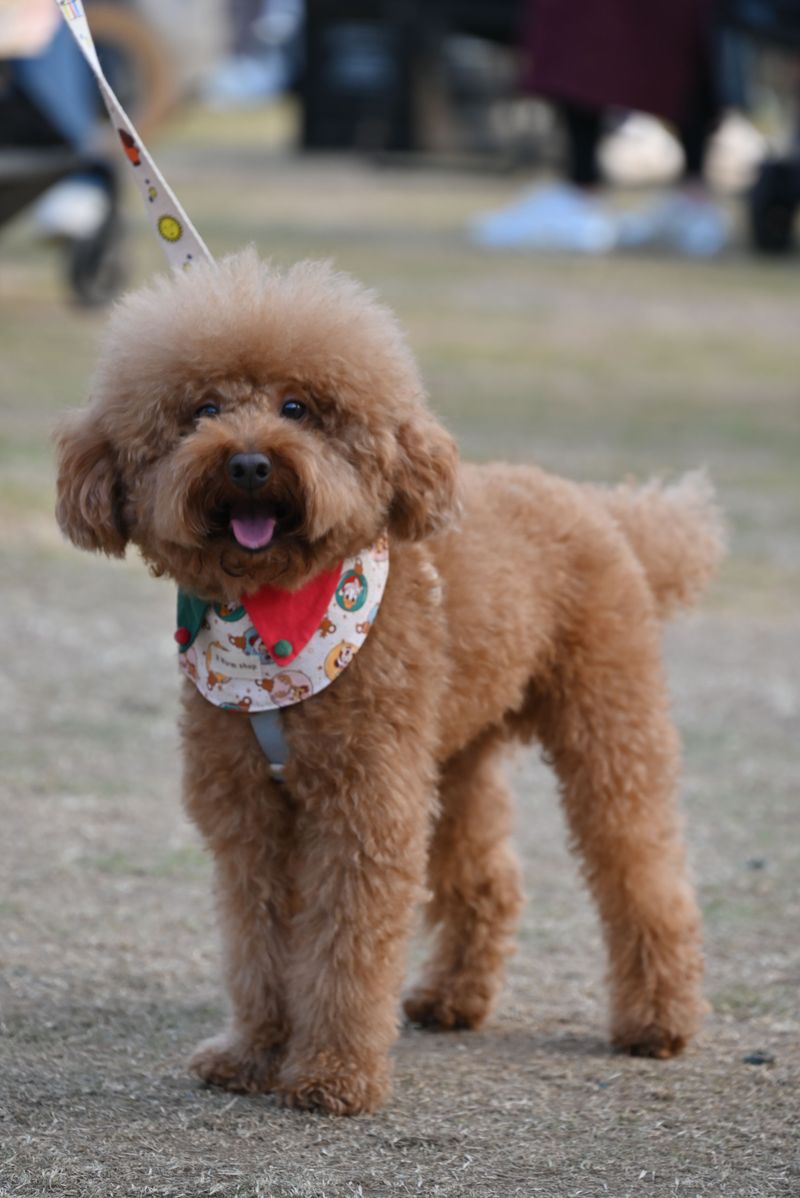
Bright eyes, curly coat, and a smart brain describe Toy Poodles. Their narrow snout can crowd incisors, and genetics may add risk for periodontal disease.
Start brushing during puppyhood with calm, short sessions and lots of praise. Rotate safe chews, like rubber toys that flex without cracking teeth.
Ask your vet about annual dental x-rays, since hidden roots can inflame. Keep training fun by rewarding after brushing, so your poodle looks forward to tooth time.
Pomeranian
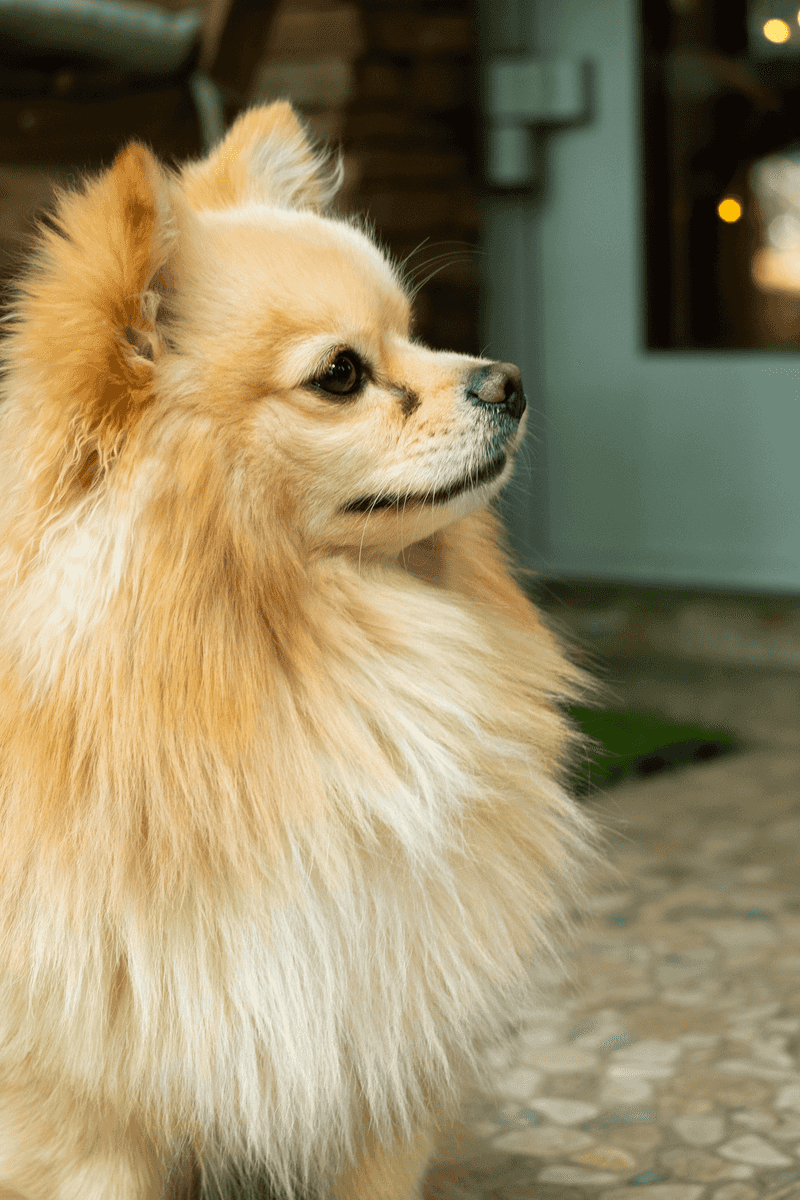
That foxlike grin is adorable, yet small jaws leave little room. Pomeranians can collect tartar quickly, especially behind the upper canines.
Pick chews that last at least five minutes and always supervise. Choose a harness over a collar to prevent neck pressure that can make dental exams harder later.
Schedule professional cleanings before heavy tartar appears, not after. A monthly photo of their teeth can help you track changes and catch problems early.
Miniature Pinscher
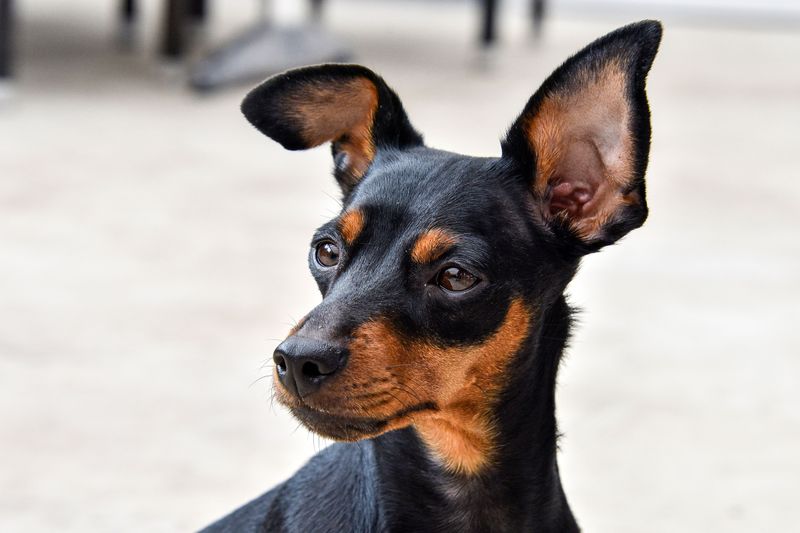
All attitude and shiny coat, the Min Pin brings big energy in a compact frame. Tight spacing and a deep bite can trap food near the gumline.
Make dental care part of the nightly wind-down. Use a finger brush for control, then offer a sip of water to rinse.
Avoid hard antlers that chip teeth. Twice-yearly vet checks are smart, since pain can hide behind a tough exterior.
Quick lip lifts spot redness before it spreads.
Papillon
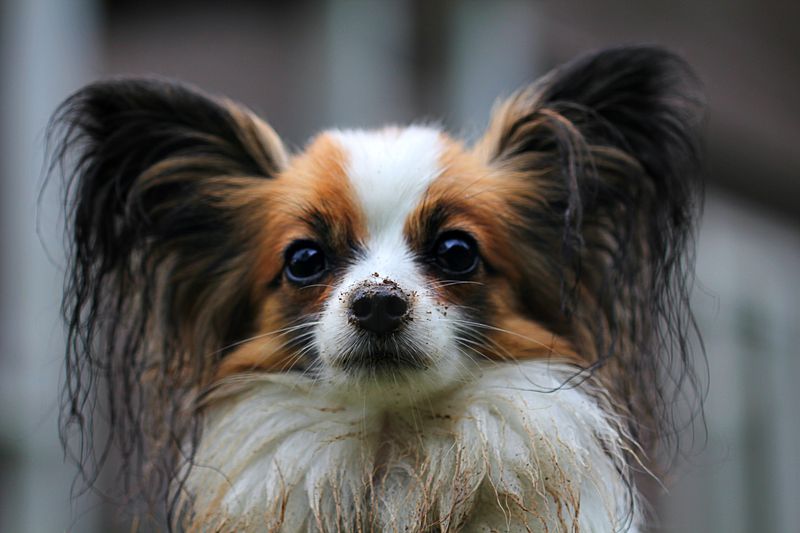
Butterfly ears get all the attention, but teeth deserve it too. Papillons often have delicate jaws and fine teeth that stain fast.
Brush three to four times a week and follow with a game or short walk as a reward. Opt for lightweight chews that scrub without straining small jaws.
Ask your vet about probiotic dental treats that support healthy mouth bacteria. Keep an eye on tiny front teeth, where tartar loves to start.
Dachshund
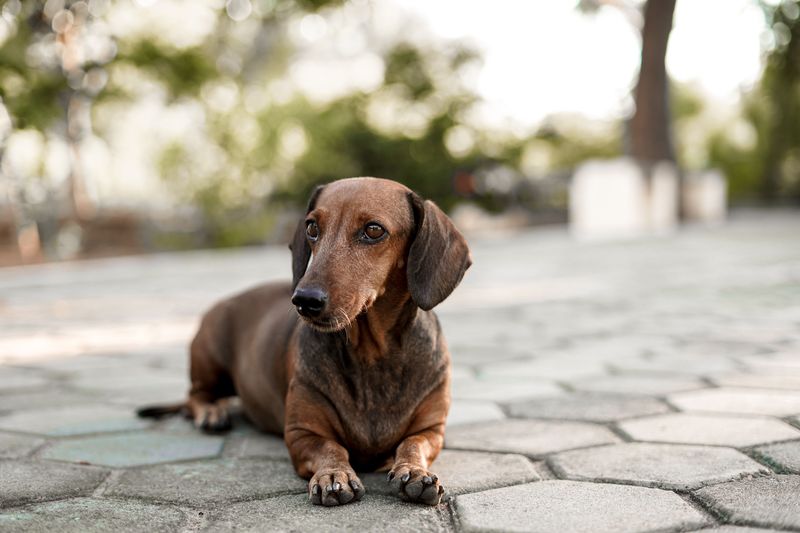
Long body, bold heart, and a tapered muzzle define the Dachshund. Crowding and stubborn plaque can lead to gum recession if ignored.
Use dental wipes on nights you skip brushing. Choose kibble that encourages chewing, not gulping, or use puzzle bowls to slow eating.
Professional cleanings every year or two, based on vet advice, protect roots. Notice any pawing at the mouth or dropping food, which can signal hidden tooth pain.
Shih Tzu
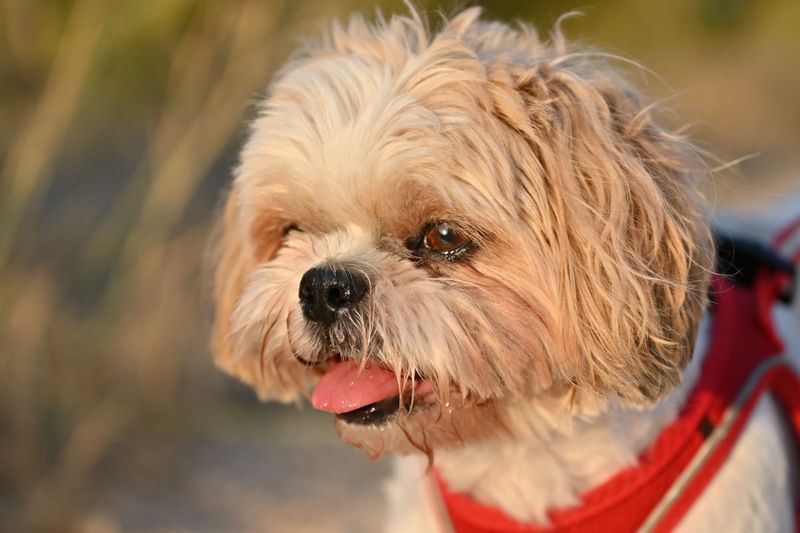
Big eyes and a short, square muzzle make chewing a chore. Shih Tzus are known for underbites that expose teeth to drying air and trapped debris.
Keep facial hair tidy so food does not linger. Brush gently at a flat angle to reach gum edges.
Consider water additives and regular dental sprays for backup. Ask your vet about early dental cleanings by age two.
Daily sniff tests catch sour smells that signal trouble brewing.
Pekingese
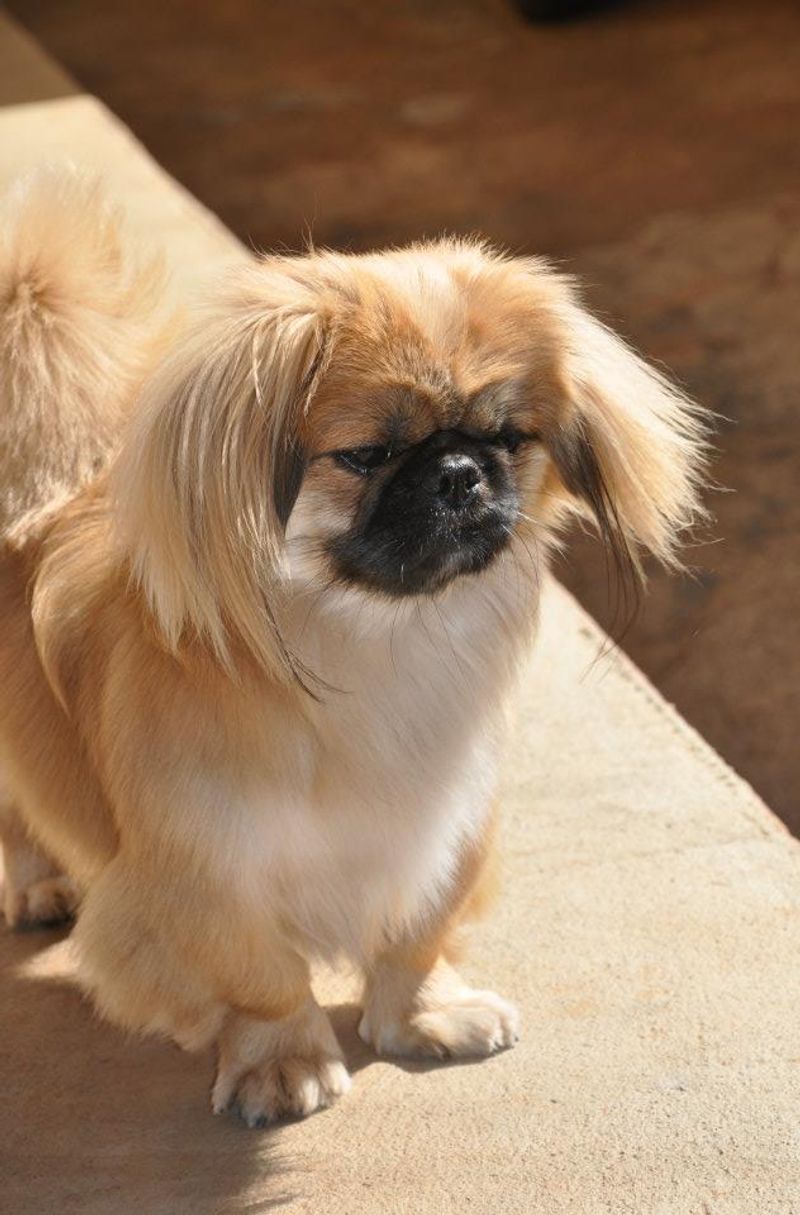
A royal look pairs with a very short muzzle. Pekingese teeth can overlap, and their broad tongue may not clean corners well.
Apply dental gel along the gumline when brushing is tough. Choose soft chews and avoid tennis balls that wear enamel.
Keep them cool after dental work, since flat faces heat up faster. Schedule vet dental checks before heavy snoring worsens, as airway issues and mouth problems often travel together in this breed.
Cavalier King Charles Spaniel
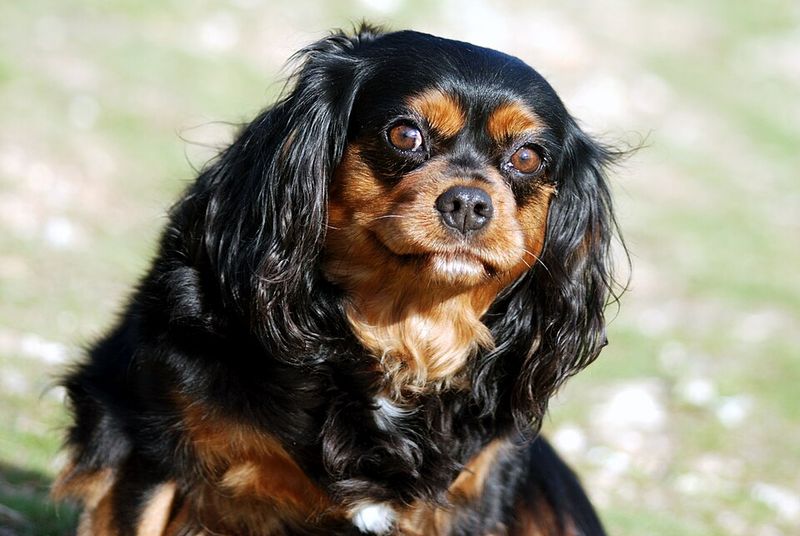
Sweet-natured and cuddly, Cavaliers can have tight spacing near the premolars. Plaque builds quietly and may inflame gums before you notice.
Brush slowly with a soft brush and flavored toothpaste. Schedule dental checks alongside heart screenings, since Cavaliers already visit the vet regularly.
Dental diets with fiber mesh can help scrub surfaces. Watch for drooling or head tilts during meals, which can hint at mouth pain needing attention.
Boston Terrier
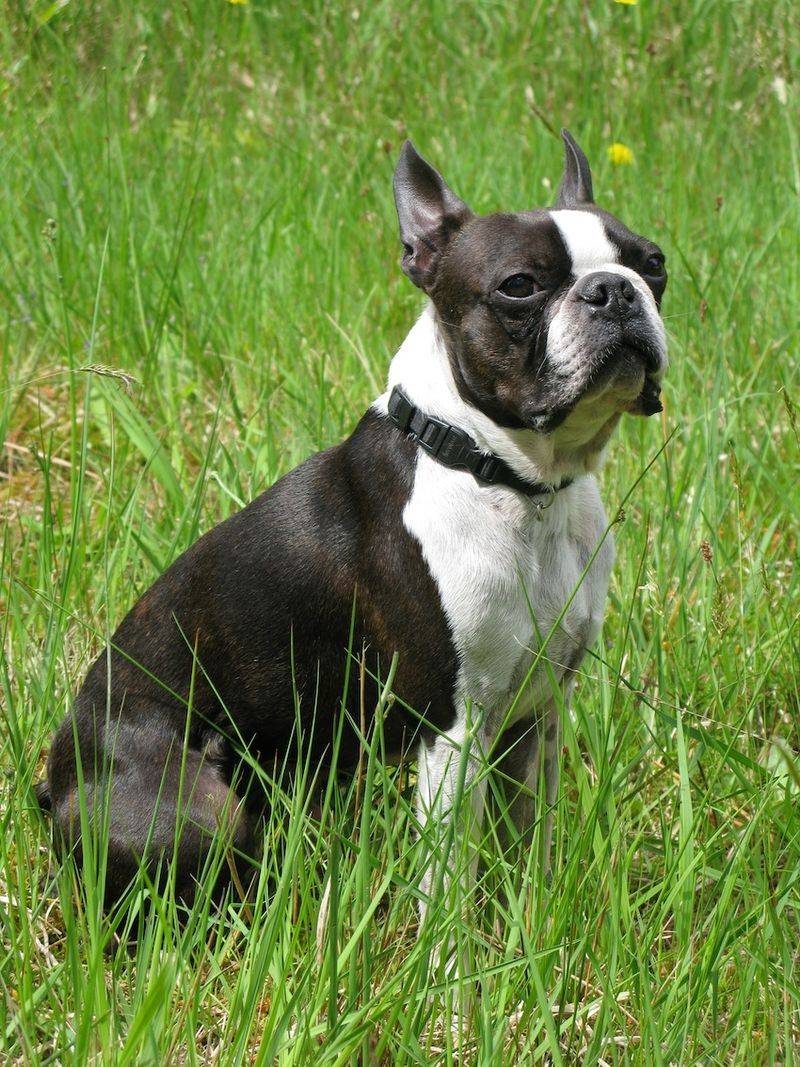
Square jaw, short muzzle, and a lively grin make the Boston Terrier unforgettable. Teeth can overlap, and plaque hides where lips press tight.
Offer rubber chews that flex, and limit hard objects that could crack teeth. Brush at least four times weekly, focusing on back molars.
Schedule routine cleanings with airway-friendly anesthesia planning. Watch for drool strings or face rubbing after meals, which can hint at sore gums needing a check.