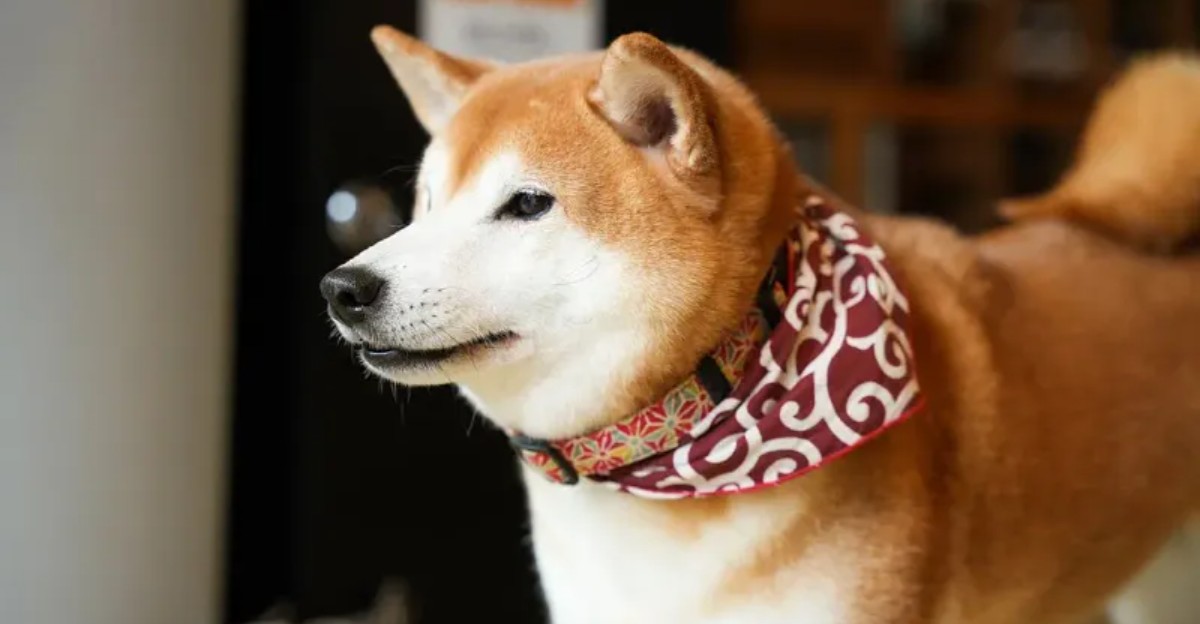
Many dogs seem gentle and sweet, but tiny animals can still trigger strong instincts. Small pets move fast, make squeaks, and can look like toys to certain breeds.
With smart planning and steady training, you can keep everyone safer. Learn why careful supervision still matters, even with the friendliest faces.
Beagle
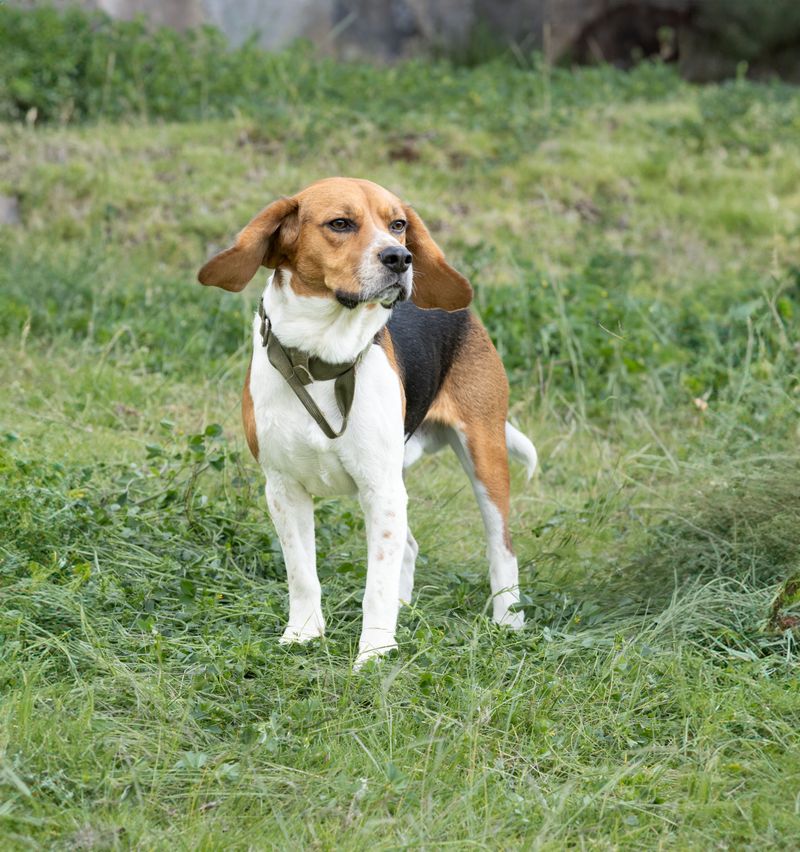
Nose to the ground, a Beagle can forget everything else, including the hamster cage. Bred for scent work, they fixate on trails and tiny movements.
That curious charm makes them lovable, yet it also means quick pokes of the paw or sudden barks around small pets.
Supervise play, use secure enclosures, and give puzzle toys before visits. Practice a strong leave-it cue and keep leashes on for first meetings.
Short sniff sessions, then calm breaks, build better habits.
Jack Russell Terrier
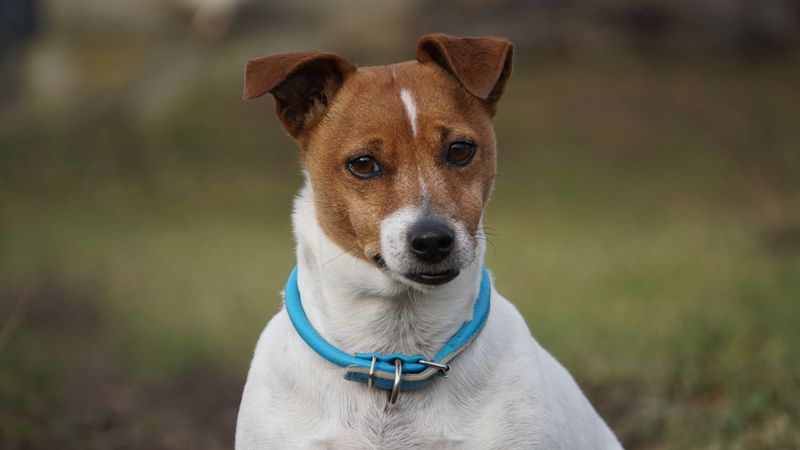
Like a tiny athlete with rocket legs, the Jack Russell loves a chase. Historic ratting roots fuel quick reflexes and tunnel vision when something squeaks.
Friendly at home, sure, but excitement can turn rough for mice, ferrets, or birds.
Plan structured meetups. Start with barriers, then leashed greetings, and reward calm glances away.
Tire out energy first using nose games or agility drills, and teach solid place and stay to lower arousal.
Whippet
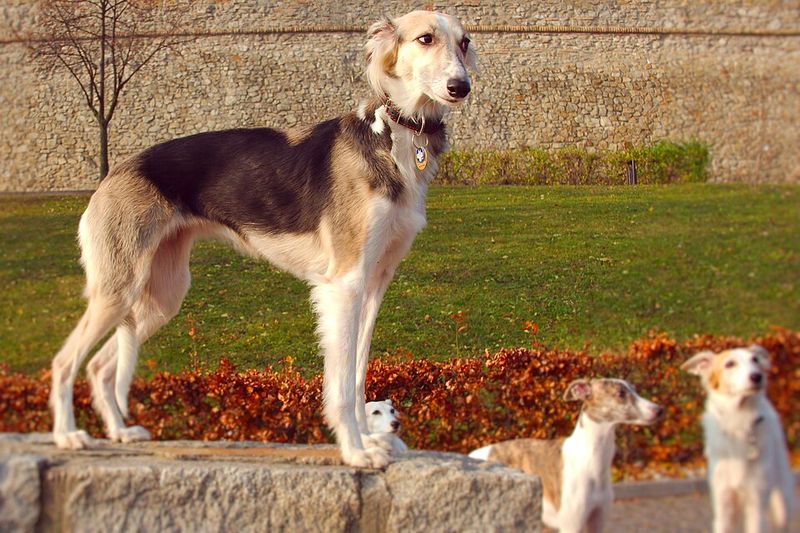
Soft eyes and a couch-loving vibe can fool you. Whippets hold serious sprint power and a keen sighthound gaze that locks onto fluttering tails.
A skittering gerbil or rabbit may trigger instant pursuit, even from a sweet family pet.
Use indoor long lines and tall, secure enclosures. Practice patterned games like look-at-that with treats to reshape focus.
Schedule sprint time in a fenced field so speed needs are met before any careful, short introductions.
Greyhound
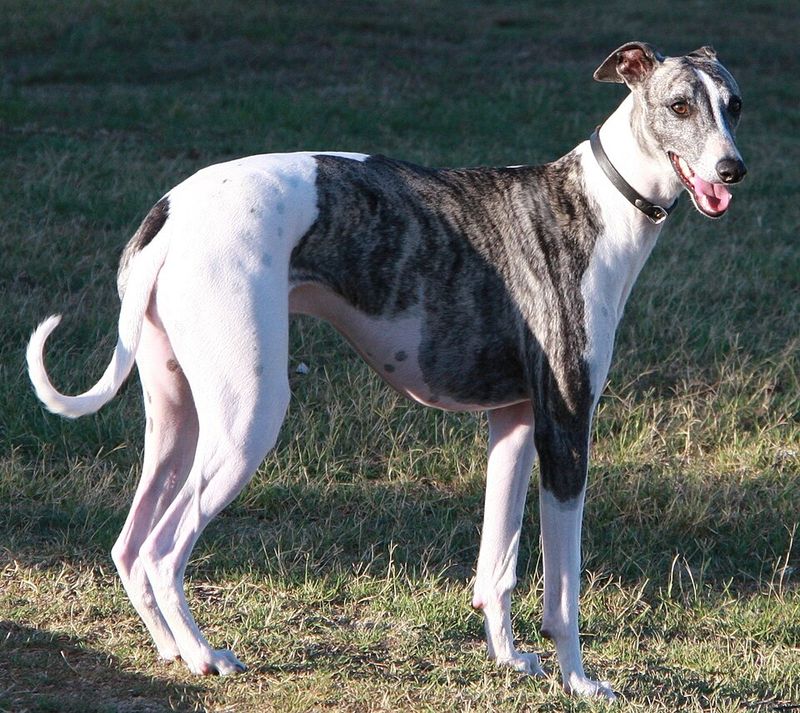
Retired racer or not, the Greyhound reads motion like a magnet. Calm on the rug, they can still switch into chase mode when a parakeet flutters or a guinea pig scurries.
Gentle manners do not erase prey drive.
Plan neutral spaces and double-check gates. Start with visual distance, reward relaxed ears, then progress to brief, leashed passes.
Provide daily sniff walks and chew sessions so curiosity goes somewhere safe before any tiny-pet time.
Dachshund
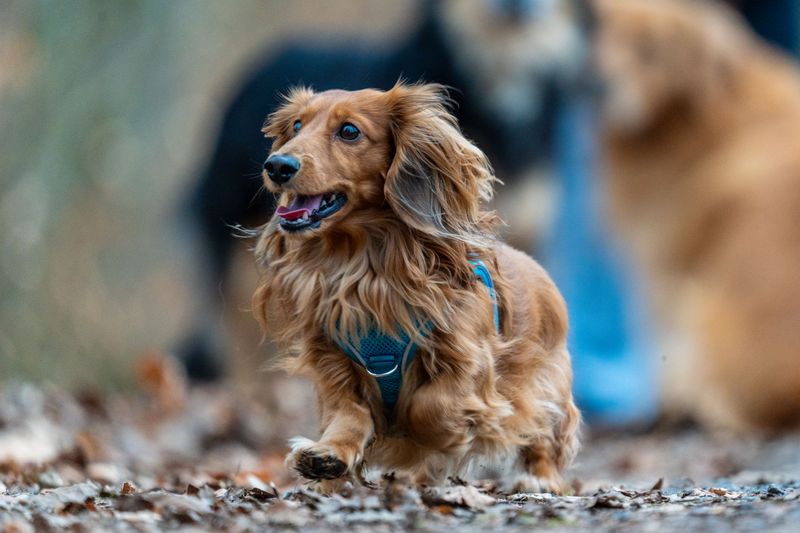
Built like a tunneling pro, the Dachshund thinks under furniture is fair game. That bold spirit once faced badgers, so a timid hamster will not impress them.
Sweet cuddles aside, quick snaps or digs can scare fragile pets.
Use covered habitats and sturdy playpens. Teach leave-it and trade to prevent fixating on tiny movements.
Rotate squeaky toys to satisfy hunting urges, and schedule sniffy walks before introductions, keeping first meetings short, leashed, and heavily rewarded.
Siberian Husky
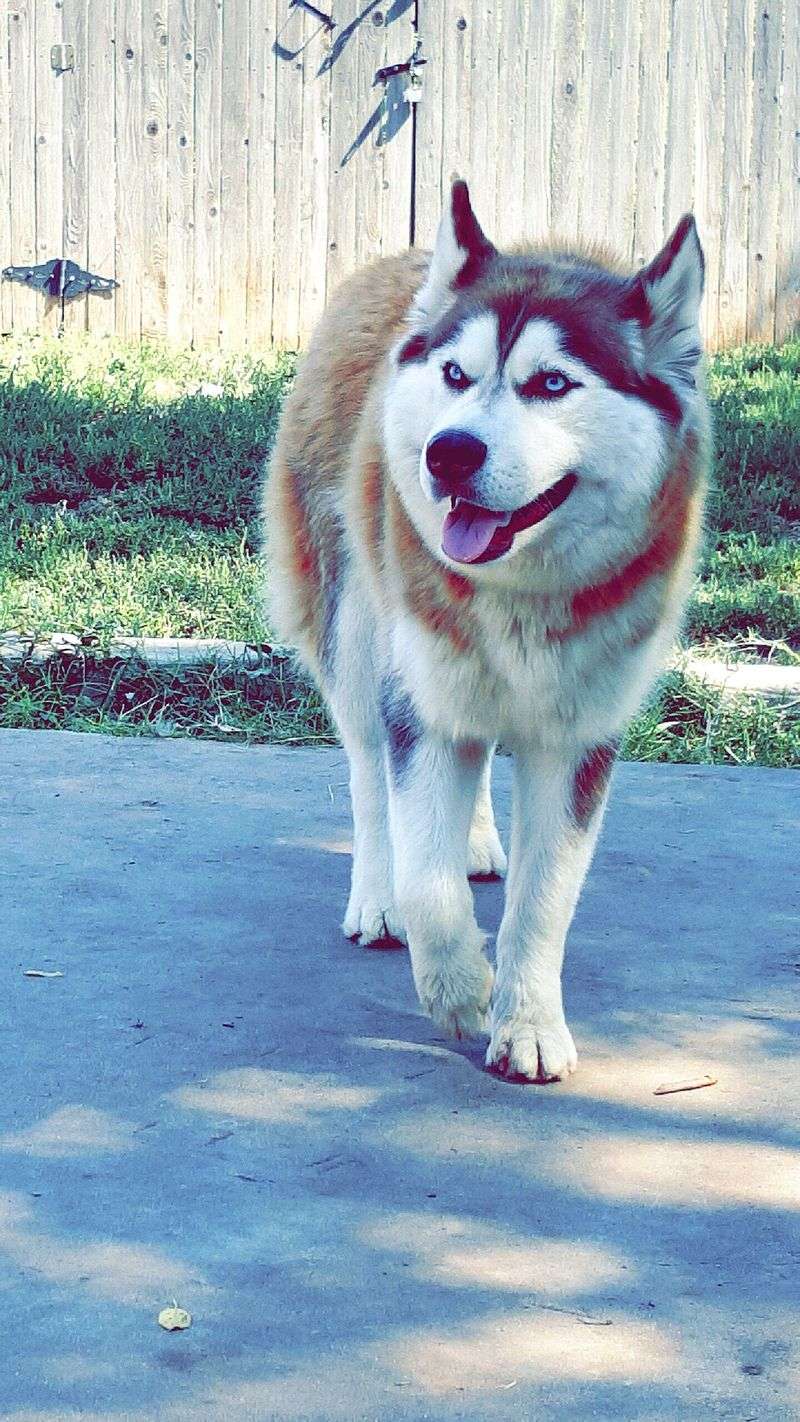
Those bright eyes hint at adventure. Huskies love to run, pull, and chase, which can spell trouble for rabbits or cats.
Even a friendly Husky may play too rough, especially when snow-day zoomies hit indoors.
Channel energy with sled-style games, flirt poles, and brainy puzzle feeders. Secure small pets in rooms with doors closed, and supervise every second of mixed-company time.
Cool-down mats and place training help shift from wild to relaxed before greetings.
English Cocker Spaniel
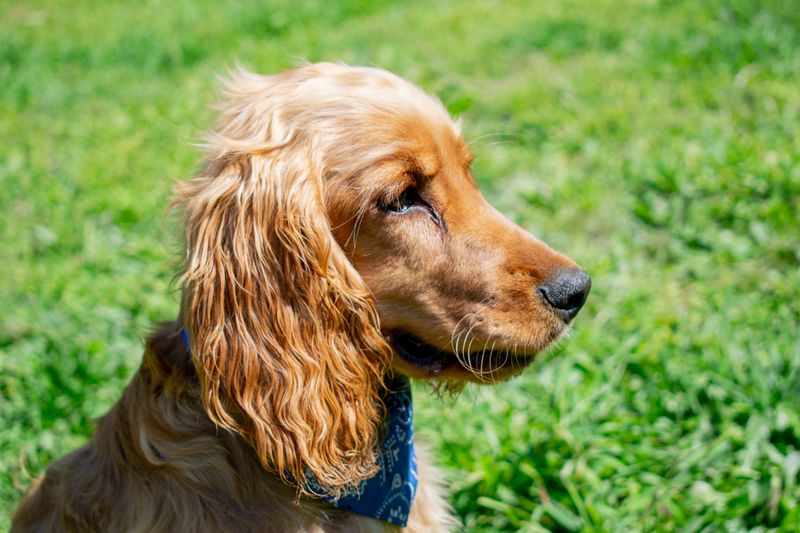
Silky ears and a sunshine smile can hide birdy instincts. English Cockers were bred to flush game, so fluttering feathers or jittery movements grab their attention fast.
Kind hearts aside, their joyful bounce may overwhelm little pets.
Set up barriers like exercise pens and high perches for birds. Train soft mouth games, hand targets, and a cheerful recall.
Before any meet, play fetch or scent games to lower pep, then keep introductions brief, leashed, and paired with steady treats.
German Shorthaired Pointer
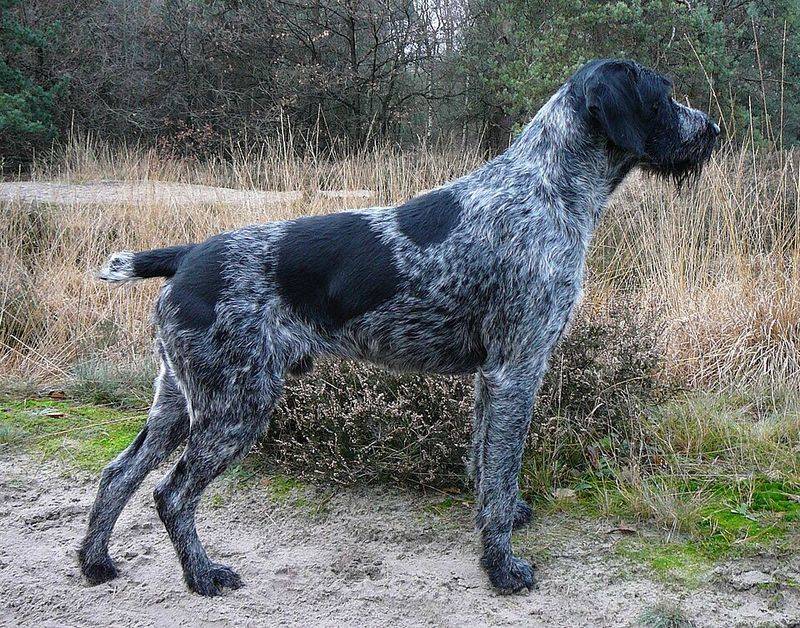
With a statuesque point, the GSP freezes at movement like a living arrow. That focus thrills hunters but can worry owners of parrots or hedgehogs.
Even friendly dogs may stalk or boop tiny pets when instincts kick in.
Rehearse impulse control with place, wait, and leave-it. Keep visual distance first, rewarding head turns away from the small pet.
Daily runs and nosework classes help satisfy drives, so short, controlled peeks later feel manageable and safe for everyone.
Staffordshire Bull Terrier
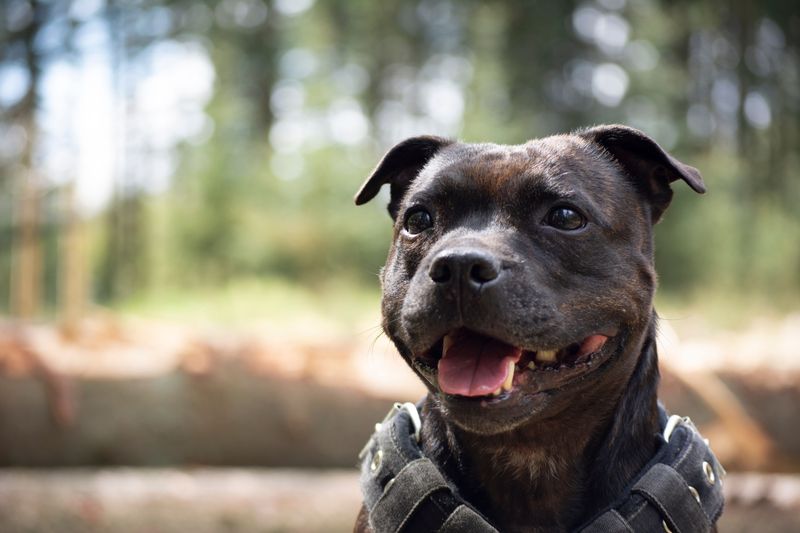
Big grin, bigger enthusiasm, the Staffy plays with gusto. That powerful body and quick arousal can accidentally bowl over small animals.
Many adore people, yet rough-and-tumble style is risky near delicate cages or free-roaming pets.
Build calm through structured tug with rules, settle mats, and slow breathing breaks. Use baby gates and leashes during any practice.
Reward gentle sniffing, and end sessions early while things are still peaceful so tomorrow’s meeting starts from a relaxed memory.
Weimaraner
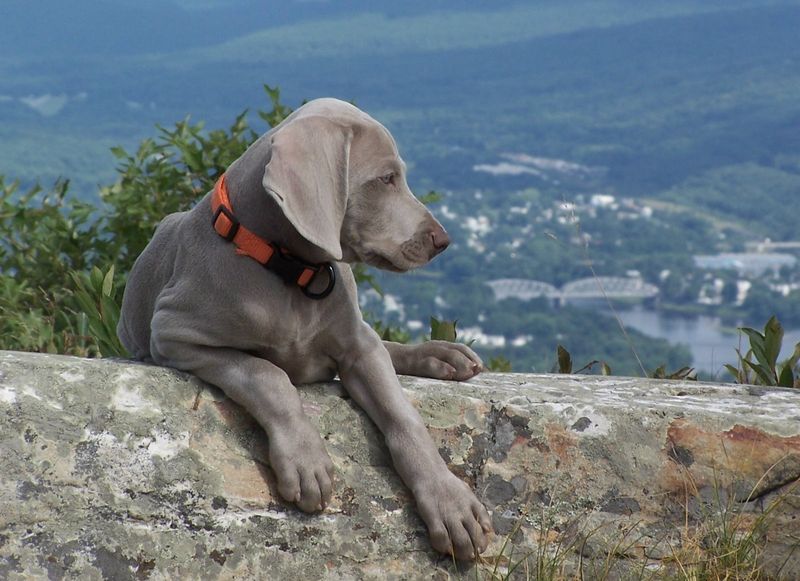
Silver-gray elegance meets turbo curiosity. Weimaraners shadow their people and notice every rustle, which can stress small pets.
History as a versatile hunter means they may stare, paw, or pace when tiny animals move.
Pre-walks and sniffing games reduce alertness. Set up covered habitats and practice settle cues beside you on a mat, paying for calm eyes.
For introductions, keep leashes short, angles diagonal, and sessions brief, always finishing with a quiet chew to anchor relaxation.
Rhodesian Ridgeback
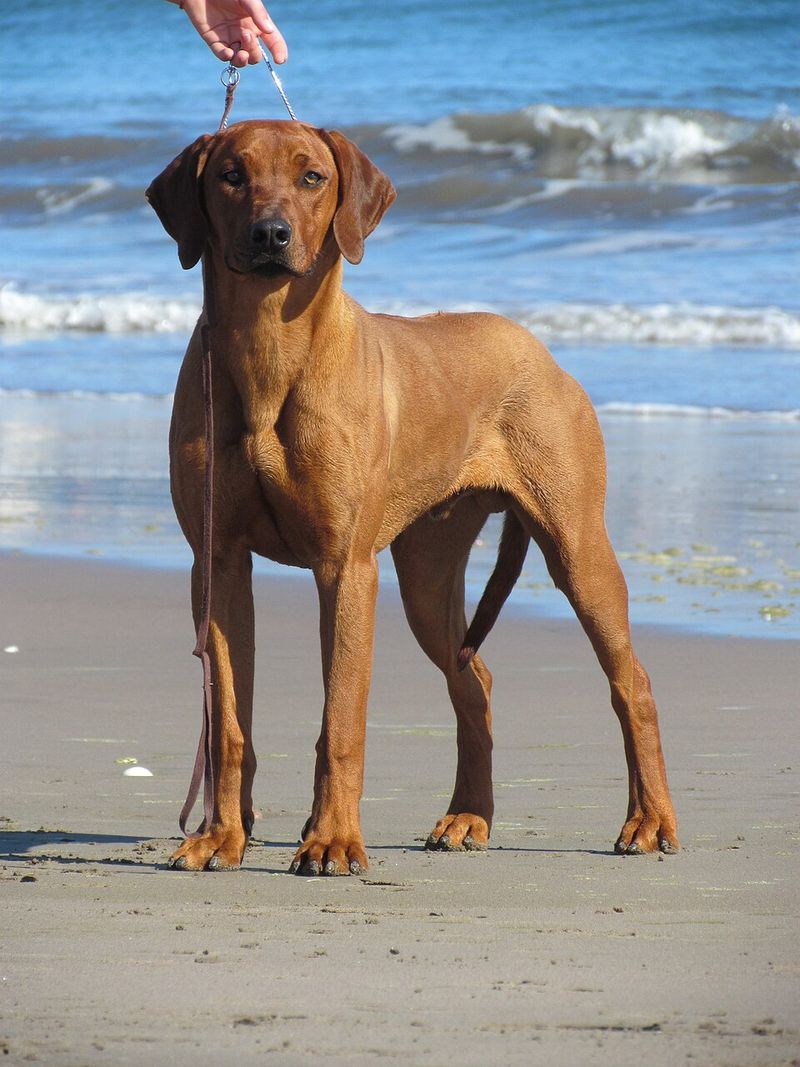
Built for endurance in tough landscapes, the Ridgeback notices motion from far away. Independent thinking and strong muscles can make small pets feel like intriguing puzzles.
Gentle moments happen, yet curiosity paired with strength can escalate quickly.
Create layered barriers, like doors plus pens. Teach middle, where the dog stands between your legs, to anchor focus.
Long hikes or canicross channels energy, then practice calm look-aways during very short, leashed views of the small pet from a safe distance.
Miniature Schnauzer
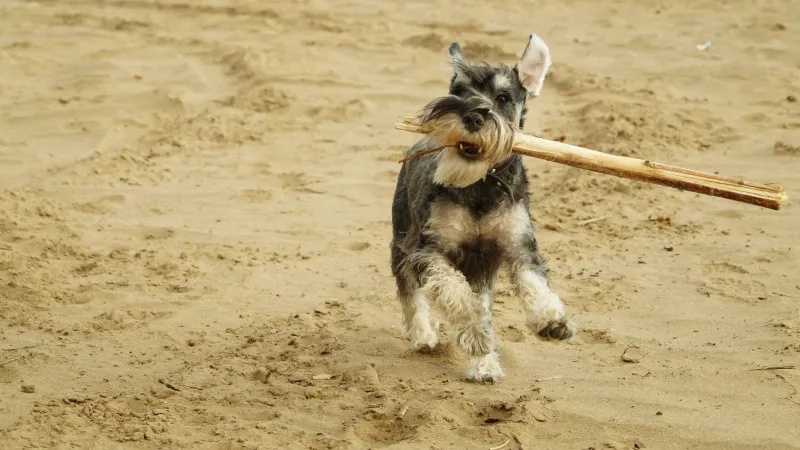
Those expressive eyebrows come with a watchdog spirit. Mini Schnauzers often alert at squeaks and scurries, which can spook small pets.
Beneath the beard is a bright student who benefits from clear rules around tiny friends.
Use quiet games, like scatter feeding and snuffle mats, to lower barking. Introduce a chin rest behavior for stillness near cages.
Keep greetings leashed and sideways, paying for soft eyes and loose bodies, then finish with a relaxing groom to reinforce calm.
Shiba Inu
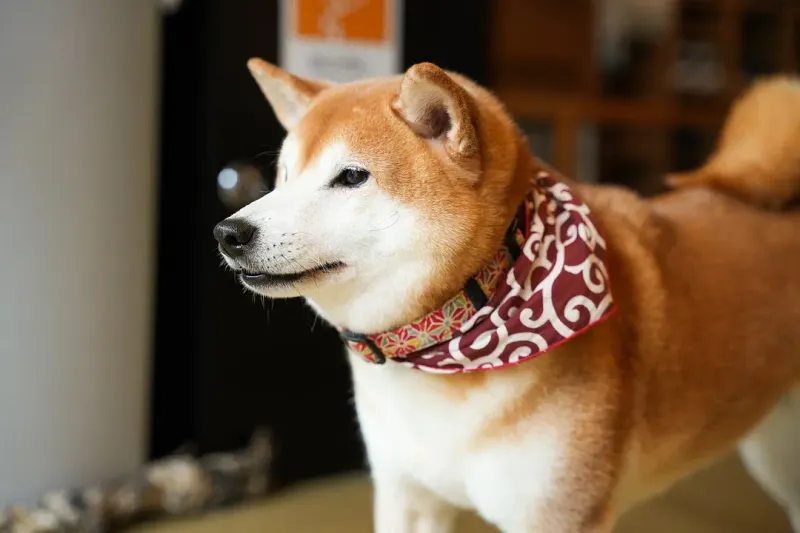
Fox-like looks come with a bold streak. Shibas value personal space and can get amped by quick, tiny movements.
That mix may lead to sudden chasing or snatching at small creatures if routines are loose.
Set clear structure with gates, leashes, and place time. Teach calm handling, trade games, and a reliable recall.
Daily enrichment like scent puzzles and flirt pole sessions burns energy, so careful, short, reward-filled peeks at small pets stay controlled.