
Puppies can look very different from the dogs they become. Some start with one coat color, then slowly shift as they grow up.
Knowing which breeds change helps you understand what to expect as your pup matures. It can also make choosing a puppy easier and more fun.
Bedlington Terrier
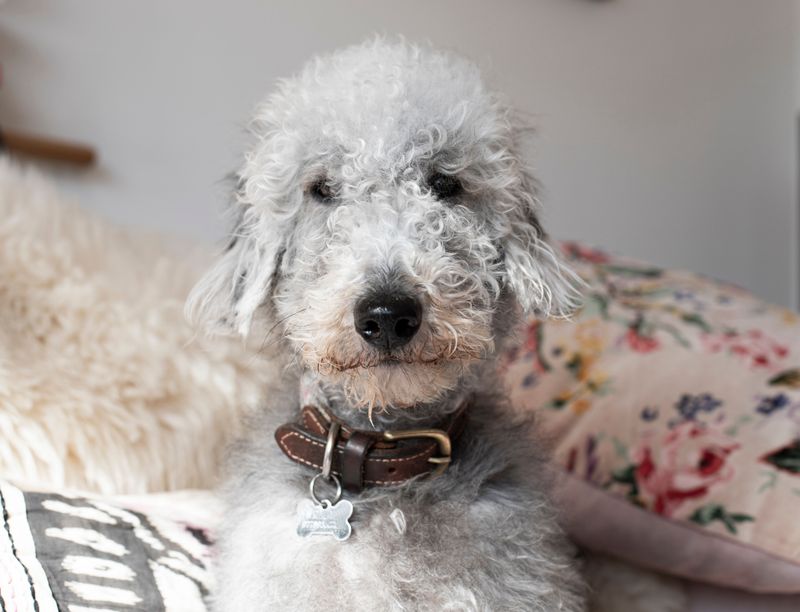
Like a tiny lamb in training, the Bedlington starts life much darker than expected. Puppies can look inky blue, liver, or sandy, then the coat clears and lightens with age.
By adulthood, that fluffy, crisp texture and pale hue steal the show.
Brush a few times weekly to prevent mats, since the mixed coat holds tangles. Expect regular trims.
Color change often completes by two years, so be patient and enjoy the soft transformation.
Kerry Blue Terrier
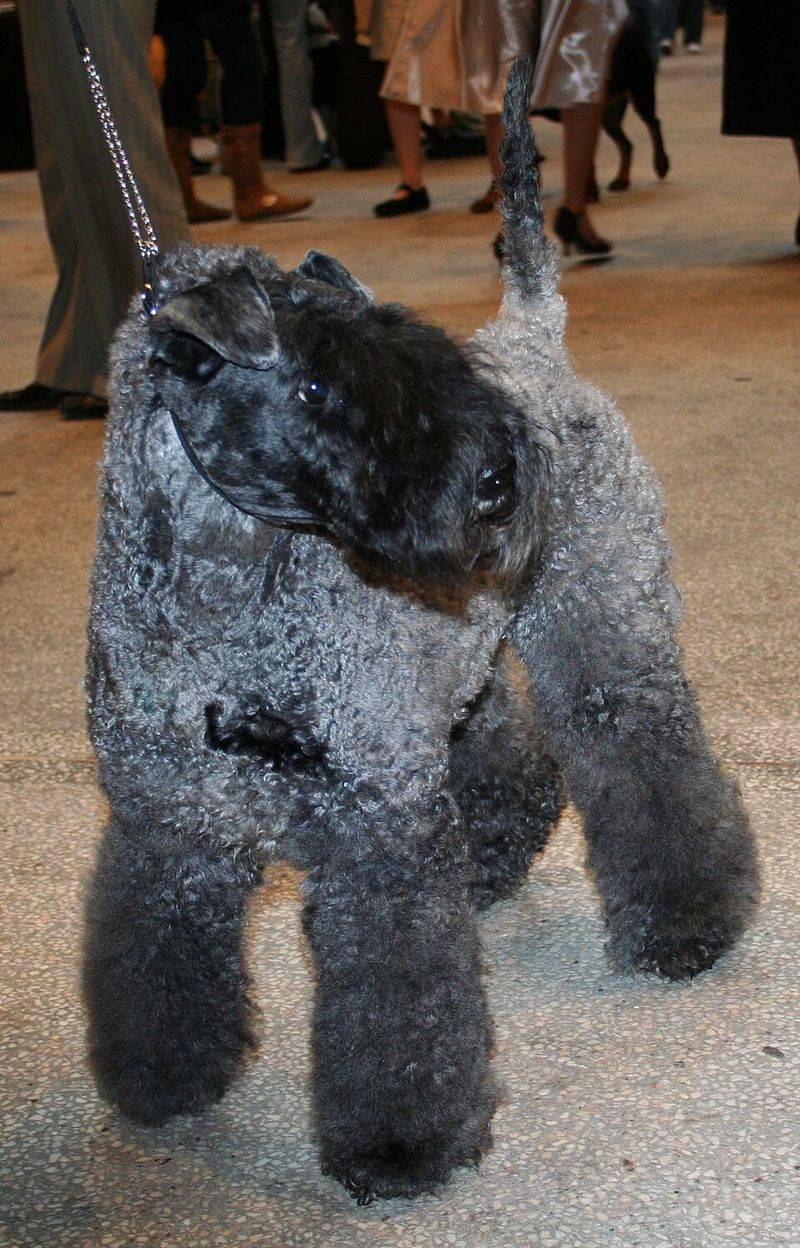
Born midnight black, the Kerry Blue slowly develops that famous blue-gray coat. It does not happen overnight.
Many dogs shift shade between 9 months and 2 years, settling into smoky steel or lighter slate tones.
Weekly brushing keeps the soft, wavy coat neat and reduces fluff. Keep photos from puppyhood to track the change, because it can feel sudden around the first big trim.
Hand stripping or clippering affects texture, but the color journey marches on.
Yorkshire Terrier
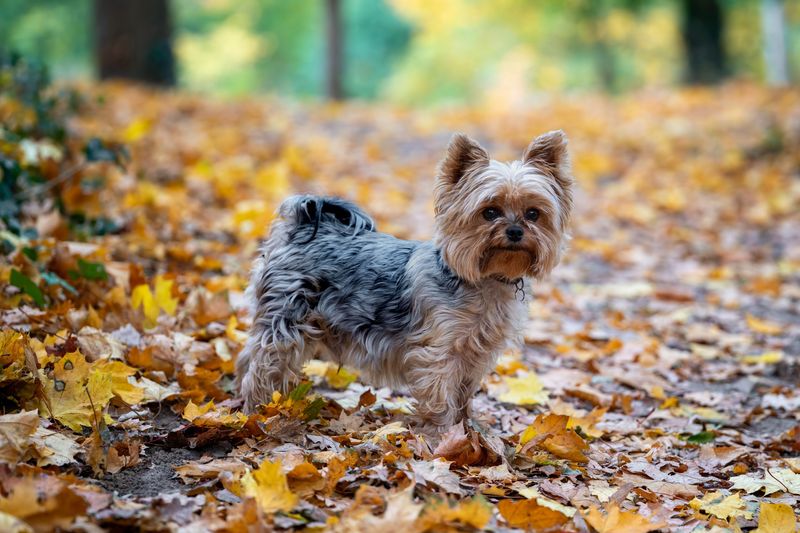
Those inky black-and-tan Yorkie puppies often surprise new owners. Over time, a graying gene shifts black areas to steel blue, leaving a dramatic blue-and-tan adult.
The silky coat reflects light, making the change look extra shiny.
Gentle daily brushing prevents tangles, especially if you keep it long. Nutrition, health, and sunlight can influence shade intensity.
Expect most color change by 18 months. If you adore the puppy look, snap pictures early, because that glossy blue creeps in.
Poodle
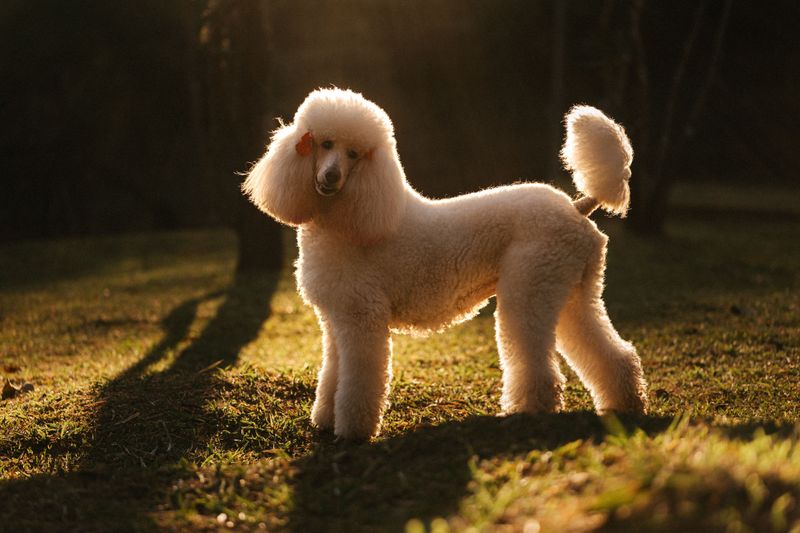
Poodles come in many colors, yet some shades fade or clear as they mature. A blue Poodle, for example, starts life black, then gradually softens to a smoky blue by two to three years.
Apricot may come from a deeper red that lightens.
Curly coats need routine brushing and regular grooming to avoid mats. Sun and age can influence hue.
Keep a calendar of grooming dates to compare photos and enjoy the elegant color evolution.
Dalmatian
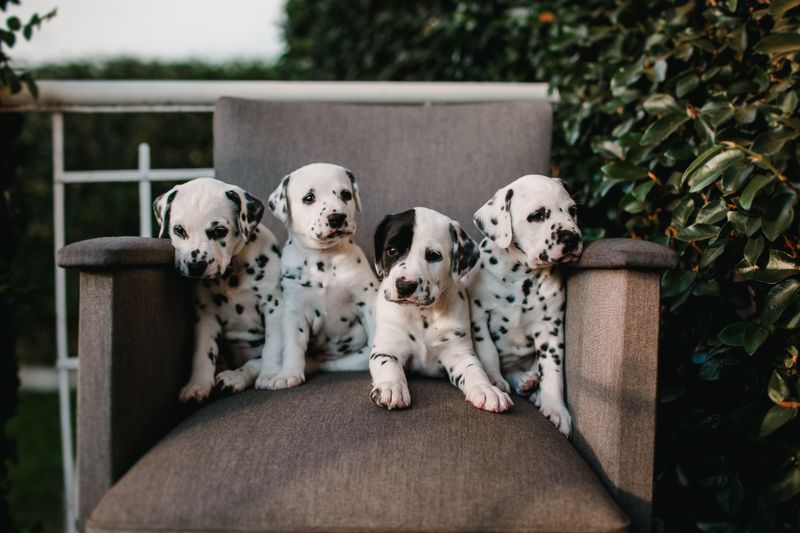
Spots do not start on day one. Dalmatian puppies are born solid white, and those famous dots show up within the first weeks.
The pattern keeps filling in as they grow, creating a unique map across the coat.
Socialize early and use soft grooming tools, since skin can be sensitive. Keep an eye on sun exposure with light coats.
Families love watching new freckles appear. Each spot is like a surprise postcard from puppyhood.
Old English Sheepdog
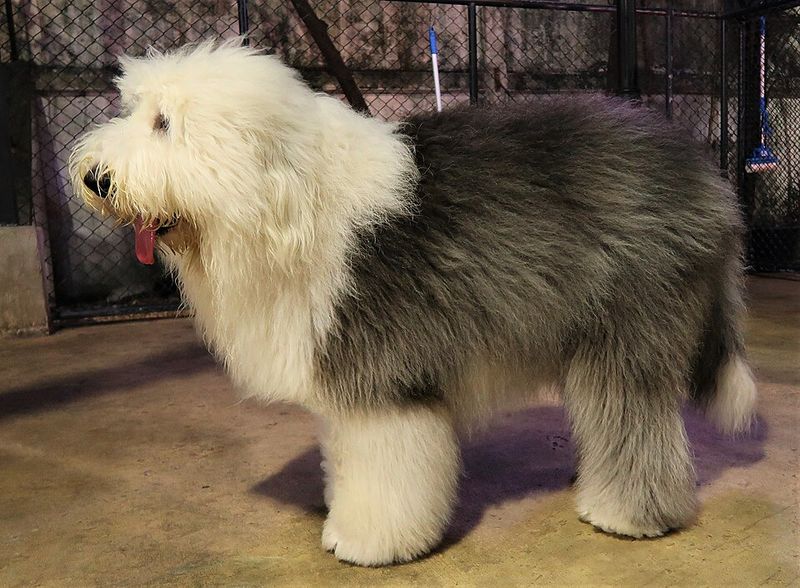
Chunky black-and-white puppies often fade into that classic gray-and-white look. The change shows gradually, especially around the saddle and head.
By adulthood, the coat feels cloudlike, and the color softens like fog over a field.
Daily brushing helps control mats, since the double coat can tangle fast. Plan regular grooming sessions and use detangling spray.
Color shift usually settles by two years. Keep fun before-and-after photos, because the transformation is extra dramatic in this breed.
Bearded Collie
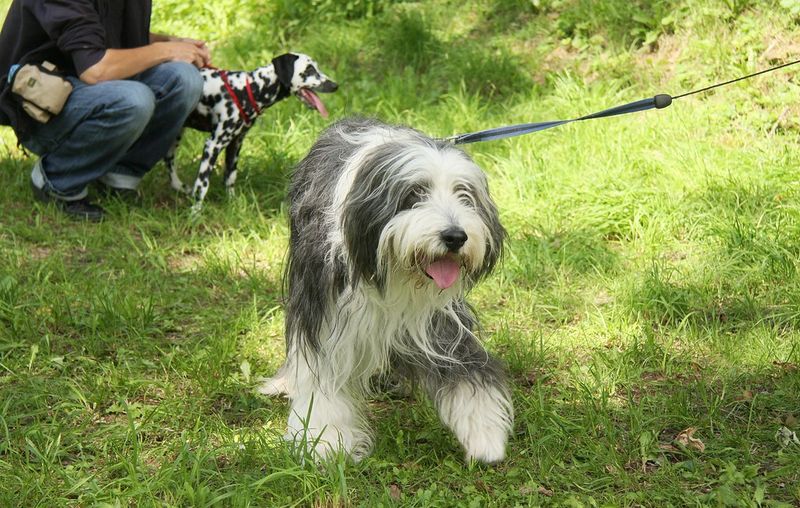
Beardies love a good plot twist. Many start dark, then lighten quite a bit during the first year, only to gain depth again later.
Fans call it fading and shading up. The result is a coat that tells a story across seasons.
Frequent brushing keeps the long hair from matting, especially behind ears and elbows. Take notes on shade changes because they can be subtle.
Patience pays off with a lively, weatherproof companion.
Soft Coated Wheaten Terrier
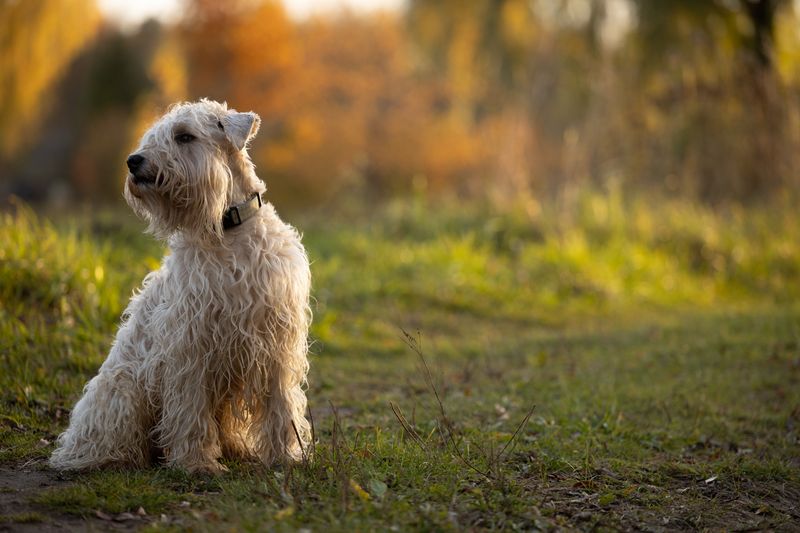
Puppies often arrive in deeper shades with a cute black mask. Over months, the coat turns the warm wheaten color people love.
The texture becomes softer and fuller, giving that playful bounce with every step.
Brush a few times weekly to keep the silky waves tidy. Avoid heavy conditioners that weigh hair down.
Color change usually completes in the second year. Expect friends to ask if it is the same dog, and smile at the glow-up.
English Cocker Spaniel
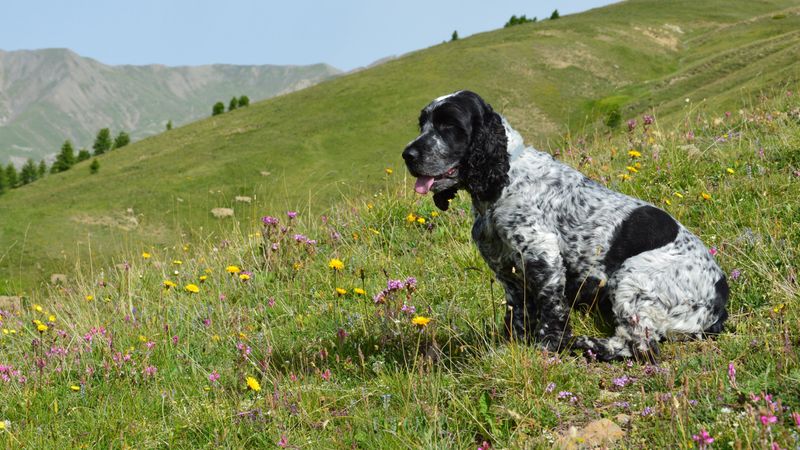
Roan Cockers write their color in tiny dots. A blue roan puppy may look mostly white with dark patches, then ticking spreads and blends the coat as they grow.
The final pattern looks painterly and rich.
Use a slicker brush and comb weekly to manage feathering. Keep ears clean to prevent moisture build-up.
As ticking fills in, you will see personality in the pattern. Each season adds a little more texture to the canvas.
Pomeranian
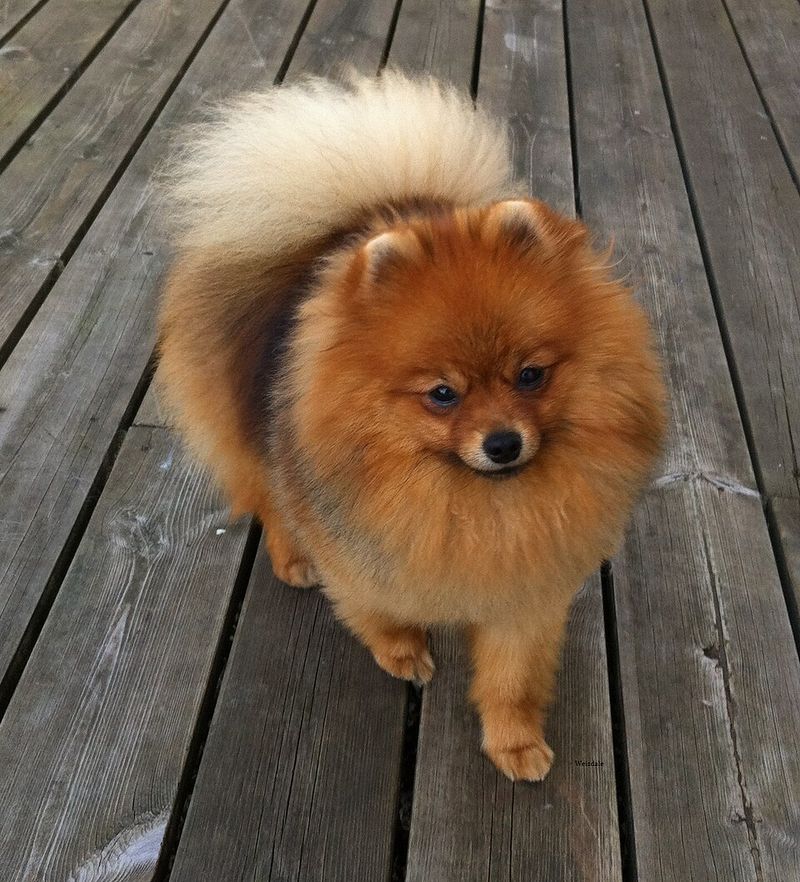
Tiny but dramatic, the Pomeranian often passes through the puppy uglies, losing fluff and changing shade. Sable pups may lighten, and some deepen around the guard hairs.
The makeover can be startling and adorable at once.
Use a pin brush and go gently to protect the undercoat. Expect more coat by 10 to 12 months.
Diet and stress affect coat quality, so keep routines steady. Celebrate the comeback when the glorious plume returns.
German Shepherd
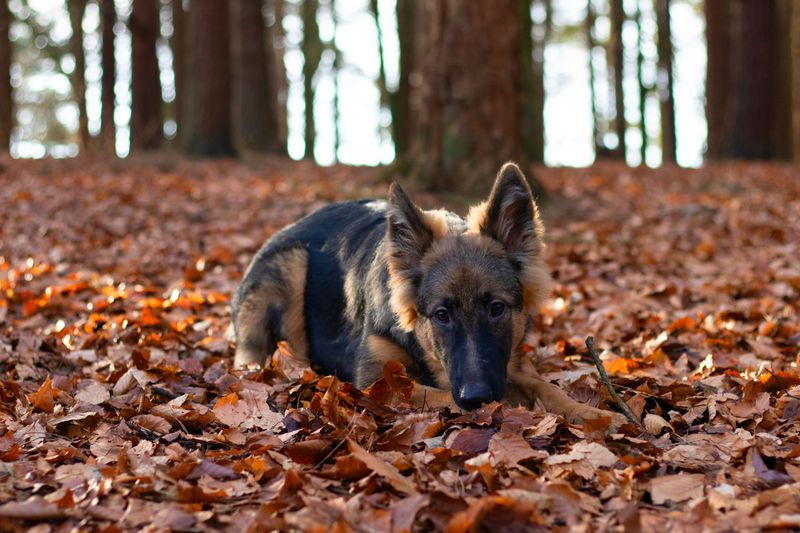
Shepherd pups often start darker, then their saddle and tan points sharpen with age. Sable coats shift the most, with hairs banded in different tones that change as the dog matures.
Watching the pattern settle is part of the fun.
Weekly brushing manages shedding and reveals color layers. Good nutrition supports a healthy coat.
Expect the final look around 18 to 24 months. If you love photos, track the saddle growing like a shadow at sunset.
Shih Tzu
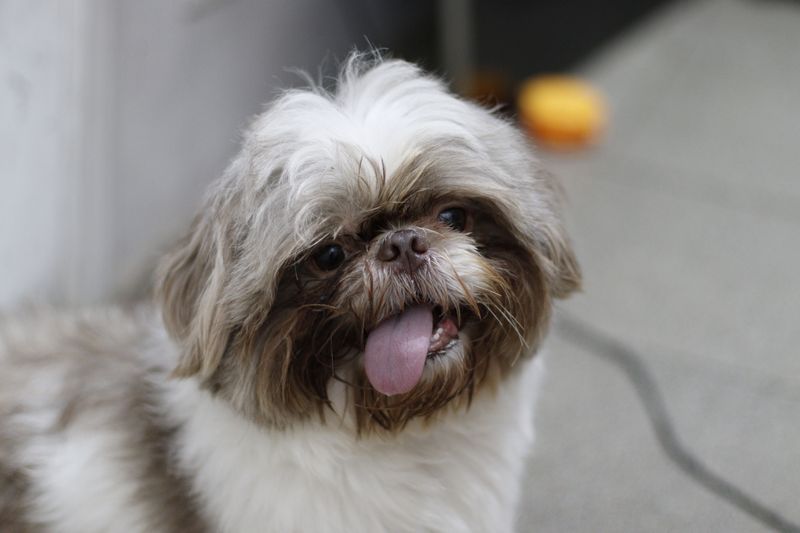
Color magic often visits the Shih Tzu. Many puppies lighten during the first year, and some dark areas fade to softer gold or cream.
It is common, thanks to genes that soften pigment as hair grows out.
Regular combing prevents tangles in the long coat. If you prefer a tidy look, choose a puppy cut and still expect shade changes.
Keep a grooming journal with dates and photos. You will notice the shift between haircuts.