
Some dogs see a snowy morning and can’t wait to run outside and play. Thick coats, tough paws, and strong bodies help certain breeds handle freezing weather better than others.
Still, even the hardiest pup has limits when wind chill, ice, and deep cold get serious. Knowing which breeds love winter, and when to bring them inside, keeps every snowy outing safe and fun.
Siberian Husky
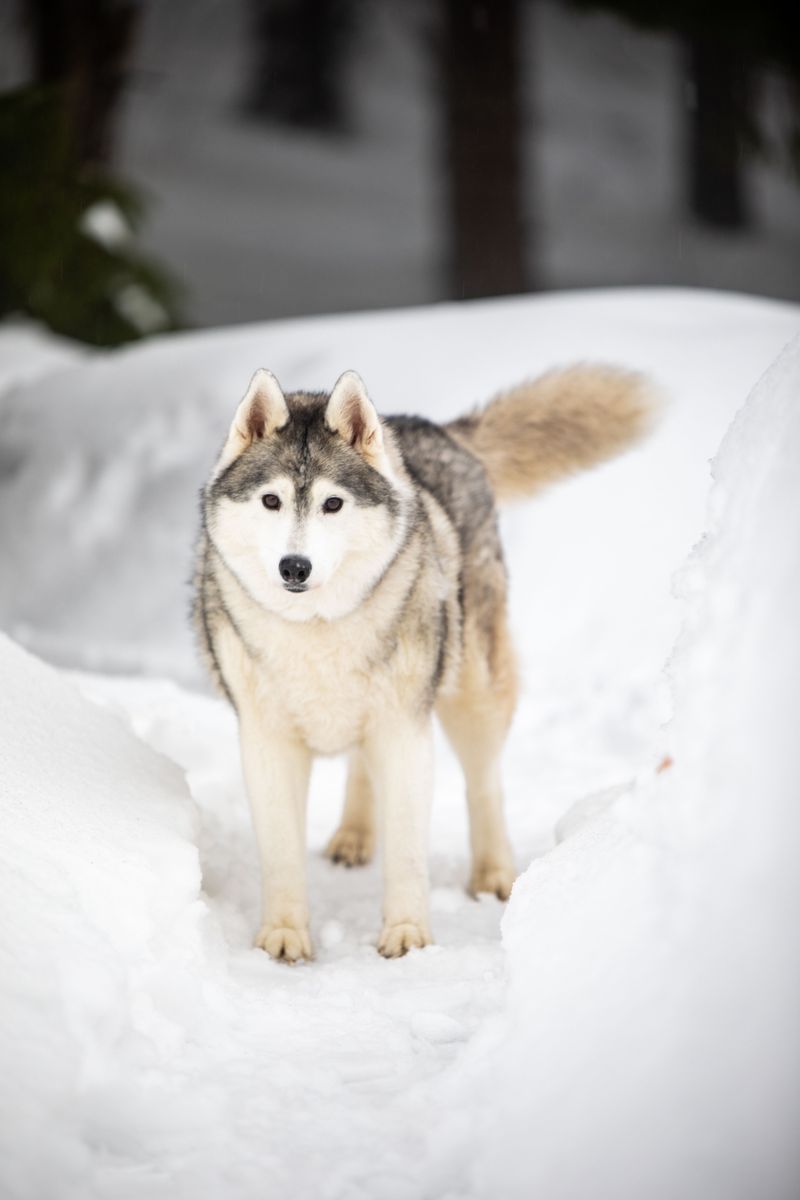
Picture a dog that grins when the thermometer drops. Siberian Huskies were bred by the Chukchi people to pull sleds across icy land for hours.
Their double coat traps warm air, and they curl their fluffy tails over their noses while sleeping. Still, watch for ice balls between their toes and cracked paw pads.
Once temperatures fall far below zero with strong wind, shorten outings and let them warm up indoors.
Alaskan Malamute
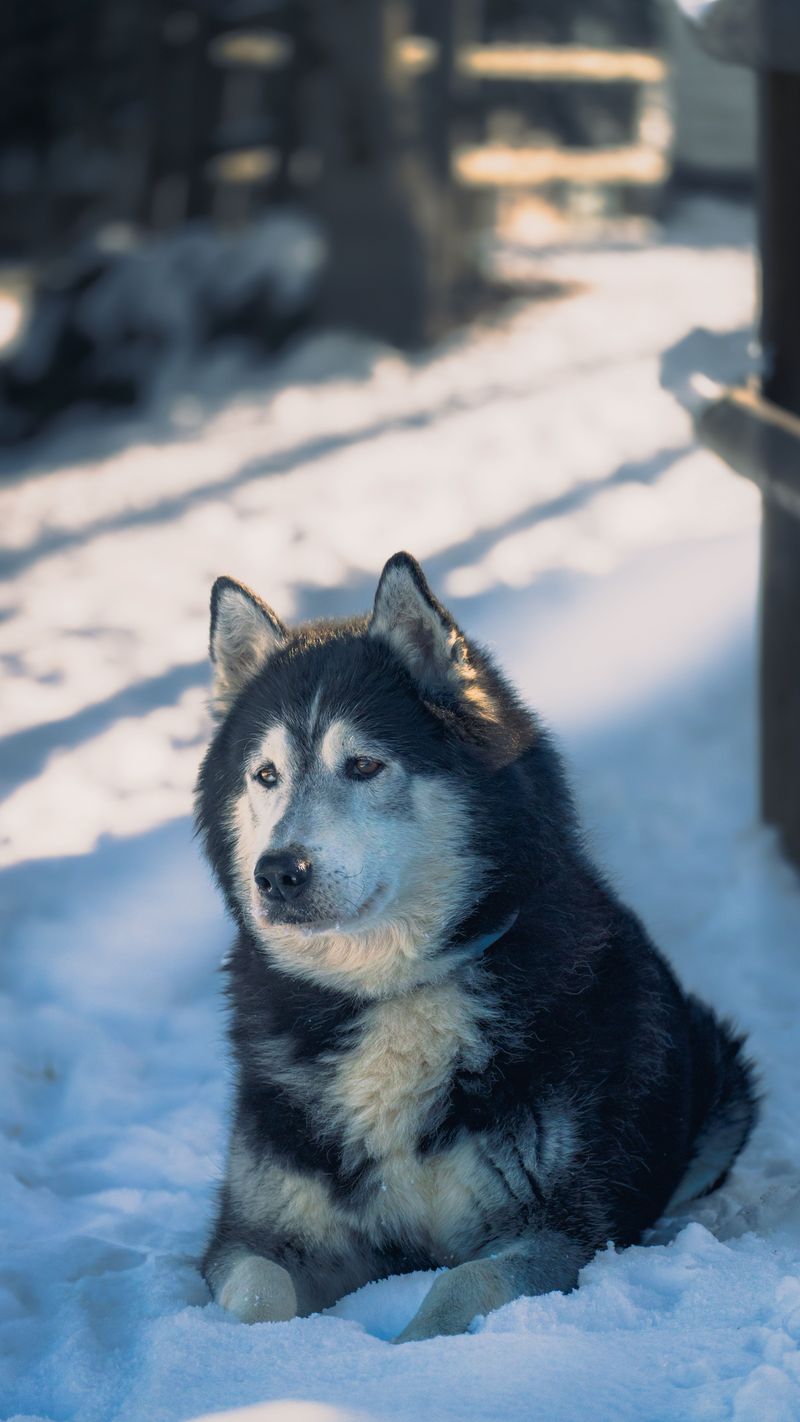
Did you know the Alaskan Malamute is one of the oldest Arctic sled dogs? Named after the Mahlemut people, these giants hauled heavy loads, not racing sleds.
A Malamute’s coat is dense and oily, which helps shed snow and moisture. That power makes them amazing hiking partners on winter trails.
However, ice storms and freezing rain soak through fur. When sleet starts falling, head home and towel them dry.
Samoyed
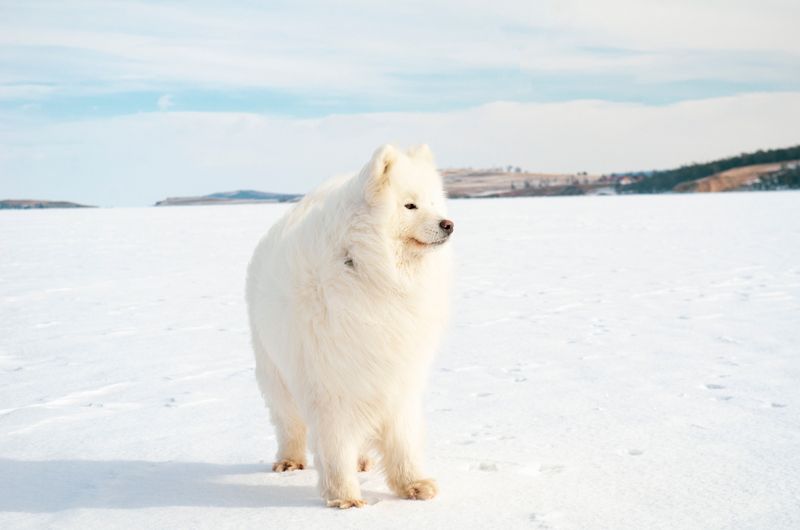
That famous “Sammy smile” isn’t just cute. Its upturned mouth corners keep drool from freezing into icicles on the face.
Samoyeds come from Siberia, where they herded reindeer and snuggled with families for warmth at night. Their bright white fluff almost disappears in fresh snow.
Brush often, because tangled fur loses its insulating power. In bitter windstorms, even a cloud-like coat needs a cozy break inside.
Bernese Mountain Dog
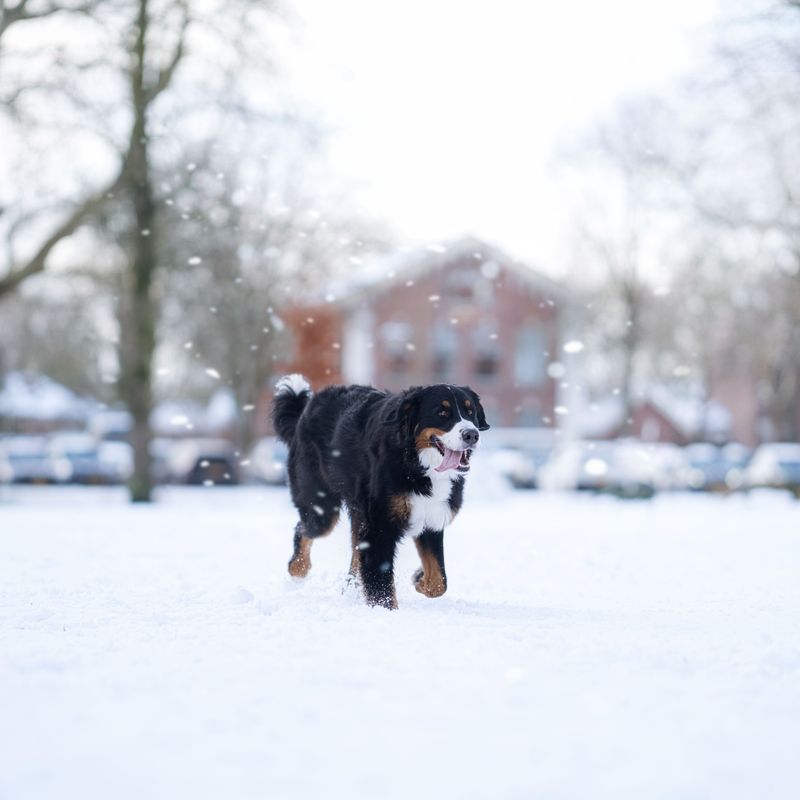
Swiss farmers once trusted Bernese Mountain Dogs to pull milk carts down snowy alpine roads. Today, many still love towing kids on sleds.
Their thick, silky coat handles chilly mountain air well, but these big sweethearts tire faster than sled breeds. Heavy bodies and joints need care on slippery ice.
Plan shorter adventures with plenty of rest stops. If your Berner starts lifting paws or slowing down, call it a day.
Newfoundland
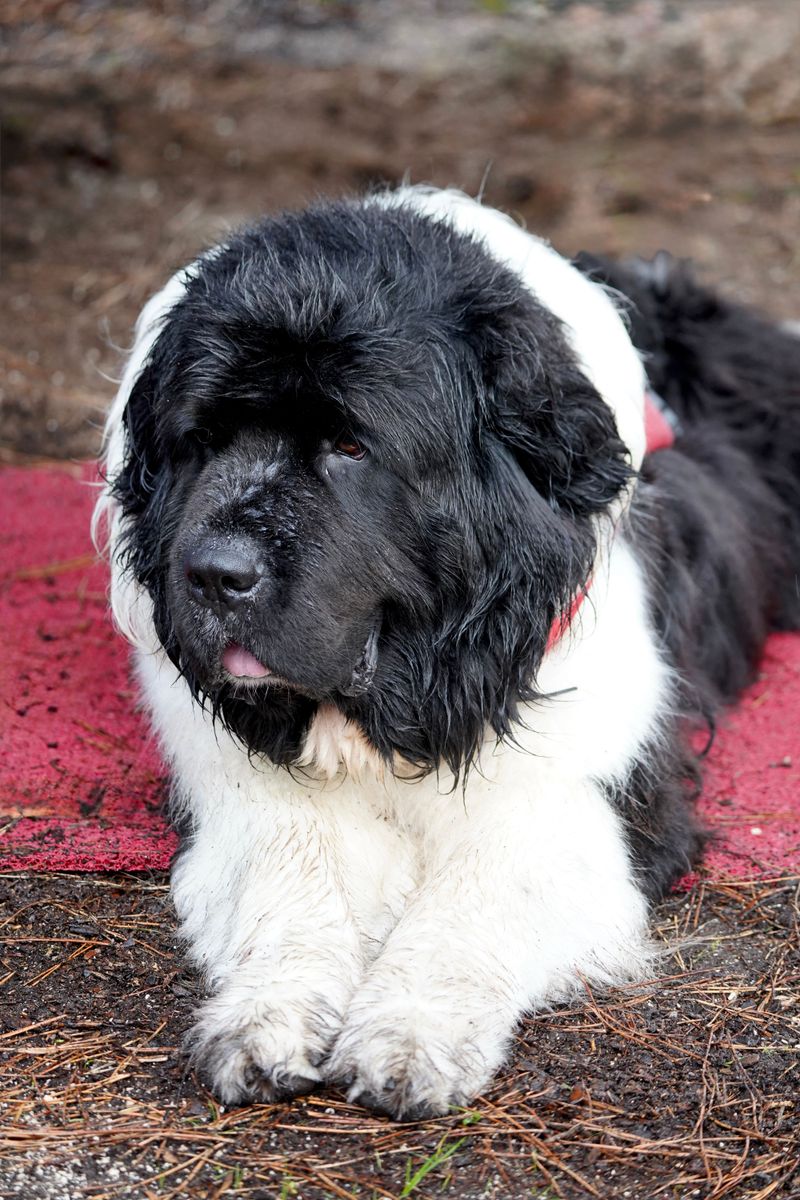
Few dogs would happily paddle through near-freezing water, but Newfoundlands were born for it. Fishermen in Canada used them to haul nets and rescue sailors.
Webbed feet and a water-resistant coat make them winter swimmers and snow loungers. They often seem happiest flopped in a drift.
Wet fur in frigid air can still chill them quickly, though. Skip icy lakes completely and dry them well after snowy romps.
Saint Bernard
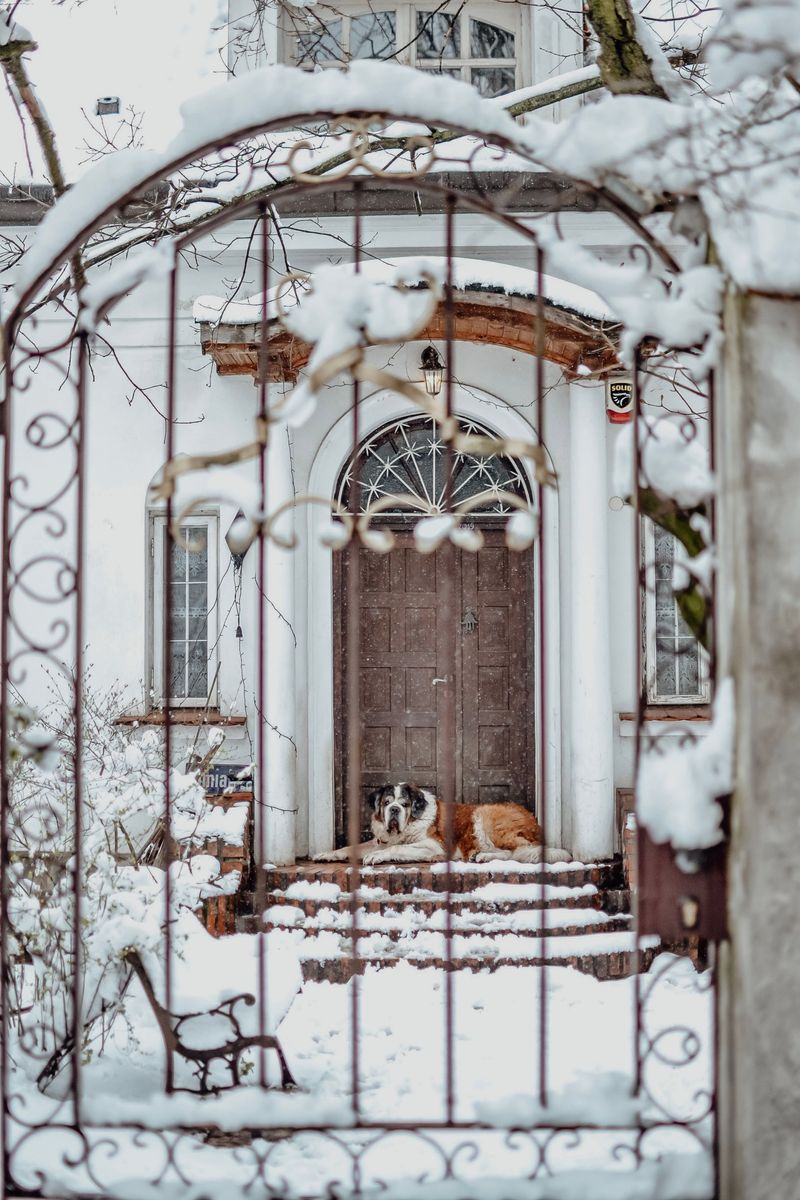
Legends tell of Saint Bernards carrying barrels around their necks, though monks never really used them that way. What they actually did was more impressive.
Working at the Great St. Bernard Pass, these dogs sniffed out lost travelers buried under snow. One famous dog, Barry, saved over forty people.
Their size helps hold heat, yet heavy breathing in deep cold can strain them. Keep winter walks steady and relaxed.
Great Pyrenees
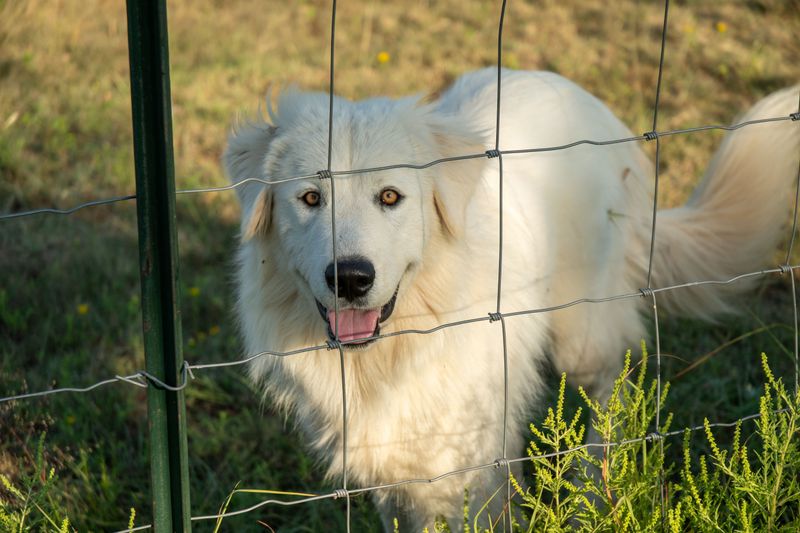
Calm, watchful, and fearless, the Great Pyrenees guarded sheep through freezing nights in the mountains between France and Spain.
Many owners notice their Pyr would rather sleep outside in a snowbank than on a warm couch. Double dewclaws on the back legs even help with grip on rough, icy ground.
Give them a sheltered spot out of the wind. Blizzards and whiteout conditions mean it’s time to come indoors.
Akita
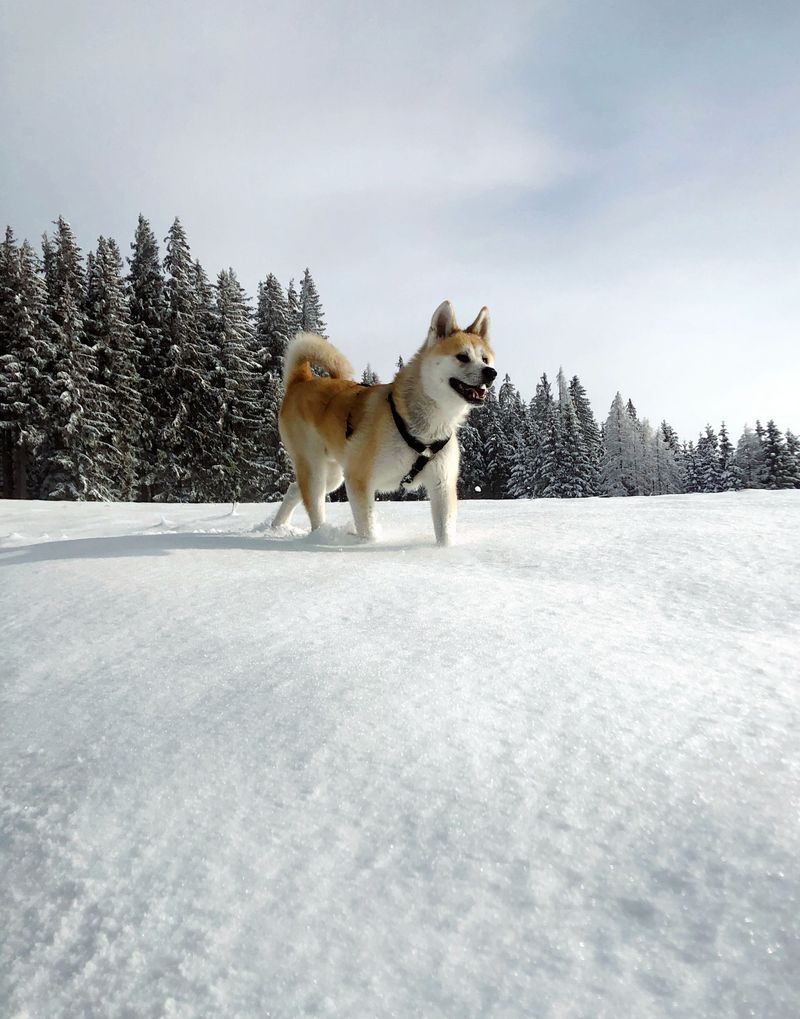
Snow country in northern Japan shaped the bold, dignified Akita. Hunters once relied on them to track bears and boar through winter mountains.
An Akita has a plush double coat and a curled tail that adds extra warmth. They’re quiet, loyal, and surprisingly playful when flakes start falling.
Fun fact: a statue in Tokyo honors Hachiko, a faithful Akita. Even this tough breed needs shelter from icy winds.
Norwegian Elkhound
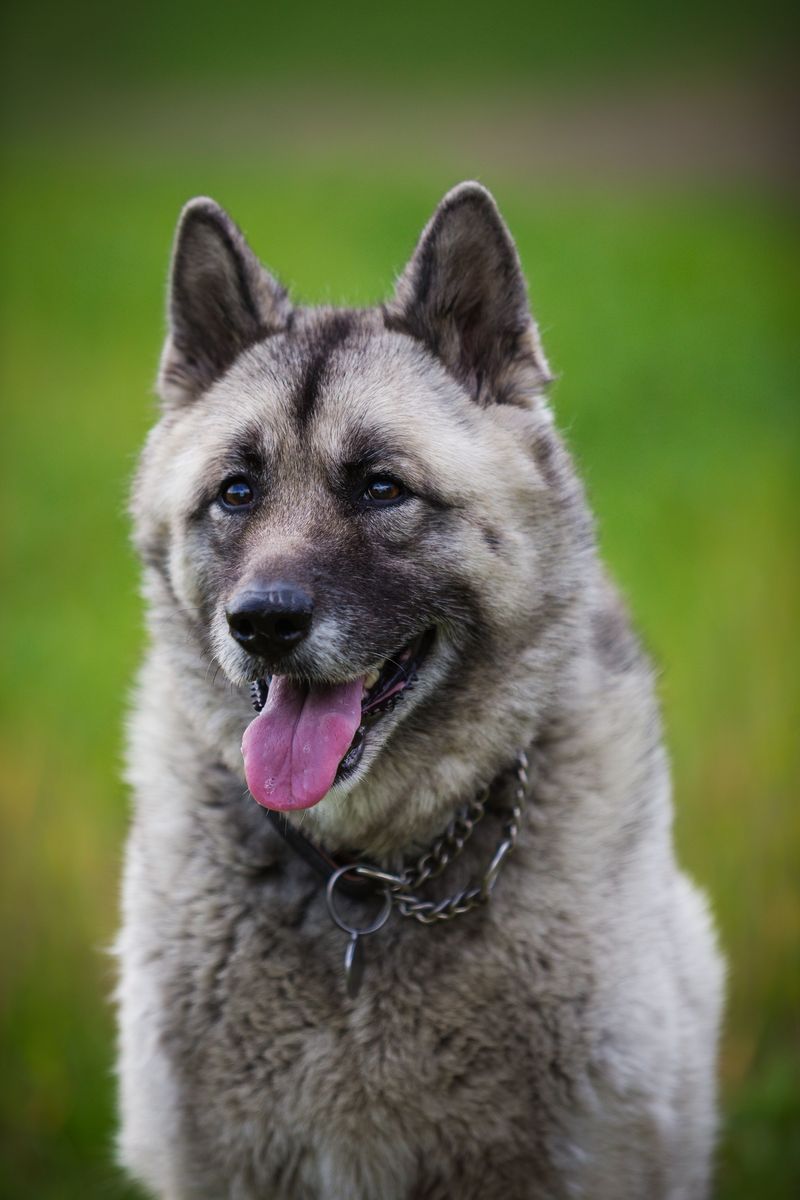
Vikings may have hiked beside dogs like this one. Norwegian Elkhounds date back thousands of years and hunted moose in snowy Scandinavian woods.
Compact and sturdy, they handle long winter hikes with energy to spare. Their silver-gray coat sheds snow easily.
Bring a leash, because that hunting instinct kicks in fast. On days when trails turn to sheet ice, a short neighborhood loop is the safer choice.
Chow Chow
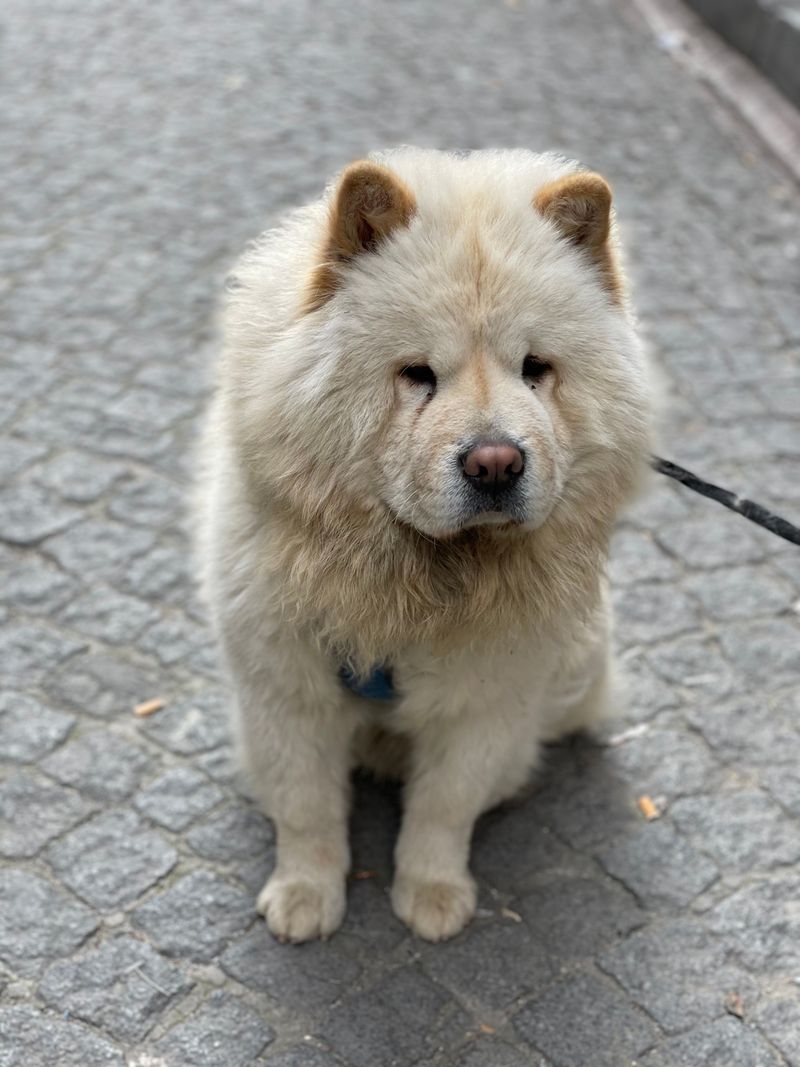
Looking like a fuzzy lion, the Chow Chow comes from northern China, where winters can be harsh. That thick mane is basically a built-in scarf.
Chows enjoy brisk cold more than summer heat. They also have unusual blue-black tongues, which always surprises kids.
These dogs aren’t marathon runners, so keep snowy strolls moderate. Check their deep fur for wet patches that could freeze once temperatures plunge.
Tibetan Mastiff
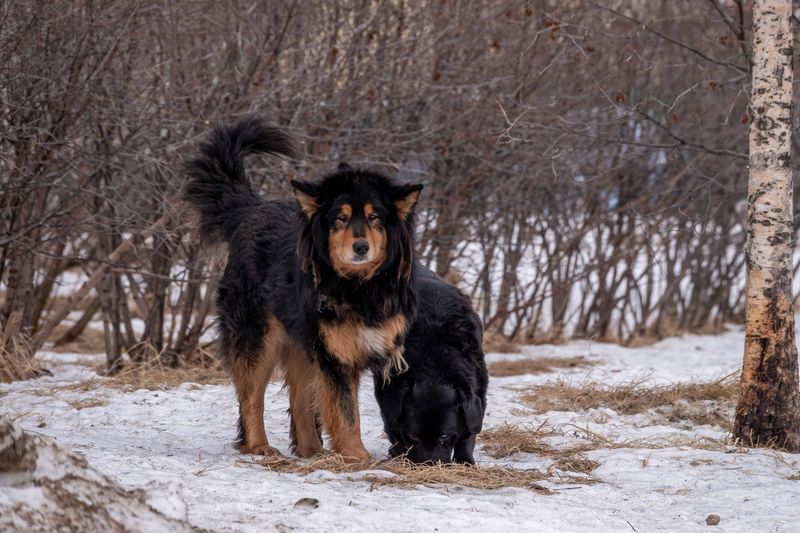
High on the Himalayan plateau, where air is thin and nights are brutal, Tibetan Mastiffs guarded villages and monasteries for centuries.
Their heavy coat grows extra thick in winter, and many grow just one coat a year. They’re independent thinkers, so training takes patience.
Honestly, cold rarely bothers them. Ice storms and slippery paths are the bigger risks, so pick safe ground and limit time outside.
Keeshond
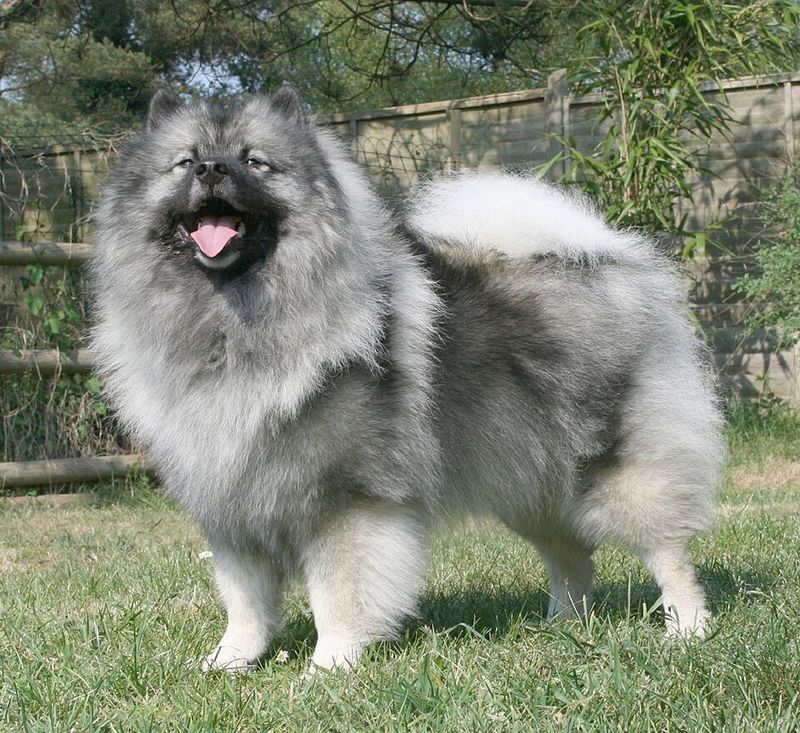
Ever seen a dog wearing “glasses”? Keeshonden have dark markings around their eyes that look like spectacles.
Originally barge dogs in the Netherlands, they rode along chilly canals as watchdogs. Their plush, layered fur makes winter walks a joy for this cheerful breed.
Because they’re smaller, they lose heat faster than giants. Fifteen to thirty minutes in deep cold is plenty before warming up.
Shiba Inu
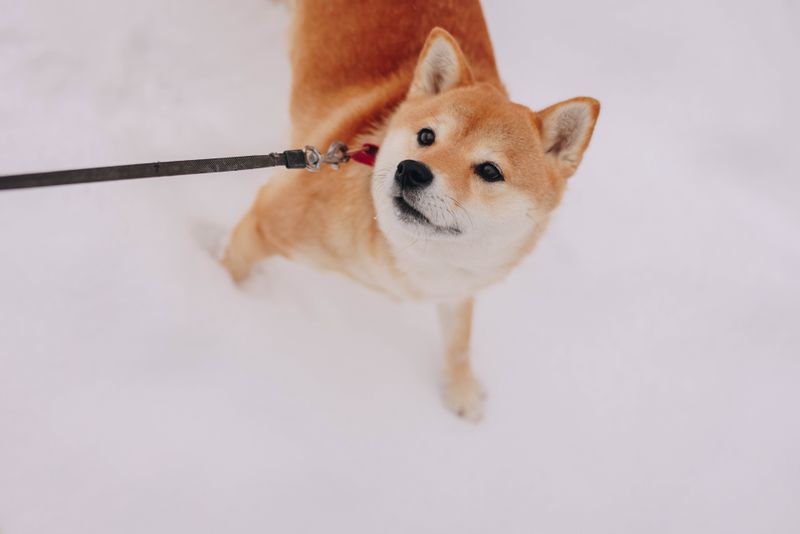
Small but spunky, the Shiba Inu turns snowy yards into zoomie zones. This ancient Japanese breed once hunted in rugged, snowy mountains.
A Shiba’s stiff outer coat and soft undercoat keep it cozy. Many owners joke their Shiba acts like a cat, picky and proud, yet loves pouncing on snowflakes.
Tiny size means paws touch freezing ground constantly. Consider booties or paw balm when roads are salted.
Greenland Dog
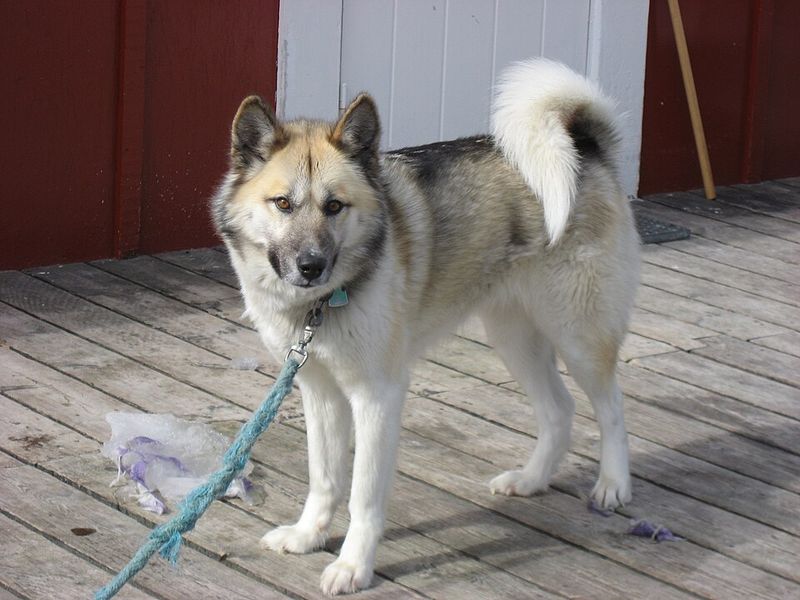
Inuit hunters in Greenland have depended on these dogs for more than a thousand years. Few breeds are tougher.
Greenland Dogs pull sleds across sea ice, sleep outdoors in blizzards, and thrive on hard work. They’re strong, pack-minded, and need lots of exercise.
For regular families, that drive can be a lot to handle. Even these Arctic champions need shelter when temperatures sink to dangerous, frostbite-level extremes.