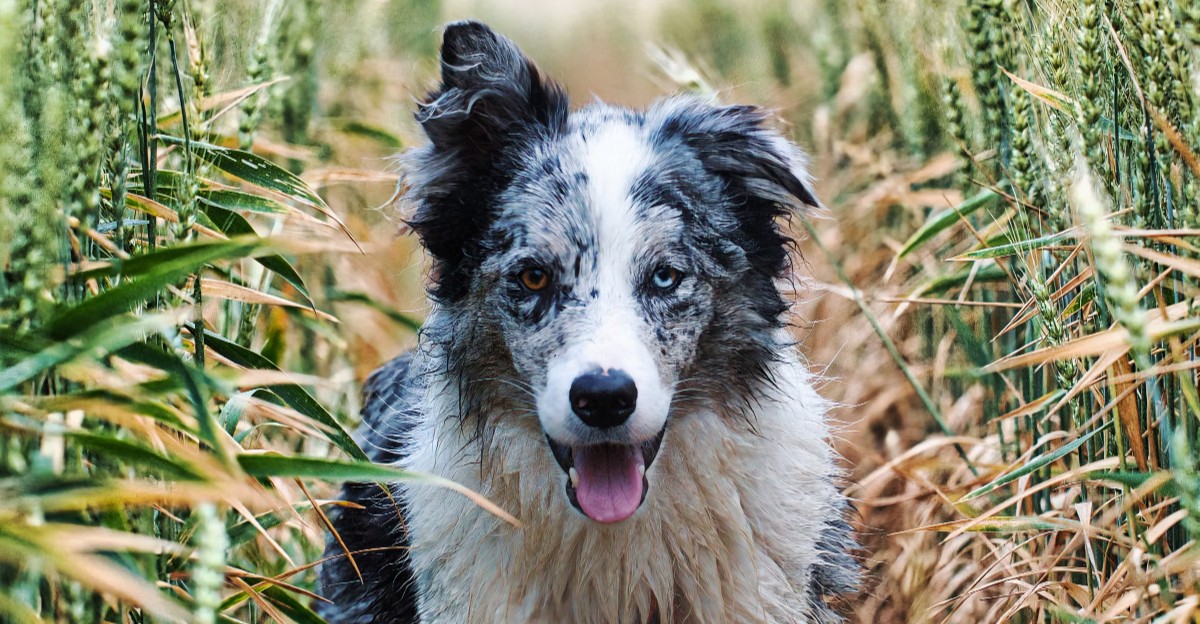
Many dogs were bred to herd sheep, pull sleds, or hunt all day long. A quick stroll around the block might seem like enough, but for some breeds it barely scratches the surface.
When these dogs don’t get the work their brains and bodies crave, they can become bored, noisy, or even destructive. Here are the breeds that often need much more than a short walk to feel truly happy.
Border Collie
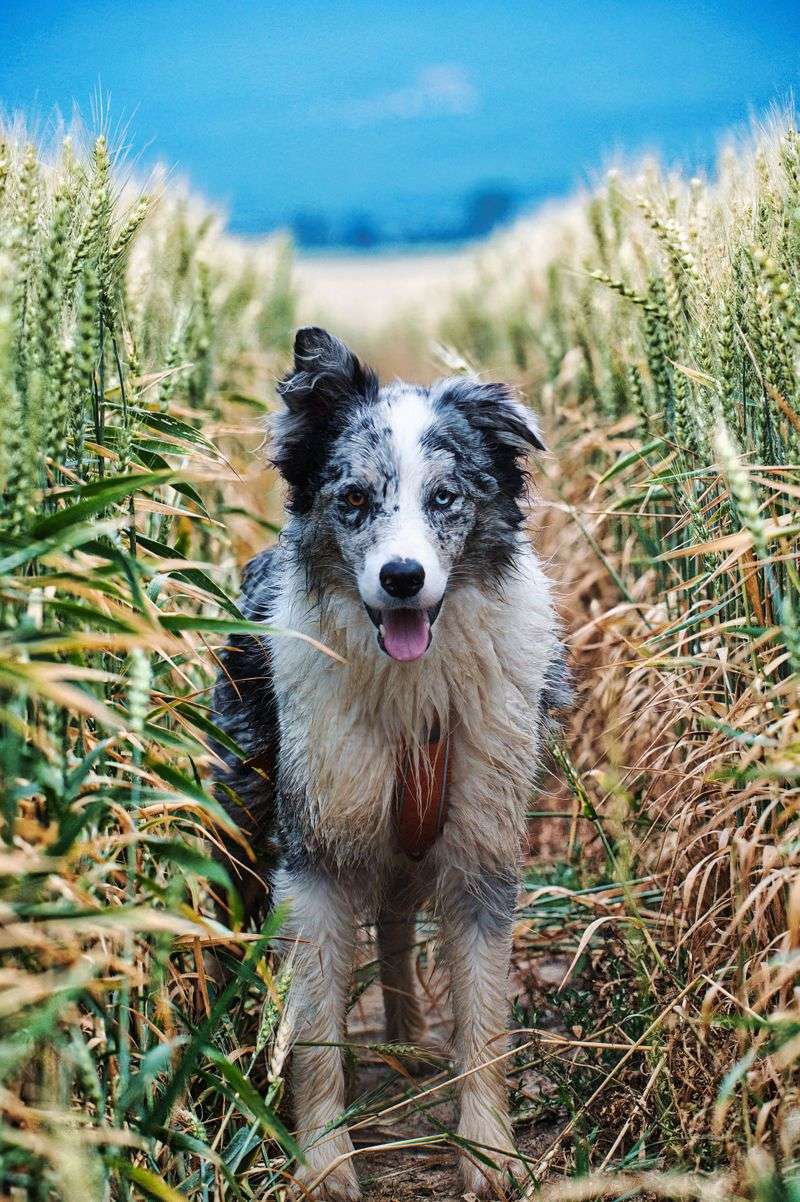
Picture a dog that can learn over 1,000 words. A Border Collie named Chaser actually did that!
These clever herders were made to work sheep for hours across rough hills.
A short walk leaves their busy minds hungry. Try herding classes, agility courses, or puzzle toys to burn off energy.
Without a job, many will invent their own, like herding kids, cats, or even passing cars. Give them real tasks instead.
Australian Cattle Dog
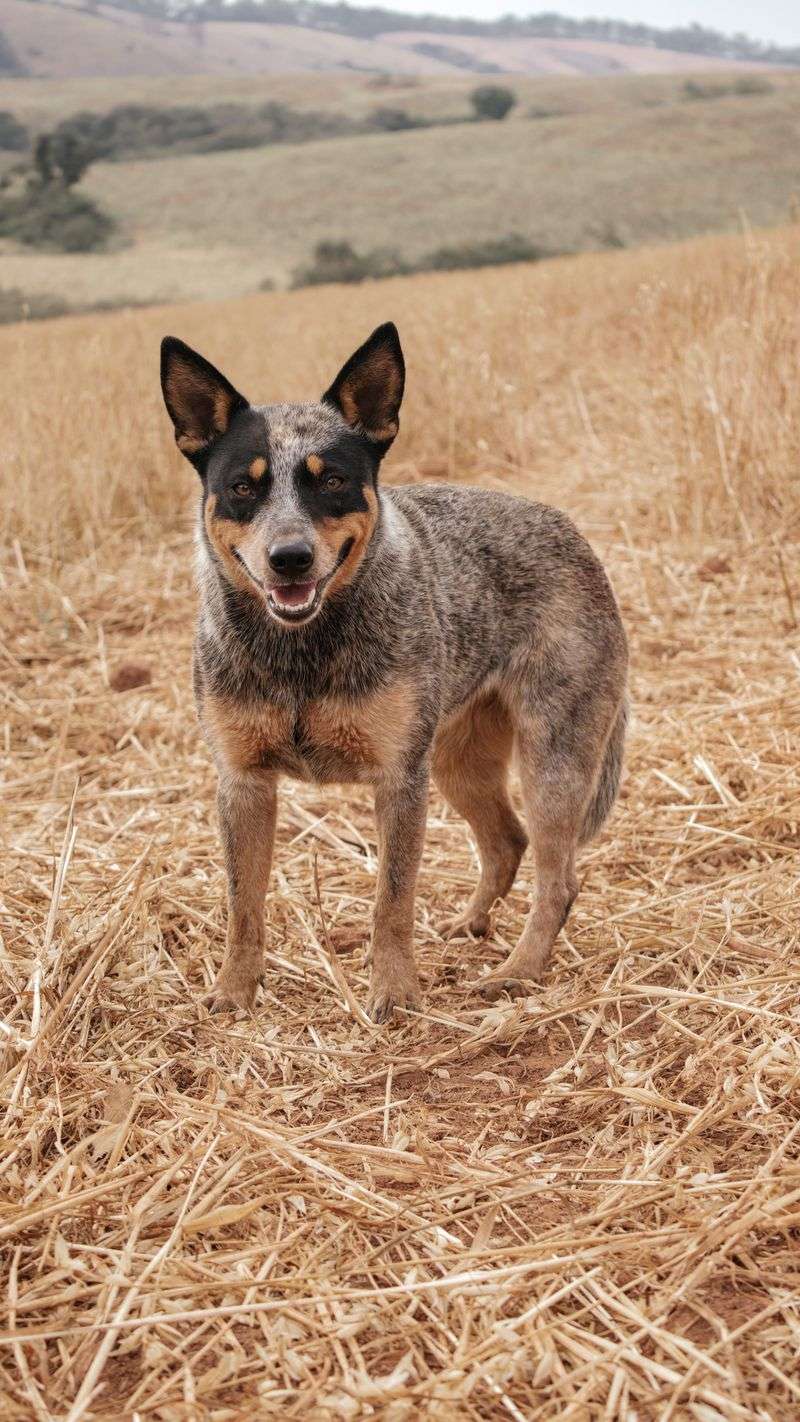
Tough as old boots, the Australian Cattle Dog was built to nip at the heels of stubborn cows under the hot outback sun. Ranchers needed a dog that never quit.
That stamina doesn’t switch off just because you live in a city apartment. Long runs, flyball, and fetch sessions help a lot.
Fun fact: one of these dogs, Bluey, lived to almost 30 years old. Active lives may help keep them sharp.
Belgian Malinois
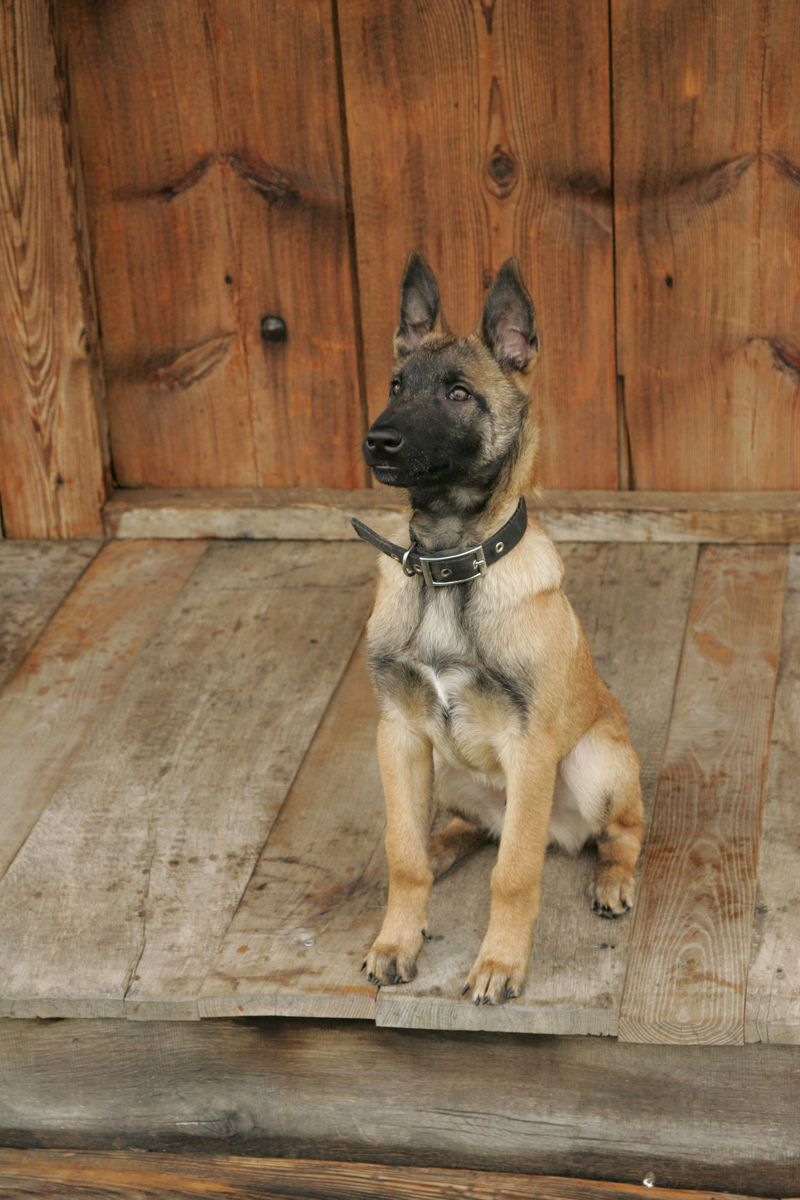
Police and military teams around the world trust the Belgian Malinois for a reason. This breed has drive that seems almost endless.
Honestly, a Malinois with nothing to do can be a handful. Expect chewed furniture, nonstop pacing, or wild zoomies at midnight.
Owners do best with daily training, scent games, and sports like protection work or dock diving. Think of it as giving your dog a career, not just a hobby.
Siberian Husky
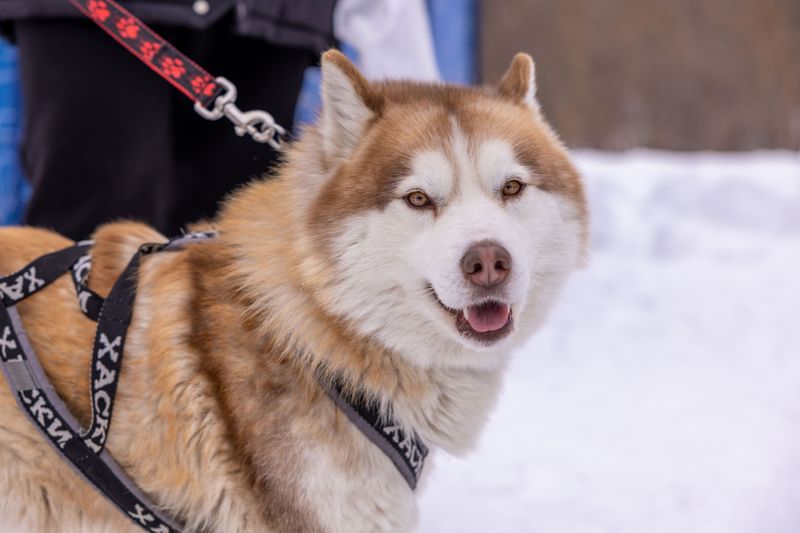
Back in 1925, sled dog teams raced medicine across frozen Alaska to save the town of Nome. Huskies like Togo and Balto became heroes.
Bred to run for miles in freezing cold, a Husky sees a ten-minute walk as a warm-up. Many will howl, dig, or escape fences when bored.
Try canicross, bikejoring, or hiking with a harness. Just keep workouts cool in summer, since that thick coat traps heat.
German Shorthaired Pointer
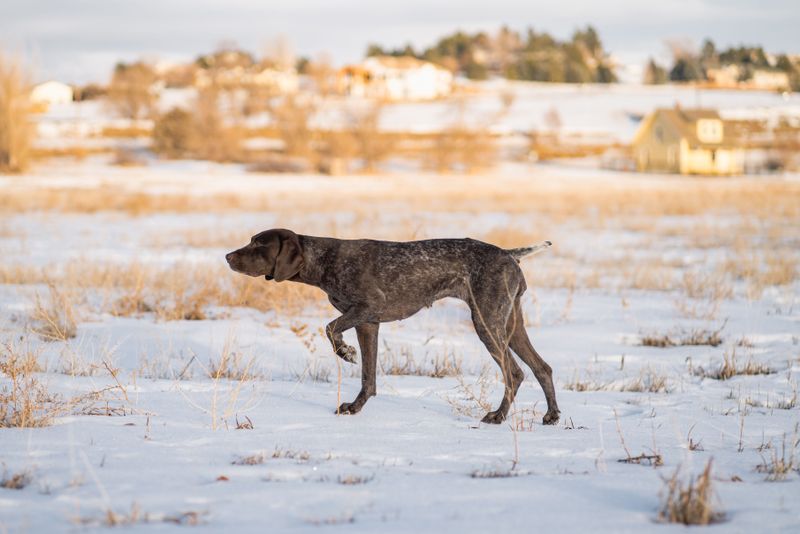
Ever seen a dog freeze mid-step, one paw raised, nose aimed like an arrow? That’s the German Shorthaired Pointer doing its thing.
Hunters used them to find birds all day, through fields and even water. Their energy is huge and lasts well into old age.
Off-leash running in safe areas, swimming, and nose work can keep them content. A tired pointer is a calm pointer, and a much happier housemate too.
Australian Shepherd
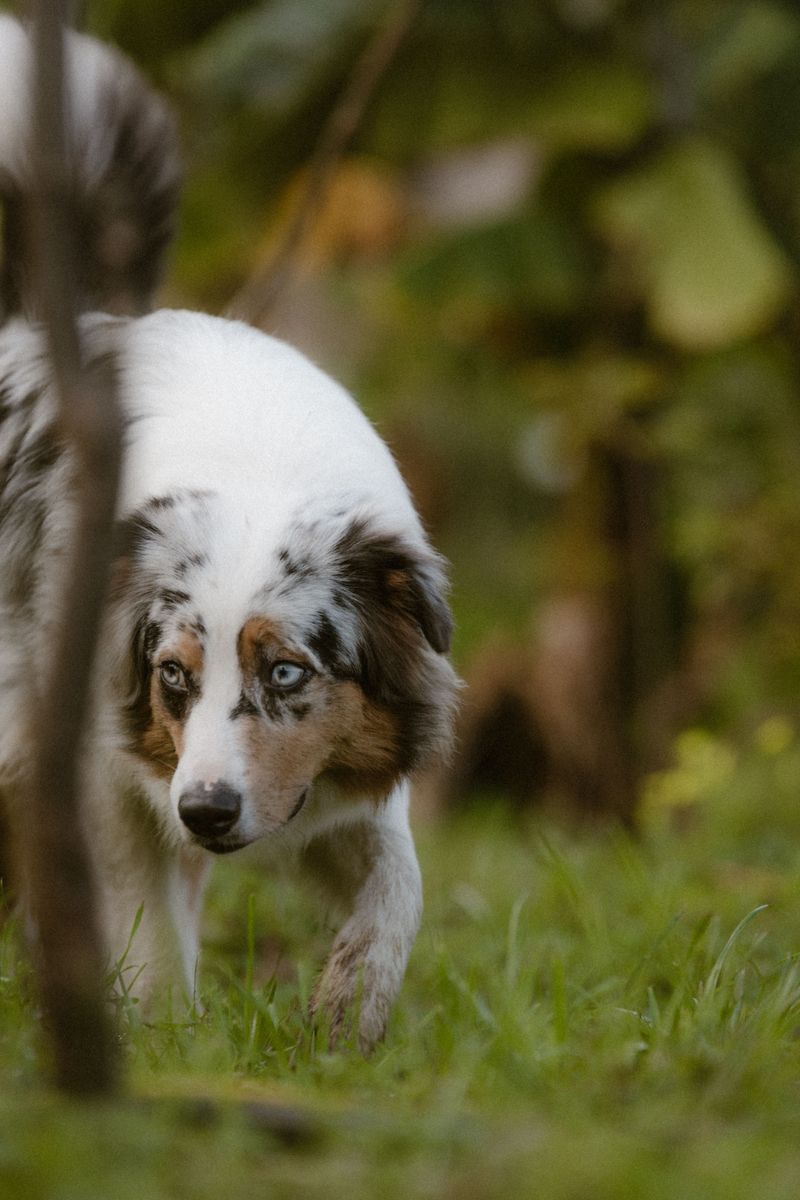
Despite the name, Australian Shepherds were mostly developed on ranches in the American West. Cowboys loved their smarts and speed.
Aussies are bright, playful, and a bit bossy. They like knowing what’s next, so a routine with real tasks makes them shine.
Agility, frisbee, and trick training are great outlets. Even teaching your Aussie to put toys away counts as a job, and they’ll likely be proud of it.
Labrador Retriever
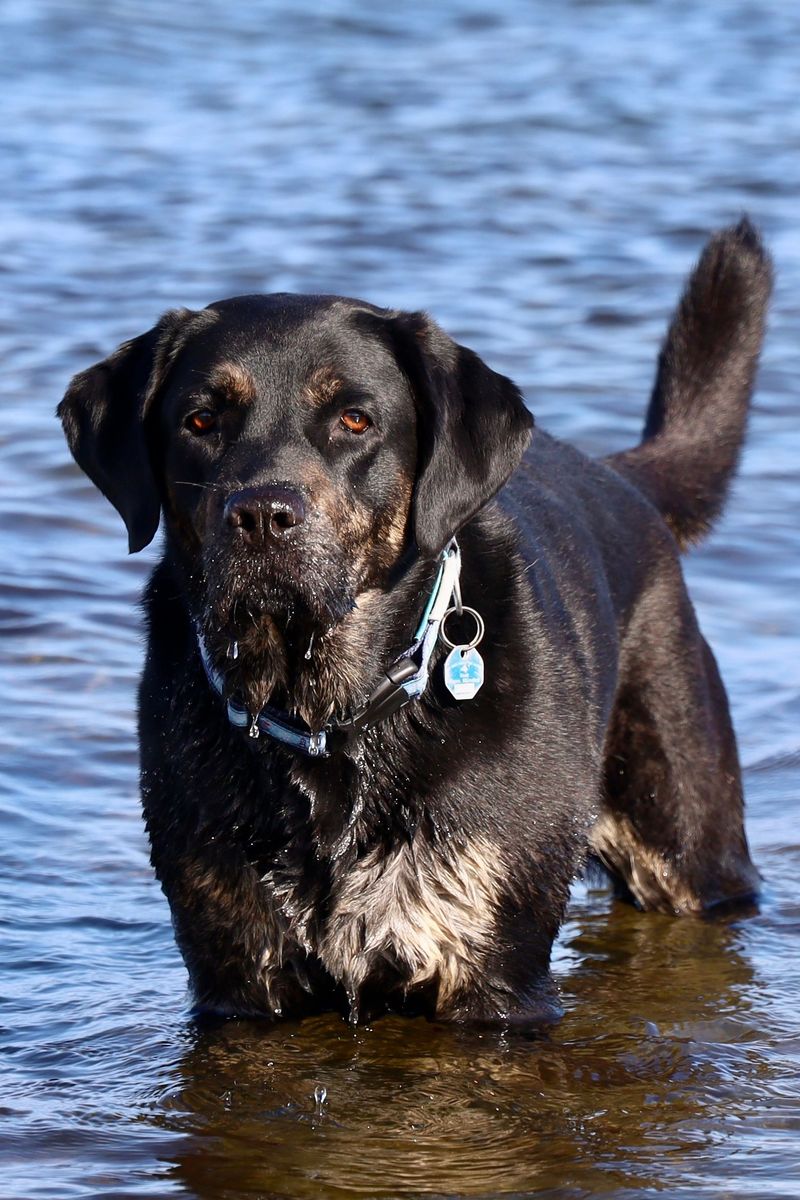
Surprised to see the friendly Lab here? Many people are.
Before becoming family favorites, Labs helped fishermen haul nets and fetch ducks from icy water.
Young Labs especially have energy to spare. Without enough exercise, they often gain weight or chew everything in sight.
Retrieving games, swimming, and long hikes suit them well. Did you know?
Labs actually come from Newfoundland, Canada, not Labrador.
Weimaraner
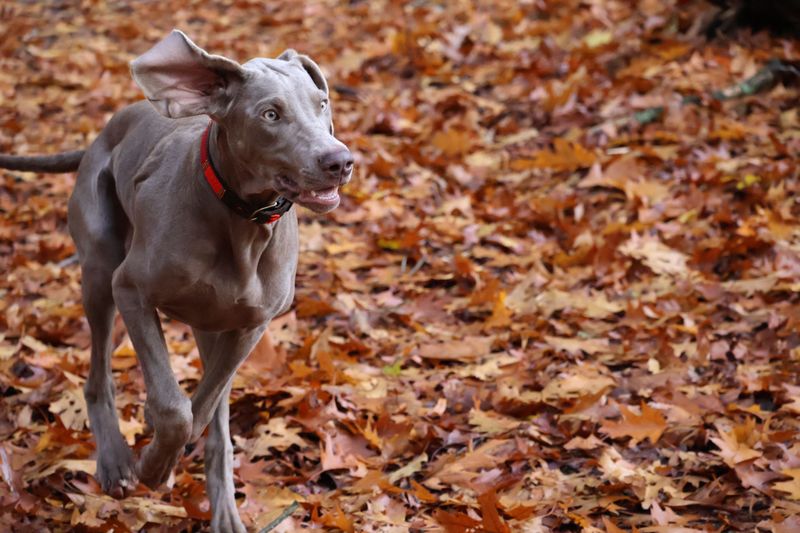
Nicknamed the gray ghost, the Weimaraner was created for German nobles who hunted big game like deer and boar.
These dogs are sensitive and very attached to their people. Left alone and under-exercised, they may suffer separation stress and howl the house down.
Plan on at least an hour or two of hard activity each day. Running, tracking games, and long forest trails help this silver athlete settle down at home.
Jack Russell Terrier
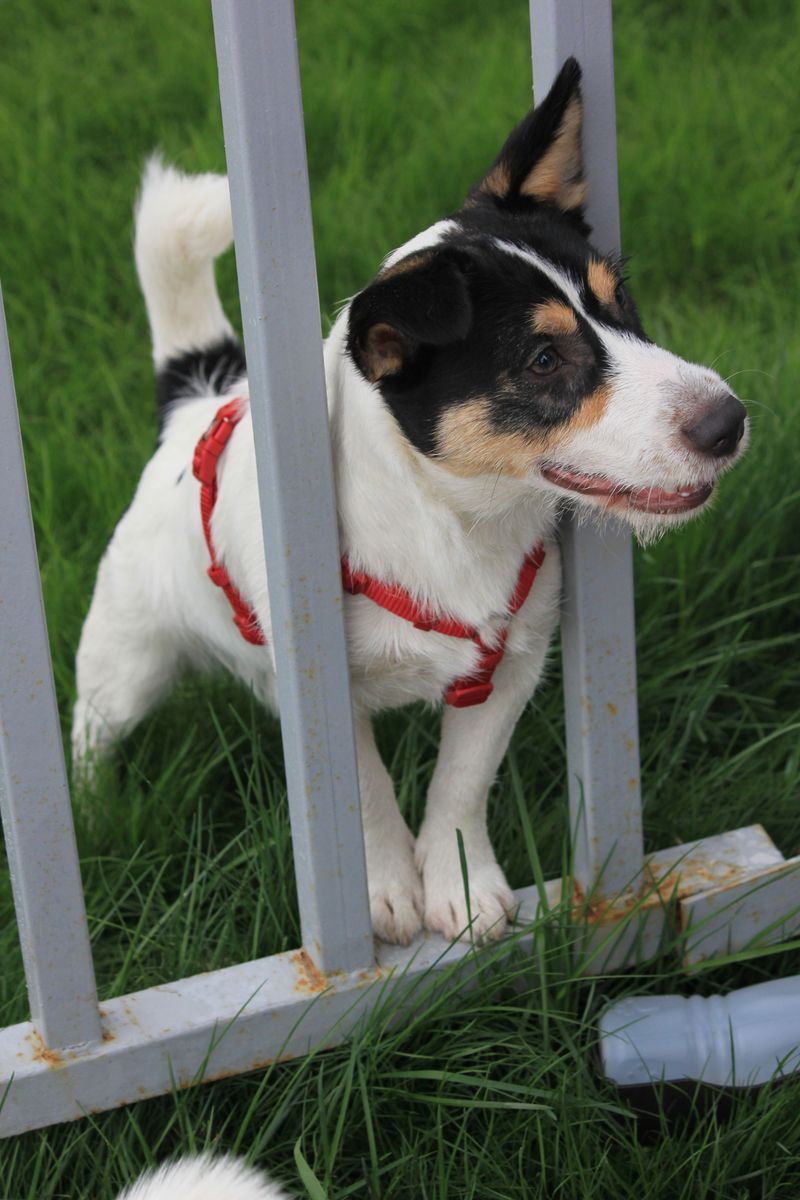
Small dog, giant engine. Jack Russells were bred in England to chase foxes into underground dens, so courage comes standard.
Their size fools people into thinking a quick potty walk is plenty. It isn’t!
A bored Jack might dig up your garden or bark for hours.
Give them flirt poles, digging boxes, and earthdog trials. Short, fun training bursts work wonders for this bouncy, stubborn little hunter.
Vizsla
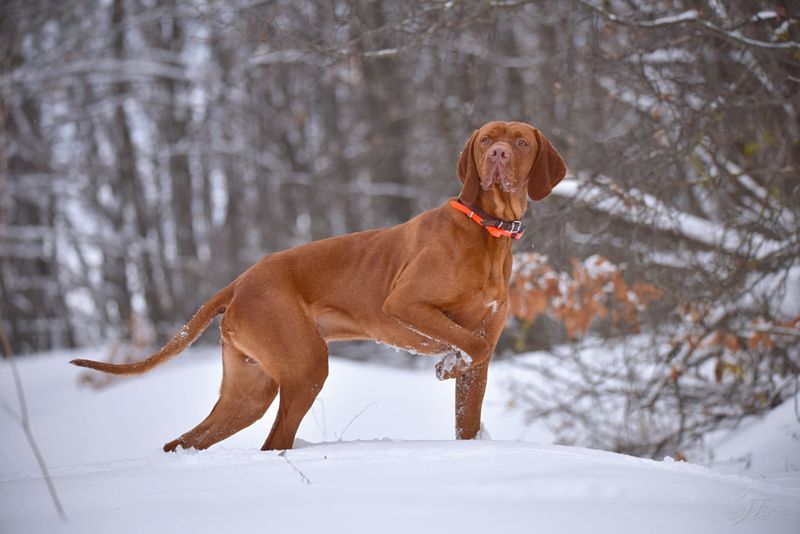
Hungarian hunters once relied on the Vizsla to point and retrieve birds across wide open plains. Today they’re known as Velcro dogs because they stick close to their owners.
Affection is lovely, but it doesn’t replace exercise. A Vizsla needs daily running to stay balanced.
Jogging partners, field trials, and long beach runs fit perfectly. Pair the workouts with cuddle time, and you’ll have one very content golden-red shadow.
Bernese Mountain Dog
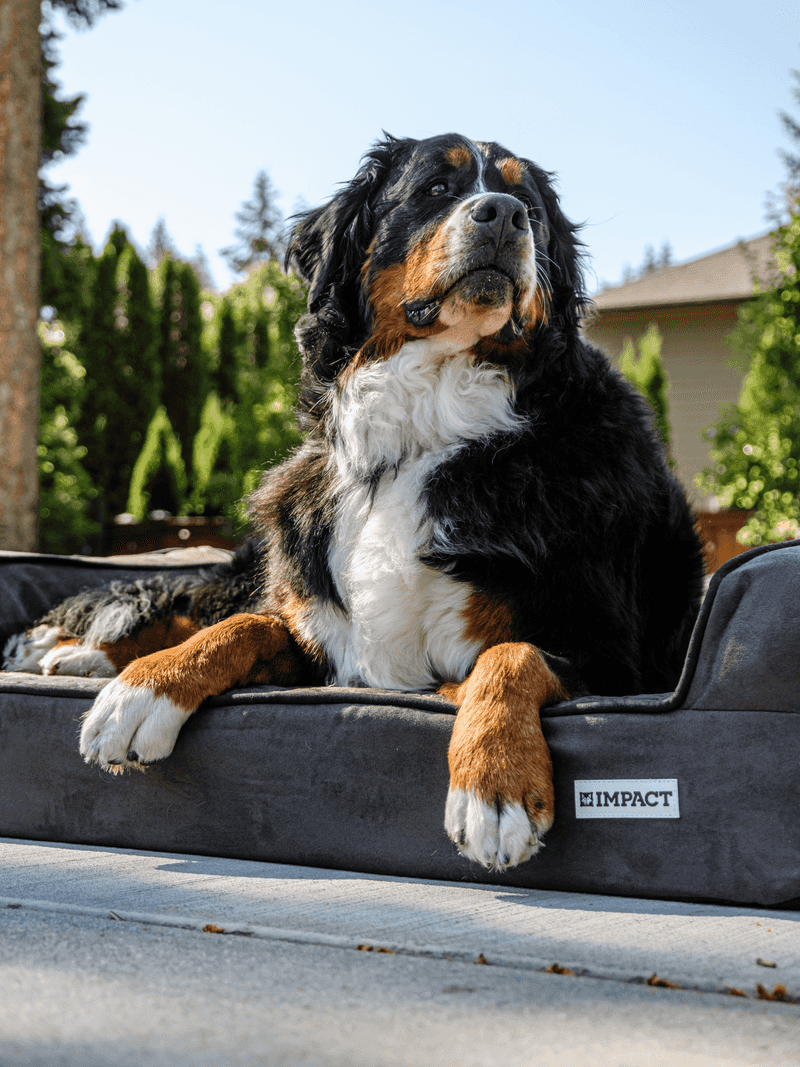
Swiss farmers once hitched these fluffy giants to carts loaded with milk and cheese, sending them down mountain roads to market.
Berners are calmer than herders, yet they still enjoy having purpose. Carting, gentle hikes, and obedience work keep them engaged and fit.
Go easy in hot weather and with growing puppies, since their big bodies and joints need care. Steady, moderate activity suits them best.