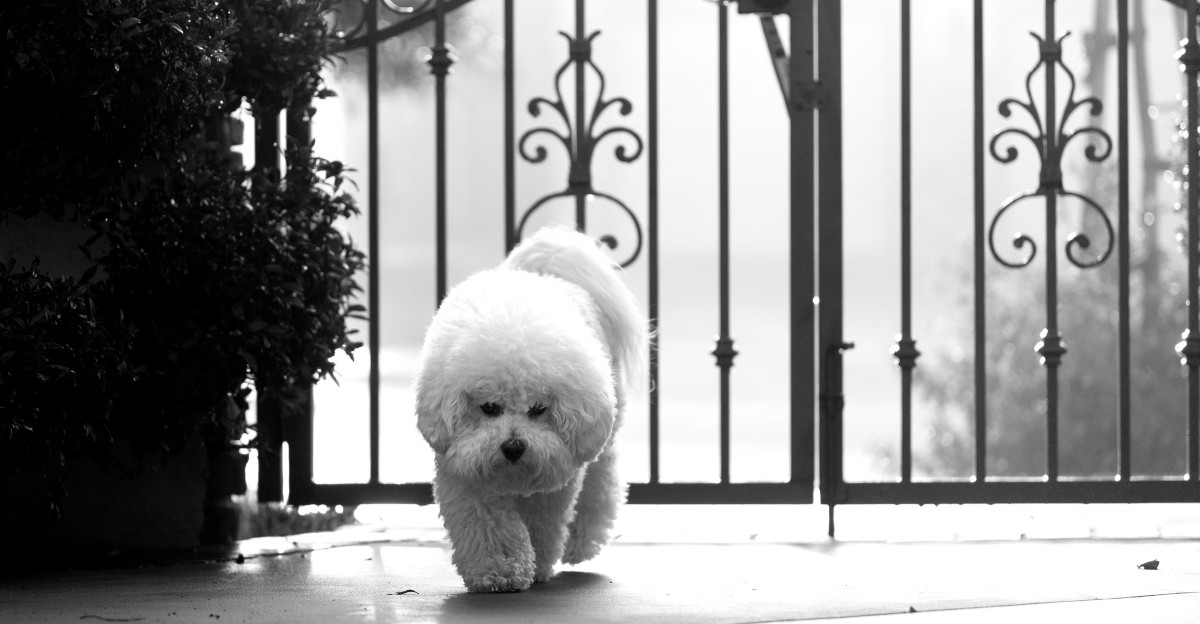
Dogs grow old faster than we do, and those golden years can be some of the sweetest times you share. Many breeds stay happy, curious, and loving well into old age.
Still, every aging dog will someday need changes to food, exercise, or vet care. Knowing what to expect helps you give your buddy the best life possible.
Chihuahua

Tiny body, giant attitude. Chihuahuas often live 15 years or more, and many keep their sassy spark the whole way through.
As they age, their teeth need extra attention. Small mouths crowd easily, so gentle brushing and yearly dental checks really matter.
Once chewing gets harder, switch to softer food. A warm sweater and a cozy bed also help, since older Chihuahuas feel chilly faster than most breeds.
Toy Poodle

Did you know Poodles were first bred in Germany as water retrievers? Their smart brains stay sharp for years.
A Toy Poodle can reach 16 or older with good care. Puzzle toys and short training games keep that clever mind busy.
Later on, watch for cloudy eyes or stiff knees. When jumping on the couch becomes tricky, a small ramp makes life easier without taking away their independence.
Dachshund
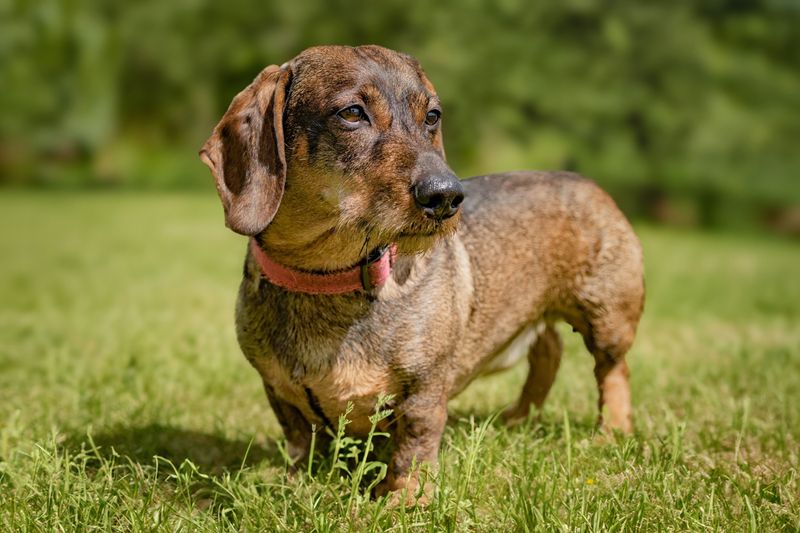
Picture a hot dog on short legs trotting proudly down the sidewalk. That stubborn little hound can stay spunky past age 14.
Their long backs are the weak spot, though. Extra weight puts pressure on the spine, so keep meals measured and treats small.
In the senior years, swap stairs for ramps and use a harness instead of a collar. Signs of wobbling or pain mean a vet visit right away.
Shih Tzu
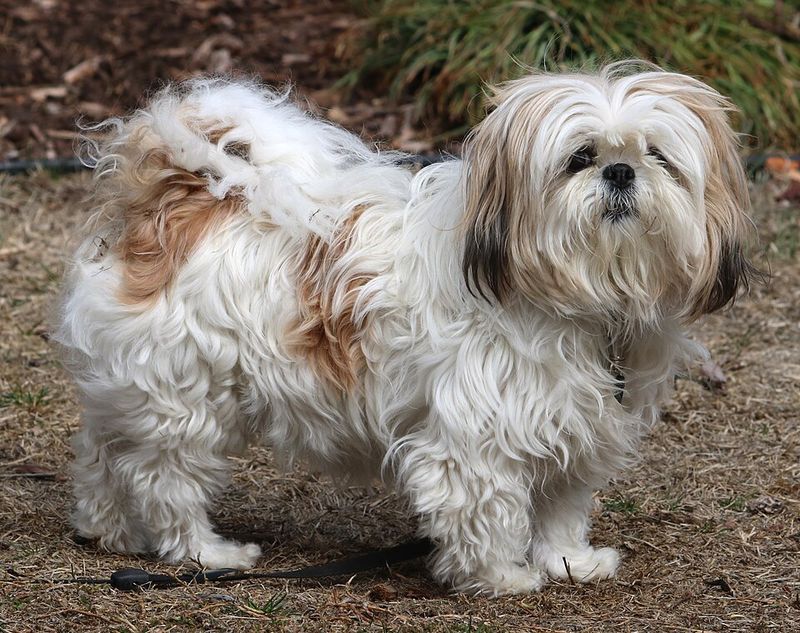
Chinese royalty once kept Shih Tzus as palace pets, and honestly, they still act like it. These lap-loving charmers often live 13 to 16 years.
Older Shih Tzus may develop eye problems or breathing trouble because of their flat faces. Keep walks short on hot days.
A shorter haircut makes grooming easier as they age. Wiping their eyes daily also prevents irritation and keeps them looking bright.
Beagle
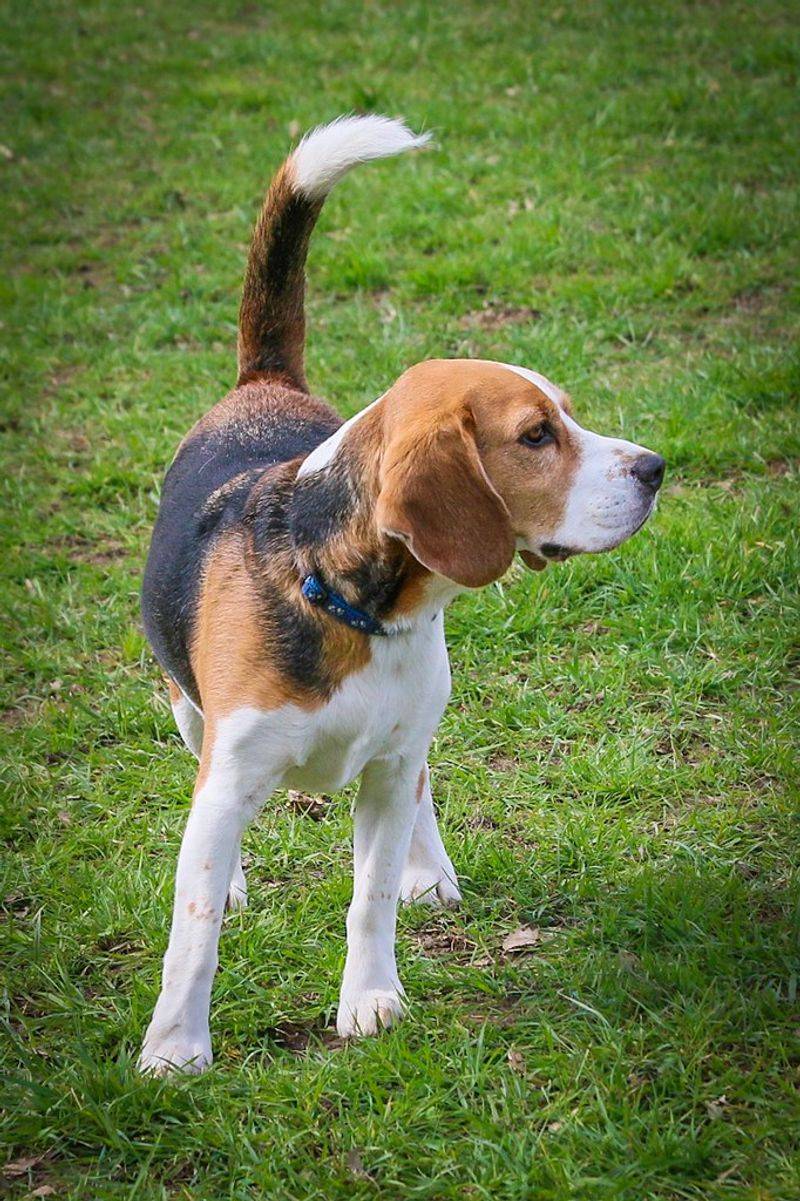
Ask any Beagle owner and they will tell you: that nose never retires. Even at 13, a Beagle will happily follow a scent across the yard.
Food is the big challenge. Beagles love to eat, and older ones gain weight quickly as they slow down.
Try sniffing walks instead of long hikes. When joints start aching, ask your vet about supplements and lighter senior diets.
Australian Cattle Dog
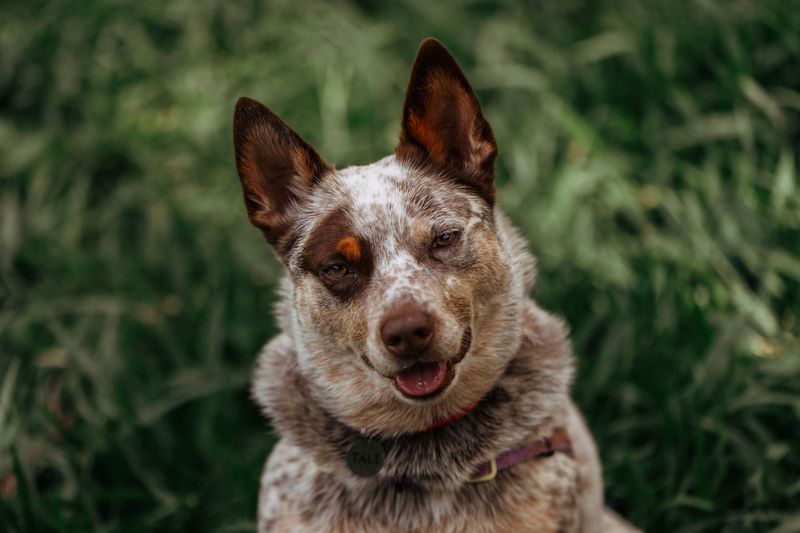
A Cattle Dog named Bluey lived almost 30 years, setting a world record. Talk about toughness!
Heelers are built for hard work, and many stay active well into their teens. They still need jobs, even simple ones like fetching a slipper.
Eventually, hearing loss and arthritis can show up. Hand signals help when ears fade, and swimming offers great low-impact exercise for tired joints.
Miniature Schnauzer
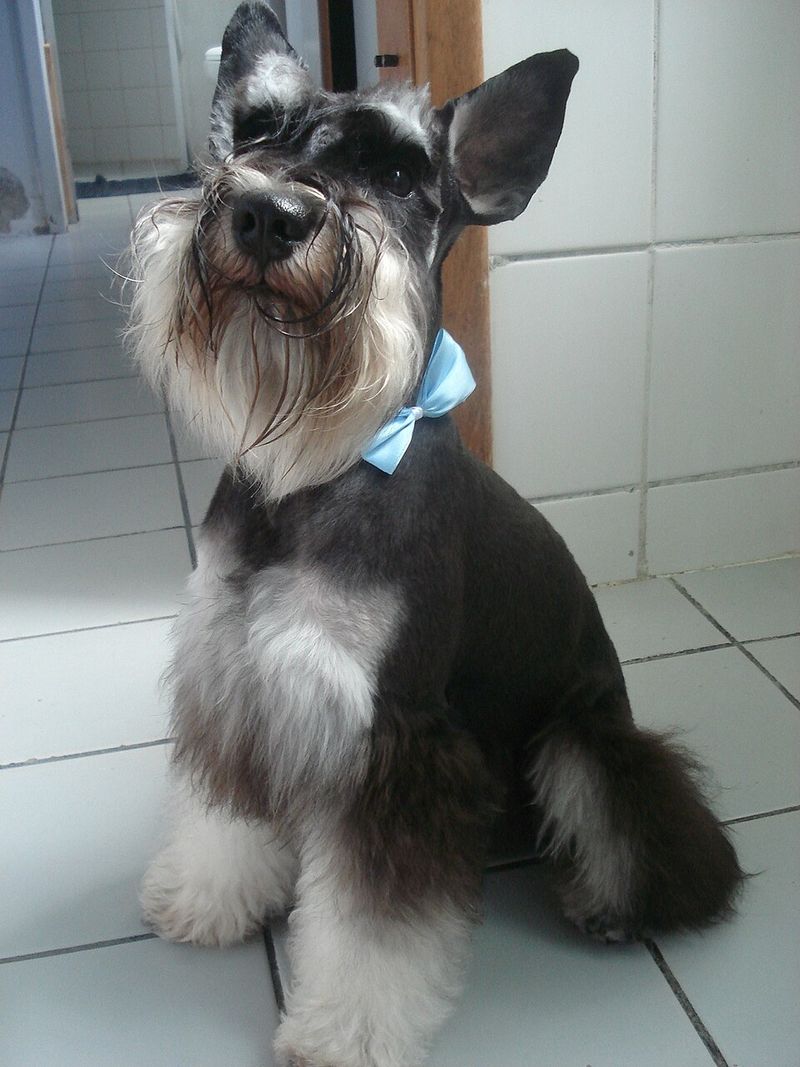
With that bushy beard and wise eyebrows, a Miniature Schnauzer already looks like a little grandpa. Many live 14 years or more.
They stay alert and chatty, barking at every mail truck. However, they can be prone to pancreatitis, so fatty table scraps are a bad idea.
Choose low-fat senior food as they age. Regular blood work can catch diabetes or liver issues before they become serious.
Jack Russell Terrier
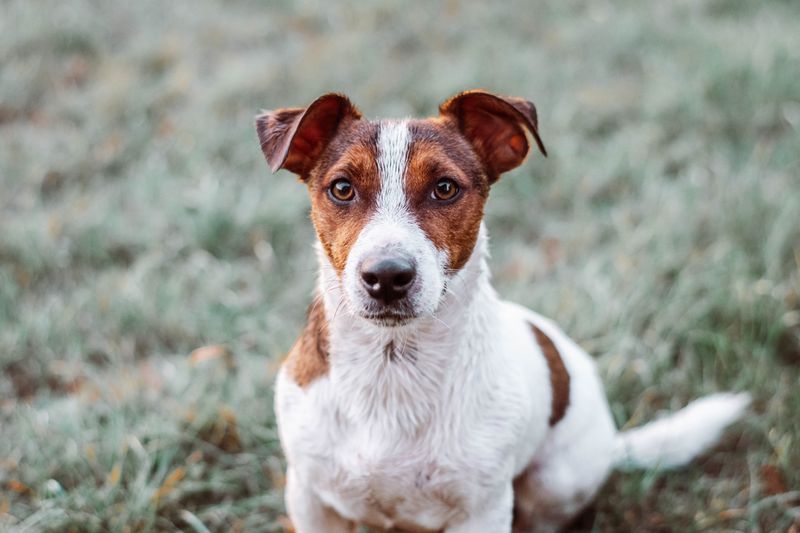
Slow down? A Jack Russell has never heard of it.
These bouncy terriers commonly reach 15, and some keep chasing balls until 18.
That endless energy is a gift, but aging joints may not agree. Shorten fetch sessions and avoid high jumps.
Brain games become extra helpful later. Hide treats around the house and let your terrier hunt, giving that busy mind plenty to do.
Shiba Inu
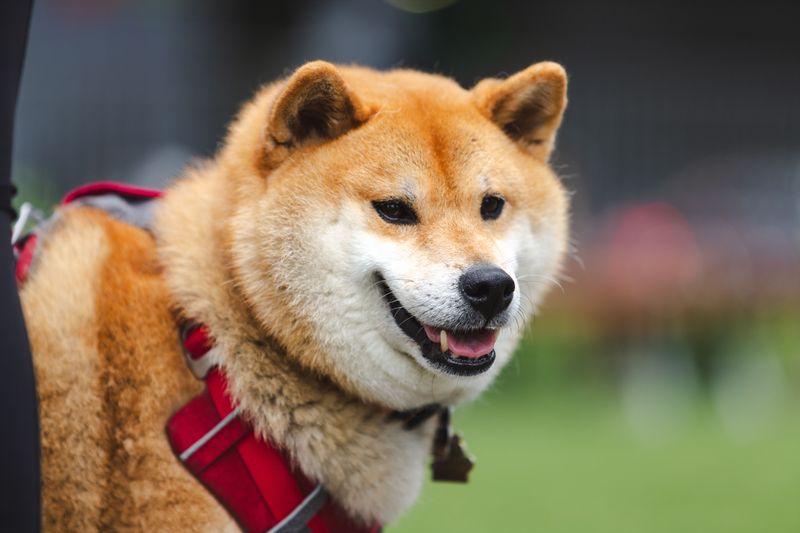
Proud, tidy, and a bit like a cat, the Shiba Inu comes from Japan, where it once hunted in the mountains. Lifespans of 13 to 16 years are common.
Older Shibas may face allergies, eye problems, or sore hips. Watch for scratching or limping.
Since they dislike being handled, practice gentle touch early. Calm vet visits later in life will be far less stressful for everyone.
Bichon Frise
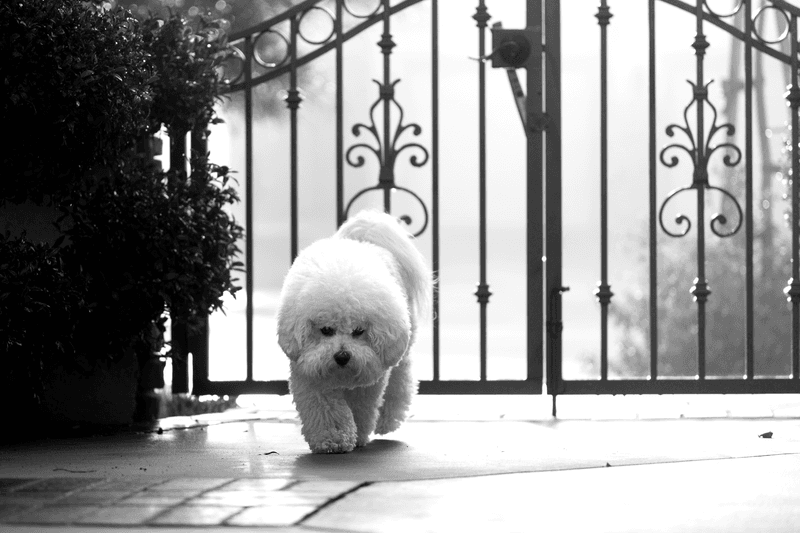
Some dogs just seem happy all the time, and the Bichon Frise is the cheerful proof. That fluffy cloud of joy can live 14 to 15 years.
Aging Bichons sometimes struggle with cataracts, bladder stones, or itchy skin. Fresh water and quality food help a lot.
Keep grooming visits regular but shorter. Older pups tire faster, so a calm groomer who takes breaks makes a big difference.
Border Collie
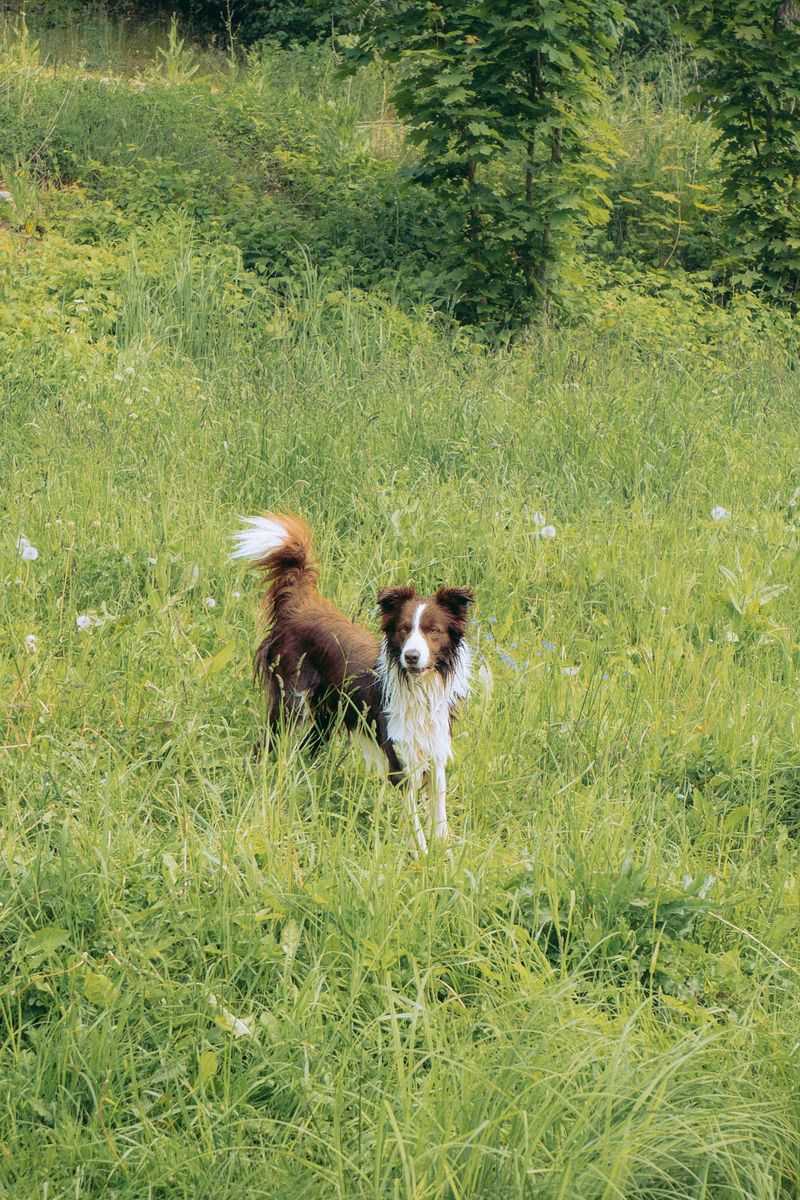
Often called the smartest breed alive, the Border Collie learns words, tricks, and chores with ease. Most live 12 to 15 years.
When herding days fade, their brains still crave work. Teach new tricks or try scent games at home.
Hip dysplasia and vision loss can appear in later years. Soft beds, nonslip rugs, and steady routines help an older Collie feel safe and confident.
Lhasa Apso

Long ago, Lhasa Apsos guarded Buddhist monasteries in Tibet, sounding the alarm when strangers came near. Today, these watchful pups can reach 15 to 18 years.
They age gracefully but may develop kidney or eye issues. Yearly senior checkups catch problems early.
When their energy dips, offer short indoor play and plenty of quiet naps. A warm spot near family keeps them feeling secure and loved.