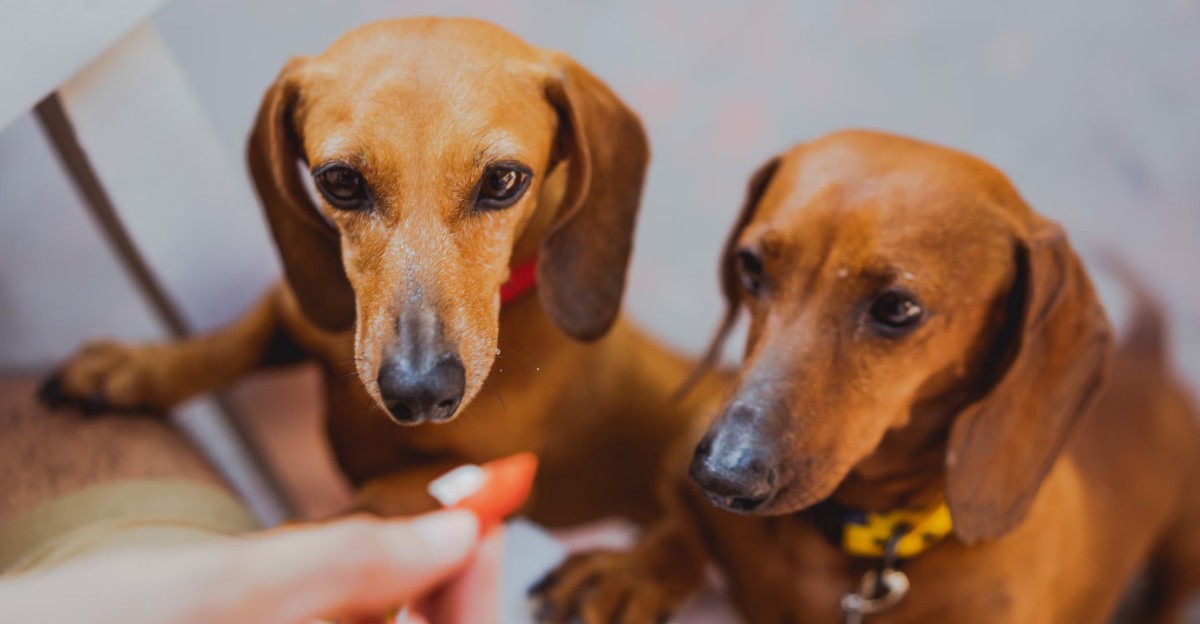
Some dogs will do almost anything for a tasty snack, at least for a while. Many popular breeds start out thrilled by every treat, but that excitement can fade when the same rewards show up again and again.
Knowing which breeds love food, and how to keep them interested, can make training easier and more fun. Keep reading to meet ten snack-loving pups and learn simple ways to keep their tails wagging.
Labrador Retriever
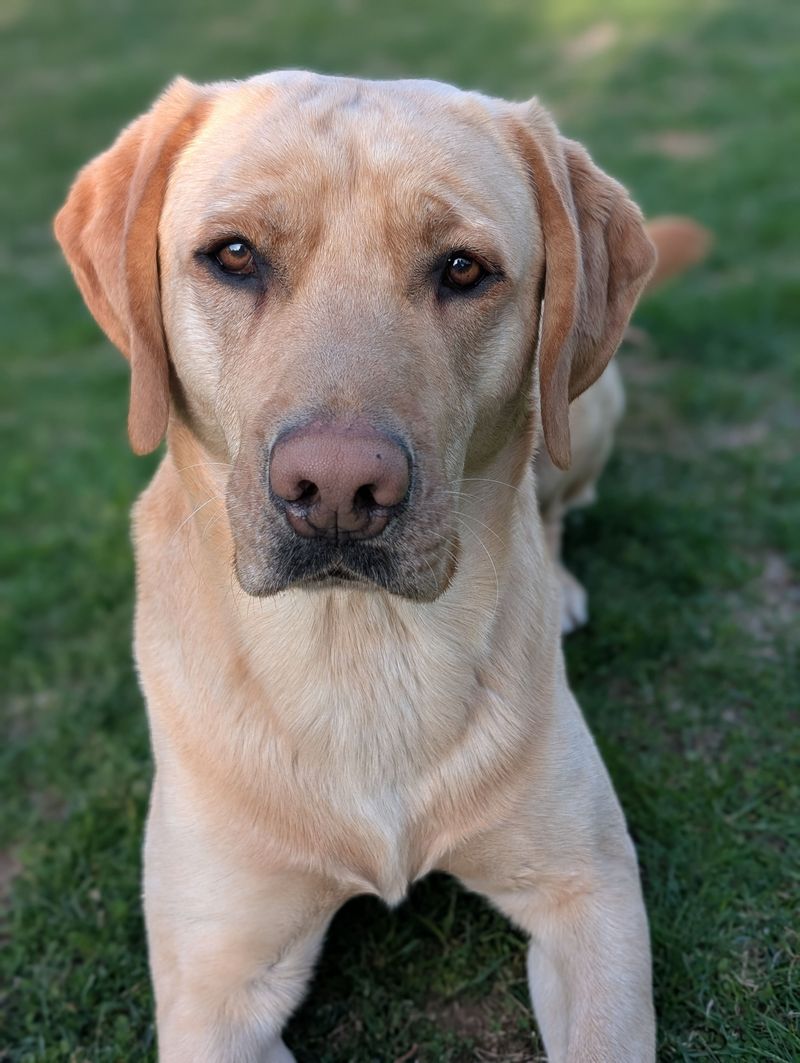
Ask any Lab owner, and they will laugh about the time their dog ate something strange off the floor. Labradors are famous for bottomless bellies and eager faces.
Still, even a Lab can get bored with the same dry biscuit every day. Try rotating rewards like carrot slices, tiny cheese bits, or a favorite toy.
Fun fact: some Labs carry a gene change that makes them feel hungrier than other dogs.
Beagle
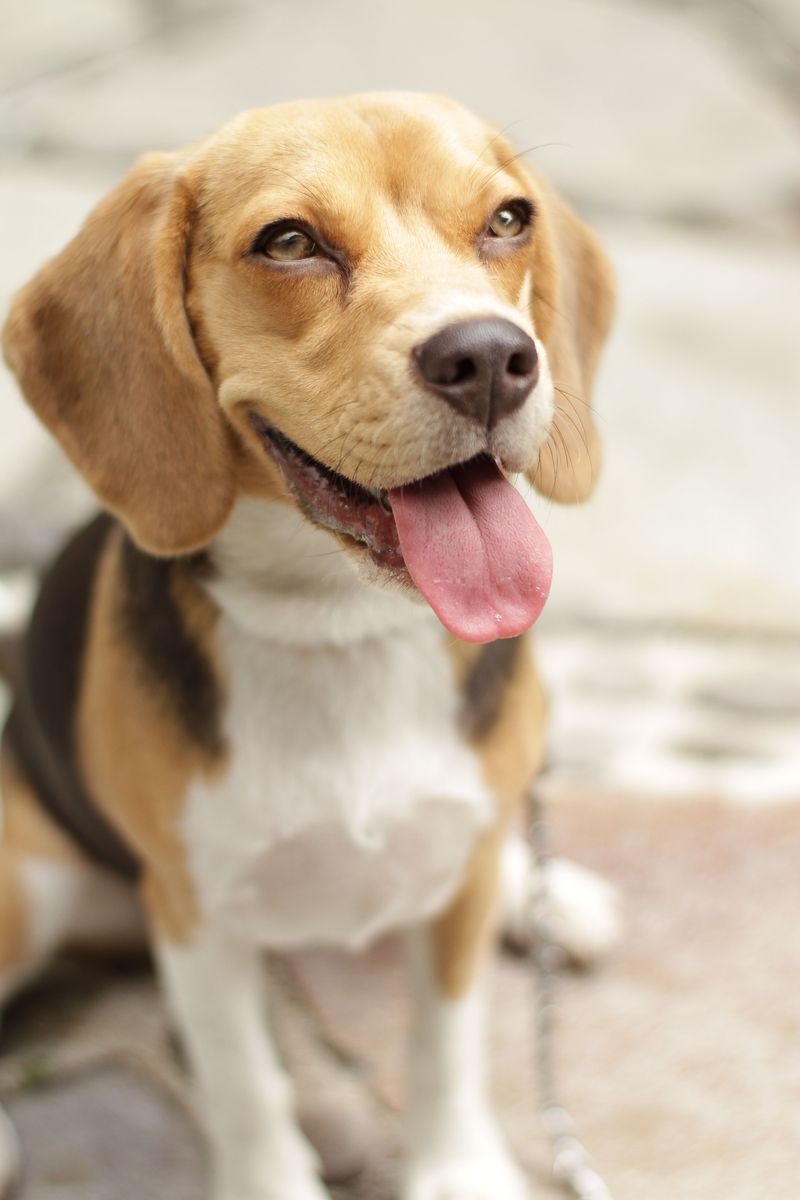
That powerful nose turns every snack into a treasure hunt. Beagles were bred to track rabbits, so smelling food is basically their superpower.
Here is the catch. Once a Beagle figures out your treat routine, the thrill drops fast, and their stubborn side shows up.
Keep things exciting by hiding rewards in puzzle toys or snuffle mats. Turning snack time into a sniffing game keeps that curious brain busy and happy.
Golden Retriever
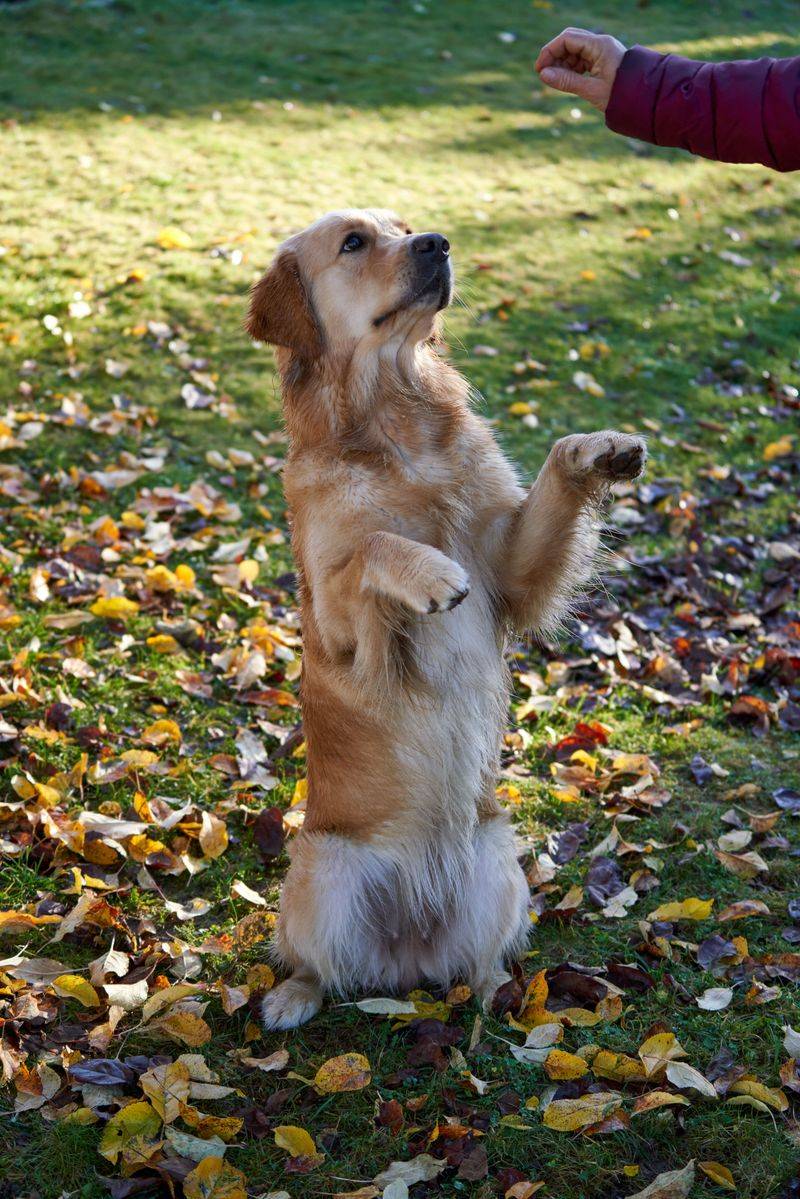
Picture a sunny afternoon, a soft brown treat, and a fluffy golden face glowing with pure joy. Golden Retrievers adore pleasing their people, and snacks make that even sweeter.
Over time, though, many Goldens start caring more about your praise than another cookie. That is actually great news.
Mix food with belly rubs, happy words, and games of fetch. Your pup will stay motivated, and you will avoid adding extra pounds to that cuddly frame.
Pug
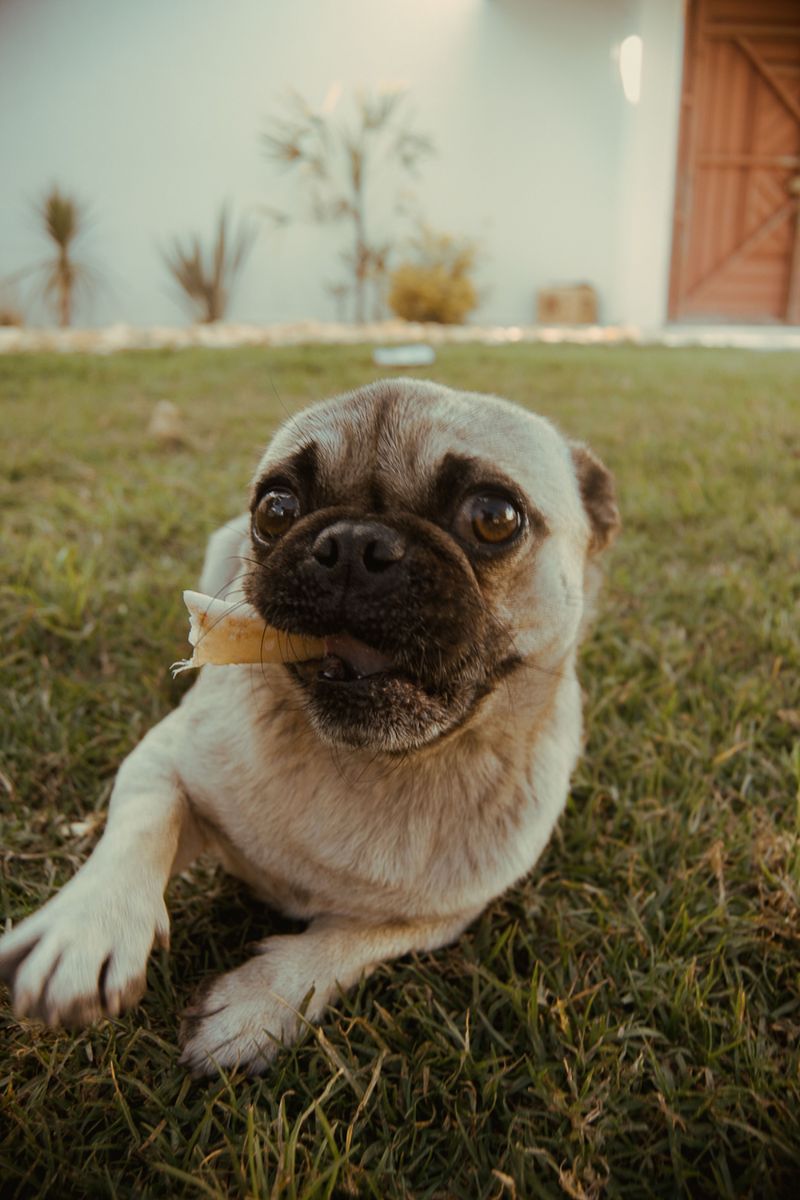
Those giant eyes could talk a person out of their whole sandwich. Pugs were once lap dogs for Chinese emperors, and they still expect royal treatment at snack time.
Because they are small and gain weight easily, too many treats can cause real health trouble. Their interest also fades when rewards feel boring.
Break treats into tiny crumbs and save the best ones for tricky lessons. A little goes a long way with these charming snorters.
Dachshund
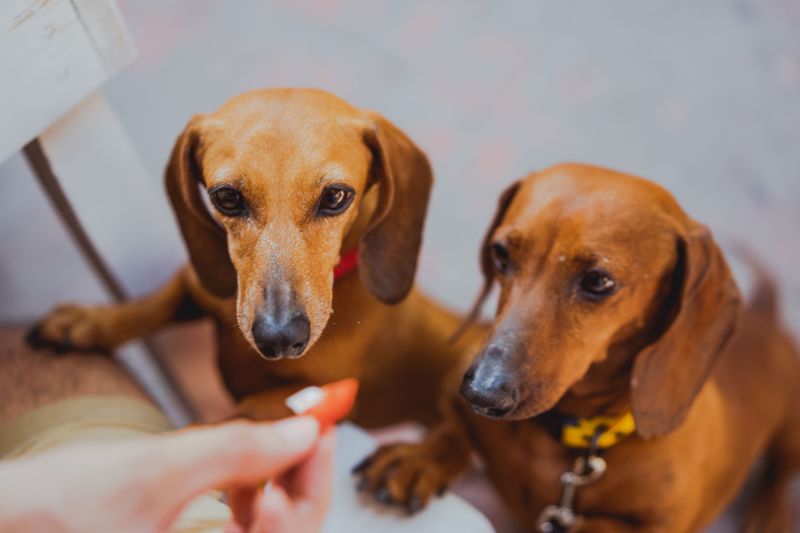
Short legs, long body, and a big personality packed into one hot-dog shape. Dachshunds go wild for food, especially when they think they earned it.
Yet these little badger hunters are clever and a bit bossy. Hand them the same snack too often, and they may simply ignore your commands.
Surprise them with something new, like a bite of cooked chicken. Keep sessions short and upbeat so their attention stays sharp and their backs stay healthy.
Cocker Spaniel
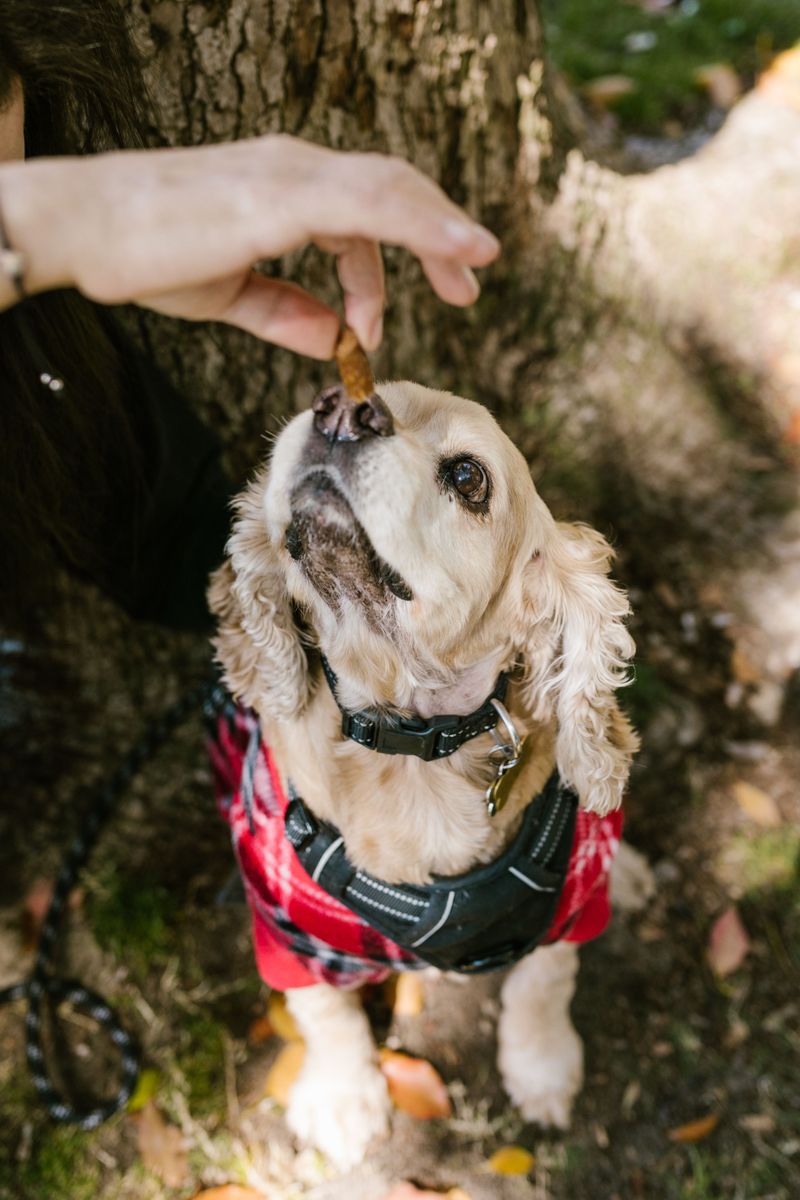
Did you know the Cocker Spaniel got its name from hunting woodcock birds? Today, most of them hunt for crumbs under the dinner table instead.
Cockers are sweet and sensitive, and treats help them feel confident during training. However, they can lose interest if rewards feel predictable.
Try using their regular kibble for easy tasks and special goodies for harder ones. That simple switch makes the fancy treats feel like a real prize again.
Basset Hound
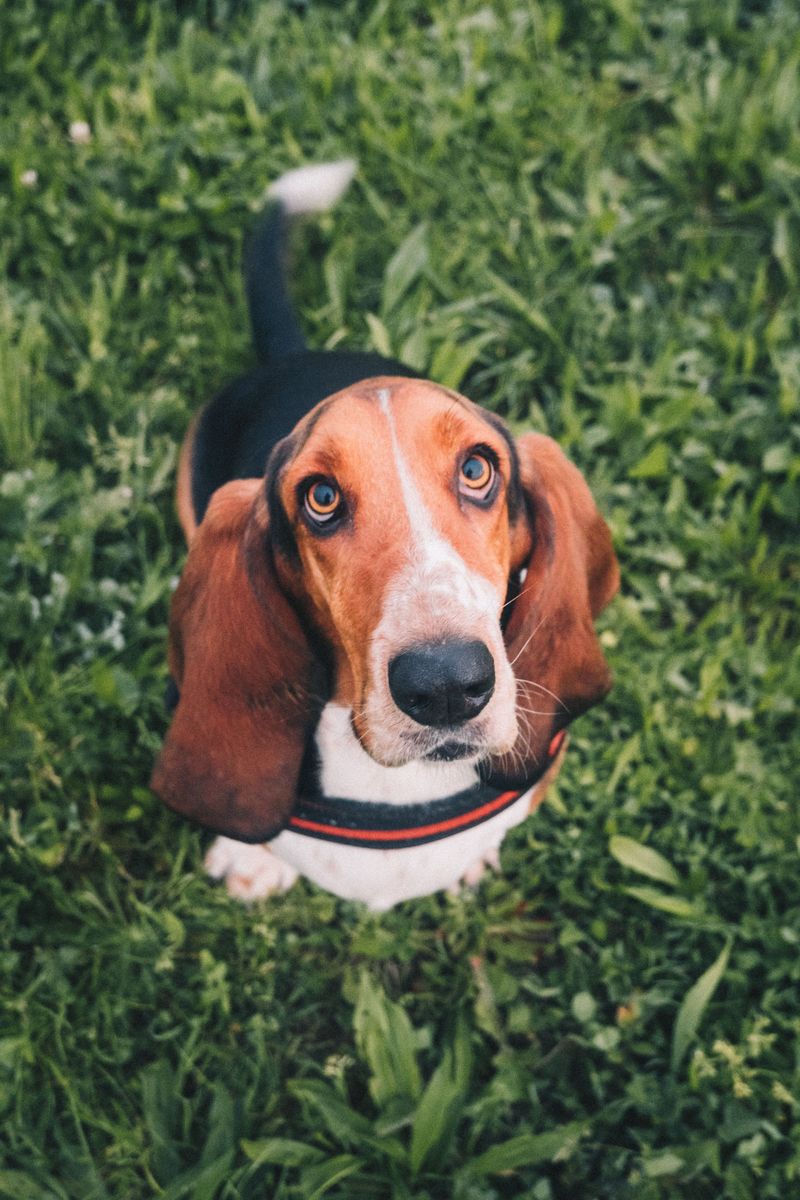
Slow and sleepy? Sure, until someone opens the treat bag.
Then that droopy Basset Hound suddenly moves with surprising speed.
These laid-back hounds love food, but they also love naps. When snacks feel ordinary, many decide the couch is a better offer than your lesson.
Use smelly, high-value rewards like small bits of hot dog for training. Walks with sniffing breaks also work as rewards, giving that famous nose something fun to do.
Corgi
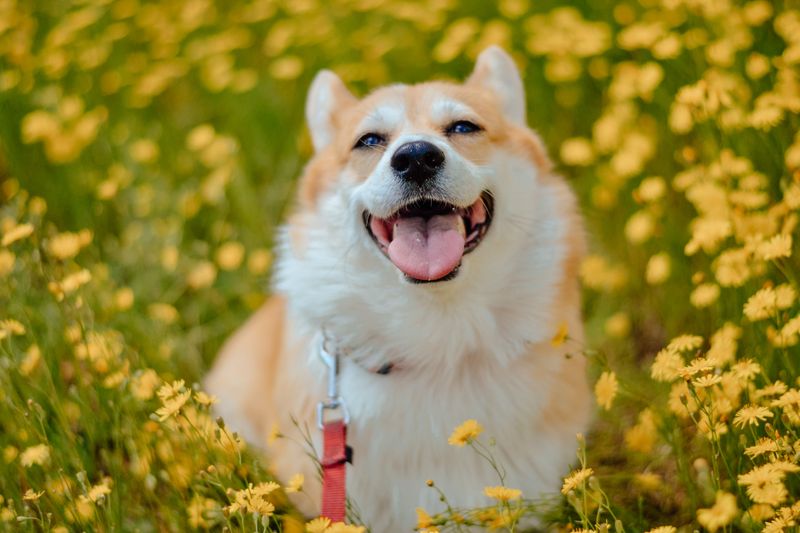
Queen Elizabeth II owned more than 30 Corgis during her life, and many of them surely knew how to charm a biscuit from the palace staff.
These herding dogs are smart, quick learners who adore snacks. But smart dogs get bored easily, and repeating the same reward can make training feel dull.
Teach new tricks often and switch between treats, toys, and praise. Variety keeps a Corgi thinking, wiggling, and ready for the next challenge.
Staffordshire Bull Terrier
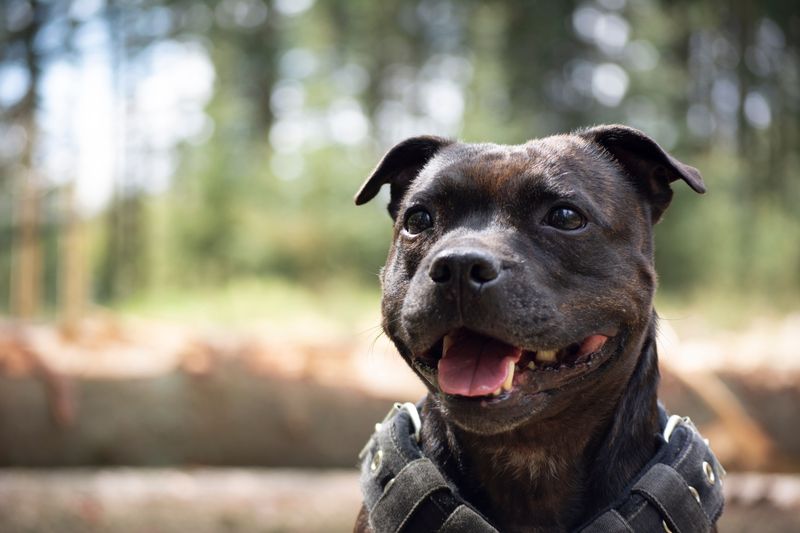
Grinning from ear to ear, a Staffy greets every snack like a long-lost friend. These muscular cuddle bugs are full of energy and love tasty rewards.
Once the newness wears off, though, they often care more about play. A quick game of tug can beat a cookie any day.
Use treats to start learning, then slowly swap in toys and games. Staffies stay excited when rewards match their bouncy, playful spirit.
Shetland Sheepdog
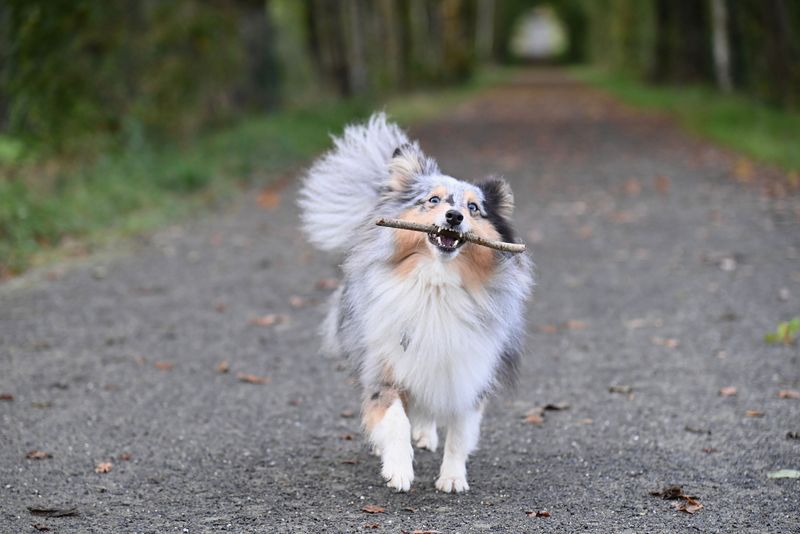
Quick feet, bright eyes, and a brain that never stops working. Shelties often top agility contests, and treats help fuel their eagerness to learn.
Since they pick up lessons so fast, the same old snack can lose its magic quickly. A bored Sheltie may start barking for attention instead.
Keep a treat pouch with three or four different flavors. Changing things up, plus plenty of cheerful praise, keeps these fluffy herders focused and proud.