
Some dogs handle a noisy house just fine, while others start shaking the moment the vacuum turns on. Loud parties, crying babies, blaring TVs, and slamming doors can stress out sensitive pups more than we realize.
Knowing which breeds struggle with noise can help you spot the signs early and make your home feel safer for them. Below are ten breeds that often feel overwhelmed by a loud house, plus two that usually stay calm.
Border Collie
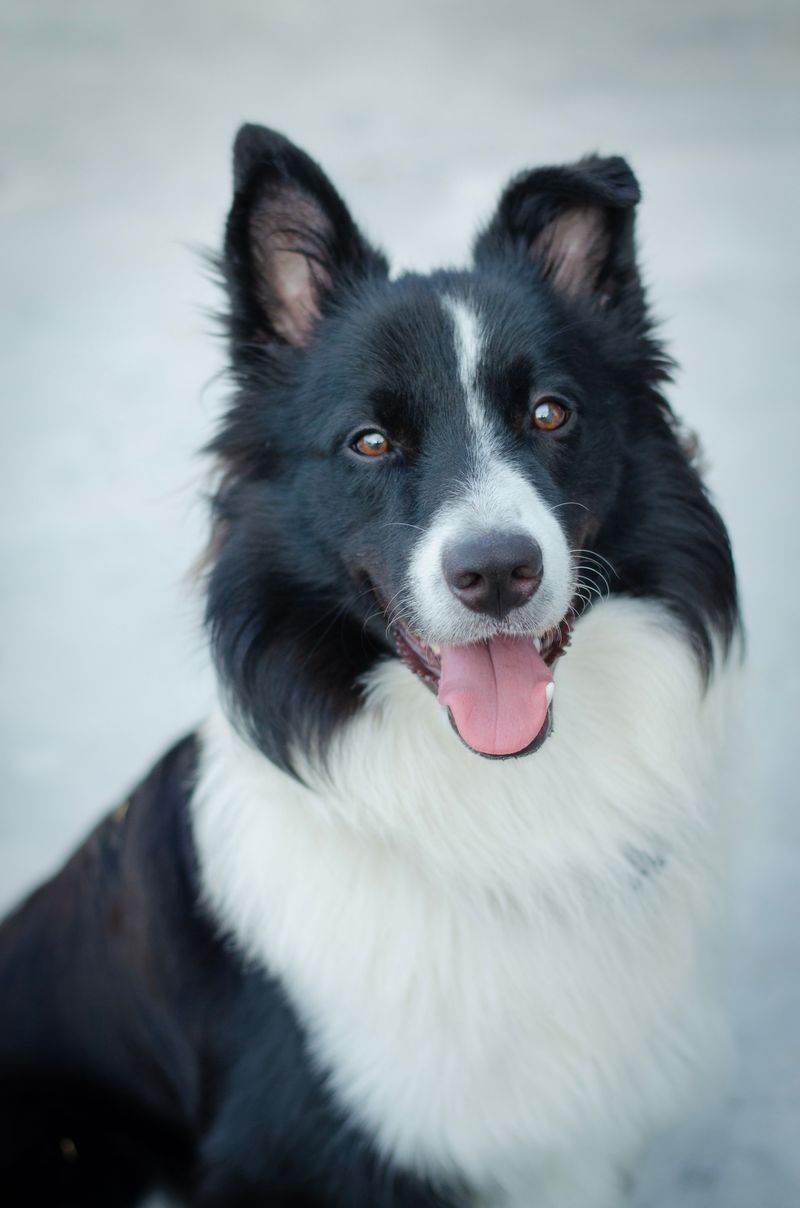
Bred to hear a shepherd’s faintest whistle across a hillside, the Border Collie has ears tuned for tiny sounds. That sharp hearing becomes a burden when the blender, TV, and kids all compete at once.
Many of these clever dogs pace, spin, or chase shadows when noise piles up. Give yours a quiet room with a puzzle toy during busy times.
A tired brain handles chaos much better than a bored one.
Australian Shepherd
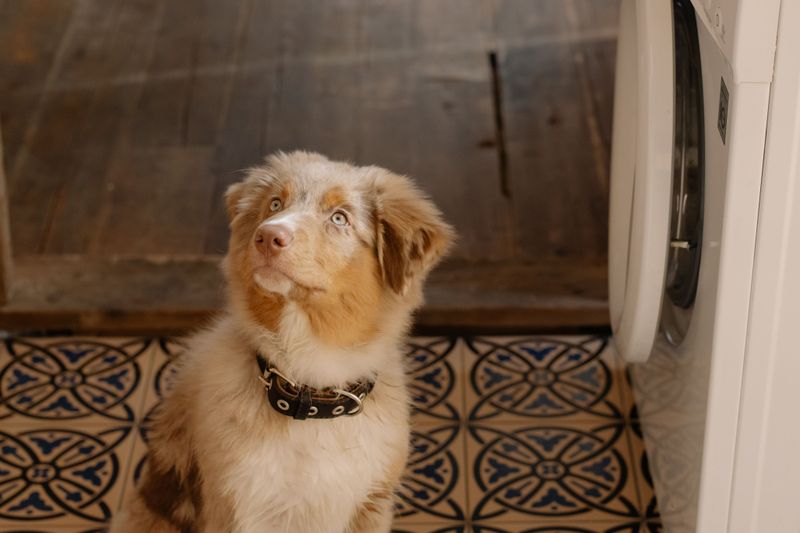
Ever watched an Aussie try to herd party guests? It happens more often than you think.
When a home gets rowdy, these energetic workers can feel like they must control everything.
That sense of duty turns into barking, nipping at heels, or restless circling. Before company arrives, take your Aussie on a long hike.
Afterward, a crate covered with a blanket can feel like a calm little cabin away from the commotion.
German Shepherd
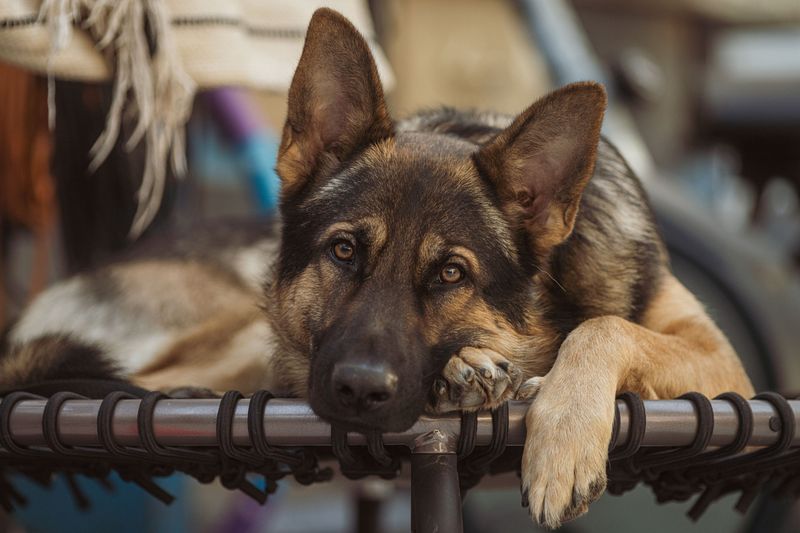
Loyal guardians at heart, German Shepherds treat every bang and shout like a possible threat. Their job, as they see it, is to protect the family, so a loud house keeps them constantly on duty.
Over time, this nonstop alertness can wear them down. Watch for panting, whining, or sticking to your side like glue.
Short training sessions using calm rewards can teach them that a dropped pan is no emergency.
Greyhound
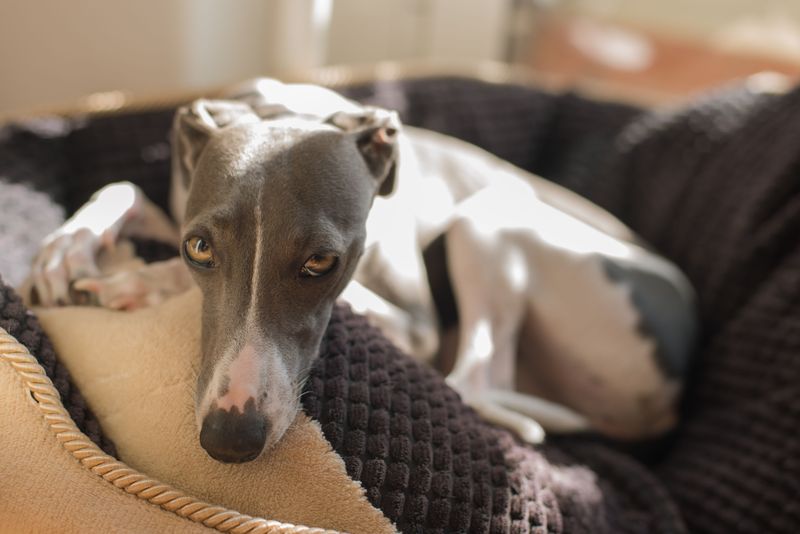
Fast on the track yet surprisingly shy at home, Greyhounds are true introverts. Many retired racers grew up in calm kennels, so a busy household with yelling kids can feel like a shock.
Fun fact: these speedy dogs sleep up to 18 hours a day. They need peace to recharge.
Set up a padded bed in a low-traffic corner, and ask visitors to let your hound approach first.
Shetland Sheepdog
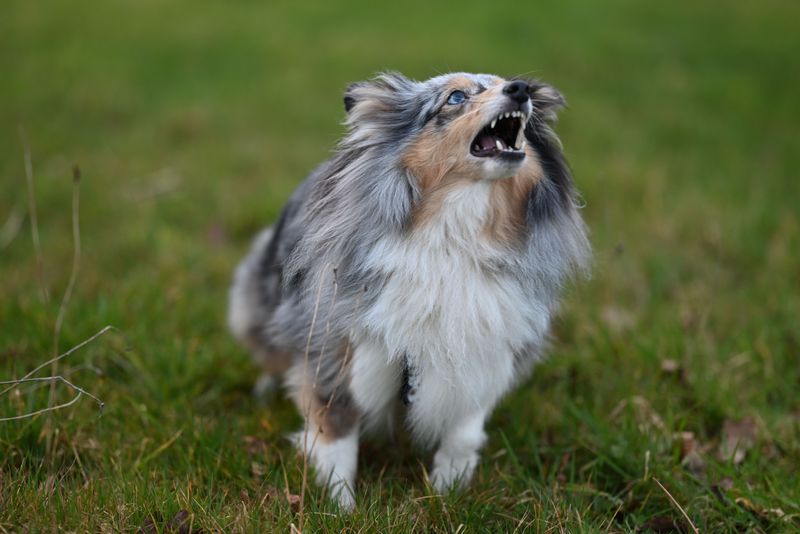
Picture a tiny Lassie with a giant case of nerves. Shelties are sweet and smart, but they startle easily and often answer noise with even more noise, usually high-pitched barking.
A clattering kitchen or slamming door might send one scurrying under the table. Try playing recorded household sounds at low volume while offering treats.
Slowly turn it up over weeks, and your Sheltie may learn to shrug off the racket.
Chihuahua
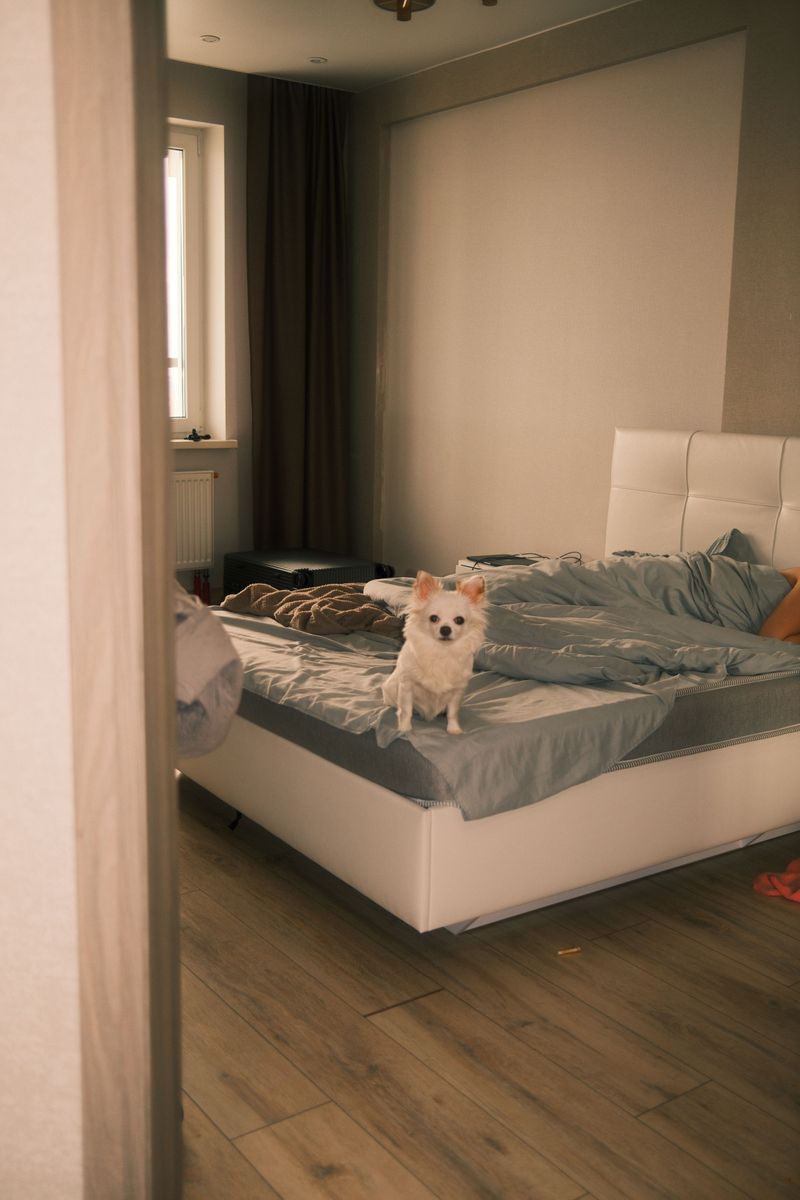
Small body, big feelings. Chihuahuas often shake when a house gets hectic, and it is not always because they are cold.
To a dog this size, a loud room can feel like standing next to a rock concert speaker.
Many respond by snapping or yapping to seem tougher. Offer a covered bed or snuggle sack where they can burrow.
Feeling hidden often helps these pint-sized pups relax quickly.
Cavalier King Charles Spaniel
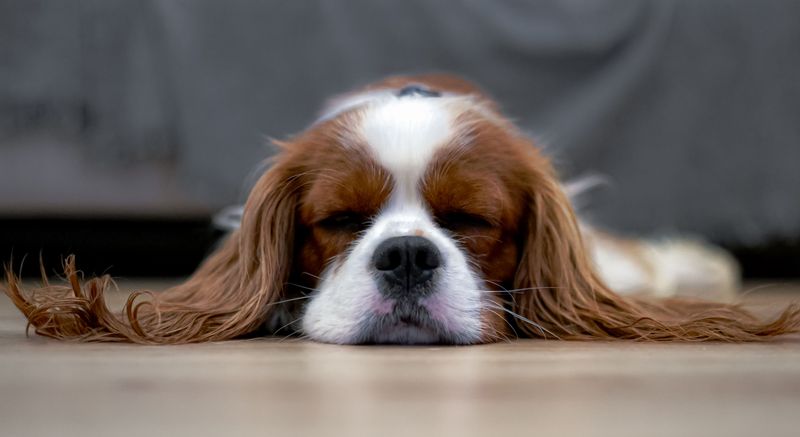
Royals once kept these spaniels as lap warmers in quiet palace rooms, and the breed still prefers a peaceful vibe. Cavaliers bond tightly with their people and soak up the mood around them.
When voices rise or music thumps, they may cling, whimper, or hide. Speaking softly and keeping a steady routine helps a lot.
A calming pheromone diffuser near their resting spot can also bring a touch of royal comfort.
Whippet
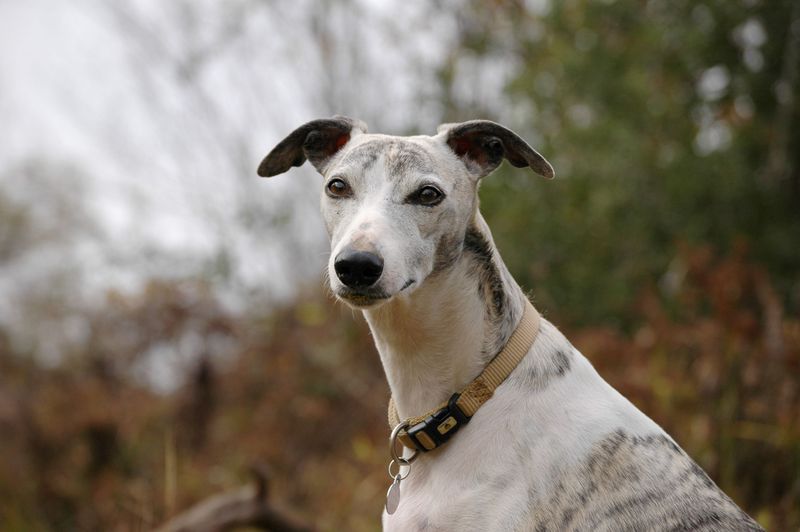
Whippets are like little cousins of the Greyhound, and they share the same soft soul. Thin coats and thin skin make them sensitive to touch, and their nerves react strongly to sudden sounds too.
The vacuum cleaner is a classic enemy. Instead of chasing them with it, run it while your Whippet relaxes in another room with a chew.
Small changes like this can turn chore day into nap day.
Vizsla
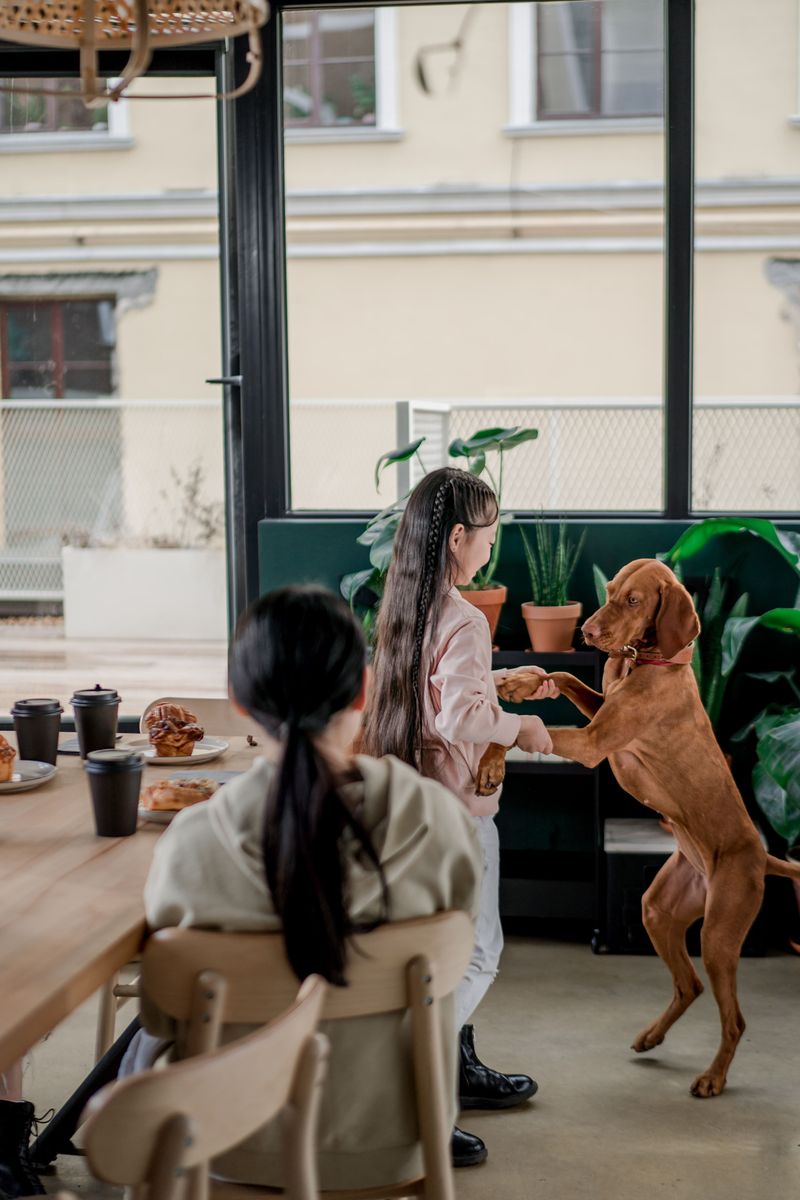
Nicknamed the Velcro dog, the Vizsla wants to be glued to you at all times. That clingy charm comes with a sensitive streak, and chaotic noise can tip this Hungarian hunter into anxiety.
Signs include whining, trembling, or chewing things they normally ignore. Daily runs help burn nervous energy.
During loud family events, keep your Vizsla close with a job, like holding a stay on a mat for treats.
Bichon Frise
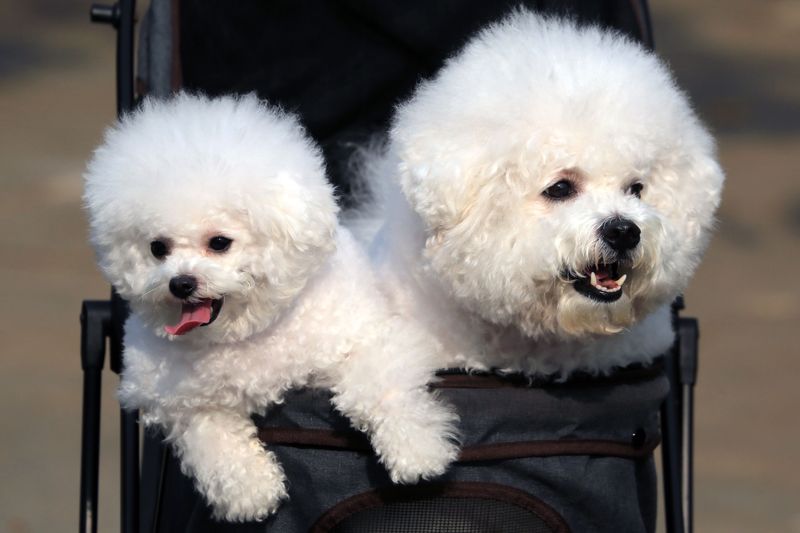
Cheerful little cotton balls, Bichons love people, but too many people making too much noise can flip that joy into worry. They are prone to separation stress and feel big emotions easily.
After a noisy evening, some may bark nonstop or have potty accidents from nerves. A quiet den with soft music can help.
White noise machines work wonders for blocking out sudden bangs from busy family life.
Labrador Retriever
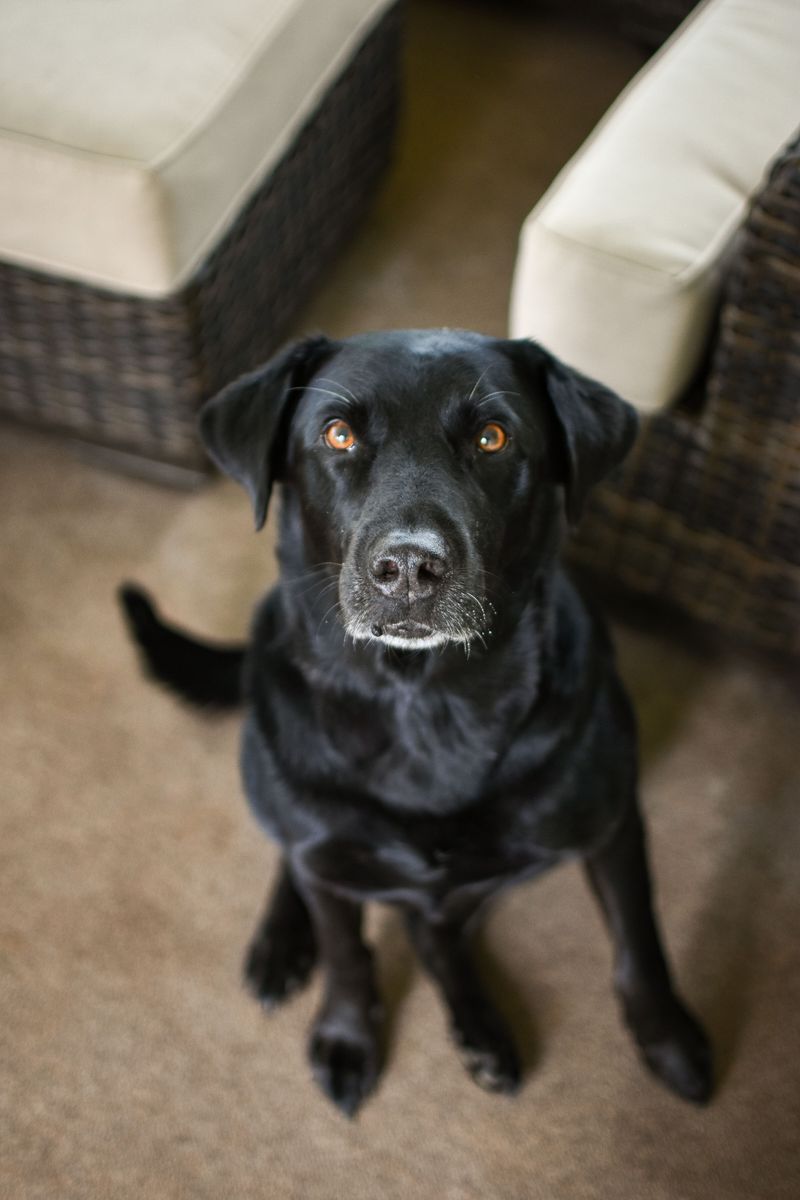
Kids screaming, dishes clattering, music blasting, and the Lab just wags. Labrador Retrievers are famous for their laid-back, roll-with-it attitude, which makes them great fits for lively homes.
Did you know? Despite the name, Labs actually come from Newfoundland, where they helped fishermen in rough, noisy waters.
Still, every dog has limits, so give yours regular exercise and a cozy bed to retreat to when needed.
Golden Retriever
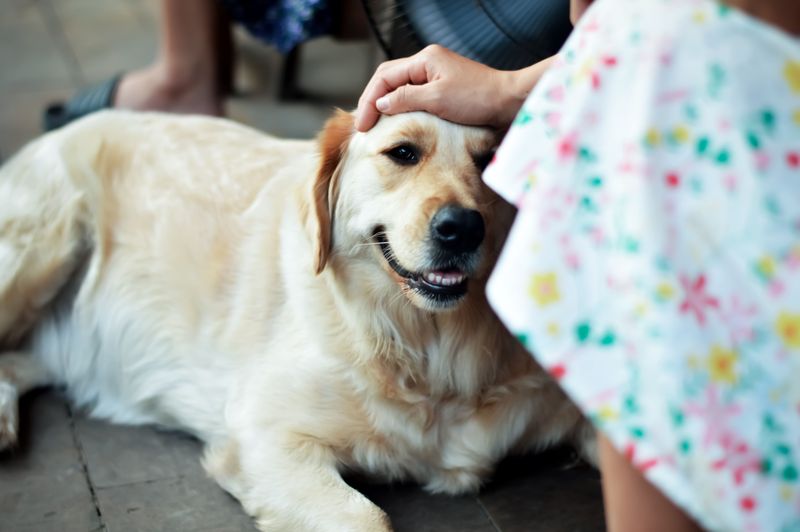
Birthday party with twenty kids? A Golden Retriever might just see it as twenty new best friends.
Sunny and steady, Goldens usually take household noise in stride.
Their easy temperament comes from breeding as hunting partners that stayed calm near gunfire. Early socialization keeps that confidence strong.
Expose puppies to many sounds in a positive way, and you will likely raise an adult who barely blinks at chaos.