
Some dogs feel happiest when every day follows a clear and steady rhythm. Meals, walks, play, and rest at set times help them stay calm, fit, and confident.
But as dogs grow older or face health changes, the routine that once worked may need a fresh plan. Here are the breeds that thrive on structure and the signs that tell you it is time to adjust.
Border Collie
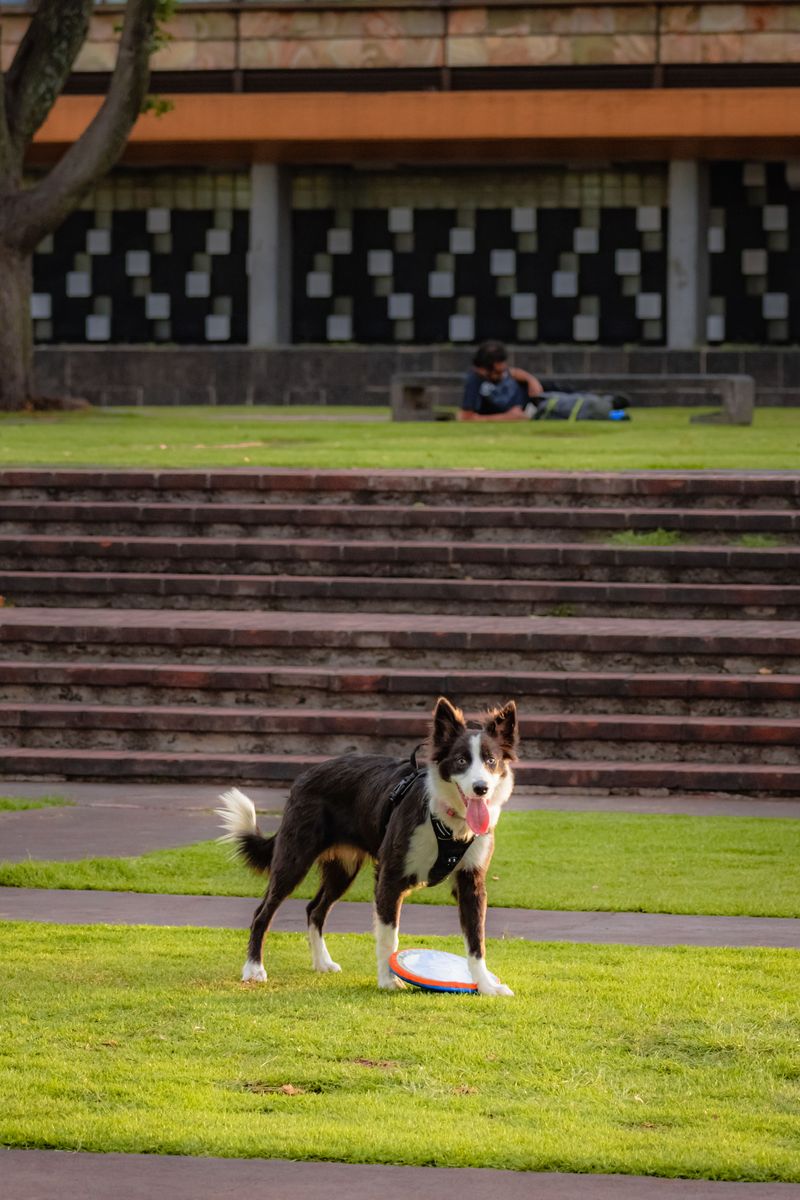
Give a Border Collie nothing to do, and it will invent a job, like herding your kids or chasing shadows. Sharp minds need daily puzzles, training games, and long runs.
Plan two active sessions each day, plus short brain teasers in between. Hip dysplasia and eye problems can show up later in life.
When stiffness appears, swap sprinting for scent games and slow walks. The mind stays hungry even when the body slows.
Dachshund
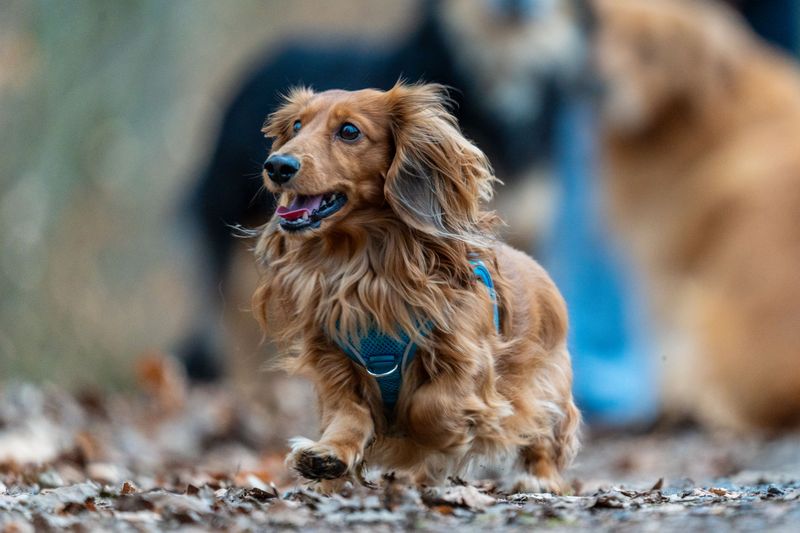
Did you know Dachshunds were bred to hunt badgers underground? That brave spirit lives inside a long, delicate back.
Daily routines should include short walks, steady meals to prevent weight gain, and ramps instead of jumping off couches. Extra pounds put real strain on their spine.
If your pup suddenly yelps, wobbles, or refuses stairs, call the vet quickly. Disc trouble may mean crate rest and a much quieter schedule for a while.
Siberian Husky
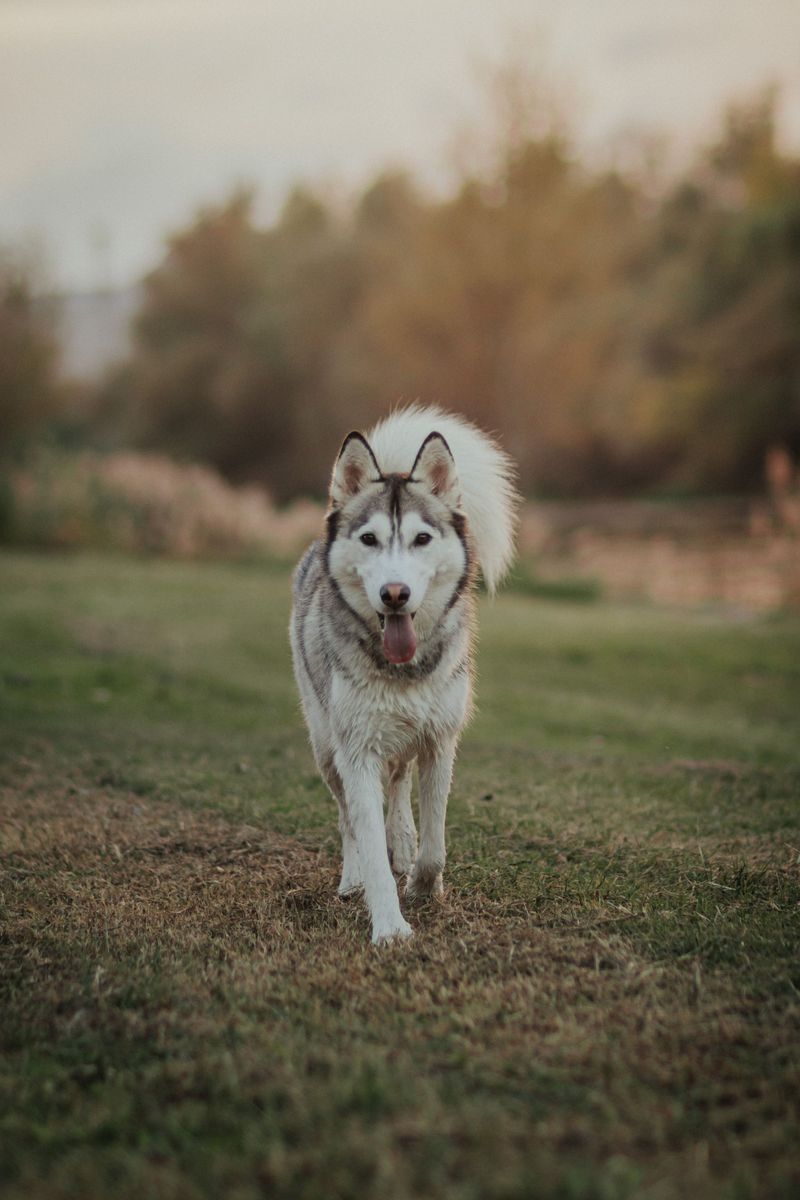
Picture a dog that once pulled sleds across frozen Alaska. Huskies still carry that endless engine, and boredom often turns into chewed shoes or escape attempts.
Morning runs, evening play, and cool resting spots make life smoother. Brushing several times a week keeps that thick coat healthy.
As joints age or thyroid issues appear, trade long runs for swimming or gentle hikes. Watch for heat stress more closely too, since older Huskies tire faster.
French Bulldog
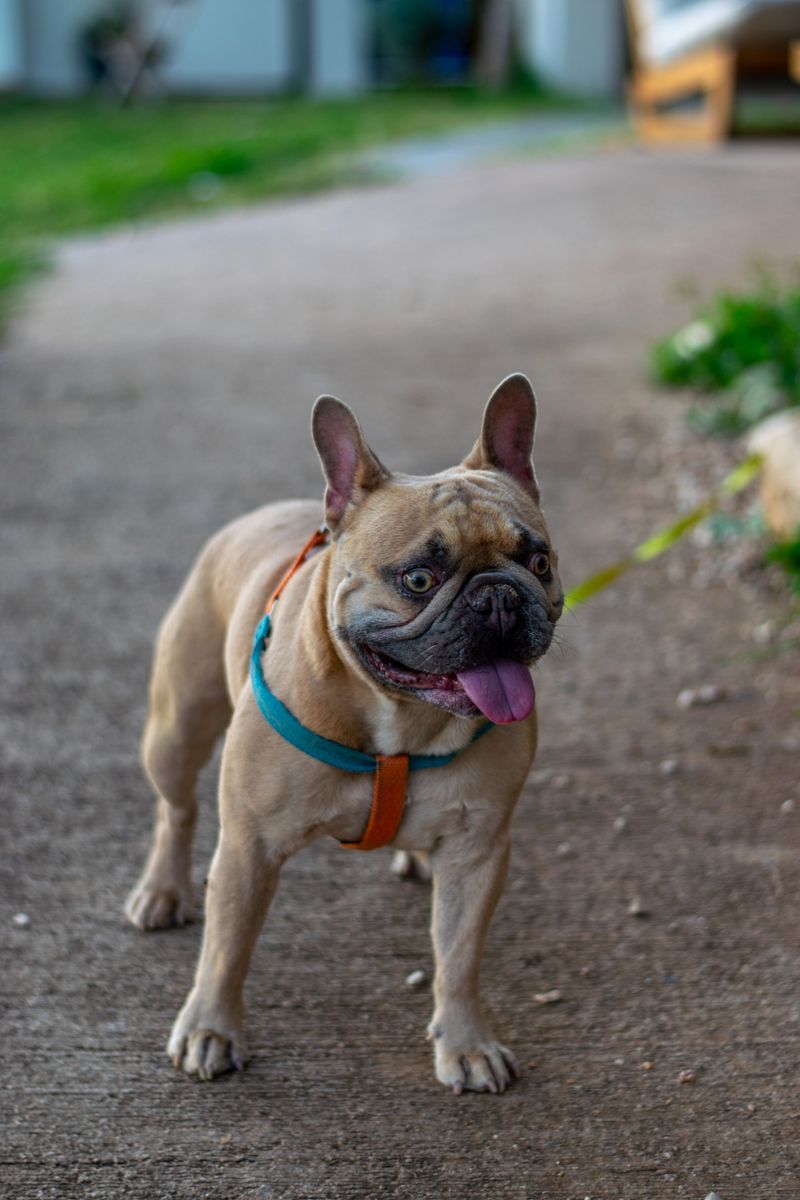
Funny, snorty, and full of charm, Frenchies are little clowns with big breathing needs. Their flat faces make heat and hard exercise risky.
Keep walks short and schedule them during cooler mornings or evenings. A harness works better than a collar for their throats.
If snoring gets louder or your dog tires after a few steps, talk with your vet. Breathing surgery or a slower lifestyle might become the kinder path forward.
German Shepherd
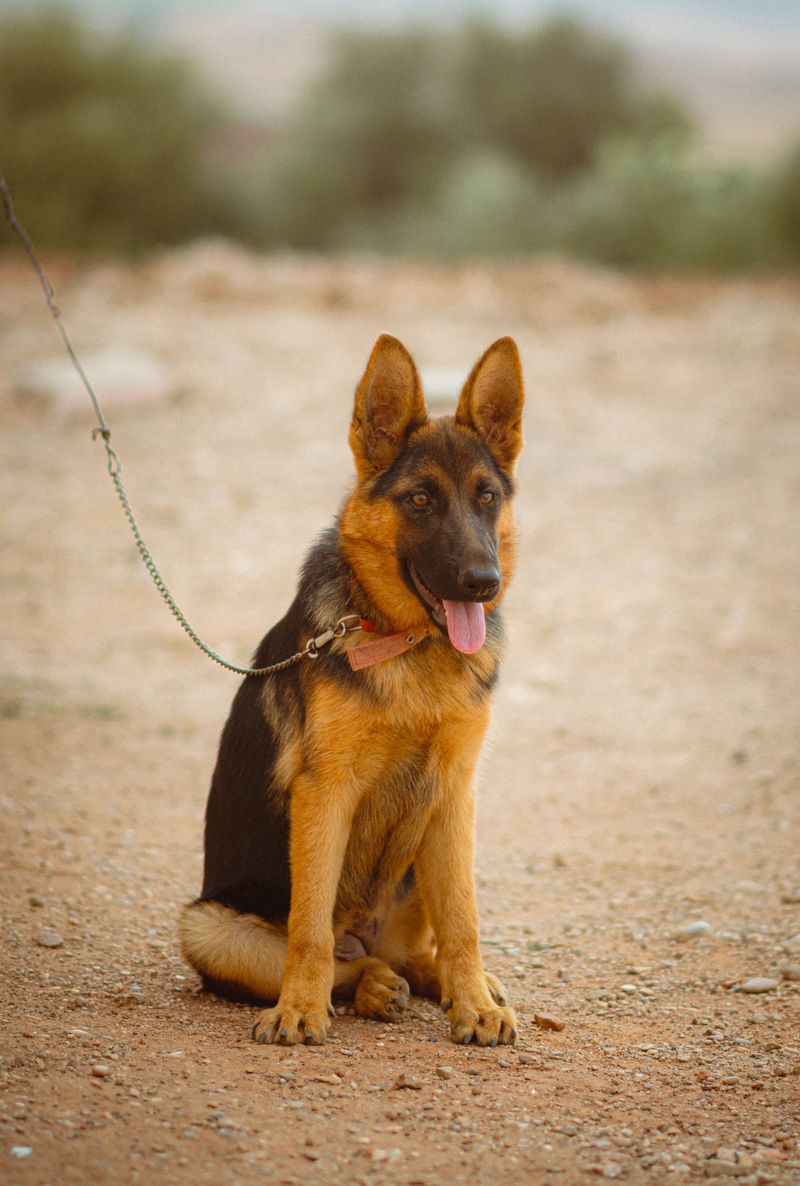
Loyal and loaded with focus, German Shepherds work as police dogs, guide dogs, and family protectors. They crave purpose almost as much as dinner.
Daily obedience practice, fetch, and steady walks keep them balanced. Feeding smaller meals can lower the risk of bloat, a serious stomach emergency.
Many Shepherds develop hip or spine weakness with age. Non-slip rugs, joint supplements, and shorter training games help an aging guardian keep its dignity and comfort.
Cavalier King Charles Spaniel
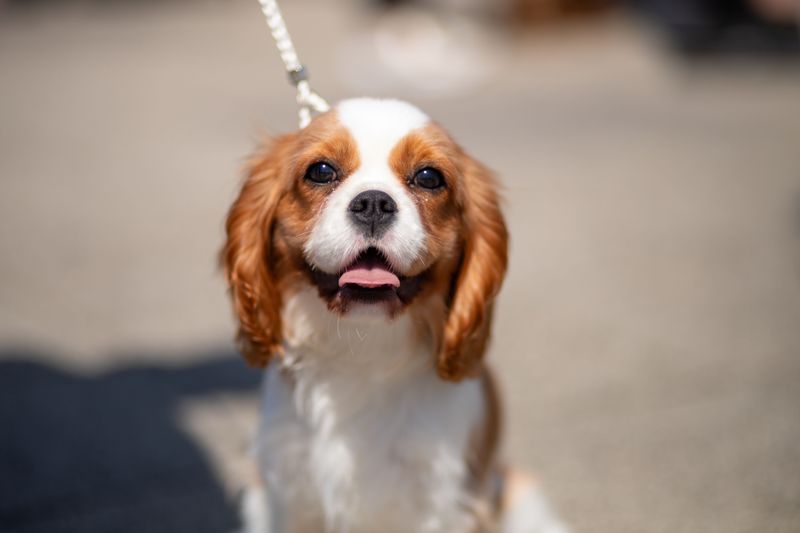
Royal lap warmers since the days of King Charles II, Cavaliers love nothing more than a cuddle. Still, they need real movement every day.
Two easy walks and regular weight checks keep them trim. Clean those floppy ears weekly to avoid infections.
Heart disease is common in this breed, so yearly vet listens matter. If coughing or tiredness appears, your vet may suggest medicine and lighter activity to protect that sweet heart.
Australian Shepherd
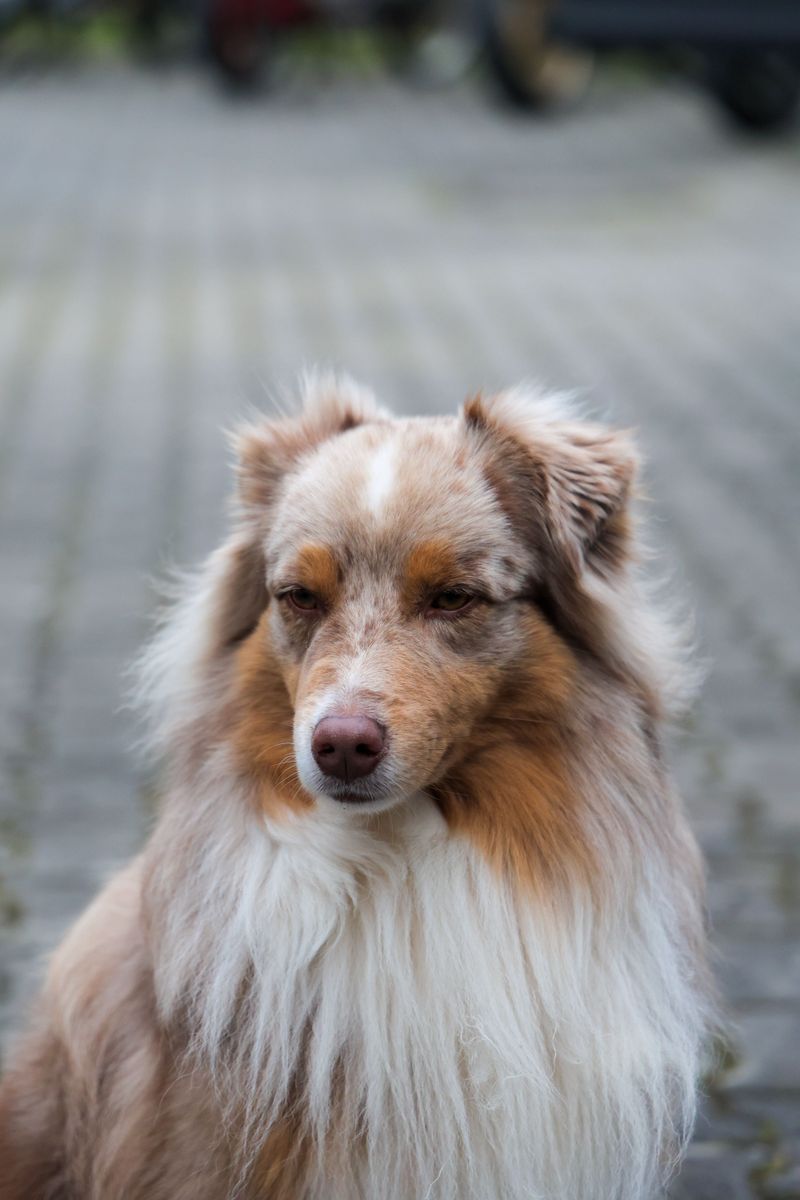
Ever met a dog that seems to read your mind? Aussies watch everything, learn fast, and get restless without a plan.
Mix agility, fetch, and new tricks into each day. A predictable schedule helps them settle at night instead of pacing the hallway.
Some carry genes that affect medication reactions or vision. As they age, hearing and eyesight may fade, so use hand signals and keep furniture in familiar spots.
Labrador Retriever
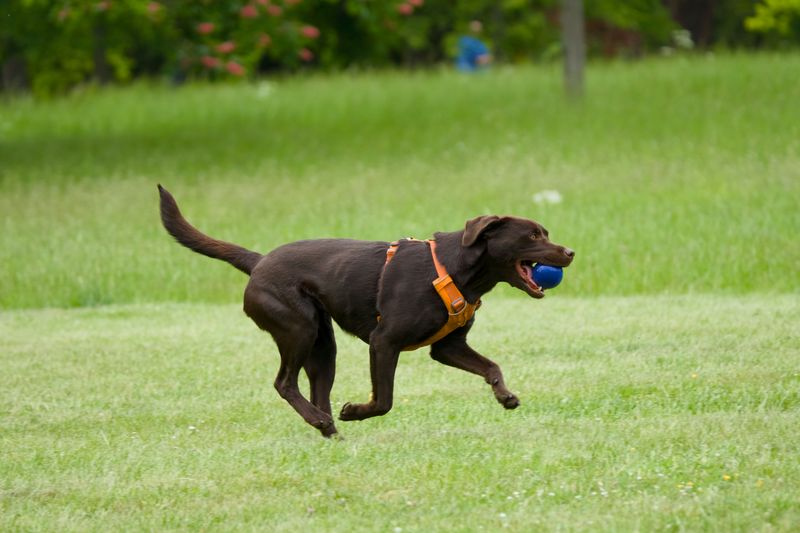
Here is a fun fact: Labradors actually come from Newfoundland, not Labrador. Wherever they started, their appetite seems to have no ending.
Measure meals carefully and pair them with swimming or fetch. Labs gain weight easily, which strains their joints over time.
Arthritis often creeps in during senior years. Warm beds, gentle swims, and shorter outings let your goofy friend keep enjoying life without paying for it in sore legs later.
Greyhound
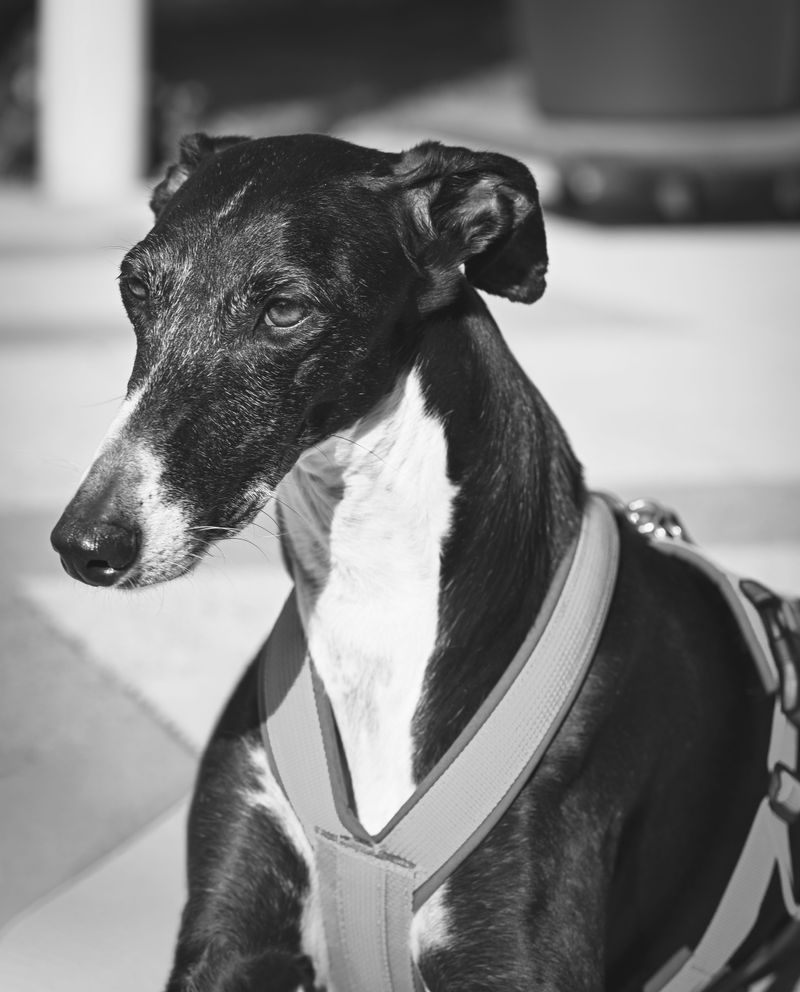
Fastest sprinter, biggest couch potato. Greyhounds can hit 45 miles per hour, then nap for eighteen hours straight.
A couple of calm walks and a safe fenced zoom session suit them well. Their thin skin and low body fat mean sweaters in winter and padded beds year round.
Older Greyhounds may face dental problems or bone cancer. Limping deserves a quick vet visit, and soft food might become the new normal.
Beagle
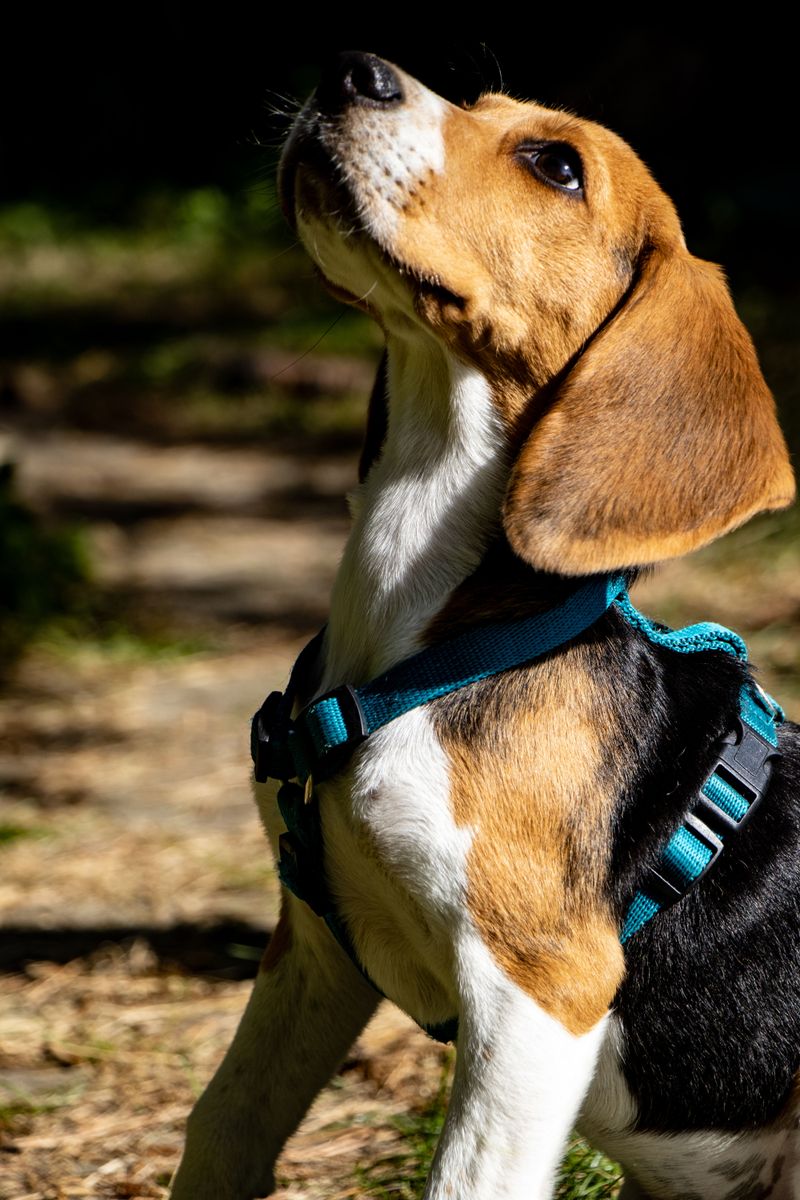
Nose first, ears flapping, a Beagle follows smells like a detective on a case. That curiosity needs an outlet every single day.
Sniff walks, food puzzles, and fixed mealtimes keep them content and less likely to raid the trash. Watch treats, because Beagles plump up fast.
Seniors may develop back pain or thyroid issues. Slower sniff strolls still satisfy that famous nose while protecting a tired body.
Great Dane
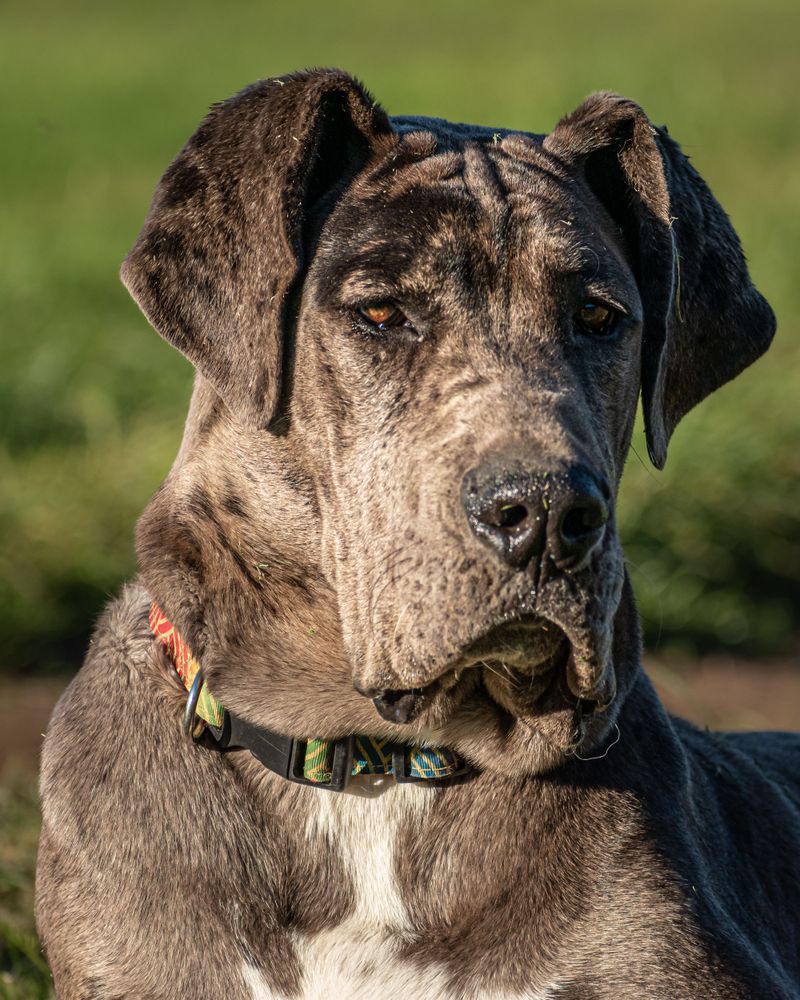
Gentle giants can stand taller than their owners on hind legs, yet many think they are lap dogs. Size brings special daily needs.
Feed two or three smaller meals and skip hard play right after eating to reduce bloat danger. Puppies need limited jumping while bones grow.
Lifespans are short, often seven to ten years. Heart checks, orthopedic beds, and easy strolls help those final years feel comfortable.
Shih Tzu
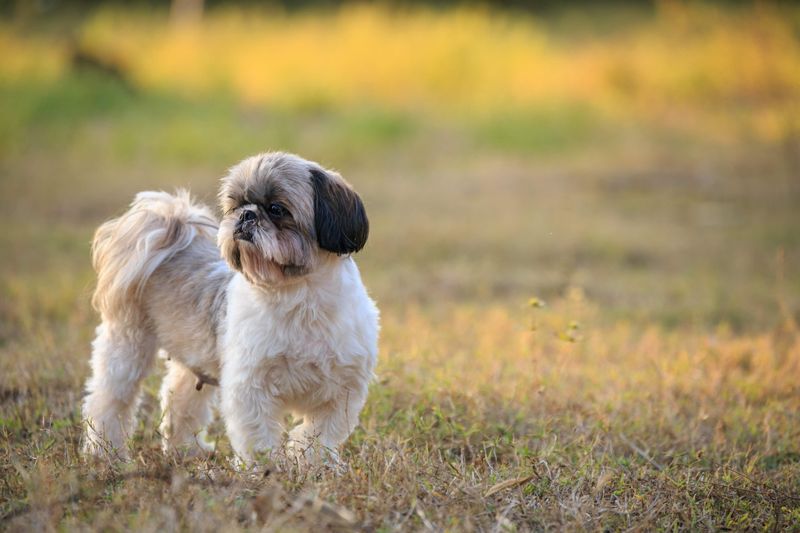
Once pampered in Chinese palaces, the Shih Tzu still expects a little royal treatment. That flowing coat needs brushing almost daily.
Add short walks, regular face cleaning, and steady potty times. Small dogs do best with clear habits.
Eye problems and breathing trouble can grow with age. Shorter haircuts, careful eye care, and cooler indoor play make life easier for an aging little monarch.
Boxer
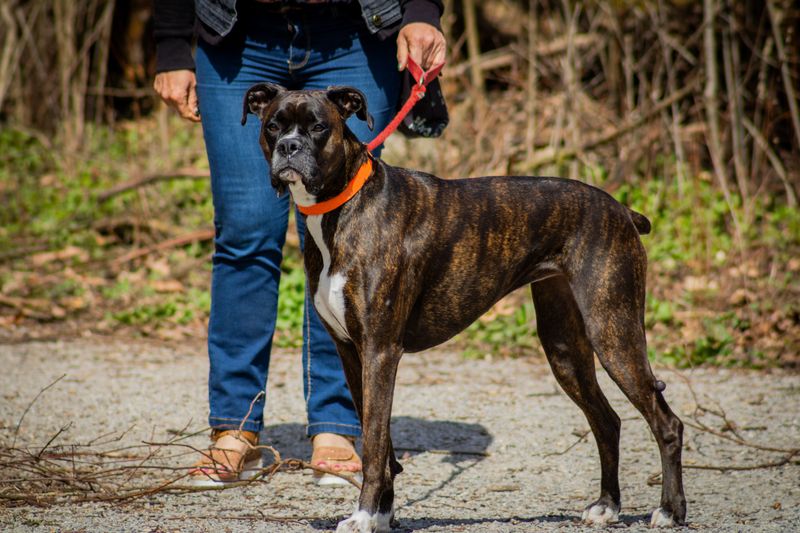
Boxers got their name from swatting with their front paws during play. Bouncy and silly, they stay puppylike for years.
Burn off that energy with games of tug, fetch, and brisk walks. Keep outings cooler, since their short noses struggle in heat.
Heart rhythm issues and certain cancers appear often in older Boxers. Regular checkups and softer play keep that joyful spirit going safely.