
Some dogs notice everything, from a slammed door to a change in your mood. Knowing how sensitive a breed tends to be can help you pick the right pup for your home and lifestyle.
Sensitive dogs are not bad dogs, they just need a little extra care and patience. Read on to meet thirteen breeds with tender radar and two that stay cool when life gets loud.
Border Collie
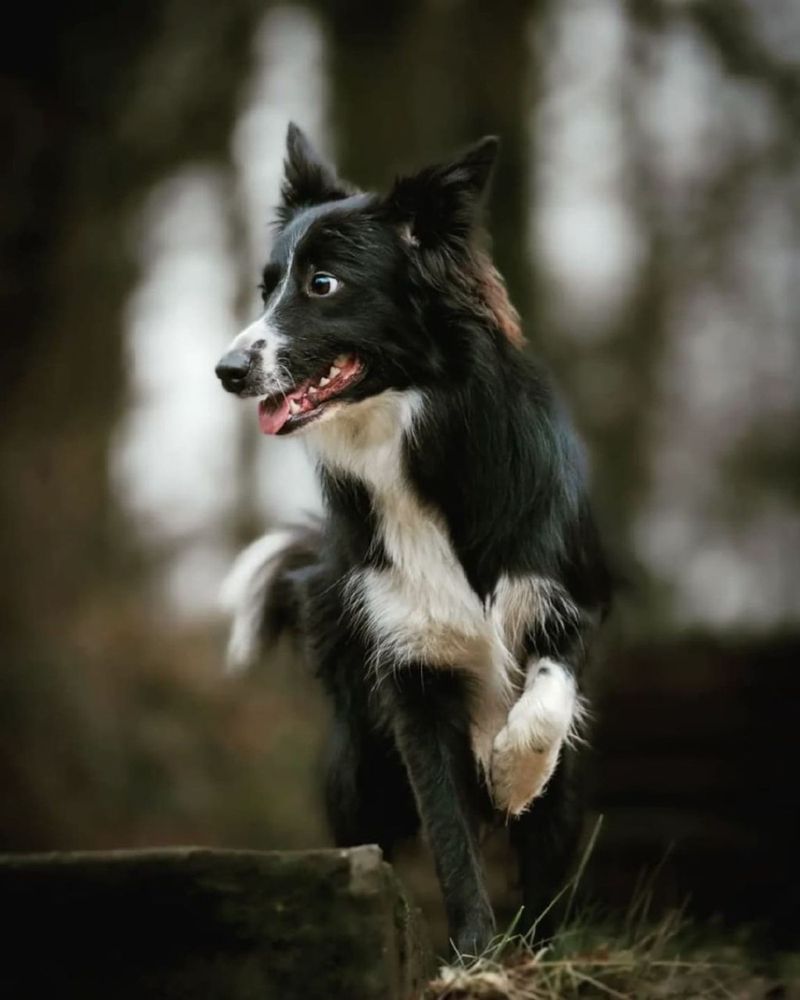
Picture a dog that can spot a sheep twitching from across a field. Border Collies were bred to read tiny movements, so they pick up on noise, motion, and your stress fast.
Without daily jobs and brain games, these clever herders may get anxious or start chasing cars and kids.
Try puzzle toys, agility, or simple trick training. A busy Border Collie is usually a calmer, happier one at the end of the day.
Whippet
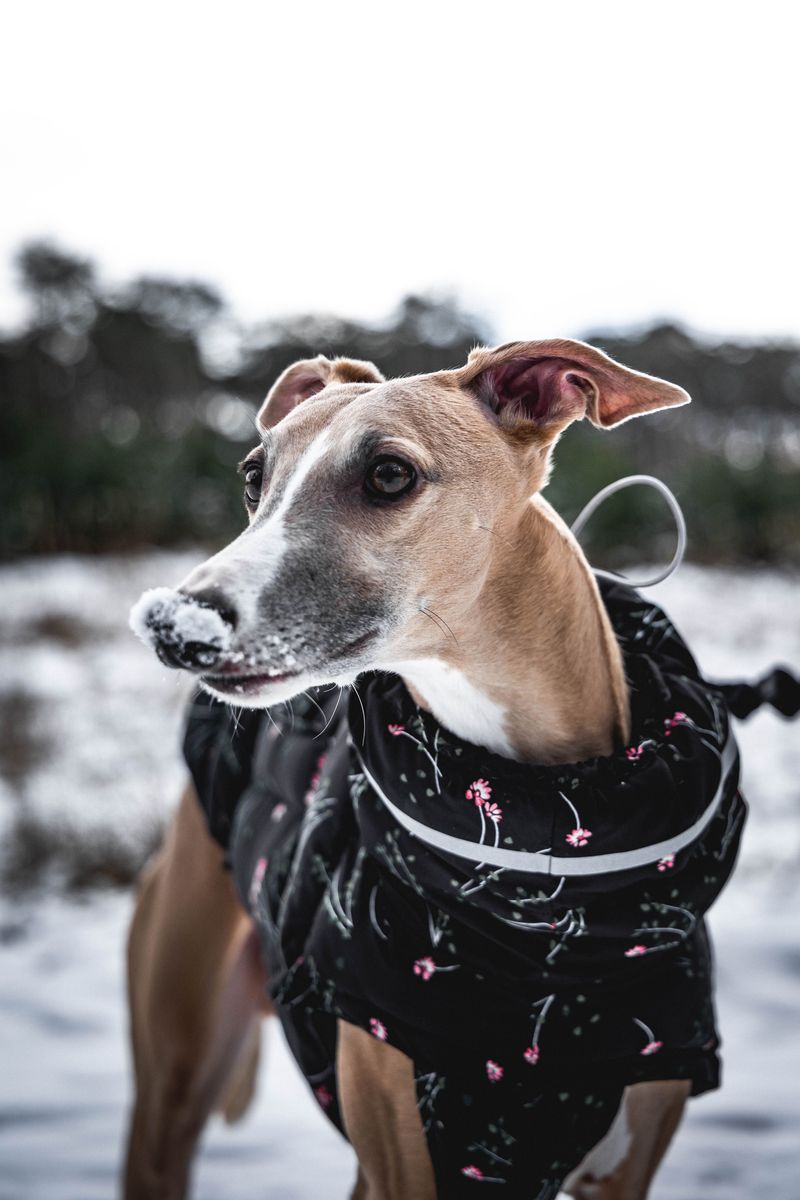
Whippets are speed demons outside and total softies indoors. Their thin coats and lean bodies make them feel cold quickly, and harsh voices can hurt their feelings just as easily.
Owners often joke that a Whippet will sulk for an hour if scolded. Gentle praise works far better than raised tones.
Offer a cozy bed, a sweater in winter, and a quiet corner. Your sleek friend will repay you with endless snuggles.
Shetland Sheepdog
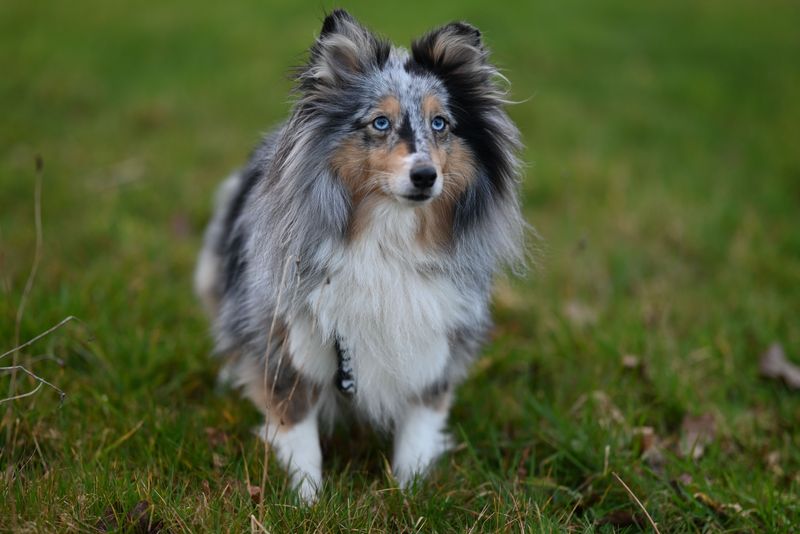
Did you know Shelties came from the windy Shetland Islands of Scotland? These fluffy little herders watched over sheep and ponies, staying alert to every sound.
That alertness means barking at doorbells, leaves, and passing bikes. Many Shelties also get nervous around loud parties or rough play.
Early meetings with new people and places build confidence. Reward quiet moments, and you will shape a sweet, steady buddy who still keeps a watchful eye.
Australian Shepherd
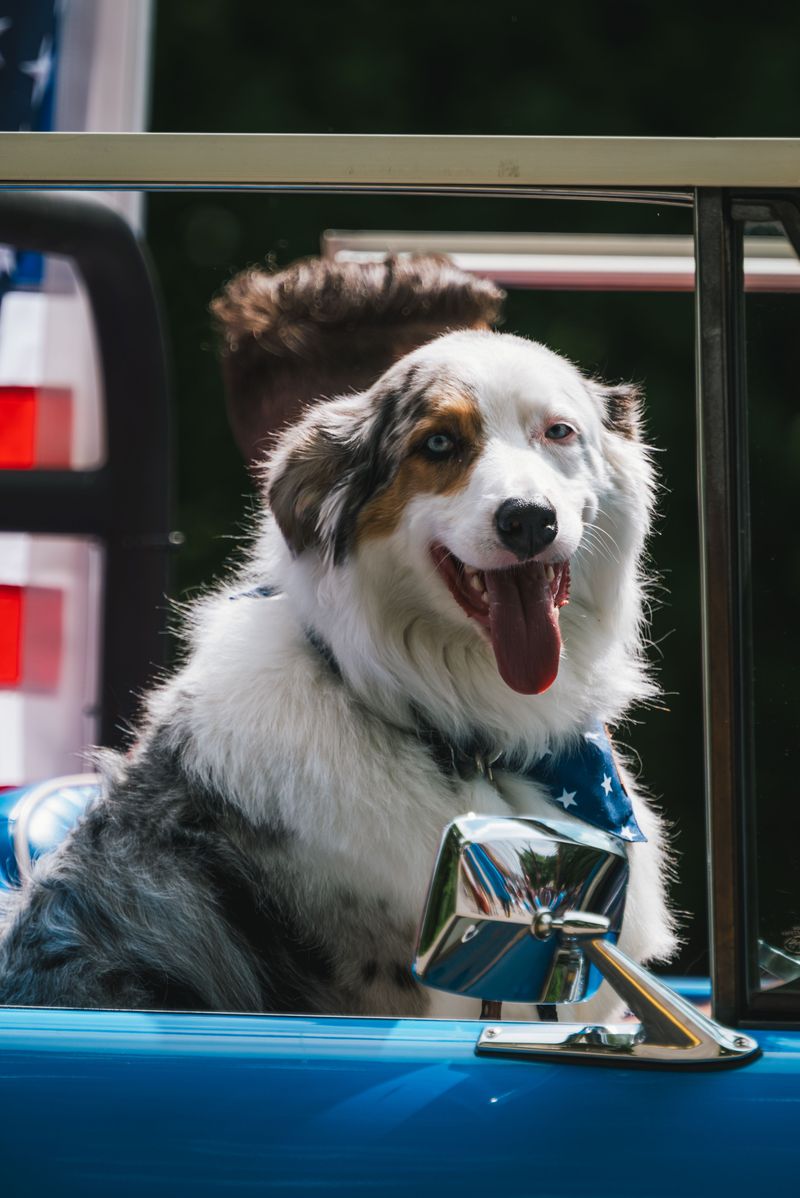
Energy, smarts, and big feelings come packed together in the Aussie. Despite the name, this breed was mostly shaped by ranchers in the American West.
Aussies bond tightly with their families and can become worried when left alone too long. Chaos in the home often shows up as pacing or chewing.
Keep a steady routine with walks, play, and training sessions at similar times. Predictable days help this busy brain feel safe and settled.
Italian Greyhound
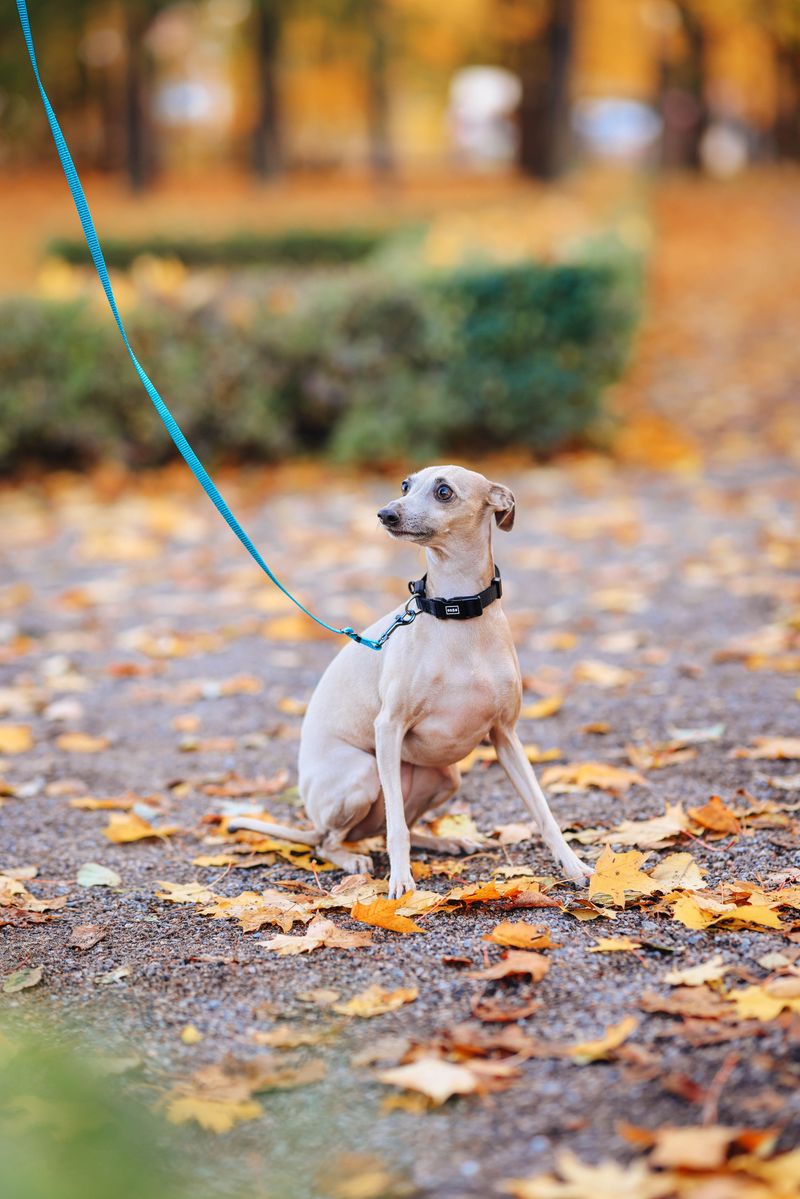
Shivering, wide-eyed, and absolutely charming, the Italian Greyhound is a pint-sized sight hound with a delicate heart. Ancient Roman nobles adored these little dogs.
Loud traffic, cold weather, and big, bouncy dogs can all overwhelm them. Their slim legs are fragile too, so rough handling is a no.
Gentle routines, warm clothes, and safe spaces matter a lot. Let them warm up to strangers slowly, and trust will grow naturally.
German Shepherd
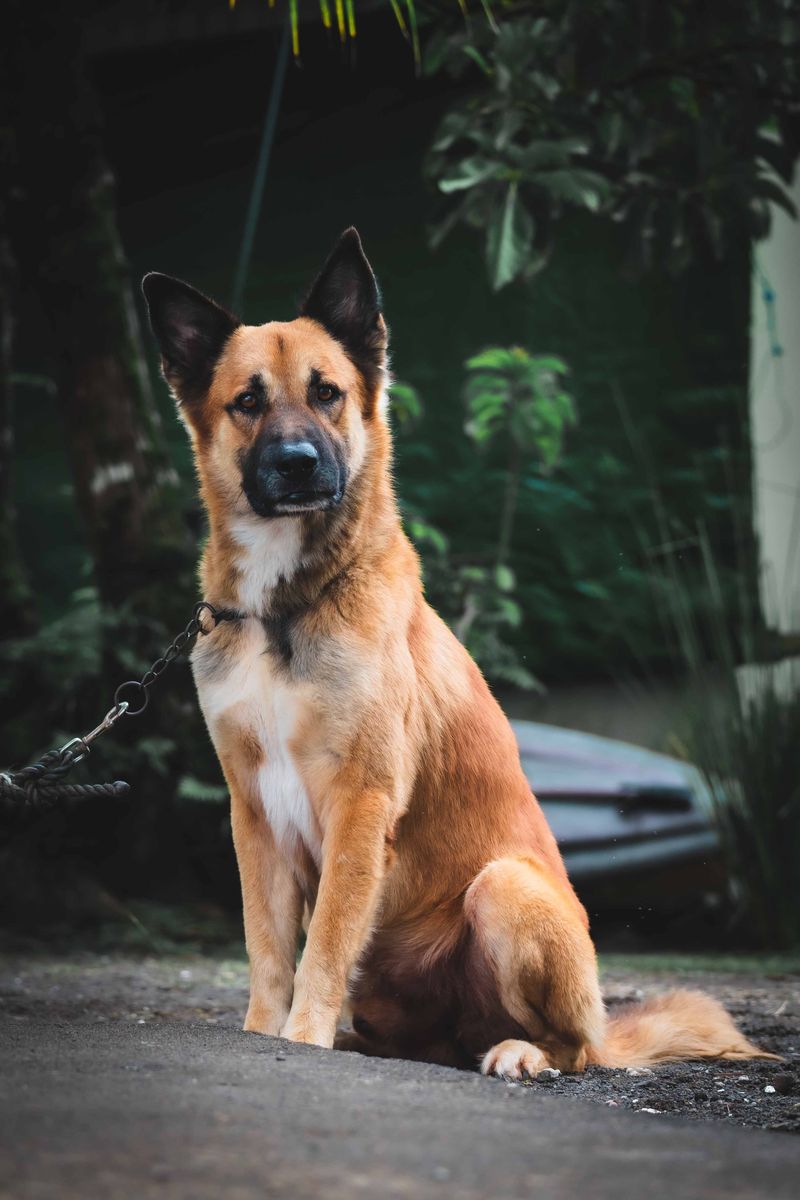
Strong and brave on the outside, German Shepherds are surprisingly in tune with the people they love. Many owners say their dog knows when they are sad before anyone else does.
That loyalty can turn into overprotection or nervousness if the pup lacks proper social time.
Start training early, keep it positive, and expose them to calm crowds, car rides, and new sounds. A well-guided shepherd becomes a confident and caring partner.
Cavalier King Charles Spaniel
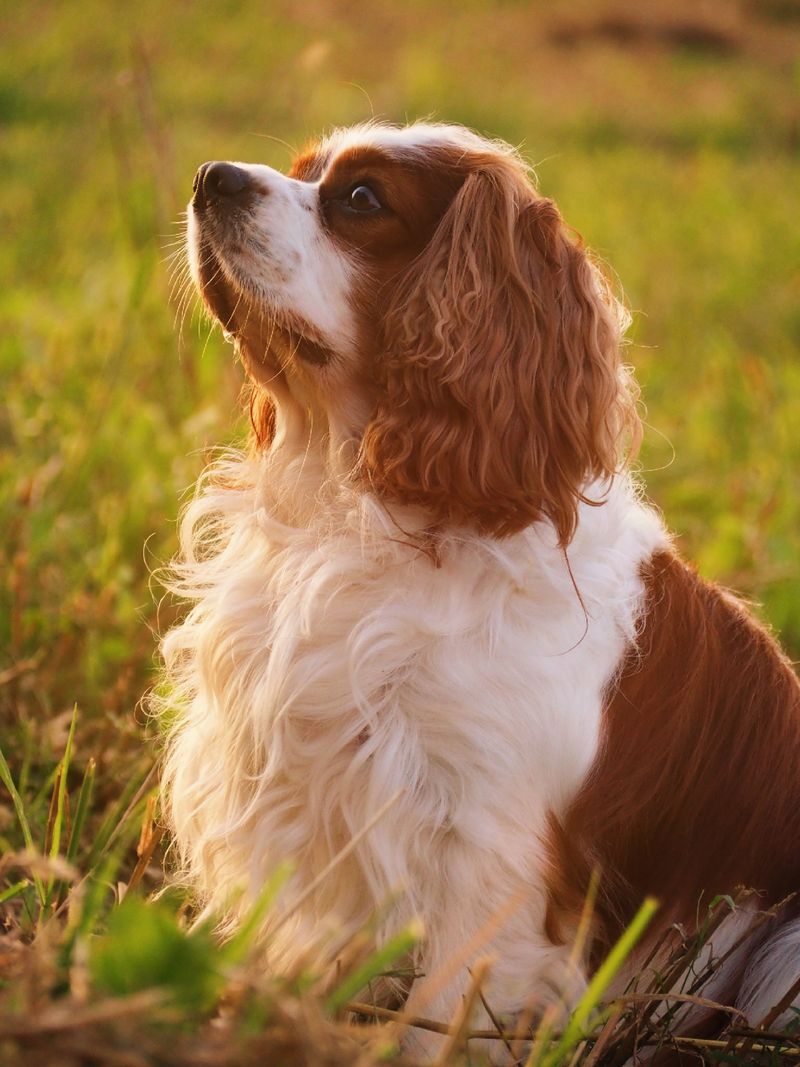
King Charles II reportedly loved these spaniels so much that he rarely went anywhere without them. Today they still crave constant company.
Cavaliers are emotional sponges. A tense household or long days alone can lead to whining and separation stress.
They thrive in homes where someone is around often. Short training sessions with treats and cuddles work wonders, since a sharp word can leave them looking heartbroken.
Vizsla
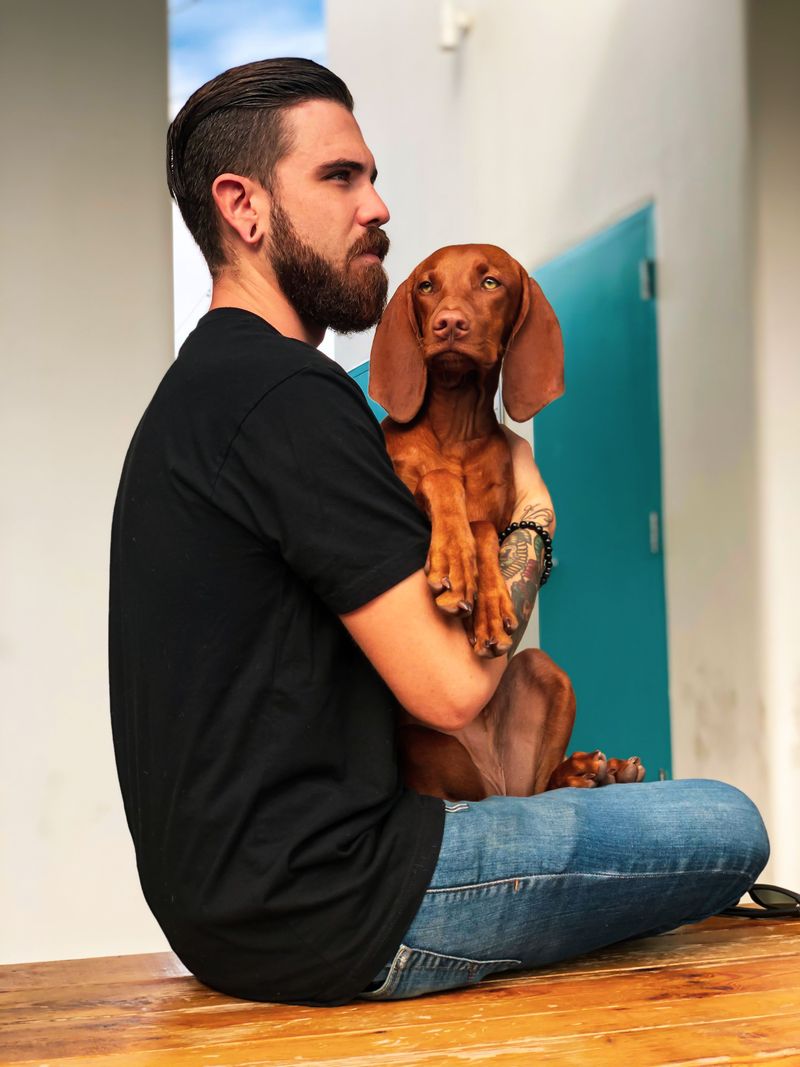
Nicknamed the Velcro dog, the Vizsla wants to be glued to your side at all times. This Hungarian hunting breed is athletic, loving, and very easily rattled.
Thunderstorms, fireworks, or a new house can send them into worry mode. Long stretches of boredom make it worse.
Plenty of running time is a must. After a good jog, give your Vizsla a quiet crate or bed where it can unwind beside you.
Chihuahua
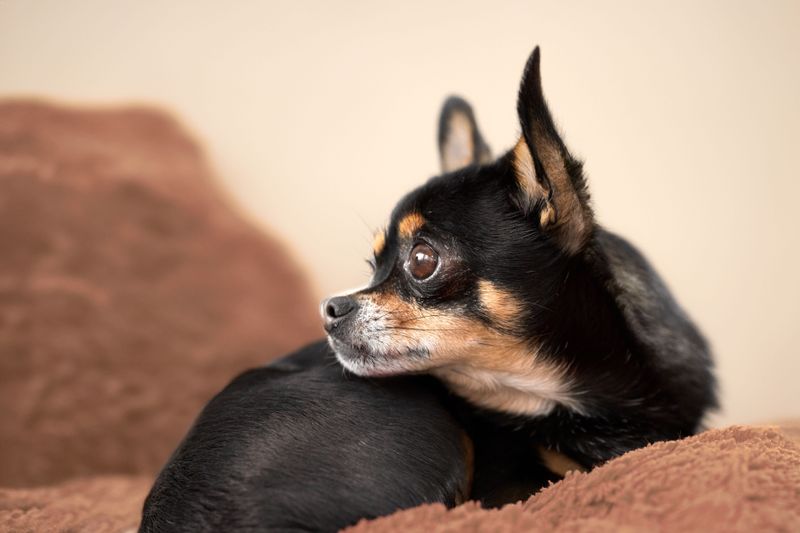
Tiny dog, huge opinions. Chihuahuas may be small, but they react strongly to strangers, sudden noises, and being scooped up without warning.
Their size makes the world feel big and a bit scary, which explains the trembling and yapping some people notice.
Let your Chihuahua approach new folks on its own terms. Kind, steady handling and short outings help this feisty little one learn that the world is not so frightening.
Weimaraner
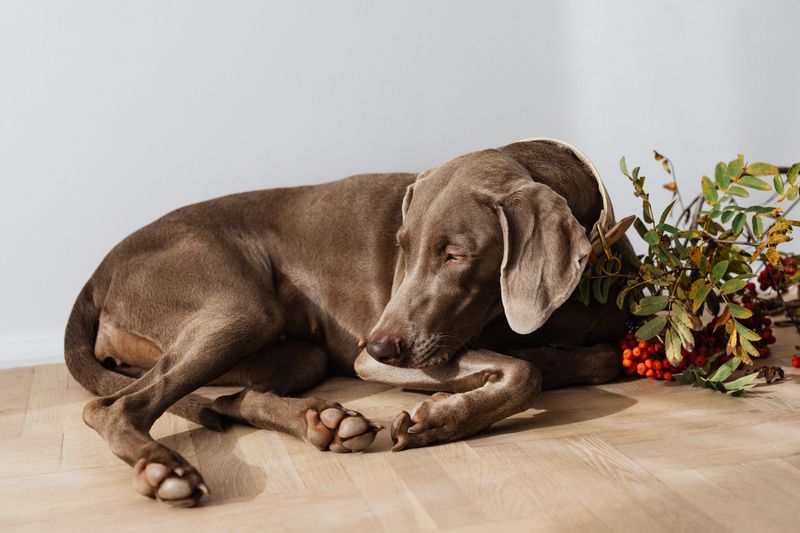
Those ghostly silver coats and amber eyes give Weimaraners a dreamy look. Underneath, they are bold hunters with deep attachment to their humans.
Leaving one alone for hours often leads to howling, chewed doorframes, or escape attempts.
Fun fact: they were once kept mostly by German nobles for hunting big game. Today, regular exercise, crate training, and practice with short absences help them feel calm when you step out.
Papillon
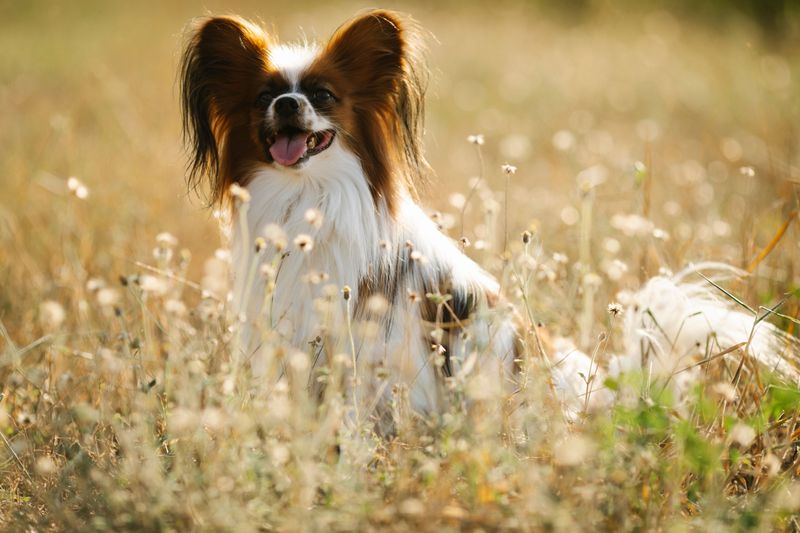
Those butterfly ears are not just for looks. Papillons hear everything, and their quick minds notice every change around the house.
Small but brainy, they can get jumpy with loud children or sudden handling. Some become shy if they do not meet enough people early.
Teach tricks, play gentle games, and use praise generously. A Papillon that feels respected often blossoms into a cheerful, outgoing little show-off.
Greyhound
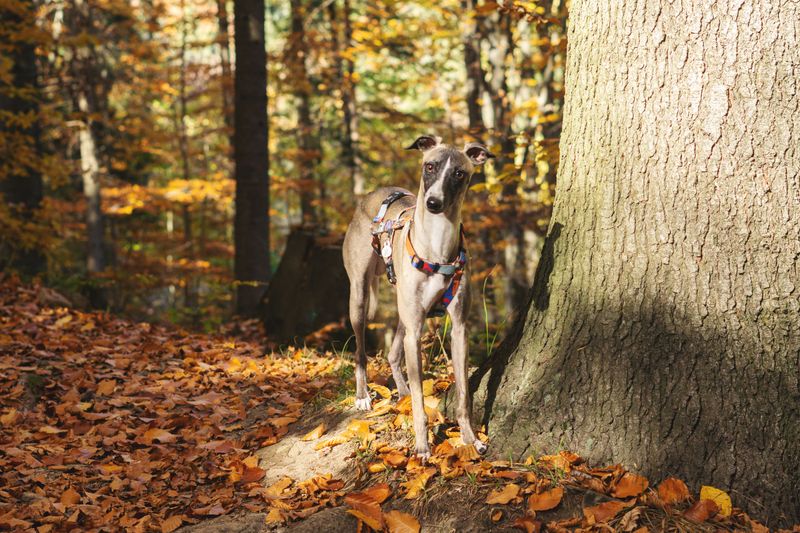
Many retired racing Greyhounds have never seen stairs, glass doors, or a TV. Moving into a family home can feel like landing on another planet.
Quiet and polite, they often freeze rather than bark when nervous. Crowded rooms and loud music may stress them out.
Give your new hound time, a thick cushion, and calm routines. Most Greyhounds turn into lazy couch lovers once they feel safe.
Collie
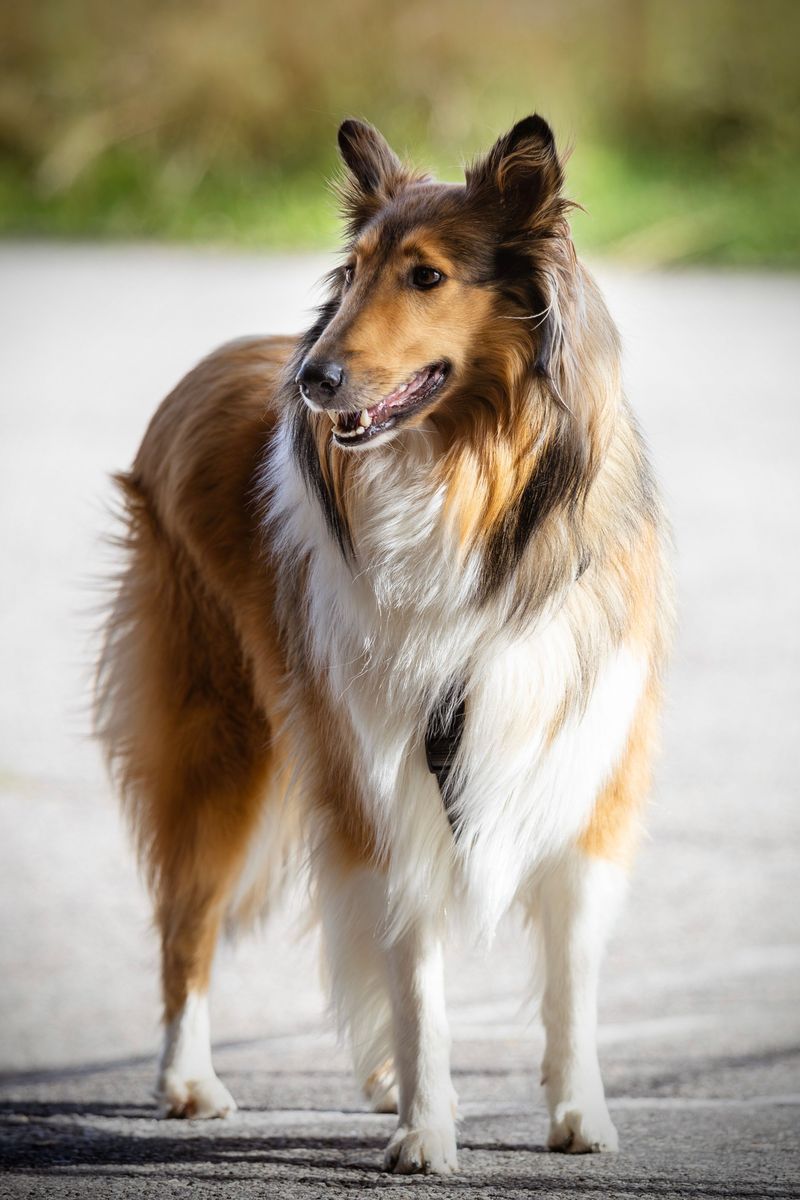
Remember Lassie? That famous TV star showed how tuned in Collies are to the people around them.
Elegant and kind, Collies notice tension and may become worried during family arguments or noisy events. Harsh corrections can make them withdraw.
Soft voices and reward-based training bring out their best. Regular brushing time also doubles as bonding time, helping your Collie feel relaxed, loved, and secure in its home.
Labrador Retriever
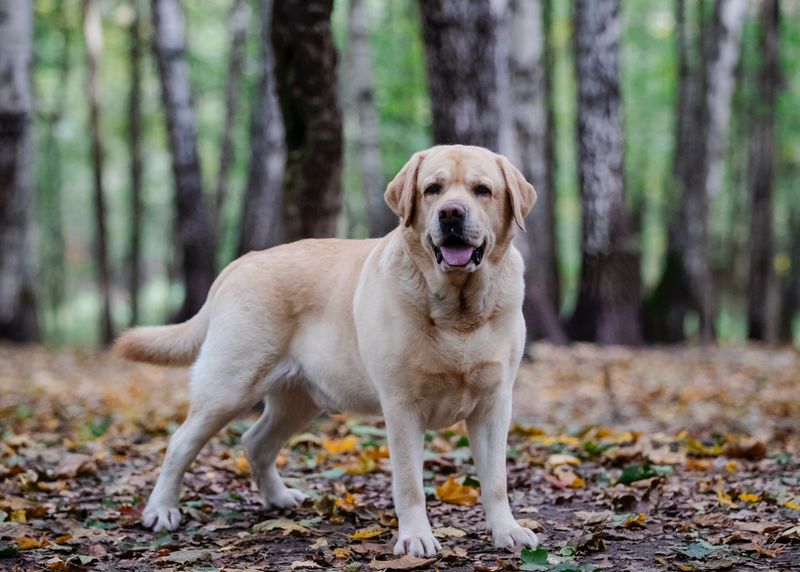
Busy kitchen, barking neighbor, birthday party? A typical Labrador just wags and looks for snacks.
Labs are famous for rolling with life’s surprises.
Did you know? Despite the name, the breed actually comes from Newfoundland, not Labrador.
Their easygoing attitude makes them popular service dogs. Still, they need exercise and training, since a bored Lab can become a very enthusiastic shoe chewer.
Bernese Mountain Dog
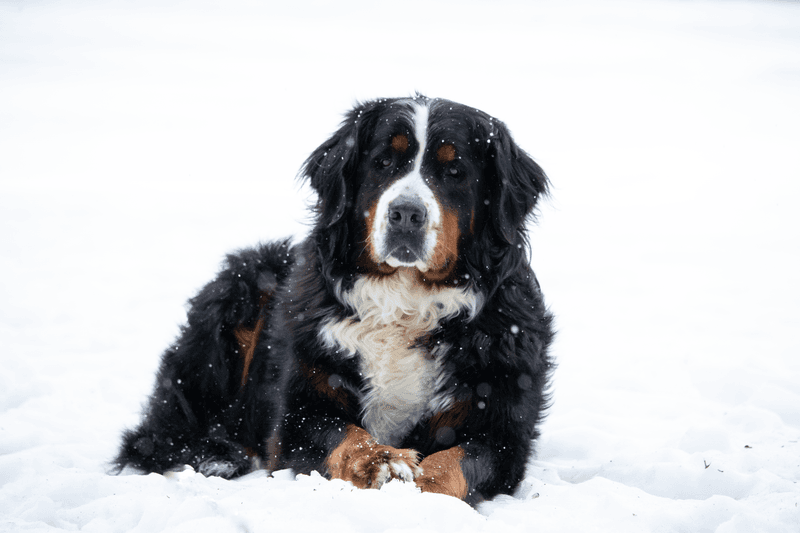
Swiss farmers once relied on Berners to pull carts full of milk and cheese to market. Hard work and calm minds went hand in hand.
Today these fluffy giants stay relaxed around noise, visitors, and playful kids. Their patience is legendary among owners.
Keep in mind they love cool weather and need lots of brushing. Give them family time, and your Berner will be a steady, cozy presence for years.