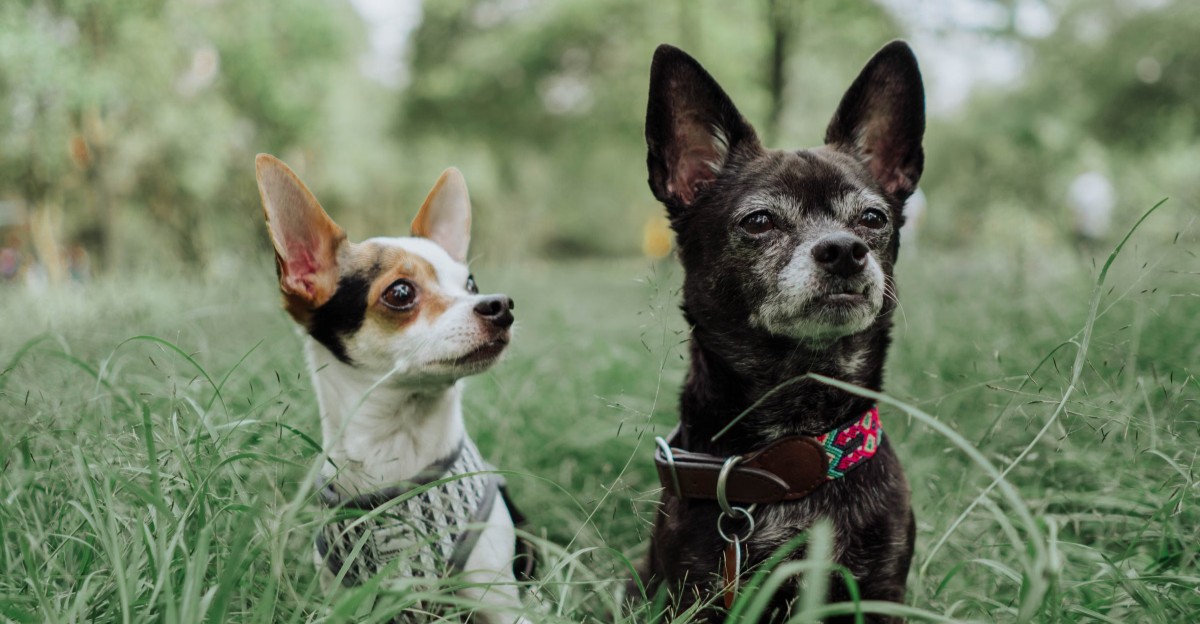
Walk through any animal shelter and you will notice that some dogs get adopted fast while others wait for months. Often it has nothing to do with how sweet or smart they are.
Looks, size, color, and old myths can keep wonderful pets stuck behind kennel doors. Learning which breeds get passed over might just help you find your new best friend.
Pit Bull Type Dogs
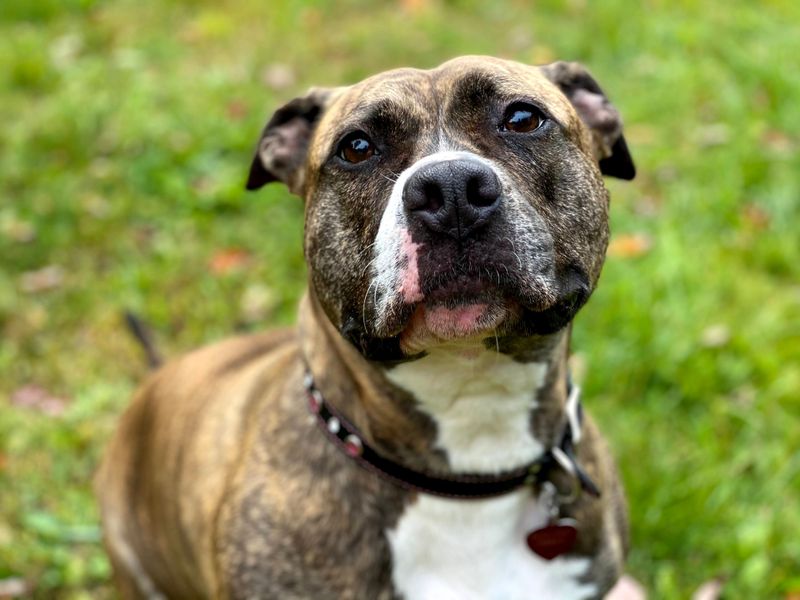
Walk into almost any shelter in America and you will likely see more pit bull mixes than any other dog. Sadly, many sit there the longest.
Scary headlines and housing rules that ban certain breeds scare off renters. Yet many of these dogs are wiggly, goofy, and love to cuddle on the couch.
Tip: ask staff about a dog’s temperament test results. You may find a clown in a muscular coat.
Black Labrador Mixes
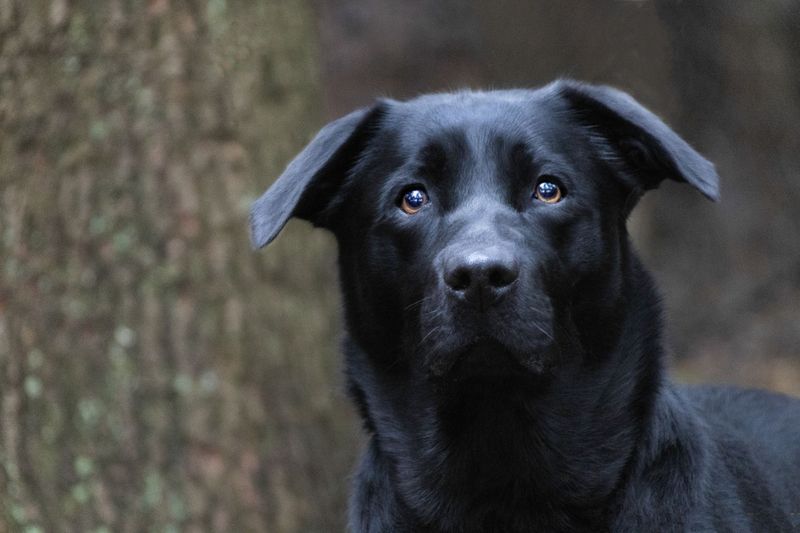
Ever heard of Black Dog Syndrome? Some shelter workers believe dark-coated dogs get skipped more often than lighter ones.
Part of the problem is photos. Black fur hides facial features online, so the dog looks less expressive than it really is.
In person, a black Lab mix is often a cheerful, food-loving buddy who adores fetch. Visiting the shelter instead of just scrolling pictures can reveal those happy, shining eyes.
Chihuahuas
Tiny dogs get adopted fast, right? Not always.
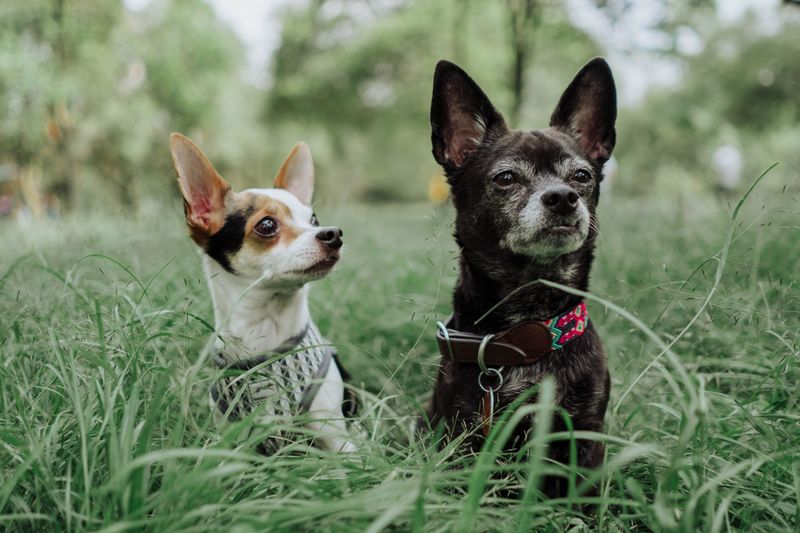
In California, Chihuahuas are one of the most common breeds in shelters.
So many get bought on impulse and later surrendered. Their sassy reputation does not help either.
Here is the truth: with patient handling, a Chihuahua can become a loyal lap warmer who follows you room to room. They need little space, making them ideal for apartments.
Fun fact: they are named after a Mexican state.
Senior Dogs of Any Breed
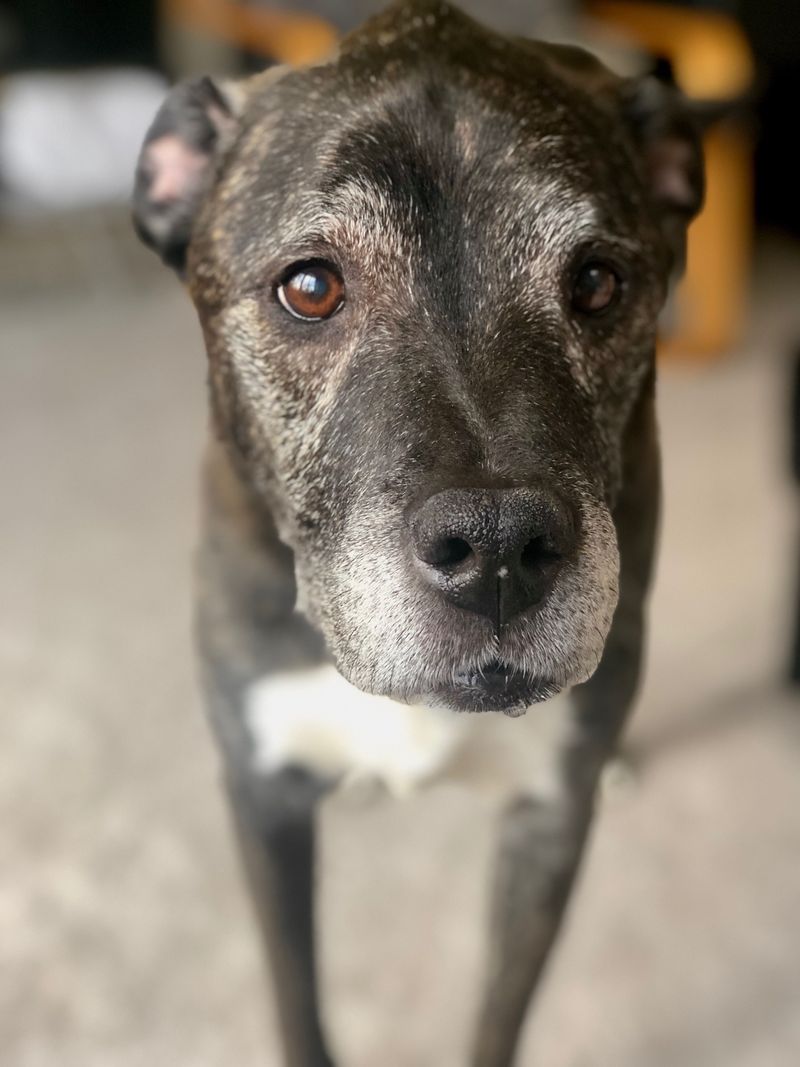
Gray whiskers and cloudy eyes make many families walk right past older dogs. That is a real loss.
Seniors are usually house-trained already, know basic commands, and have calmer energy than chewing puppies. What you see is truly what you get.
Many shelters even lower adoption fees for dogs over seven. Giving an older pup a soft bed for its golden years can be one of the kindest choices you ever make.
Rottweilers
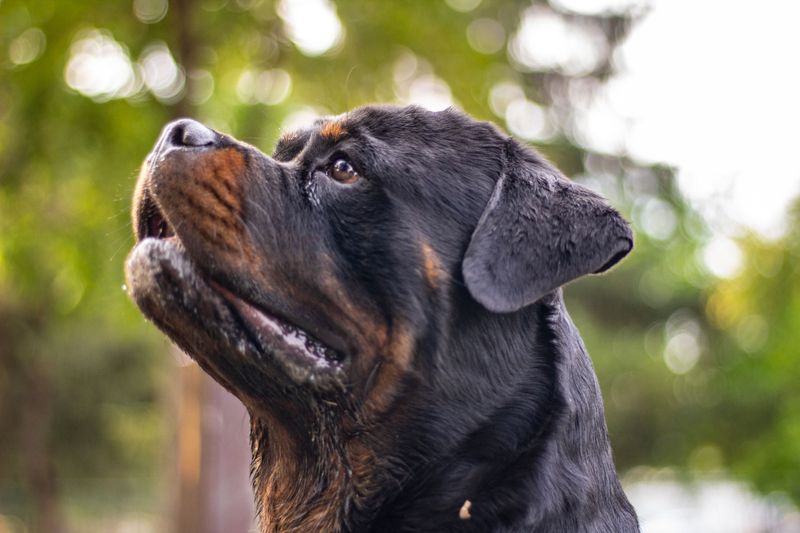
Picture a ninety-pound teddy bear who leans on your legs for attention. That describes plenty of shelter Rottweilers.
Movies cast them as villains, and insurance companies sometimes charge more for owning one. Those hurdles keep them waiting.
Originally, Rotties herded cattle for Roman armies and later pulled butcher carts in Germany. They thrive with steady training and a job to do.
Give one structure, and you gain a devoted guardian.
German Shepherd Mixes
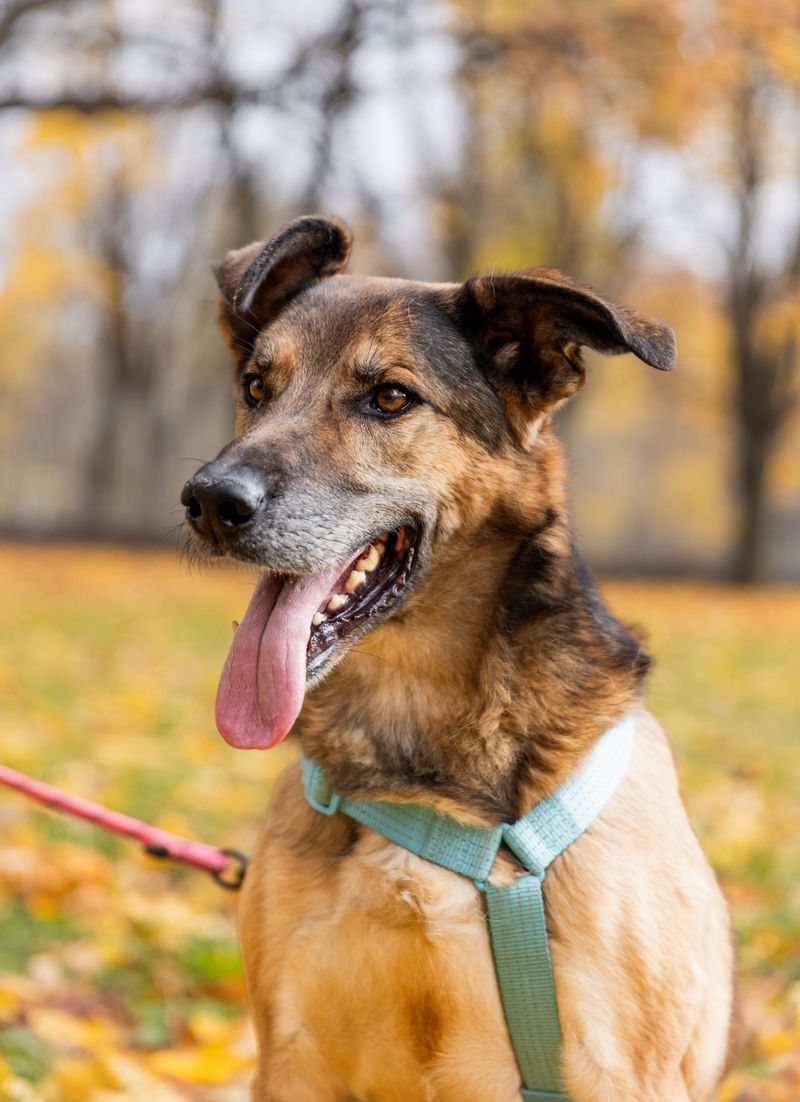
Smart dogs can be a handful, and that is exactly why German Shepherd mixes end up surrendered.
They need exercise, puzzles, and training, or they invent their own fun, like redesigning your couch. Busy owners sometimes give up.
For an active family, though, these pups are amazing learners. Try hiking, nose work, or agility classes together.
A tired shepherd is a happy shepherd, and the bond you build will feel unbreakable.
Siberian Huskies
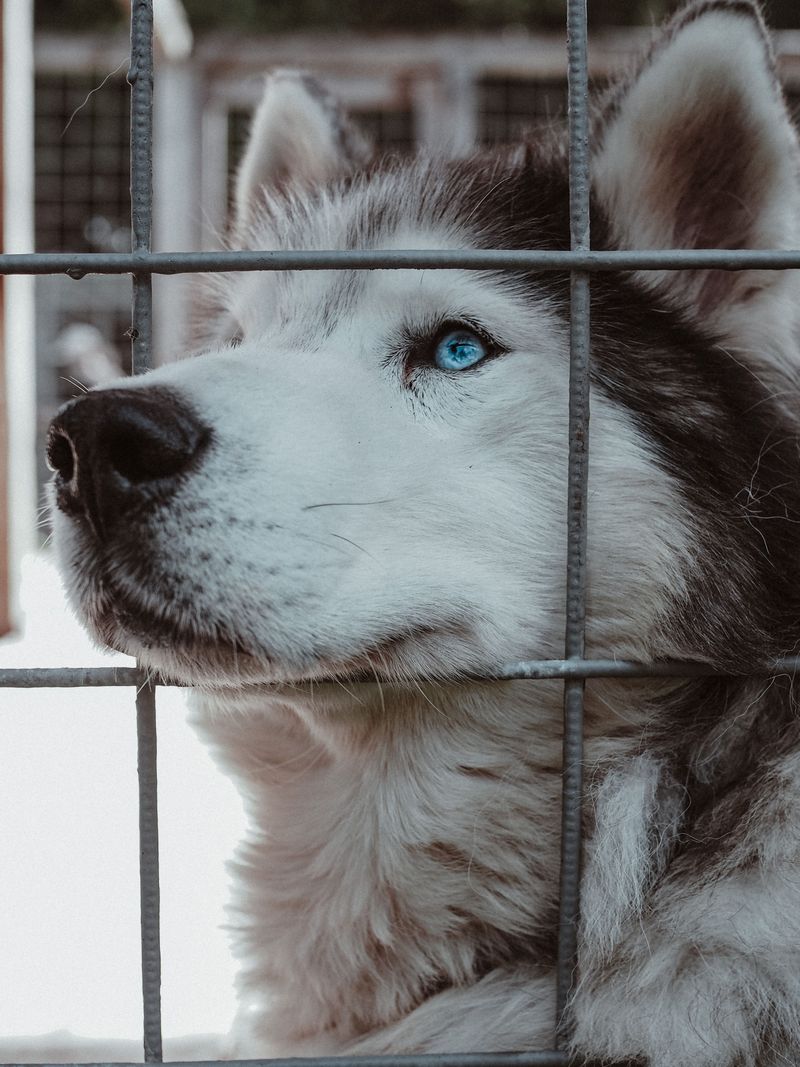
Thanks to popular TV shows, lots of people bought huskies for their wolf-like looks. Then reality hit.
These dogs shed piles of fur, howl dramatically, and can escape almost any fence. Many land in shelters within a year or two.
Still, huskies are playful, social, and rarely hold a grudge. If you love running, cold weather, and a chatty roommate, one might fit you perfectly.
Just invest in a sturdy fence first.
Greyhounds and Hound Mixes
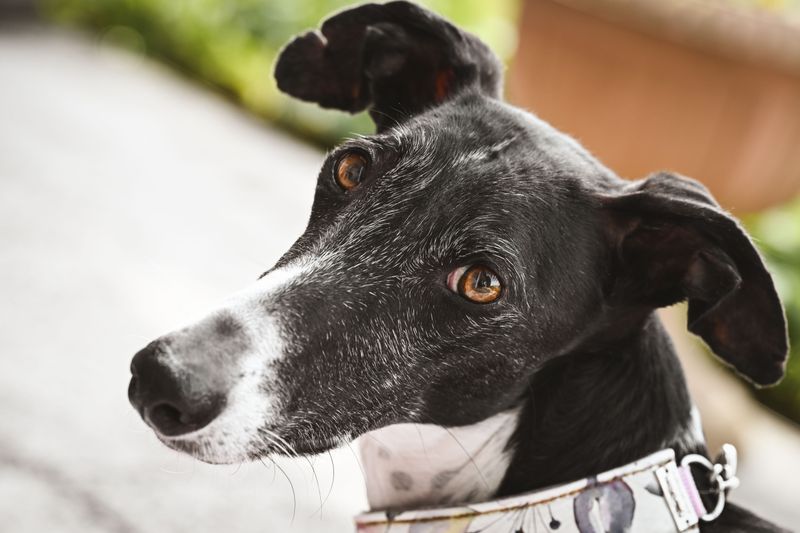
Surprise: the fastest dog breed is also a world-class couch potato. Greyhounds can hit 45 miles per hour, then nap for eighteen hours.
People often skip them, thinking they need huge yards. Hound mixes also get overlooked because of their loud baying.
Most retired racers are quiet and polite indoors. A short daily sprint in a fenced area keeps them content.
Ask about rescue groups specializing in hounds for great matches.
Staffordshire Bull Terriers
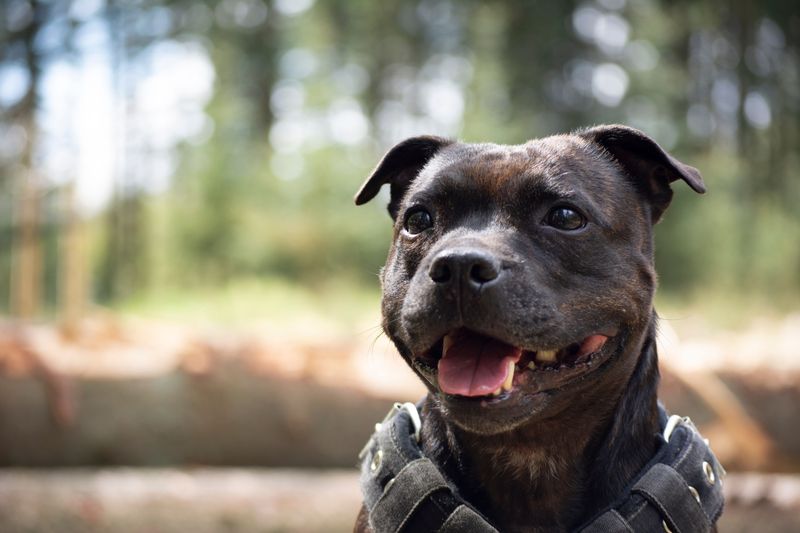
In England, Staffies earned the nickname nanny dog for their fondness of children, though every dog still needs supervision.
Here, they often get lumped in with pit bulls and face the same rental bans. That keeps many stuck in kennels.
These compact dogs are bursting with joy. Expect full-body wiggles whenever you come home.
Check your lease and local rules early, so the adoption process goes smoothly.
Boxers
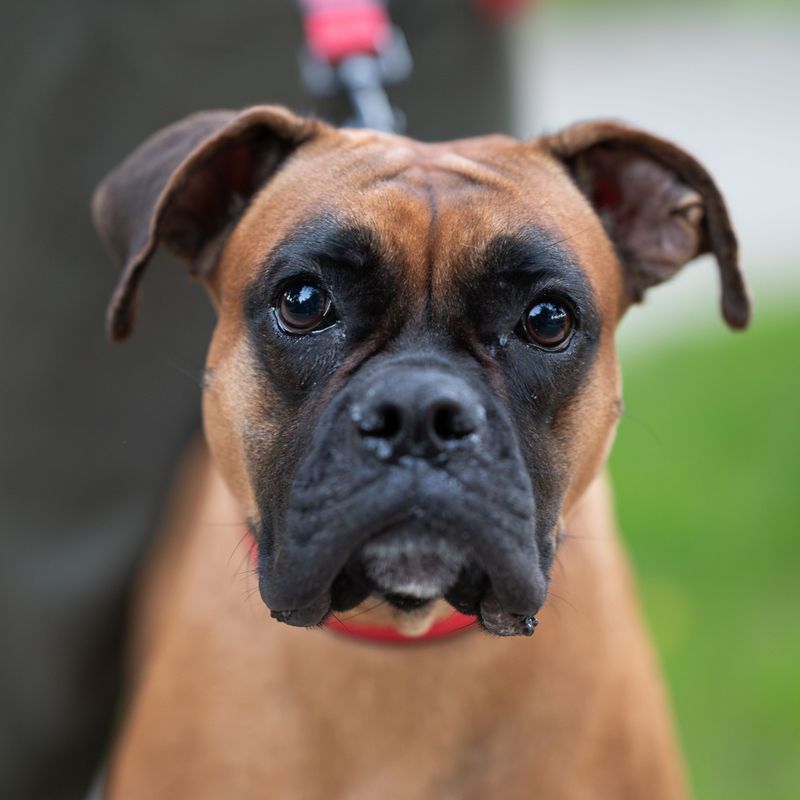
Boxers never really grow up. They bounce, wiggle, and do a happy spin called the kidney bean dance.
All that energy overwhelms some owners, especially with small kids or elderly relatives. As a result, adult Boxers often land in rescues.
With daily play and basic manners training, their silly spirit becomes pure entertainment. Fun fact: the name may come from how they bat with their front paws, like little boxers.
Cane Corsos and Mastiff Breeds
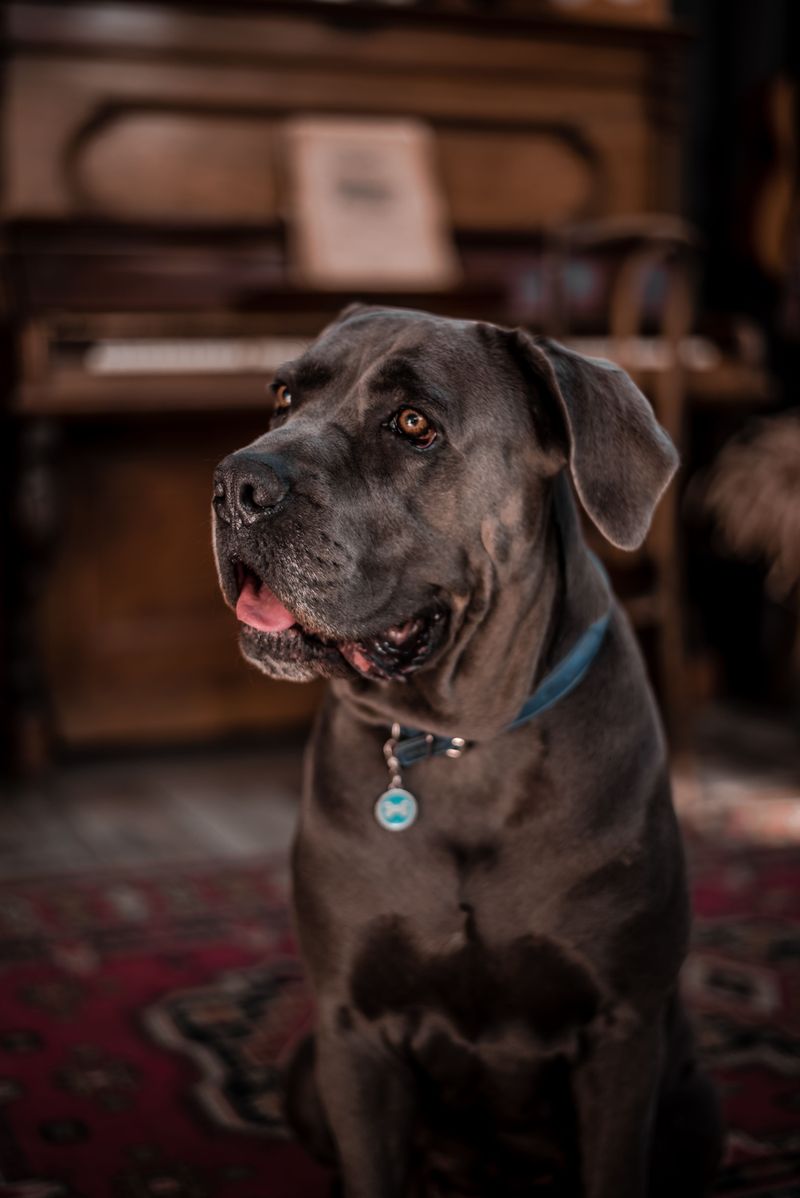
Size alone sends many adopters walking the other way. Mastiffs and Cane Corsos can top one hundred pounds.
Big dogs eat more, need bigger crates, and may cost more at the vet. Those practical worries are fair.
However, many giants are laid-back loungers who prefer naps to zoomies. If you have space and a budget, talk to shelter staff about each dog’s history.
A calm, gentle giant could be waiting quietly.
Dogs With Special Needs
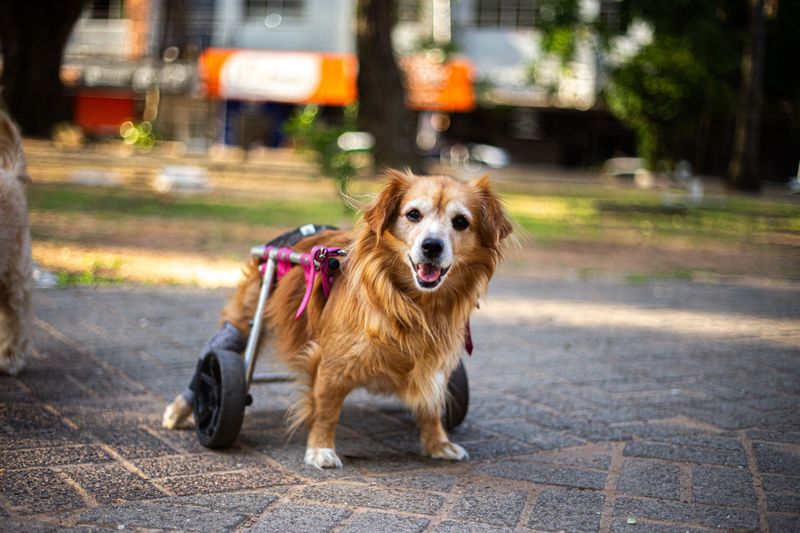
Meet Tripod, a three-legged mutt who runs faster than most four-legged pals. Dogs like him wait the longest of all.
Missing limbs, blindness, deafness, or diabetes make people nervous. Most of these pups adapt far better than we expect.
Deaf dogs learn hand signals easily, and blind dogs memorize your home quickly. Ask the shelter about medical costs and support.
Opening your heart here might bring the most grateful friend imaginable.