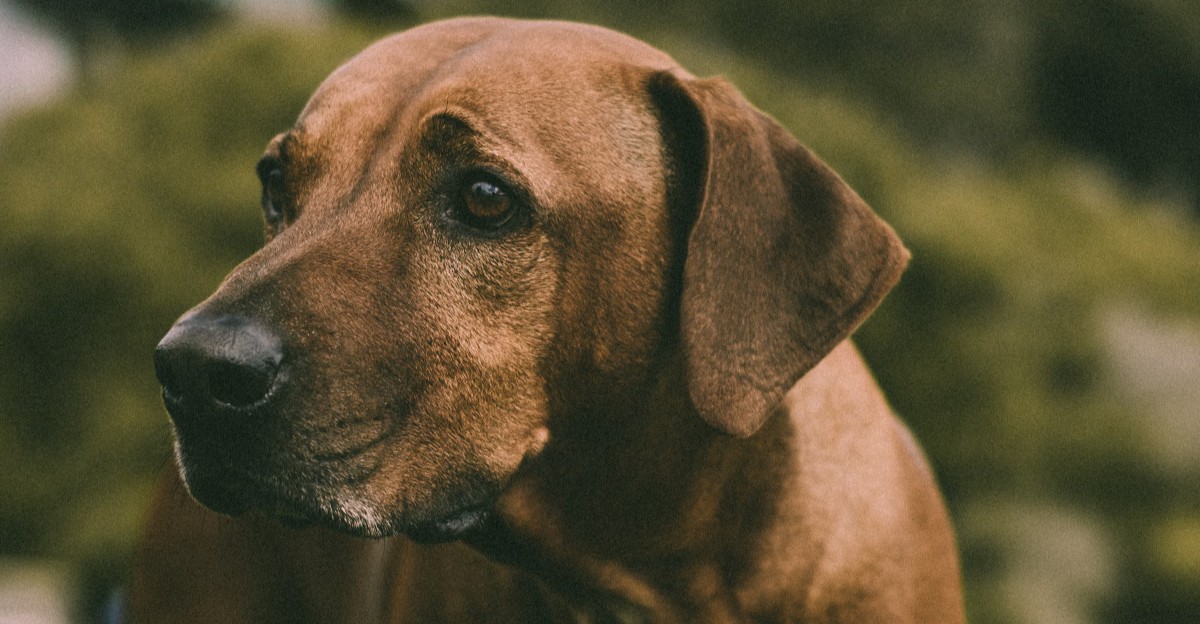
Most people picture hunting dogs chasing rabbits or ducks, but some breeds were made for far stranger jobs. Over hundreds of years, people bred dogs to chase lions, catch otters, sniff out truffles, and even hunt rats in city sewers.
Learning about these breeds helps you understand why your own dog might dig, sniff, or chase the way it does. Get ready to meet some pups with truly wild job histories.
Rhodesian Ridgeback
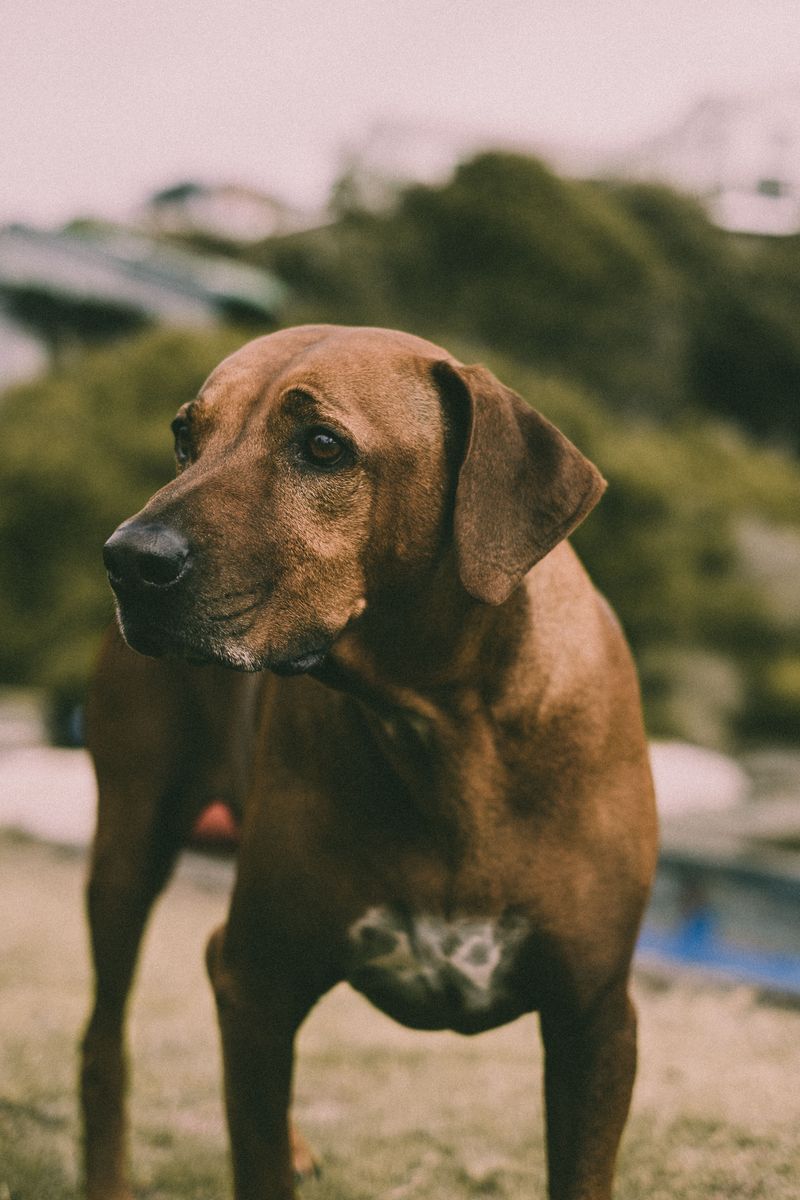
Picture a pack of dogs bravely holding a lion in place until hunters arrived. That was the daily job of the Rhodesian Ridgeback in southern Africa.
These dogs never tried to kill the big cats. Instead, they used speed and smart teamwork to keep lions busy and confused.
Today, Ridgebacks are loyal family dogs, but they still need long runs. A bored Ridgeback may invent its own adventures in your backyard.
Otterhound
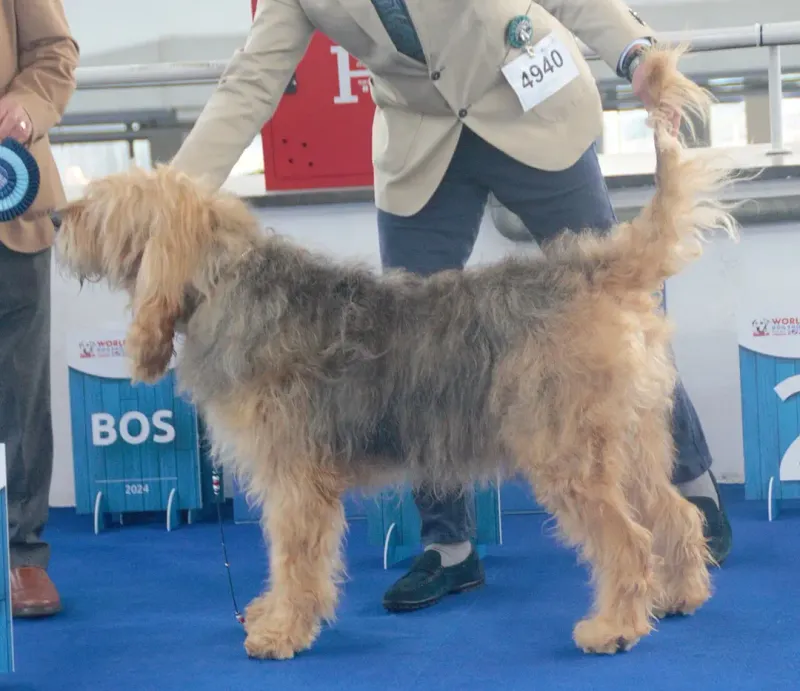
Webbed feet, a waterproof shaggy coat, and a nose that works underwater. Sounds like a superhero, right?
Meet the Otterhound, bred in England to track otters along rivers.
Otter hunting was banned in 1978, and the breed nearly vanished. Fewer than 1,000 exist worldwide today.
If you own one, expect muddy paws and happy splashing. Keep towels by the door, because puddles are basically an invitation.
Lagotto Romagnolo
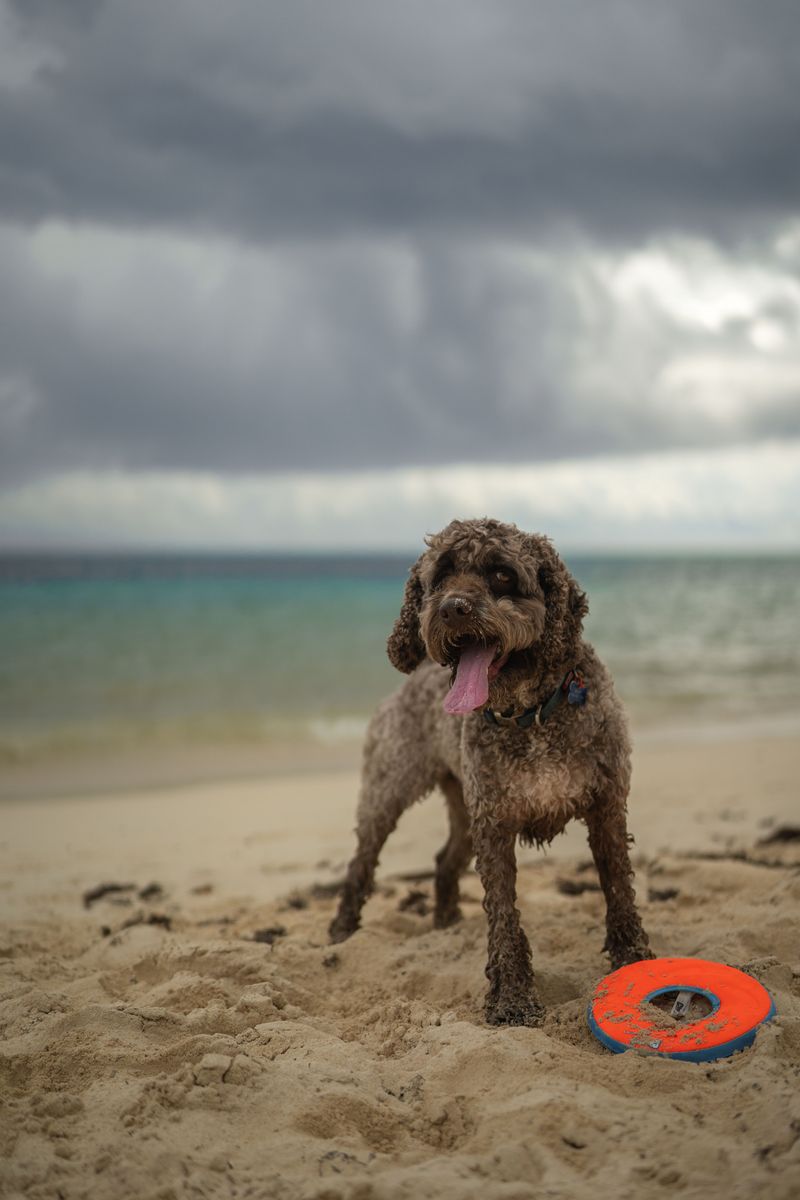
Some dogs hunt animals, but this curly Italian pup hunts fancy mushrooms. The Lagotto Romagnolo sniffs out truffles, which can sell for thousands of dollars per pound.
Long ago, these dogs actually retrieved ducks from marshes. When the marshes were drained, farmers gave them a tastier career underground.
Want a fun game at home? Hide treats in a box of towels.
A Lagotto will happily work out the puzzle.
Dachshund
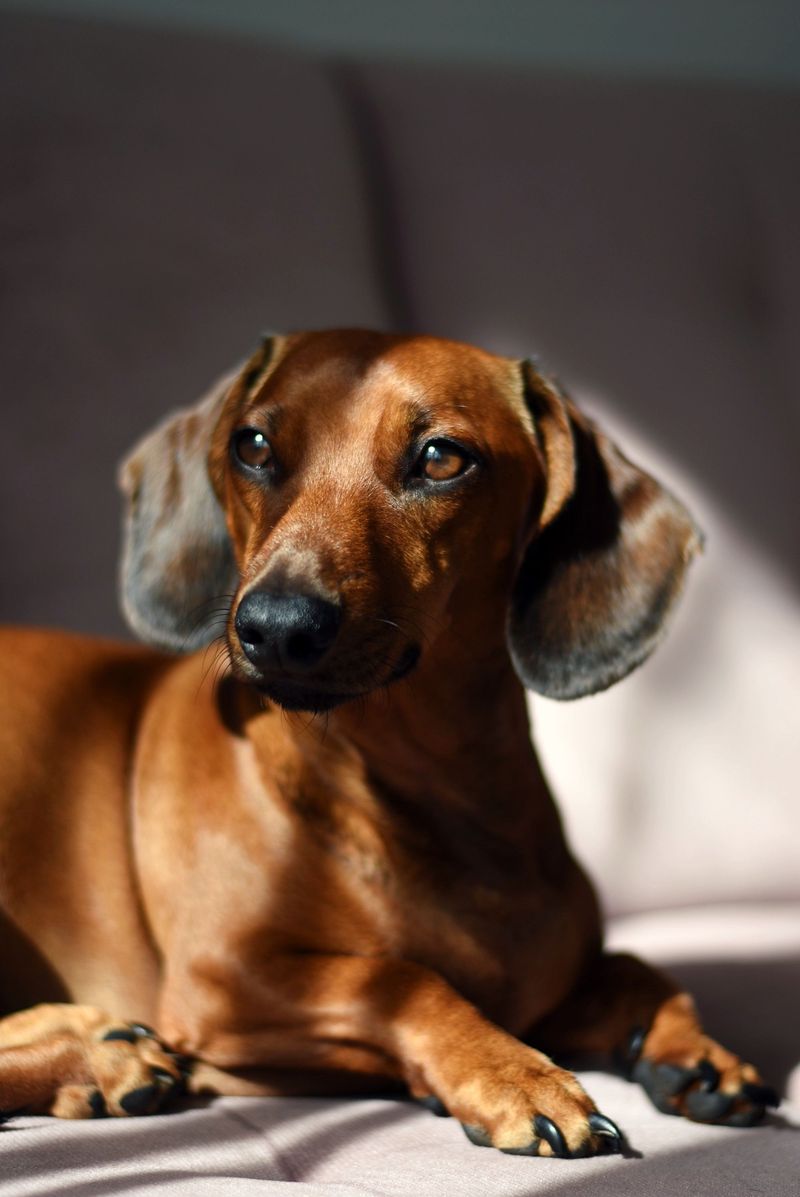
Funny shape, serious purpose. In German, Dachshund means badger dog, and those short legs and long body were perfect for squeezing into badger tunnels.
Badgers are fierce fighters, so these little hounds needed lots of courage. That explains why many Dachshunds bark like they are ten times bigger.
Protect their backs by using ramps instead of letting them jump off couches. Their spines need a little extra care.
Norwegian Lundehund
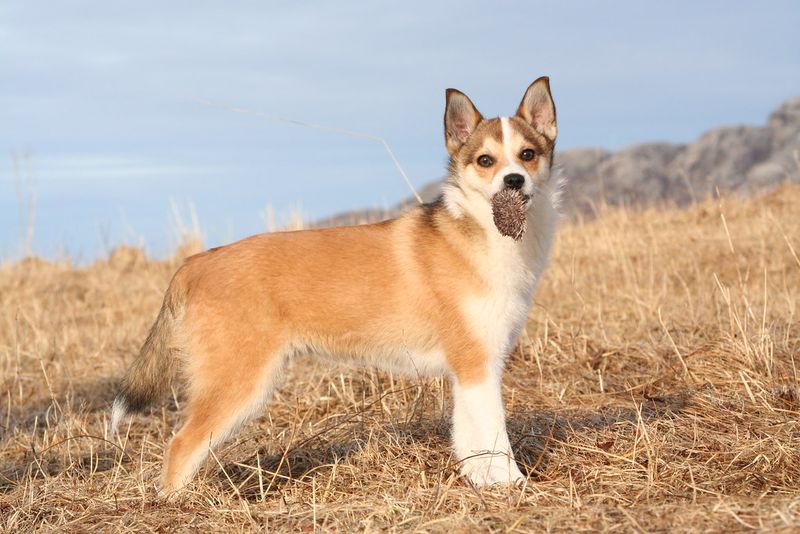
Six toes on each foot? Yes, really.
The Norwegian Lundehund was bred to climb steep sea cliffs and pull puffins out of rocky nests.
Its neck bends backward far enough to touch its spine, and it can close its ears to block dirt. Pretty amazing gear for cliff climbing.
During World War II, only about six were left. Careful breeders saved them, so every Lundehund today is a little miracle.
Rat Terrier
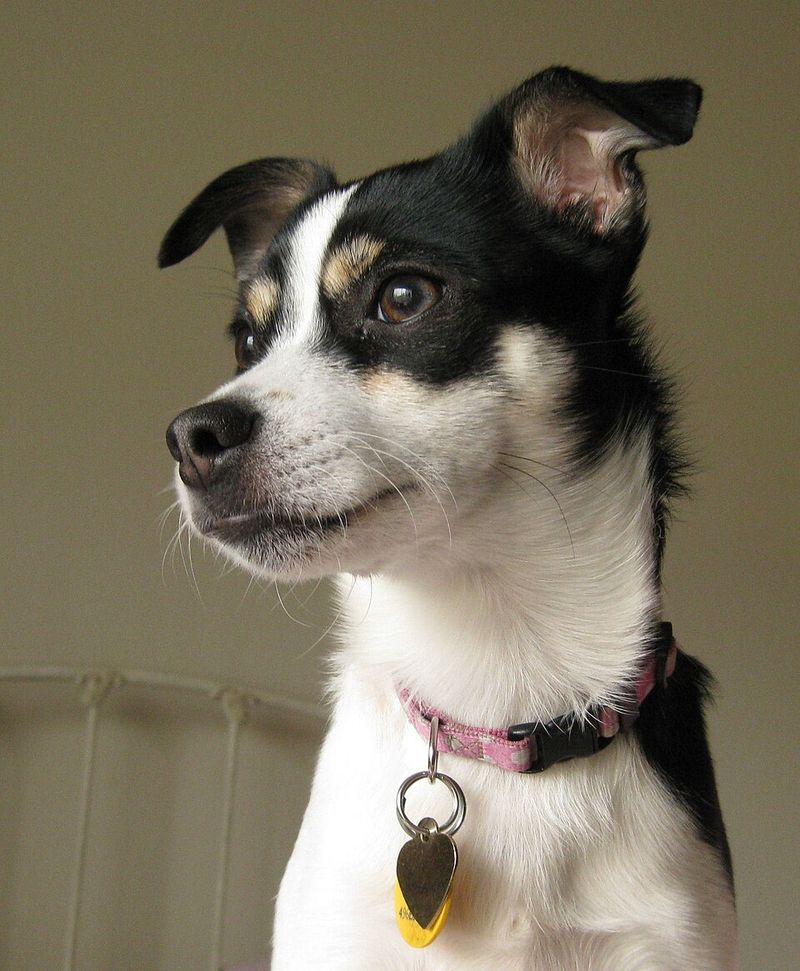
Farmers in the early 1900s had a big rat problem, and this speedy little dog was the answer. One Rat Terrier reportedly caught over 2,500 rats in just seven hours.
President Teddy Roosevelt even kept these dogs at the White House to handle pests.
Modern Rat Terriers stay clever and energetic. Give them digging toys or flirt poles so their hunting instincts have a safe place to go.
Plott Hound
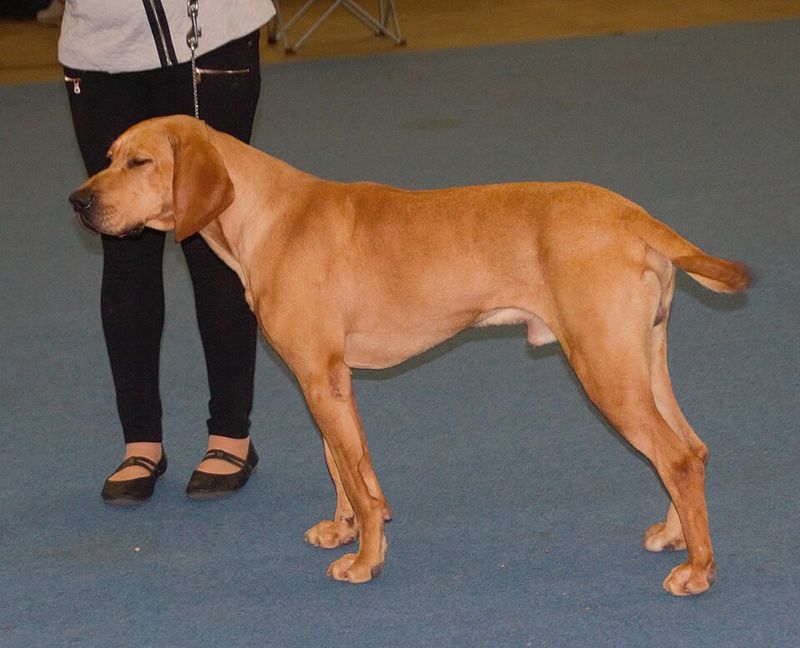
Brave enough to face a black bear? The Plott Hound sure is.
German immigrant Johannes Plott brought these dogs to North Carolina in 1750, and his family shaped them into bear trackers.
Their loud, bugle-like bark echoes through the Smoky Mountains. In fact, it became the official state dog of North Carolina.
Be ready for noise. Plotts love to talk, especially when they catch an interesting smell.
Catahoula Leopard Dog
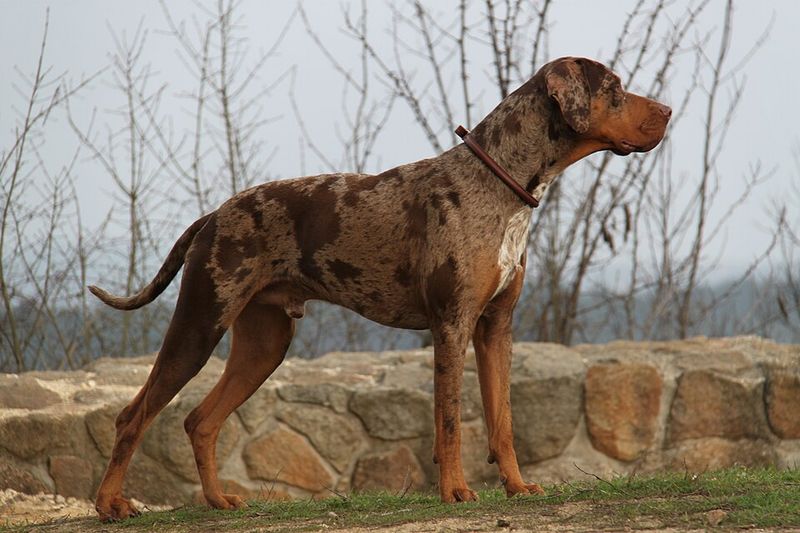
Those spotted coats and glassy blue eyes look stunning, yet Catahoulas were built for tough swamp work. Louisiana hunters used them to round up wild hogs and cattle.
Wild hogs are fast and dangerous, so these dogs learned to work as a team and stay calm under pressure.
Catahoulas need a job. Agility classes, herding games, or long hikes keep their busy minds from turning into mischief.
Bluetick Coonhound
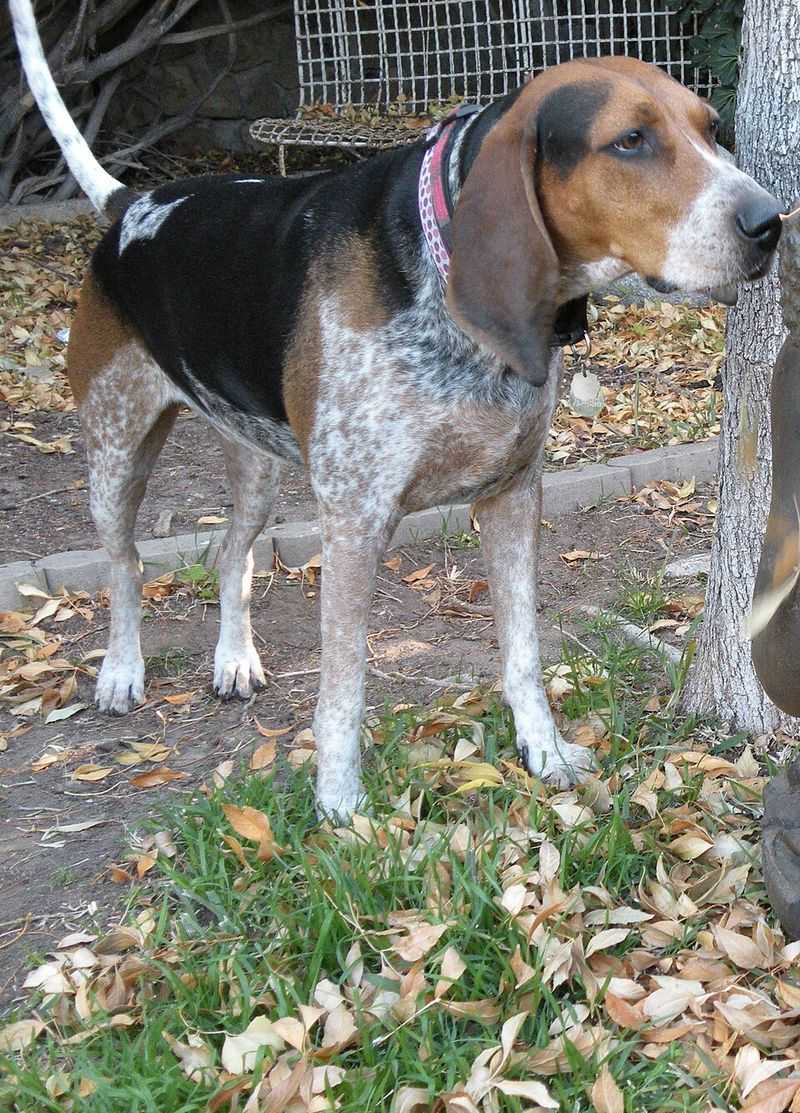
When most dogs are asleep, the Bluetick Coonhound is just getting started. Bred in the American South, it follows raccoon trails through dark woods.
Once a raccoon climbs a tree, the dog stays below and bays loudly so hunters can find it. Its nose is famously cold, meaning it can follow old, faded scents.
Walk one on a leash. A tempting smell can make it forget everything else.
Basenji
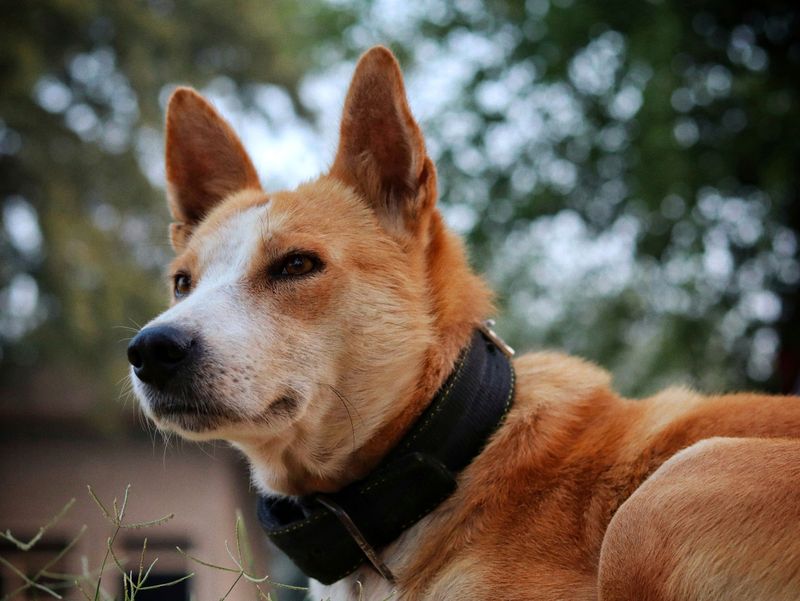
Imagine a dog that yodels instead of barks. The Basenji from Central Africa helped hunters drive small antelope and rodents into nets.
Its quiet nature kept prey from running away early. Hunters sometimes tied wooden bells on Basenjis to know where they were.
Owners often say these dogs act like cats. They groom themselves and climb fences easily, so check your yard for escape routes.
Thai Ridgeback
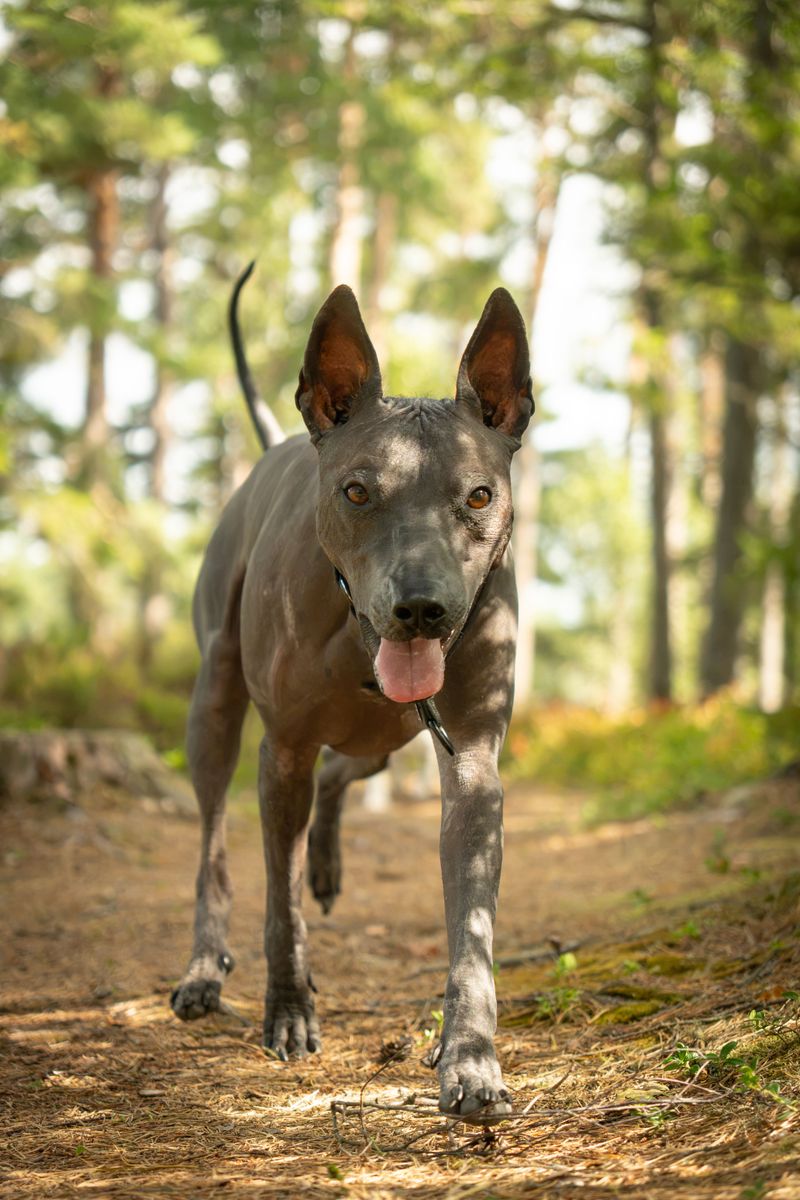
Cobras in the rice field? Families in Thailand once trusted the Thai Ridgeback to handle that problem.
These quick dogs hunted snakes, wild boar, and other pests.
The breed lived in isolated villages for centuries, so it stayed rare outside Thailand until recently.
Thai Ridgebacks are smart and independent. Start training early and keep sessions short and rewarding, because they get bored with repetition fast.
Saint Bernard
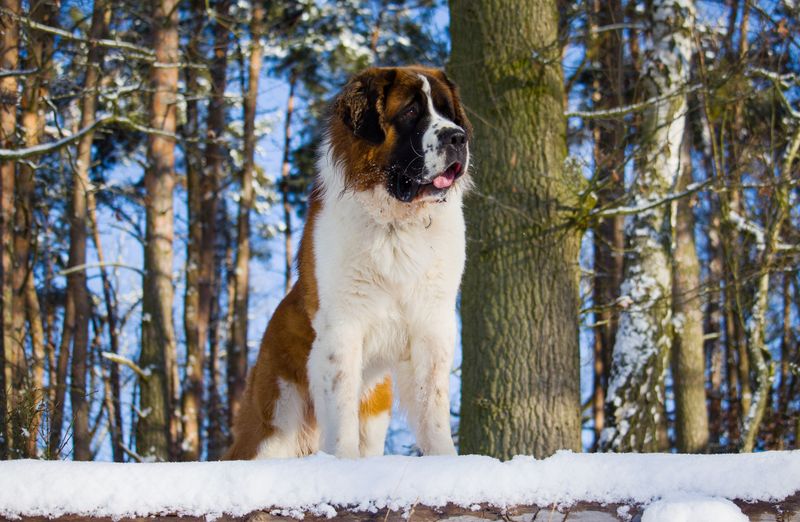
High in the Swiss Alps, monks at the Great Saint Bernard Pass trained huge dogs to find lost travelers buried in snow.
One legendary dog, Barry, is credited with saving over 40 people in the early 1800s. Sorry, cartoon fans, the little barrels around their necks were mostly made up by artists.
Today’s Saint Bernards love cool weather. Keep them shaded in summer and stock up on drool towels.