Some dogs steal your heart on day one and then chew your favorite shoes on day two. Many popular breeds are sweet and loyal, but they also come with big energy, stubborn streaks, or tricky care needs.
Knowing what you are signing up for helps you pick a dog that fits your home and keeps everyone happy. Here are twelve charming breeds that can stretch your patience, plus two that are much easier to live with.
Siberian Husky
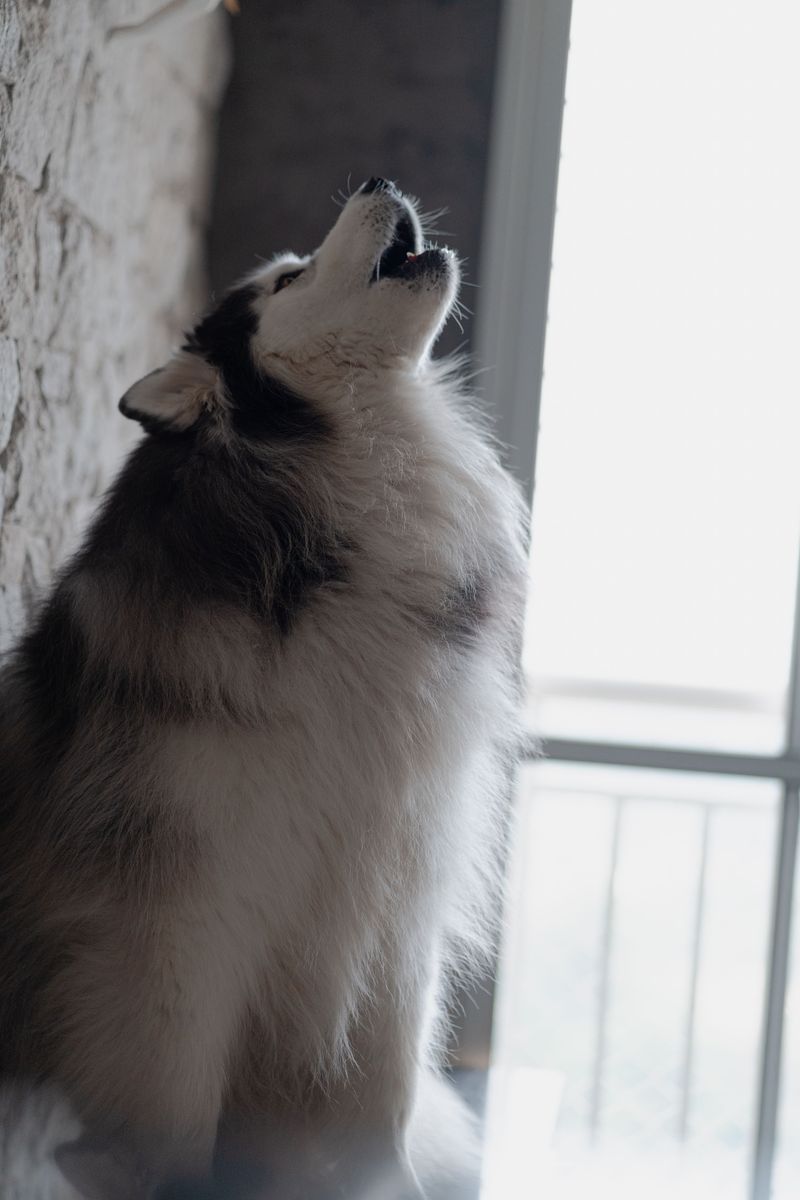
Ask any Husky owner about escape stories, and you might hear a dozen. Bred to pull sleds across frozen Siberia, these dogs can run for miles and still want more.
Fences get climbed, holes get dug, and howling becomes daily music. Off-leash walks are risky because they love to roam.
Plan on long daily runs, sturdy fencing, and plenty of brushing during shedding season. Reward their energy with jobs like hiking or canicross.
Beagle
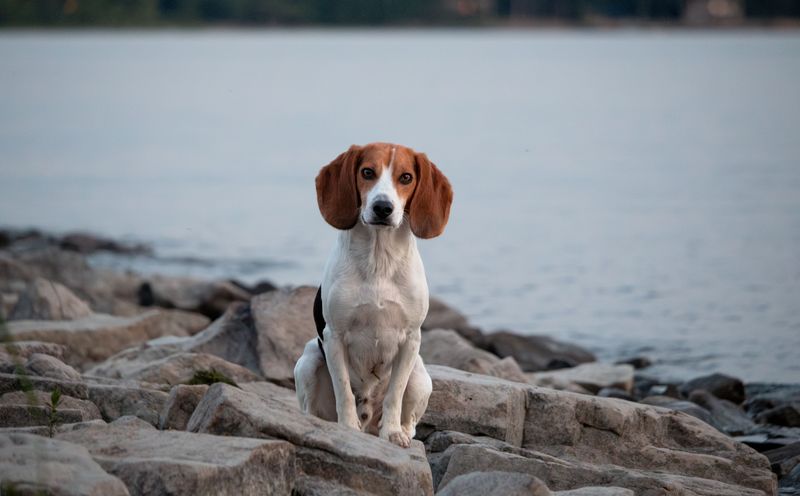
Here is a fun fact: a Beagle’s nose has around 220 million scent receptors. That super sniffer is wonderful, but it also leads them straight into trouble.
Once a smell grabs them, your calls may be ignored completely. They also bay loudly and raid trash cans with skill.
Keep food locked away and always use a leash outdoors. Scent games and puzzle feeders give that busy nose a happy outlet at home.
Jack Russell Terrier
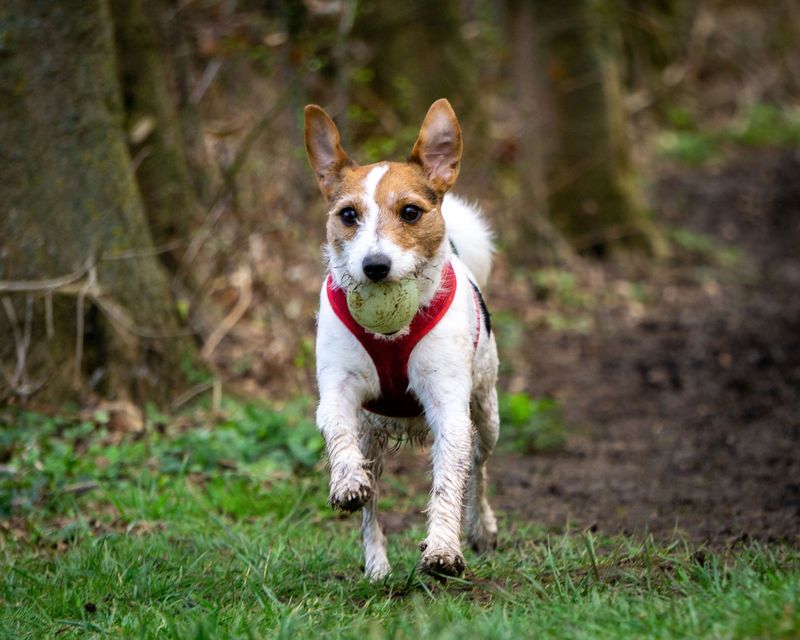
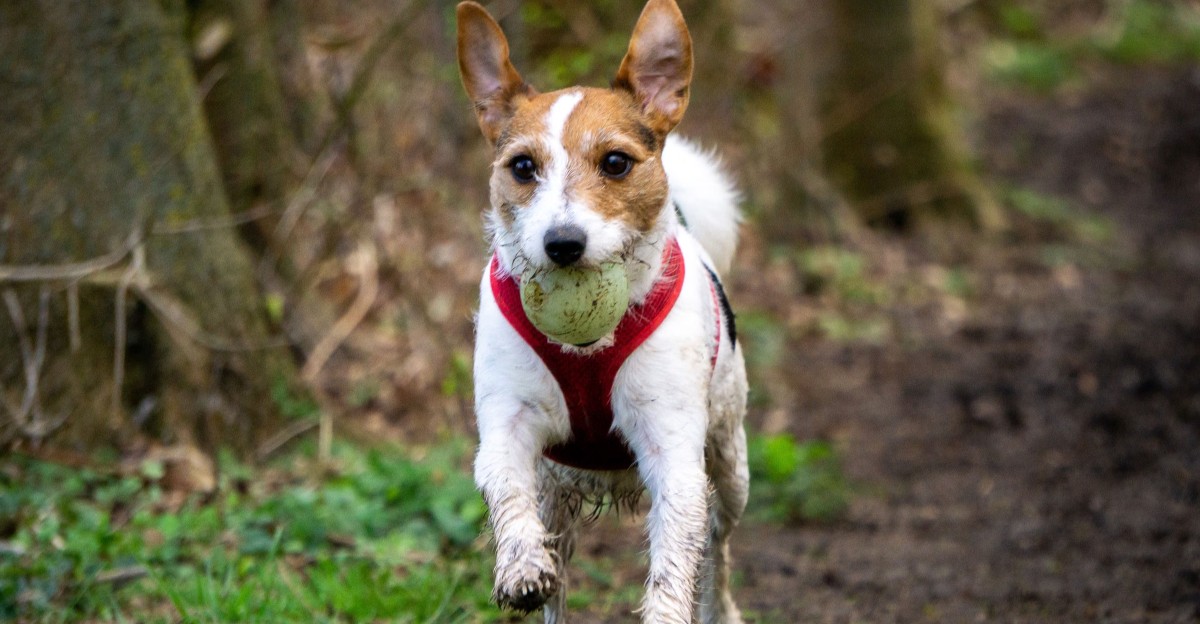
Small body, giant engine. Jack Russells were bred in England to chase foxes, and they still act like they are on the hunt every single minute.
Boredom turns them into diggers, barkers, and furniture shredders. Their jumping skills can surprise you, too.
Owners who succeed usually keep them busy with agility, fetch, and short training sessions. If you love an energetic sidekick and have time to spare, this spunky pup will keep life exciting.
Dalmatian
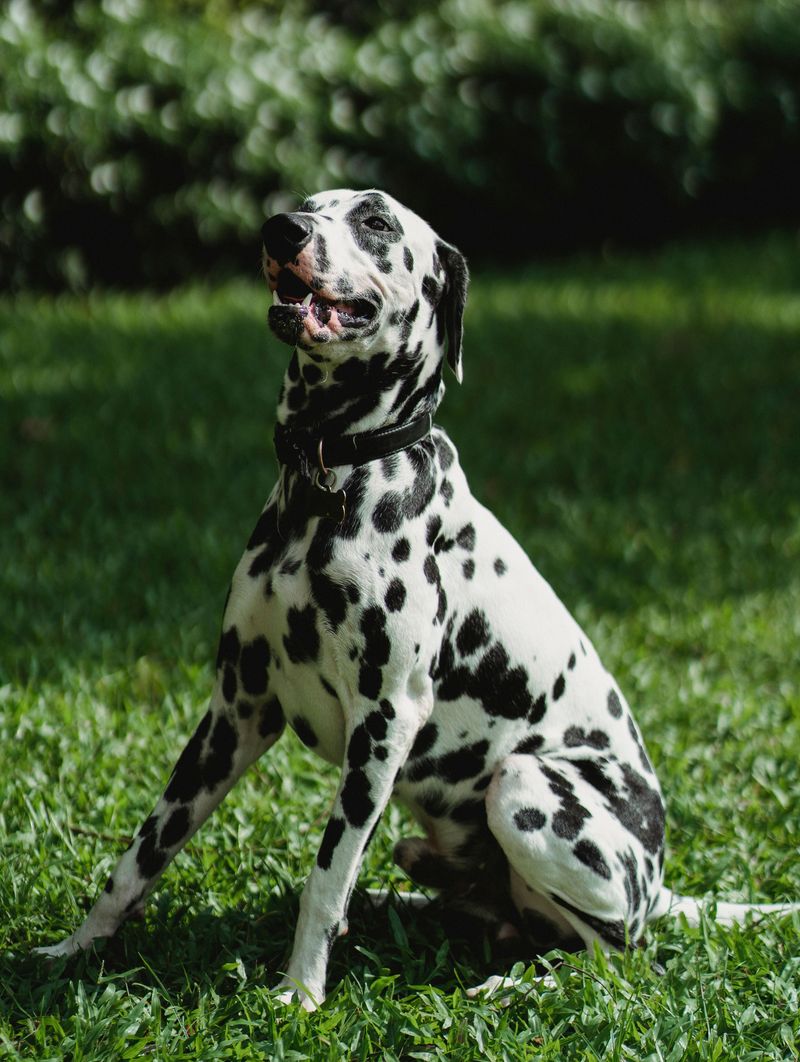
Long before movies made them famous, Dalmatians trotted beside horse-drawn carriages and fire wagons. That history explains their endless stamina.
They need hard exercise every day, or they get restless and pushy. Many are sensitive, and some can be wary of strangers.
Deafness also shows up in the breed, so hearing tests are smart.
Early socialization and consistent, kind training make a big difference. Expect lots of white hairs on everything you own.
Border Collie
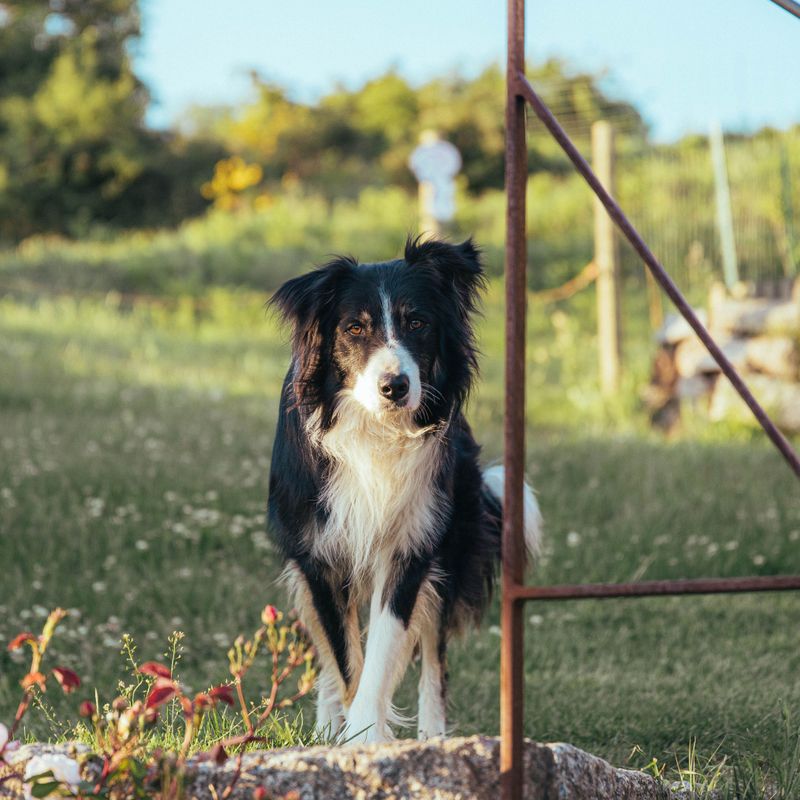
Picture a dog that can learn hundreds of words. A Border Collie named Chaser actually knew over 1,000 toy names!
Brilliant minds come with a catch, though. Without real work, these herders invent their own, like circling kids or chasing cars.
Daily mental challenges matter as much as running. Try herding classes, trick training, or flyball.
For an active family ready to teach, few dogs are more rewarding or eager to please.
Chow Chow
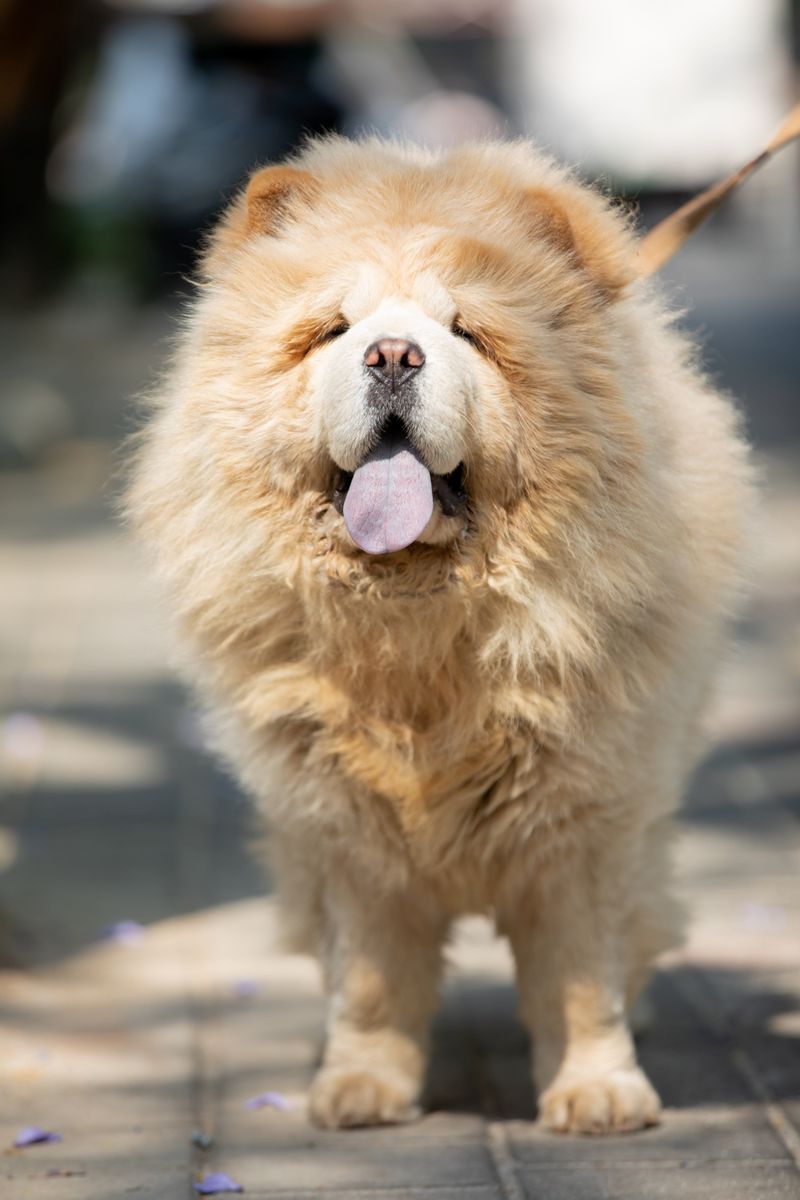
Looking like a living teddy bear, the Chow Chow often acts more like a cat. Independent and reserved, it decides when affection is welcome.
Training takes calm patience because Chows do not care much about pleasing you. They can be protective and cool toward guests.
Did you know they have blue-black tongues? That thick coat also needs regular grooming to prevent mats.
Start socializing early, stay consistent, and respect their dignified, quiet personality.
Dachshund
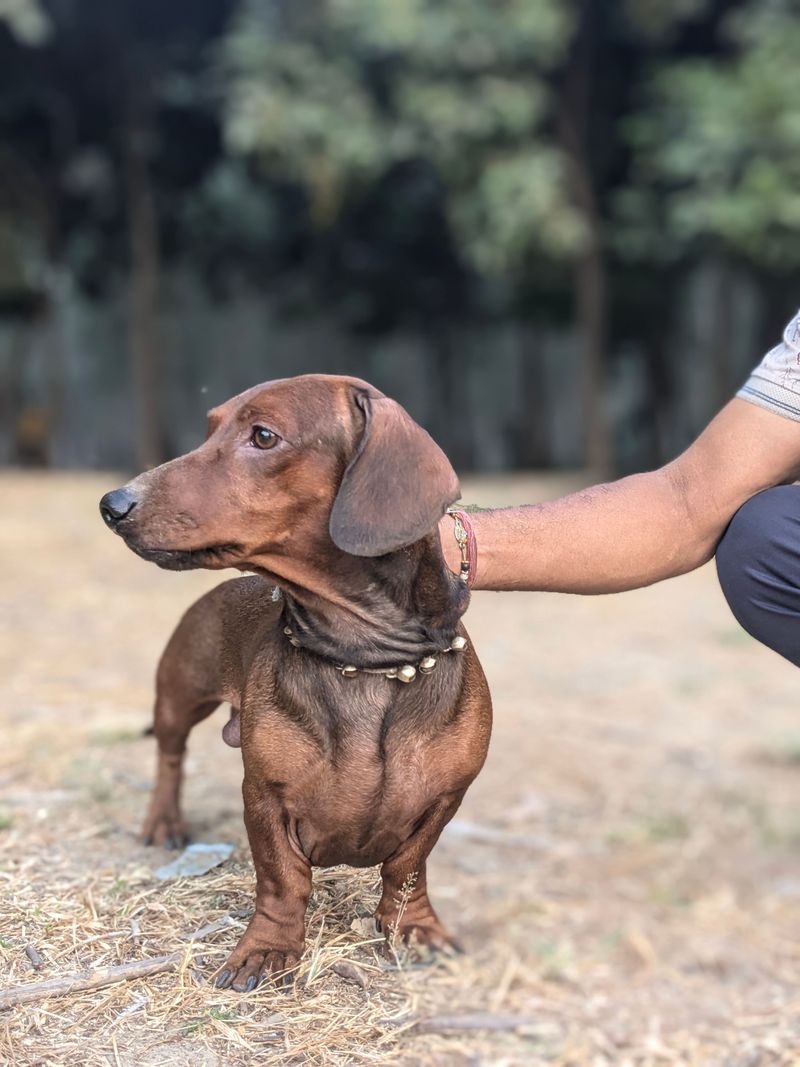
Short legs, big opinions. Dachshunds were bred in Germany to hunt badgers, so bravery and stubbornness come built in.
House training can drag on for months. They bark at every noise, and they may dig up your garden just because.
Watch their backs, too, since long spines are prone to injury. Use ramps instead of letting them jump off couches.
Keep them trim, stay patient with potty training, and enjoy their funny, fearless charm.
Weimaraner
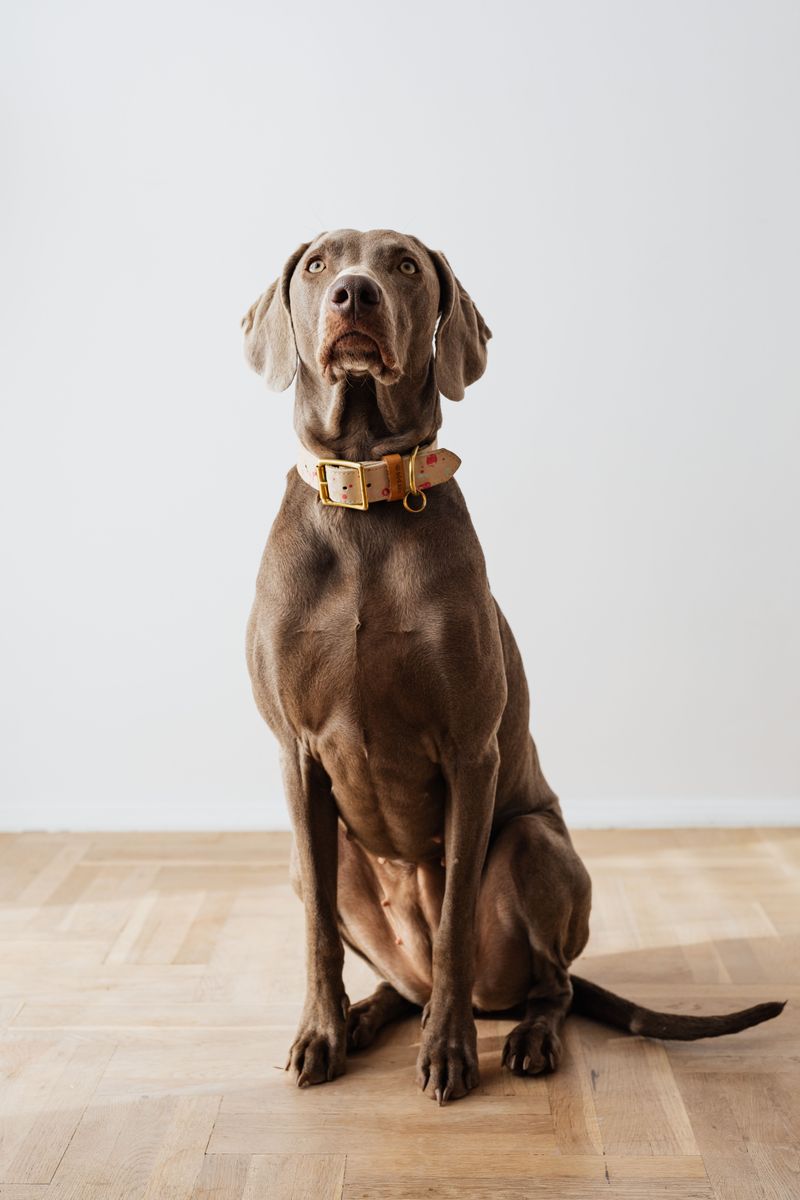
Nicknamed the gray ghost, the Weimaraner sticks to you like a shadow. Clingy is putting it mildly.
Left alone too long, many develop separation anxiety and chew doors, couches, or crates. Their hunting drive and athletic build mean they also need serious exercise.
Crate training, slow practice with alone time, and long runs help a lot. If you work from home and love an affectionate velcro buddy, this silver beauty may be worth the effort.
Afghan Hound
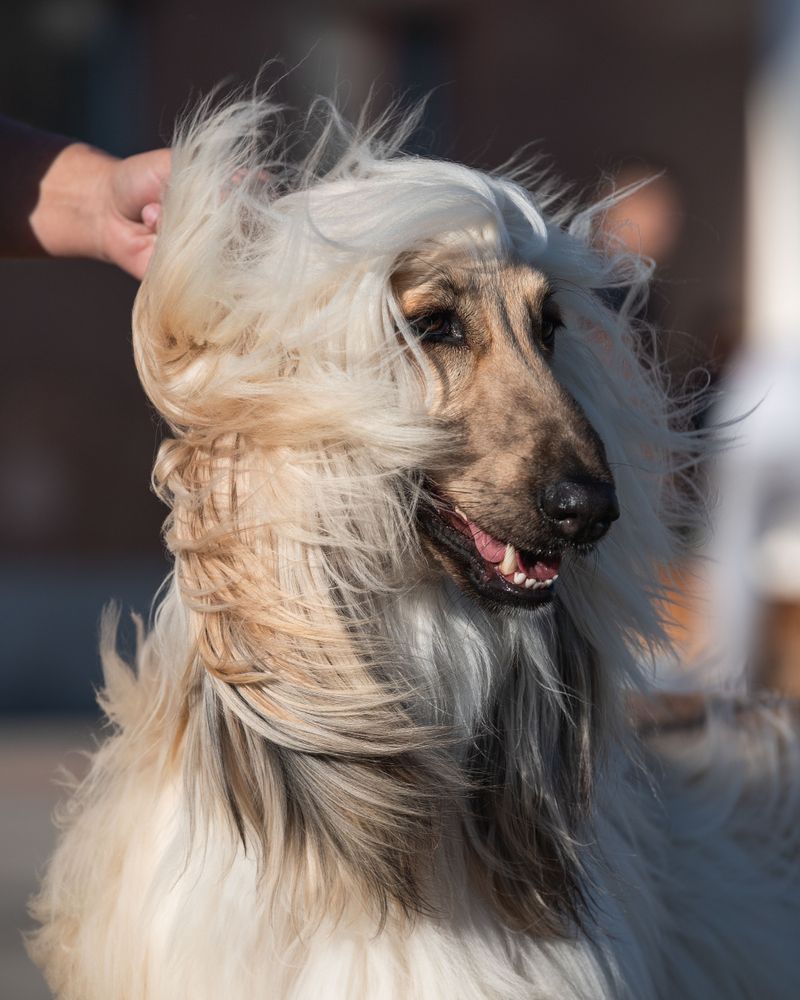
Glamorous is the first word most people use for the Afghan Hound. Behind that flowing hair hides a fast, free-thinking sighthound.
Recall is often poor, since chasing moving things matters more than your voice. Training can feel like negotiating with royalty.
Grooming is a real commitment, with baths and brushing several times a week. Secure fencing is a must.
Owners who admire independent spirits often find them silly and sweet at home.
Australian Cattle Dog
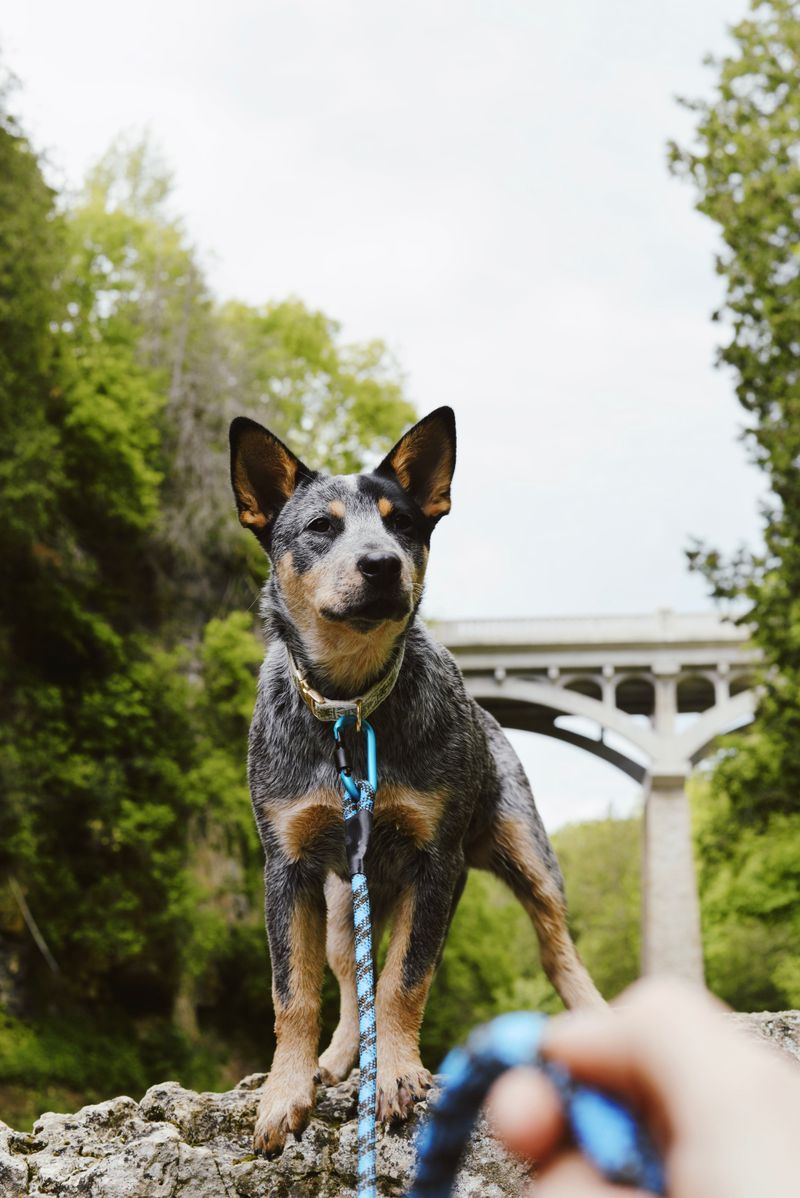
Tough as old boots, the Australian Cattle Dog was made to move stubborn cows across the outback. A blue heeler named Bluey lived to almost 30 years!
That grit can turn into nipping at ankles, especially with running kids. They bond tightly to one person and need tons of activity.
Give them structure, puzzles, and a job, even if it is just carrying a backpack on hikes. Bored heelers get creative in destructive ways.
Shiba Inu
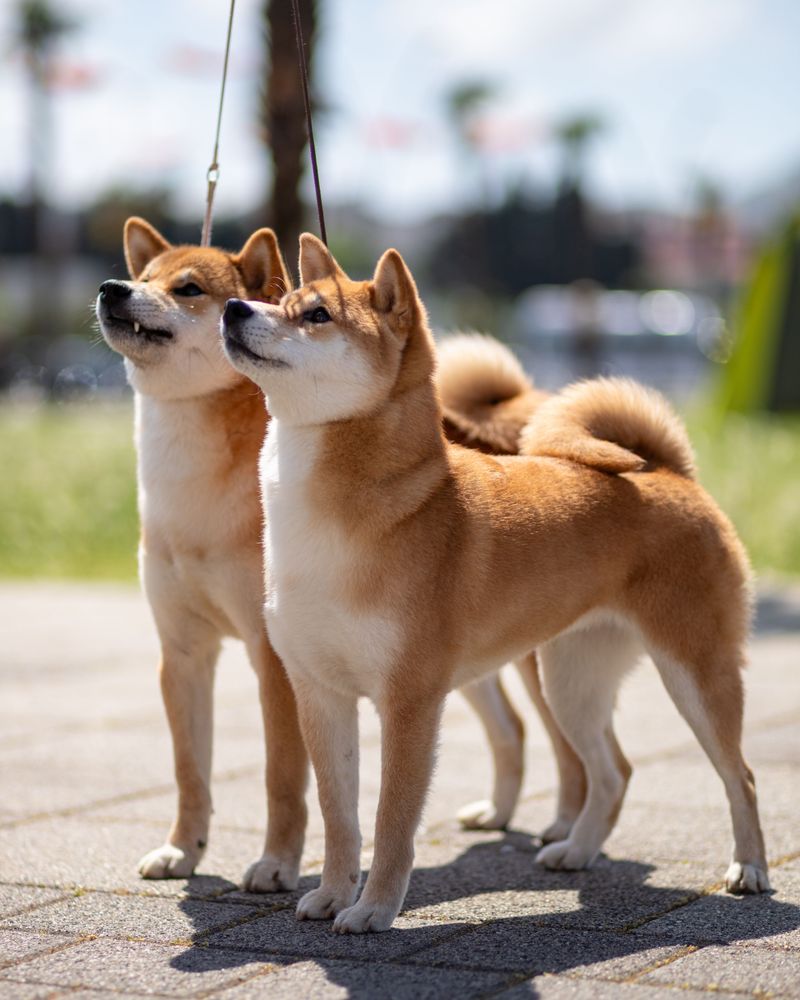
Have you ever heard a Shiba scream? Their dramatic yelp during baths or nail trims is famous online.
This ancient Japanese breed is clean, clever, and very independent. Many ignore commands they clearly understand, and they can slip out of collars to bolt.
They also shed heavily twice a year. Start handling paws early, use treats generously, and keep them leashed.
Patient owners get a quirky, fox-like friend with tons of personality.
Belgian Malinois
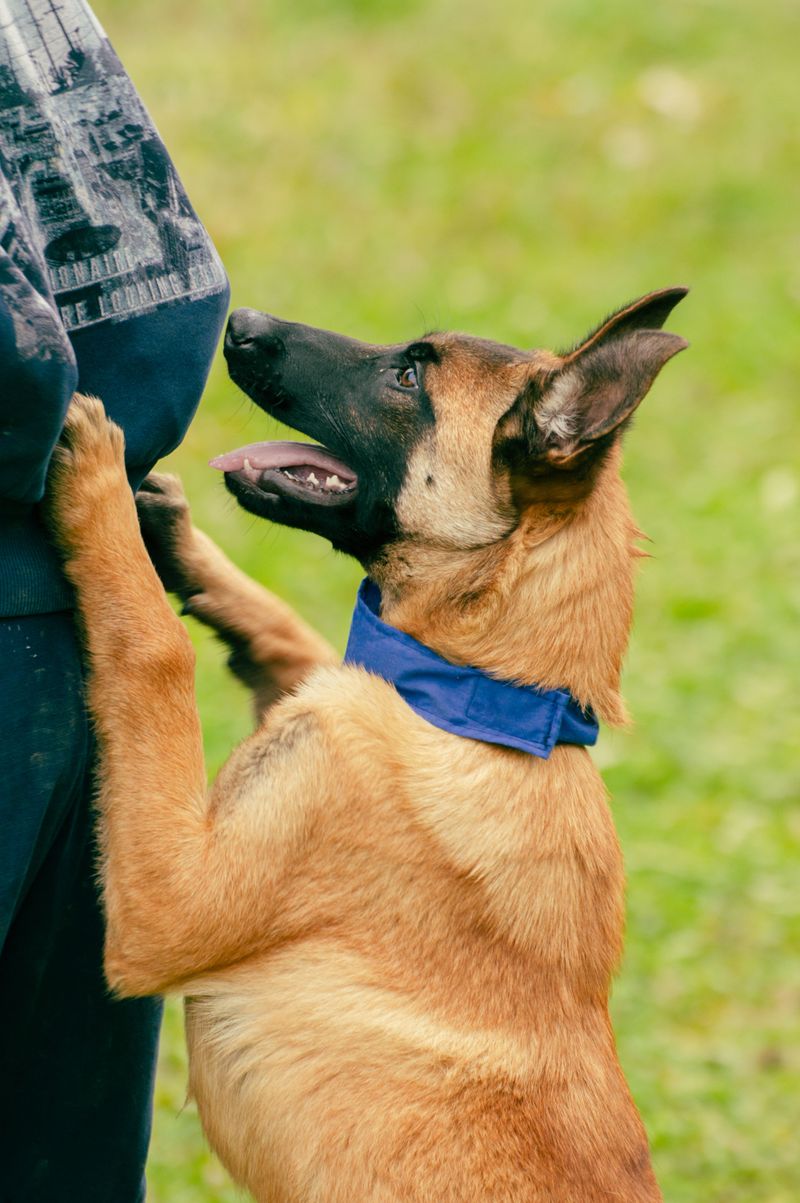
Police and military teams trust the Belgian Malinois for a reason. Intense focus and nonstop drive make it a working superstar.
In a regular home, that same intensity can feel overwhelming. Without hours of training and exercise, they may chew, spin, or become anxious and reactive.
Honestly, this breed suits experienced handlers best. If you love dog sports like bite work or agility and have time daily, you will gain a tireless, devoted partner.
Cavalier King Charles Spaniel
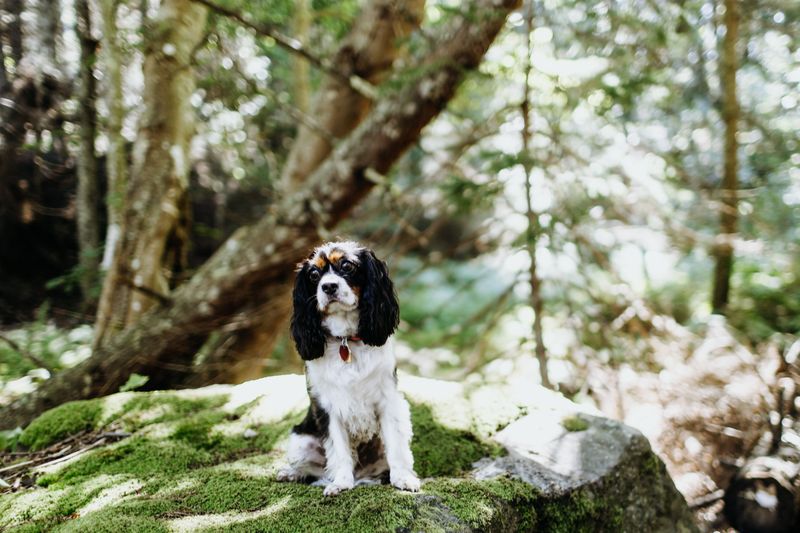
Royalty once adored these little spaniels, and it is easy to see why. Cavaliers are cuddly, adaptable, and happy with short walks or lap time.
They usually get along with kids, seniors, and other pets. Training tends to go smoothly since they love treats and praise.
Keep up with vet checkups because heart issues can run in the breed. Otherwise, these sweet souls fit apartments and busy families with very little fuss.
Greyhound
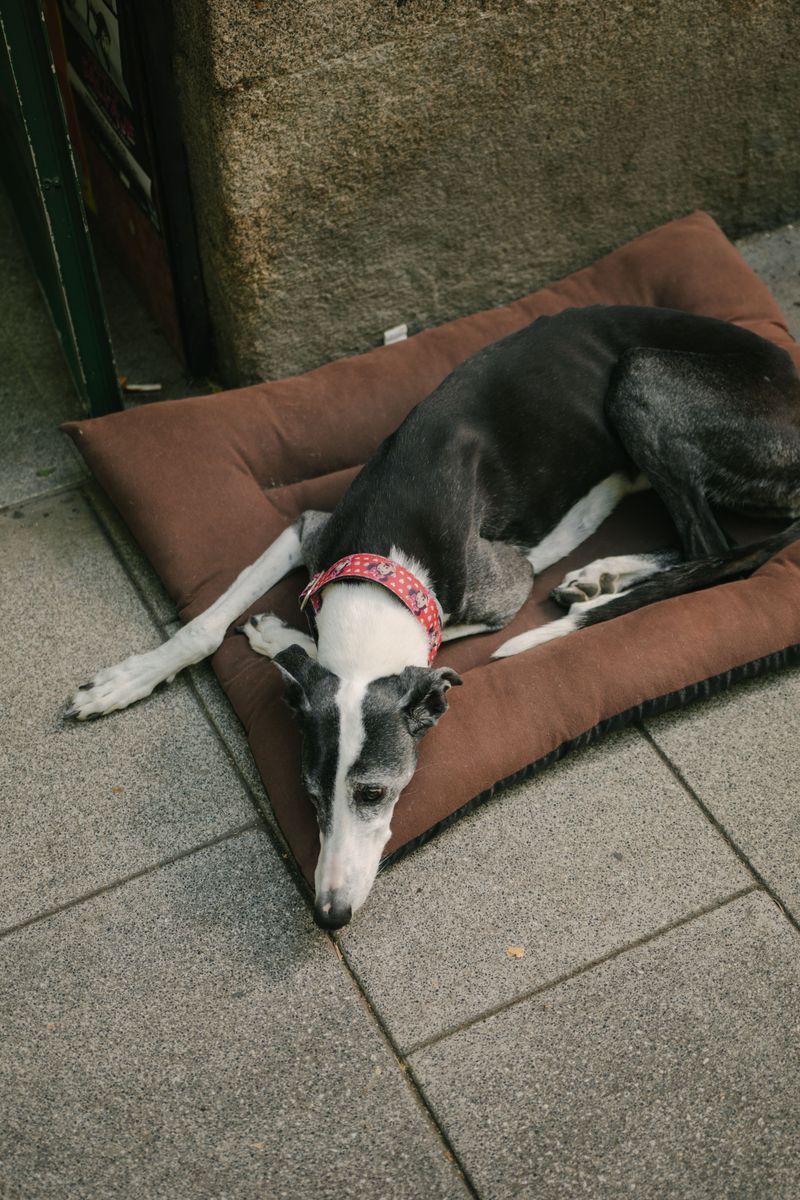
Surprise! The fastest dog breed is actually a champion couch potato.
Greyhounds can hit 45 miles per hour, yet they snooze up to 18 hours a day.
Short sprints and a couple of walks keep them content. Their short coats need little grooming, and most are quiet and polite indoors.
Many retired racers need homes, so adoption is a great option. Just keep them leashed outside, since that chase instinct still lingers.