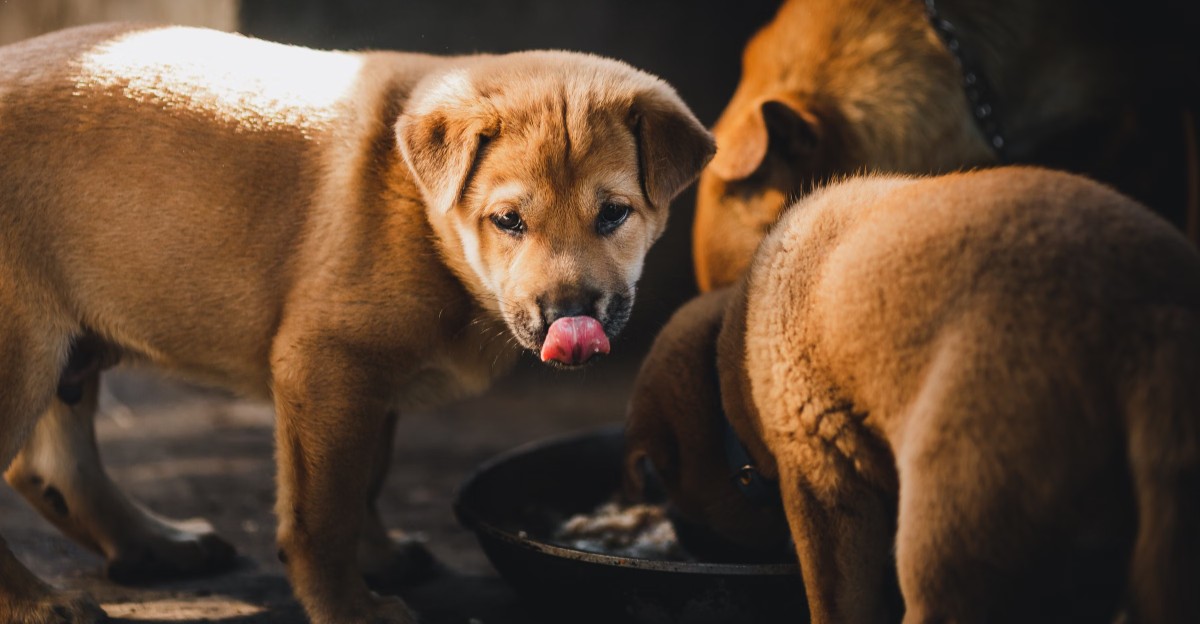
Those big puppy eyes at the dinner table are hard to say no to. But plenty of foods that taste great to people can make dogs very sick, and some can even be deadly.
Knowing which snacks to keep away from your furry friend is one of the easiest ways to protect their health. Here are the common kitchen foods every dog owner should watch out for.
Chocolate
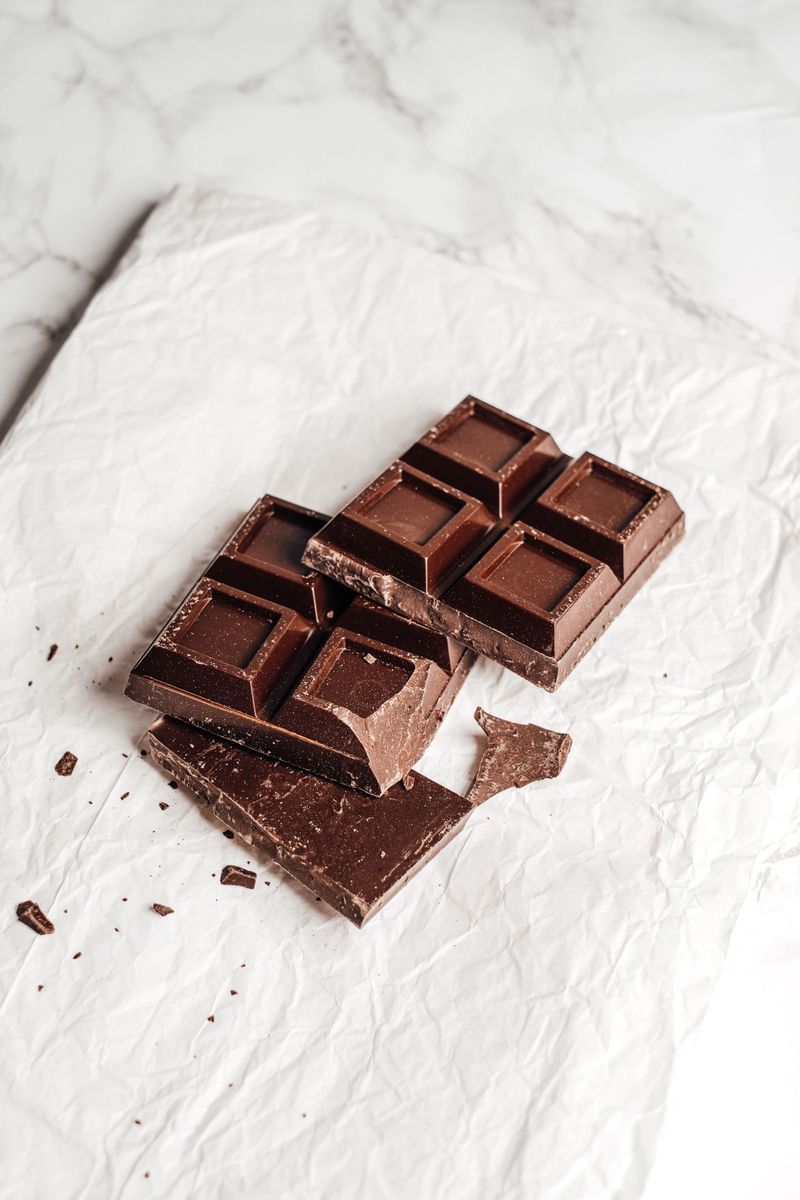
A single brownie left on the counter can turn a quiet evening into an emergency vet visit. Chocolate contains theobromine, a chemical dogs break down very slowly.
Dark chocolate and baking chocolate are the most dangerous types. Signs of trouble include vomiting, a racing heart, shaking, and restlessness.
Keep candy bowls, cocoa powder, and holiday treats up high. If your pup sneaks some, call your vet right away with the amount eaten.
Grapes and Raisins
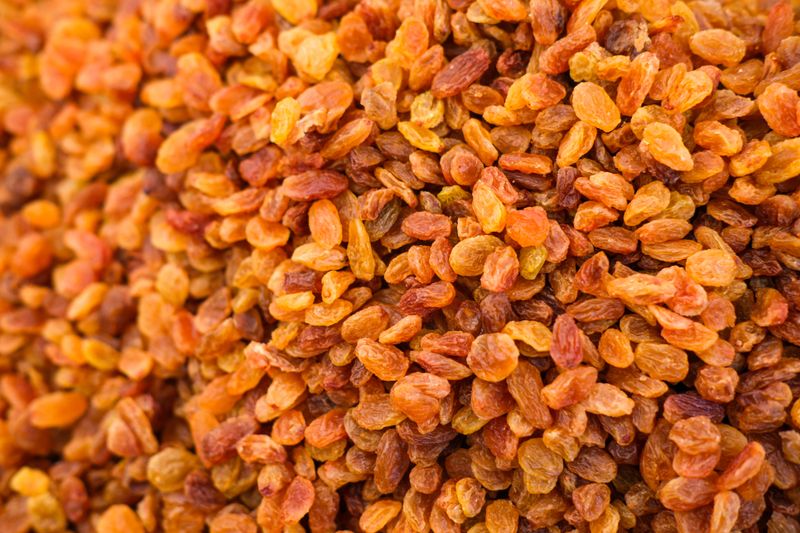
Scientists were puzzled for years about why such a tiny fruit could cause so much harm. Today, experts believe tartaric acid in grapes may be the culprit behind sudden kidney failure in dogs.
Even a small handful can be dangerous, and no amount is considered safe. Raisins are just as risky.
Watch out for hidden sources like trail mix, cereal, cookies, and bagels. Vomiting or tiredness after eating them means a vet trip is needed.
Onions and Garlic
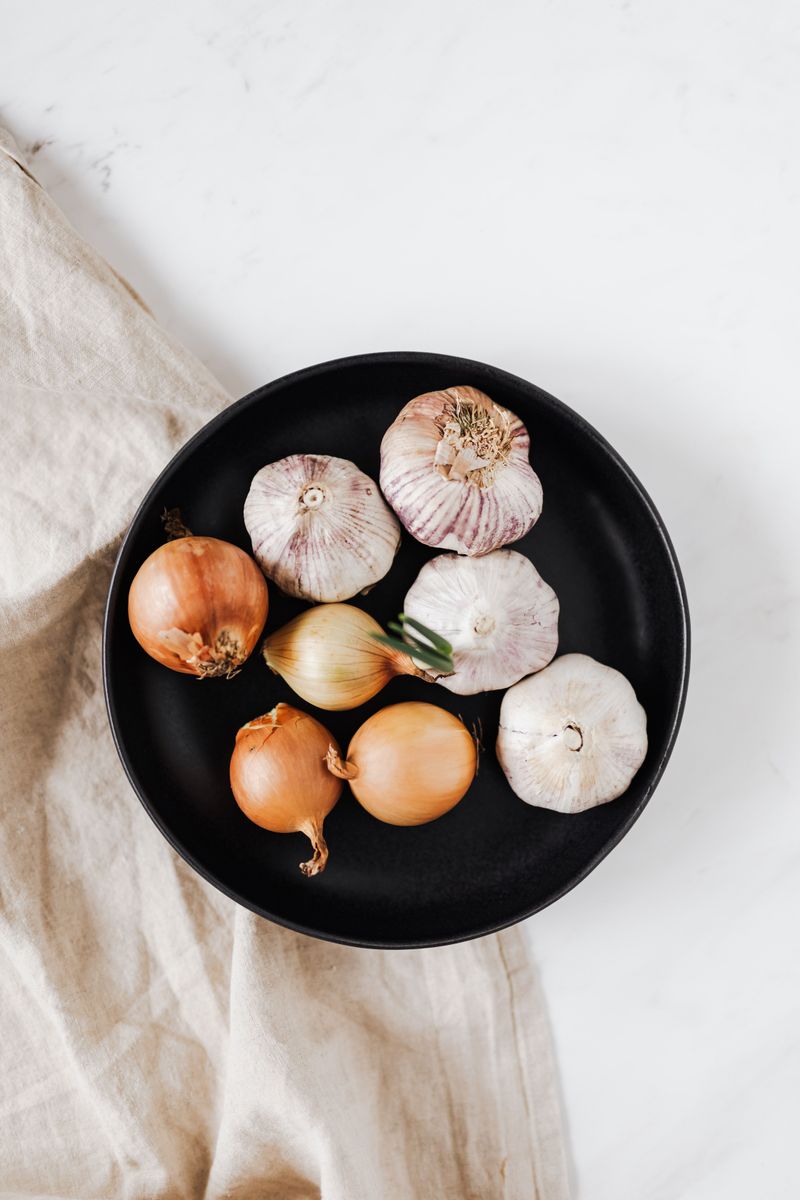
Your favorite pasta sauce might smell amazing, but it could hurt your pup. Onions, garlic, leeks, and chives all belong to the allium family, which damages a dog’s red blood cells.
The harm can build up slowly over days, so symptoms like weakness, pale gums, and fast breathing may show up late.
Powdered forms are extra strong. Skip feeding table scraps like soups, gravies, and seasoned meats that often hide these ingredients.
Xylitol Sweetener
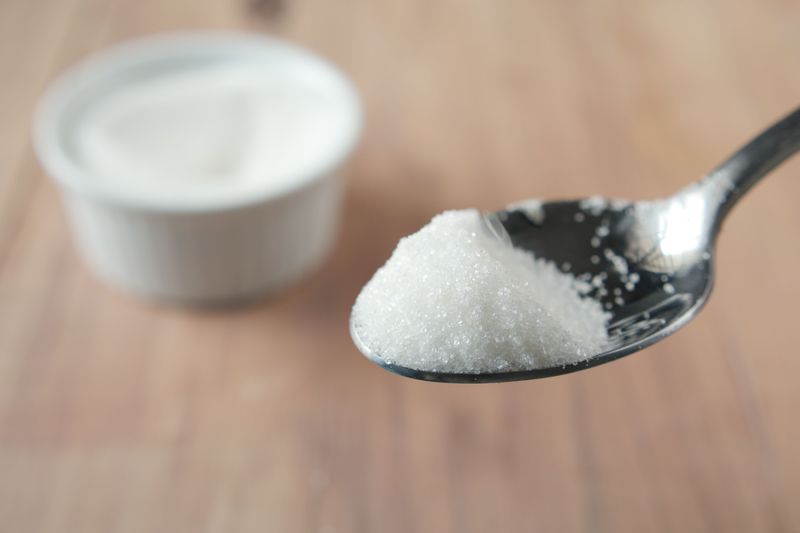
Sugar-free sounds healthy, right? For dogs, that label can be a big warning sign.
Xylitol is a sweetener found in gum, mints, some peanut butters, toothpaste, and baked goods.
In dogs, it causes a sudden drop in blood sugar within minutes. Large amounts can also damage the liver.
Always check labels before sharing peanut butter. Keep purses and backpacks with gum zipped and off the floor, since curious noses love exploring them.
Avocado
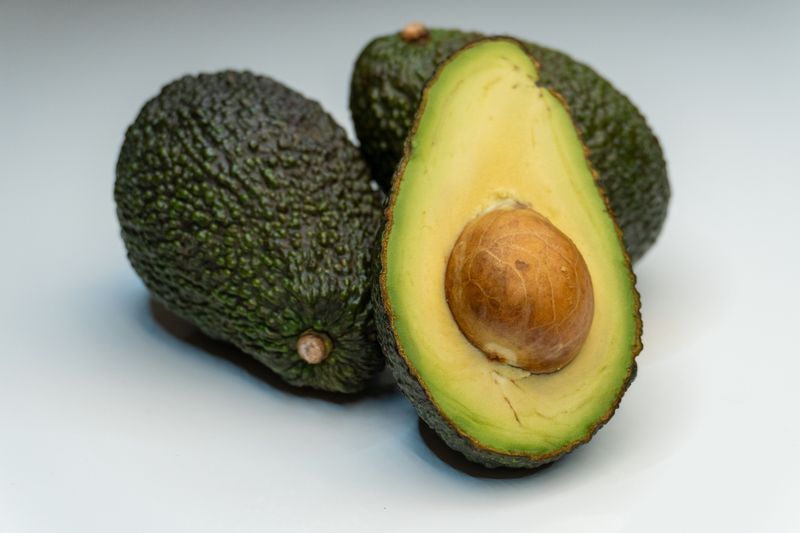
Guacamole night is fun for humans, but your dog should sit this one out. Avocados contain persin, a substance that can upset a dog’s stomach and cause vomiting or diarrhea.
The bigger danger is actually the pit. Slippery and round, it can easily get stuck in the throat or block the intestines.
Toss pits straight into a covered trash can. Also be careful with leftover chips and dip, which often include onions and too much salt.
Macadamia Nuts
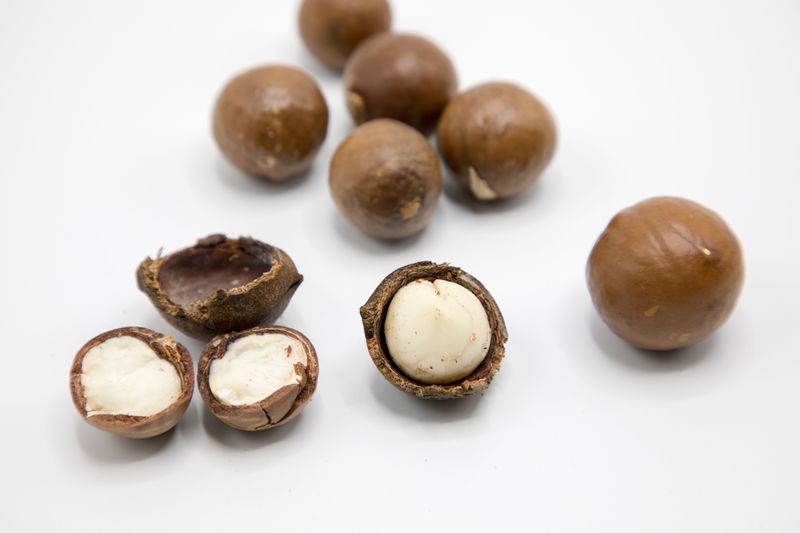
Picture a happy dog suddenly wobbling like it just got off a spinning ride. That strange reaction is a classic sign of macadamia nut poisoning.
Nobody fully knows why these buttery nuts affect dogs, but they can cause weakness in the back legs, shaking, fever, and vomiting. Most dogs recover within a couple of days with care.
Cookies mixing macadamias and chocolate are double trouble. Store them well out of reach.
Cooked Bones
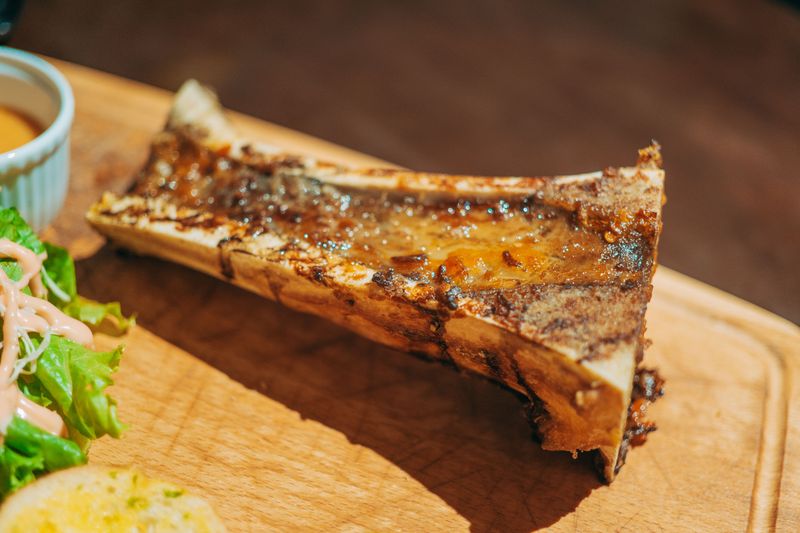
Cartoons always show dogs happily chewing bones, but real life is different. Once cooked, bones become dry and brittle.
They can splinter into sharp pieces that cut the mouth, throat, or stomach. Chicken and turkey bones are especially risky, and choking is a real danger too.
After a barbecue or holiday meal, wrap scraps tightly and take the trash out. Offer a vet-approved chew toy instead so your pup still gets that satisfying gnaw.
Alcohol
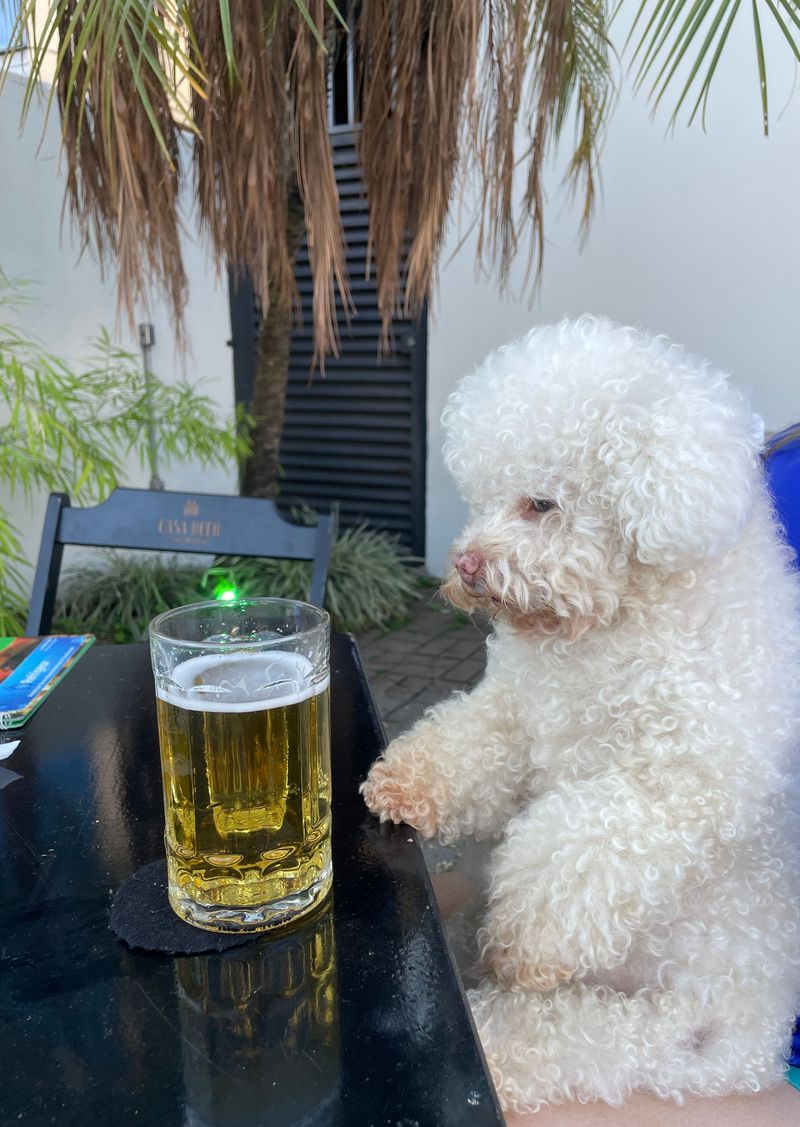
Did you know a dog’s body absorbs alcohol much faster than ours? Even a few laps from a spilled drink can cause problems for a small pup.
Symptoms include stumbling, vomiting, slow breathing, and low body temperature. Raw bread dough is sneaky here, since yeast creates alcohol inside the stomach as it rises.
At parties, keep cups off low tables and clean up spills quickly. Guests may not realize the danger, so a friendly reminder helps.
Caffeine
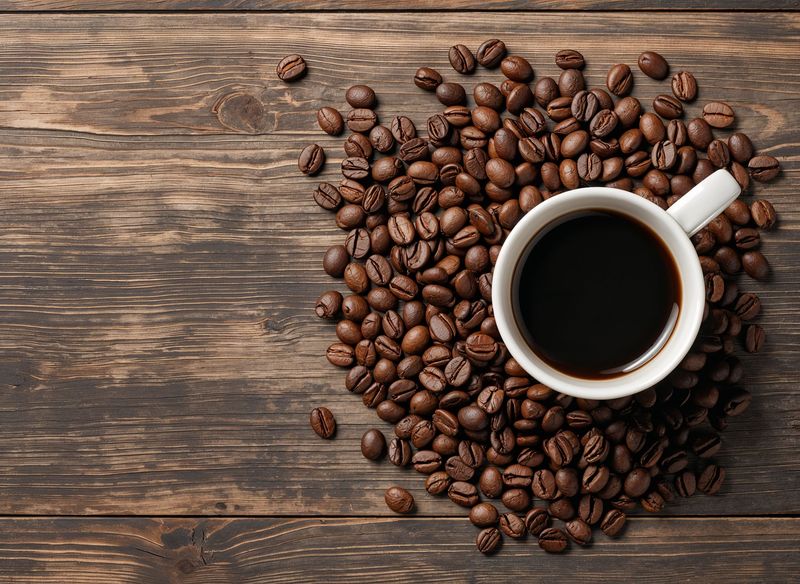
Morning coffee gives you a boost, but for dogs that same kick is way too much. Caffeine works a lot like the chemical in chocolate, overloading the heart and nervous system.
Coffee beans, grounds, tea bags, energy drinks, and caffeine pills are all risky. Watch for pacing, panting, a fast heartbeat, and shaking.
Used coffee grounds in the trash can tempt nosy pups. A lidded garbage bin solves that problem easily.
Salty Snacks
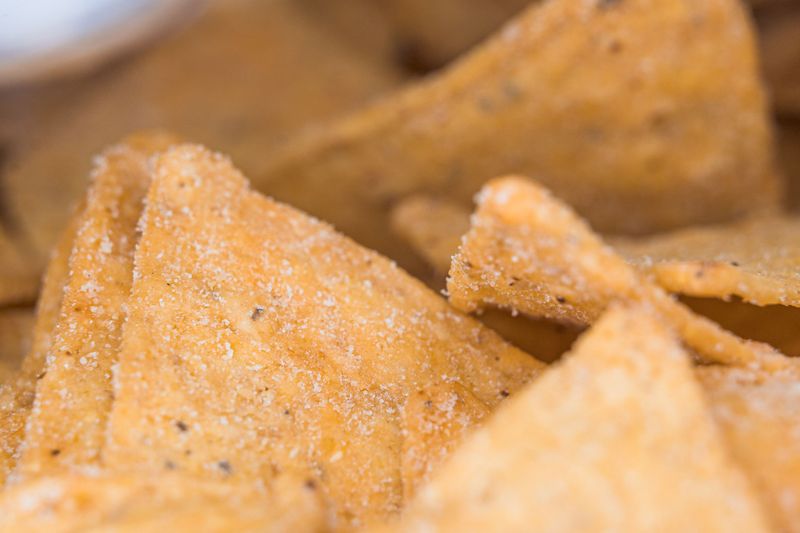
Movie night crumbs seem harmless, yet too much salt can really hurt a dog. Chips, pretzels, and salted popcorn make pups very thirsty and can lead to sodium poisoning in large amounts.
Signs include vomiting, diarrhea, shaking, and acting confused. Homemade play dough and rock salt for icy sidewalks are surprising sources too.
Plain, air-popped popcorn in tiny amounts is a better choice. Always keep fresh water available.
Fatty Foods
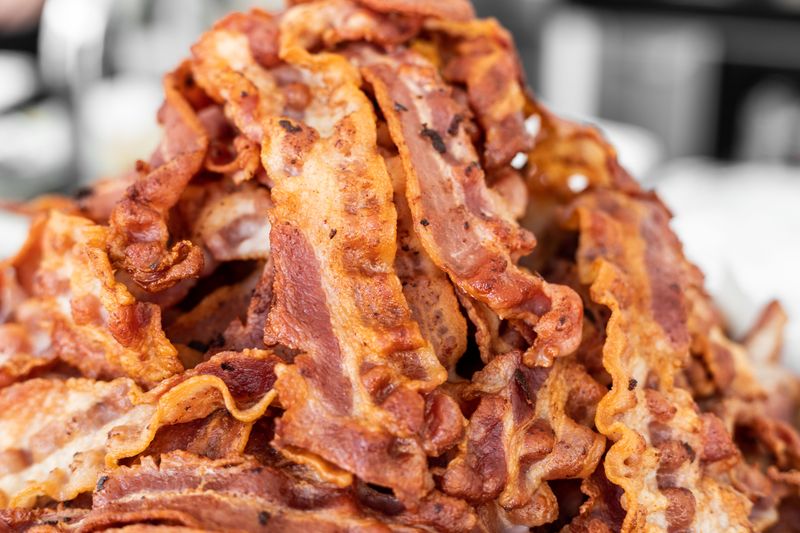
Holiday vets often see a spike in sick dogs right after big family dinners. The reason?
Rich, greasy leftovers like bacon, turkey skin, ham fat, and gravy.
These foods can trigger pancreatitis, a painful swelling of the pancreas. A hunched back, vomiting, and refusing food are common warning signs.
Instead, share a small piece of plain, skinless cooked chicken. Your dog will feel just as spoiled without the painful aftermath.
Raw Yeast Dough
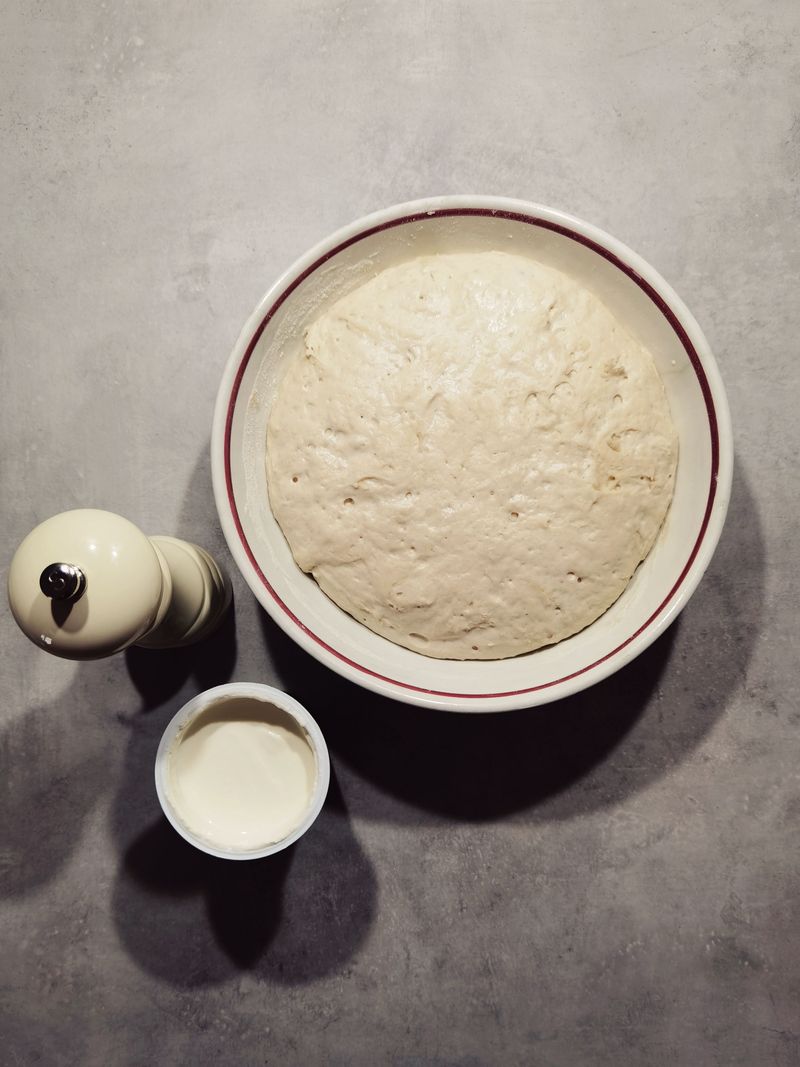
Baking bread at home is cozy and fun, until a dog gobbles the dough. Raw dough keeps rising inside the warm stomach, stretching it painfully like an inflating balloon.
At the same time, the yeast produces alcohol that enters the bloodstream. A swollen belly, drooling, and gagging without vomiting are serious red flags.
Let dough rise somewhere your pup cannot reach, like inside a turned-off oven or microwave.
Fruit Pits and Seeds
Summer picnics bring juicy cherries, peaches, and plums. The sweet flesh is not the problem, but the pits are.
Many fruit pits and apple seeds contain small amounts of cyanide, a poison. Larger pits can also cause choking or block the gut.
Good news: sliced apples without seeds and pitted peach pieces make tasty treats. Just remove every pit and core first, and keep the leftovers bag tied shut.