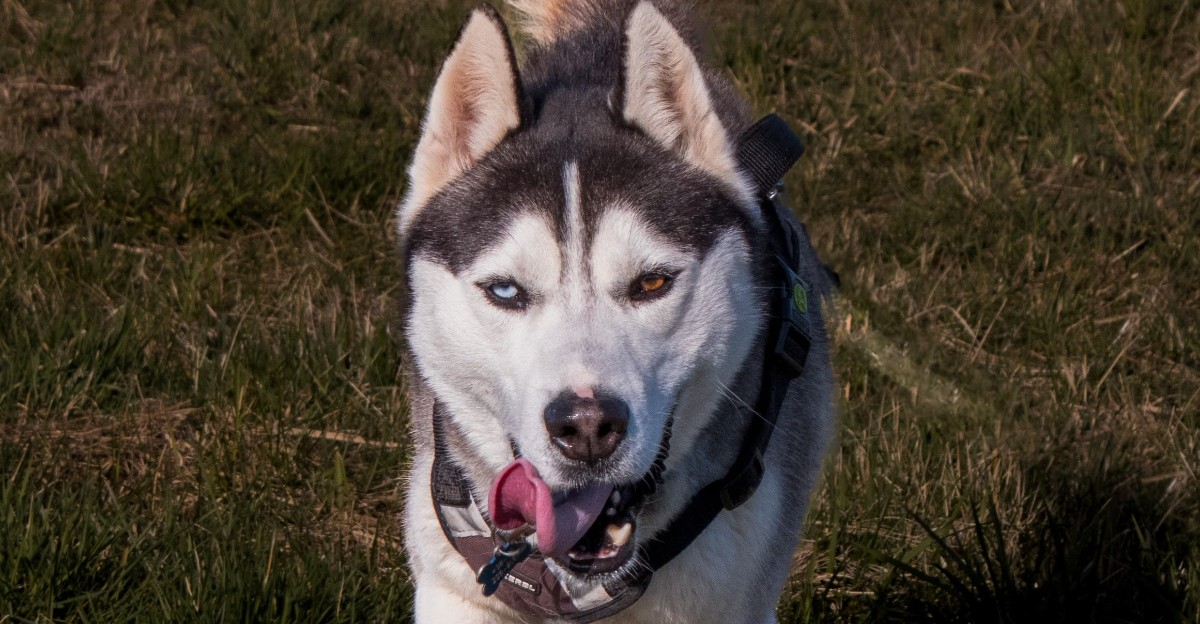
You look down at your phone for two seconds, and suddenly your dog is gone. For some breeds, a squirrel, a scent, or an open gate is all it takes to start a wild chase.
Knowing which dogs are most likely to bolt can help you keep them safe from busy roads and getting lost. Here are the breeds that need extra care, plus simple tips to keep them close.
Siberian Husky
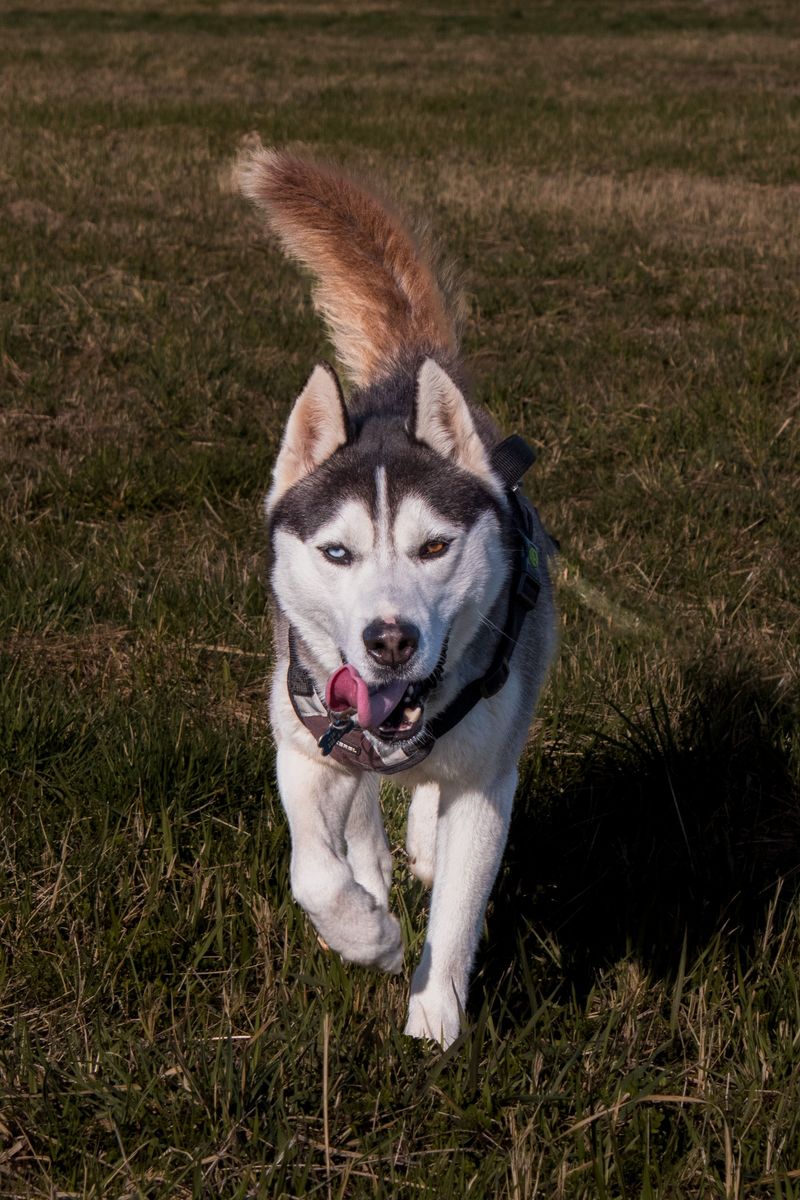
Born to run for miles across frozen Siberia, the Husky treats an open door like a starting line. Many owners say their dog seemed calm one second and was three blocks away the next.
Recall training helps, but huskies rarely obey once they get going. Their urge to roam is simply stronger than most commands.
Always use a secure harness, check fences for gaps, and never trust an unfenced park with this escape artist.
Beagle
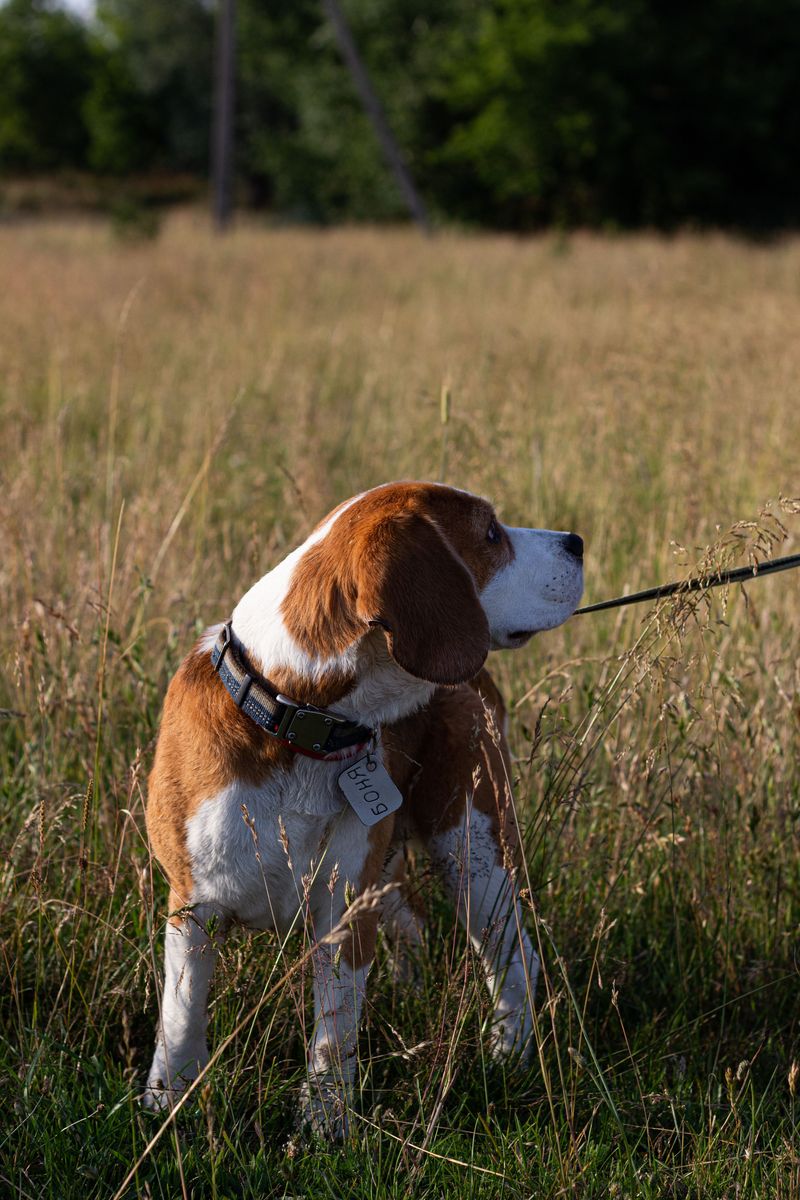
Picture a nose with legs attached. A Beagle has around 220 million scent receptors, and every one of them can switch off its listening skills.
Once a rabbit trail grabs its attention, your voice becomes background noise. That baying howl you hear is your pup announcing it found something far more exciting than you.
Keep walks on a leash, and try scent games at home so that powerful sniffer gets a safe workout.
Greyhound
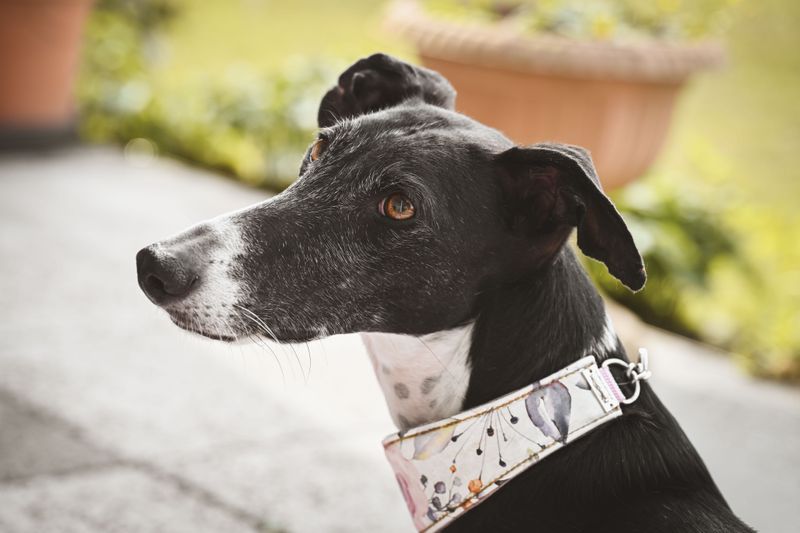
Zero to 45 miles per hour in a few strides. That is how fast a Greyhound can go, which makes catching one nearly impossible.
At home, these gentle giants love naps on the couch. Outside, a darting cat or plastic bag can trigger an instant sprint, and they may not notice cars in the way.
Use a martingale collar, since their narrow heads slip out of regular ones easily. Fenced areas only for running.
Jack Russell Terrier
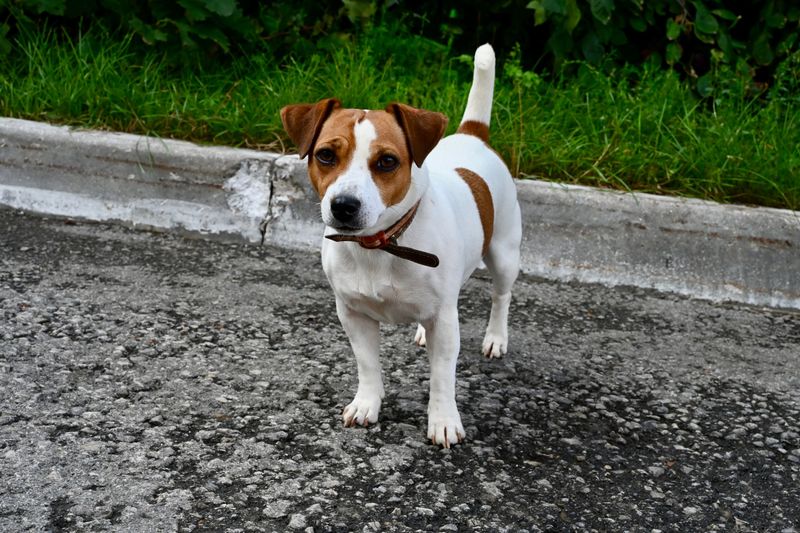
Small body, giant plans. Jack Russells were bred to chase foxes into dens, and they still think every hole leads to adventure.
These little dynamos dig under fences, squeeze through gaps, and dash after anything that moves. Their fearless attitude means they might even chase a much bigger animal.
Burn off their energy with fetch, agility, or puzzle toys. A tired terrier is far less likely to plot a backyard jailbreak.
Alaskan Malamute
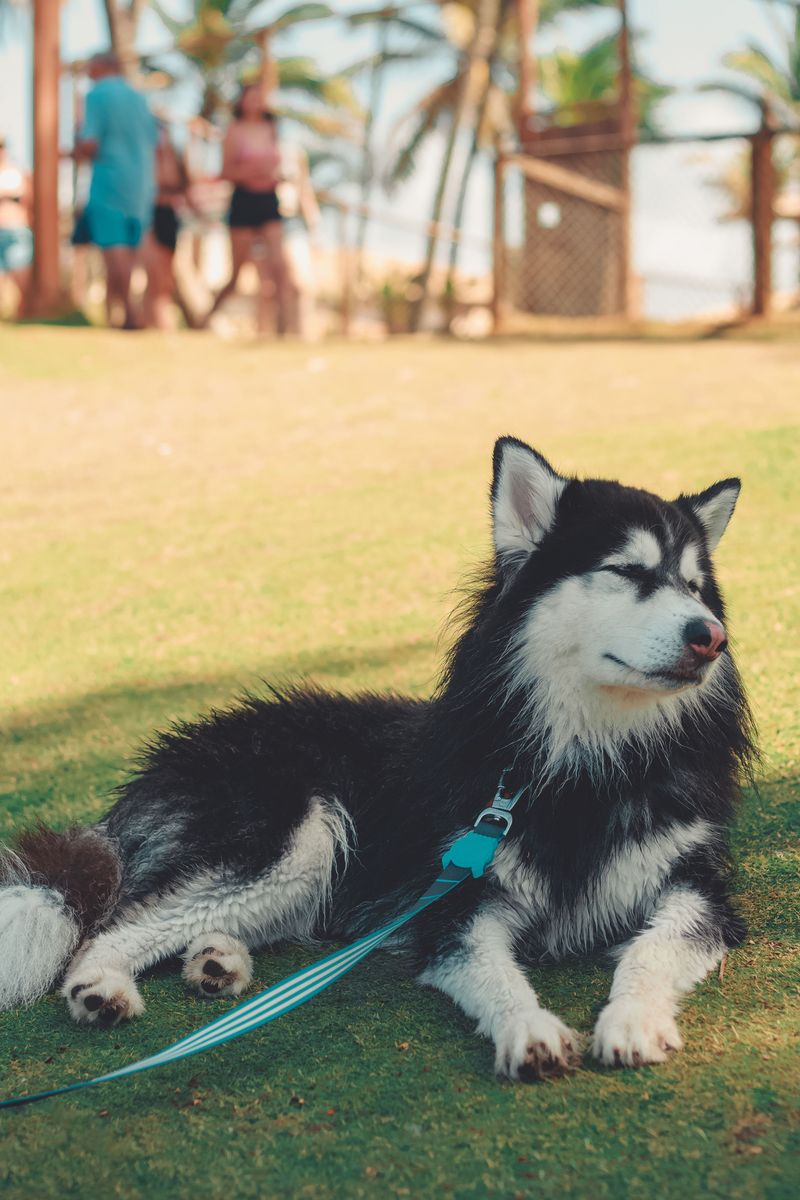
Did you know Malamutes once hauled heavy sleds across the Arctic? That strength still shows up when one decides to pull away from you.
Big, fluffy, and independent, these dogs often think for themselves. They may wander off simply because something over the hill looks interesting.
Teach loose-leash walking early, invest in a sturdy harness, and give them a strong fence. Their size makes a runaway Malamute especially scary near traffic.
Bloodhound
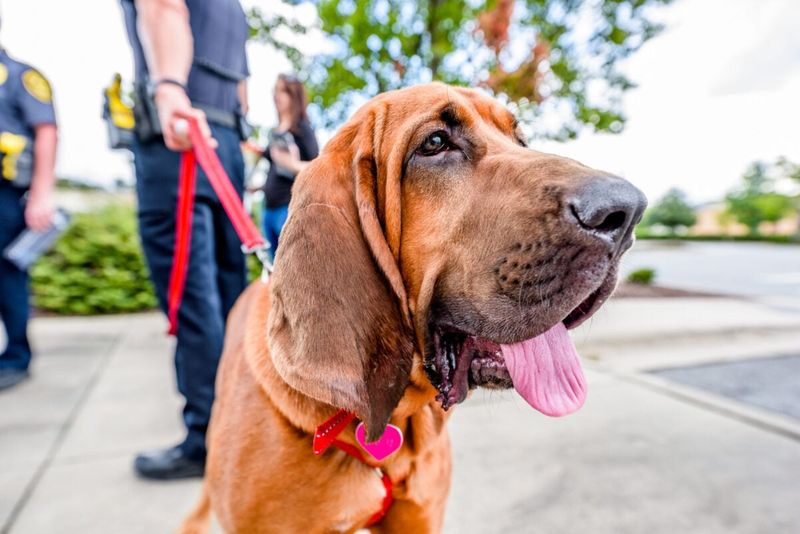
Police departments trust Bloodhounds to track missing people, sometimes following a trail that is days old. Impressive, right?
Less fun when your own dog is the one disappearing.
Once locked onto a smell, a Bloodhound can follow it for miles without looking up. Roads, ditches, and strangers barely register.
Long-line leashes let them sniff while staying connected to you. Microchipping and an ID tag are must-haves for this determined tracker.
Border Collie
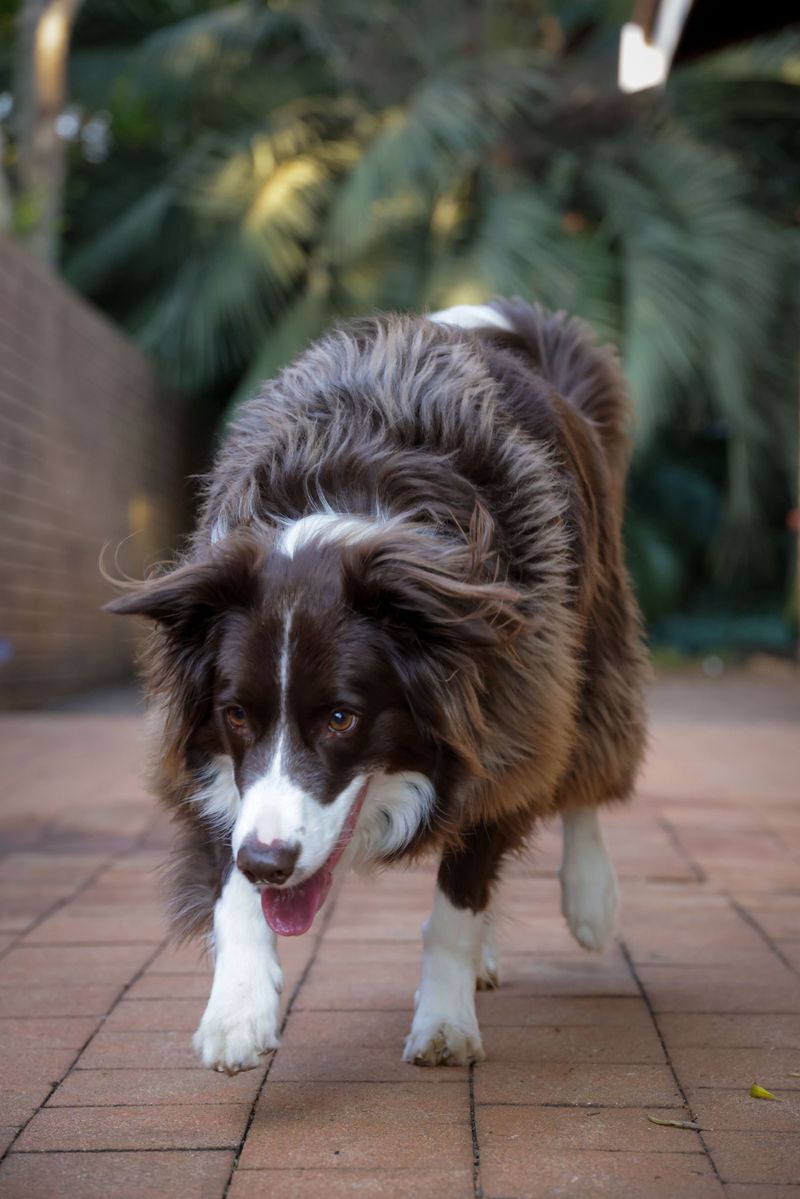
Brilliant, yes. Predictable, not always.
Border Collies are famous for learning hundreds of words, yet their herding drive can override every lesson.
Bikes, joggers, and even cars can look like sheep that need rounding up. A sudden chase toward a moving vehicle is a real danger.
Give this clever worker a job, such as frisbee, herding classes, or trick training. Practice a rock-solid stop command in calm places before testing it outdoors.
Australian Cattle Dog
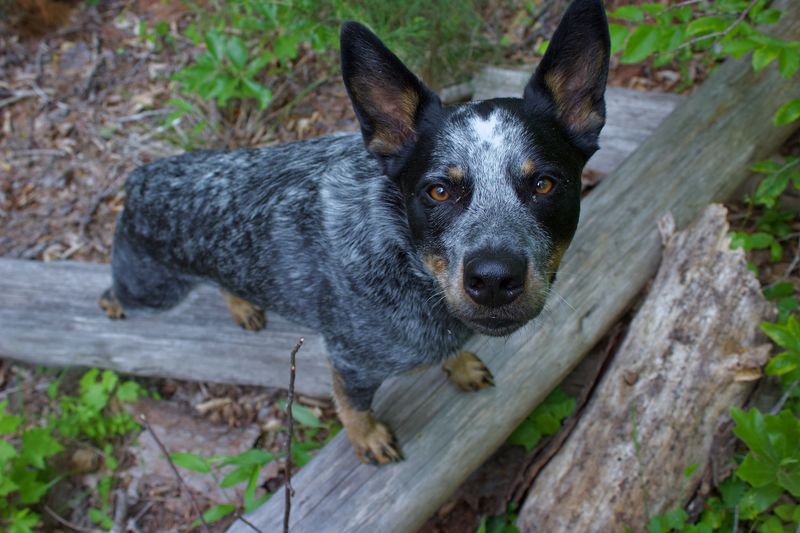
Tough as old boots and twice as stubborn, the Blue Heeler was built to move cattle across rough Australian land.
Boredom is this breed’s worst enemy. Without enough exercise, many will jump fences or slip out gates just to find something to do.
Daily running, hiking, or ball games keep them happy. Teach a reliable wait at every doorway, because these quick thinkers notice an unlatched gate before you do.
Shiba Inu
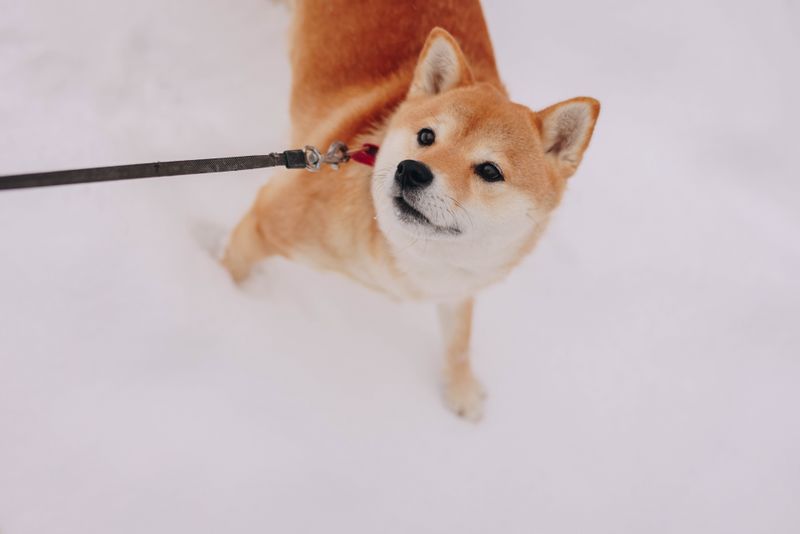
Ask any Shiba owner about the famous Shiba escape, and you will probably hear a story full of chasing and shouting. This ancient Japanese breed is clever, quick, and proudly independent.
Shibas often ignore recall when they would rather explore. Some even seem to enjoy the game of keep-away.
Double-check harness fit, since they can wiggle free. Reward check-ins generously with tasty treats so staying near you feels worthwhile.
Afghan Hound
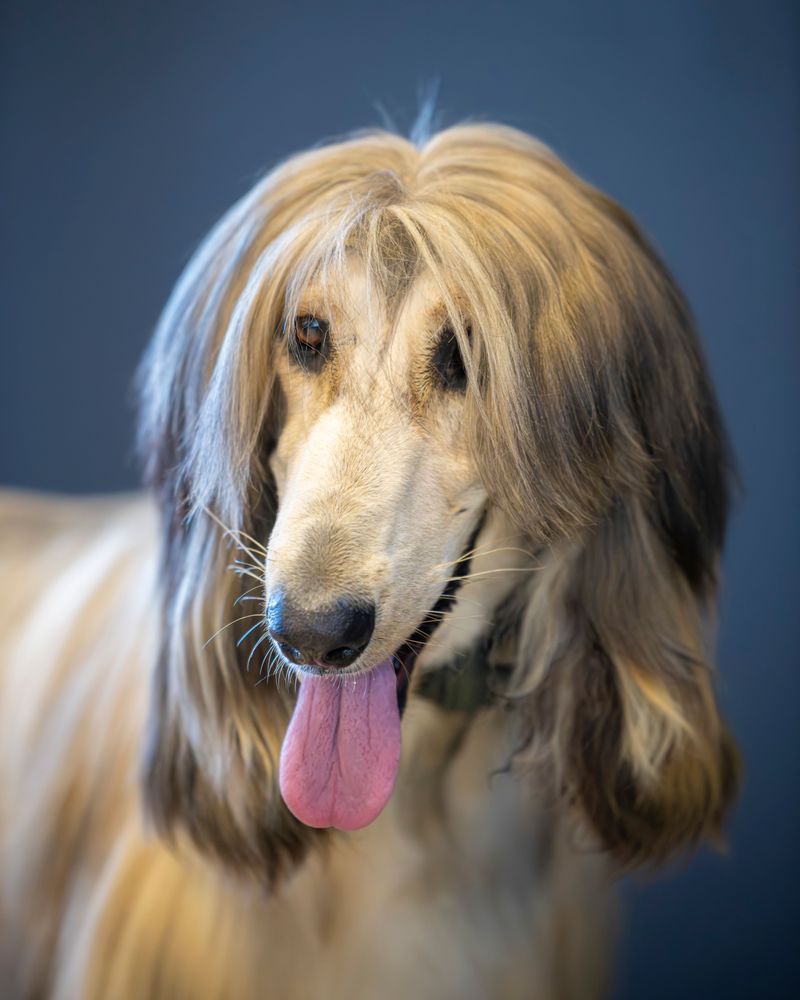
Behind that glamorous, flowing coat hides a speedy hunter from the mountains of Afghanistan. These sighthounds chased gazelles and hares over rocky ground.
Spot something small running, and an Afghan may vanish in a blur of silky hair. They are also known for selective hearing when called.
Stick to fenced spaces for free play. Lure coursing events let them run full speed safely, and they look stunning doing it.
Dachshund
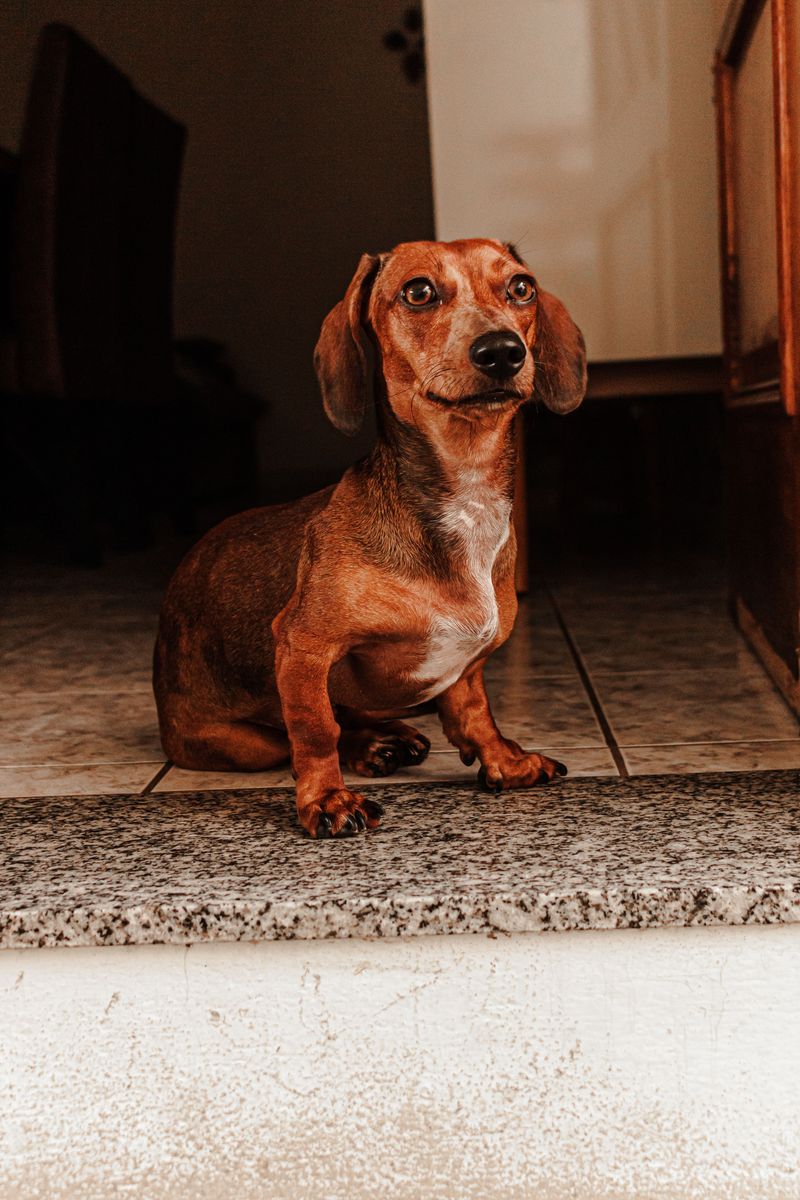
Short legs fool lots of people. Dachshunds were bred to hunt badgers, so courage and prey drive come packed in that long little body.
A squirrel can send a Doxie sprinting into the street, and drivers may not spot such a low dog. Their bravery sometimes outweighs their common sense.
Keep the front door closed during visits, use baby gates, and practice the come command daily with yummy rewards.
Weimaraner
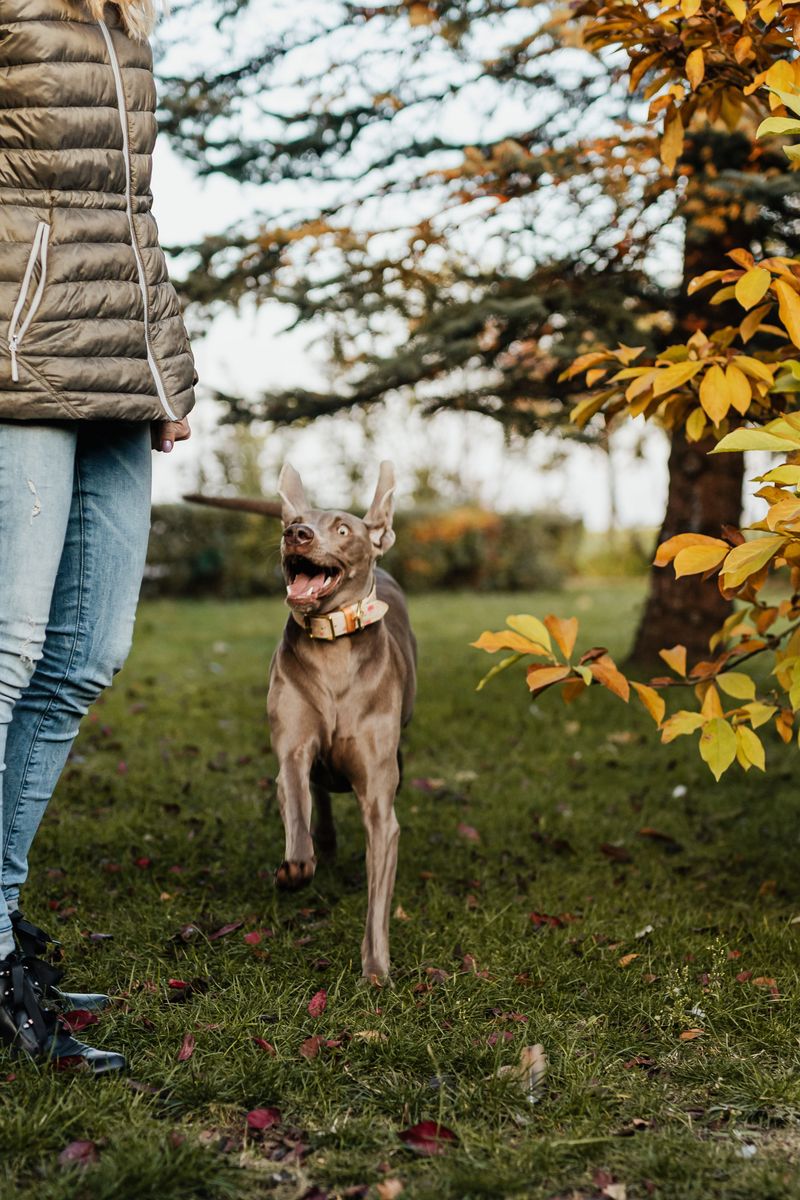
Nicknamed the Gray Ghost, the Weimaraner earned that title by slipping silently through German forests while hunting deer and birds.
High energy plus strong instincts equals a dog who might take off after wildlife in a flash. Leaving one bored at home can also lead to escape attempts.
Plan at least an hour of activity daily. Running beside a bike or joining a field training club helps channel that ghostly speed safely.