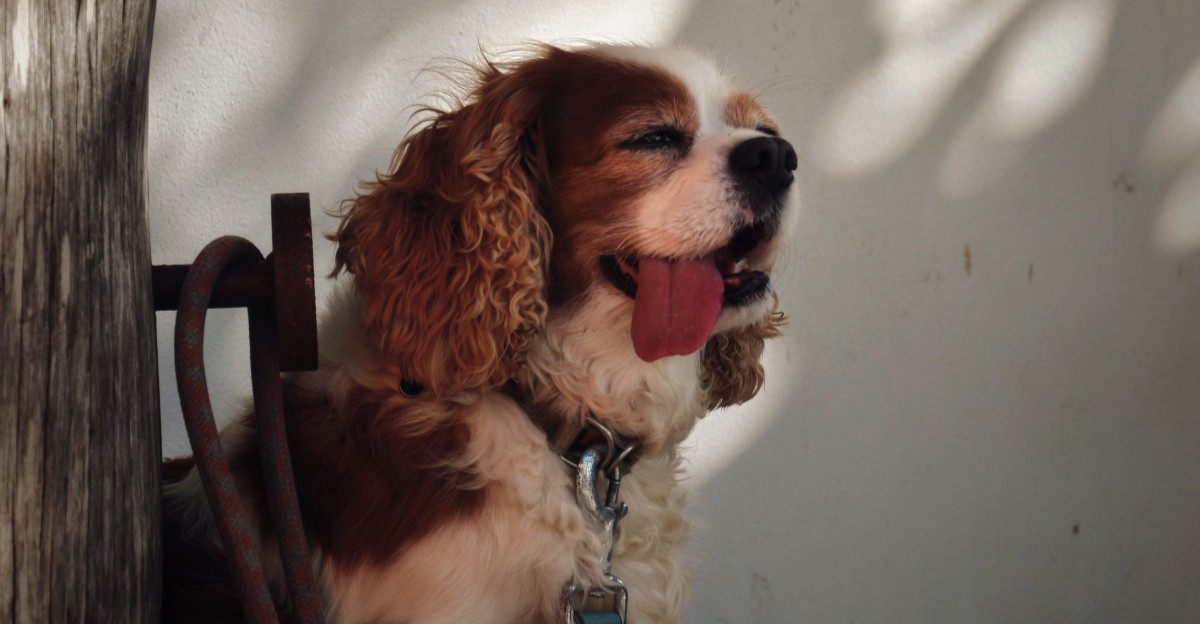
Some dogs act like natural entertainers. They greet visitors with tricks, smiles, and a little drama that turns your home into a mini theater.
Knowing which breeds love the spotlight helps you plan training, exercise, and calm-down time. With a few smart routines, you can enjoy the show and keep the crowd happy too.
Standard Poodle
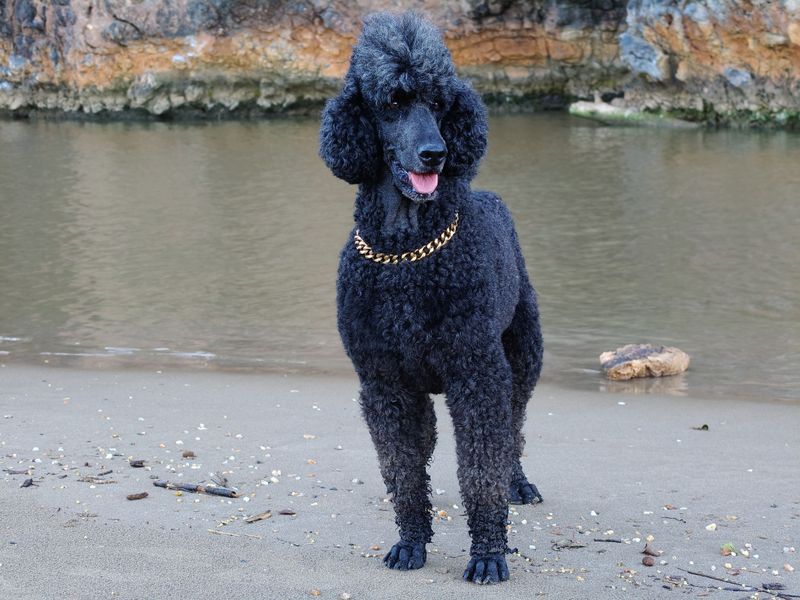
With a brain built for applause, the Standard Poodle learns party tricks faster than you can set out snacks. Guests become an instant crowd as spins, bows, and gentle high-fives roll out like a routine.
Smart training games, short and upbeat, keep the spotlight fun.
Try a place mat to teach calm stage exits between shows. A weekly brush keeps the coat camera-ready, and puzzle toys prevent rehearsing mischief backstage.
Did you know the Poodle once excelled as a circus performer, combining jumps with timing?
Papillon
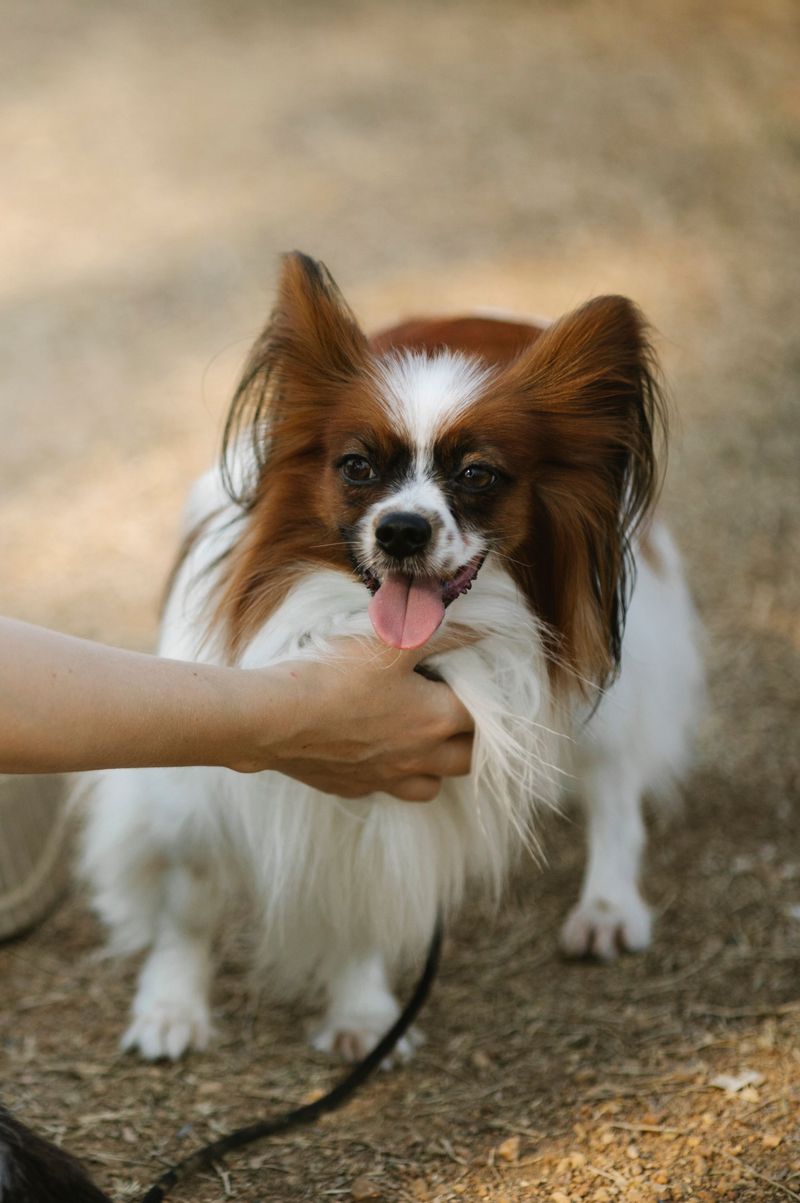
Ears like butterfly wings, and a heart that flutters for applause. A Papillon prances across rugs as if announcing tonight’s headline, greeting guests with sparkle and quick footwork.
Short trick sessions, two minutes at a time, let that busy mind shine.
Teach a polite chin rest for calm greetings, and reward quiet pauses. A lightweight harness helps guide fancy spins without tugging.
Fun fact, French nobles adored Papillons, and portraits often show them posing like miniature stars.
Pomeranian
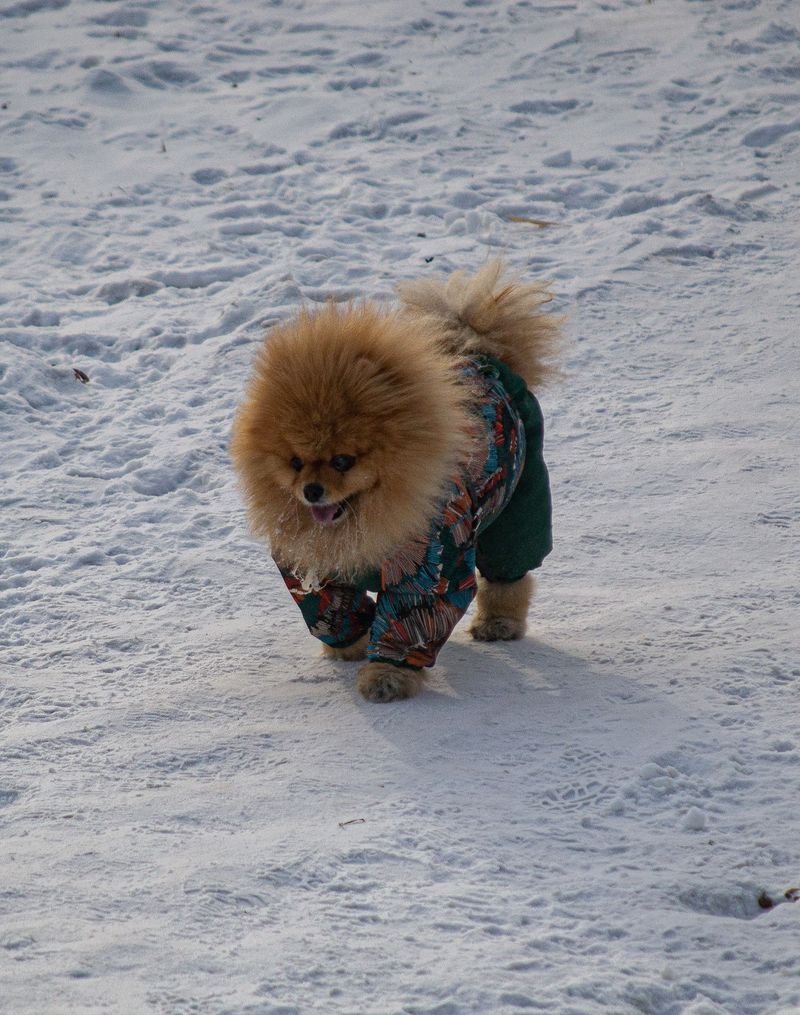
A tiny tassel of confidence, the Pomeranian announces arrivals with a cheerful yodel and a foxlike grin. That big personality craves a script, so offer simple cues like up, spin, and place.
Keep sessions bright and short to avoid over-hype.
For door manners, teach a quick scatter of kibble on a mat while guests enter. Daily brushing keeps the coat puffed, not tangled.
History note, Queen Victoria popularized the breed, shrinking it in size but inflating its star power.
Golden Retriever
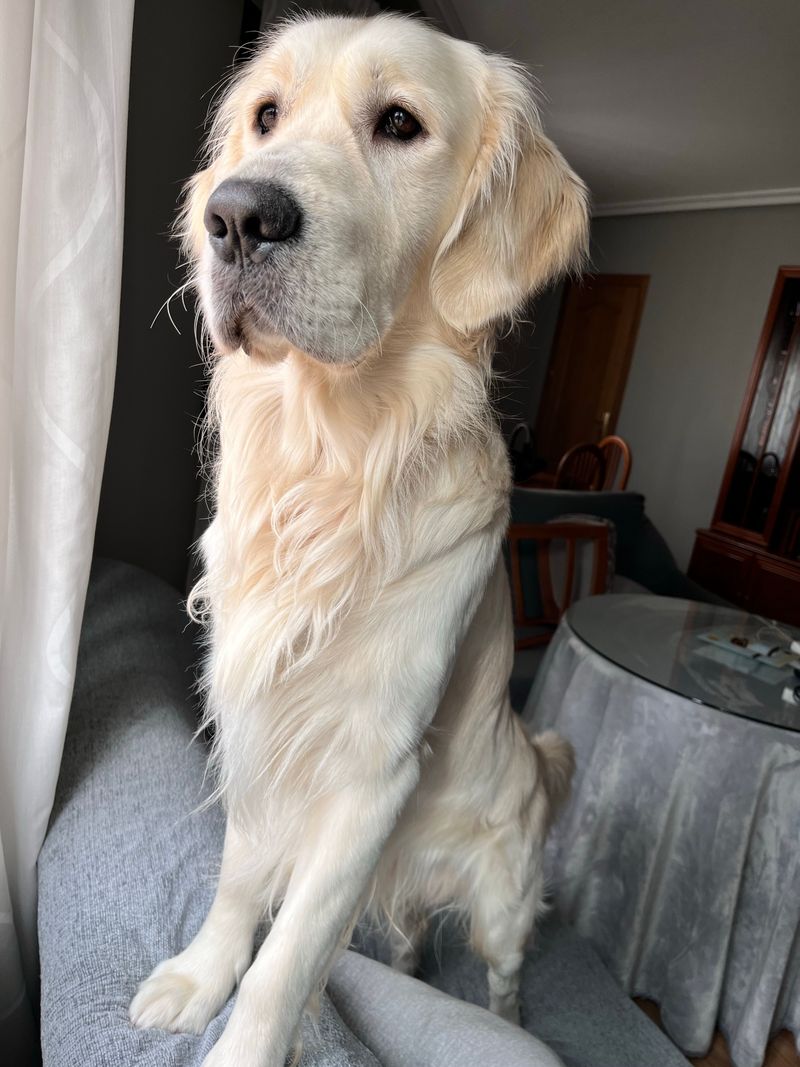
Smiles for miles, and a tail that sweeps every room into a happy scene. Golden Retrievers greet company like beloved teammates, often delivering a shoe as an opening gag.
Channel that energy with a stuffed toy greeting ritual and a sit-to-say-hello rule.
Fetch relays in the hallway work like mini shows and burn wiggles fast. Brush weekly, check ears, and rotate chew toys to prevent bored audience bark.
Gentle reminder, swimming days double as strength training for a safer, calmer star.
Boxer
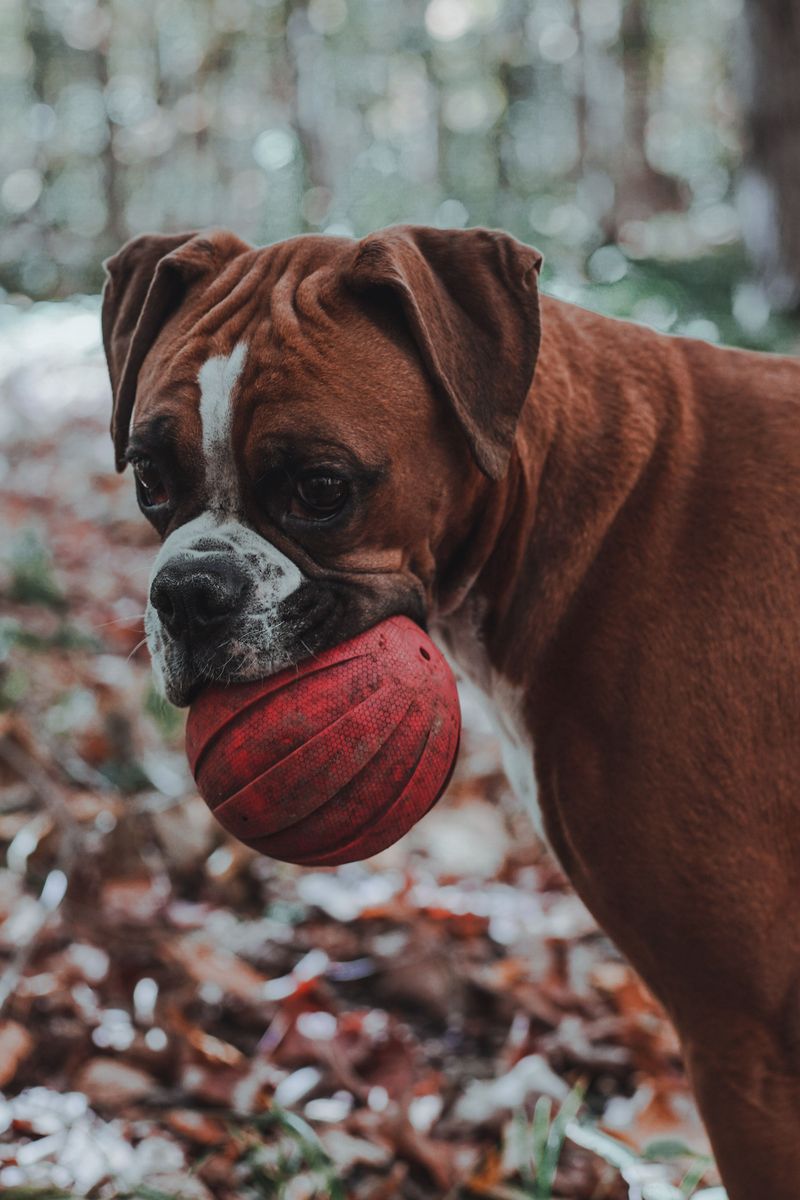
Comedy boxer by name and by nature, the Boxer loves physical humor and broad gestures. Wiggle butts, play bows, and dramatic sighs bring laughs from every corner.
Teach hand-targeting to channel bouncy greetings into organized routines that avoid knocking over Aunt May’s lemonade.
Short cardio games like find the toy under a cup help focus busy bodies. Use a front-attach harness for polite walking curtain calls.
Fun fact, Boxers once worked as theater watchdogs, guarding costumes and props after hours.
Boston Terrier
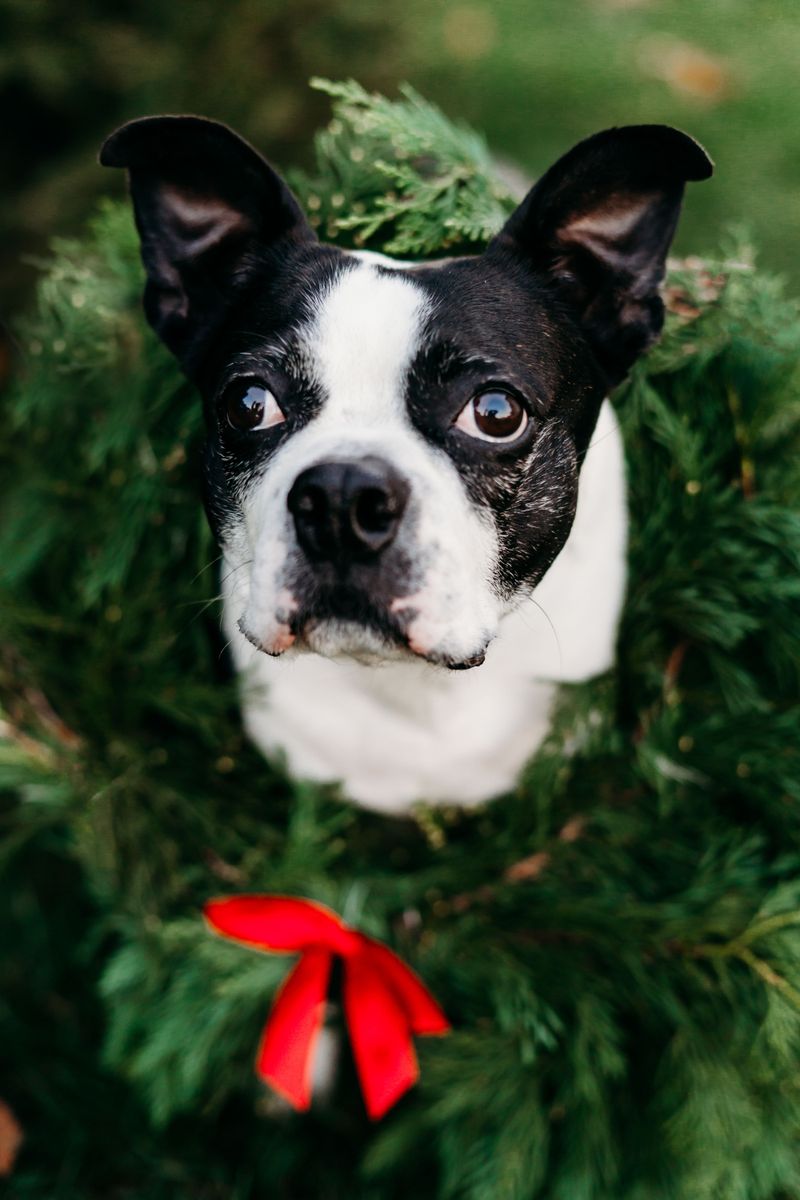
Nicknamed the American Gentleman, the Boston Terrier greets company in formal attire and cheerful spirits. Big eyes sell every joke, from goofy tippy-taps to polite sits.
Quick bursts of training, paired with soft treats, keep attention sharp without tiring a compact body.
Teach a mat wait before guests enter, then release to say hello. Wipe face folds and watch summer heat, since snub noses can overheat.
For laughs, introduce a bow cue that looks like a curtain call.
Siberian Husky
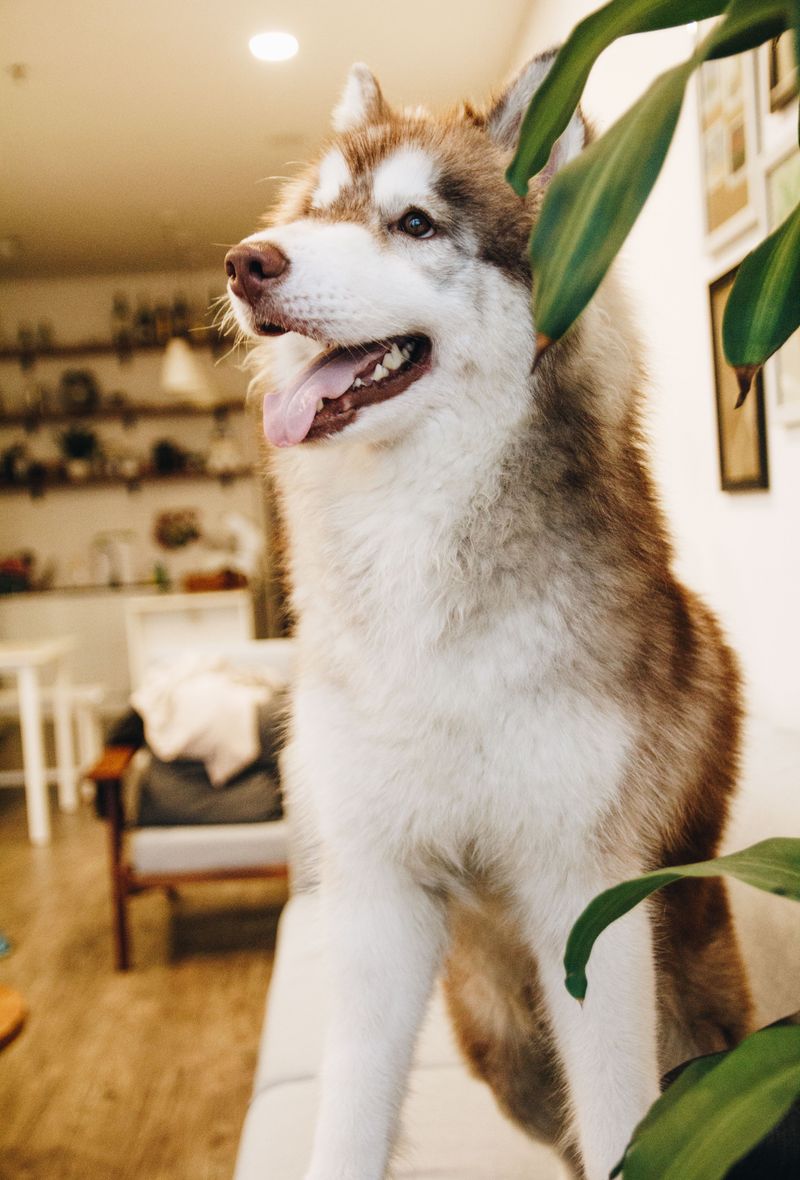
Some dogs bark. Huskies narrate.
Expect singing conversations when friends arrive, complete with head tilts and dramatic chatter. Harness that voice with a speak and quiet pair, rewarding the calm beat between notes.
Jogging or scooter runs turn restless rehearsals into satisfying finales.
Secure gates and a GPS tag help manage a free-spirited escape artist. Brush during shedding seasons, and freeze treats in puzzle toys for cool, quiet intermissions.
Northern roots make snow days a perfect double feature.
Australian Shepherd
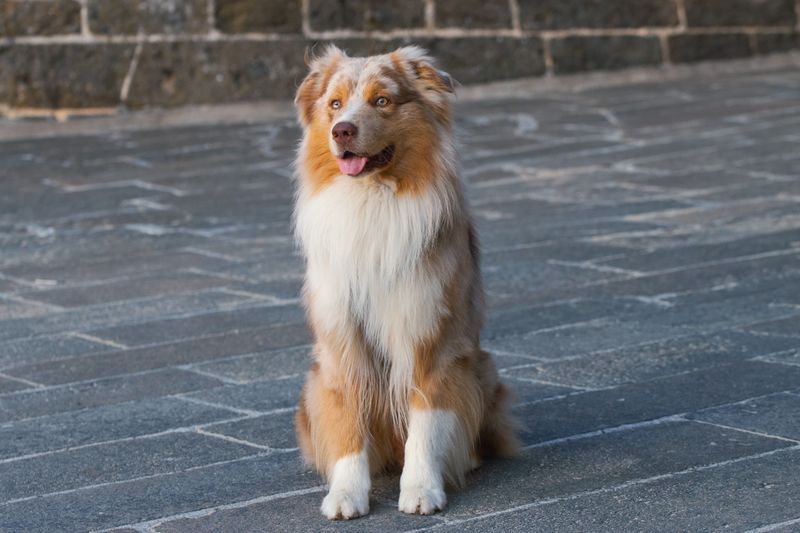
Work first, party second, yet the Australian Shepherd still loves a good audience. Eye contact feels electric, and quick patterns like figure eights or side passes thrill both handler and guests.
Mental workouts before greetings reduce herding nudges at ankles.
Teach a go to spot near the door and reward stillness with quiet praise. Frisbee sessions satisfy athletic drive, but keep jumps low for growing joints.
Trivia time, many Aussies starred in early Westerns, showing off smarts between action scenes.
Shetland Sheepdog
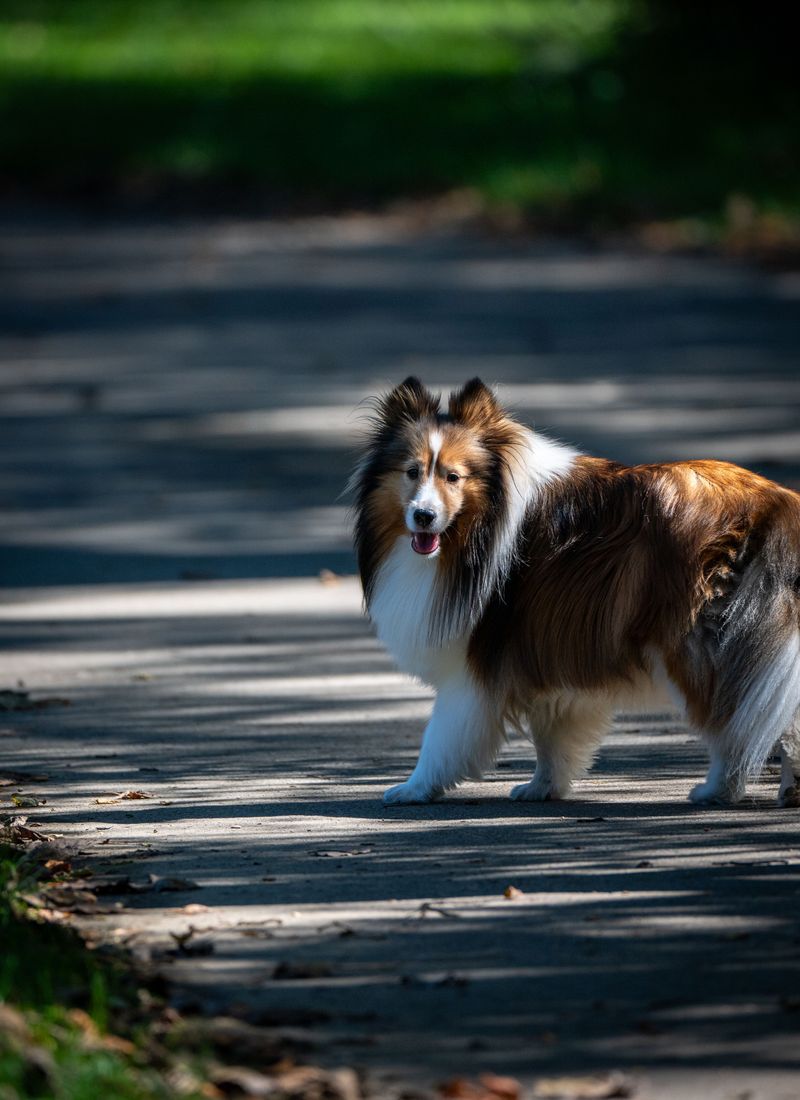
Like a pocket-sized stage manager, the Sheltie loves directing traffic with bright barks and fancy footwork. Sensitive and sincere, this breed reads the room faster than most.
Teach hand signals for silent shows when neighbors might be sleeping.
Nosework games channel focus, and a snuffle mat slows excited eating after applause. Regular brushing prevents mats behind ears and elbows.
Fun fact, Shelties descended from island farm dogs that juggled tasks like pros.
French Bulldog
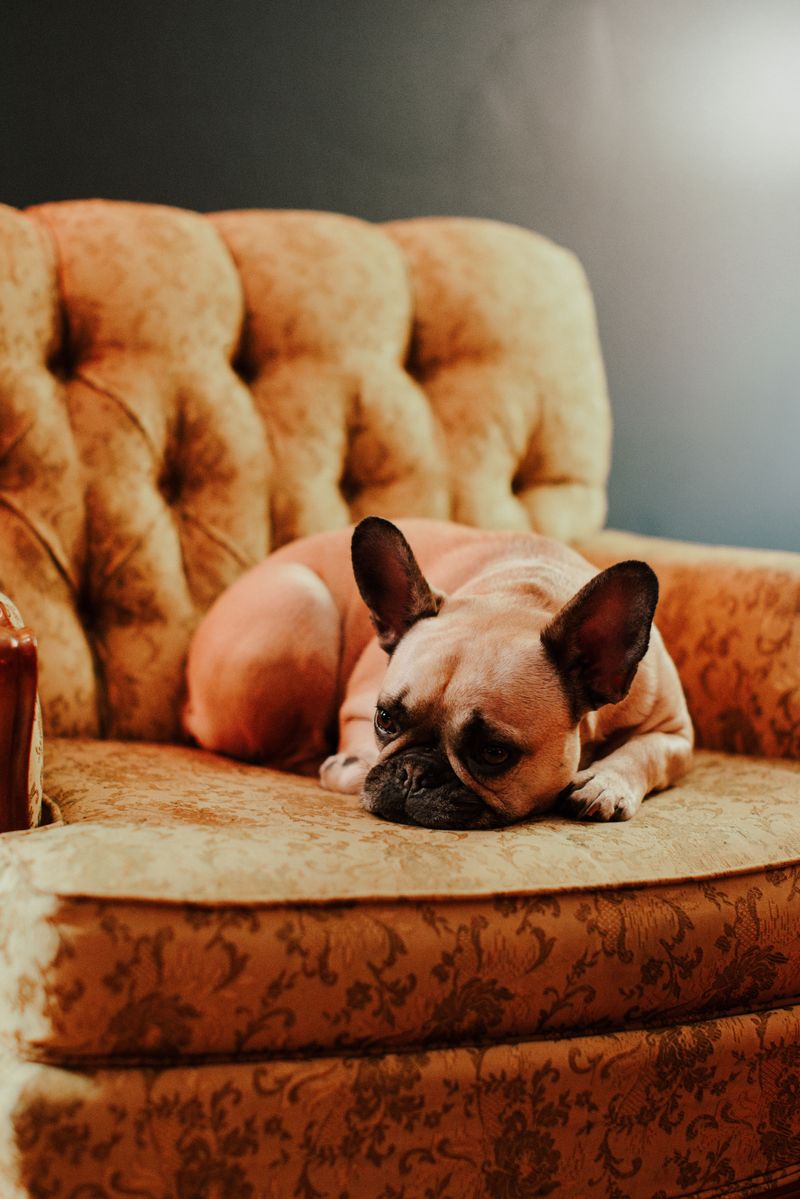
Audience participation is the Frenchie’s specialty, with snorts, grins, and couch acrobatics that steal scenes. Short skits work best, since stamina is limited.
Teach a gentle paw shake for meet-and-greets and keep visits cool with fans and water.
Puzzle feeders add focus between shows. Wipe facial folds daily and choose harnesses that avoid neck pressure.
Origin tale, lace workers in Nottingham adored their little companions, who later charmed Parisian cafes like natural comedians.
Cavalier King Charles Spaniel
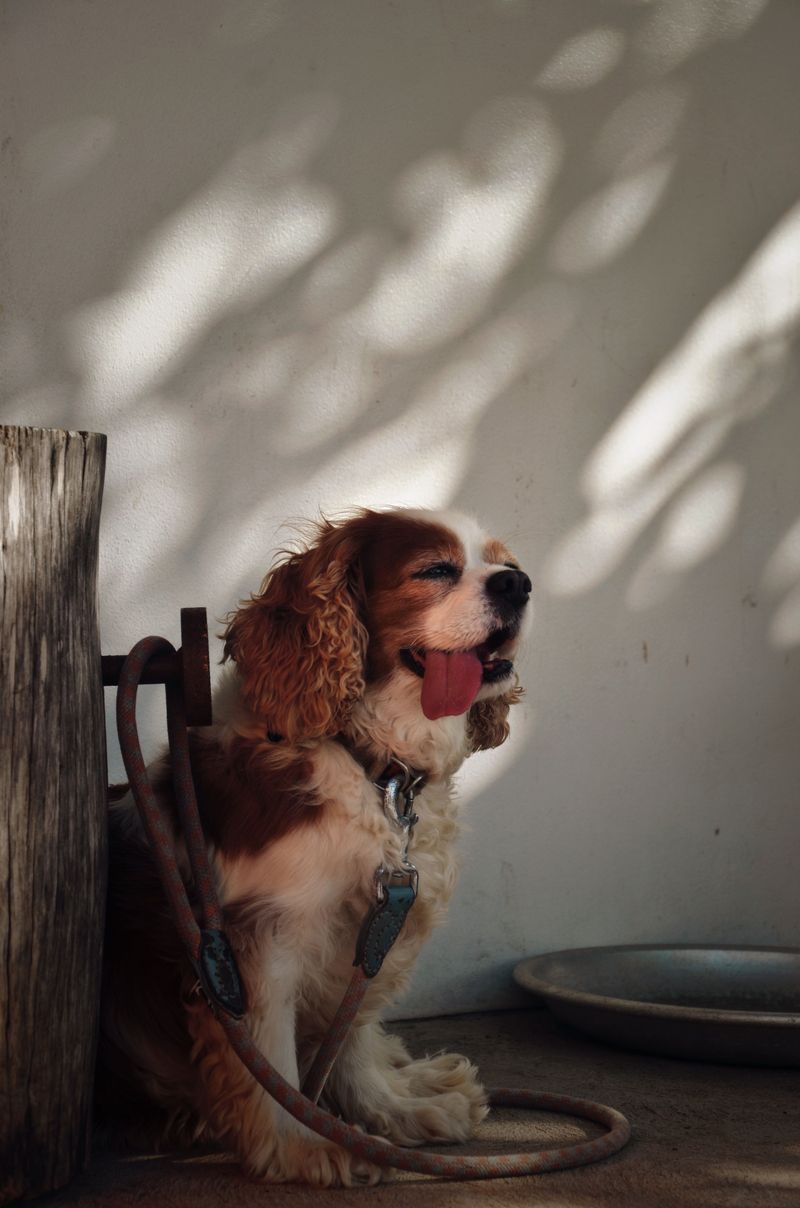
Royal name, common-room spirit. Cavaliers collect laps and laughs, often trotting over with bright eyes when guests settle in.
Use a calm settle cue on a blanket to prevent sticky greetings, then release for social time.
Slow sniff walks before visitors reduce zoomies. Gentle brushing and regular ear checks keep the portrait look intact.
History fans might smile, as portraits of King Charles II often show similar spaniels warming courts and charming crowds.