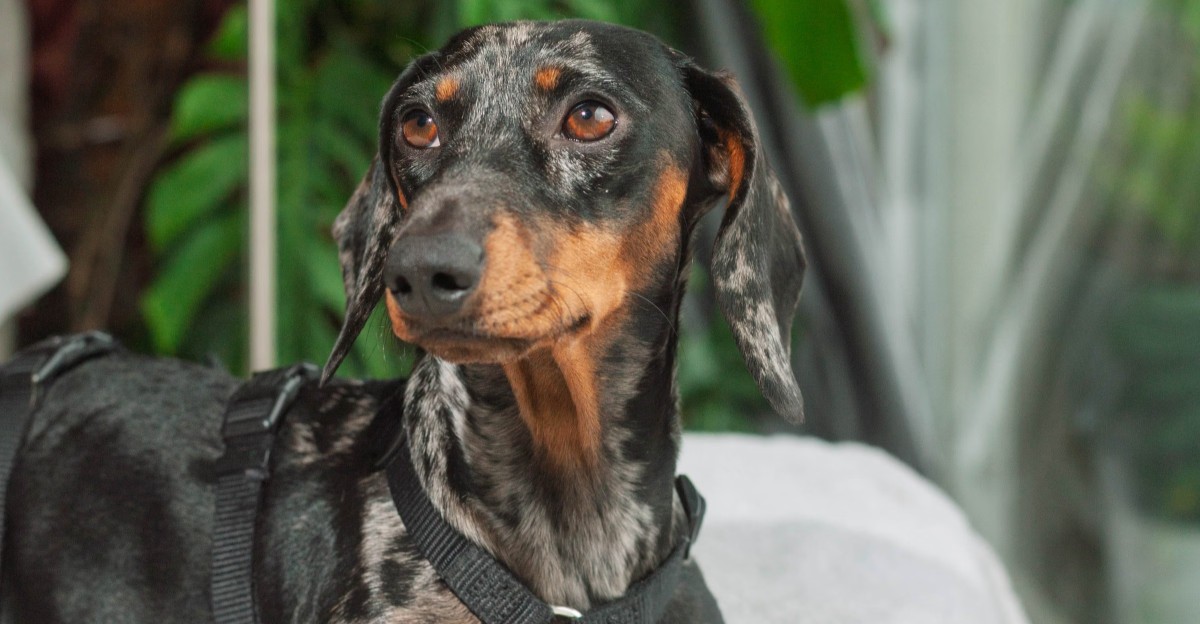
Many dogs can face the world with steady hearts but freeze when nail clippers appear. If your buddy gets wiggly or worried, you are not alone.
Nail care keeps paws healthy, prevents snags, and helps posture. Meet breeds that often need extra patience, plus tips to make each trim a little easier for everyone.
Chihuahua
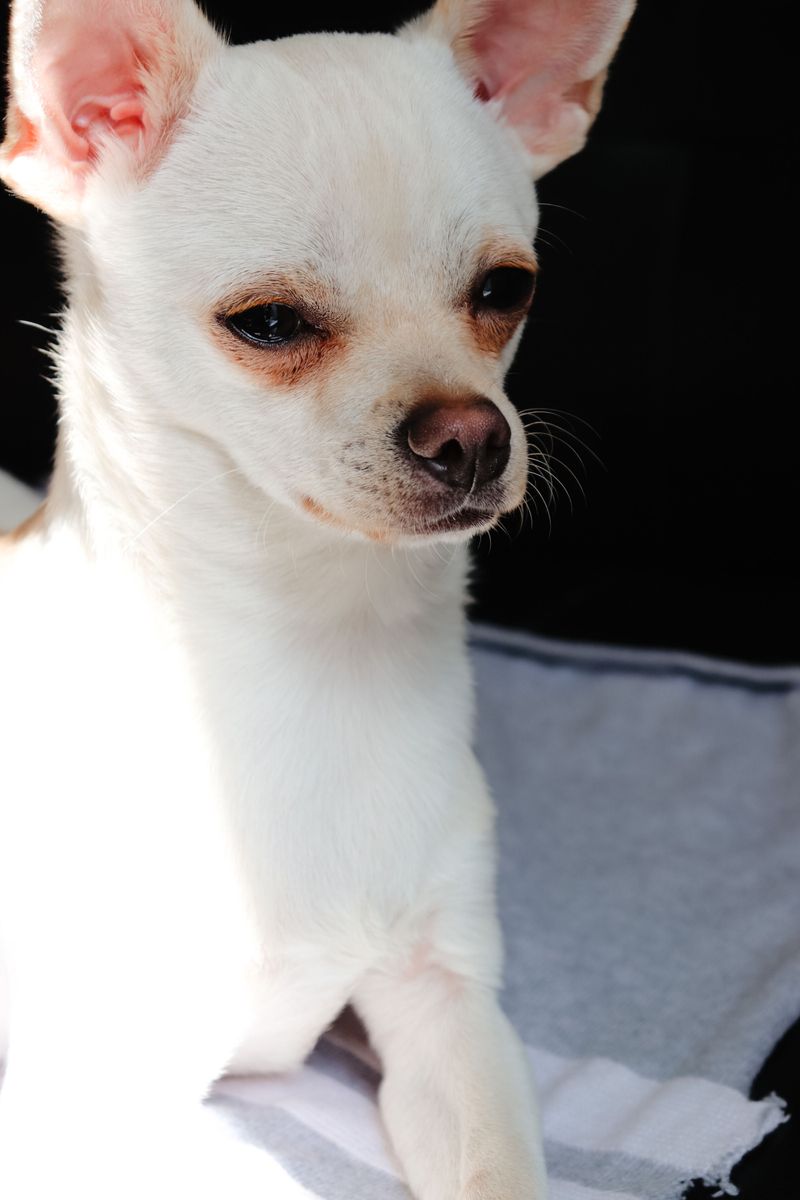
Tiny body, giant feelings. Many Chihuahuas act brave about everything until the nail clippers show up.
Keep sessions short, use extra-small clippers, and pair every touch with a high-value treat like chicken. Start by tapping each nail gently without clipping, then reward.
Build up slowly.
A quiet room helps. Wrap your pup like a burrito in a towel for steadiness, leaving one paw out.
Try grinding tools at the lowest speed once your dog accepts the sound.
Border Collie
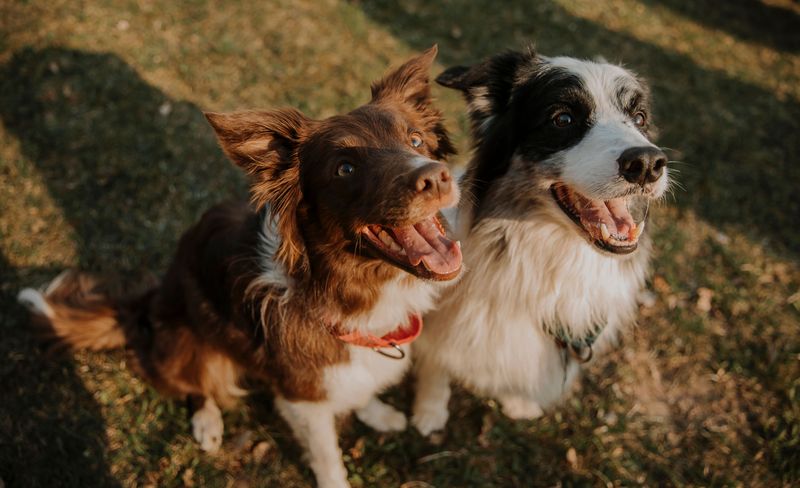
Known for sharp minds, Border Collies can overthink nail trims. Turn it into a training game.
Touch paw, click, treat. Show clipper, click, treat.
Work in tiny steps until the dog calmly offers a paw. Keep energy low and confident.
Daily paw handling away from grooming day reduces surprise. Consider a silicone lick mat with peanut butter for steady focus.
Exercise before trimming to burn nervous energy and improve patience.
Shiba Inu
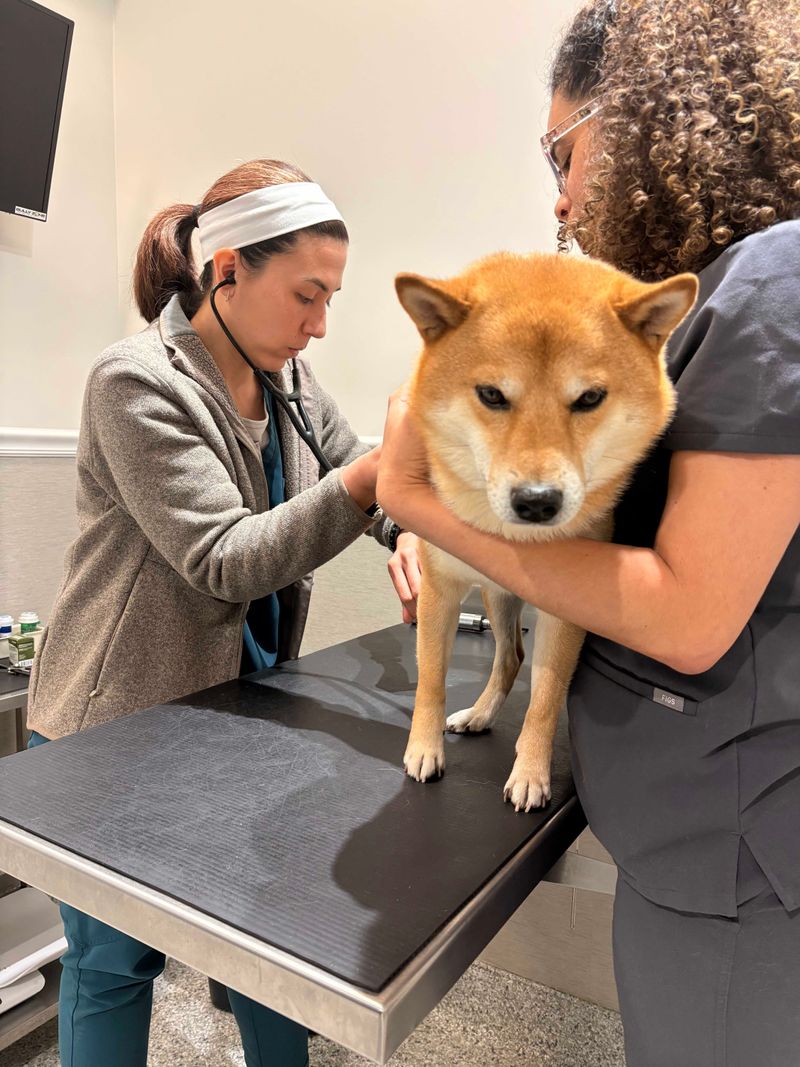
Independent and opinionated, Shibas often say no to clippers. Respect their space.
Teach a chin-rest behavior on your palm so they choose to participate. When the chin stays, touch a toe, then treat.
Repeat often until trust grows.
Non-slip surfaces matter. Try clipping one nail per day instead of a full set.
A slow desensitization plan with gentle praise prevents meltdowns. If needed, ask a fear-free groomer for a cooperative care plan.
Dachshund
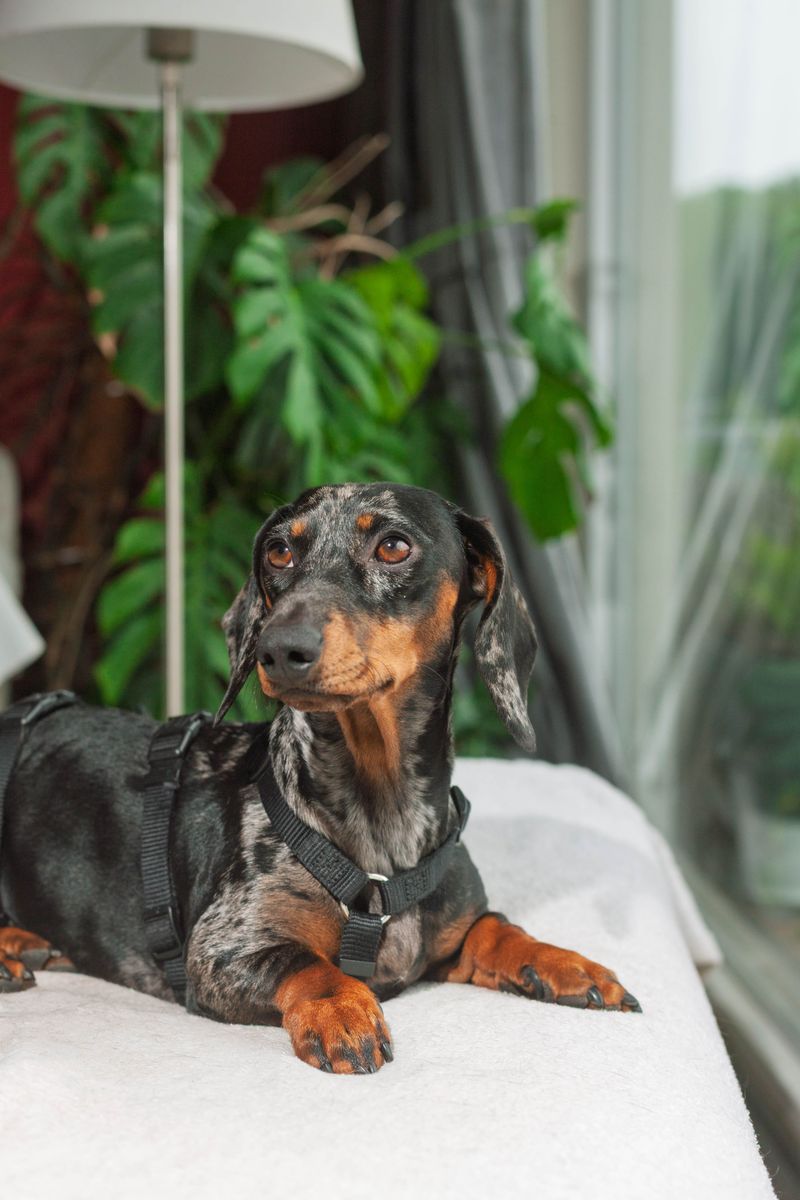
Long backs, short legs, big opinions. Many Dachshunds squirm because restraint feels scary.
Support the body with a rolled towel under the chest and keep paws low to the ground. Clip tiny slivers, not big chunks.
Sniff breaks help lower stress. Pair the sound of a clip with a treat every time, even when you pretend to clip.
Consider regular walks on rough sidewalks to naturally wear nails between trims.
Beagle
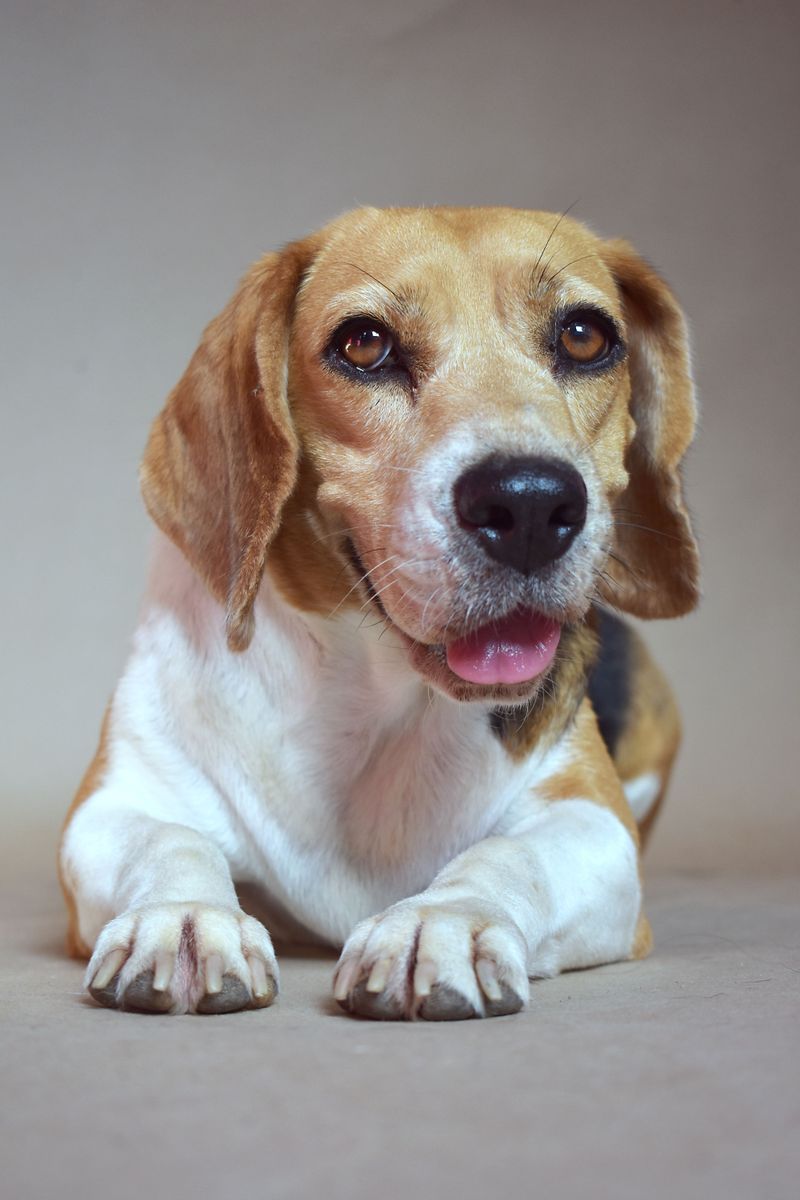
Scent-driven Beagles get distracted fast, then worried. Start each session with a sniff tour of the clippers and the mat.
Place a treat trail leading to a calm station. Clip one nail, treat.
Take a break, clip another later. Short and sweet wins.
A steady tempo matters. Keep your voice upbeat and light.
If quicks are long, schedule frequent micro-trims. A head halter or gentle hug from a helper can reduce wiggling safely.
Australian Shepherd
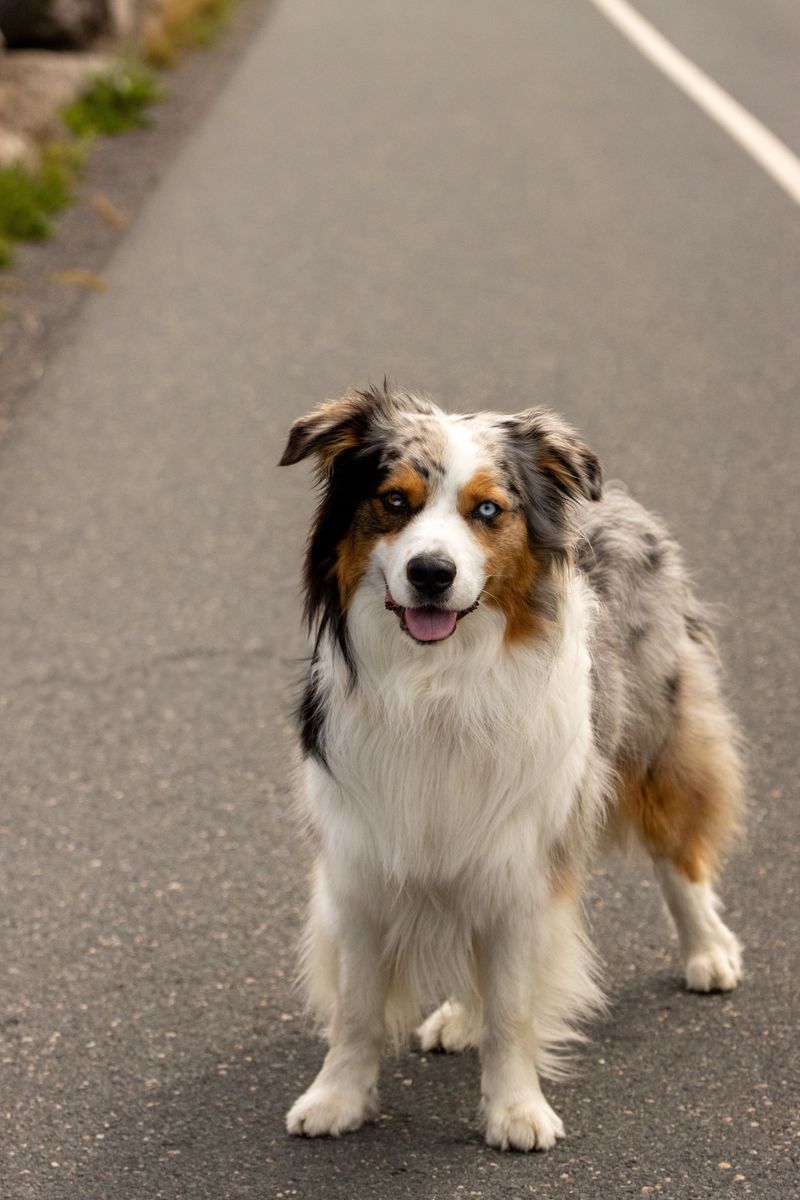
High energy and high smarts can make nail time tricky. Exercise first so your Aussie is relaxed.
Introduce the grinder sound far from the paw, then feed. Move closer over days.
Reward calm stillness more than the clip itself.
Teach a stand-stay so balance is easy. Trim tiny bits weekly.
A cordless grinder prevents cord tangles during wiggles. Fun fact: light-colored nails are easier, so use a flashlight for dark nails.
Bichon Frise
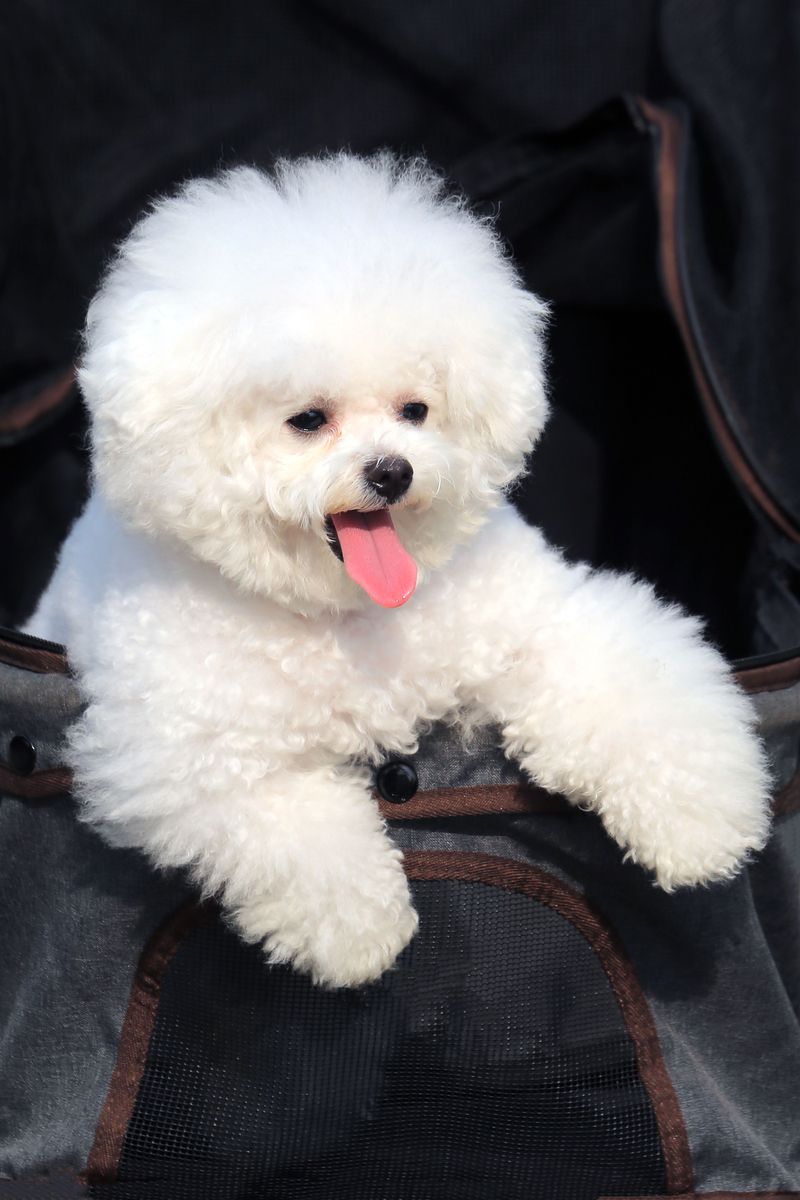
Cloudy coat, sensitive soul. Bichons often pick up on your mood, so breathe slow and smile.
Brush paws first to separate hair from nails. Use a tiny cone of light to see the quick.
Reward after each nail with quiet praise and a soft treat.
Frequent touch-ups prevent overgrowth hidden by fluff. If mats form between toes, handle those on a different day so trims stay short.
Keep sessions calm and predictable.
Great Pyrenees
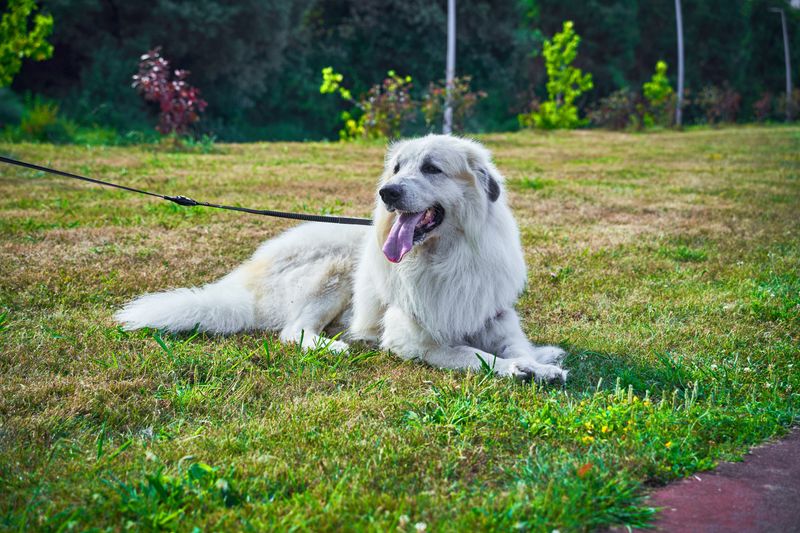
Gentle giants can still resist paw handling. Work at ground level, not on a table, so the dog feels secure.
Touch a leg, treat. Hold a paw, treat.
Build duration over weeks before clipping. Use strong clippers for thick nails and keep blades sharp.
Patience pays. Some Pyrs like a relaxed outdoors setting.
White nails are common, which helps visibility. If anxiety spikes, stop, play a minute, then try a single nail again.
Pug
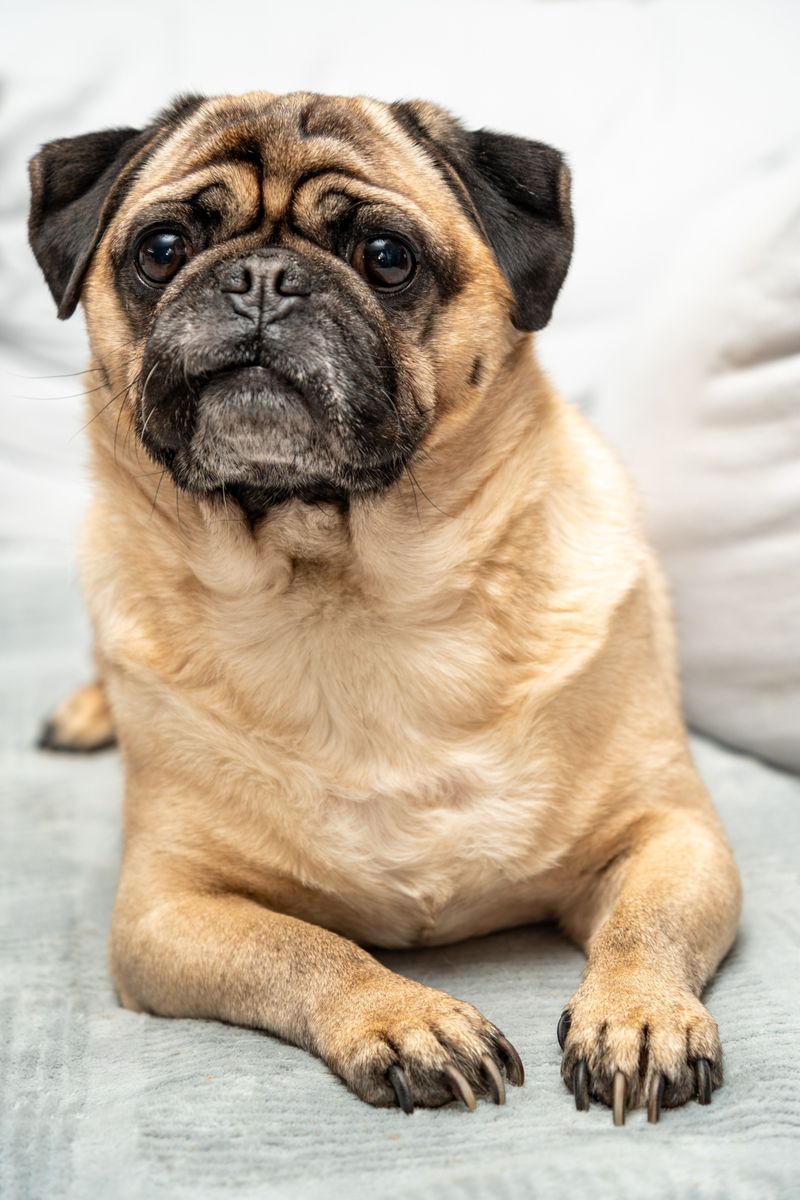
Snorts and smiles can turn to worry at clip time. White noise or a fan can mask the click sound.
Teach paw target to your hand, then reward. Touch the grinder to a nearby towel first so the vibration is not a surprise.
Short sessions fit their short attention span. Keep a relaxed pace, and check for dewclaws hidden by folds.
Cooling breaks and water sips help if your Pug gets warm.
German Shepherd
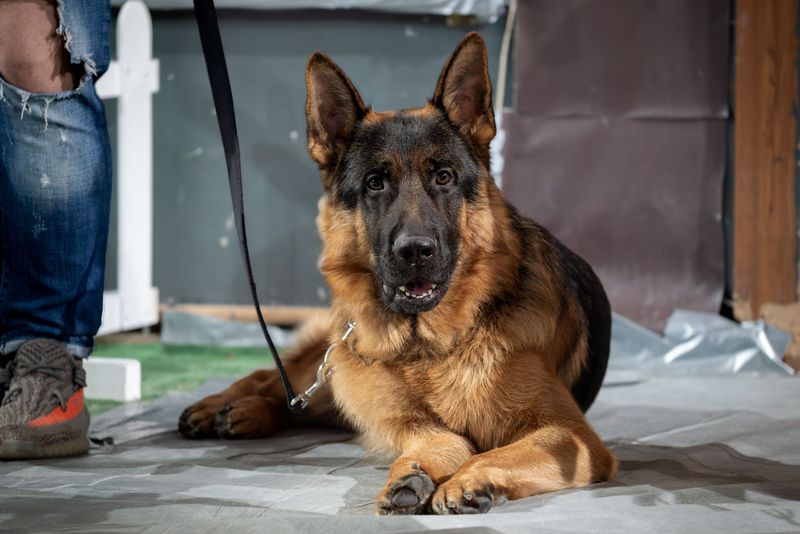
Confident dogs still benefit from structure. Teach a park-it cue on a mat, then add gentle paw holds with rewards.
Use a headlamp to see the quick, especially on dark nails. Clip tiny slices so heat and pressure stay low.
Many Shepherds like clear routines. Trim after a training session when the brain is focused.
Maintain calm body language, and skip scolding. If tension rises, reset with obedience games, then return for one easy nail.
Cocker Spaniel
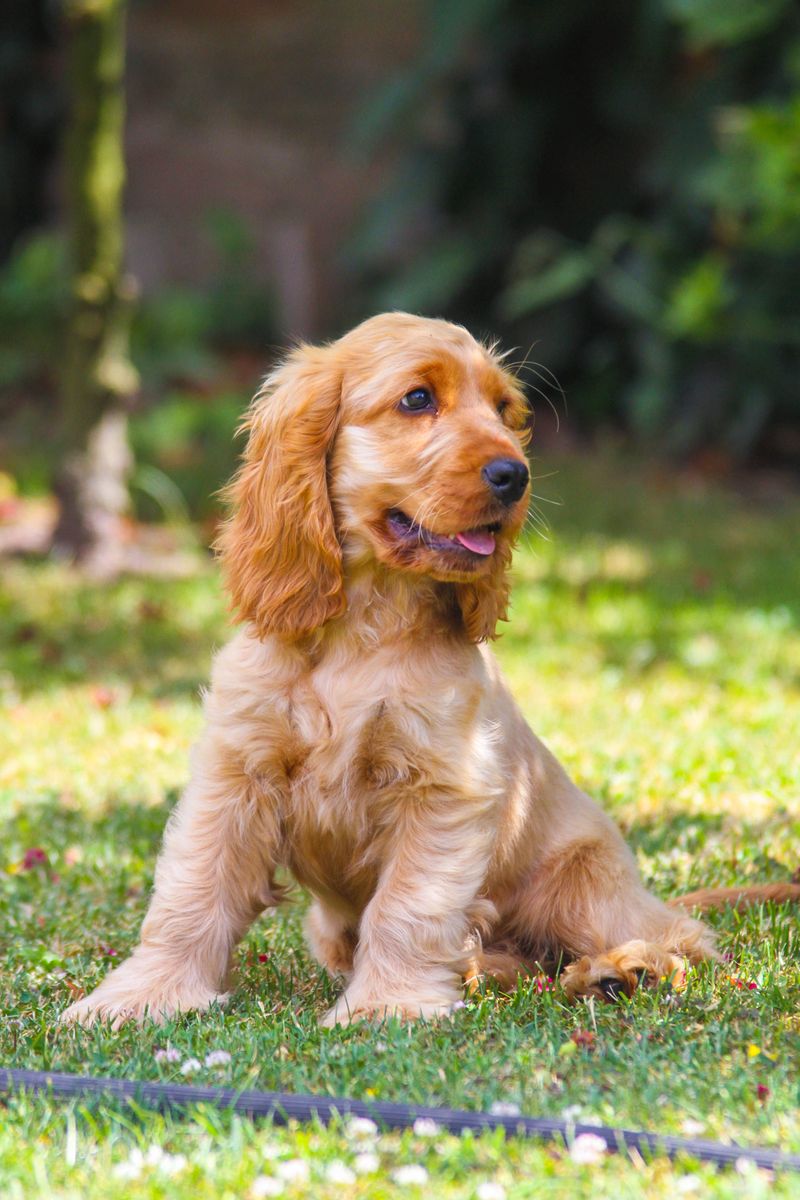
Feathery feet can hide nail edges, which leads to nips or quick hits. Comb the fur back and secure long ears so they do not drop into your hands.
Trim hair around the pads separately, then handle nails on another day for less stress.
Use slow, steady motions. Offer a treat after each small clip.
Cockers often respond well to a calm voice and a fixed routine with predictable steps.
Siberian Husky
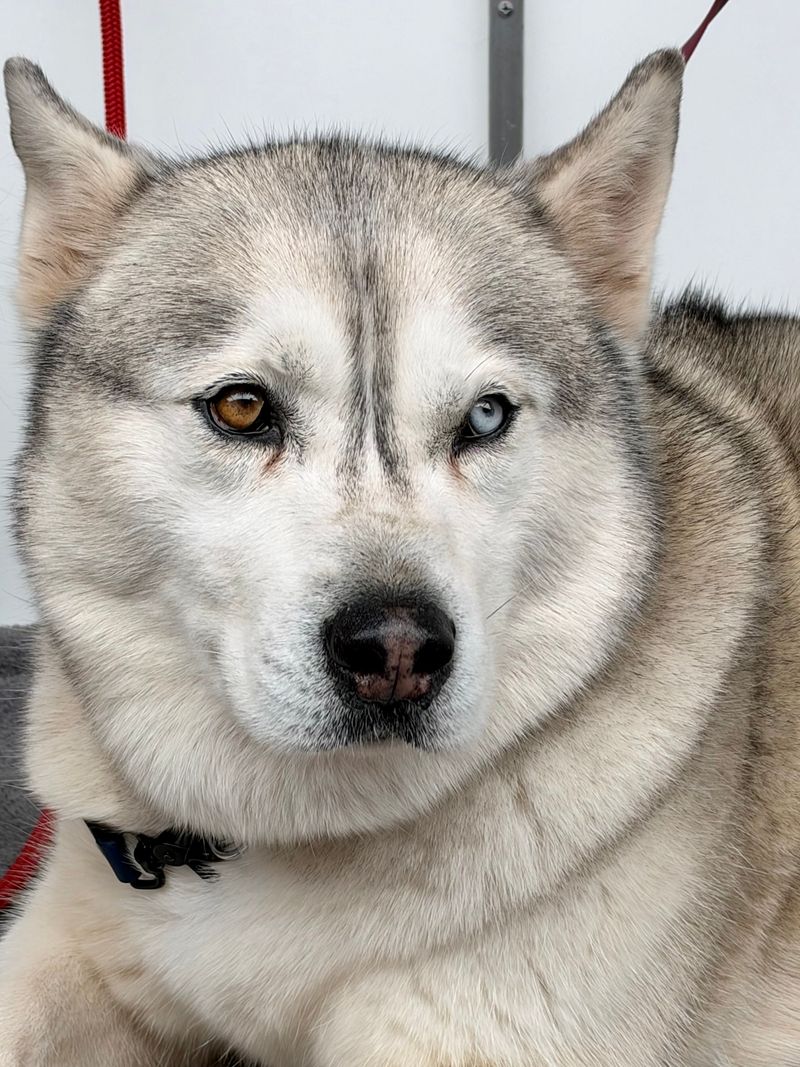
Big personality, bigger opinions. Huskies may sing the song of their people at trim time.
Channel that spirit into choice-based handling. Ask for a sit or down, then reward for stillness.
Introduce the grinder after a long walk when energy is lower.
Clip or grind after warming paws indoors so nails are not brittle. Keep humor and patience close.
Many Huskies do best with frequent tiny sessions across the week.
Greyhound
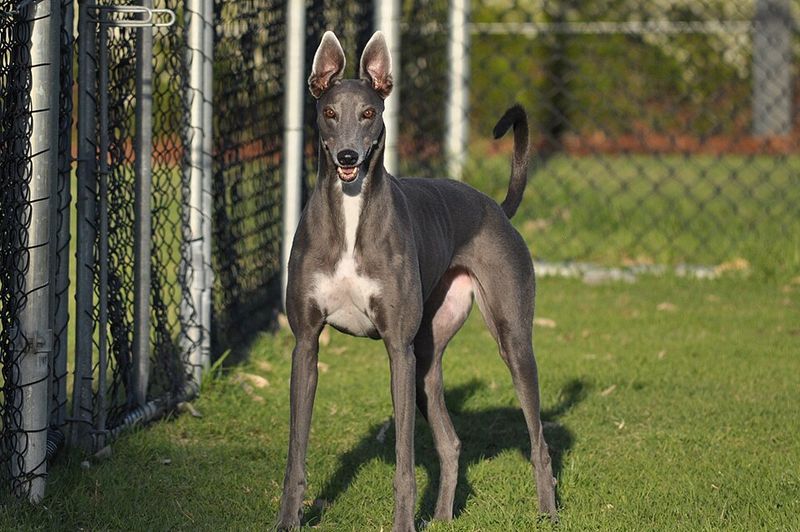
Elegant and sensitive, Greyhounds dislike sudden pressure. Their nails can be brittle, so file or grind in brief passes.
Practice touch-and-treat on each toe. Support long legs so joints feel safe, and avoid awkward twists.
Many retired racers are used to handling but still prefer soft surfaces. Keep trims warm and slow.
A dab of olive oil on the nail the day before can reduce dust. Celebrate with calm praise and a comfy blanket.