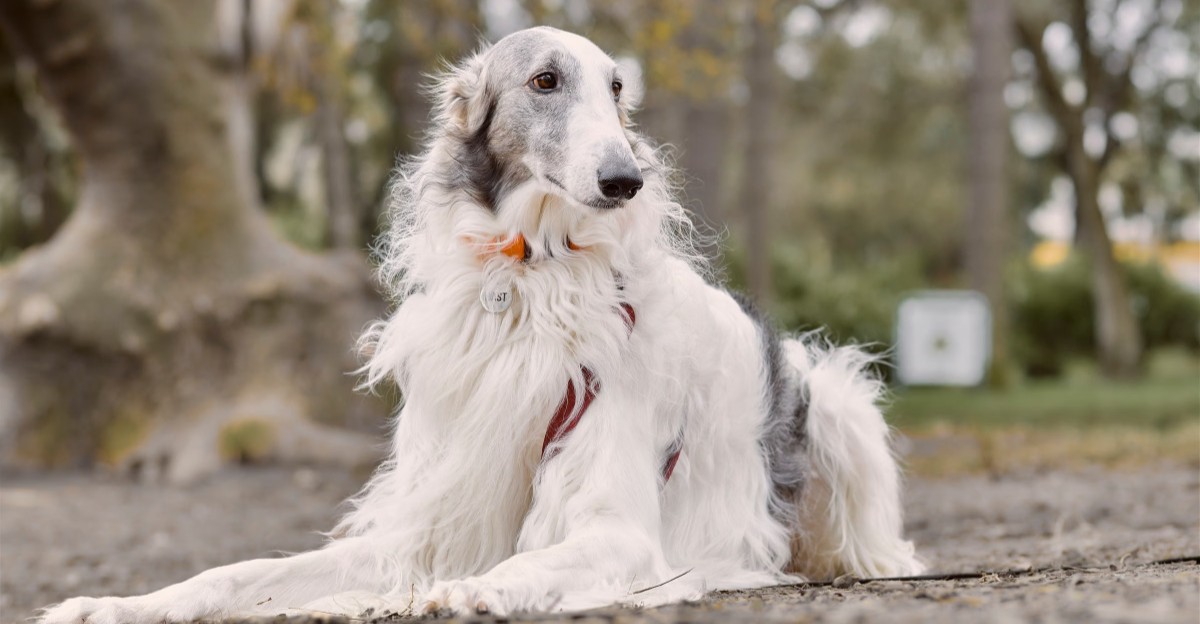
Some dogs get bored when they hear the same command over and over. That does not mean they are stubborn or bad.
It just means they need variety and fun to stay focused. Let us look at breeds that prefer creative training and a couple of easy ways to keep lessons lively.
Siberian Husky
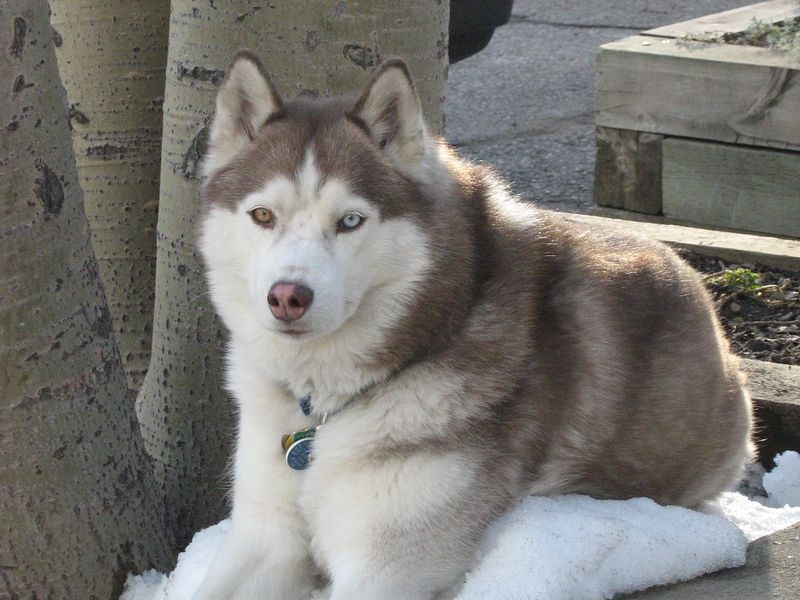
Born to run, many Huskies switch off when drills feel dull. Variety lights them up.
Mix recall with chase games, then toss in a tug session as a quick reward. Keep sessions short and high energy to match their engine.
Try pulling-safe activities like canicross or urban mushing for mental satisfaction. Rotate cues with hand signals to reduce repetition.
A frozen lick mat after training settles that busy brain.
Afghan Hound
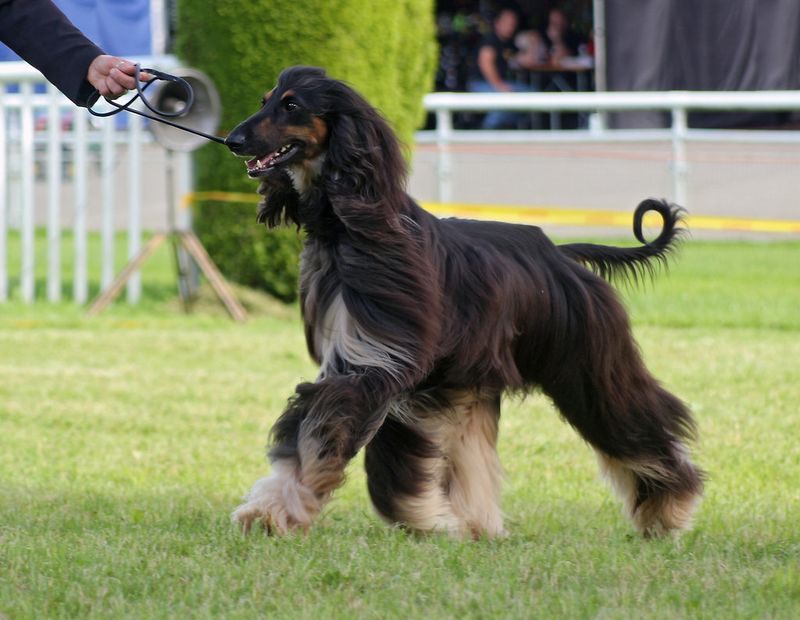
Graceful and independent, Afghans often decide what matters. Rehearsing the same sit cue can feel pointless to them.
Use movement to your advantage. Practice heeling between cones, then reward with a quick sprint to a toy.
Motion becomes the paycheck.
Short, stylish sessions keep them engaged. Add scent-based games that let them choose tasks.
Calm praise, soft handling, and premium treats protect their sensitive side.
Basenji
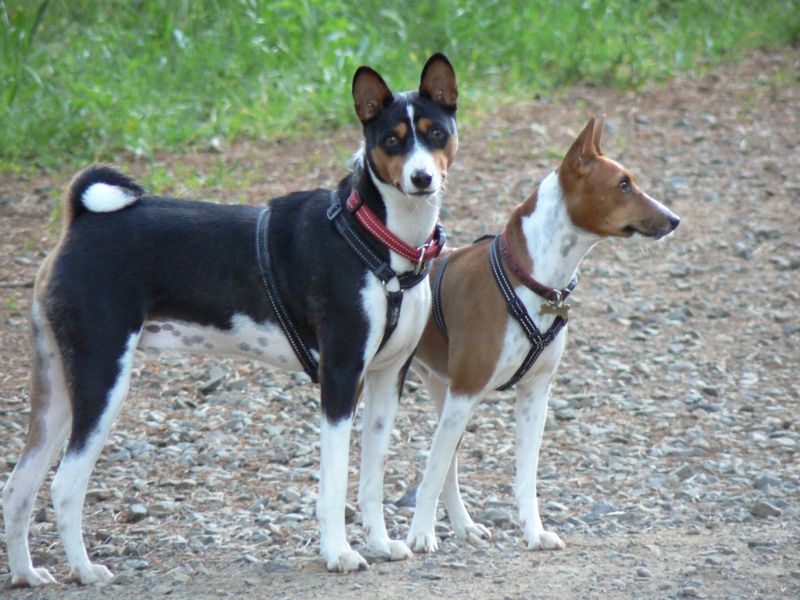
Quiet but witty, Basenjis read the room fast. When drills repeat, they check out.
Switch to puzzle-feeding during cues, like asking for a down before unlocking a snuffle mat. That turns work into a fun trade.
Outdoor scent games help channel natural instincts. Rotate targets and keep cues light and brief.
End on a win, then offer a chew to satisfy that busy mouth.
Chow Chow
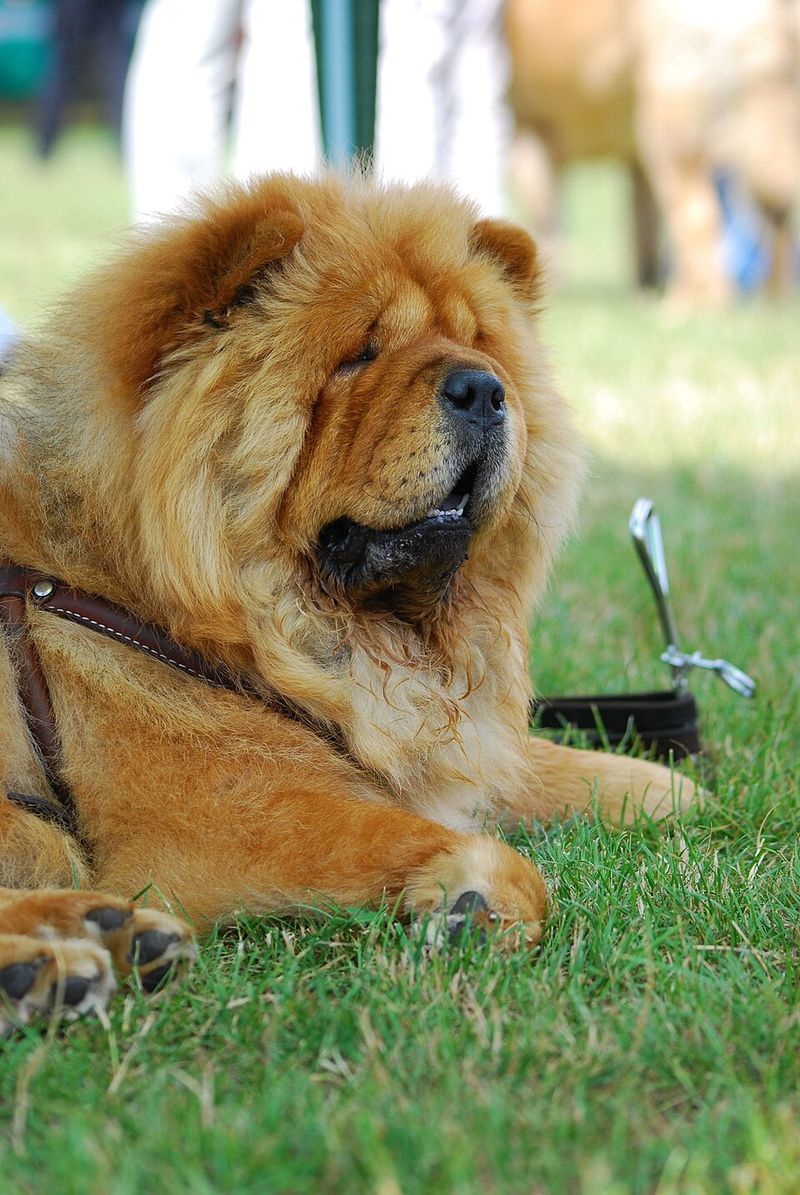
Dignified and thoughtful, Chows dislike nagging. Repeating the same command can feel pushy.
Use a target stick so the dog chooses to touch and move, then pay well. That respectful approach builds trust and cooperation.
Keep sessions quiet and predictable. Two or three crisp reps, then a break.
Add cooperative care training, like chin-to-hand, to make grooming smoother and more rewarding.
Shiba Inu
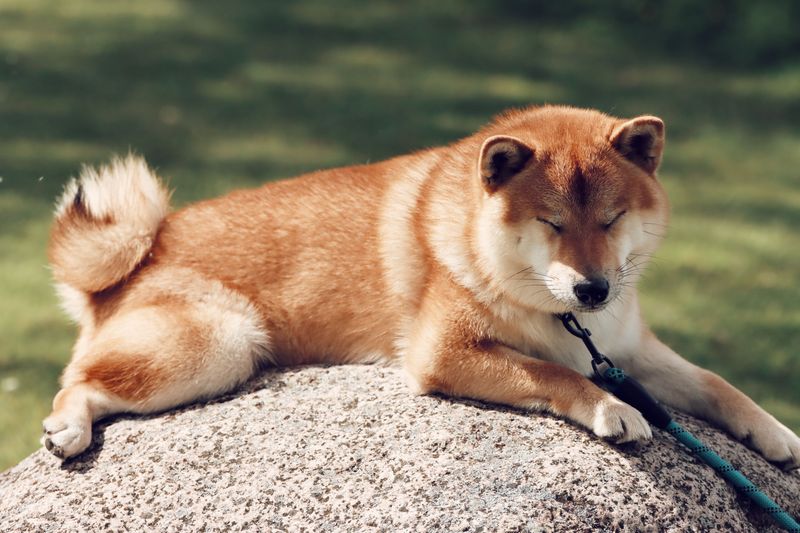
Bold and clever, many Shibas bargain. If the deal is boring, they walk away.
Offer choices. Ask for a sit or a hand target, let the dog pick, and reward either.
Choice increases buy-in and reduces repeats.
Use high-value food and fast games. Practice in low-distraction spots first.
Teach a solid trade cue so toys and prizes become powerful motivators.
Beagle
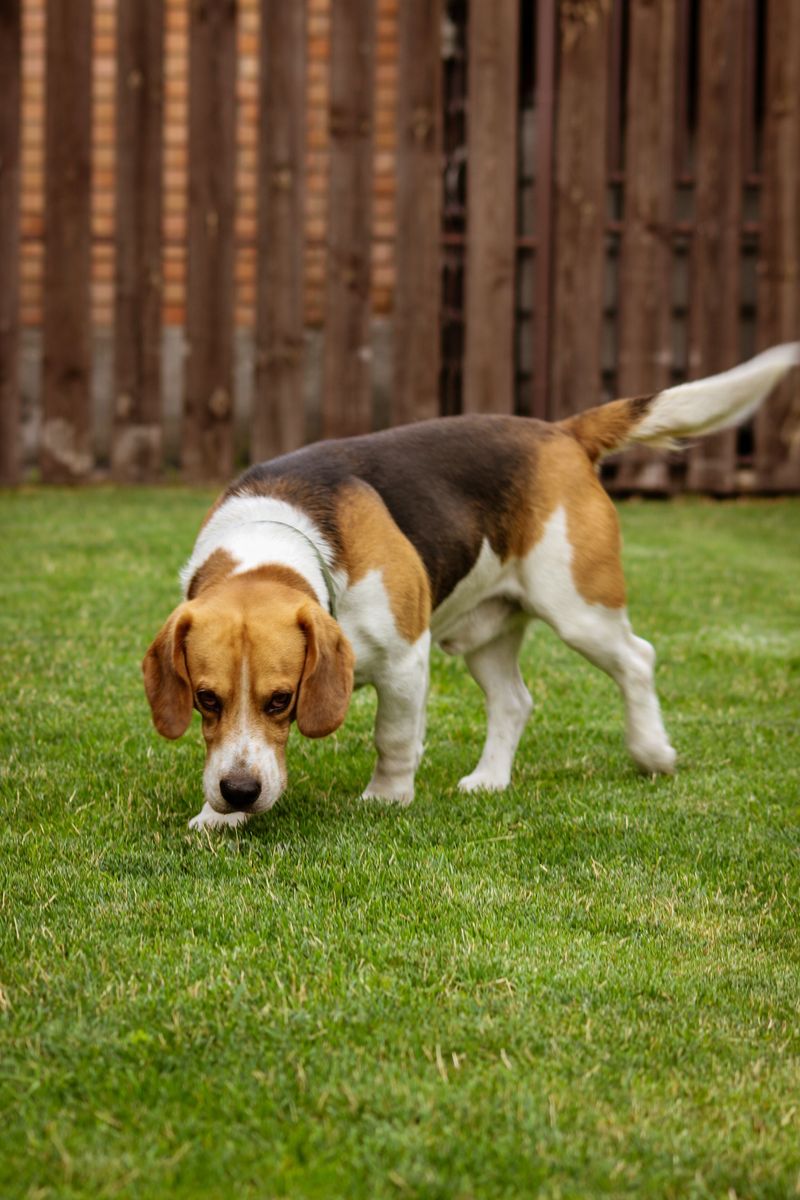
Nose first, everything else second. Beagles can ignore stale drills because tracking is thrilling.
Fold scent into lessons. Ask for a stay, release to search a hidden tea ball, then celebrate the find.
That payoff beats repetition.
Use long lines for safety while exploring smells. Rotate search areas daily.
Short bursts of obedience mixed with hunts keep motivation high and spirits cheerful.
Basset Hound
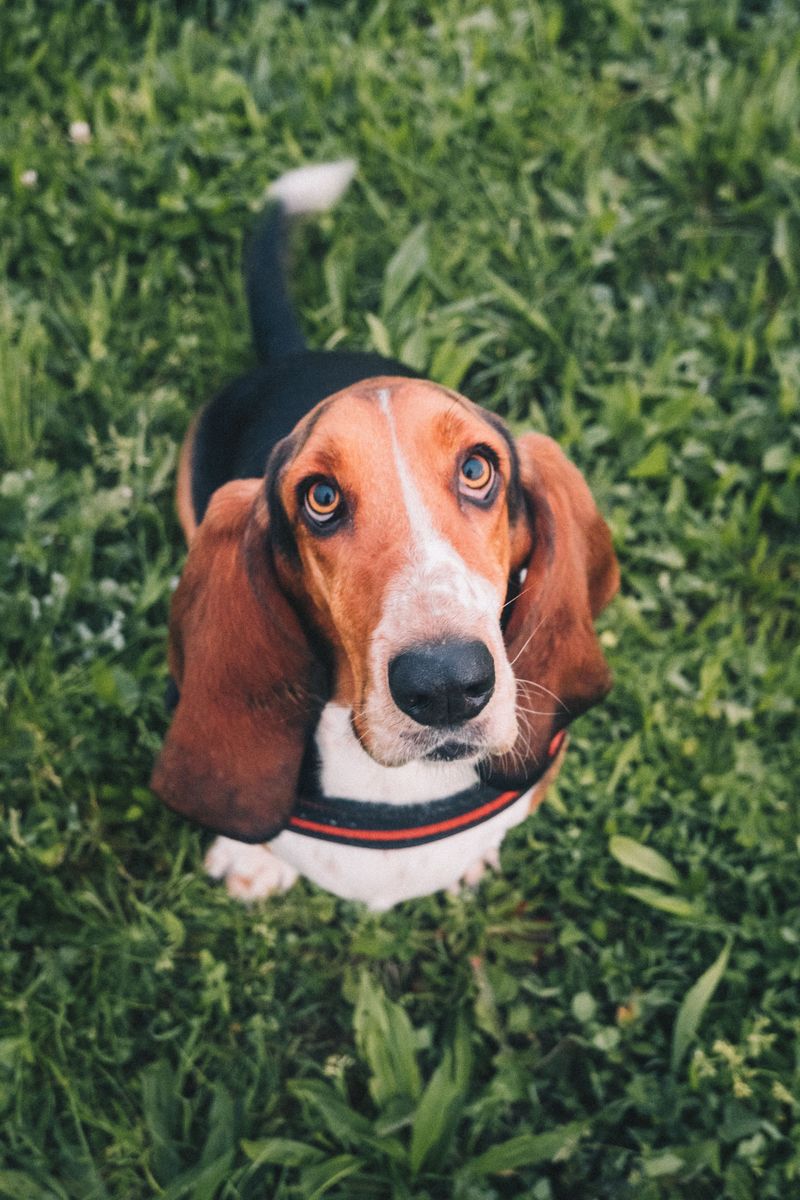
Slow and soulful does not mean untrainable. Bassets tire of repeats, yet thrive with nose-led tasks.
Try a scatter feed after a cue, letting them sniff out rewards. That turns patience into treasure hunting.
Keep asks simple and clear. Use ramps or low targets that fit their build.
Gentle praise and a comfy rest break help sessions end on a happy note.
Bulldog
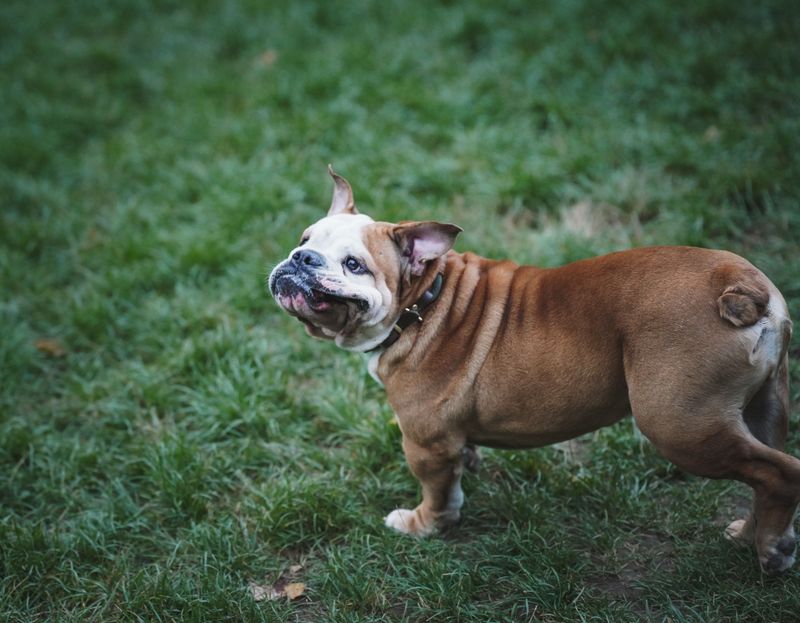
Big heart, short patience for repeats. Bulldogs often need creative bursts and comfort.
Ask for one cue, reward with a quick tug or tasty bite, then rest on a cool mat. Comfort supports effort.
Mind temperature and joints. Use low-impact games like nose targeting and slow turns.
End early while enthusiasm is strong, and you will see better follow-through next time.
Great Pyrenees
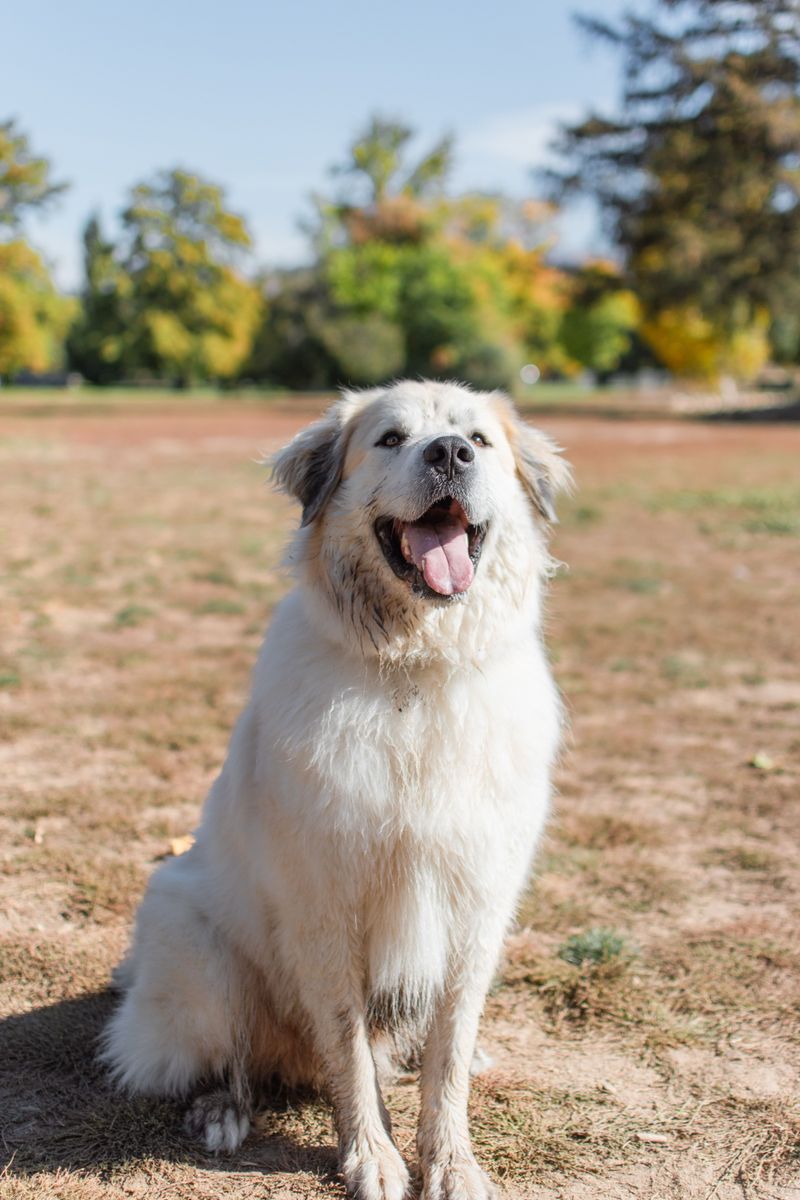
Bred to make solo choices, Pyrs can find repetition meaningless. Give jobs, not just cues.
Practice boundary walks on a long line, then reward with quiet time to observe the yard. Purpose fuels cooperation.
Use calm, confident handling and very tasty rewards. Keep sessions brief and spaced out.
Nighttime settle games fit their guardian nature and encourage steady focus.
Borzoi
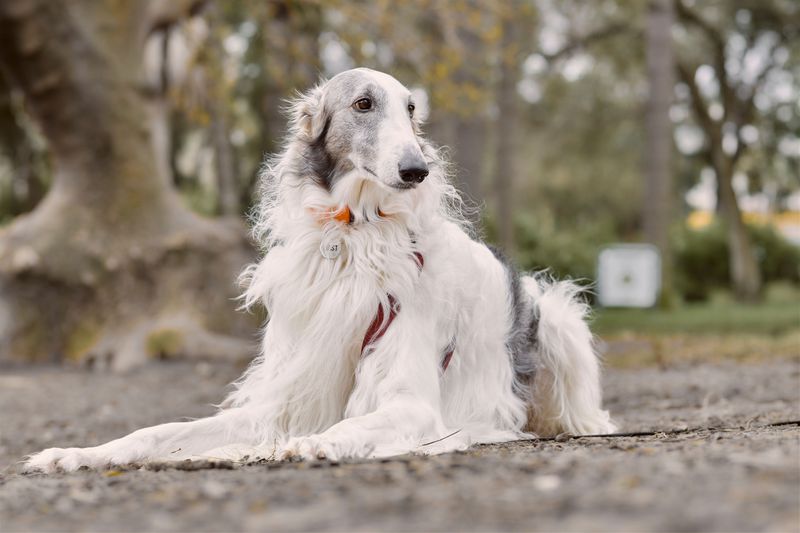
Sprinters at heart, Borzois lose interest in static drills. Blend motion with manners.
Ask for a brief heel, then reward with a short lure-pole chase. That rhythm keeps their mind fresh and body satisfied.
Use soft voices and minimal pressure. Practice recall with a long line and high-value paychecks.
Finish with a calm sniff walk to bring arousal down smoothly.
Akita
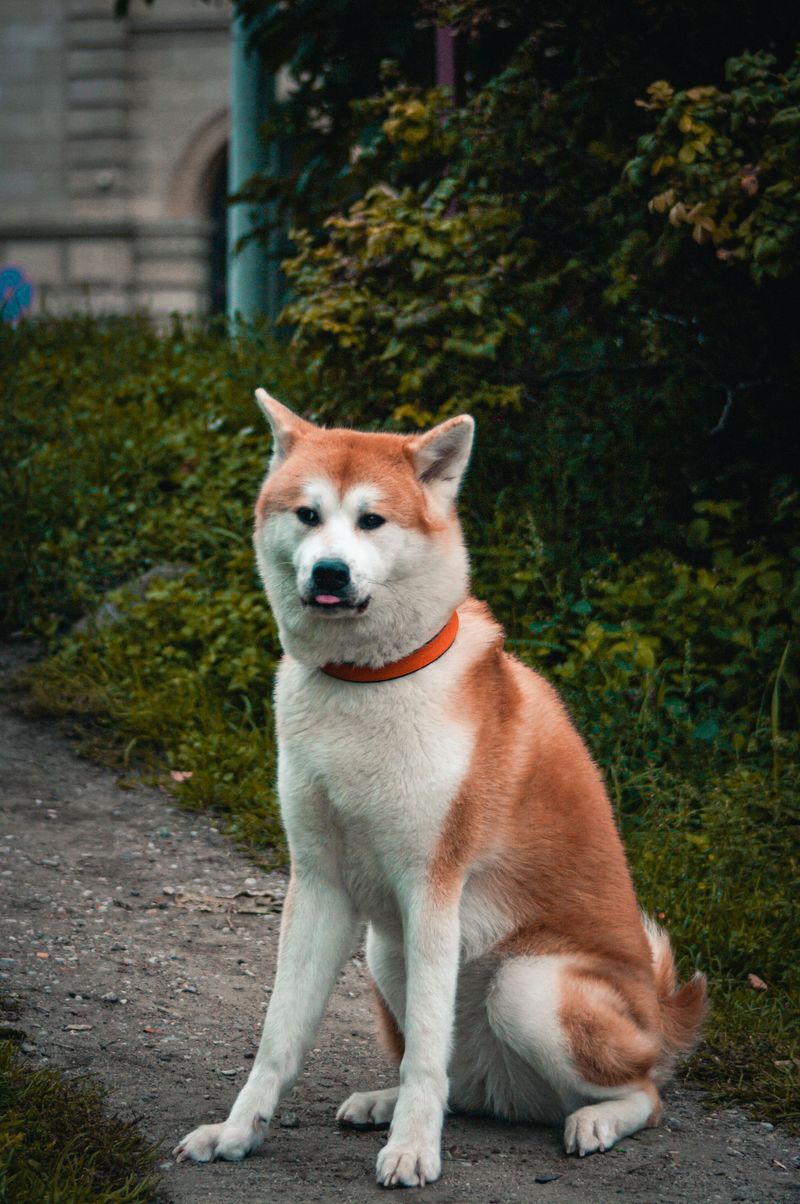
Confident and discerning, Akitas respond to fairness and clarity. Pushing the same cue dulls interest fast.
Use touch pads to teach positions through movement, then pay generously. Give them space to think before repeating requests.
Train in calm areas with strong management. Keep sessions structured but brief.
End with a favorite chew to decompress and reinforce good choices.
Weimaraner
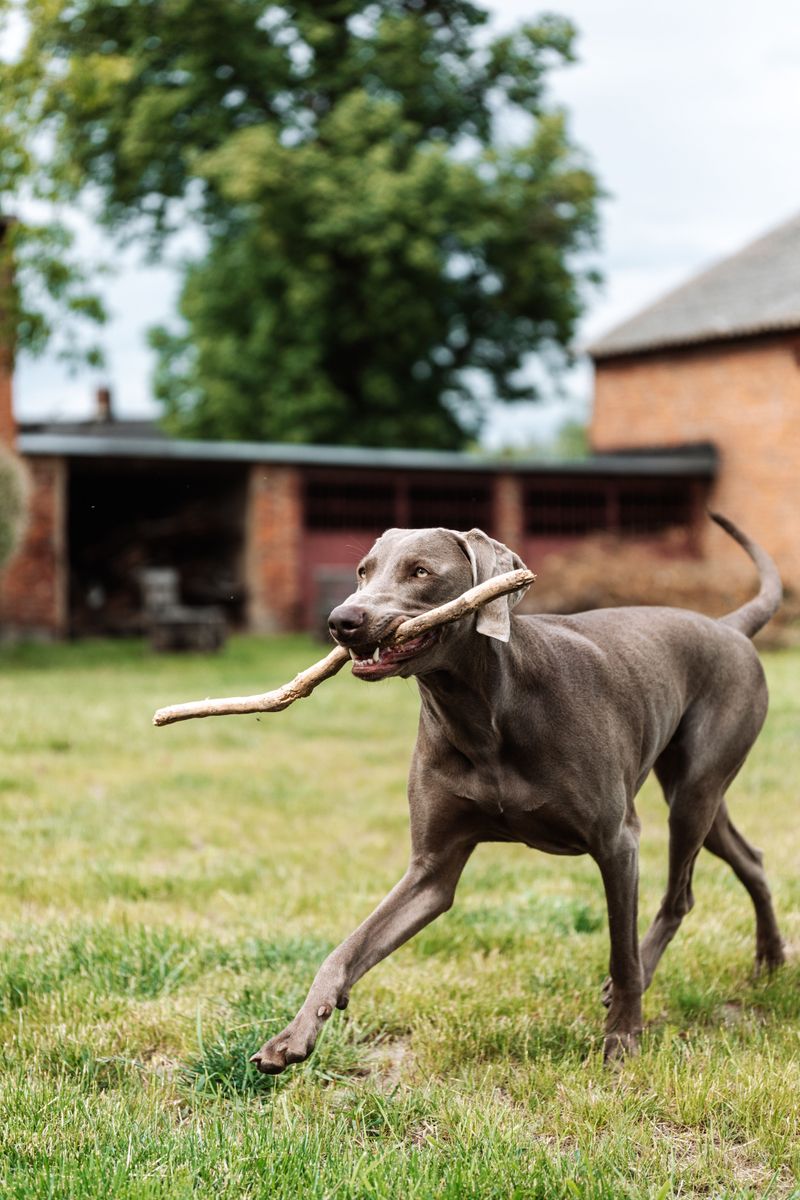
High-drive and brainy, Weims crave challenge. Plain drills feel flat.
Turn sits and downs into checkpoints during a fetch course. Mark a cue, toss the bumper, then ask for another quick behavior before the next throw.
Rotate toys and locations to prevent pattern fatigue. Include scent hides to slow an overexcited mind.
A cool-down walk seals the lesson.
Shih Tzu
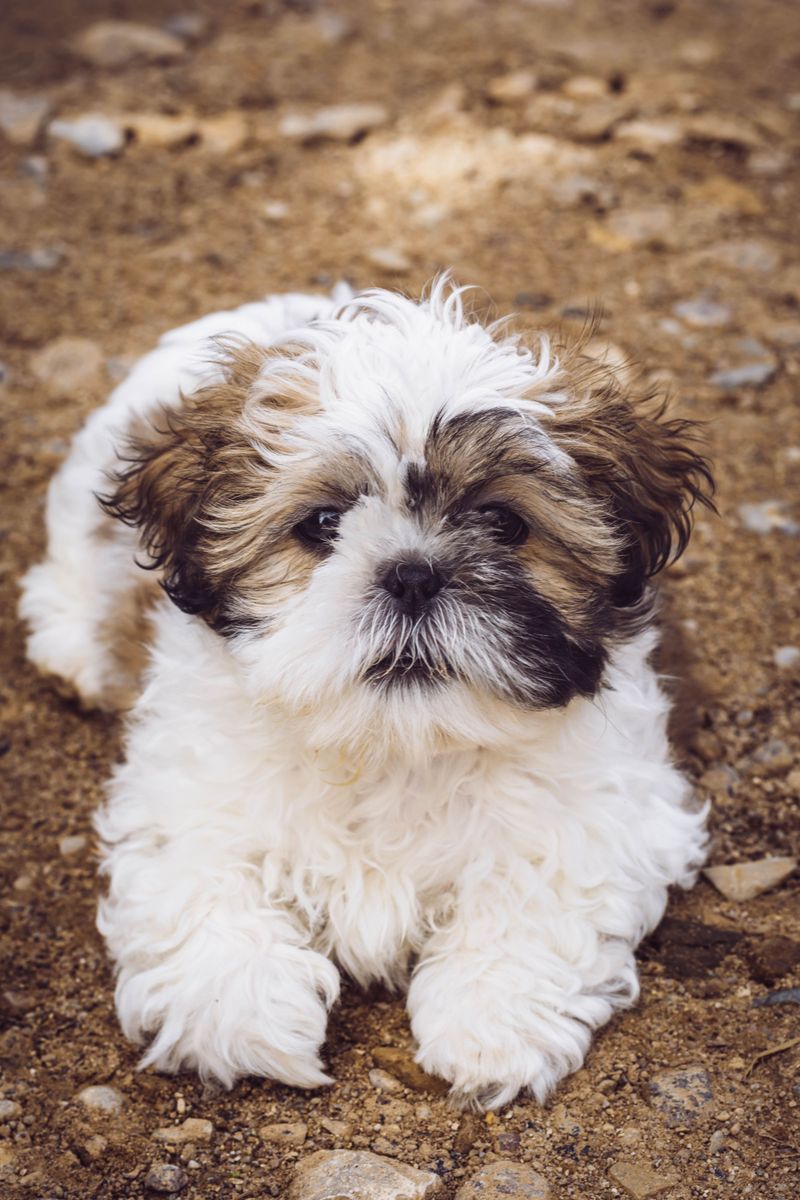
Comical and people-focused, Shih Tzus may tune out if drills drag. Keep actions tiny and upbeat.
Hop onto a platform, strike a cute sit, then earn a nibble. Frequent wins build enthusiasm without nagging.
Grooming practice pairs well with training. Teach chin rest for brushing, then reward with a short play burst.
Rotate tricks weekly to keep curiosity alive.
Switch-it-up training games
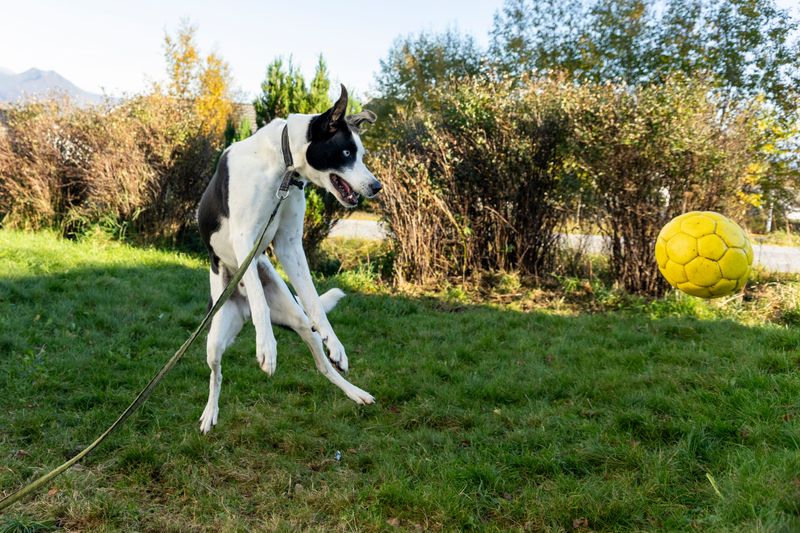
Monotony kills focus. Build a routine that changes every few minutes.
Run two reps of a cue, switch to a cone weave, then do a quick tug. Add a wobble board stand for confidence and end with a ball toss.
Novelty keeps brains bright.
Use a timer to rotate activities. Track favorite rewards and save the best for harder tasks.
Stop while your dog still wants more.