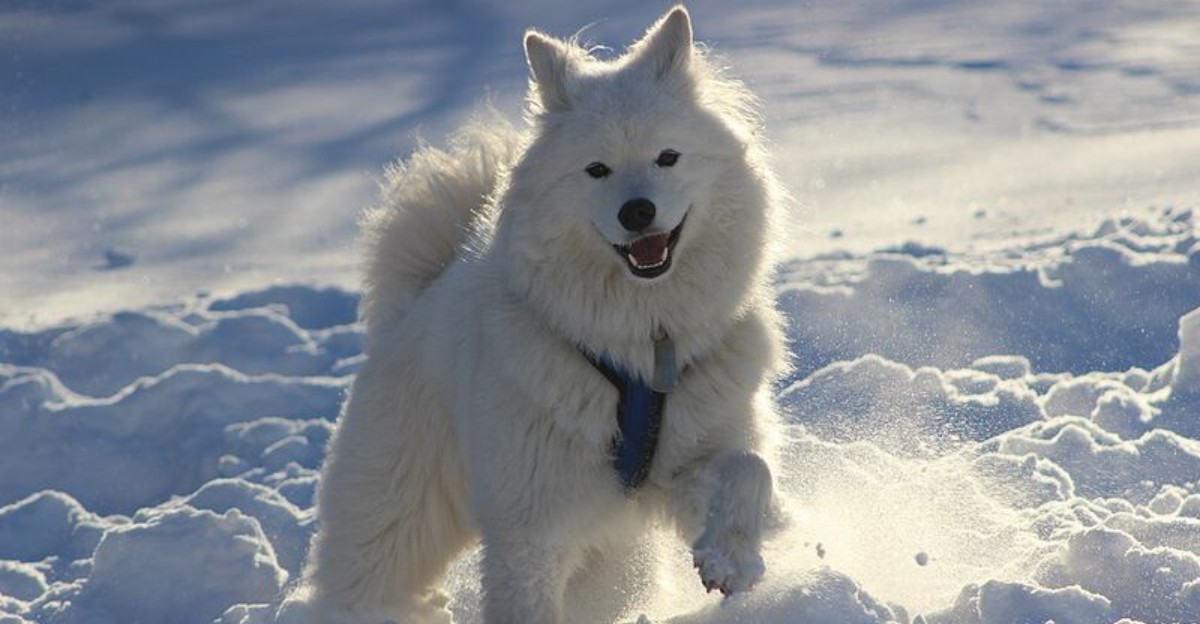
Some dogs seem to think every person outside is their new best friend. If your pup pulls toward strangers with a wagging tail, you might wonder which breeds share that outgoing energy.
Friendly dogs can make walks fun, build community, and even brighten a neighbor’s day. Here are thirteen breeds known for cheerful hellos and happy meet-and-greets.
Golden Retriever
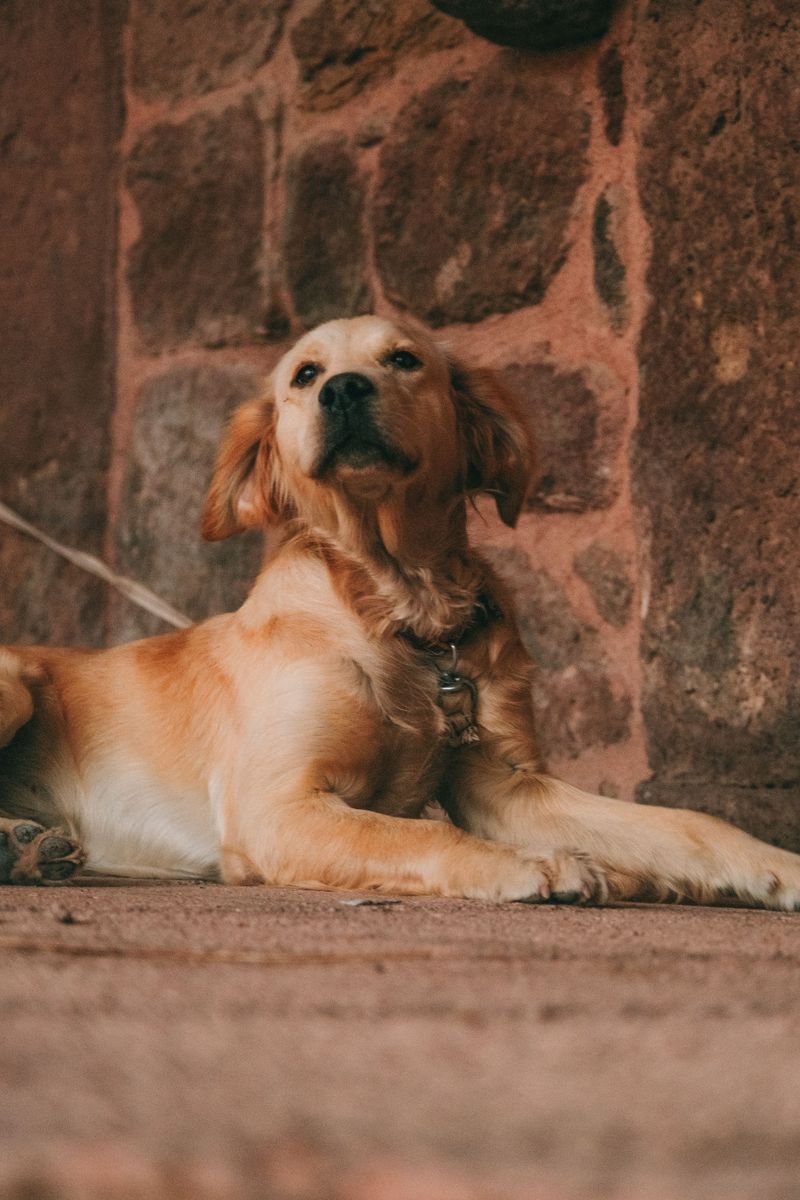
With a smile that wins crowds, the Golden Retriever loves to say hi. Calm eyes, soft ears, and a steady tail make new people feel welcome.
Many Goldens were bred to work beside humans, which helps explain their easygoing style. Bring treats, practice sit, and reward calm greetings.
Your dog will learn that manners get attention.
Daily mental games help keep excitement in check. Try short sniff walks before busy streets.
A gentle leader collar can guide friendly enthusiasm.
Labrador Retriever
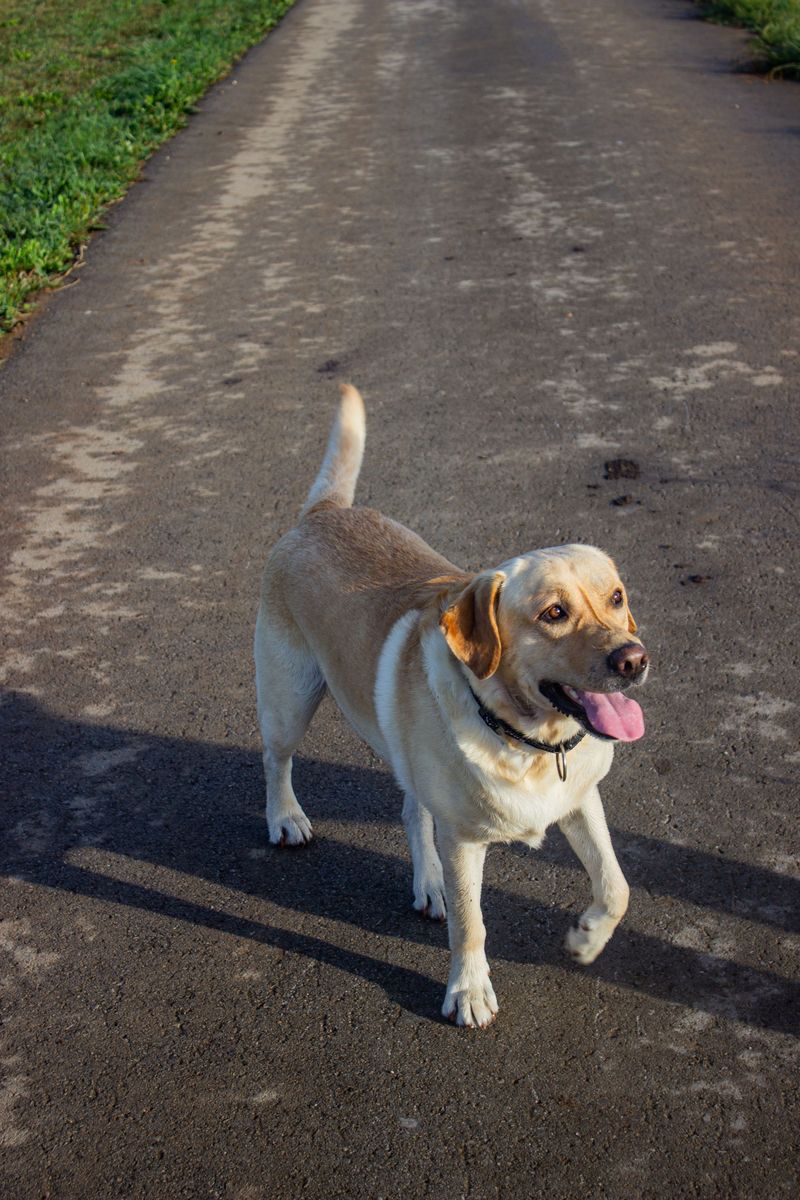
First to wag and last to complain, the Labrador seems born for meet-and-greets. Labs crave connection, and their sturdy build can add bounce to every hello.
Keep pockets stocked with tiny treats. Ask for sit before anyone pets.
Praise softly when paws stay on the ground.
Short training bursts work best. Mix fetch with leash practice near mild distractions.
If your Lab gets too excited, step back, reset, and try again two steps calmer.
Beagle
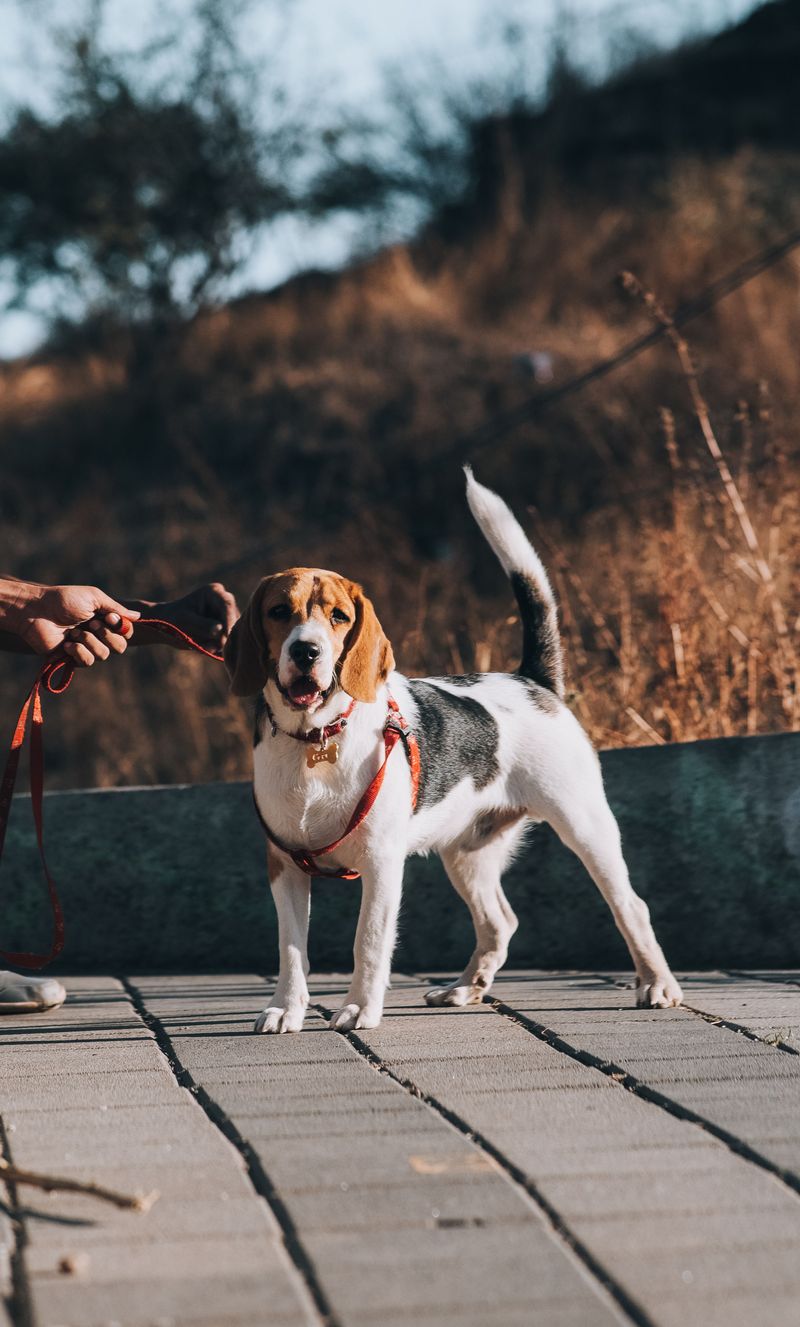
Noses lead the way for Beagles, and many noses head straight to people. Friendly by nature, they often announce themselves with a happy tail flag.
To keep greetings polite, use a sniff cue to let them explore first. Then ask for a sit before attention.
Because Beagles love scents, sprinkle a few kibble pieces on the ground after a calm hello. This rewards good manners and redirects extra energy into foraging fun.
Cavalier King Charles Spaniel
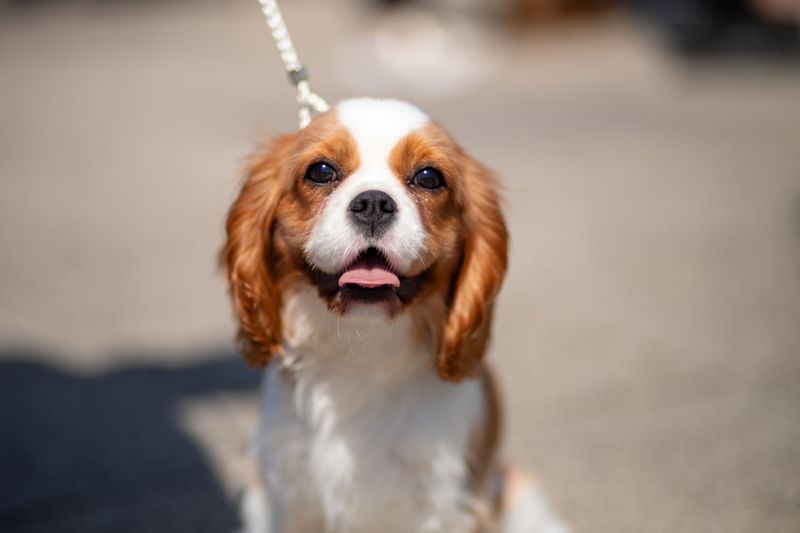
Velvety ears and a warm gaze make Cavaliers hard to resist. Many adore people and float toward every smile.
Use that softness to teach calm cues. Ask for a brief sit, then give a gentle chest rub and a treat.
Keep greetings short before excitement builds.
Because Cavaliers can be sensitive, reward softly spoken praise. A lightweight harness helps guide without fuss.
Regular social walks at low-traffic hours build confidence and control.
Boxer
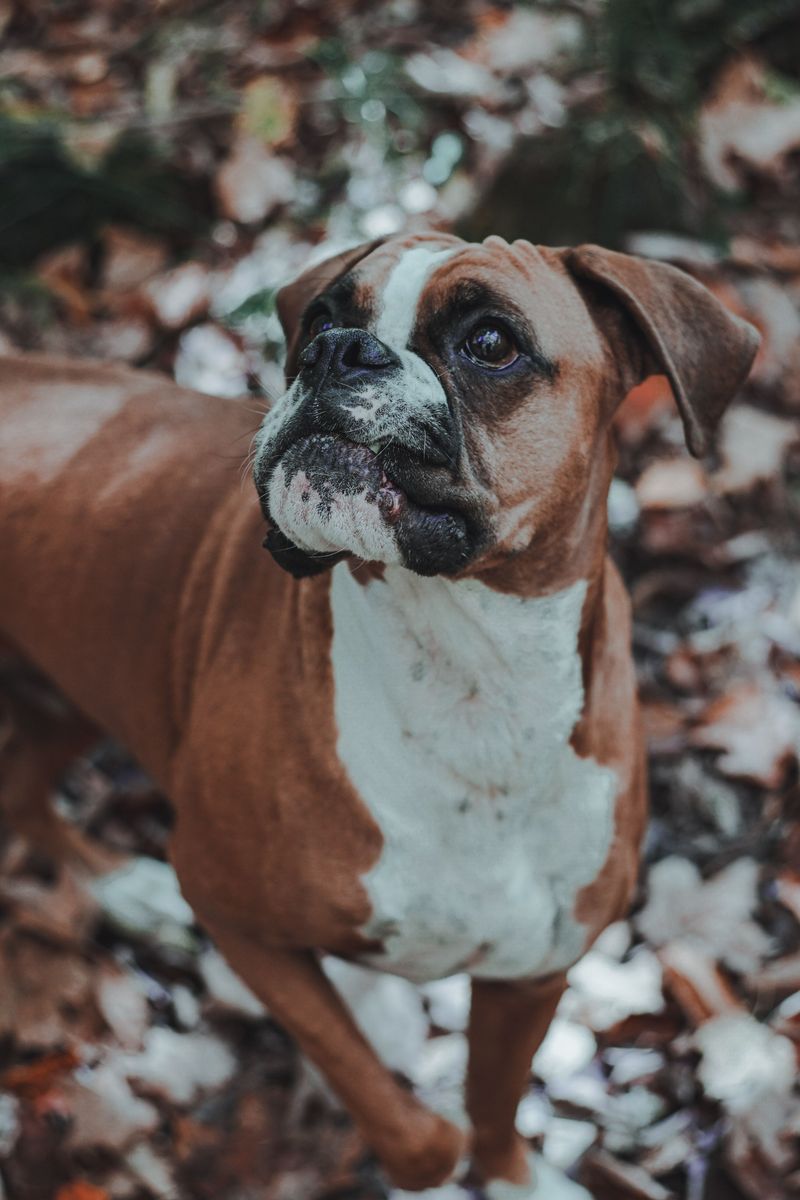
Joy on springs describes a Boxer greeting. That whole-body wiggle can make strangers laugh.
Channel the bounce into short impulse games. Ask for watch me, then treat.
Take one step closer, repeat. Reward four paws down with a quick scratch and move on before excitement explodes.
Structured play, like tug with a release cue, can burn energy before busy routes. A front-clip harness helps manage zigzags without harsh corrections.
Standard Poodle
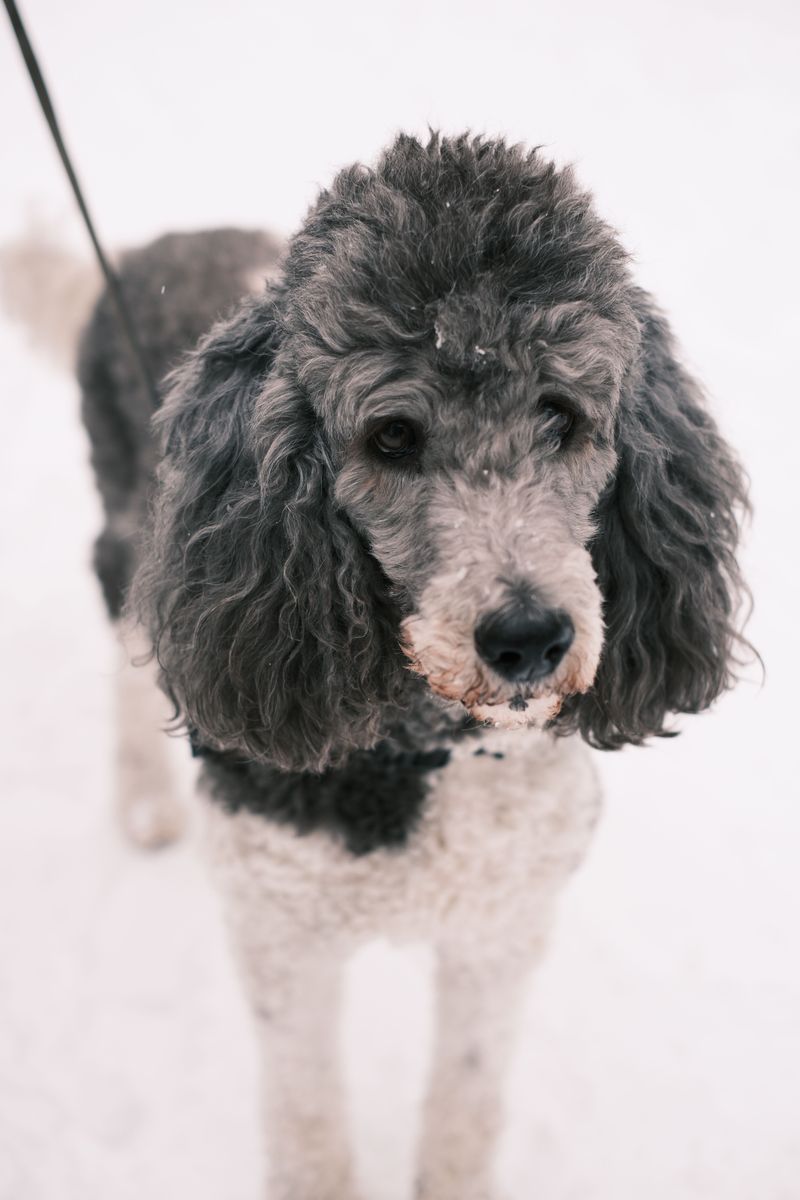
Elegance meets enthusiasm with the Standard Poodle. Many enjoy social moments yet stay thoughtful.
Teach a go say hi cue followed by a come back. Reward the return richly.
This builds confident greetings and reliable recall in busy spaces.
Mental workouts matter for Poodles. Rotate simple tricks like spin, bow, and touch before meeting people.
A calm brain greets better. Keep sessions short, end on success, and let your dog choose when to approach.
Bichon Frise
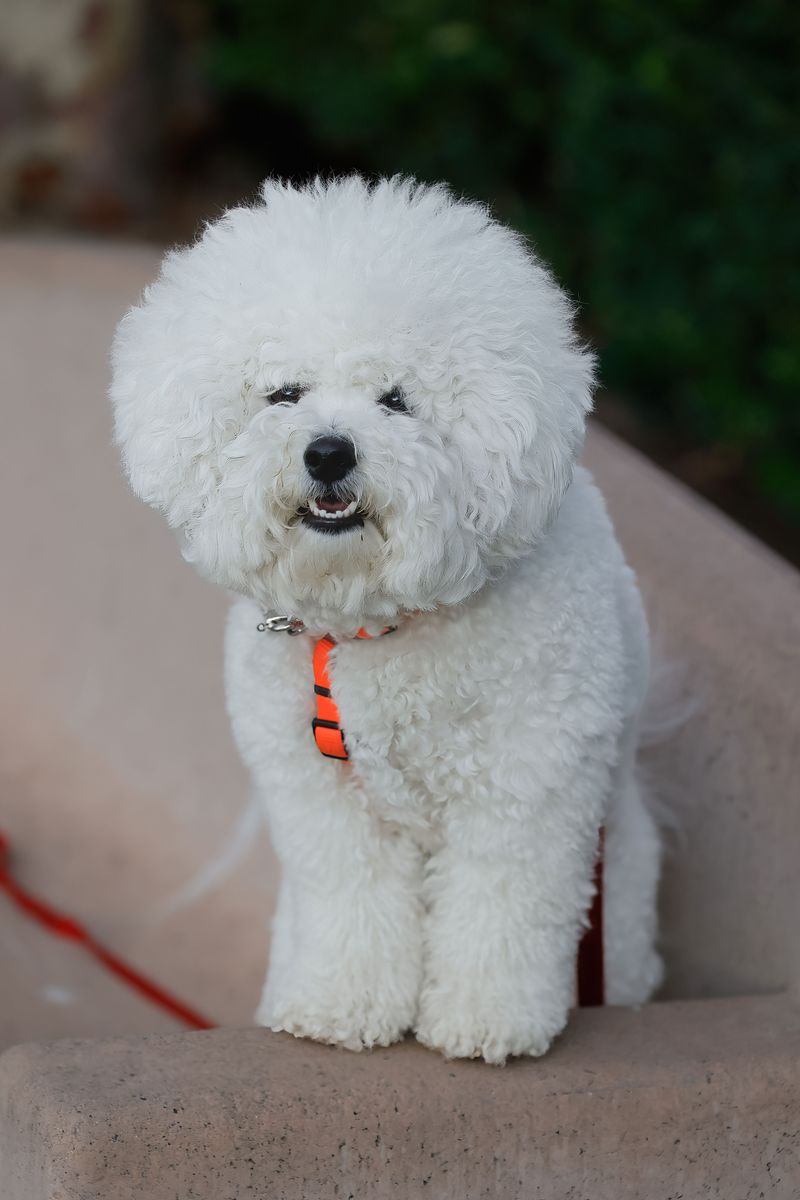
Cotton-ball charm meets social sparkle with the Bichon Frise. Many light up when people appear, eager for attention.
To prevent jumping, hold a treat at nose level and lower it to a sit. Mark the sit, then allow a brief hello.
Keep greetings sweet and quick.
Regular brushing time doubles as calm training. Pair gentle comb strokes with quiet praise.
This teaches patience that carries over to friendly street encounters.
Boston Terrier
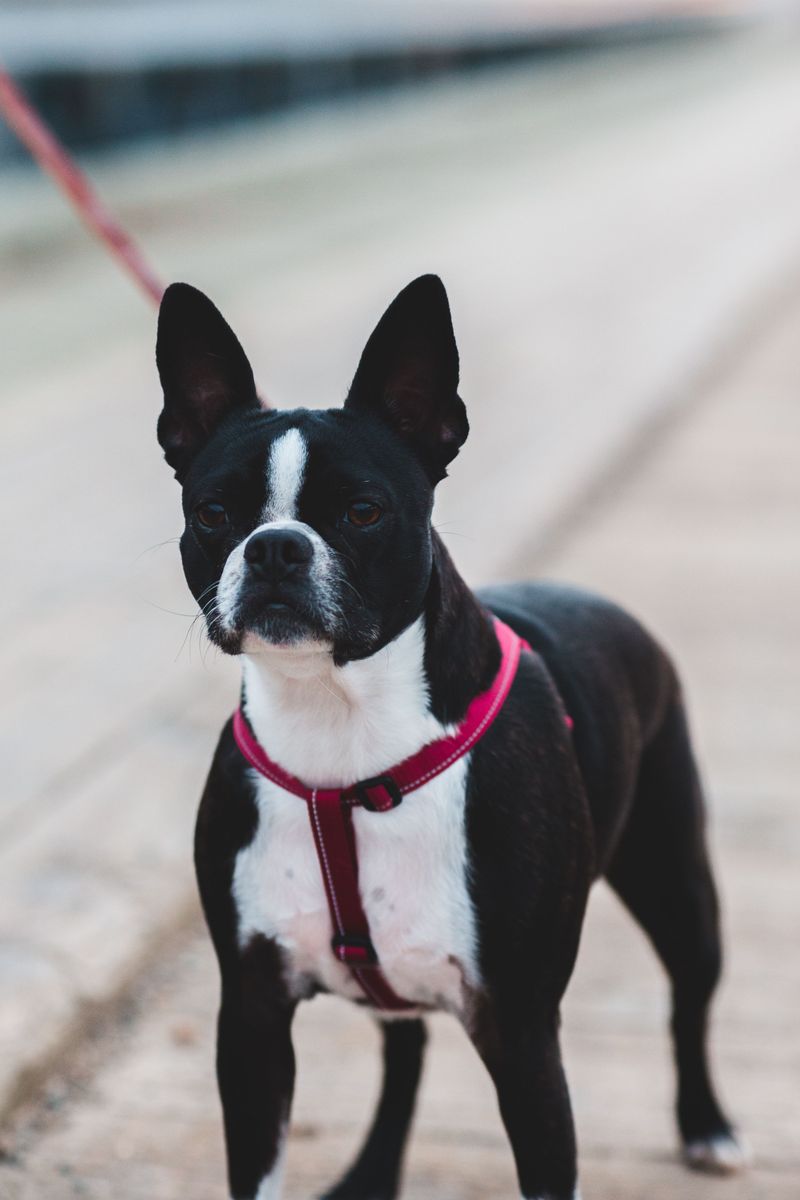
Compact, witty, and eager, the Boston Terrier often works a crowd with comedic charm. Teach a say please sit before every pet.
If paws lift, step back, reset, and reward calm. Quick timing helps these bright dogs learn fast.
Because Bostons enjoy games, use a touch-to-hand cue to guide approach. Ask for touch, reward, then allow a short greet.
This gives them a job and keeps excitement manageable in busy areas.
Havanese
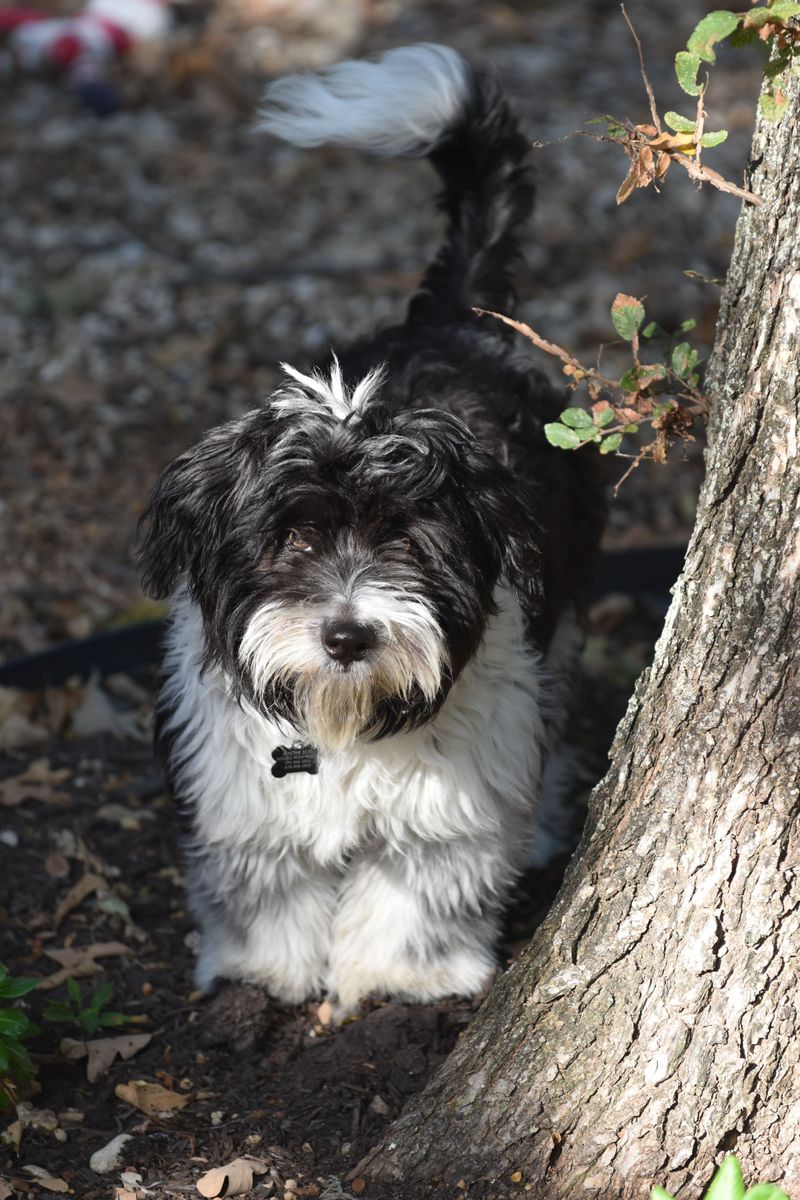
Sunshine in a small package, the Havanese often seeks eye contact and smiles. To shape polite manners, teach stand and wait before greeting.
Count to two, then say ok and let the meet begin. Praise softly and keep the leash loose.
Short stroller-sidewalk practice can help. Walk slowly by seated people, reward calm glances, then move on.
This lowers arousal so real greetings stay charming, not chaotic.
Cocker Spaniel
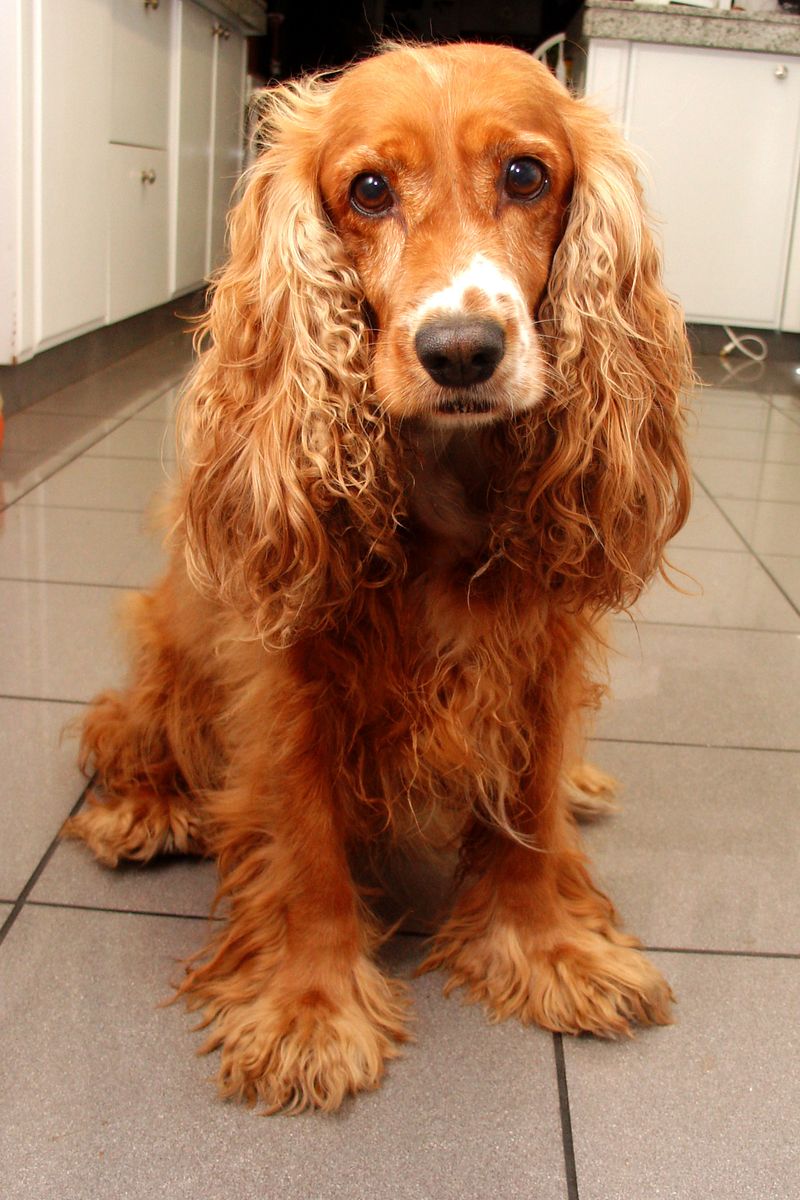
Soft eyes and a wagging skirt of a tail often draw people in. Cocker Spaniels can be social butterflies with a sensitive side.
Use calm petting zones like under the chin. Cue sit, allow a few seconds of attention, then cheerfully say all done and move along.
Regular ear checks reduce fuss during greetings. Pair handling with treats so your Cocker stays comfortable even when admirers get close.
Vizsla
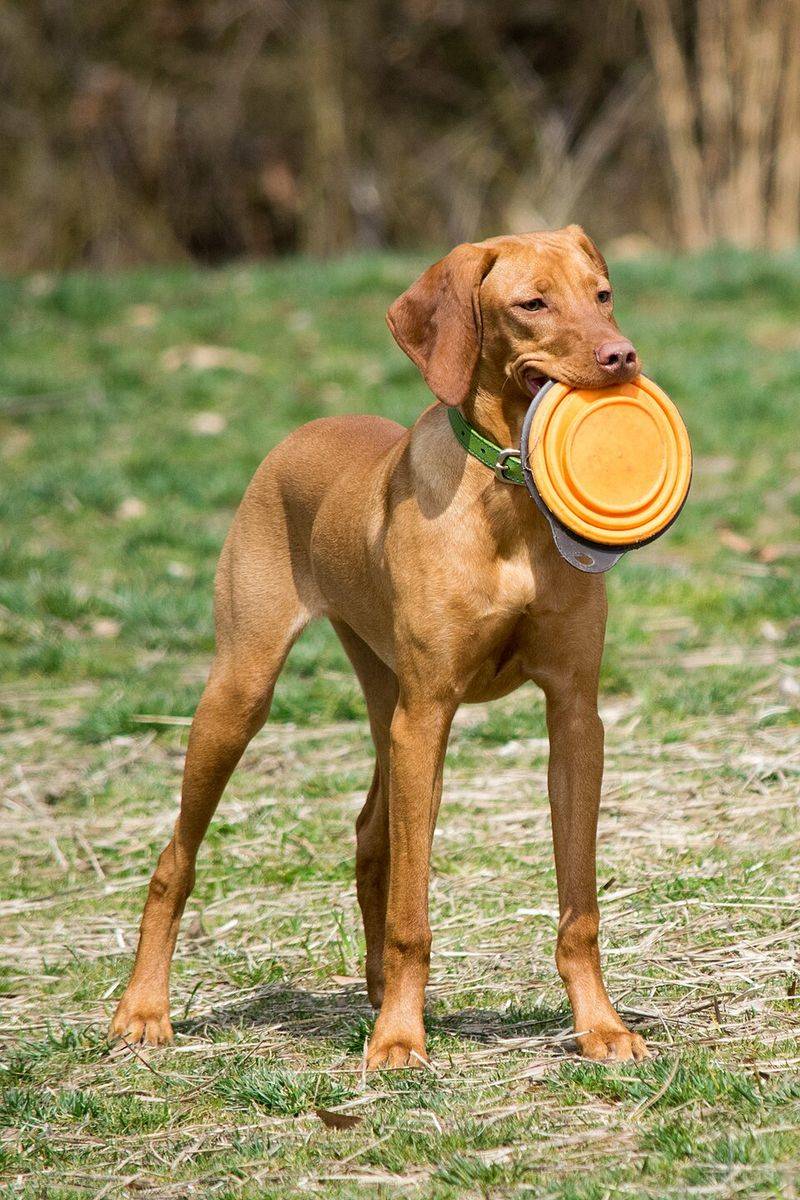
Nicknamed the Velcro dog, the Vizsla bonds hard and often adores new friends too. Exercise before social walks is key.
A brisk game of fetch or a short jog can turn frantic hellos into smooth ones. Ask for heel, then release to greet for two seconds.
Because they are sensitive, keep training upbeat and brief. A soft voice and clear cues help.
End with a relaxed sniff break.
Samoyed
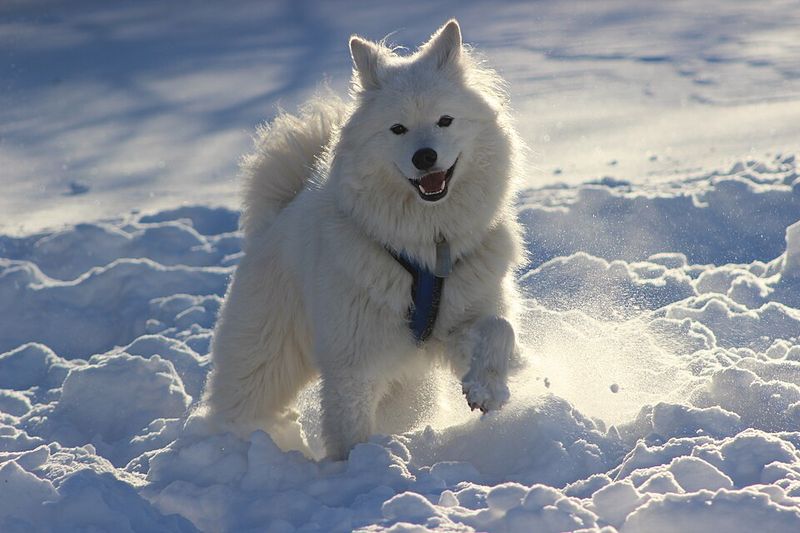
That famous smile invites conversation. Many Samoyeds love people and radiate cheer.
Because fluff can cause crowding, teach a meet me spot on your left side. Cue spot, then ok for a brief hello.
If the crowd grows, step away and reward following you.
Daily brushing doubles as calm practice. Pair strokes with quiet breathing and treats.
A practiced calm state makes winter sidewalk greetings easy and delightful.
Bernese Mountain Dog
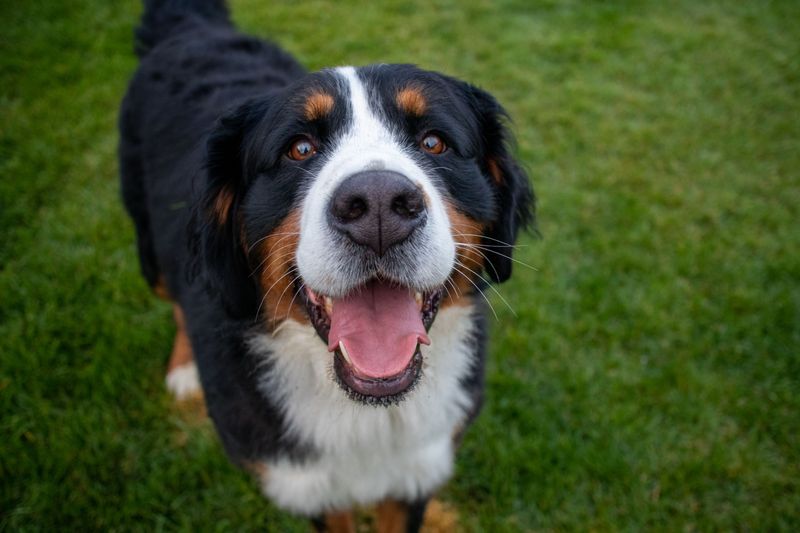
With a heart as big as its frame, the Bernese often charms everyone. Their gentle presence can draw kids and adults alike.
Teach a long sit and hand target. Let them touch your palm, then greet.
End with another touch to refocus on you.
Because of size, plan space. Step to the side of paths and angle the body to block accidental crowding.
Calm posture keeps meetups safe and friendly.