
Treat puzzles are a fun way to challenge your dog while keeping boredom away. Many clever pups breeze through the easy levels, then stall when the twists get tricky.
That jump teaches problem solving, patience, and focus. Ready to see which breeds flex their brains fastest when the challenge rises?
Border Collie – the chore captain
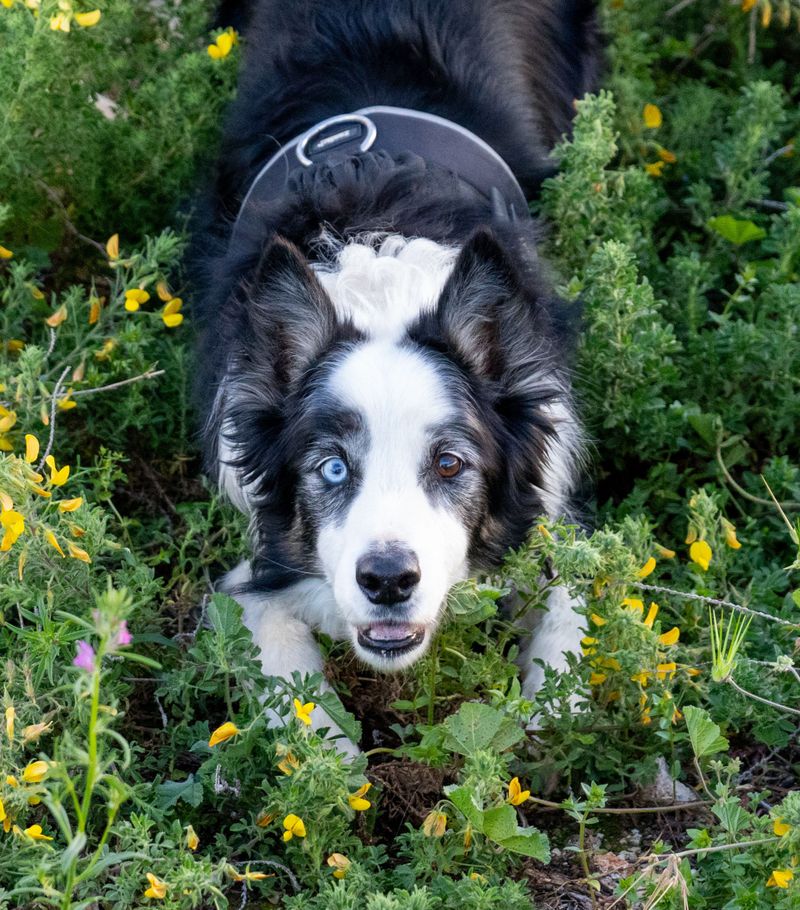
Farm kids joke that a Border Collie can run the barn schedule. That same hustle shows up with puzzles.
Start with simple sliders, then add steps like spinning plates or hidden drawers. Time breaks prevent frustration and keep confidence high.
To raise difficulty, rotate puzzles weekly and change the reward value. Try tiny cheese cubes one day, crunchy kibble the next.
Add a sniff-first rule by hiding the puzzle under a towel.
Poodle – the pattern reader
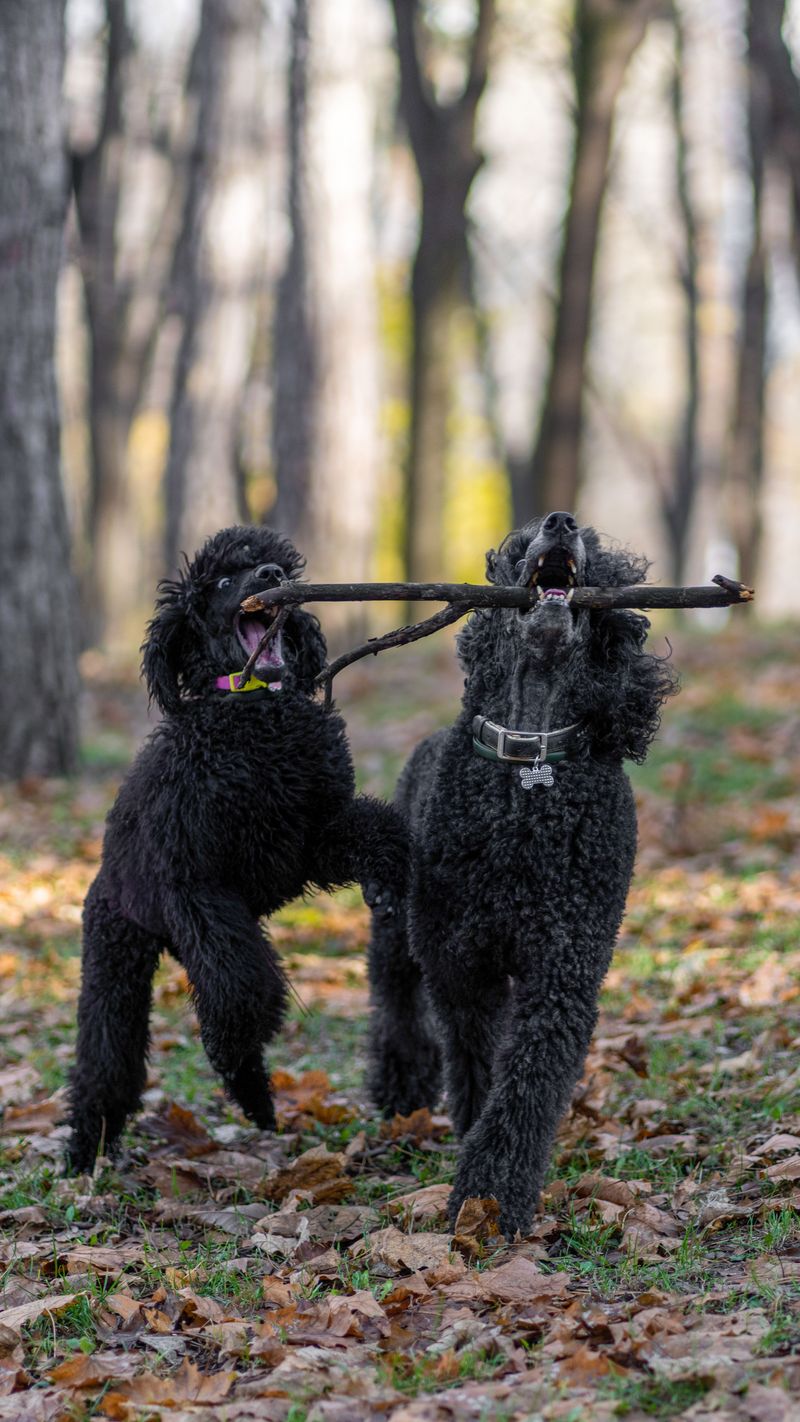
Patterns click quickly in a Poodle brain. Watch how calmly those eyes scan the board before a single move happens.
Begin with see-through lids so the plan feels obvious. Then switch to opaque covers to force memory and planning.
Keep the game tidy by cueing sit, then release. Use tiny wins to shape harder chains, like lift, slide, and spin in order.
Swap puzzle positions to stop simple muscle memory.
German Shepherd – the method thinker
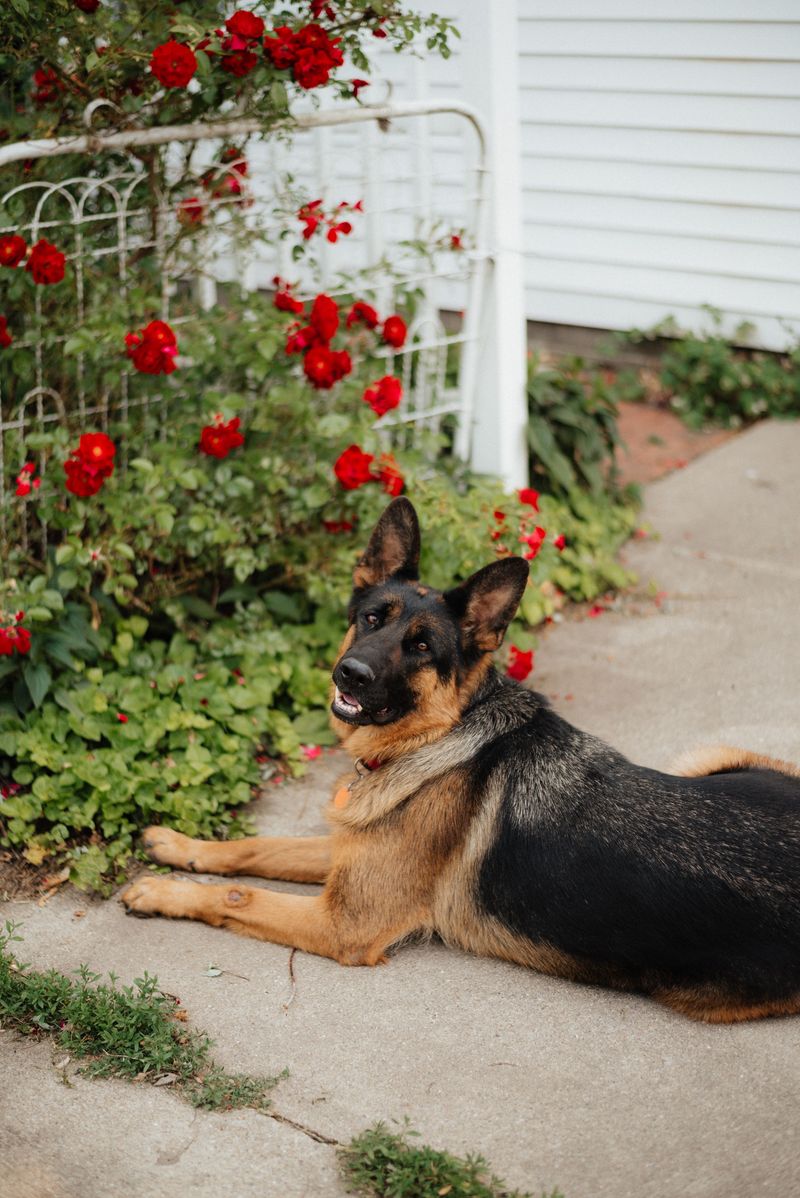
Strategy comes naturally to many Shepherds. Start by teaching a gentle touch so pieces do not fly.
Mark each correct step with a quick yes, then reward. Confidence grows fast when the path is clear.
Crank up the challenge with puzzles that need two actions per treat. Place the toy on slightly slick surfaces to slow wild swats.
Mix in scent games, like hiding a treat under only one of three cups.
Belgian Malinois – the speed demon with brakes
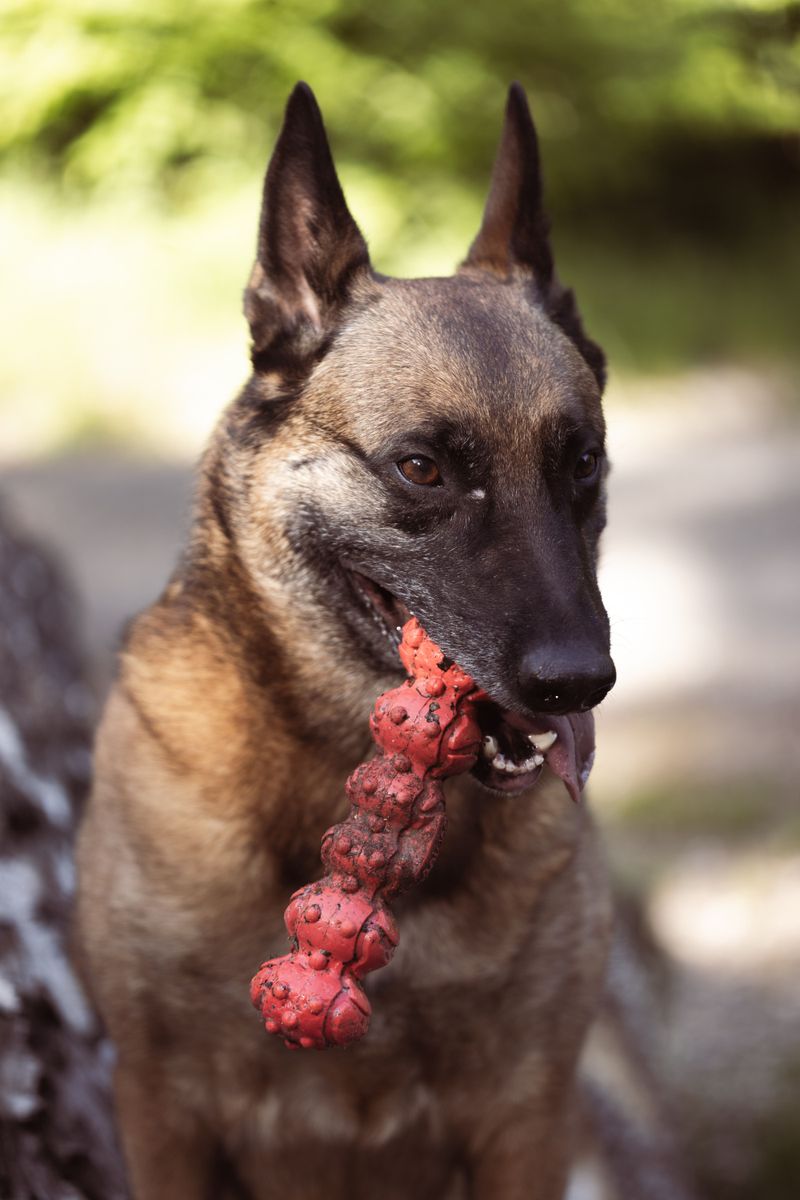
Blink and a Malinois may finish the easy board. That fire is awesome, but control matters.
Teach a slow cue before play begins. Short, focused sessions avoid over-arousal and keep the brain in charge of the engine.
Advance difficulty by requiring three calm behaviors between steps, like down, wait, and touch. Add puzzles that need a gentle pull string or a sequence of levers.
End with a sniff cool-down to reset energy.
Shetland Sheepdog – the careful planner
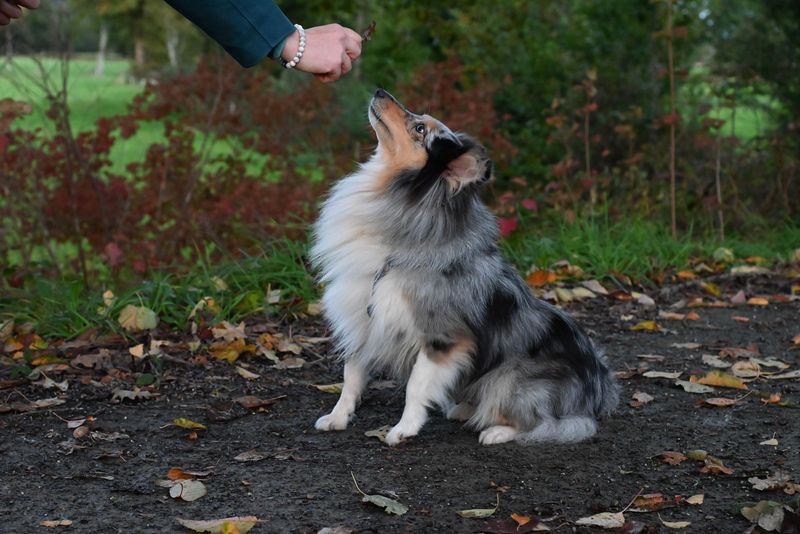
Quiet focus is a Sheltie superpower. Many tap once, then pause like they are doing math.
Celebrate that patience by breaking big puzzles into mini goals. Reinforce soft paw taps and steady nose nudges.
To make it tougher, stack two lighter puzzles so one unlocks the other. Try a rule like only nose touches count today.
Change the environment too, such as moving to a hallway to reduce distraction wins.
Australian Shepherd – the busybody brain
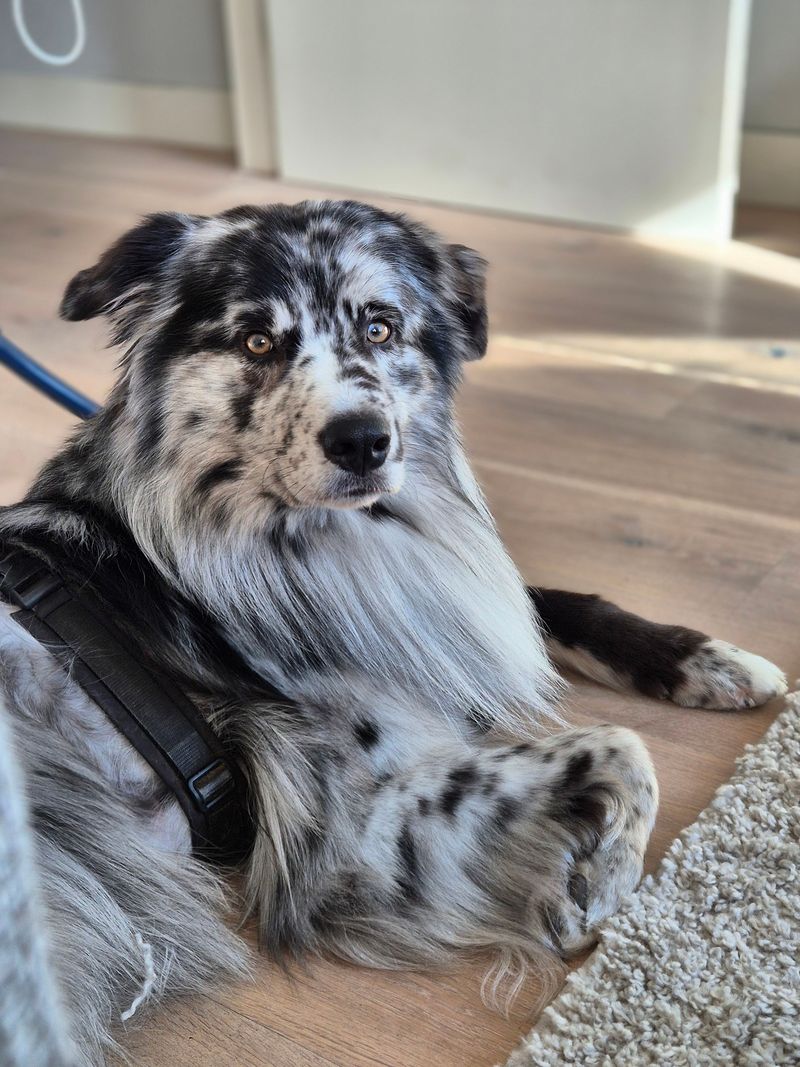
If it moves, an Aussie wants a job with it. Puzzles feed that urge in a smart way.
Begin with big, high-contrast pieces that spin or slide dramatically. Pair moves with verbal labels like turn or lift for extra guidance.
Level up with puzzle mazes that require two paws inside. Challenge impulse control by placing treats in view but behind delayed-release lids.
Finish with a trick, like bow, to keep play playful.
Doberman Pinscher – the cool problem solver
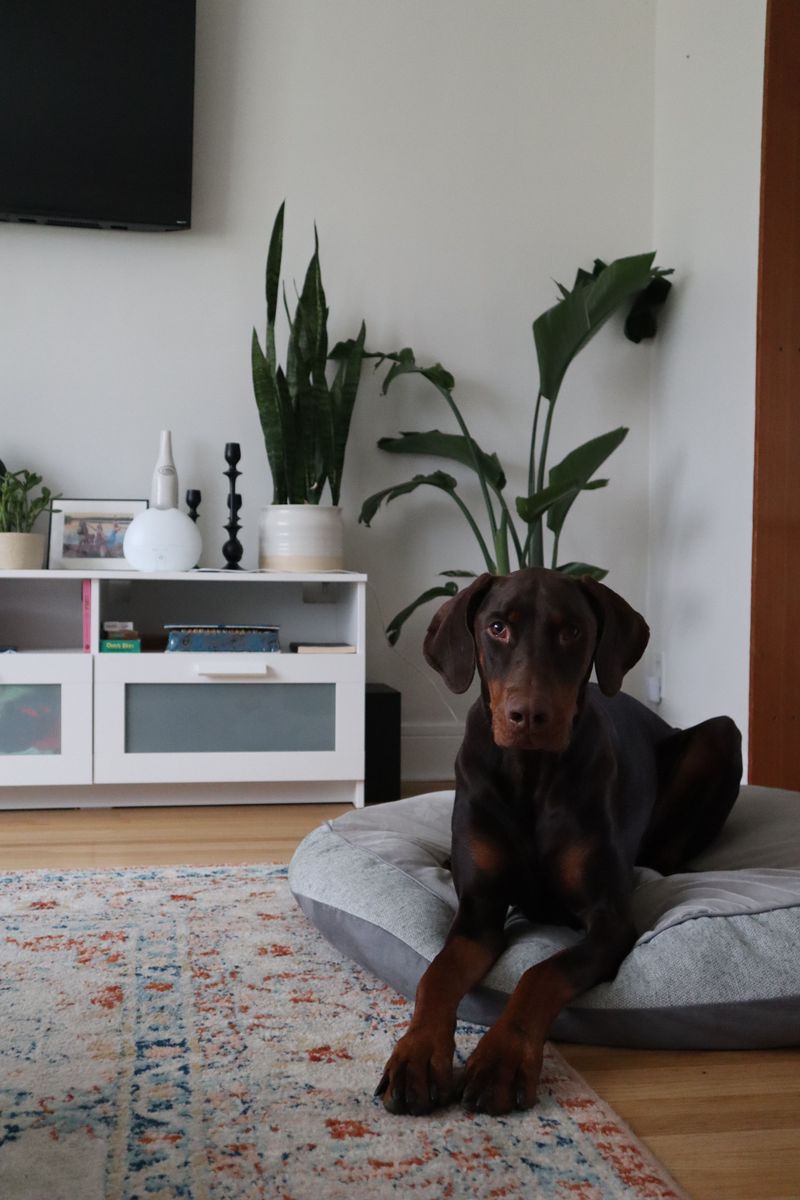
Confidence shows when a Doberman meets a new gadget with steady eyes. Start with drawers that slide easily and offer quick wins.
Use a calm voice and smooth motions to match their style. Build a ritual so the game starts and ends predictably.
Next, add resistance bands or magnets for tougher pulls. Hide a jackpot in only one drawer to spark nose work.
Keep sessions short to leave them wanting another round.
Golden Retriever – the cheerful tinkerer
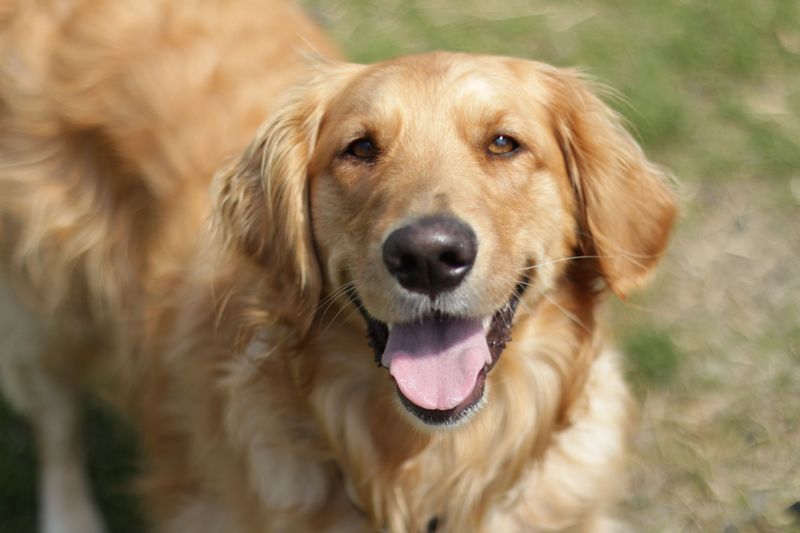
Goldens bring a can-do grin to every puzzle. They love making people happy, so praise fuels progress.
Begin with flip lids and easy spinners. Add a cue like try again to keep the mood light when a piece sticks.
Raise the bar by shrinking treat size so effort increases. Introduce puzzles that need mouth grabs, like rope pulls.
For variety, place the puzzle on a wobble board to test balance and focus.
Labrador Retriever – the food scholar
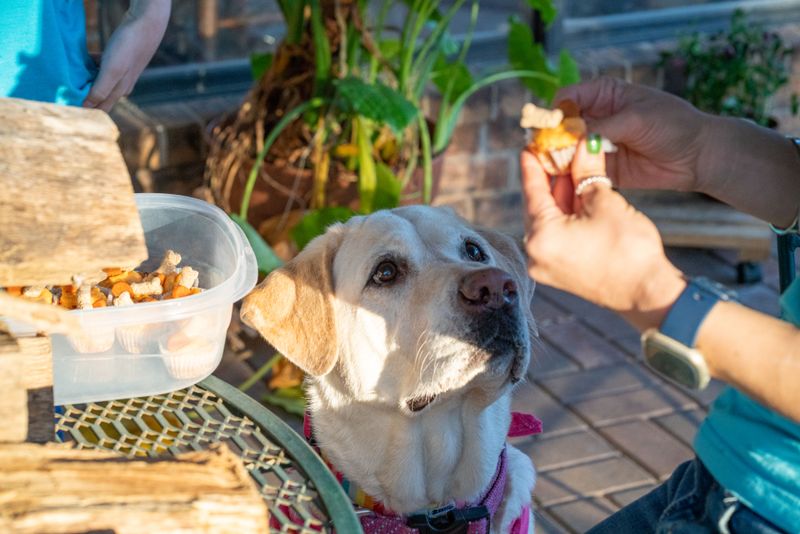
Motivation is no problem when snacks are involved. Labs study the board like it holds the final exam.
Start with open tracks that show the path to the treat. Reward calm sits between attempts to avoid frantic scraping.
Up the stakes with puzzles that combine spinning trays and lock tabs. Use lower-calorie treats to balance the extra practice.
Add a water twist by placing the puzzle on a towel after gentle playtime.
Papillon – the tiny mastermind
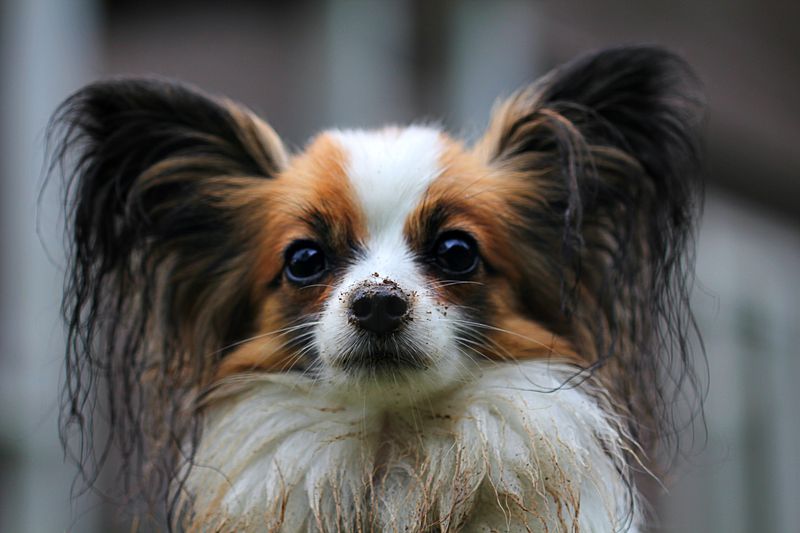
Do not let that size fool you. Papillons often map solutions faster than bigger dogs.
Begin with lightweight, shallow lids and micro rewards. Encourage nose work since smaller paws may struggle with heavy sliders.
Increase the challenge by using puzzles with multiple mini levers. Switch to mixed textures, like rubber tabs and wooden knobs, to fine-tune touch.
Place the puzzle on a non-slip mat so each precise move really counts.
Miniature Schnauzer – the scrappy strategist
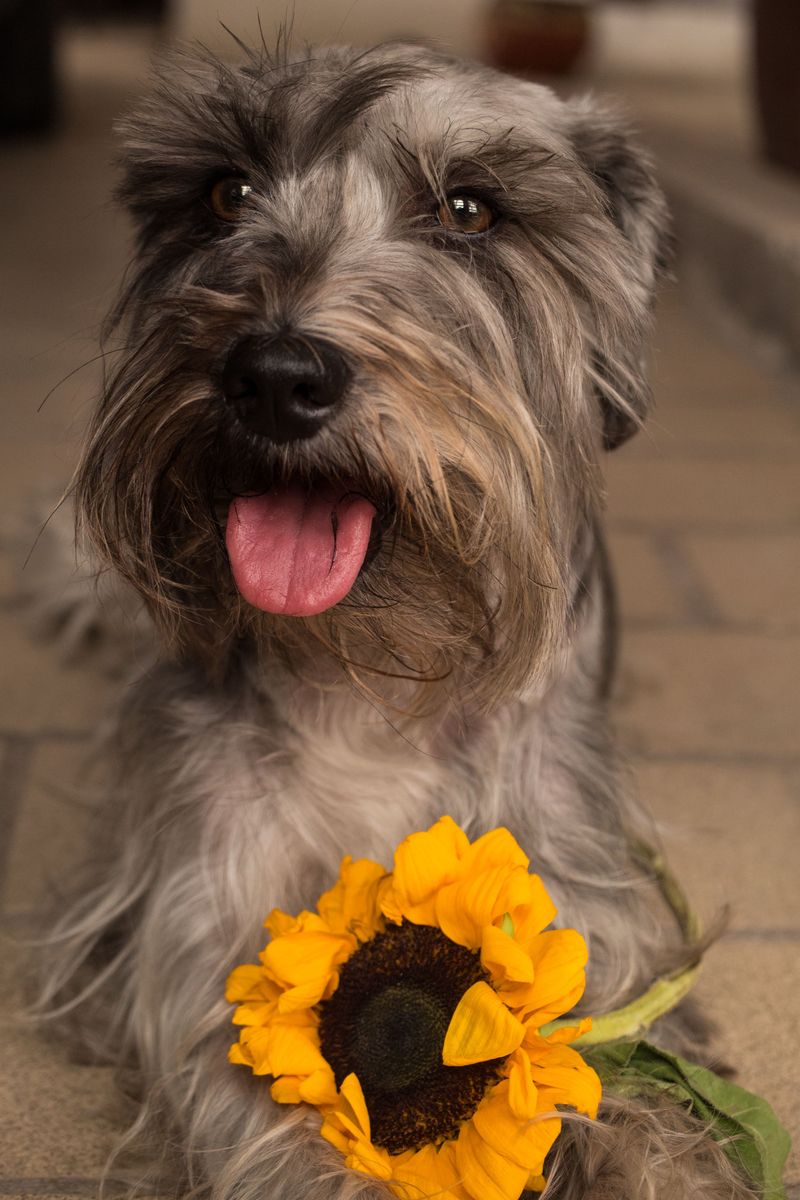
That bright, bearded face hides a crafty thinker. Many Schnauzers test every panel once, then commit to a plan.
Start with pop-out panels that give a satisfying click. Reinforce polite persistence with quick, tiny treats.
To advance, use puzzles that require a sequence like push, pull, and lift. Reduce verbal help so problem solving leads the way.
Throw in a trick card by placing one decoy panel that never pays out.
Pembroke Welsh Corgi – the low rider logic pro
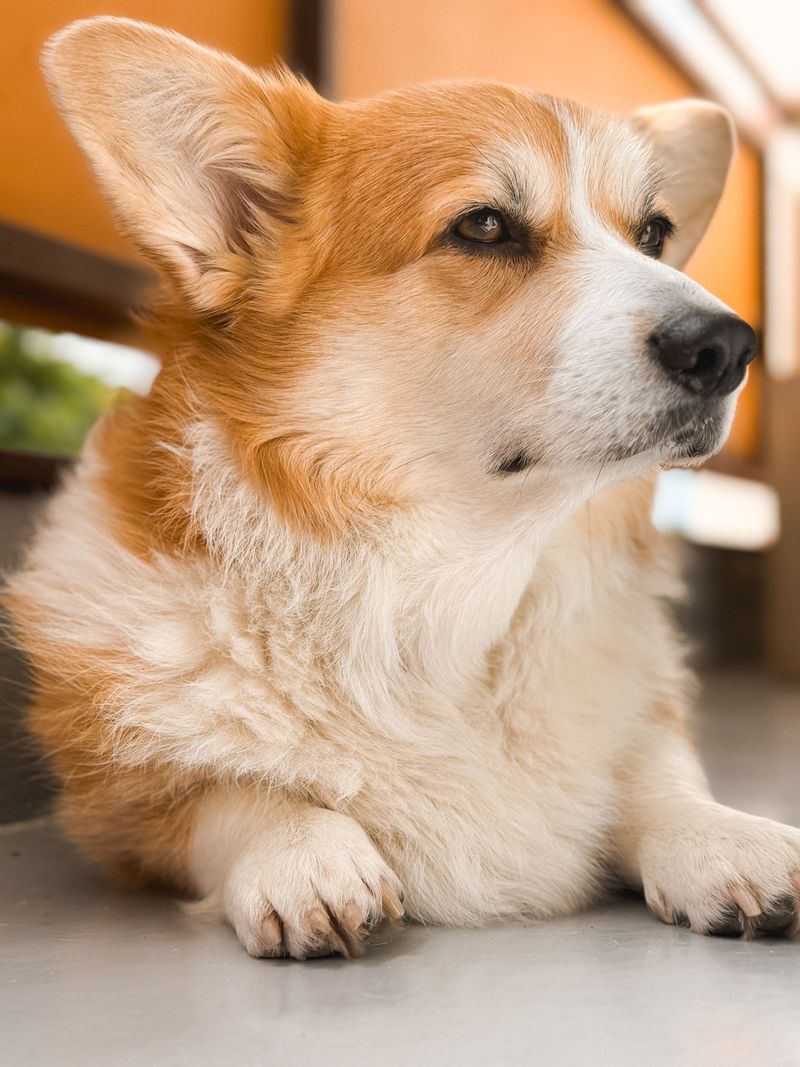
Short legs do not slow a sharp mind. Corgis often approach puzzles like a riddle to crack.
Begin with floor-level boards that are easy to reach. Encourage nose-first solves to protect shoulders from overreaching.
Raise the game by introducing weighted slides and delayed-release treats. Ask for a sit between each move to build rhythm.
Try a treasure hunt after, hiding a final treat under one of several small bowls.
Rottweiler – the gentle powerhouse thinker
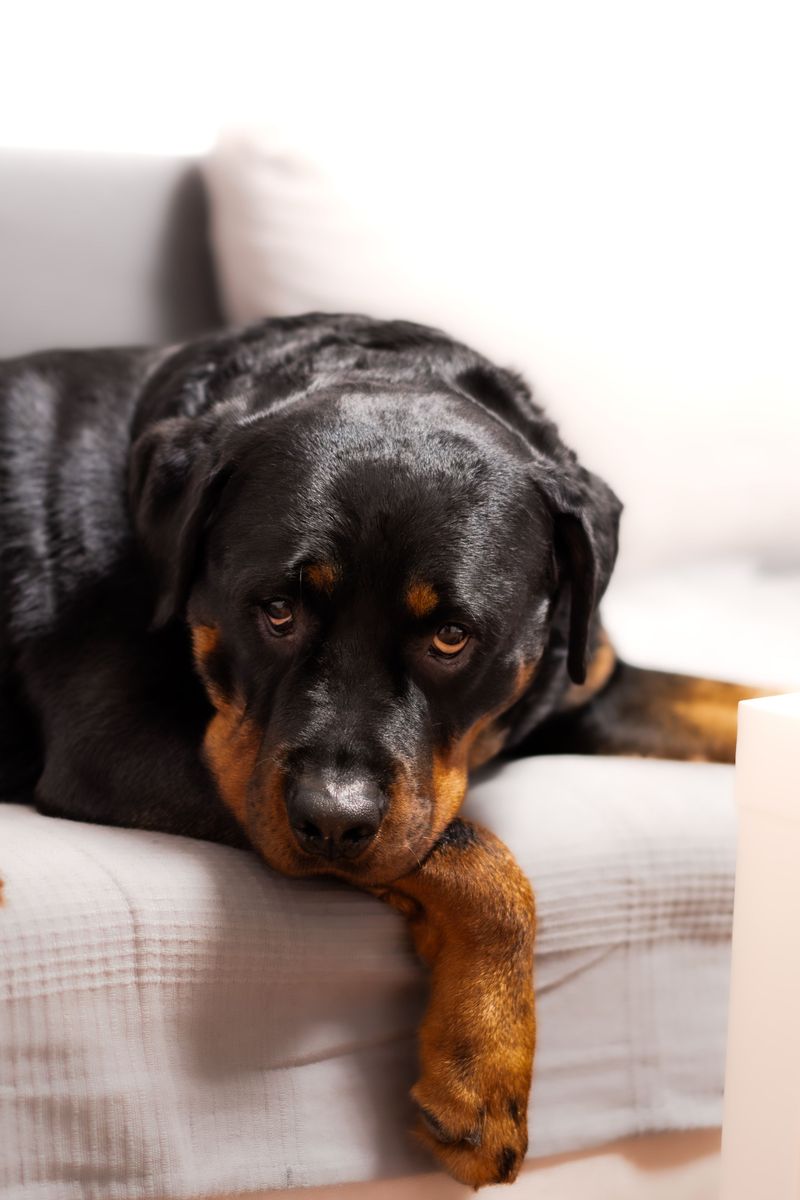
Big muscles, careful mind. Many Rotties show a sweet, measured touch when taught slowly.
Start with strong boards that will not slide or tip. Reward soft paws and quiet focus so finesse becomes the habit.
For tougher rounds, add puzzles that need two paws while holding a wait. Use smaller treats spread thin so effort, not volume, drives interest.
End with a relaxed down to reinforce calm after thinking work.