
Some dogs pick up new tricks in minutes, while others seem to stare at you like you are speaking another language. That does not mean your pup is stubborn or not smart.
Many breeds were made to think on their own, follow their noses, or take things slowly. Knowing your dog’s breed can help you train with more patience and a lot less frustration.
Basset Hound
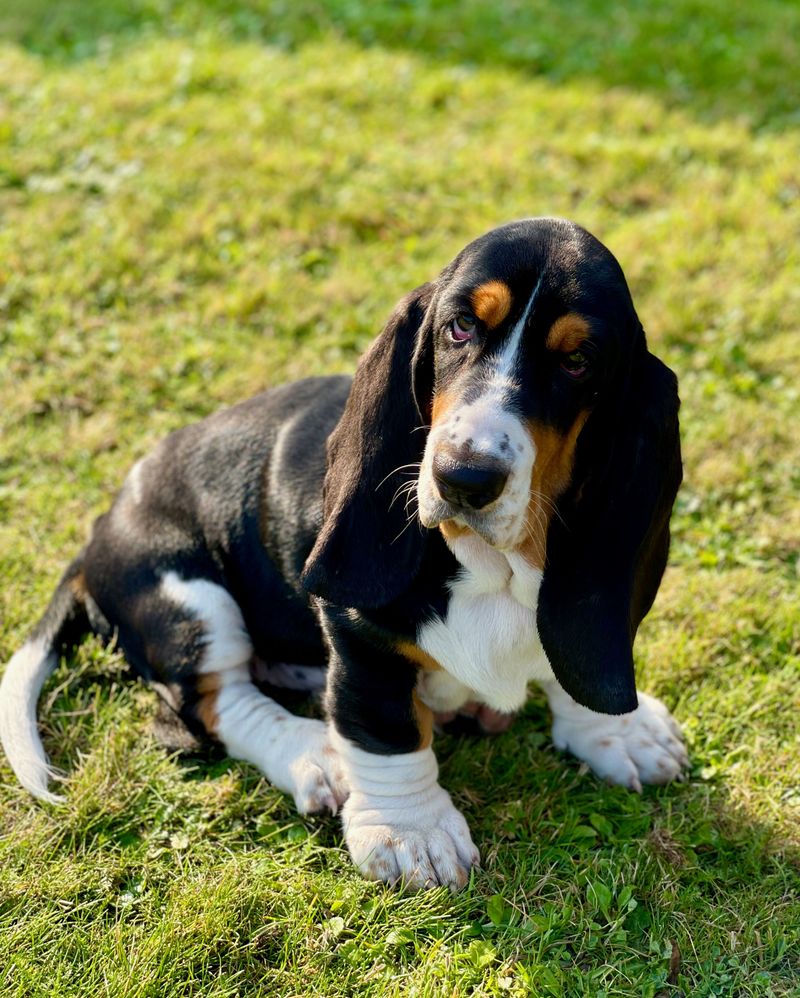
Picture a nose so powerful it can follow a trail that is days old. Basset Hounds live through that nose, so your voice often comes second to an interesting smell.
Training works best indoors or in quiet spots with few scents around. Keep sessions short, around five minutes, and use tasty rewards.
Fun fact: their long ears help sweep smells up toward their face while they track.
Afghan Hound
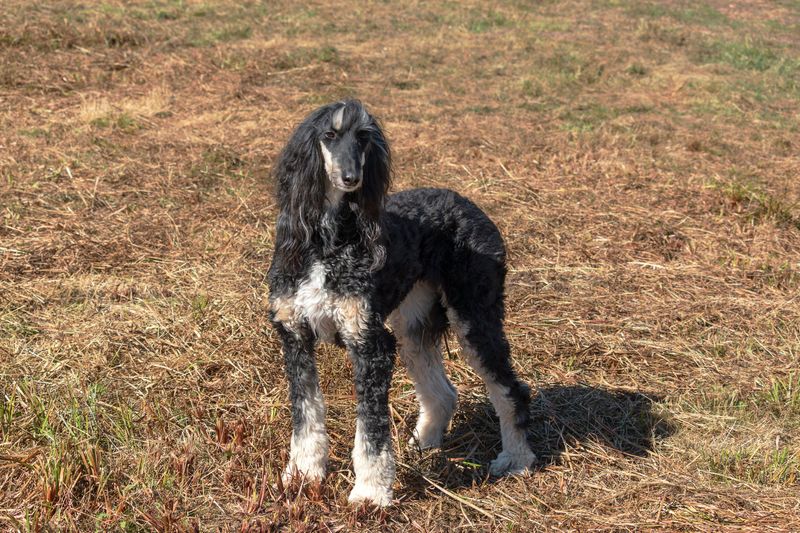
Elegant, aloof, and a little bit royal, the Afghan Hound acts like a model on a runway. Bred to hunt across the mountains of Afghanistan, it learned to make choices without waiting for human orders.
So when your Afghan ignores a command, it may just be thinking it over.
Try gentle repetition and lots of praise. Harsh words make this sensitive breed shut down fast.
Bulldog
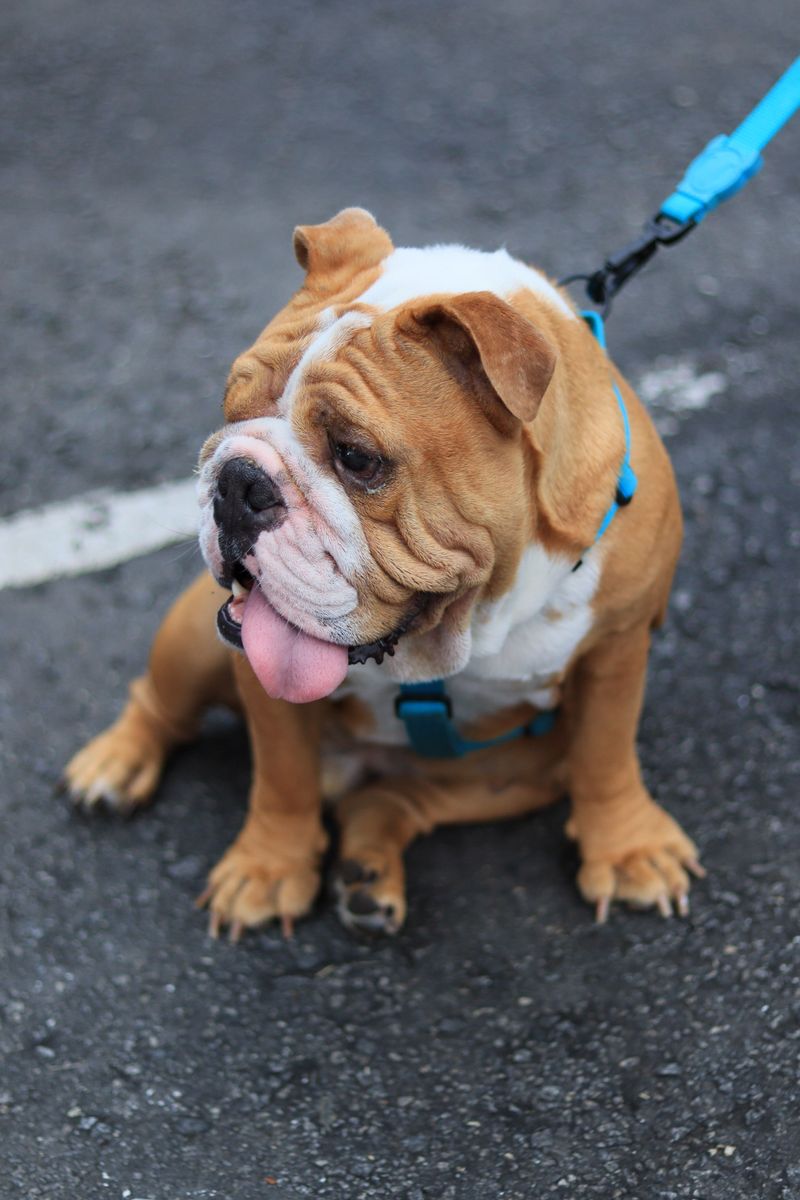
Ever asked a Bulldog to sit, only to watch it flop down for a nap instead? You are not alone.
Bulldogs have a laid-back attitude and low energy, so long training sessions bore them quickly. They also overheat easily, which makes hard workouts a bad idea.
Short, cheerful lessons in a cool room work wonders. Celebrate small wins, and your wrinkly buddy will slowly catch on.
Chow Chow
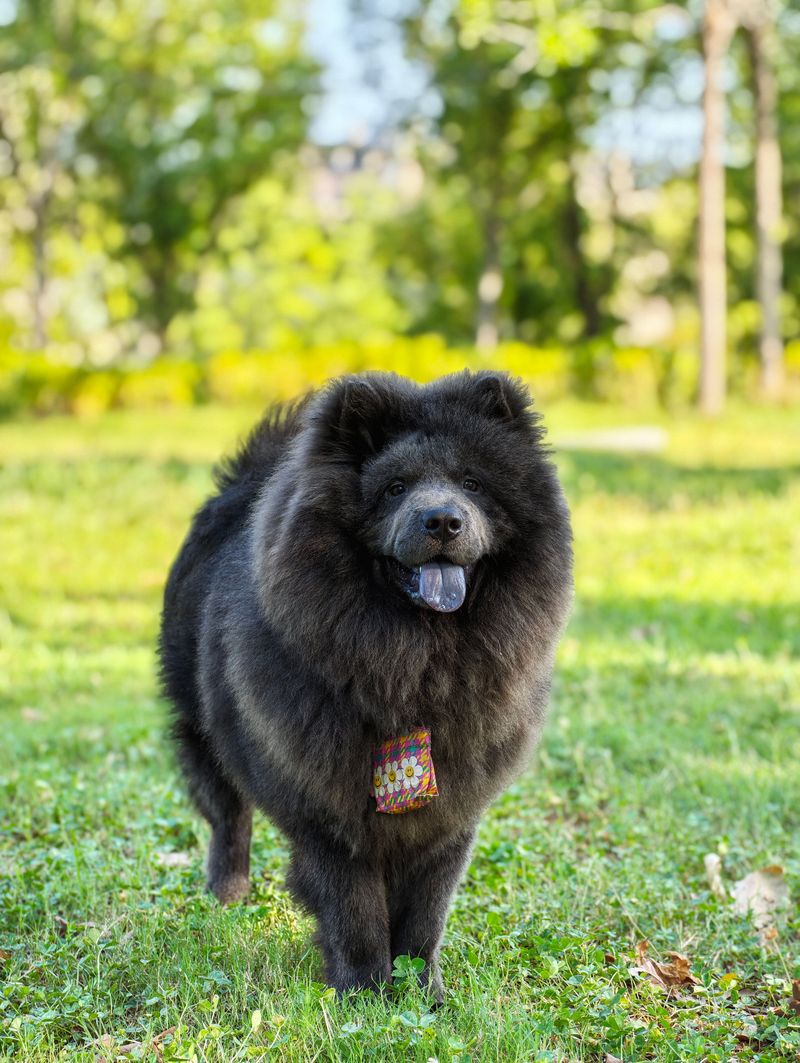
With a mane like a lion and a blue-black tongue, the Chow Chow is one of the oldest breeds from China. It is loyal to its family but often keeps its feelings private.
Chows like to decide whether a task is worth their time. Pushing them rarely helps.
Start training early, keep a calm routine, and earn their trust first. Once a Chow respects you, learning comes much easier.
Bloodhound
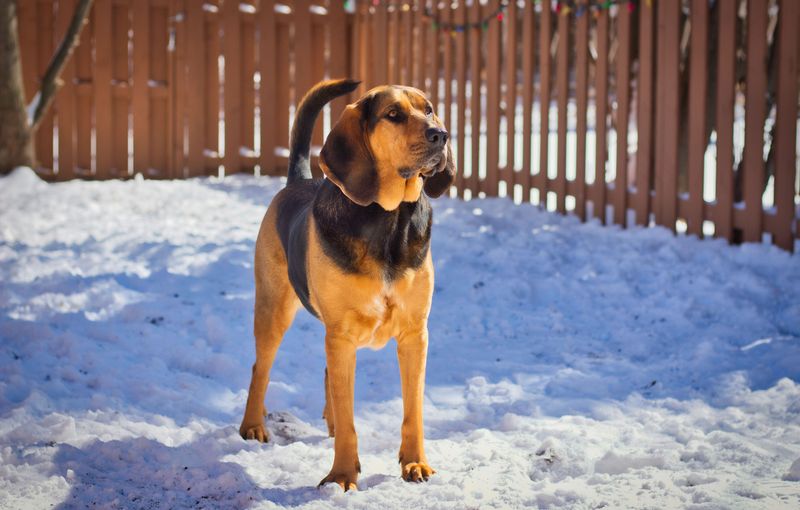
Police have used Bloodhounds to find missing people, and their tracking skills have even been accepted in court. Impressive, right?
That same focus makes basic commands tricky. Once a Bloodhound locks onto a scent, the rest of the world fades away.
Use that nose to your advantage. Hide treats for scent games, and mix obedience into fun sniffing time.
A long leash also keeps your wandering detective safe.
Shiba Inu
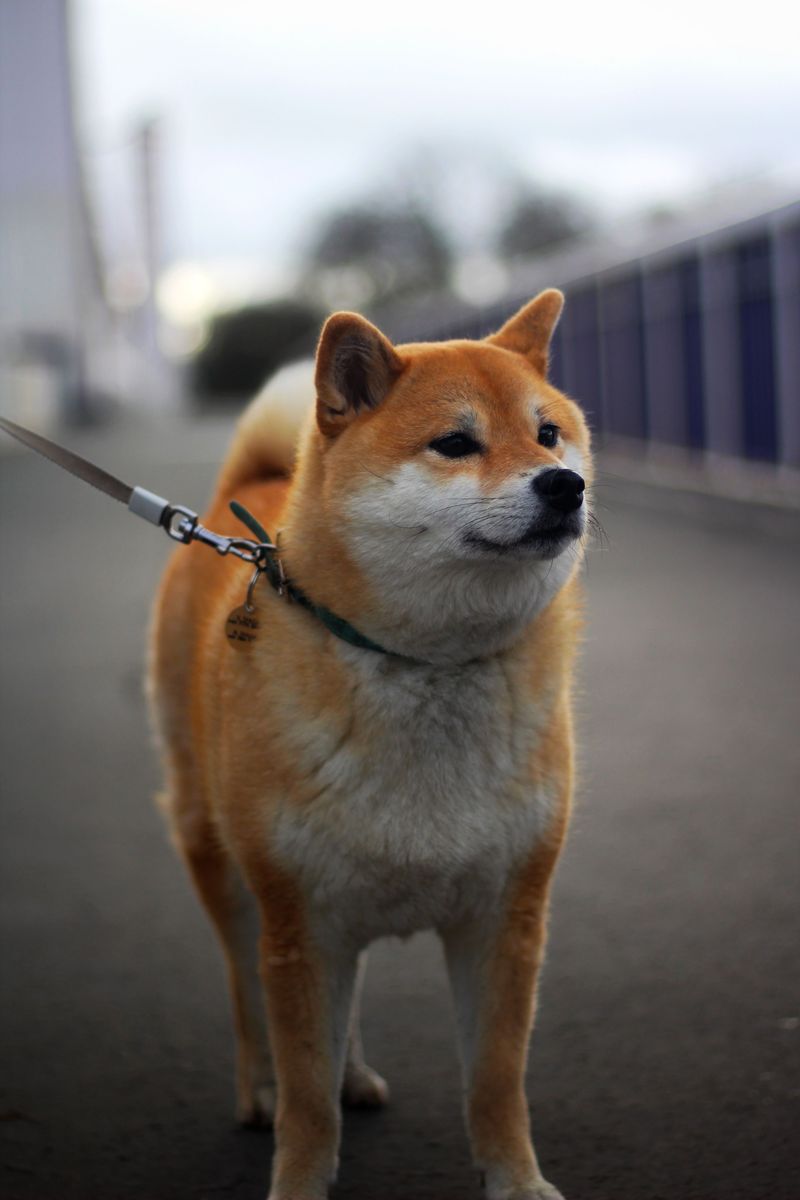
Shiba owners joke that their dogs act more like cats. They groom themselves, do things their own way, and sometimes let out a dramatic scream called the Shiba scream.
This clever breed from Japan understands you just fine. It simply wants a good reason to listen.
Make training feel like a game, switch up rewards, and stop before your Shiba gets bored. Patience truly pays off here.
Beagle
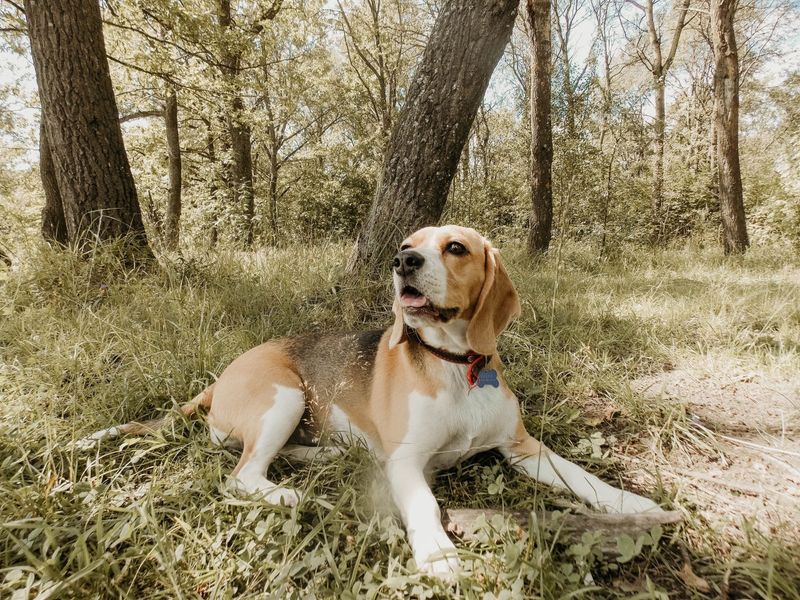
Cheerful and curious, a Beagle could follow a rabbit trail all afternoon. Hunters bred them to work in packs, chasing scents and howling to alert the group.
Because of this, Beagles can drift off mid-lesson to explore. They are not ignoring you on purpose.
Food is their biggest motivator, so tiny treats help a lot. Practice recall often, and always keep your yard securely fenced.
Borzoi
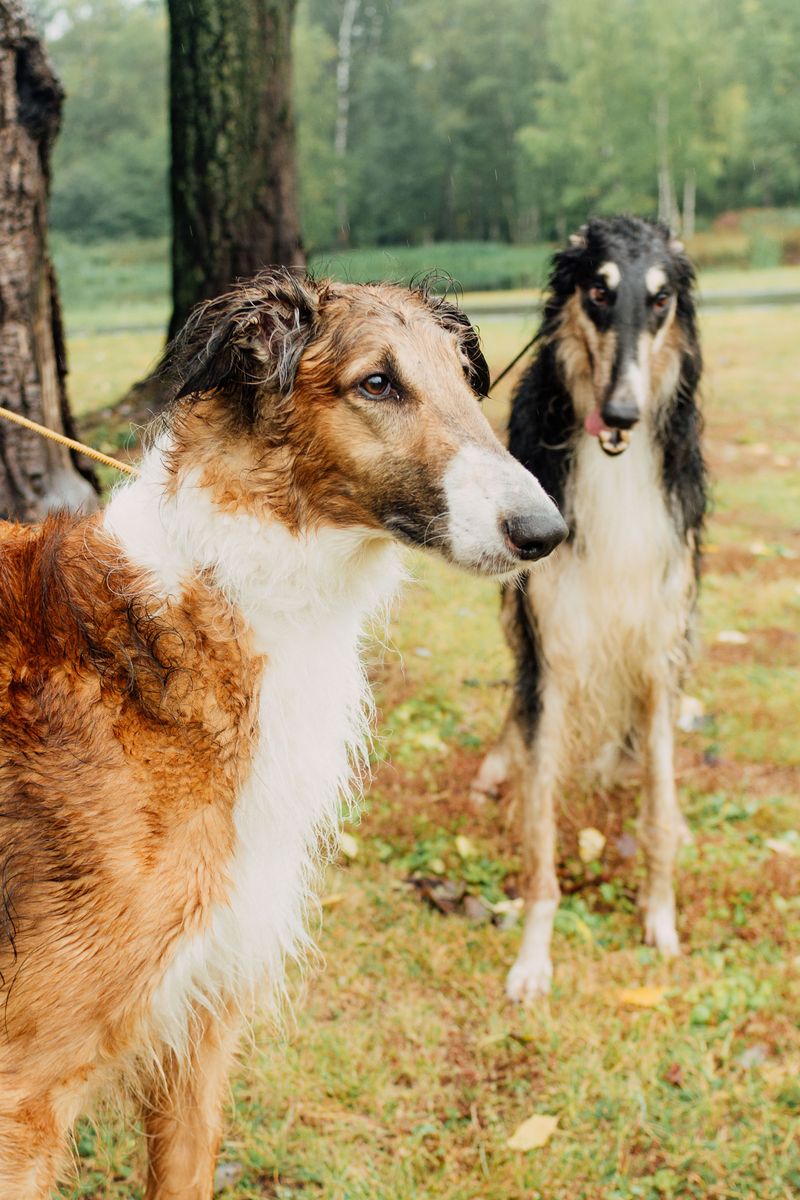
Russian nobles once kept Borzois to chase wolves across wide fields. Today these tall, graceful dogs are calm and quiet at home.
Like many sighthounds, a Borzoi reacts to movement before words. A running squirrel can erase your lesson in seconds.
Train in fenced areas and keep your tone soft. Repeat commands over many days rather than drilling them.
Slow and steady fits this gentle giant perfectly.
Basenji
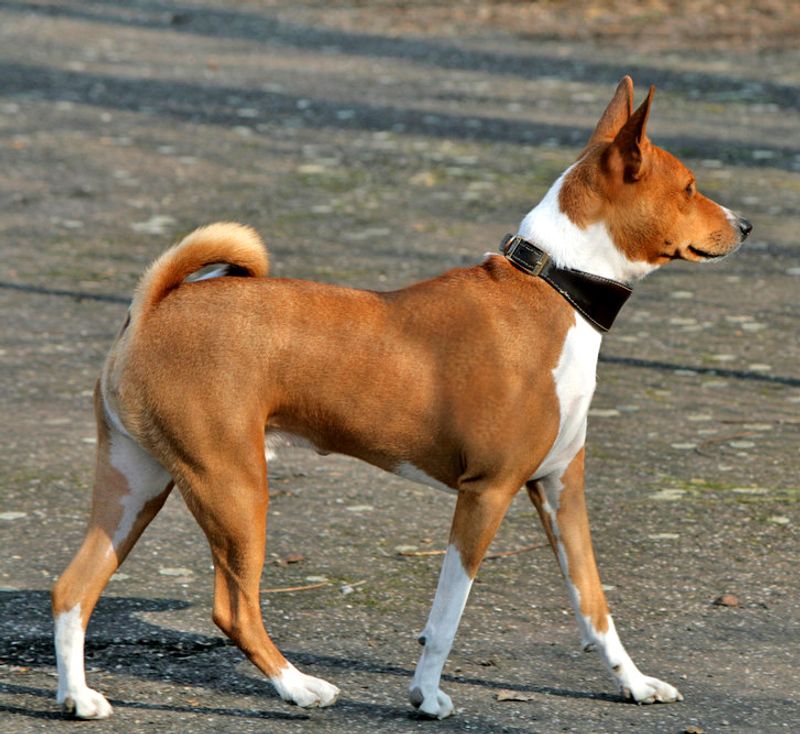
Here is a fun one: the Basenji does not bark. Instead, this African breed makes a yodel-like sound called a barroo.
Basenjis are smart problem solvers, but they love freedom more than following rules. They may test you just to see what happens.
Keep things fresh with puzzle toys and short sessions. Consistent rules matter, since this little escape artist will find any loophole you leave.
Great Pyrenees
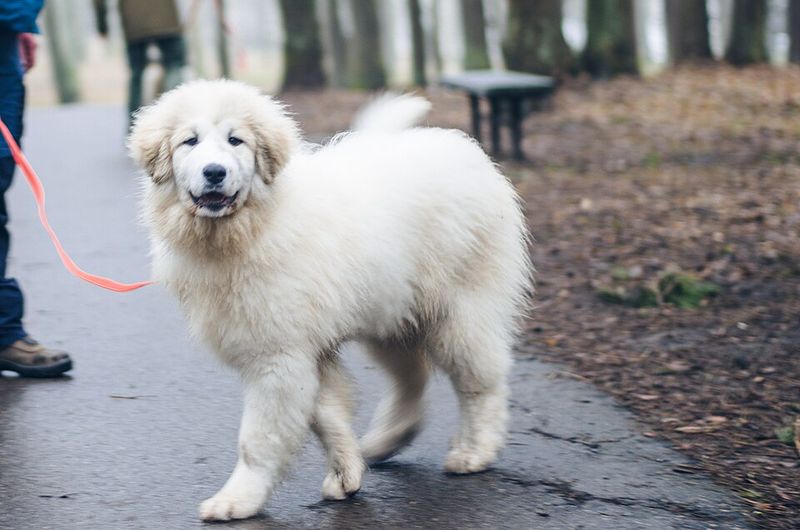
For centuries, Great Pyrenees guarded sheep in the mountains between France and Spain, often with no shepherd around. They had to make big decisions alone.
That history explains why your fluffy giant may pause before obeying. It is weighing whether your request makes sense.
Calm leadership works better than repeating commands loudly. Reward good choices, be patient with recall, and give this guardian a job to feel useful.
Pekingese
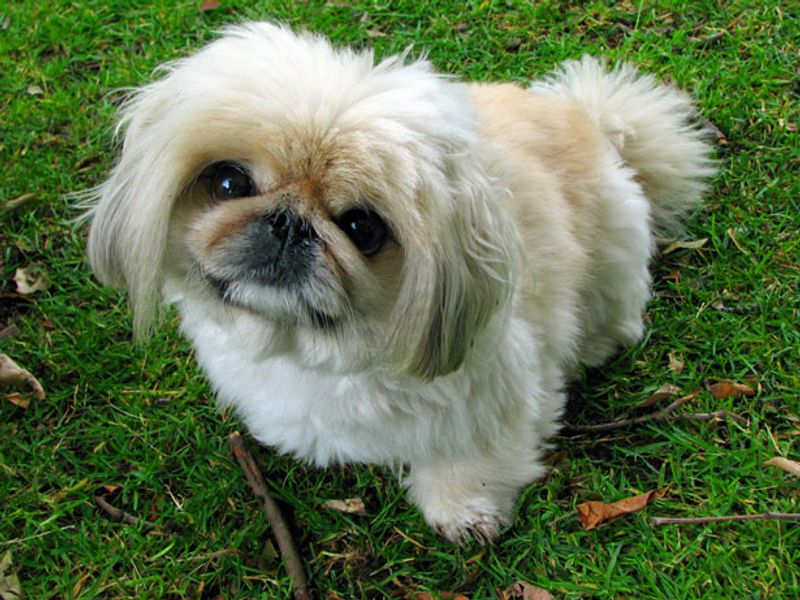
Ancient Chinese royalty treasured the Pekingese, and honestly, this little dog has never forgotten it. It carries itself with serious confidence.
Potty training can take longer than with other breeds. Many owners need several months of steady routine before things click.
Stay positive, take your Peke out on a regular schedule, and praise every success. Gentle encouragement wins over this tiny emperor far better than scolding ever will.
Dachshund
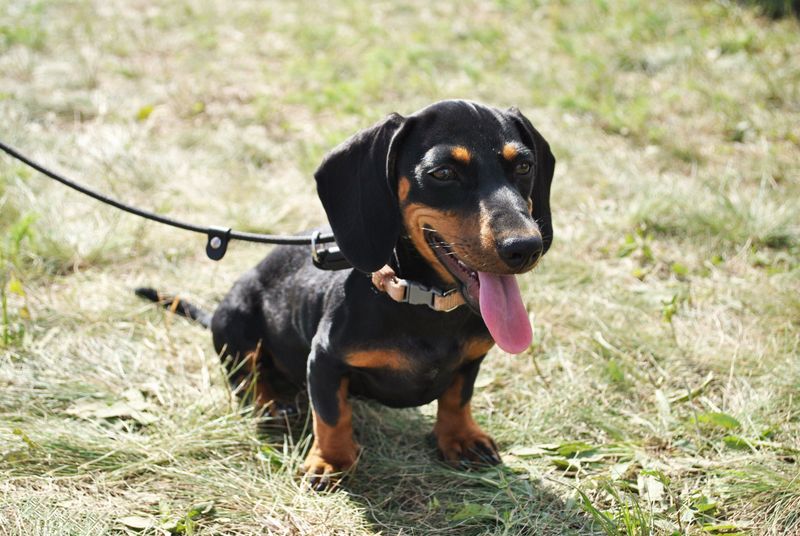
Small body, huge personality. Dachshunds were bred in Germany to dig into badger dens, which took plenty of courage and stubborn grit.
That bold spirit sometimes shows up during training. Your doxie may decide digging the garden beats learning to stay.
Use upbeat rewards and keep lessons playful. Protect their long backs by avoiding jumping tricks.
With time, these spunky hot dogs become surprisingly eager little learners.