
Not every dog goes wild for a treat, and that can make training feel frustrating. Some breeds care more about chasing a ball, getting praise, or simply doing a job they love.
Once you learn what truly excites your dog, lessons get easier and a lot more fun. Here are the breeds that often trade snacks for something better.
Border Collie
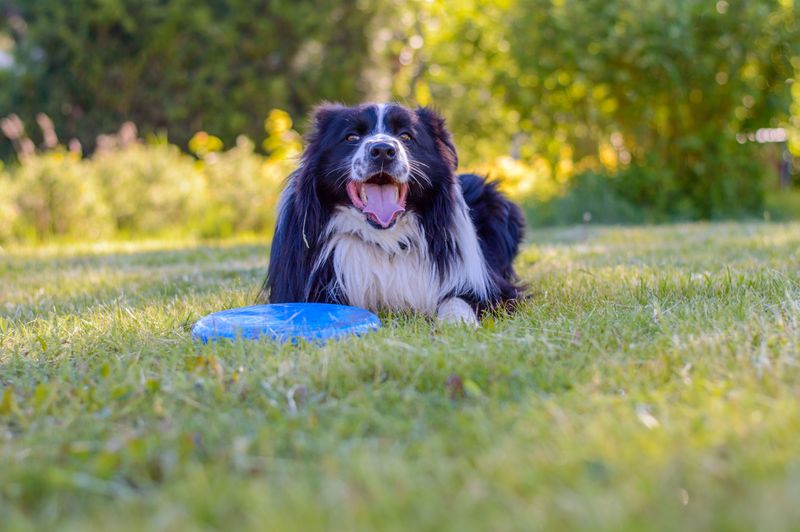
Picture a dog who would rather herd your kids than eat a cookie. Border Collies are wired for work, and a snack often feels boring next to a real task.
Try using a quick game of fetch or a frisbee toss as the reward after each correct command. Short herding-style games like weaving cones also work wonders.
Keep sessions brief and lively. A bored collie may invent its own job, and you might not like it.
Belgian Malinois
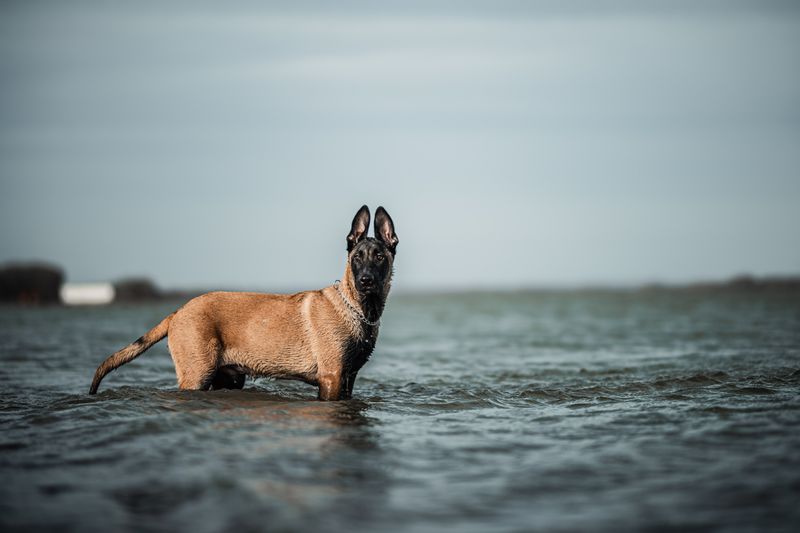
Police and military handlers swear by one thing with the Malinois: the tug toy. Many of these intense dogs will ignore steak if a rope is wiggling nearby.
Use tug as a reward, but set clear rules. Teach a solid drop it cue so the game starts and stops on your terms.
Fun fact: Malinois have parachuted alongside soldiers. A dog that brave deserves an exciting paycheck, not just a kibble.
Labrador Retriever
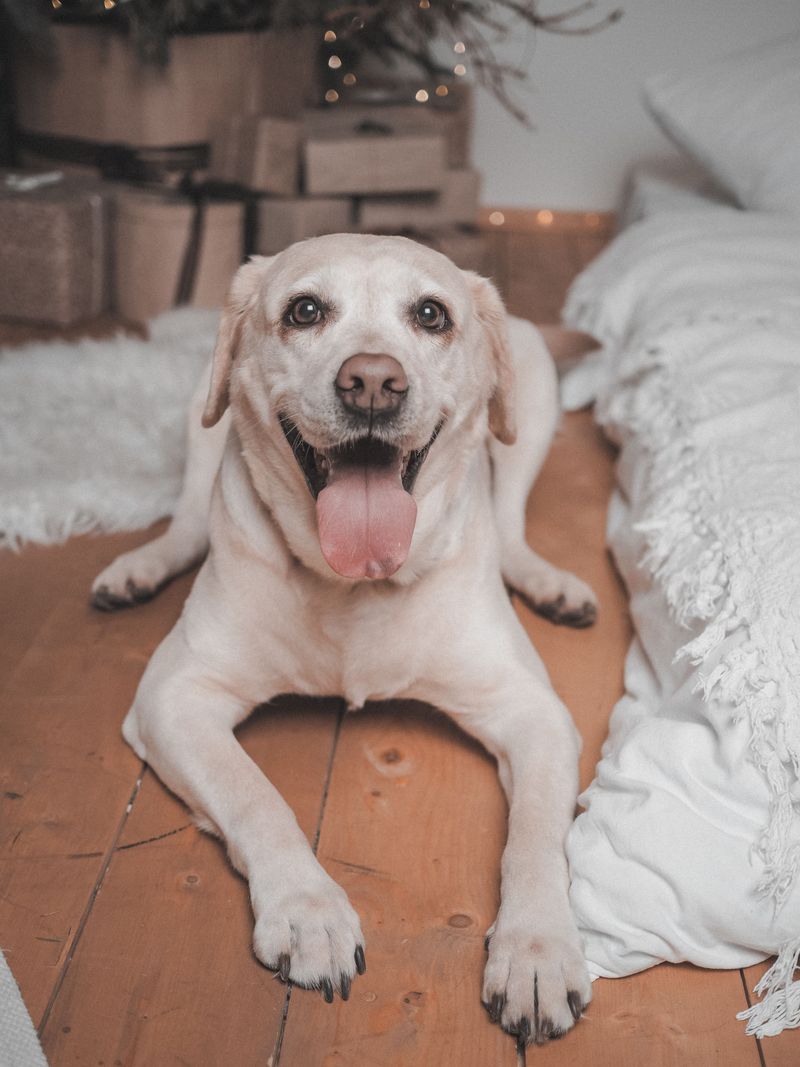
Wait, a Lab that skips snacks? It happens more than you think, especially with working-line dogs from hunting families.
For these pups, a soaked tennis ball is pure gold. Toss it into a pond after a good sit, and you will see a tail that could power a windmill.
Did you know? Labradors actually come from Newfoundland, Canada, where they helped fishermen pull in nets and fetch fish from icy water.
Jack Russell Terrier
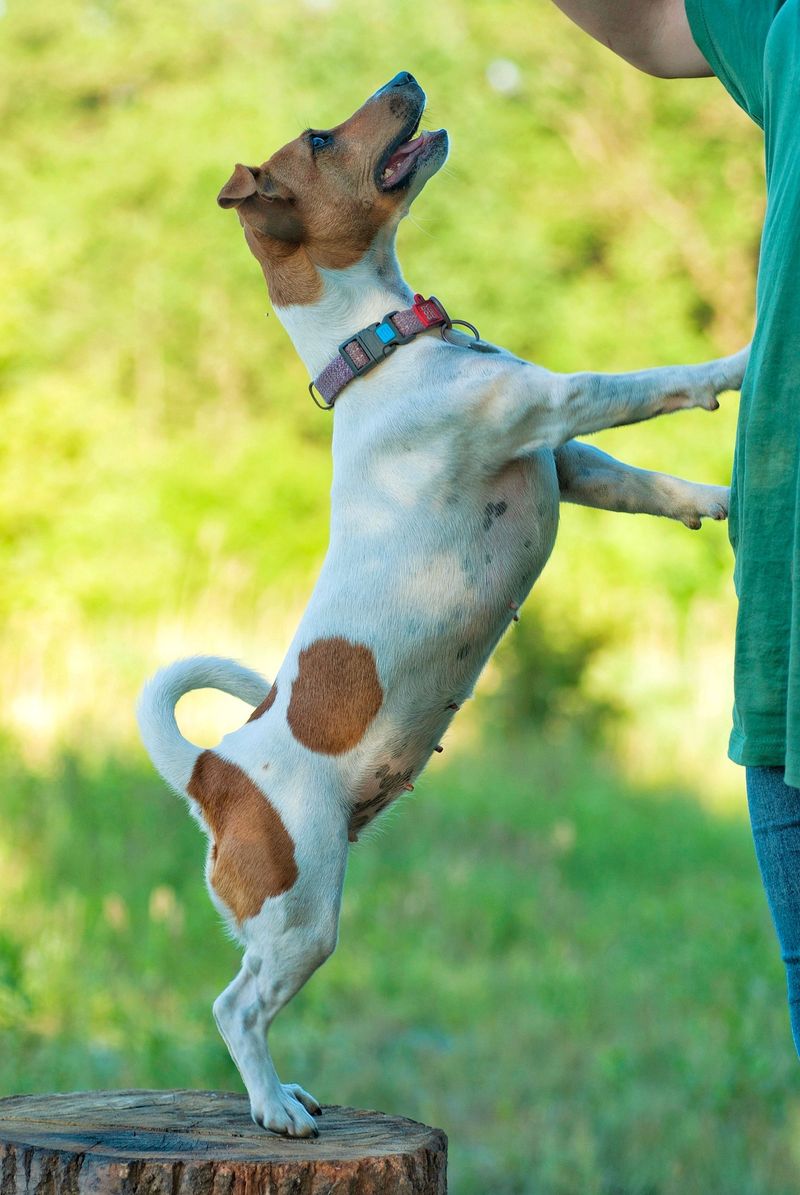
Small body, giant engine. Jack Russells were bred to chase foxes, so anything that zips across the ground beats a biscuit every time.
A flirt pole, basically a stick with a lure on a rope, is a fantastic reward tool. Let your terrier chase it for a few seconds after nailing a command.
Watch the energy level, though. Ending the game while your dog still wants more keeps that spark alive for next time.
Siberian Husky
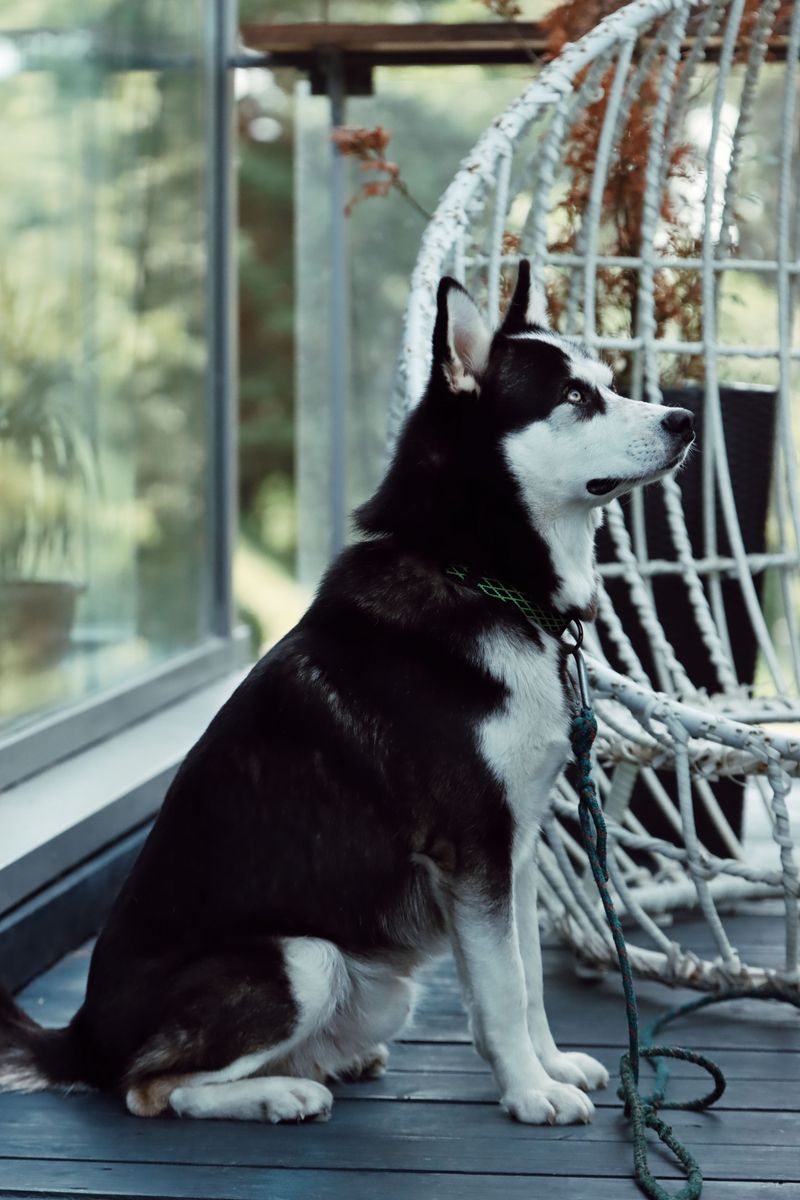
Huskies march to their own drum, and owners often joke that they answer only when it suits them. Food can help, but freedom to move matters more.
Use running as the prize. After a good recall, let your husky pull ahead on a long line or harness for a quick jog.
These sled dogs once ran medicine over 600 miles to Nome, Alaska. Moving forward is basically their love language.
Australian Shepherd
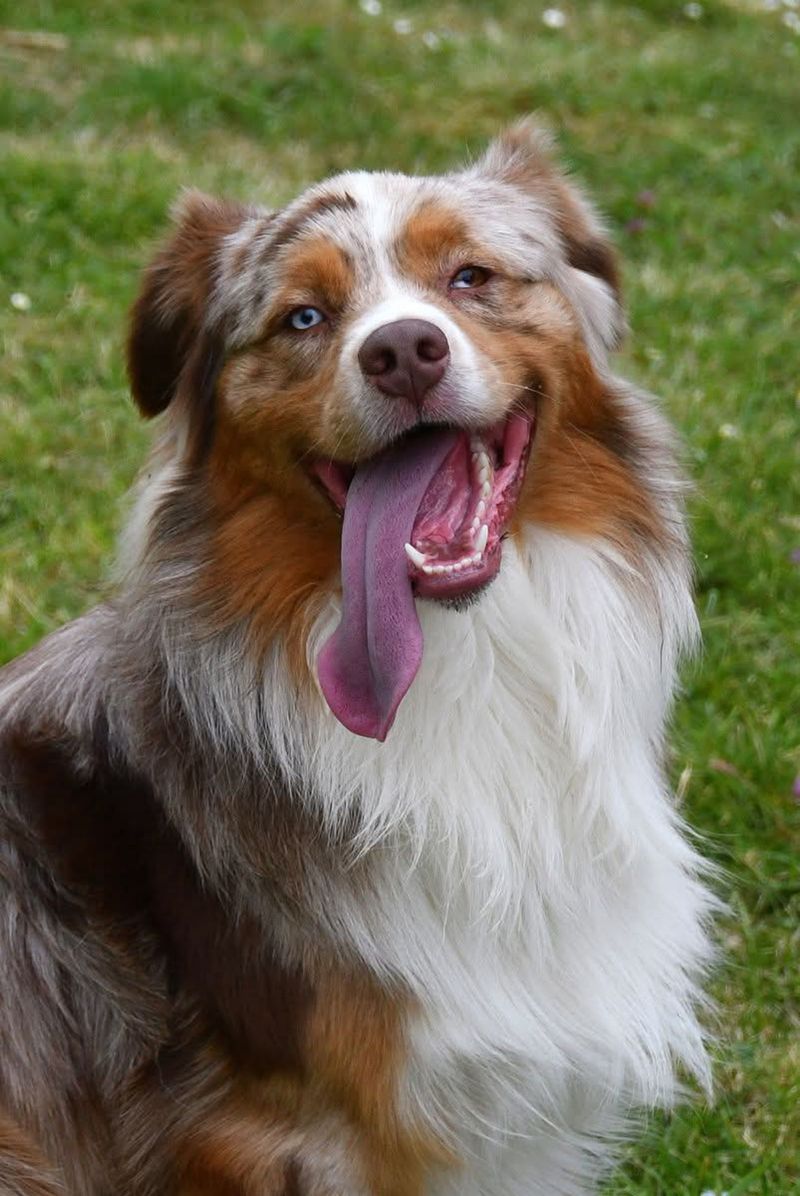
Aussies light up when you light up. Honest, upbeat praise from their favorite person can mean more than any chicken strip.
Try a big, happy voice, a quick belly rub, or a burst of trick training as the reward. Many Aussies treat learning a new trick as a treat itself.
Agility courses are another winner. Running tunnels and jumps with you gives this clever herder the teamwork it craves.
German Shepherd
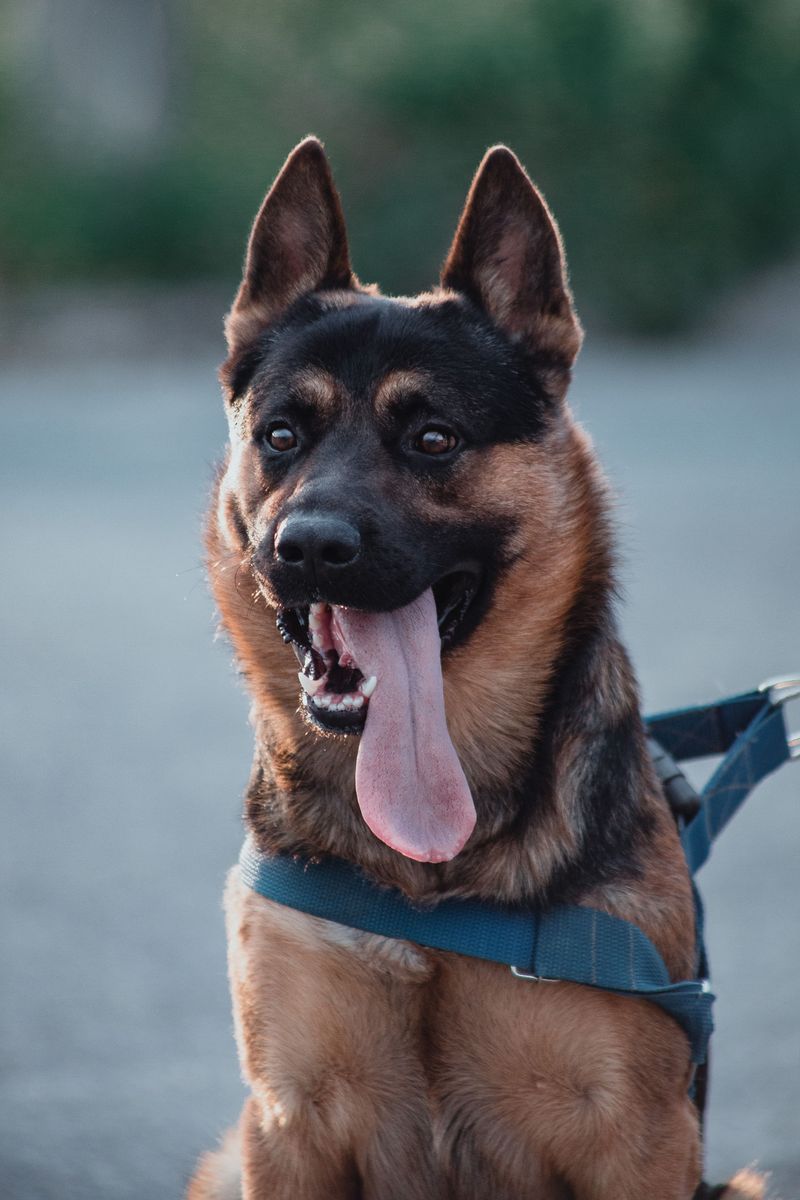
Loyal to the core, the German Shepherd often works for one thing above all: your approval. Many will stare at your face, not your treat pouch.
Reward with calm praise, a firm chest scratch, or a favorite ball on a rope. Some shepherds love scent games, like finding a hidden toy.
Steady routines help this breed shine. Clear signals and real connection turn training into a partnership instead of a snack trade.
Greyhound
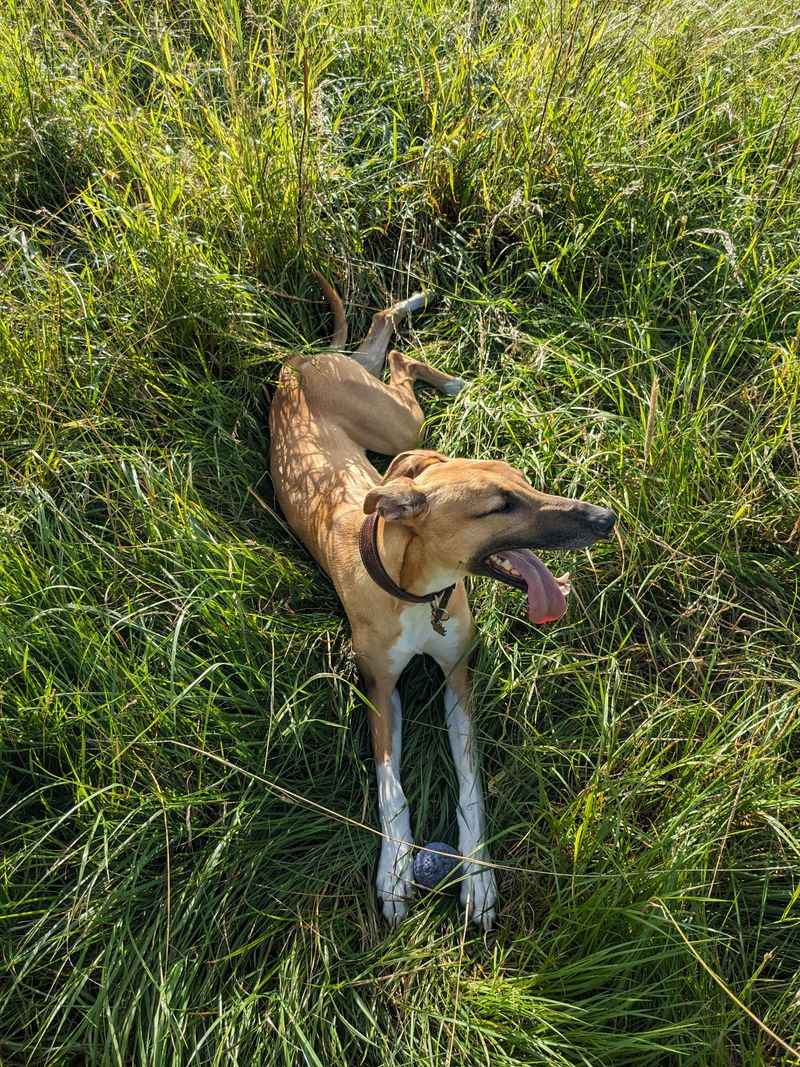
Here is a surprise: many retired racing greyhounds are picky eaters who prefer comfort and speed over snacks. They are sometimes called 45 mph couch potatoes.
Reward a good recall with a short sprint after a squeaky lure toy in a safe, fenced area. Then let them flop onto a soft bed.
Gentle petting and quiet time also count as rewards for this sensitive breed. Rest is a prize they truly value.
Shiba Inu
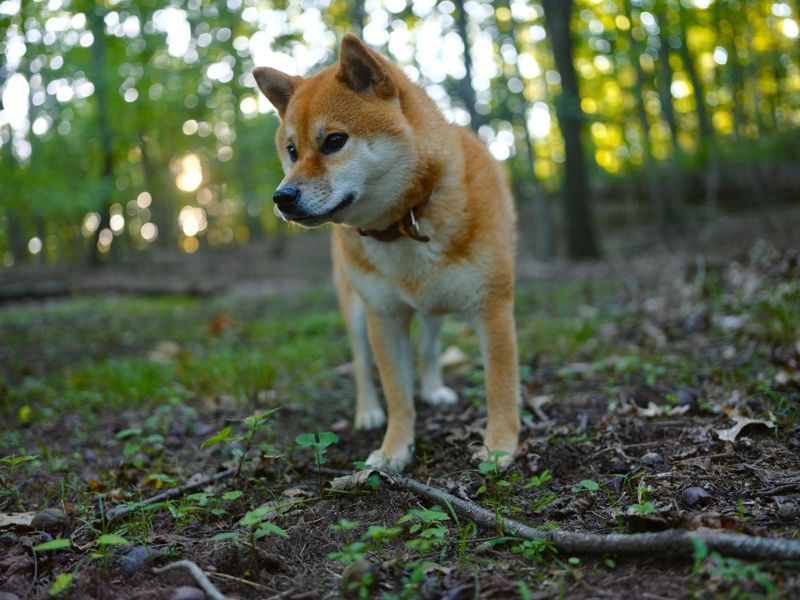
Ever met a dog who acts like a cat? Shiba Inus are proud, independent, and rarely impressed by a basic treat.
Sniffing time can be your secret weapon. After a nice loose-leash walk, say go sniff and let your Shiba explore a smelly patch of grass.
This ancient Japanese breed was once used to hunt in thick brush. Letting that curious nose work feels like a real reward to them.
Golden Retriever
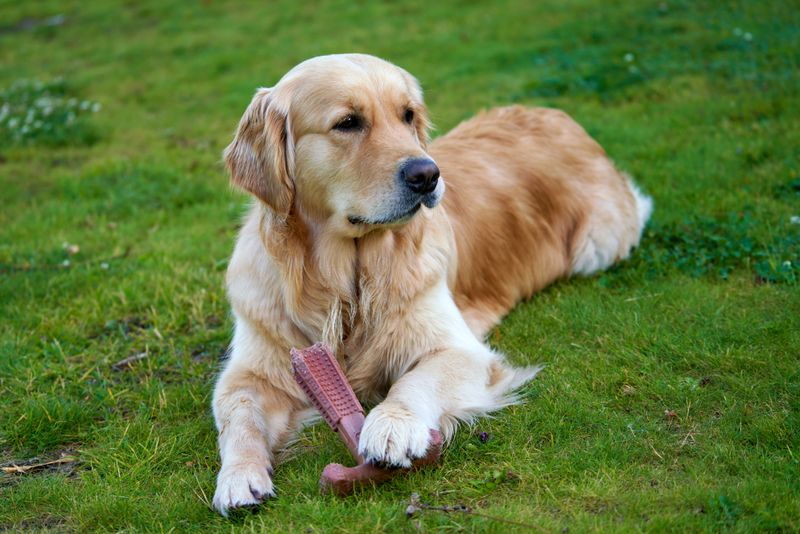
Goldens are famous for carrying things around like proud little gifts. Some would rather hold a stuffed toy than gobble a cookie.
Hand over a favorite plush after a good behavior, or play a short game of indoor fetch. Cheerful words and ear rubs also land well.
Because this breed loves people so much, simply joining the family on the couch can feel like winning the lottery to them.
Beagle
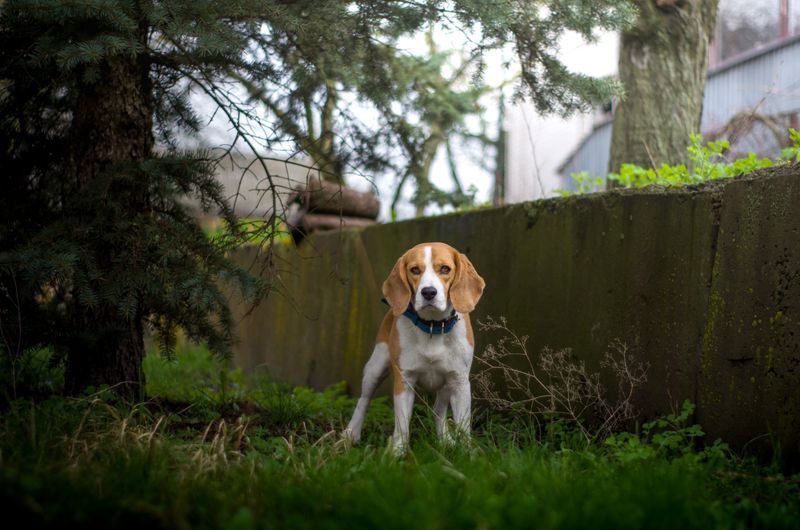
Yes, most Beagles love food. Yet some get so lost in a smell that even bacon cannot compete with what their nose found.
Turn that into a reward. Hide a toy and let your Beagle track it down, or set up a short scent trail after a good sit.
Beagles have around 220 million scent receptors. Using that powerful sniffer gives them joy and tires them out better than a walk.
Afghan Hound
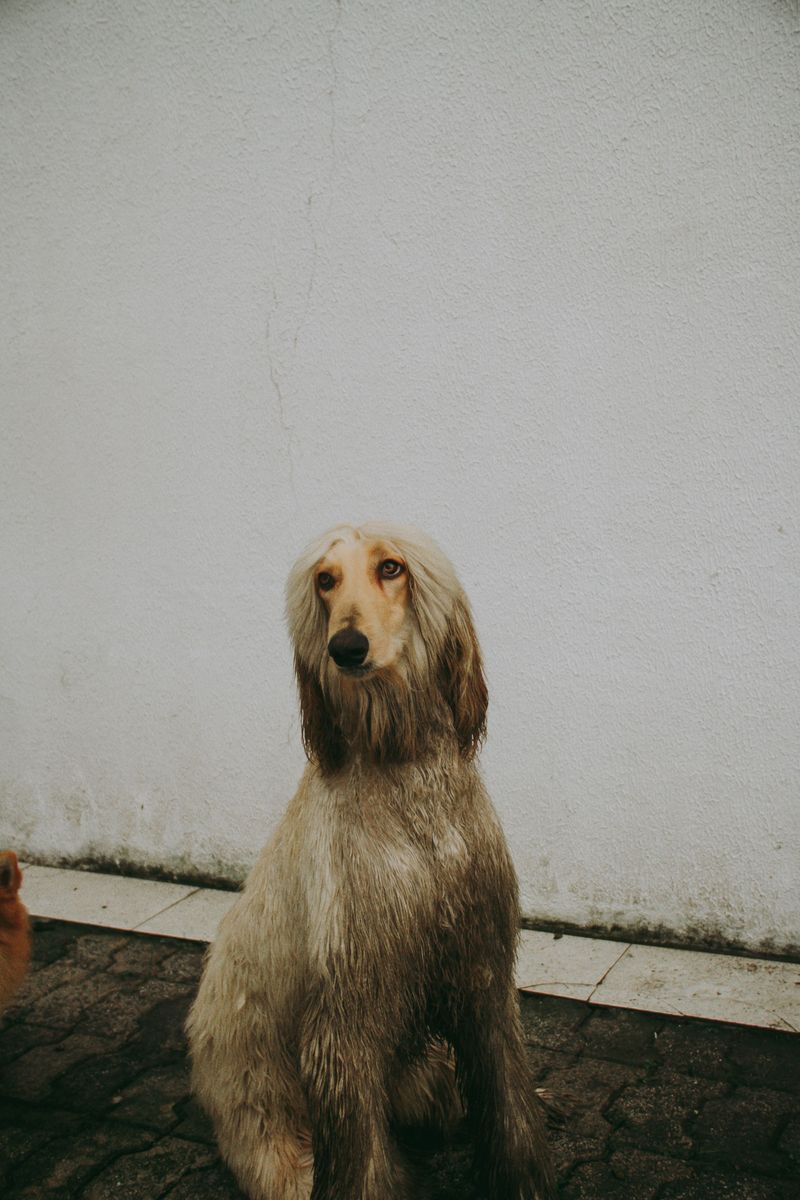
Elegant and a little aloof, the Afghan Hound often looks at treats like a fancy guest eyeing cheap snacks. Food just does not move them much.
Gentle brushing, soft praise, and a chance to run freely in a fenced space work far better. Keep training short, calm, and respectful.
Bred to hunt in the mountains of Afghanistan, this hound thinks for itself. Earning its trust is the real key to success.