
Some dogs look so much like wolves that people stop and stare when they walk by. But here is the surprise: a wolfish face does not always mean wolfish genes, and some of the most wolf-like dogs are actually modern mixes.
Learning the real story behind these breeds helps owners understand their needs and avoid common myths. Get ready to meet eleven dogs that could fool you at first glance.
Czechoslovakian Wolfdog: A Real Science Project
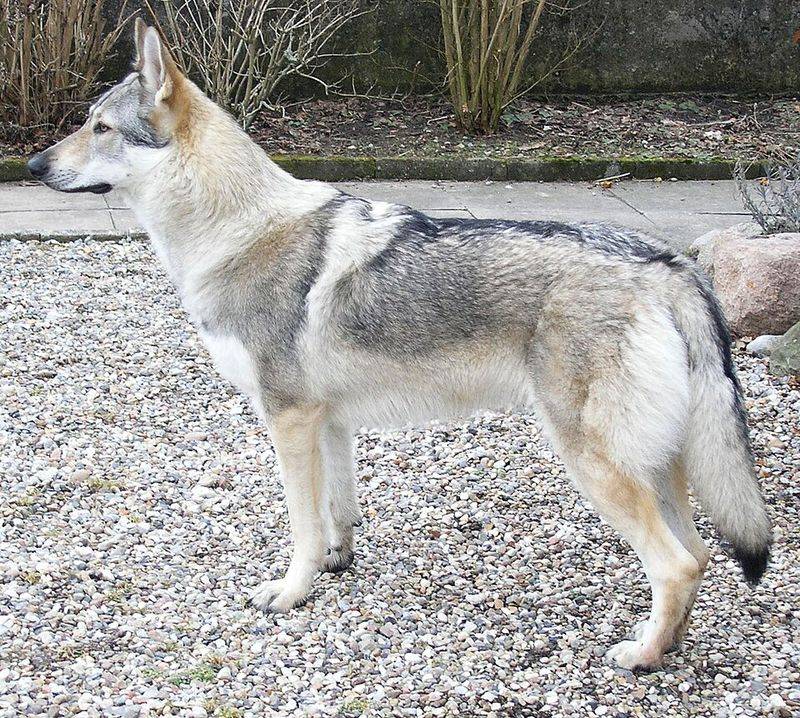
Back in 1955, scientists in Czechoslovakia crossed German Shepherds with Carpathian wolves to see what would happen. The result was a dog with true wolf blood and a stare to match.
Owners describe them as loyal but stubborn, a bit like living with a clever teenager. They need hours of exercise and patient training every single day.
Tip: if you work long hours, pick another breed. Boredom turns them into backyard escape artists.
Siberian Husky, the Sled Racer With Blue Eyes
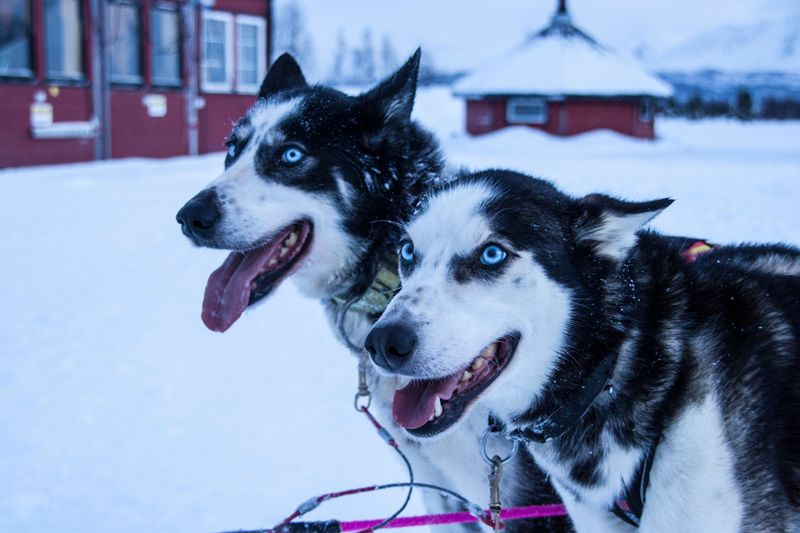
Picture a team of dogs racing through a blizzard with medicine for sick children. That really happened in Alaska in 1925, and Huskies made the trip.
Many people assume these dogs are part wolf. Genetic tests say no, though they do share some ancient DNA with an extinct Siberian wolf.
Huskies howl, dig, and shed like crazy twice a year. Keep a sturdy brush handy and a tall fence, too.
Alaskan Malamute: The Gentle Freight Hauler
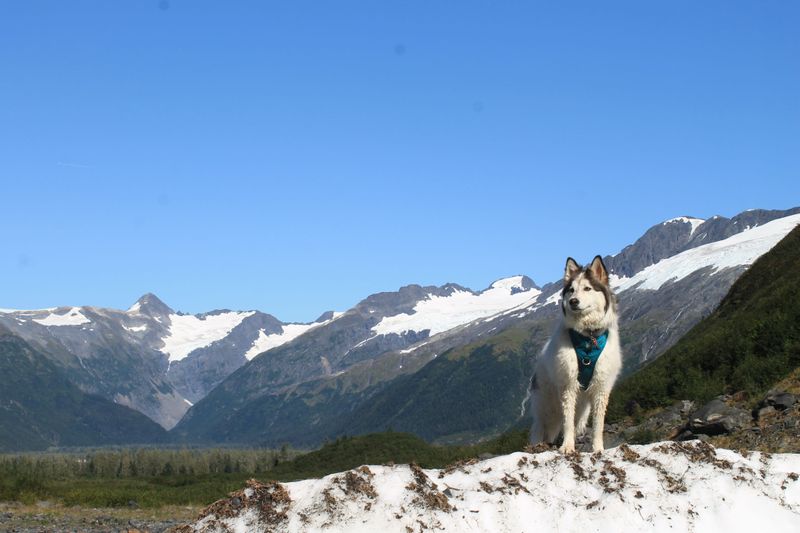
Ever seen a dog that looks like it could pull a pickup truck? Meet the Malamute, bred by the Mahlemiut people to haul heavy loads across frozen land.
It is one of the oldest sled breeds, with roots going back thousands of years. Despite that wild look, most are friendly goofballs who love people.
Warning for warm climates: their thick coats make summer tough. Shade, cool water, and early morning walks really help.
Saarloos Wolfdog, a Shy Dutch Surprise
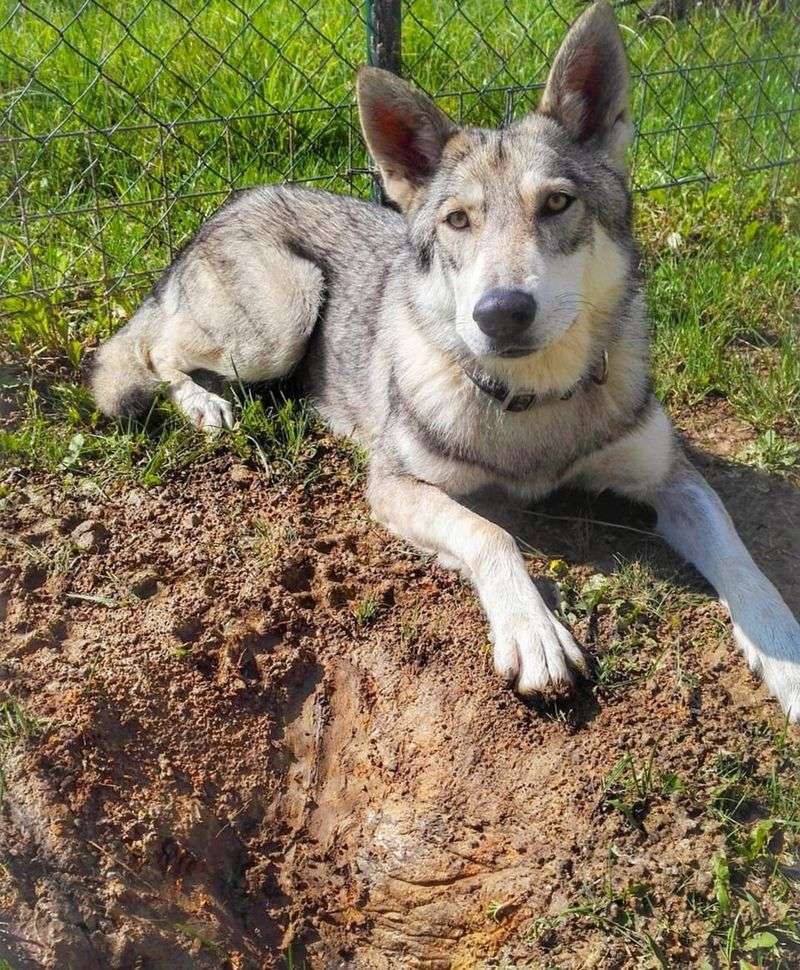
Leendert Saarloos was a Dutch breeder who wanted a tougher German Shepherd. So in the 1930s, he added a wolf to the mix.
What he got was a dog that acts more like a wild animal than he expected. Saarloos Wolfdogs are often nervous around strangers and prefer to run rather than bark.
They bond deeply with their families, though. Calm homes, quiet routines, and gentle socialization from puppyhood make a huge difference.
Northern Inuit Dog and the Direwolf Fame
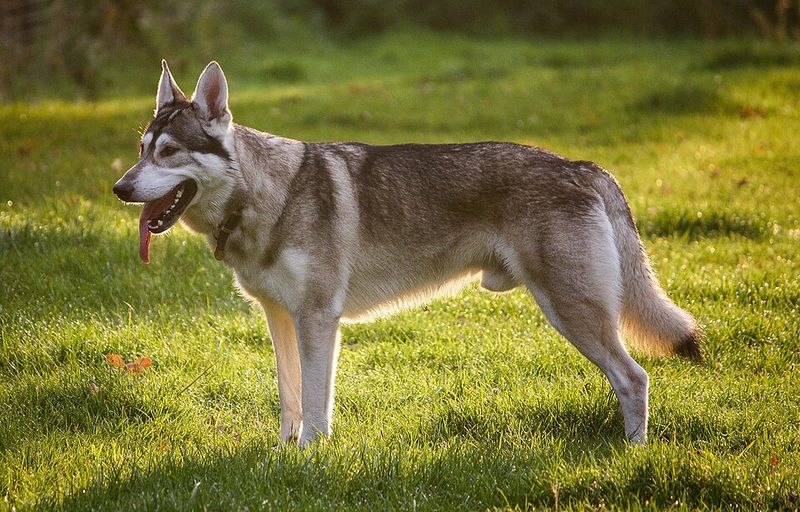
Fans of a famous fantasy TV show might recognize this one. Northern Inuit Dogs played the giant direwolf pups on screen!
Here is the twist: they have no recent wolf ancestry at all. Breeders in the UK created them in the 1980s by mixing Huskies, Malamutes, and German Shepherds.
After the show aired, many people bought them on impulse. Sadly, lots ended up in shelters, so research carefully before bringing one home.
Tamaskan, Built to Look Wild
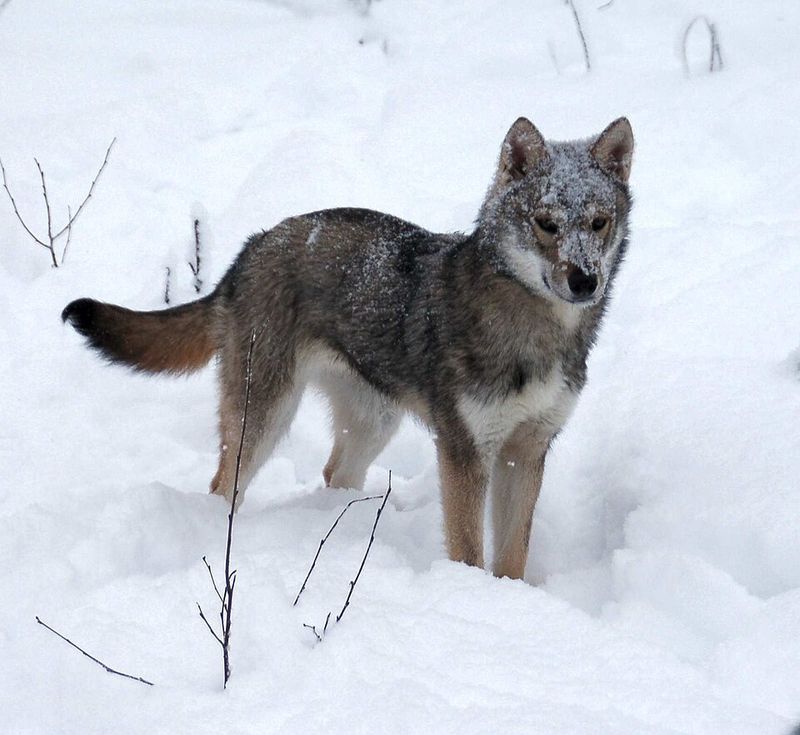
Some breeds happen by accident. The Tamaskan was designed on purpose to look as wolfish as possible, starting in Finland and the UK during the 1980s.
Under all that fur, it is a working dog mix with very little wolf in it. Families love its friendly, playful attitude and strong pack instinct.
Fun fact: Tamaskans excel at agility and sledding. Give them a job, and they glow with pride.
German Shepherd: The Classic Wolfish Hero
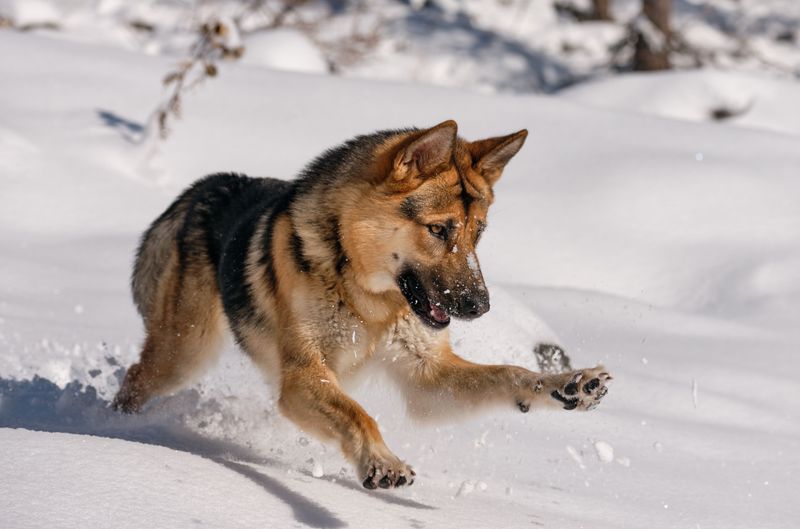
Police officers, soldiers, and search teams all trust this famous breed. With pointed ears and a long snout, it often gets mistaken for a wolf in old photos.
Yet the German Shepherd was bred from farm herding dogs in 1899, not wolves. Captain Max von Stephanitz wanted the perfect working partner.
Smart and eager, Shepherds learn fast. Mental puzzles and daily training sessions keep their busy brains happy and calm.
Utonagan, a Friendly Lookalike
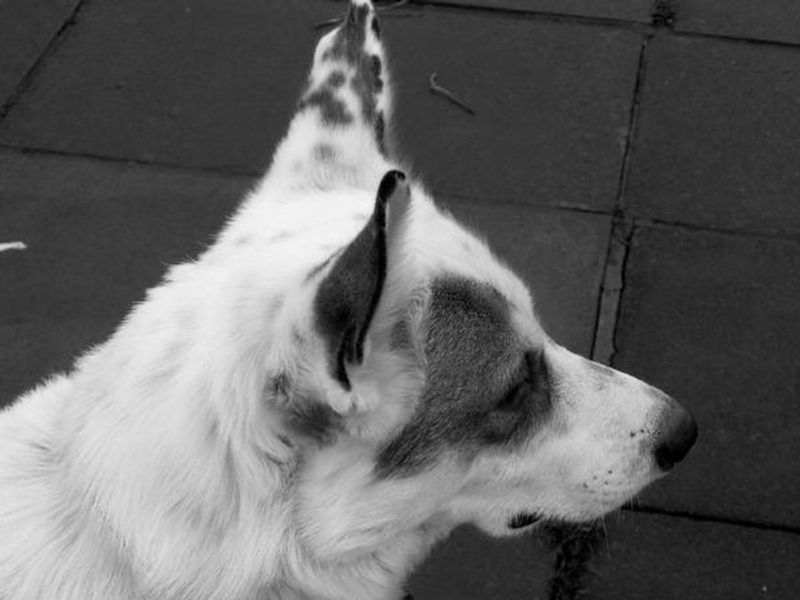
Imagine wanting a wolf but needing a dog that loves kids and naps on the couch. That dream created the Utonagan in England during the 1980s.
Breeders mixed rescued sled-type dogs with German Shepherds. The result looks wild but behaves like a big, cuddly friend.
Utonagans are not recognized by major kennel clubs yet. Still, owners rave about their sweet hearts.
Moderate exercise and regular grooming keep them in great shape.
Shikoku: Japan’s Little Wolf
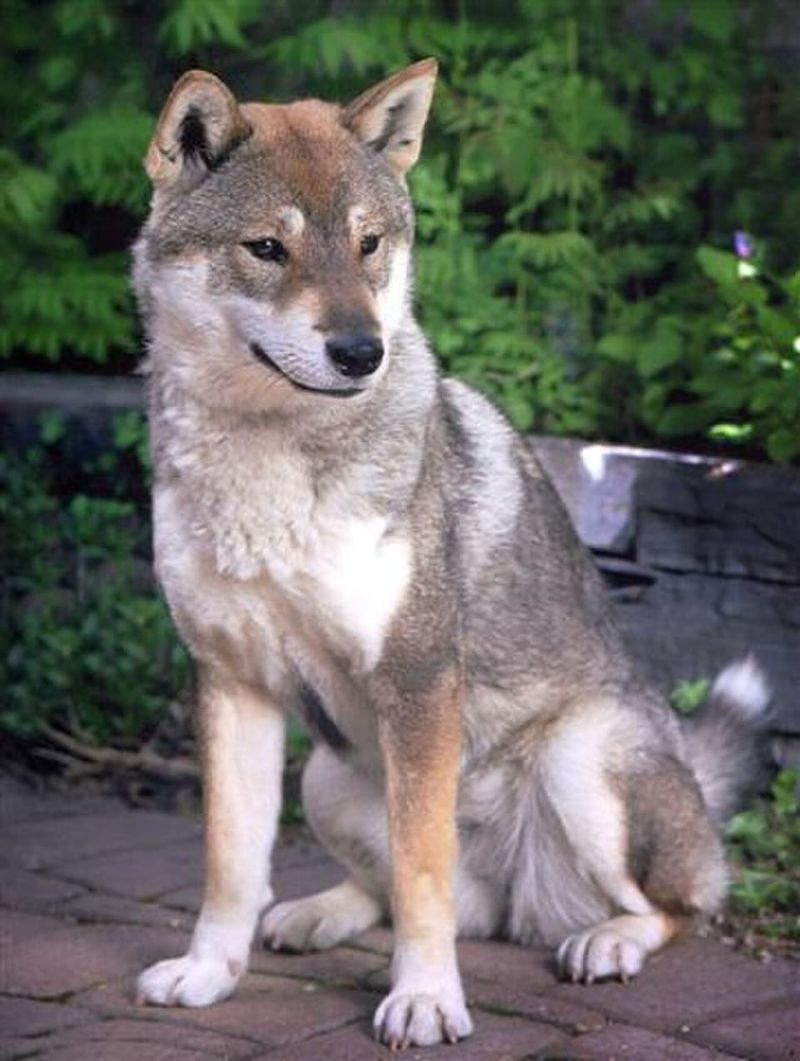
Hidden in the mountains of Shikoku island, hunters once used a small, wolfish dog to track wild boar. Today it is a national treasure in Japan.
Shikokus look a lot like the extinct Japanese wolf, which makes them extra special to locals. They are quick, alert, and surprisingly quiet.
Did you know? Genetic studies show Japanese breeds are among the oldest dog lineages.
This pup carries ancient history in its paws.
Samoyed, the Smiling Arctic Cloud
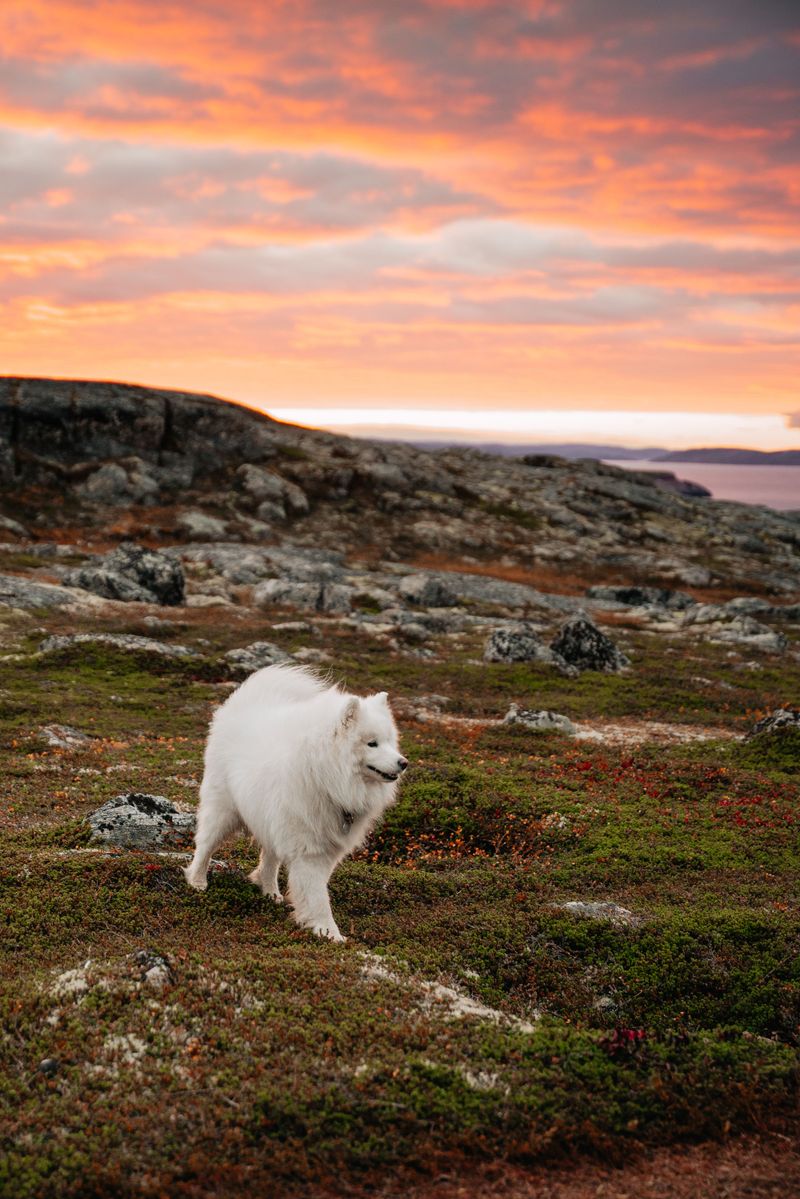
White fur, perky ears, and a grin that never quits. The Samoyed resembles a snowy Arctic wolf, but its personality is pure sunshine.
Bred by the Samoyedic people of Siberia, these dogs herded reindeer and kept families warm at night. Like Huskies, they belong to an ancient group of breeds closer to early dogs.
Be ready for fluff everywhere. Weekly brushing is a must, and some owners even spin the shed fur into yarn!