
Some dogs seem like the perfect buddy when you first bring them home. They cuddle, follow you around, and love every minute you spend together.
But when you leave for work or school each day, a few breeds can feel lonely, stressed, or even destructive. Knowing which dogs struggle with alone time can help you pick a pet that truly fits your daily schedule.
Labrador Retriever
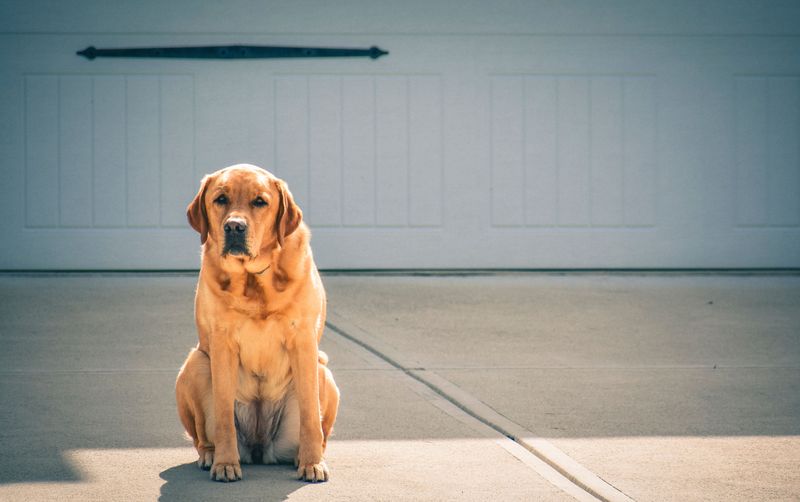
Picture coming home to a chewed couch cushion and a wagging tail that says, I missed you so much! Labs are famous for their sunny, people-loving spirit.
That friendliness has a flip side. They were bred to work beside humans all day, so long stretches alone can lead to boredom and chewing.
Try puzzle feeders, a long walk before you leave, or a midday dog walker to keep your Lab calm and happy.
Border Collie
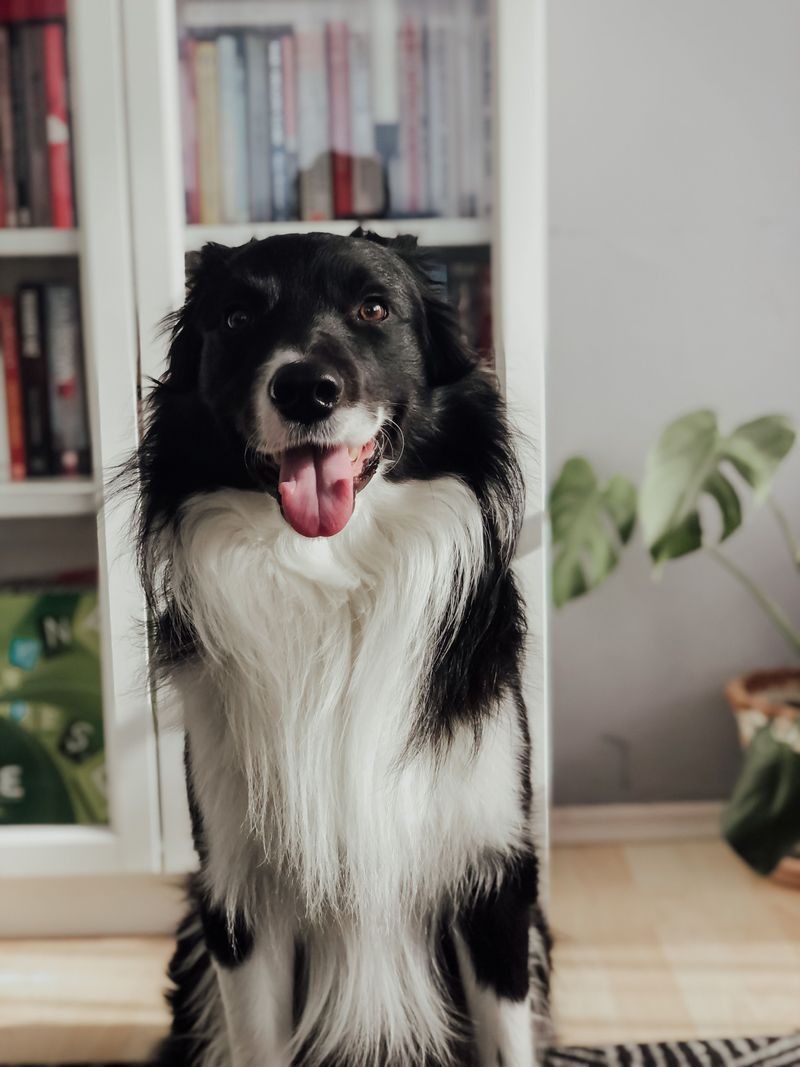
Did you know Border Collies are often called the smartest dog breed? On farms, they herd sheep for hours without slowing down.
In a quiet apartment, all that brainpower needs somewhere to go. Left alone without a job, these clever dogs may dig, bark, or invent their own games, like shredding your mail.
Training sessions, agility classes, and brain toys can help. Still, they shine brightest with owners who are home often.
German Shepherd
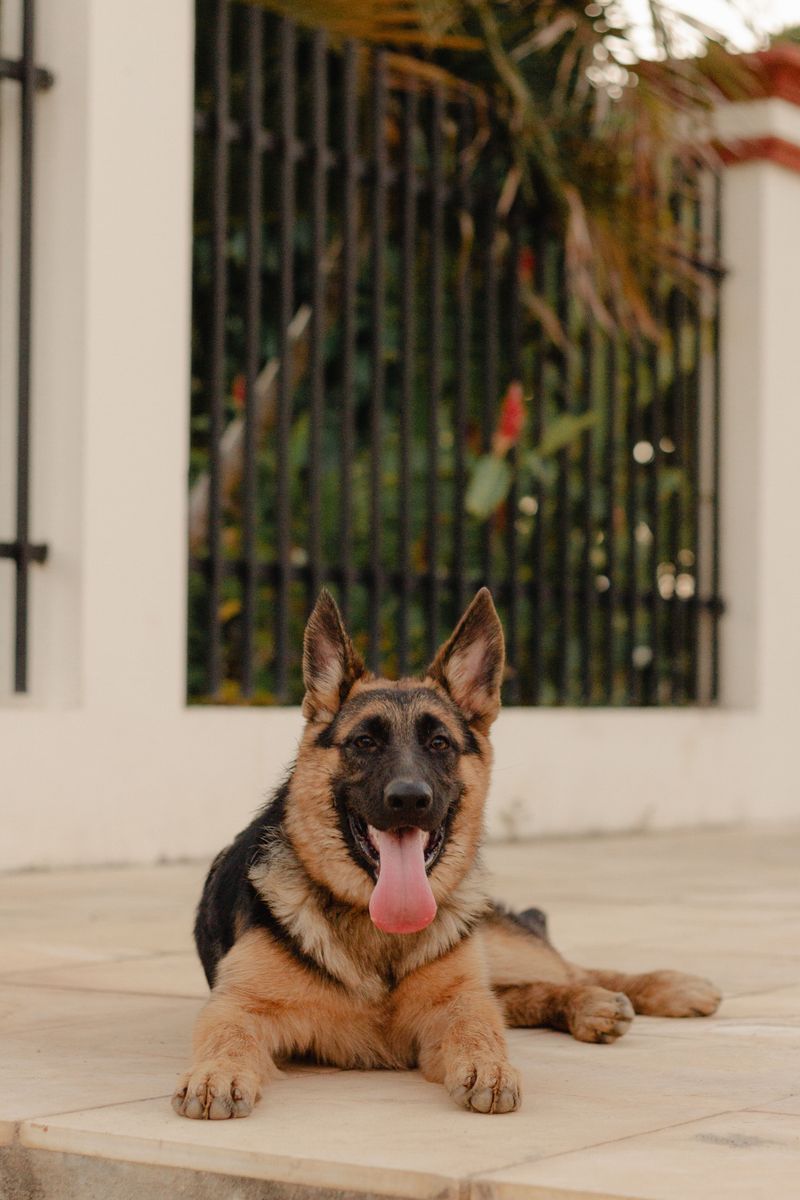
Loyal to the core, a German Shepherd often picks one favorite person and sticks to them like glue. Many owners say their dog follows them from room to room.
Such deep devotion makes goodbyes hard. Some Shepherds pace, whine, or scratch doors when their human disappears for the day.
Start with short absences and slowly build up the time. Give them a cozy crate or bed that feels like their safe zone.
Cavalier King Charles Spaniel
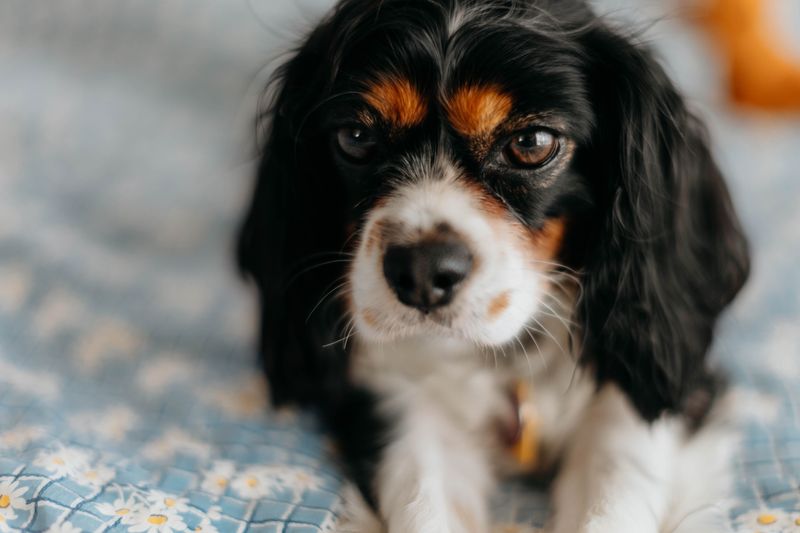
Royalty once kept these silky little spaniels as lap warmers, and honestly, not much has changed. Cavaliers live to snuggle.
Their sweet, cuddly charm wins hearts fast, yet they really dislike being solo. A Cavalier left alone for eight hours may cry or feel truly miserable.
If your schedule is busy, think about doggy daycare or a friendly neighbor who can visit. Another calm pet at home can also ease the loneliness.
Australian Shepherd
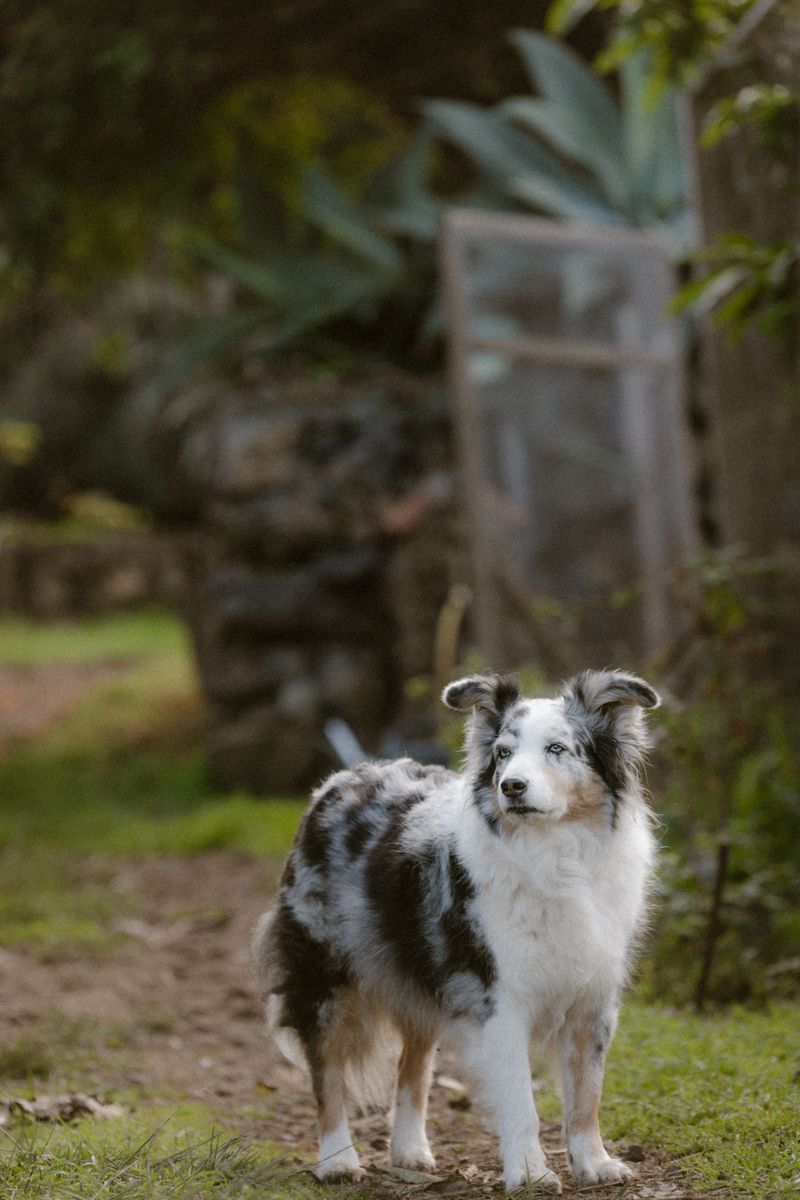
Here is a fun twist: the Australian Shepherd was actually developed in the American West, not Australia! Cowboys loved them for their tireless energy.
That same energy can turn chaotic when nobody is around. A bored Aussie might chew baseboards or bark at every passing leaf.
Plan for at least an hour of hard play each day. Fetch, running, and trick training all help burn off steam before you head out.
Vizsla
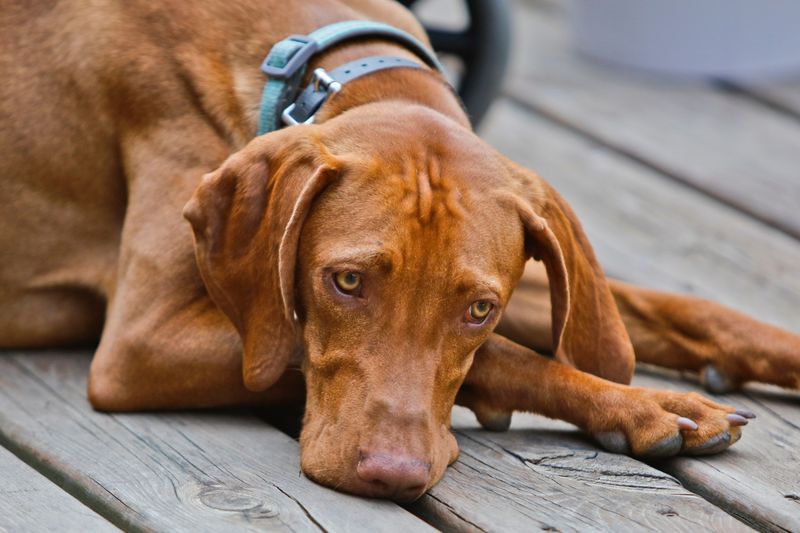
Ever heard of a Velcro dog? That nickname belongs to the Vizsla, a sleek Hungarian hunter that wants to be glued to your side.
Vizslas feel happiest when touching their people, whether leaning on your leg or squeezing into your chair. Hours of separation can leave them anxious and restless.
Active families who run, hike, or work from home are the best match. Otherwise, a reliable dog walker becomes a must.
Jack Russell Terrier
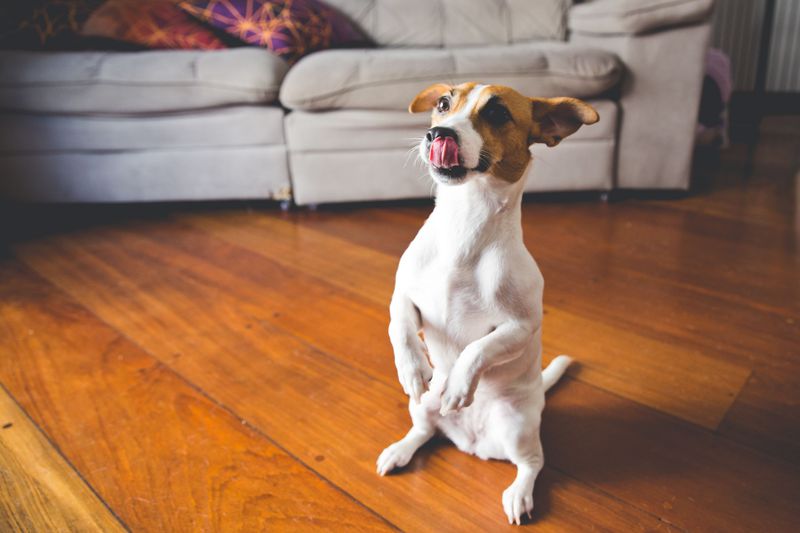
Small body, giant attitude! Jack Russells pack more energy into ten pounds than most dogs twice their size.
Their spunky, fearless style makes them a blast to own. Leave one alone too long, though, and you might find holes in the yard or a shoe in pieces.
Keep a stash of rotating toys and treat balls ready. Short, fun training games each morning can also tire out that busy terrier brain.
Bichon Frise
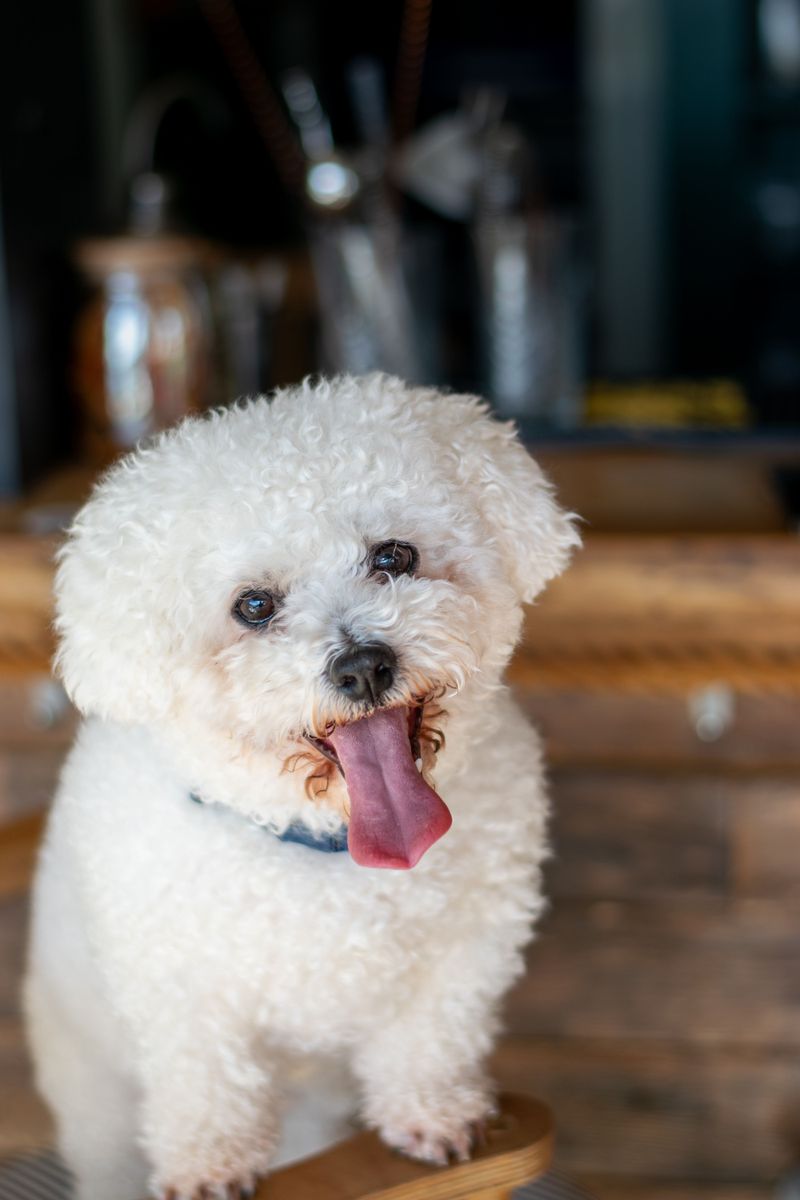
Bouncy, fluffy, and cheerful, a Bichon Frise looks like a walking cotton ball. Long ago, they even performed tricks in circuses across Europe.
Bichons crave attention and an audience. When their favorite people leave, many become noisy, barking or whimpering until someone returns.
Teaching calm alone time early is key. Leave a worn shirt with your scent, play soft music, and keep goodbyes short and low-key.
Italian Greyhound
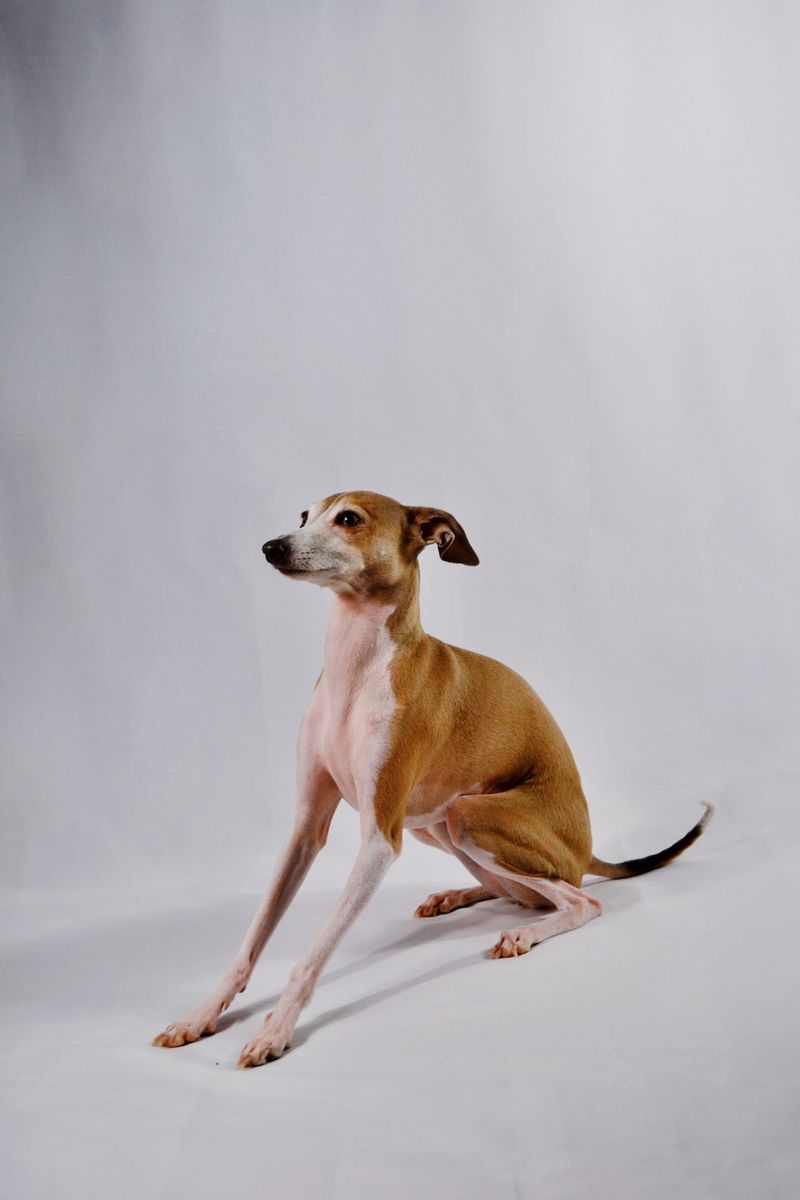
Delicate legs, big eyes, and a love of warm blankets make the Italian Greyhound a real sweetheart. They often burrow under covers next to their owners.
Sensitive dogs like these can feel nervous without their people. Some shiver, pace, or have potty accidents when left alone for long periods.
Create a snug den with soft bedding in a quiet spot. A cozy sweater and a calm routine can make your absence feel less scary.
Siberian Husky
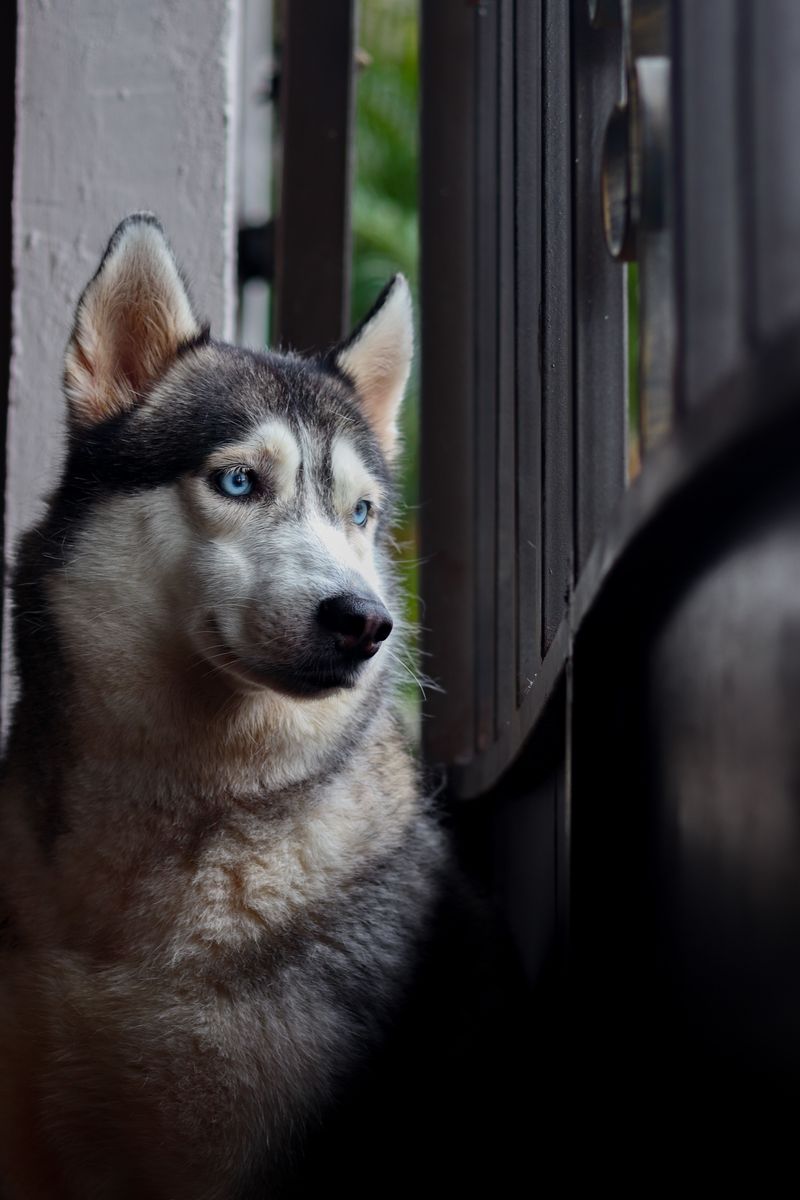
Ah-woo! Neighbors often hear a lonely Husky before they see one.
These dogs are known for dramatic howls and talking back.
Bred to pull sleds in packs across icy Siberia, Huskies hate being without company. Alone and bored, they may howl for hours or even plan an escape.
Secure fences matter a lot. A second dog, plenty of running, and daycare visits can keep a Husky from turning into a furry escape artist.
Chihuahua
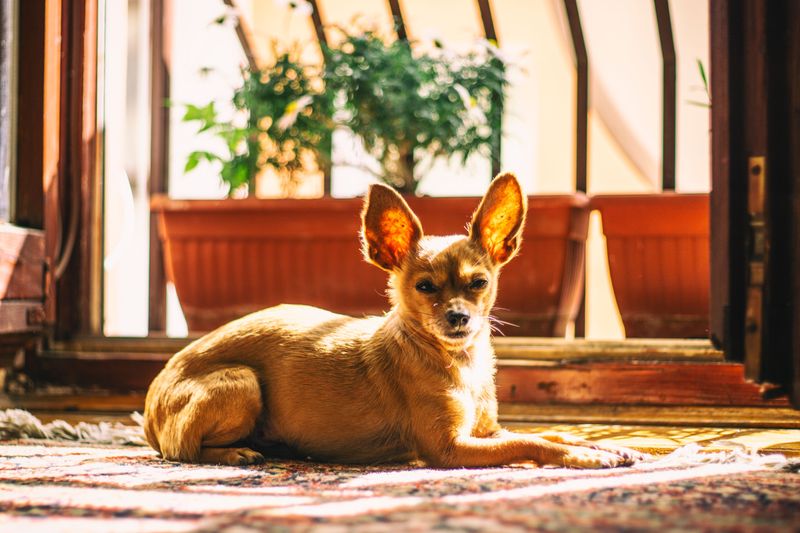
Tiny but mighty, Chihuahuas often bond tightly with a single human. Many owners carry them everywhere, from stores to car rides.
All that togetherness can backfire. When left behind, a Chihuahua may bark nonstop or feel deeply upset, especially if it is used to constant company.
Practice short trips away from your pup and reward calm behavior. Building confidence slowly helps this little dog learn that you always come back.
Toy Poodle
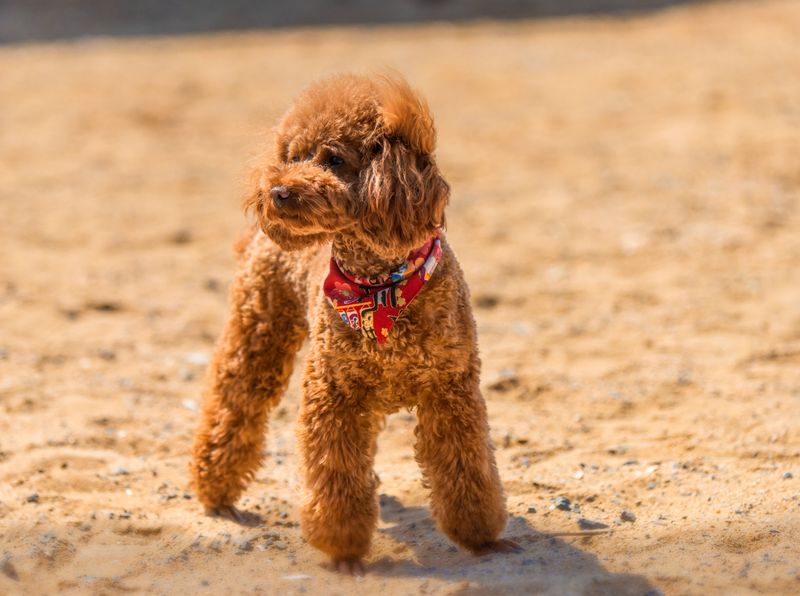
Smart as a whip and full of charm, the Toy Poodle learns tricks faster than many kids learn their spelling words.
Bright minds need company, though. Poodles form close bonds and can grow anxious or bored when their family is gone all day, sometimes chewing or barking.
Leave a food puzzle and practice calm departures. If you work long hours, a pet sitter visit can turn a lonely day into a happy one.