
Dogs are loved on both sides of the Atlantic, but people in Europe and America do not always pick the same favorites. Some breeds top the charts year after year, while others are quietly climbing in popularity.
Knowing which dogs are trending can help families choose a pet that truly fits their lifestyle. Some of the names on this list might catch you off guard.
French Bulldog
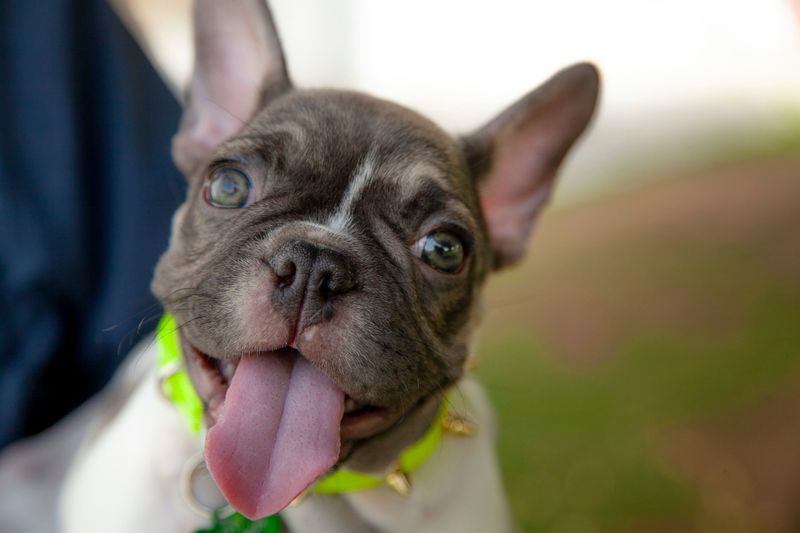
Bat ears, a squishy face, and a snore like a tiny tractor. The French Bulldog has become the number one breed in America, beating the Labrador after decades.
Frenchies are also hugely popular in Paris and London apartments. They need little exercise and fit small spaces well.
Watch out for hot weather, though. Their flat faces make breathing harder, so keep walks short on warm days and choose a vet who knows the breed.
Labrador Retriever
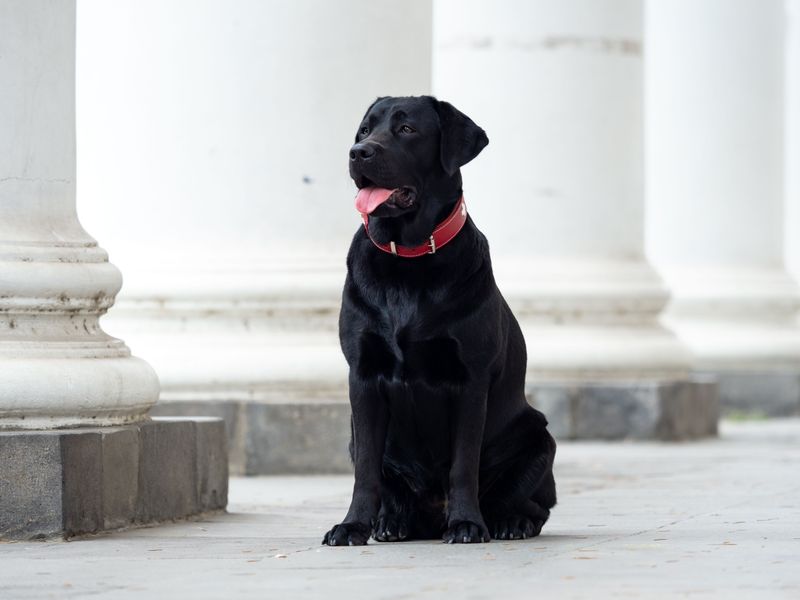
For over thirty years, no dog was more loved in the United States than the Lab. Even after slipping to second place, it remains a family favorite in Britain too.
Labs are happy, eager helpers who love water and fetch. Many serve as guide dogs.
Fun fact: despite the name, the breed actually comes from Newfoundland in Canada. Plan on daily exercise, because a bored Lab may chew your shoes.
Golden Retriever
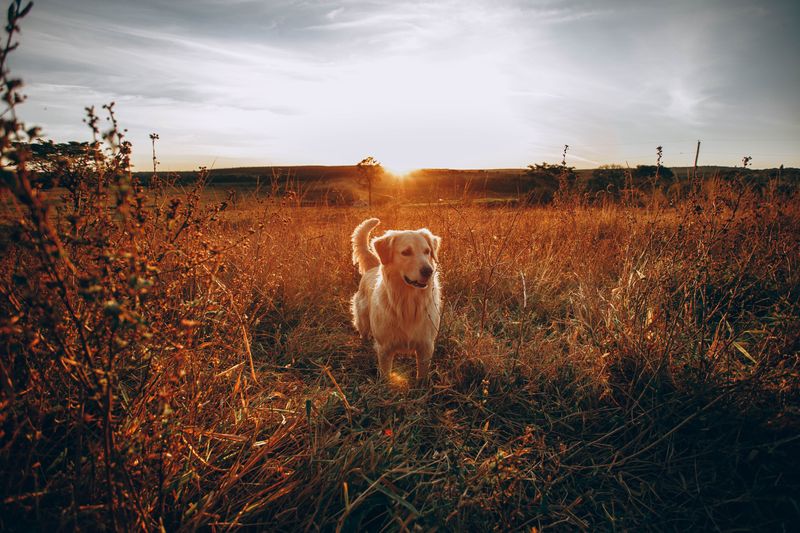
Picture a sunny smile wrapped in a feathery golden coat. Bred in Scotland during the 1800s, Goldens were made to fetch birds for hunters.
Today they rank in the top five in America and remain beloved across Europe. Their warm, trusting attitude makes them wonderful therapy dogs.
Be ready for shedding, though. Brushing a few times a week keeps fur off your floors and helps their coat stay shiny.
German Shepherd
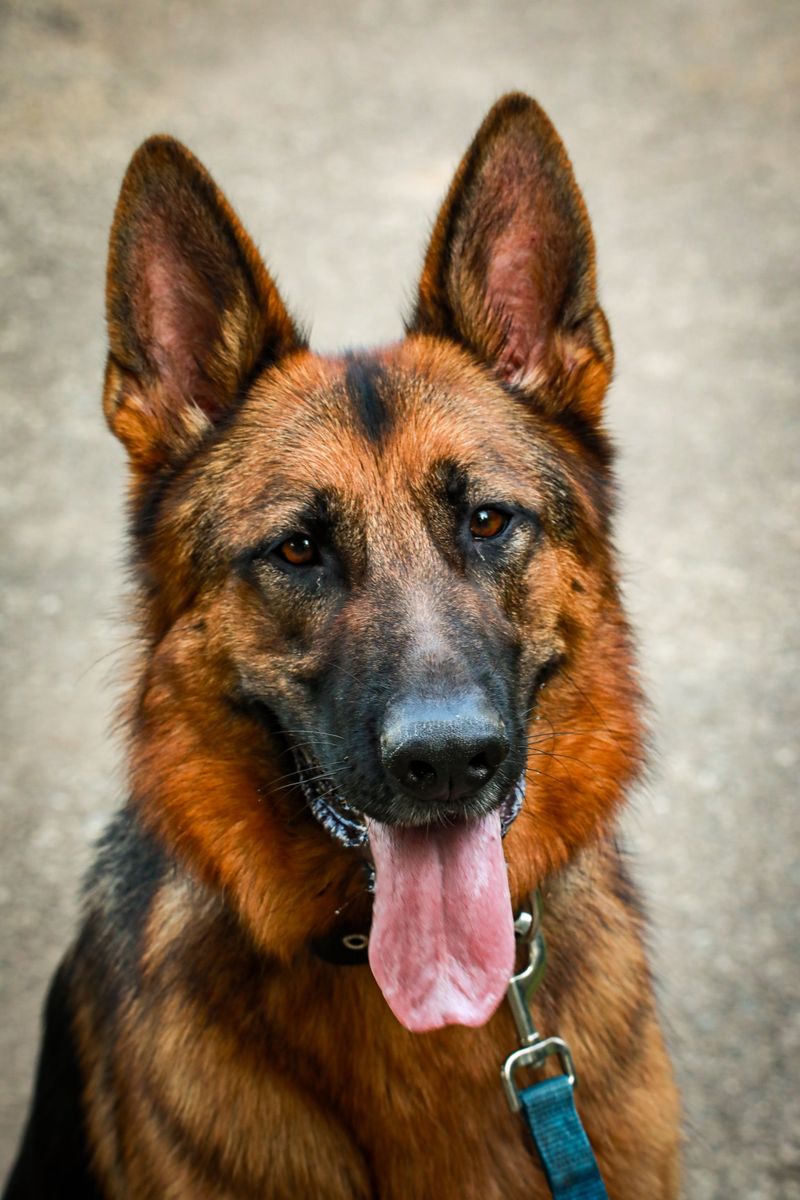
Police officers, search teams, and soldiers all trust one breed more than most. German Shepherds are smart, brave, and quick learners.
They come from Germany and still rank high there and in the United States. Their protective streak makes them watchful home guardians.
Training matters a lot with this dog. Start early, keep sessions fun, and give them puzzles or jobs so their busy minds stay happy.
Poodle

Forget the fancy show trims for a second. Poodles are among the smartest dogs on Earth and were first bred in Germany as water retrievers.
France later adopted them as a national favorite, and Americans keep them near the top of the charts.
They come in toy, miniature, and standard sizes. Their low-shedding curls appeal to many people with allergies, but regular grooming visits are a must.
Dachshund
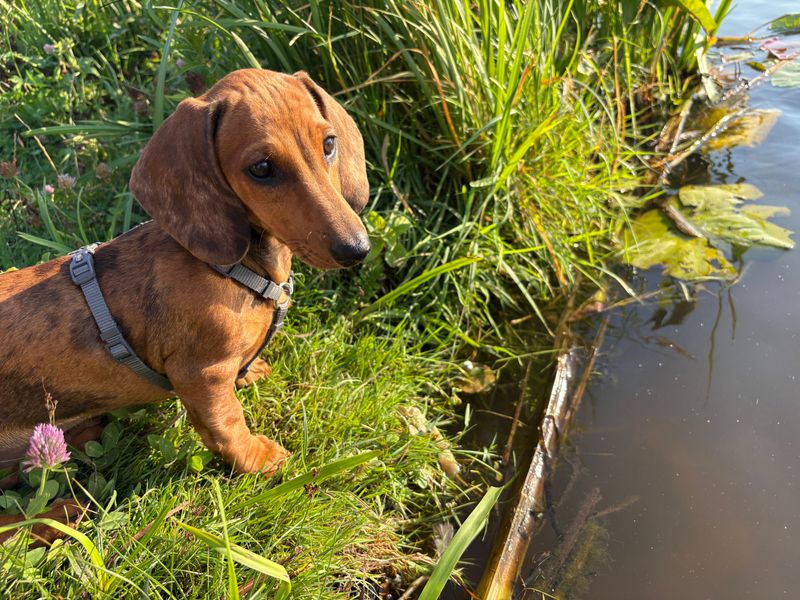
Long body, short legs, huge attitude. In German, Dachshund means badger dog, because these brave pups were bred to dig after badgers.
Wiener dogs are rising fast in American rankings and stay popular across Europe. They are funny, bold, and sometimes stubborn.
Protect that long back. Use ramps instead of letting them jump off beds or couches, and keep them at a healthy weight to avoid spine trouble.
Beagle

Ever seen a dog follow a smell for an entire block? That is a Beagle doing its favorite thing.
Developed in England for hunting rabbits, Beagles have around 220 million scent receptors. Airports even use them to sniff out food in luggage.
They are cheerful and social, yet they love to howl and wander. A secure fence and a firm leash will keep your little detective safe.
Cavalier King Charles Spaniel
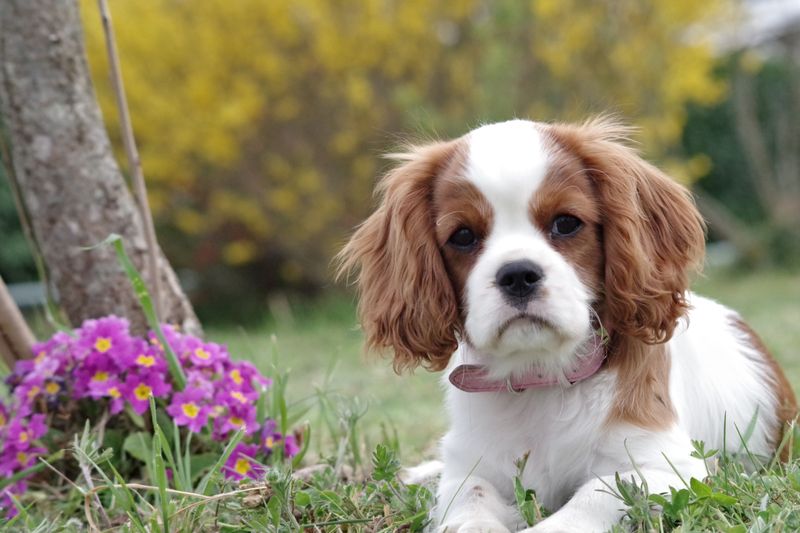
Royal lap warmer might be the best job title ever. King Charles II of England adored these spaniels so much that they followed him everywhere.
Cavaliers rank highly in Britain and draw steady fans in America. Their soft eyes and sweet, cuddly manner win over almost anyone.
Health checks are key. Ask breeders about heart screening, since this breed can be prone to heart problems later in life.
Cocker Spaniel
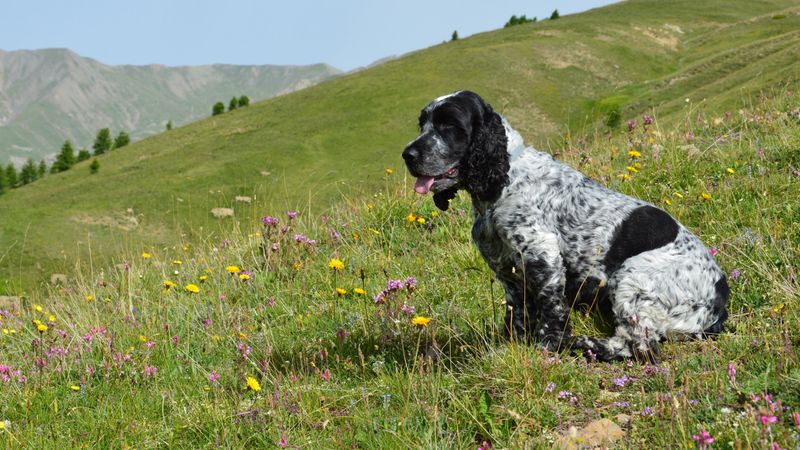
Here is a surprise: in the United Kingdom, the Cocker Spaniel often outshines many breeds Americans love most.
These merry dogs wag their whole bodies when happy. They were bred to flush woodcock birds, which is where the name comes from.
Cockers enjoy long walks and playtime. Their floppy ears trap moisture, so clean them weekly to prevent infections, especially after swimming or muddy adventures.
Rottweiler
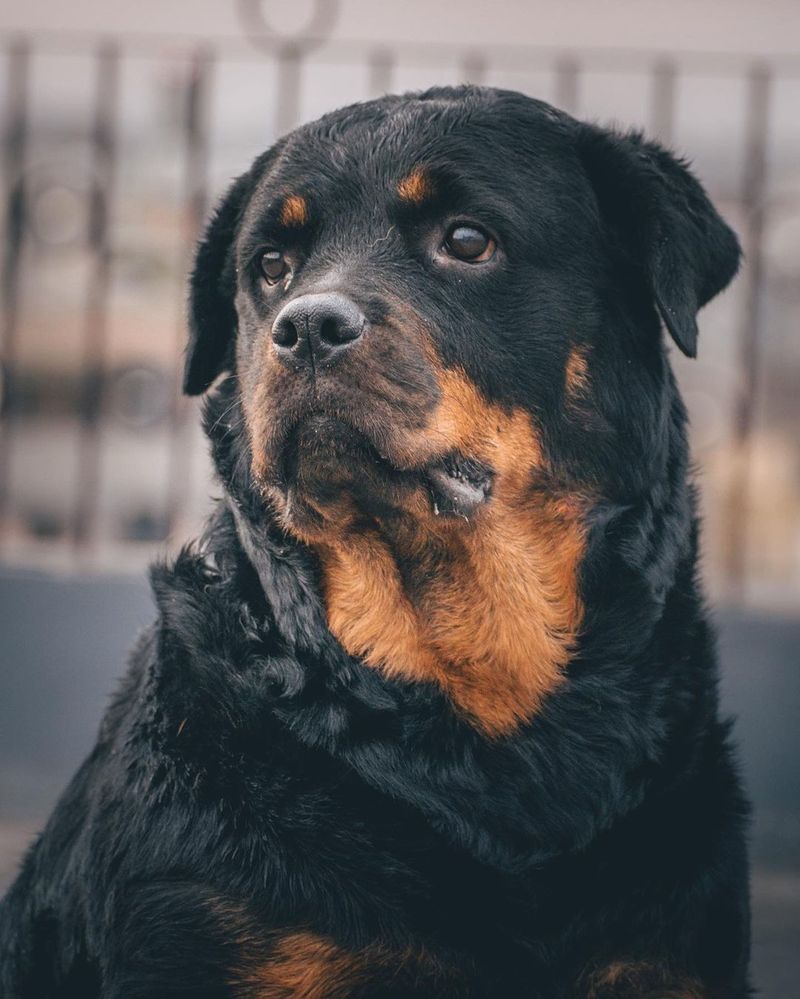
Big muscles, big heart. Rottweilers once pulled butcher carts in the German town of Rottweil, guarding money tied around their necks.
Now they hold a strong spot in American top ten lists. Many owners describe them as goofy, affectionate teddy bears at home.
Socialization is a must. Introduce your Rottie to many people, places, and pets while young, so its natural confidence grows into calm good manners.
Bulldog
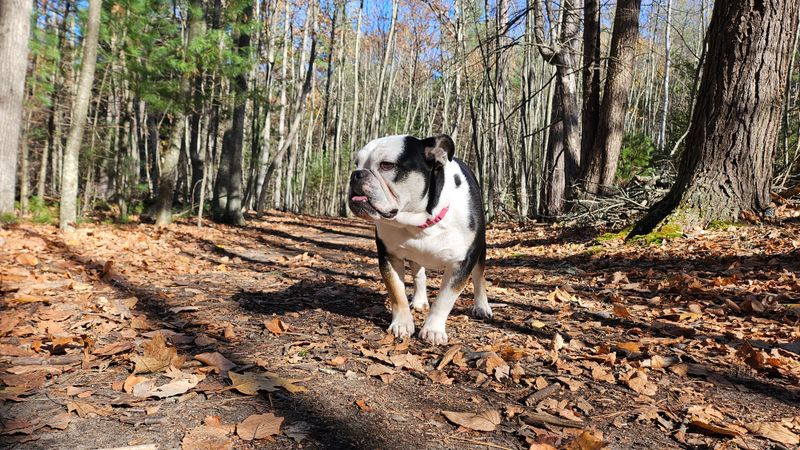
Wrinkles everywhere and a grumpy-looking frown that hides a big softie. The English Bulldog is a symbol of British toughness.
Americans have loved them for years, and they still hover near the top ten. They prefer naps to marathons.
Keep their skin folds clean and dry to stop irritation. Like Frenchies, Bulldogs struggle in heat, so air conditioning and shady rest spots matter in summer.
Yorkshire Terrier
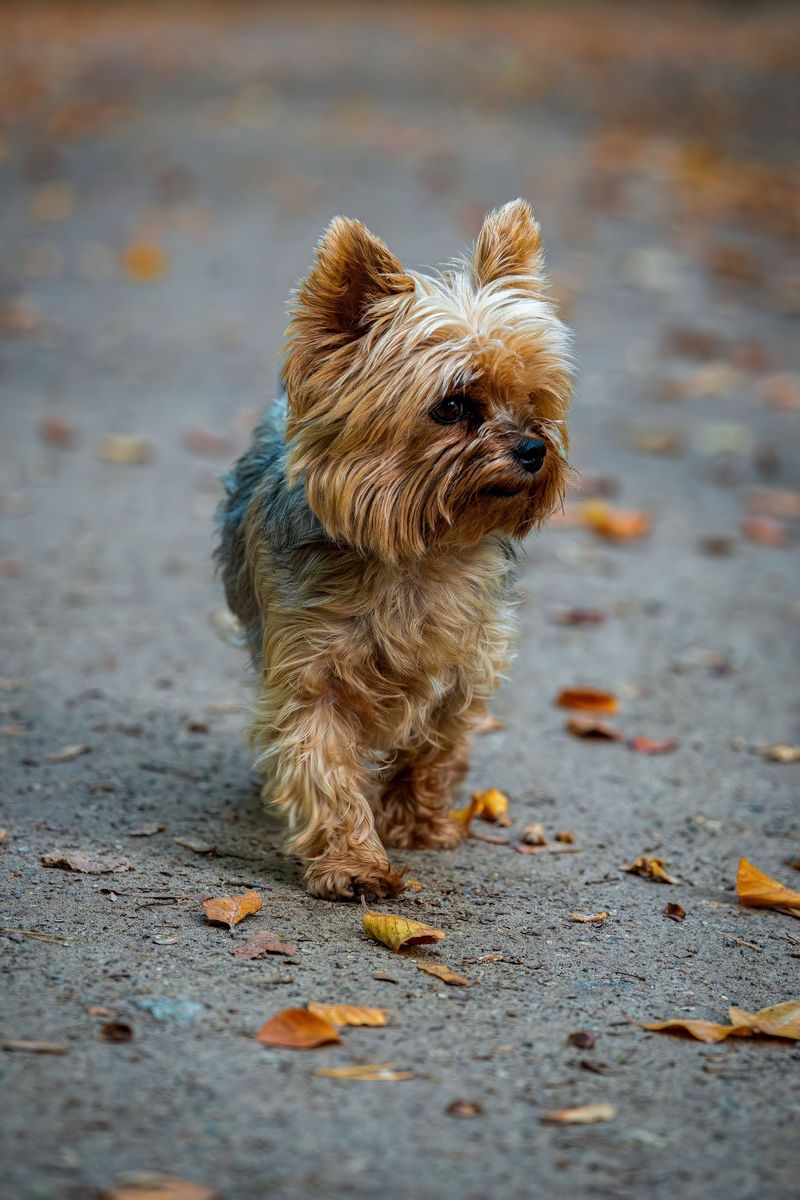
Weighing about seven pounds, a Yorkie acts like it rules the world. Factory workers in northern England first kept them to catch rats in mills.
Small size makes them popular with city dwellers in both Europe and America.
Their silky hair grows like human hair, so trims are needed. Training potty habits takes patience, but praise and treats work wonders for this spunky little terrier.
Border Collie
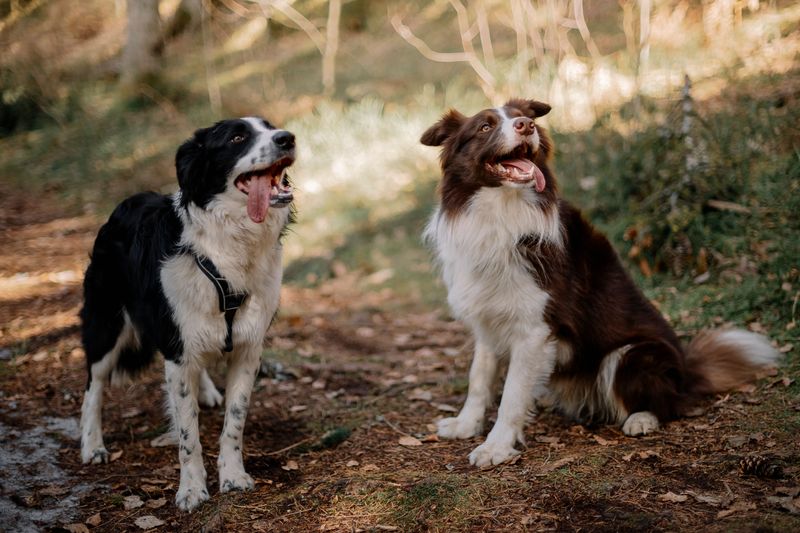
Scientists often call the Border Collie the smartest breed alive. One famous dog named Chaser learned the names of over 1,000 toys.
Bred on the border of Scotland and England, they herd sheep with laser focus. Their popularity keeps growing across Europe.
Not a couch potato, though. Without hours of activity and brain games, they may invent their own jobs, like herding your kids or cat.