
Some dogs seem to learn new tricks almost as fast as you can teach them. Pair that eager brain with treats, praise, and a steady routine, and training starts to feel like a fun game for both of you.
Picking a breed that enjoys learning can make life at home calmer and happier. Here are some smart, food-loving, people-pleasing pups that tend to shine with positive training.
Border Collie
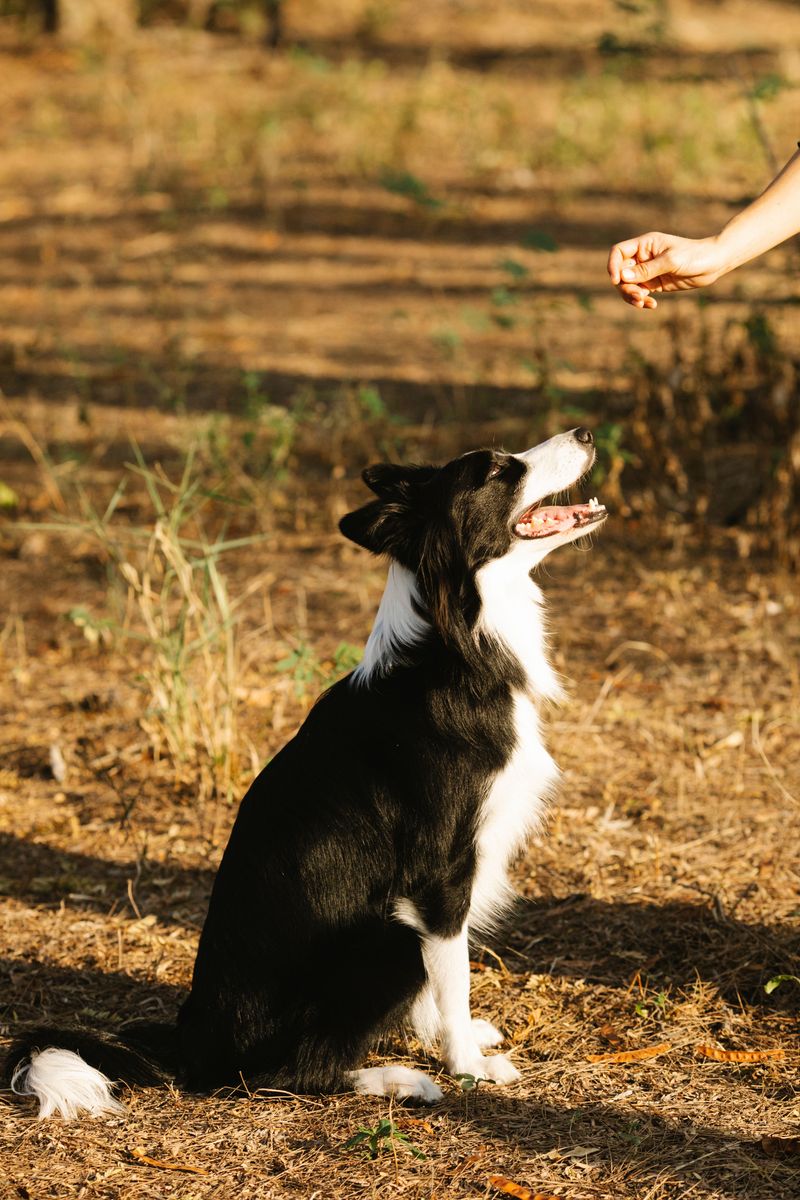
Picture a dog who can learn the names of over a thousand toys. A Border Collie named Chaser did exactly that!
These sheep herders from the hills between Scotland and England live to work.
Short training sessions packed with treats and tug games keep their busy minds happy. Try teaching a new trick each week.
Without daily mental tasks, though, they may invent their own jobs, like herding your kids or chasing cars.
Labrador Retriever
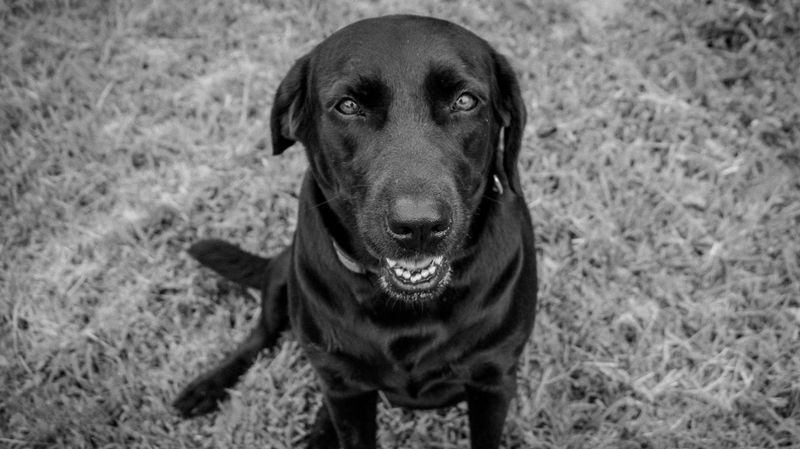
Ask any Lab owner and they will laugh about how fast a kibble can get attention. Labs adore food, which makes treats a super tool.
Fun fact: despite the name, the breed actually traces back to Newfoundland, Canada. Early Labs helped fishermen haul nets.
Keep rewards tiny, since these dogs gain weight easily. Mixing in praise and fetch games works wonders too.
Golden Retriever
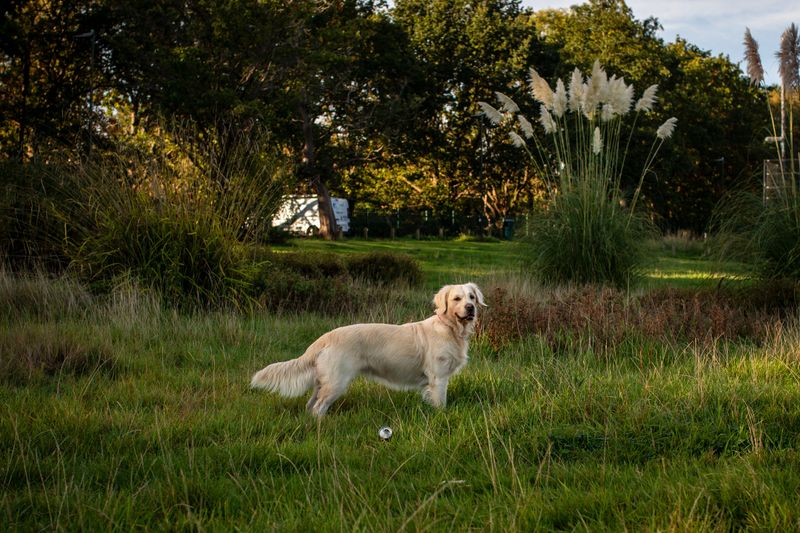
Warm, cheerful, and always ready for the next lesson, Goldens treat training like a favorite hobby. Their soft hearts respond best to kind words, so harsh corrections can actually set them back.
Many become therapy dogs, guide dogs, and search helpers.
A handy tip: reward calm greetings with treats. Goldens love people so much that jumping up becomes a habit unless you praise four paws on the floor.
Poodle
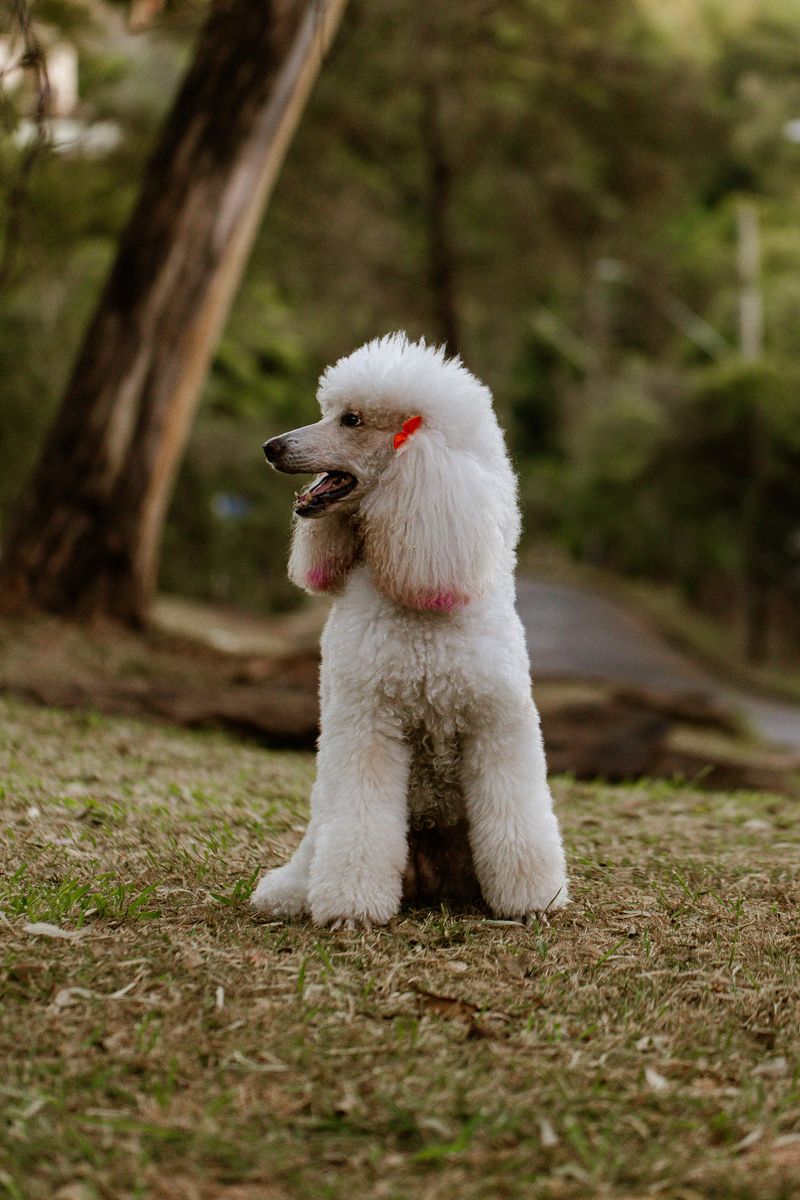
Forget the fancy show trims for a second. Underneath all that curly hair sits one of the sharpest minds in dogdom.
Poodles started out as German water retrievers, and that famous haircut once helped them swim while keeping joints warm.
They pick up tricks quickly, so clicker training is a great match. Come in all three sizes, toy, miniature, and standard, and each one loves showing off what it learned.
German Shepherd
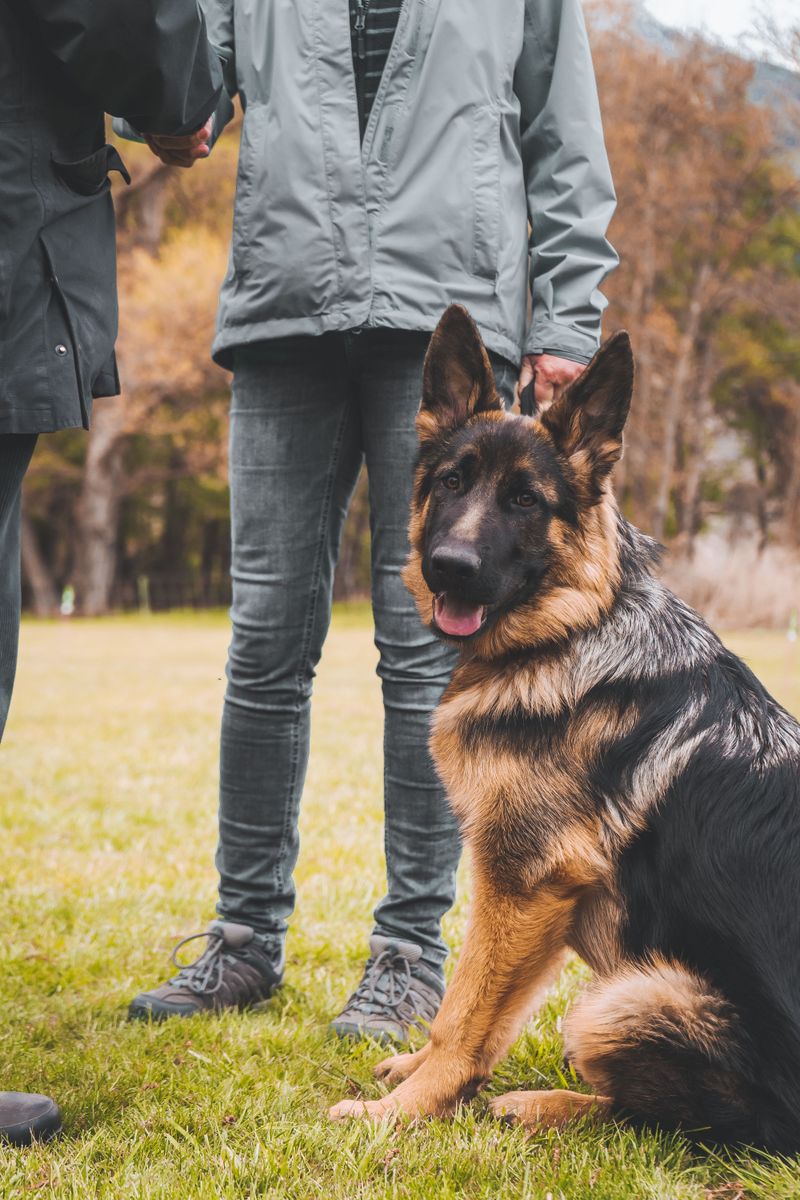
Police officers, soldiers, and blind travelers all trust this breed for good reason. German Shepherds have a strong work ethic and a deep bond with their families.
They thrive on clear rules. Use the same words for each command every single time, and reward right away.
Early friendly meetings with new people and places matter a lot. Confident shepherds grow from puppies who learned the world is safe and rewarding.
Papillon
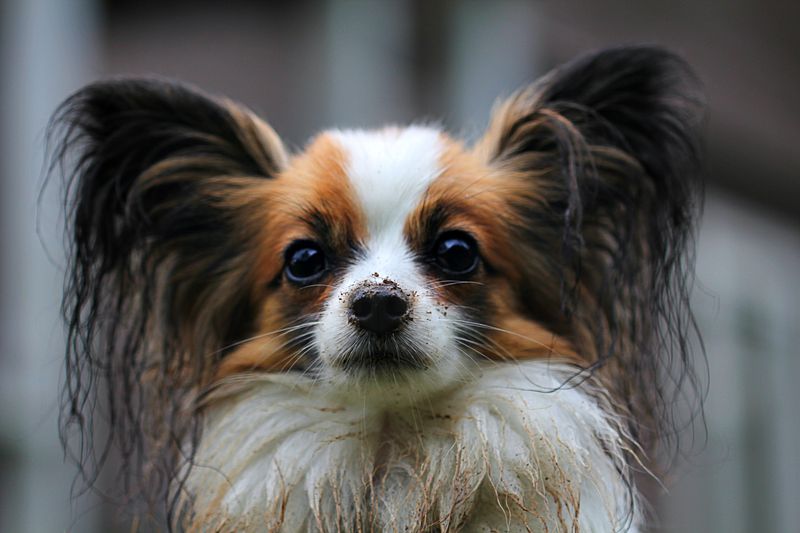
Don’t let those butterfly ears fool you. This little toy breed often beats much bigger dogs at agility contests!
Papillons were favorites of European royalty, showing up in old paintings beside queens. Today they still enjoy being the center of attention.
Because their tummies are small, use pea-sized treats and lots of happy praise. Five minute sessions a few times a day keep them sharp without overfeeding.
Australian Shepherd
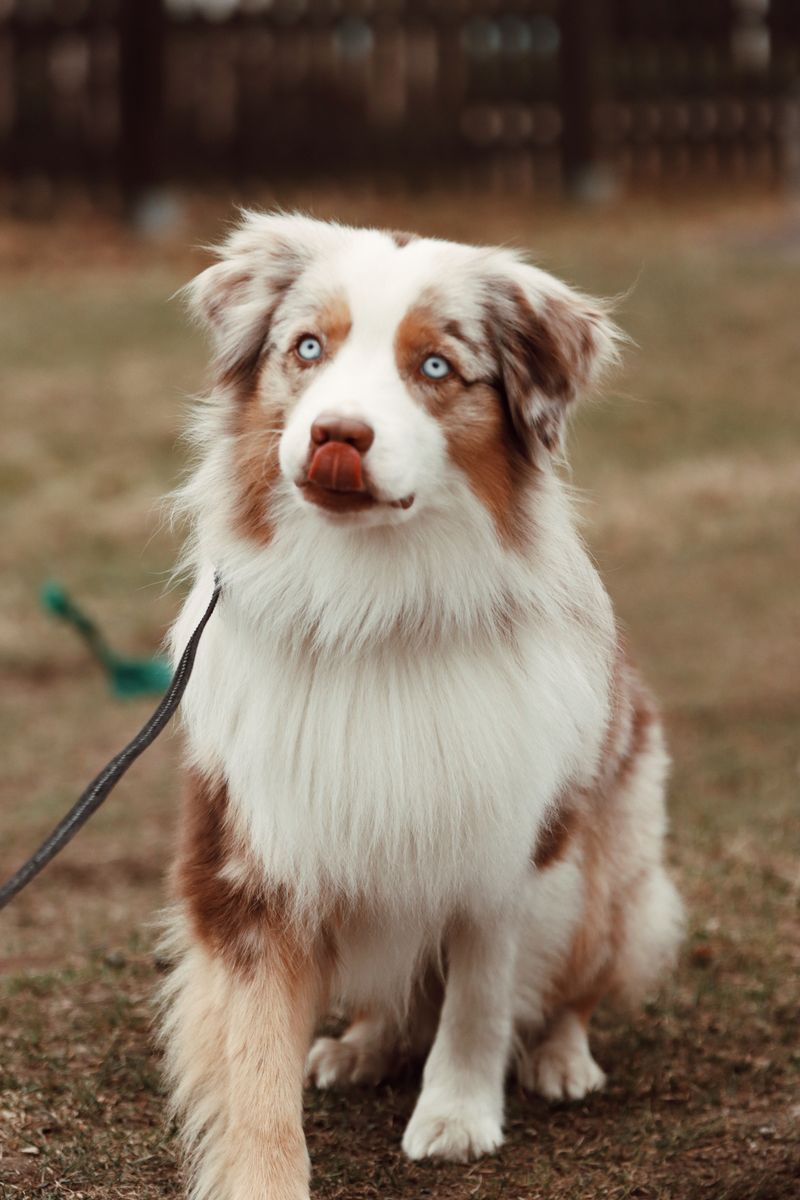
Got a frisbee? An Aussie will happily make it the best part of its day.
Funny enough, this breed was actually developed in the American West, not Australia.
Aussies need jobs. Use playtime as a reward, asking for a sit or down before each throw.
Puzzle toys and trick classes also burn off energy. A tired Aussie is a well-behaved Aussie, and that is no joke.
Shetland Sheepdog
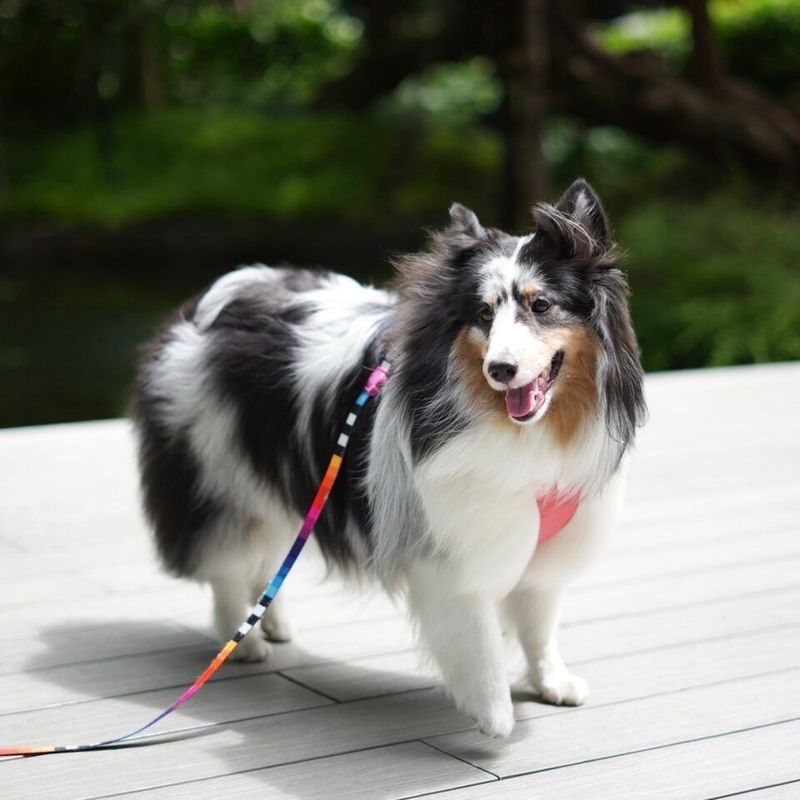
Sometimes called a mini Lassie, the Sheltie reads your mood like a book. Raise your voice and this little herder might shut down.
Speak softly and toss a treat, and it lights up.
Shelties excel at obedience and rally events.
One quirk to know: they love to bark. Teach a quiet cue by rewarding the silent pause between barks.
Patience pays off fast with this tender soul.
Doberman Pinscher
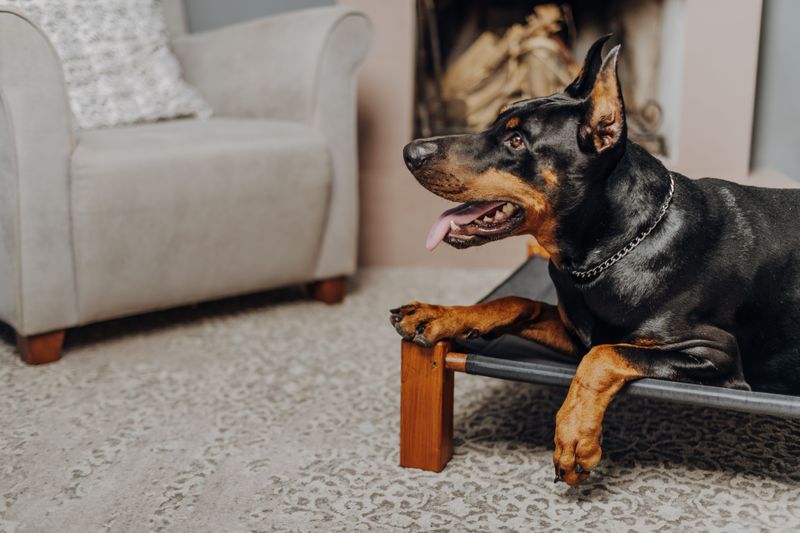
A tax collector named Louis Dobermann created this breed in 1890s Germany to keep him safe on his rounds. Their tough look hides a surprisingly loving, loyal pup.
Dobermans are quick learners who want to please their people.
Steady routines help them feel secure. Reward calm behavior around guests, and practice impulse games like wait at the door.
You will end up with a polished, confident friend.
Cardigan and Pembroke Corgis
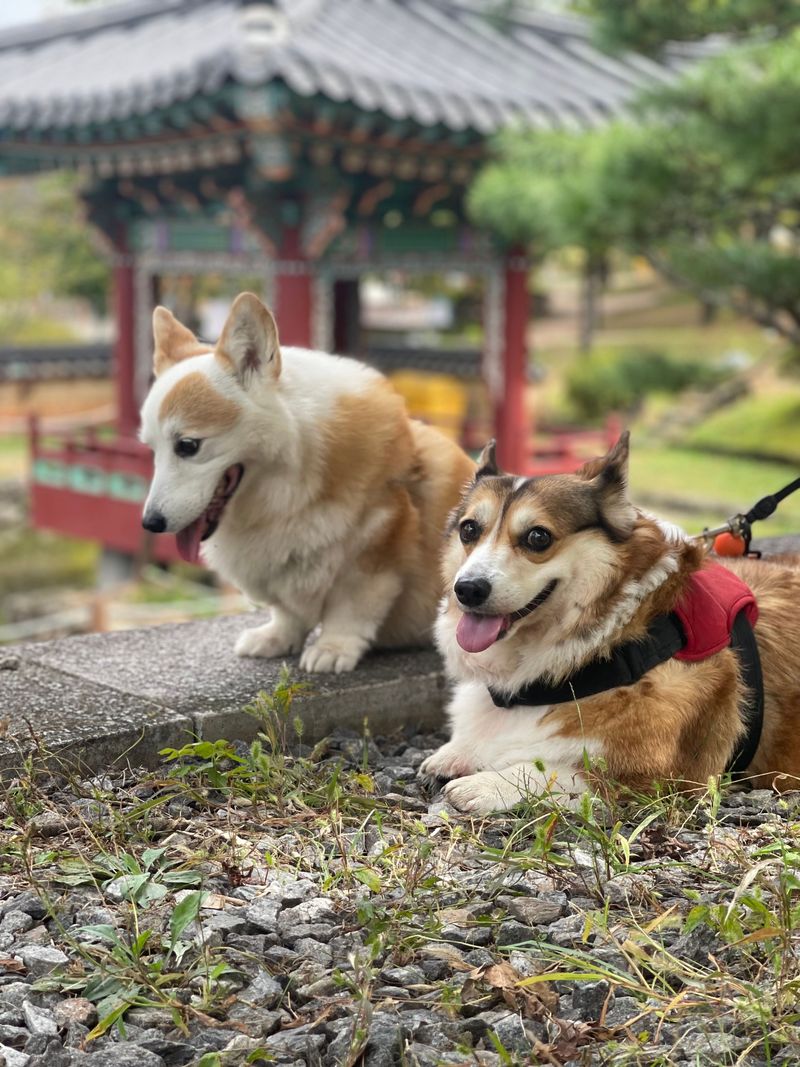
Short legs, huge personality! Corgis herded cattle in Wales by nipping at heels, then darting away from kicks.
That bold, clever streak means they learn fast but also test the rules. Being consistent is the secret.
If jumping on the couch is off limits once, it should stay off limits always.
Food motivates them a lot, so use healthy rewards. Queen Elizabeth II famously owned more than thirty corgis.
Cavalier King Charles Spaniel
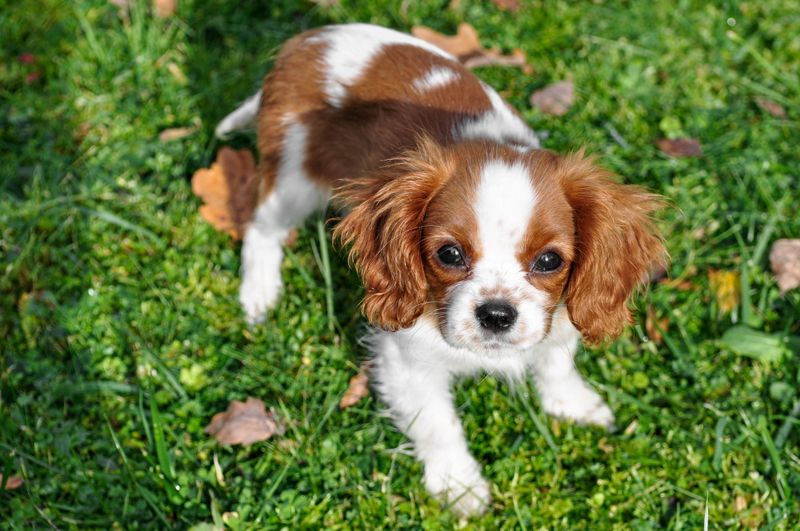
Want a lap dog that also learns manners quickly? Cavaliers might be your match.
Named after King Charles II, who reportedly let them roam his palace freely, they crave closeness.
Training works best with cuddles, praise, and tiny treats.
Easy tricks like shake, spin, and roll over come naturally. Because they dislike being alone, practice short departures and reward calm behavior so your sweet shadow stays relaxed.