Picking a dog for your family is a big decision that can shape your home for the next ten to fifteen years. Every breed comes with its own energy level, habits, and way of showing love.
Some dogs want to run all day, while others would rather nap on the couch. Knowing what each breed is usually like can help you find a furry friend who truly fits your family.
Labrador Retriever: The Friendly Classic
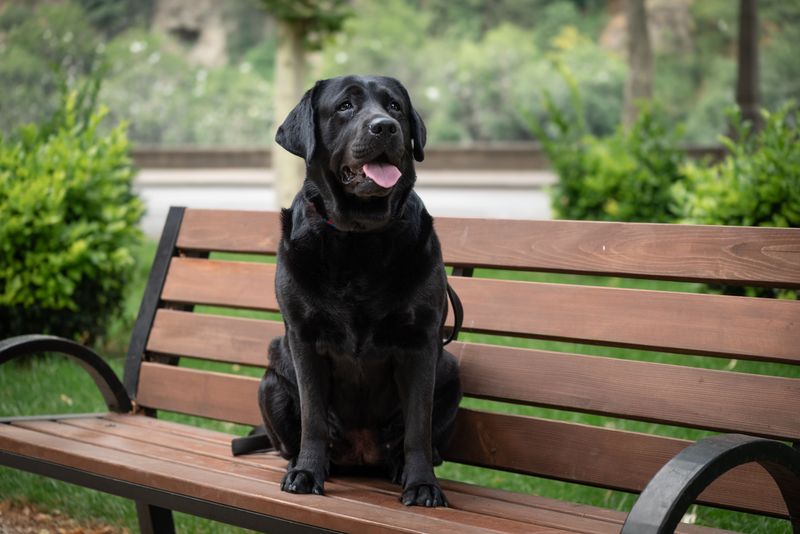
There is a reason Labs topped popularity charts in America for over thirty years. They greet almost everyone like a long-lost buddy and love being part of family fun.
Expect lots of energy, especially in the first two years. Daily walks, swimming, or games of fetch keep them happy and out of trouble.
Fun fact: despite the name, the breed actually developed in Newfoundland, Canada, where they helped fishermen haul nets.
Golden Retriever: Sunshine With Fur
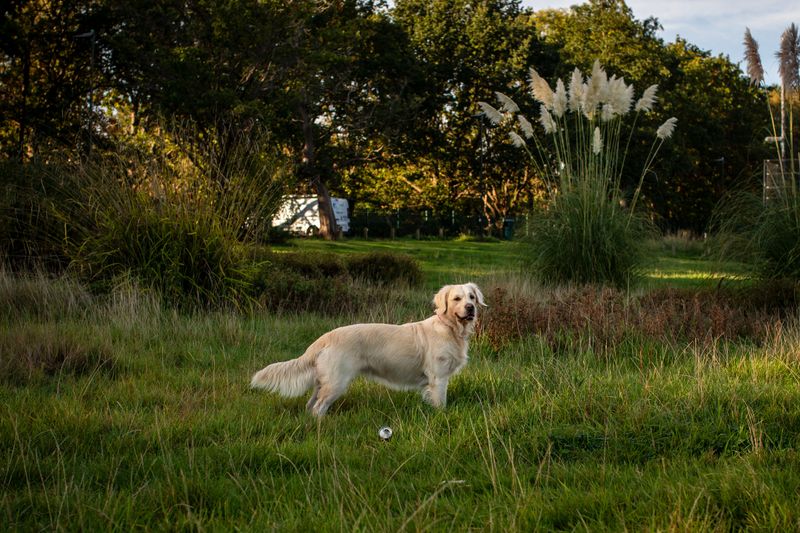
Picture a dog that seems to smile all day long. Goldens are patient, eager to please, and famously soft-mouthed, which means they carry things without biting down hard.
Training usually goes smoothly because they love praise and treats. Be ready for shedding, though, since that golden coat ends up on everything.
Brushing a few times each week helps a lot. Plenty of exercise keeps their playful side balanced and calm.
Beagle: Nose-First Adventurer
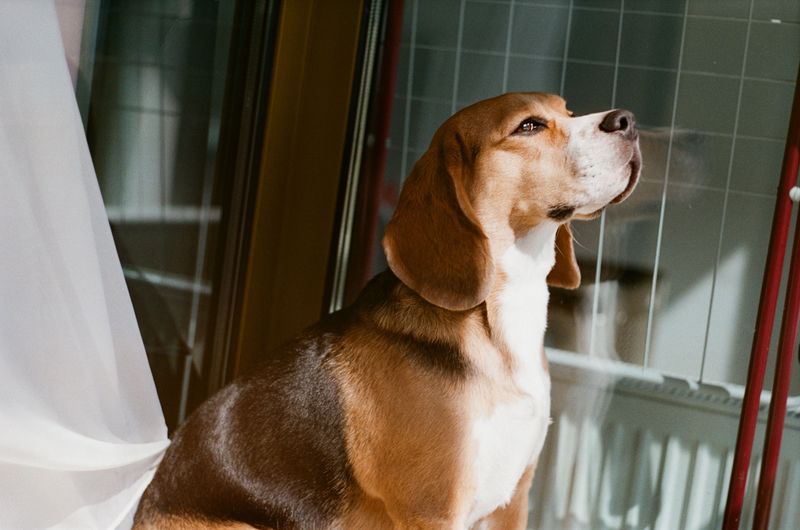
Ever met a dog who follows a smell like a detective on a case? Beagles were bred to track rabbits, and that nose rarely takes a break.
They are cheerful, curious, and social with kids and other pets. Their howl, called a bay, can surprise neighbors, so keep that in mind if you live in an apartment.
Always use a leash outside. Once a scent grabs them, listening becomes optional.
Cavalier King Charles Spaniel: Lap-Sized Sweetheart
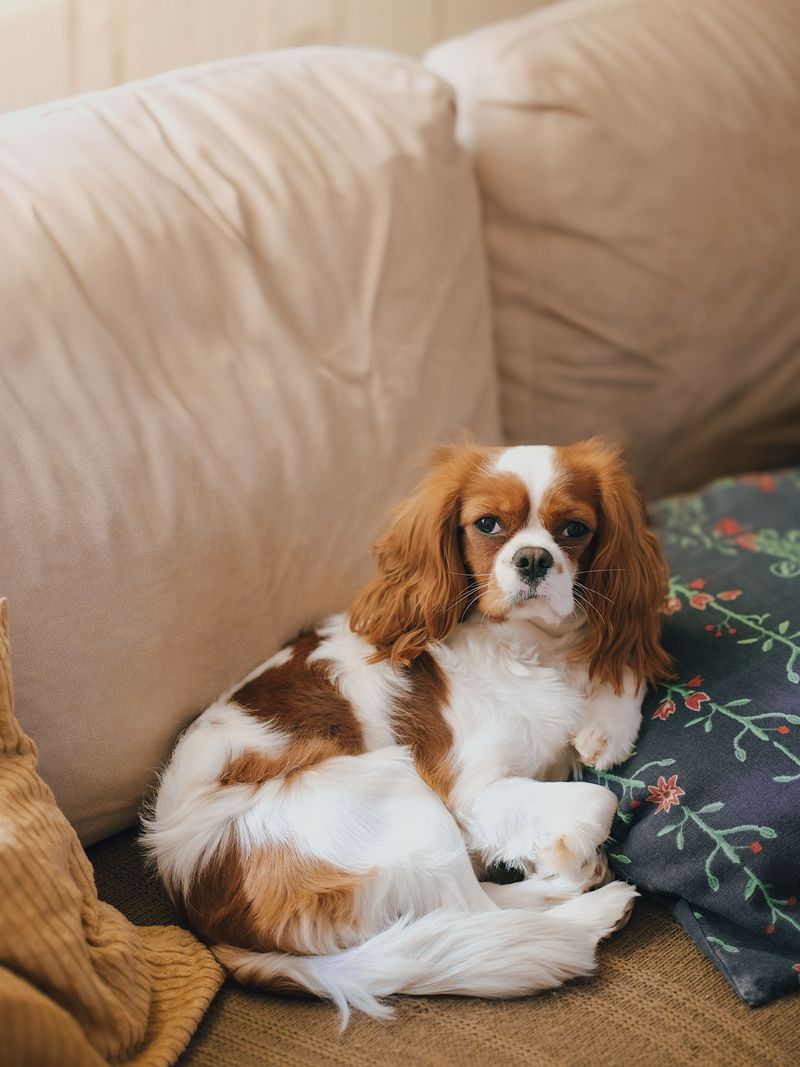
Royalty once kept these little spaniels close, and they still act like they belong in your arms. Cavaliers are affectionate, adaptable, and happy in small homes.
They get along with nearly everyone, including shy kids and older relatives. Short walks and cuddle time make their day.
One thing to watch is health. The breed can have heart problems, so choose a breeder who tests parents and plan for regular vet checkups.
Bulldog: Chill Couch Buddy
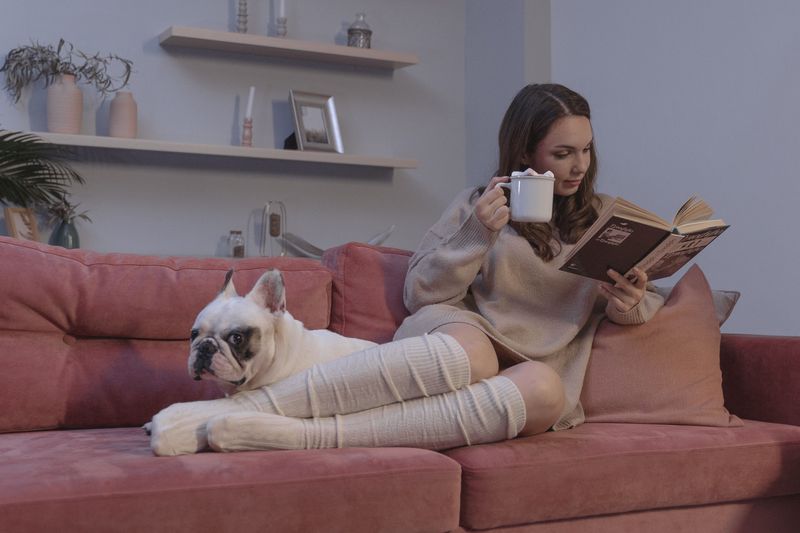
If your family dreams of lazy Sunday afternoons, a Bulldog might be your match. These wrinkly pals are calm, loyal, and surprisingly gentle with children.
They do not need long runs. In fact, hot weather and hard exercise can make breathing difficult because of their short snouts.
Snoring, drooling, and a bit of stubbornness come with the package. Most owners say the goofy charm makes up for every snort.
Poodle: Brainy and Allergy-Friendly
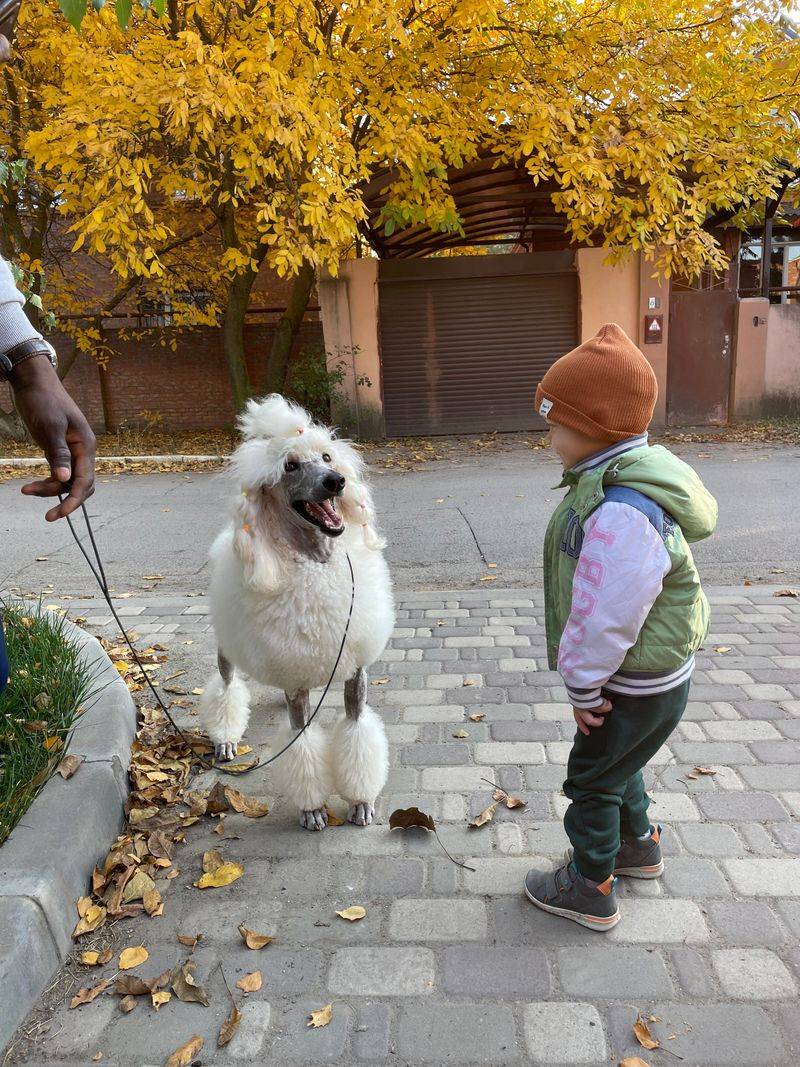
Forget the fancy show haircuts for a second. Poodles are among the smartest dogs around and were first used to fetch ducks from water.
They come in toy, miniature, and standard sizes, so families can pick what fits their space. Their curly coat sheds very little, which helps some people with allergies.
Those quick minds need puzzles, training games, and activity. Without them, boredom can lead to mischief.
Boxer: Bouncy Protector
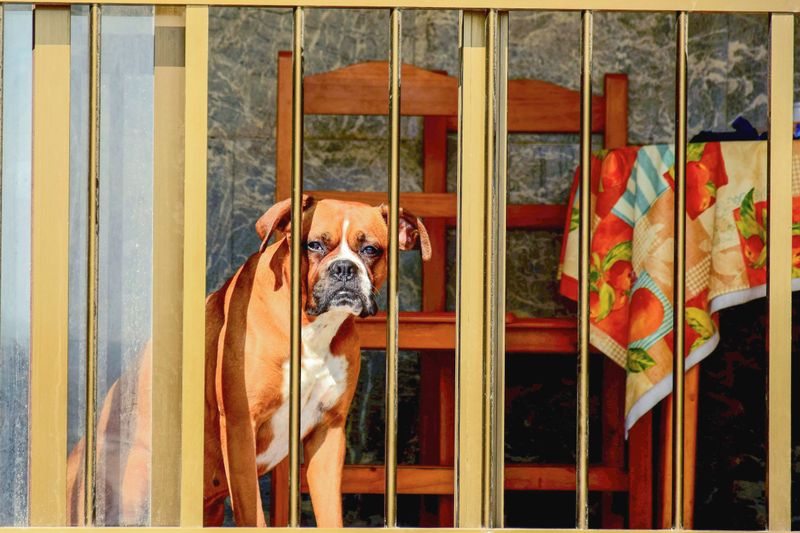
Boxers got their name from the way they stand on back legs and paw at things, like a boxer in the ring. That silly energy lasts well into adulthood.
They are devoted to their people and often watchful around strangers, making them natural guardians.
Small children may get knocked over during excited play, so teach calm greetings early. Daily exercise and firm, kind training help this clown shine.
Bernese Mountain Dog: Gentle Giant From the Alps
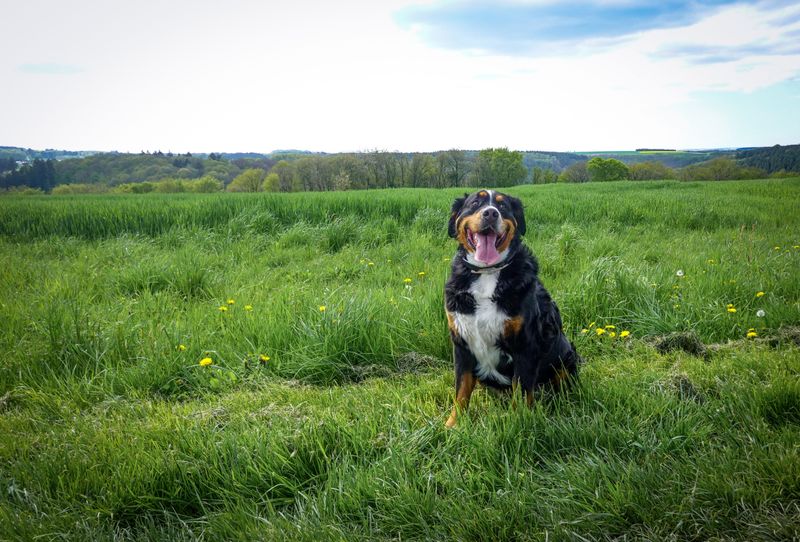
Swiss farmers once used these big tricolor dogs to pull carts of milk and cheese. Today they pull hearts instead.
Berners are calm, tender, and very patient with little ones. They love cool weather and hate being left alone for long.
Plan for size and shedding, since adults can weigh over 100 pounds. Sadly, their lifespan is short, often seven to ten years, so cherish every moment.
Border Collie: The Busy Genius
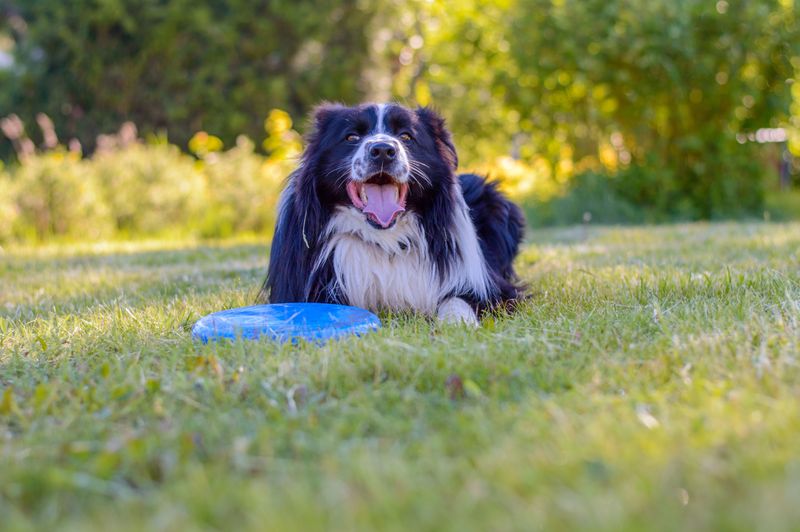
Some dogs learn a trick in a week. A Border Collie might learn it before lunch.
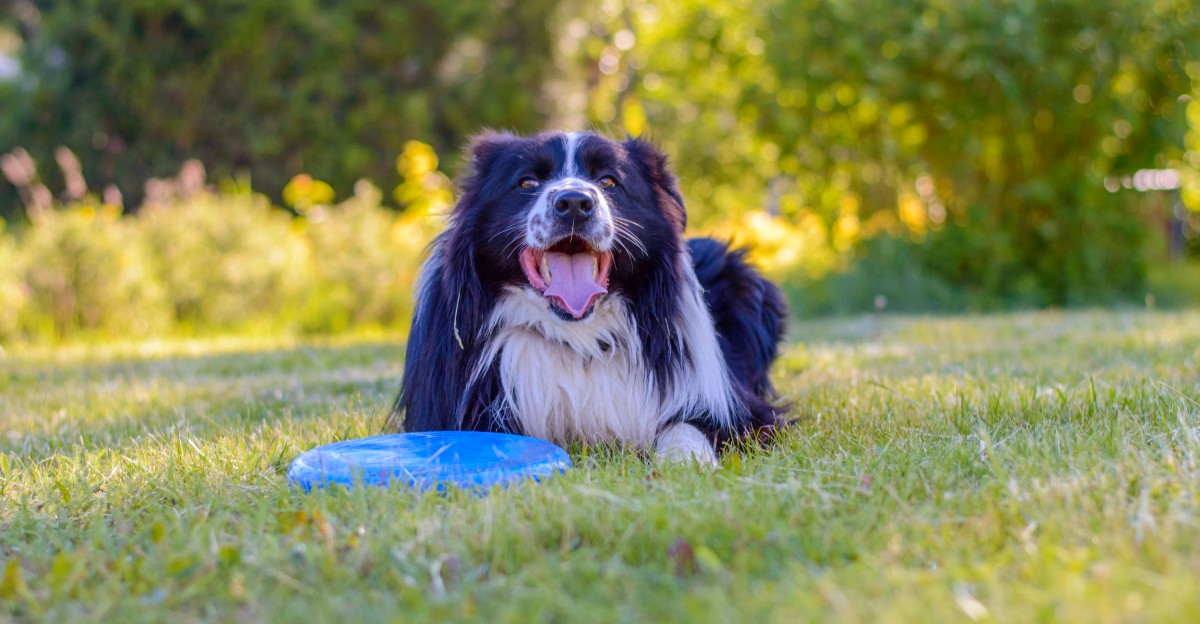
Bred to herd sheep, they have endless stamina and sharp focus. Active families who hike, run, or try dog sports will find a tireless teammate.
Here is the catch: without daily jobs, they may herd kids by nipping at heels. If your schedule is packed, a calmer breed could be a smarter choice.
Shih Tzu: Tiny Charmer
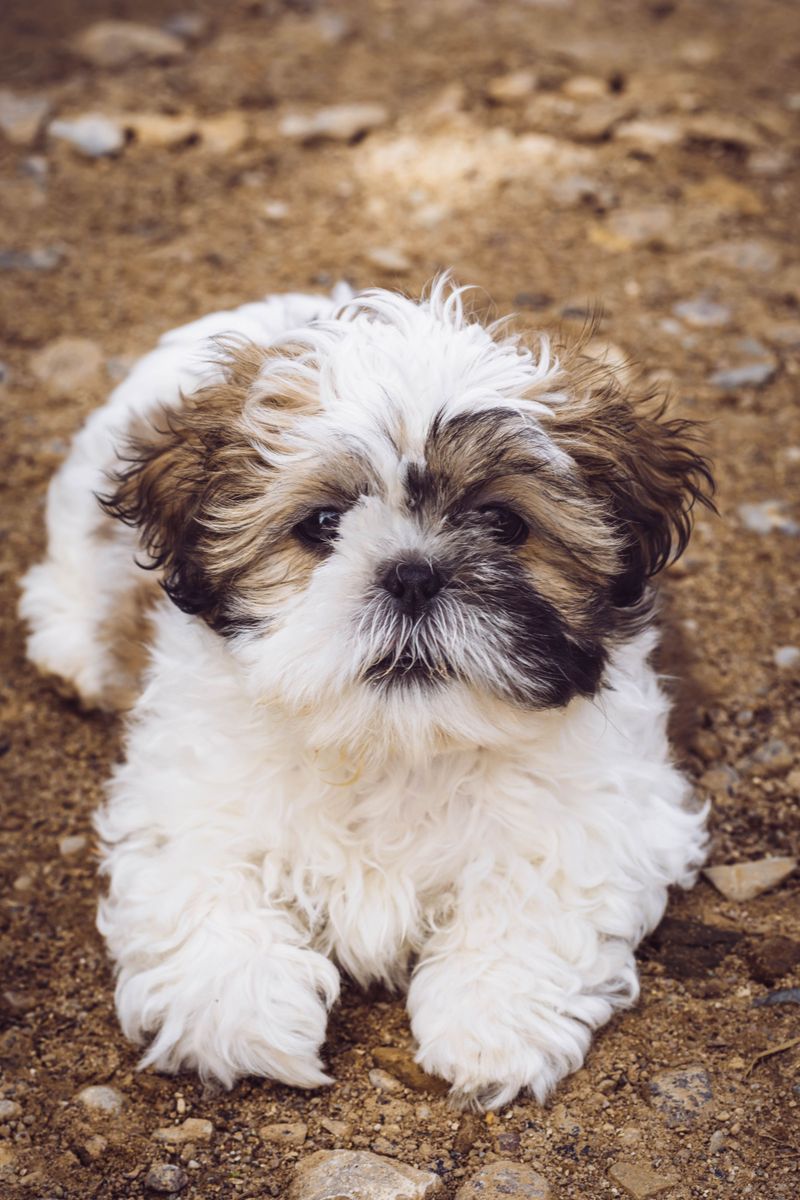
Chinese emperors treasured the Shih Tzu, whose name means little lion. Yet there is nothing fierce about this fluffy pal.
They are friendly, cheerful, and content in apartments. Short walks and indoor play cover most exercise needs.
That flowing coat needs daily brushing or a short puppy cut. Because they are small, teach younger kids to sit on the floor while holding them to prevent falls.
German Shepherd: Loyal Guardian
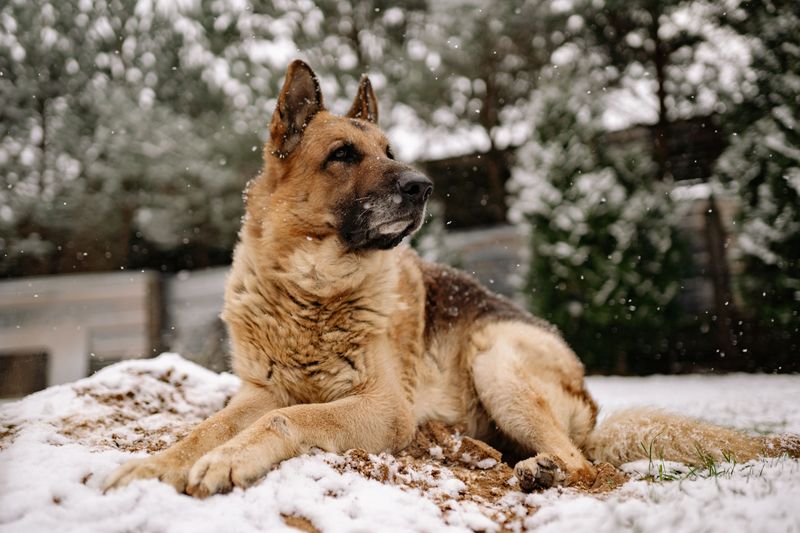
Police, military, and rescue teams rely on German Shepherds for good reason. They are brave, smart, and deeply bonded to their families.
With early socialization, they become steady protectors who respect household rules. Skipping training can lead to overprotective habits.
Give them mental challenges like obedience classes or tracking games. They also shed year-round, so a good vacuum might become your new best friend.
Newfoundland: Nanny in a Fur Coat
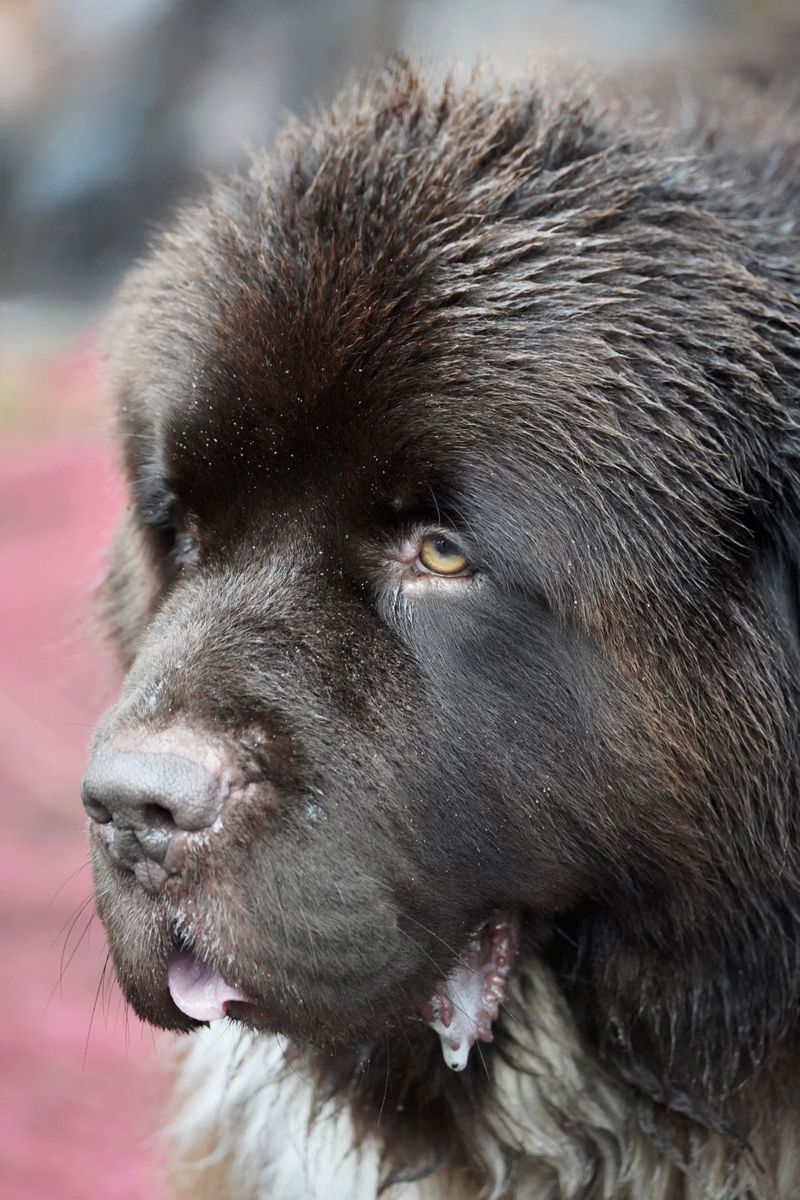
With a heart as big as its paws, the Newfoundland has a legendary reputation for watching over kids. Peter Pan even featured one as a nanny.
These huge dogs are mellow and kind. They were bred to rescue people from icy water and have webbed feet for swimming.
Drool is part of daily life, so keep towels handy. A big home and cool climate suit them best.
Mixed Breed Rescue: One of a Kind
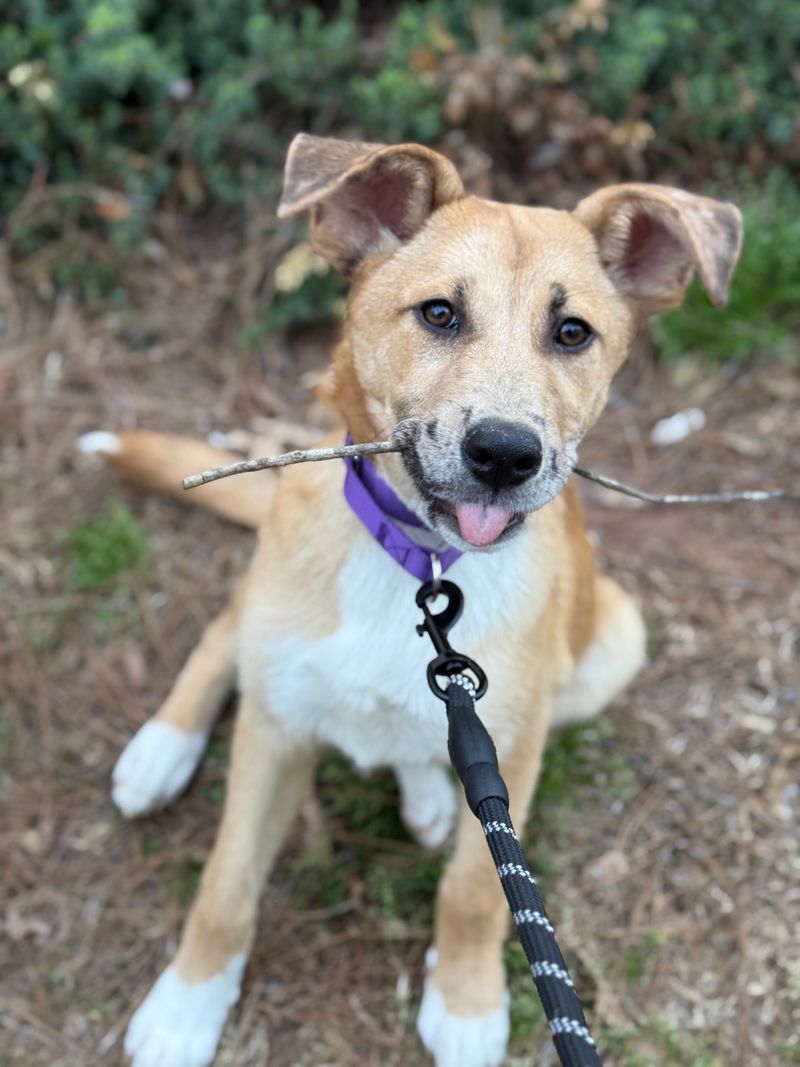
Shelters are full of wonderful mutts waiting for a second chance. Mixed breeds often have fewer inherited health issues and a blend of traits that surprise everyone.
Ask staff about each dog’s history with kids, cats, and noise. Many shelters let families do a meet-and-greet or even foster first.
Adopting an adult dog means you can see its personality right away. No guessing, just a grateful new friend.