Every home is different, from tiny city apartments to big farmhouses with open fields. The good news is that many dogs can feel happy in more than one kind of space if their owners plan ahead.
Knowing a breed’s energy, size, and needs helps you set up a home where a pup can truly settle in. Here are some breeds that can adjust well when you give them the right care and attention.
Labrador Retriever
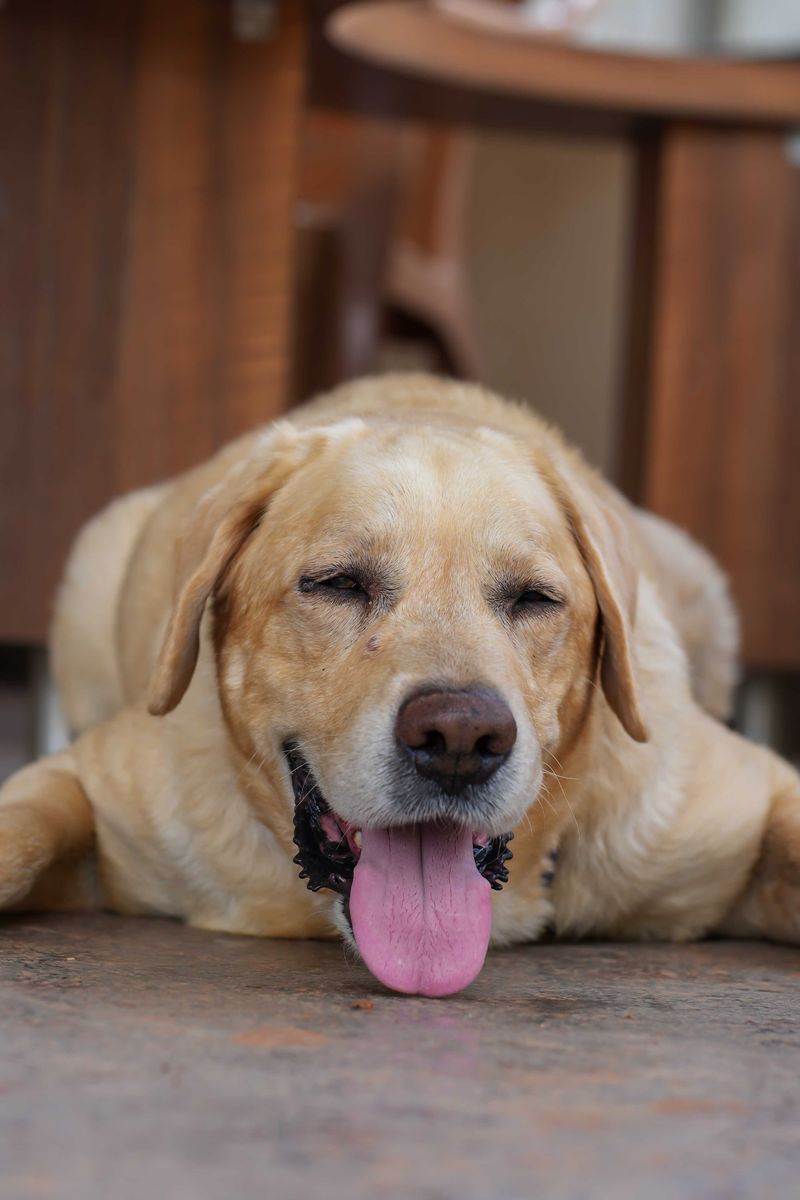
Ask any Lab owner and you will hear the same story: their dog thinks every visitor is a new best friend. Labs fit into houses, townhomes, and even larger apartments with ease.
The secret is exercise. A Lab needs about an hour of walking, fetching, or swimming each day.
Puzzle feeders help too, since these dogs love food and get bored quickly.
Fun fact: Labs actually came from Newfoundland, not Labrador.
Cavalier King Charles Spaniel
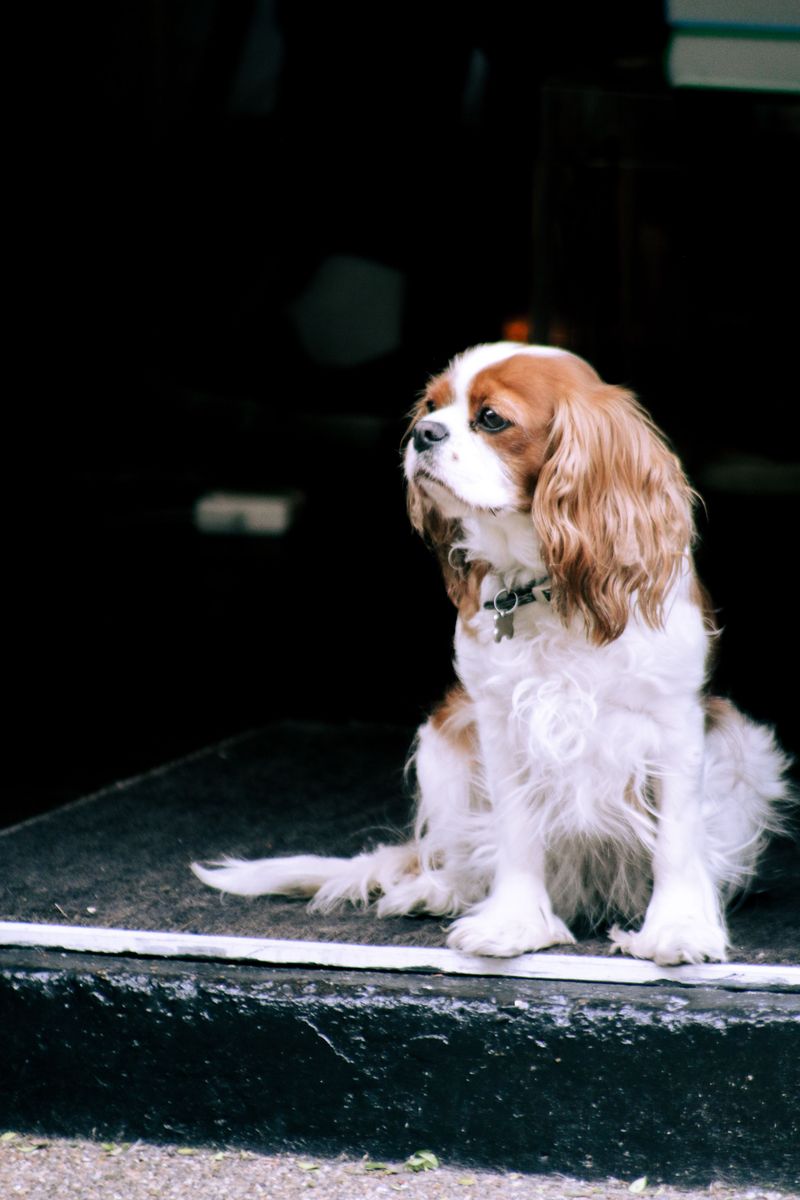
Royal lap dogs once warmed the knees of English kings, and Cavaliers still take that job seriously. Their small size makes them easy to keep in apartments, condos, or busy family homes.
Short daily walks and plenty of cuddle time keep them content. They do not like being left alone for long hours, so a pet sitter or doggy daycare can help working owners.
Brush their silky ears often to prevent tangles.
Greyhound
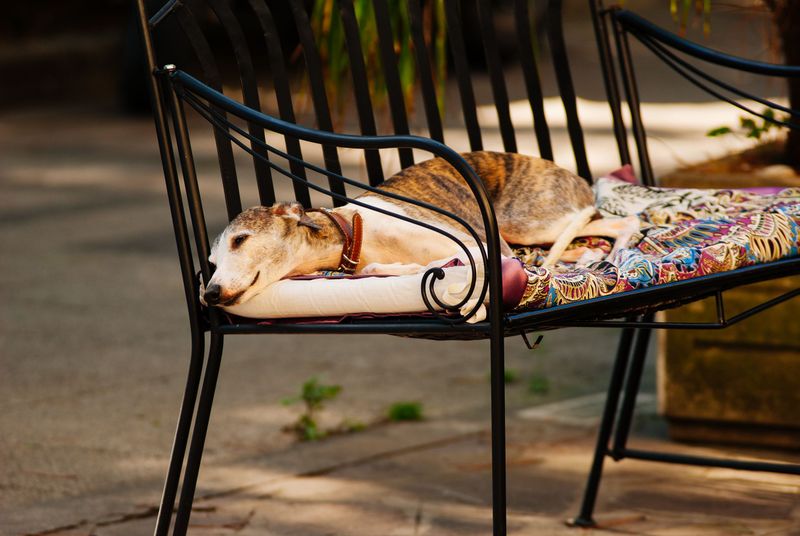
Here is a surprise: the fastest dog breed is often called a 45 mph couch potato. Retired racing Greyhounds usually spend most of the day napping.
That calm side makes them solid apartment dogs. Give them a soft padded bed, since their thin bodies feel hard floors, and a warm coat for chilly walks.
Always keep them leashed or inside a fenced area. Once they spot a squirrel, those long legs take over fast.
Poodle

Smart, sporty, and stylish, Poodles come in toy, miniature, and standard sizes. That range means there is likely a Poodle for almost any living space, from a studio to a farmhouse.
Their brains need work as much as their legs. Teach new tricks, play hide and seek with treats, or try agility classes.
Their curly coats shed very little, which many allergy sufferers love. Plan on professional grooming every six weeks or so.
French Bulldog
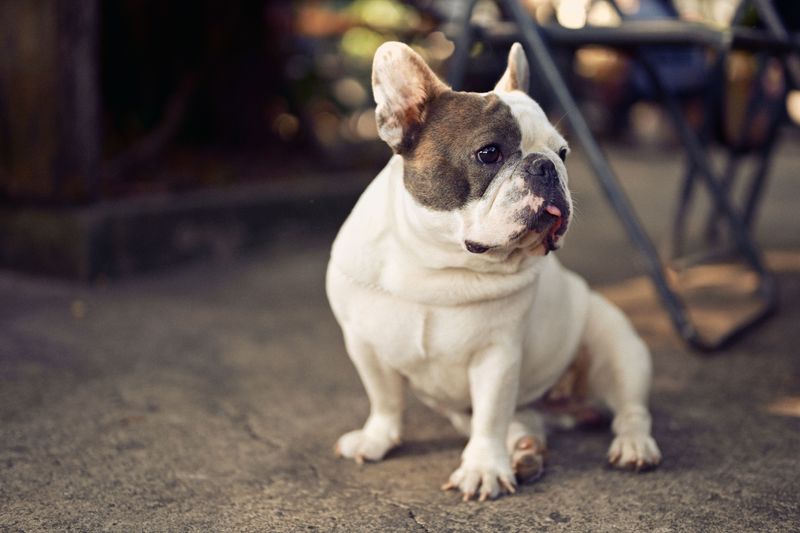
Those big bat ears and goofy snorts have made Frenchies one of the most popular breeds in America. They are quiet barkers, which neighbors in shared buildings will appreciate.
Small spaces suit them well, but heat does not. Their flat faces make breathing hard in hot weather, so air conditioning is a must in summer.
Keep walks short and gentle. Stairs can be tough too, so a ground floor home helps.
Golden Retriever
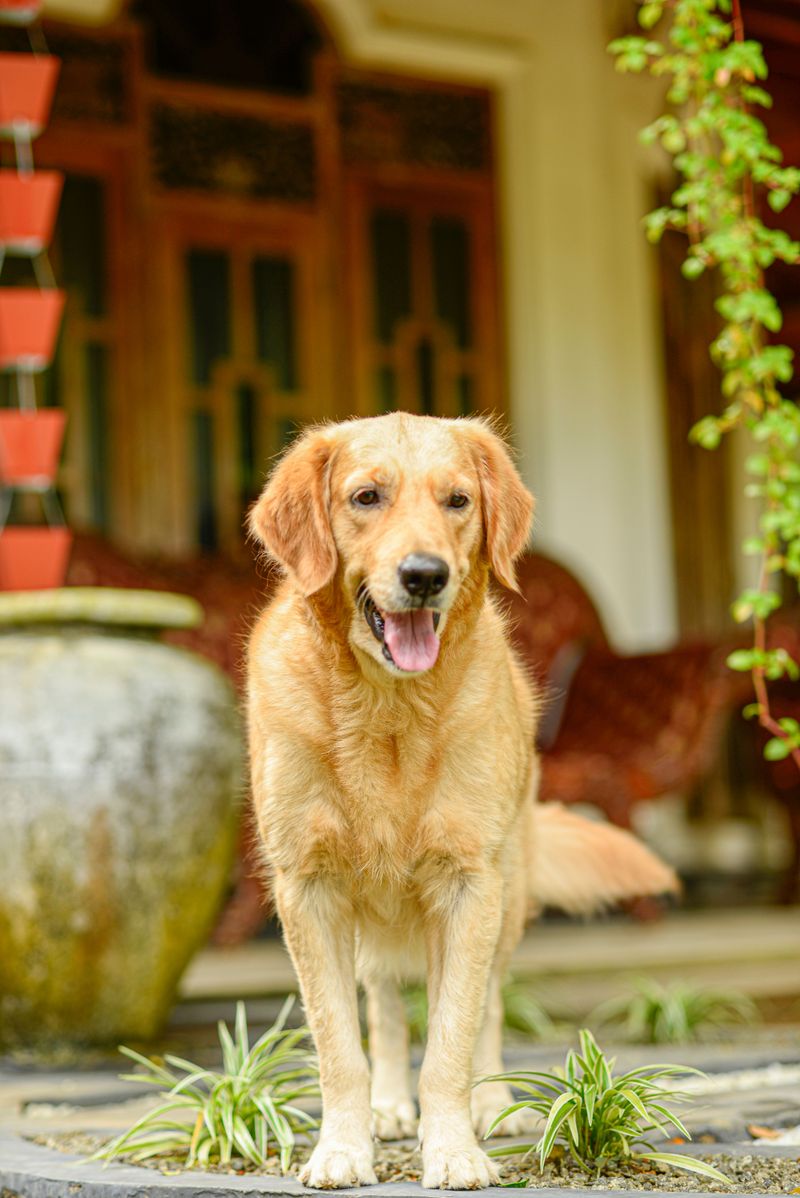
Picture a sunny backyard, a tennis ball, and a wagging golden tail. Goldens shine in homes with yards, yet they can adapt to smaller places when owners stay active.
Plan for long walks, fetch sessions, and lots of family time. They hate feeling left out.
Get ready for fur, too. Goldens shed heavily, especially in spring and fall, so a good brush and a sturdy vacuum become your new best tools.
Shih Tzu
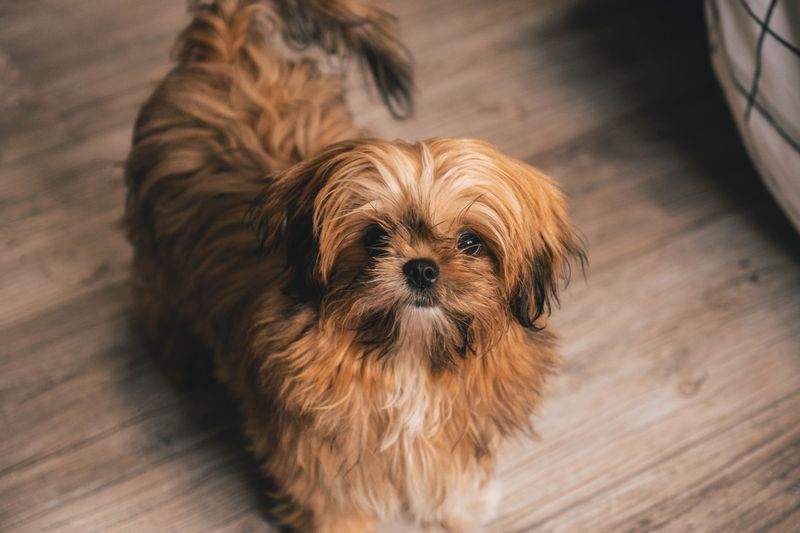
Chinese royalty bred the Shih Tzu to be an indoor buddy, and it still acts like palace life is normal. These little dogs need only light exercise, making them handy for seniors or apartment dwellers.
Their long coat is the big chore. Daily brushing or a short puppy cut keeps mats away.
House training may take extra patience. Stick to a schedule, praise every success, and keep accidents low-key.
Bernese Mountain Dog
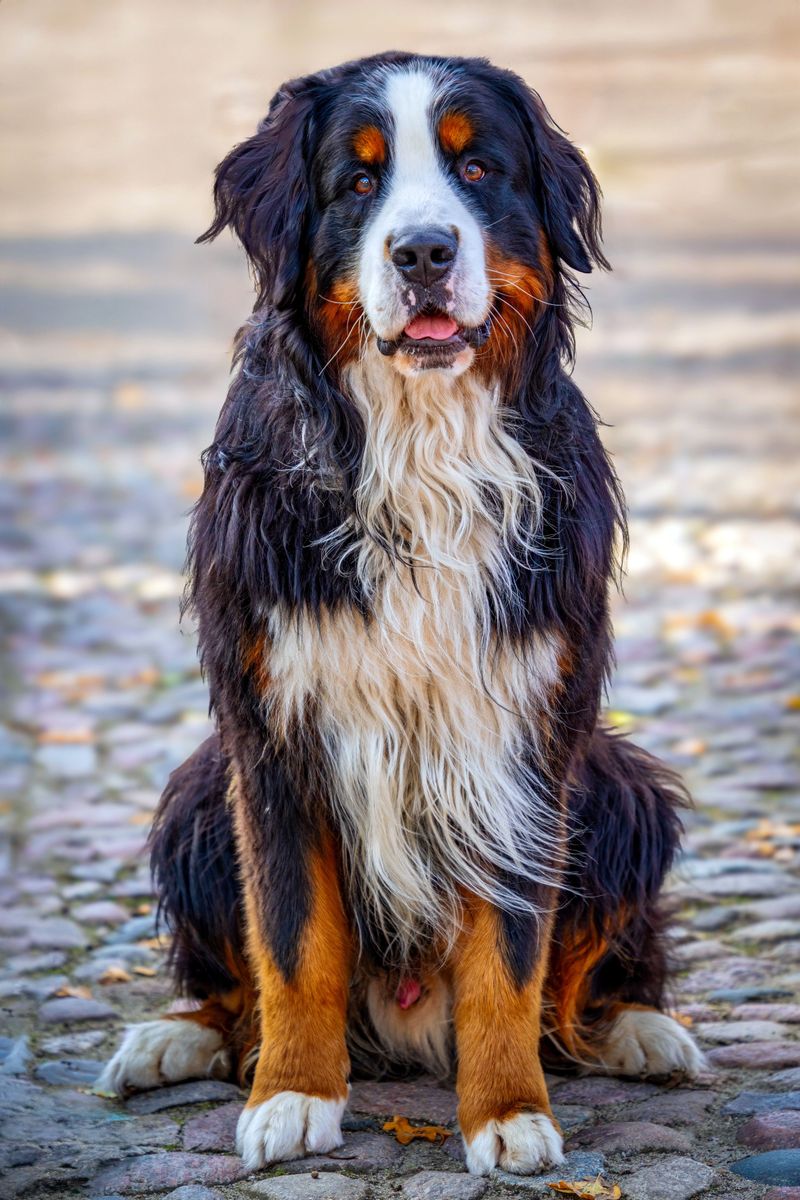
Born to pull carts across Swiss farms, the Berner is a big, fluffy helper with a soft heart. Cool climates and roomy homes with yards make the best match.
Hot apartments are not ideal. Their thick coats trap heat, so shade, fans, and fresh water matter in summer.
Moderate daily walks keep them fit without straining their joints. Sadly, Berners have shorter lifespans, so regular vet checkups are worth every visit.
Boston Terrier
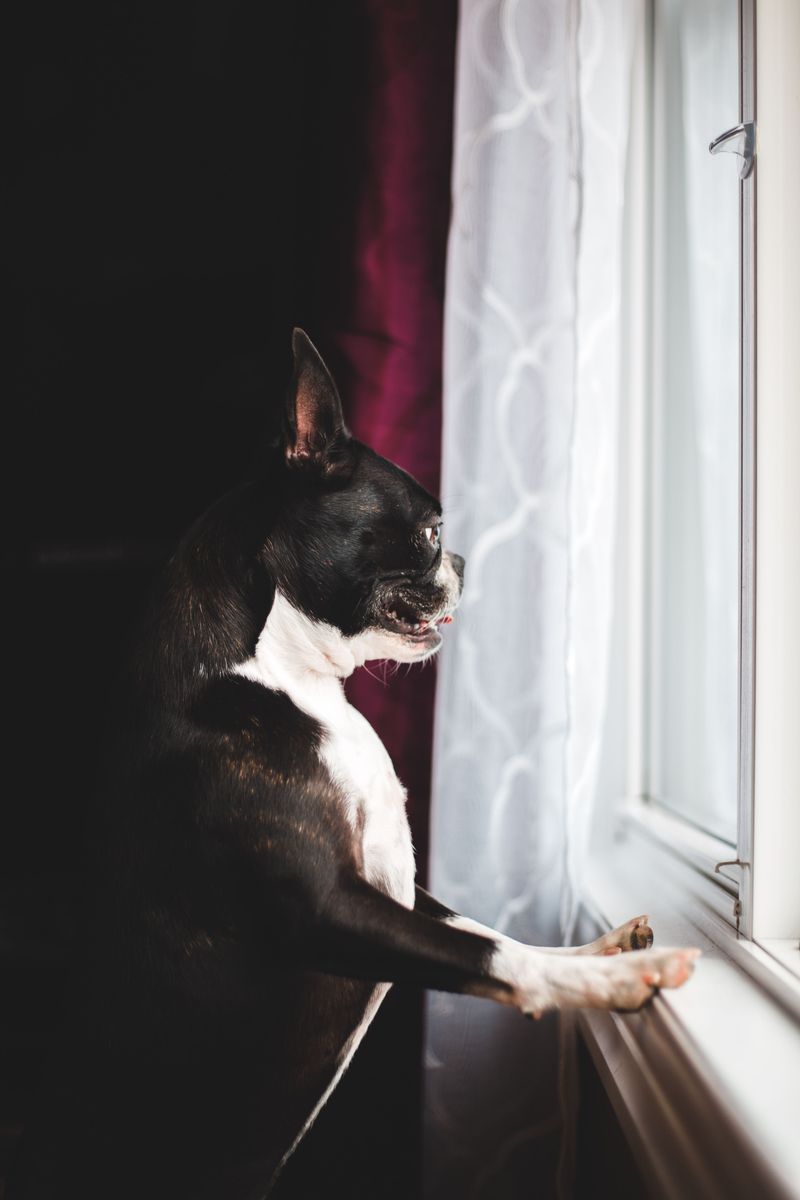
Nicknamed the American Gentleman for its tuxedo markings, the Boston Terrier brings big charm in a compact body. City apartments and suburban homes both work well.
Boston Terriers have bursts of silly energy. A few play sessions and two short walks usually burn it off.
Like other flat-faced breeds, they struggle in heat and cold. A sweater for winter and cool indoor spaces for summer keep them comfortable all year.
Australian Shepherd
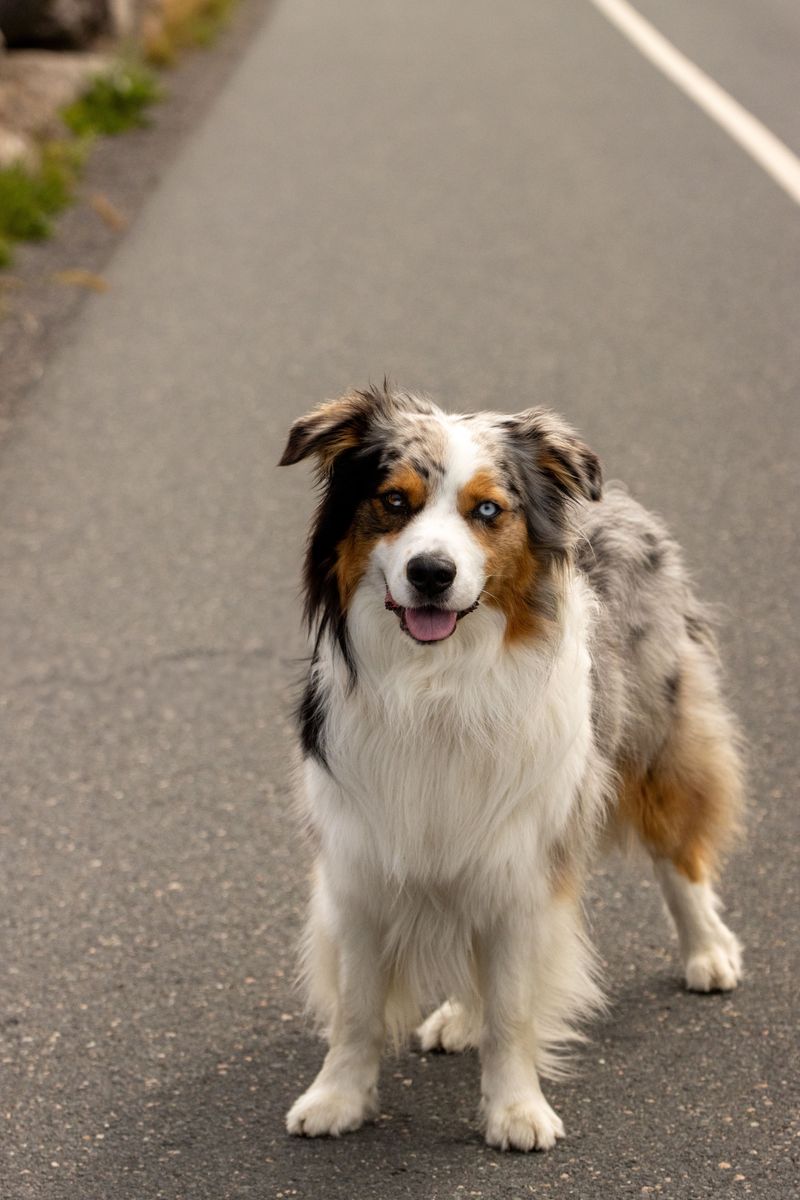
Got a farm, ranch, or very active lifestyle? The Aussie might be your dream dog.
Bred to herd sheep, these pups have nearly endless energy.
Apartment life is possible only with serious effort. Expect two hours of running, hiking, or training games daily.
A bored Aussie may chew furniture or try herding your kids. Give it a job, like frisbee or obedience practice, and you get a loyal, happy partner.
Bichon Frise
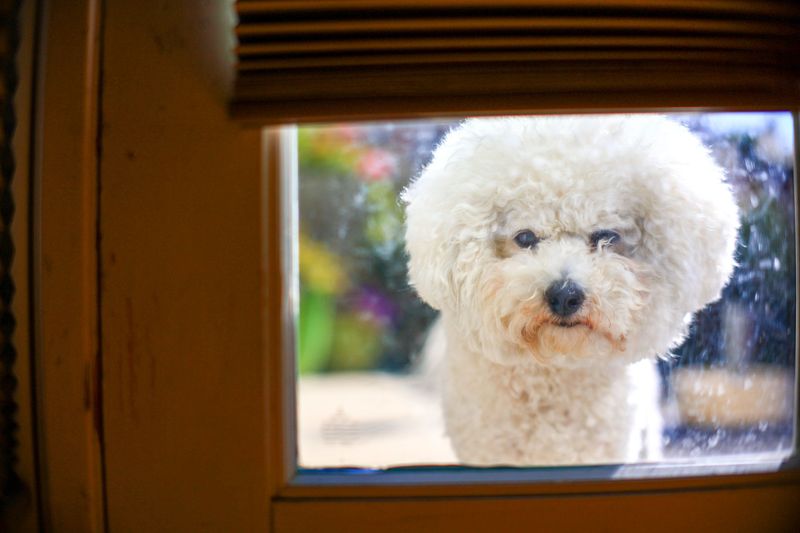
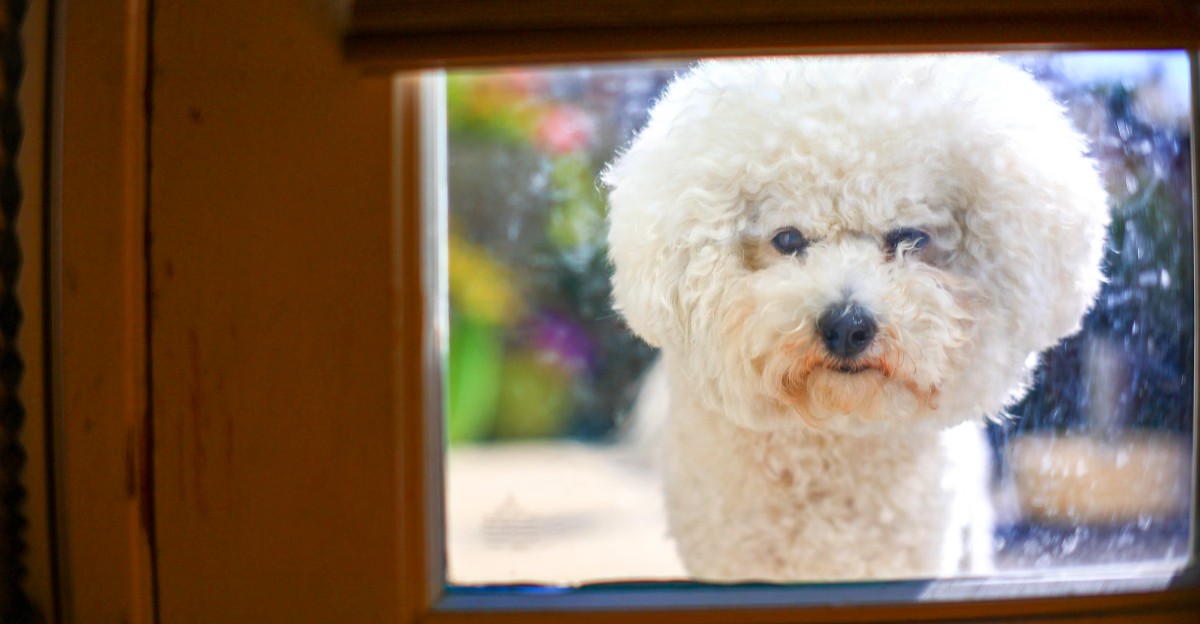
Cheerful little cotton balls, Bichons once performed tricks in circuses. That fun-loving spirit still shows up in their happy hops and zoomies.
Their small size fits nicely in condos and apartments. Short walks plus indoor play are usually enough.
Many families with mild allergies like them because they shed very little. The tradeoff is grooming, so schedule regular trims and brush a few times each week to keep that fluffy cloud looking fresh.
Basset Hound
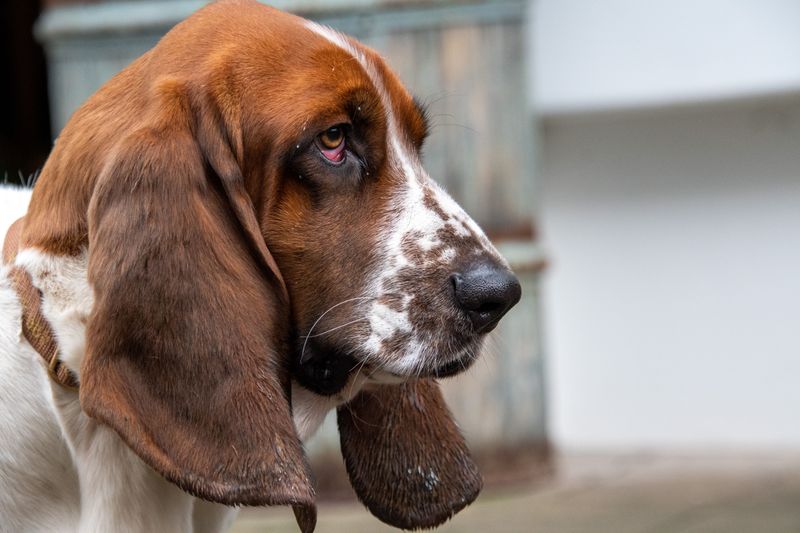
Nose first, everything else second. Basset Hounds have one of the strongest sniffers in the dog world, second only to the Bloodhound.
They are laid-back and slow-moving, which suits apartments or houses alike. Still, daily sniff walks are needed to prevent weight gain.
Watch out for their famous howl, which may bother close neighbors. Clean those long ears weekly, and keep food out of reach, because counter surfing is their hobby.
Mixed Breed Rescue

Sometimes the most adaptable dog is the one waiting at your local shelter. Mixed breeds often blend traits from several dogs, giving them flexible personalities.
Shelter staff usually know a dog’s energy level and habits, so ask lots of questions. They can help match you with a pup that fits your space.
Give your new friend a quiet corner, a steady routine, and a few weeks to decompress. Trust grows with time.