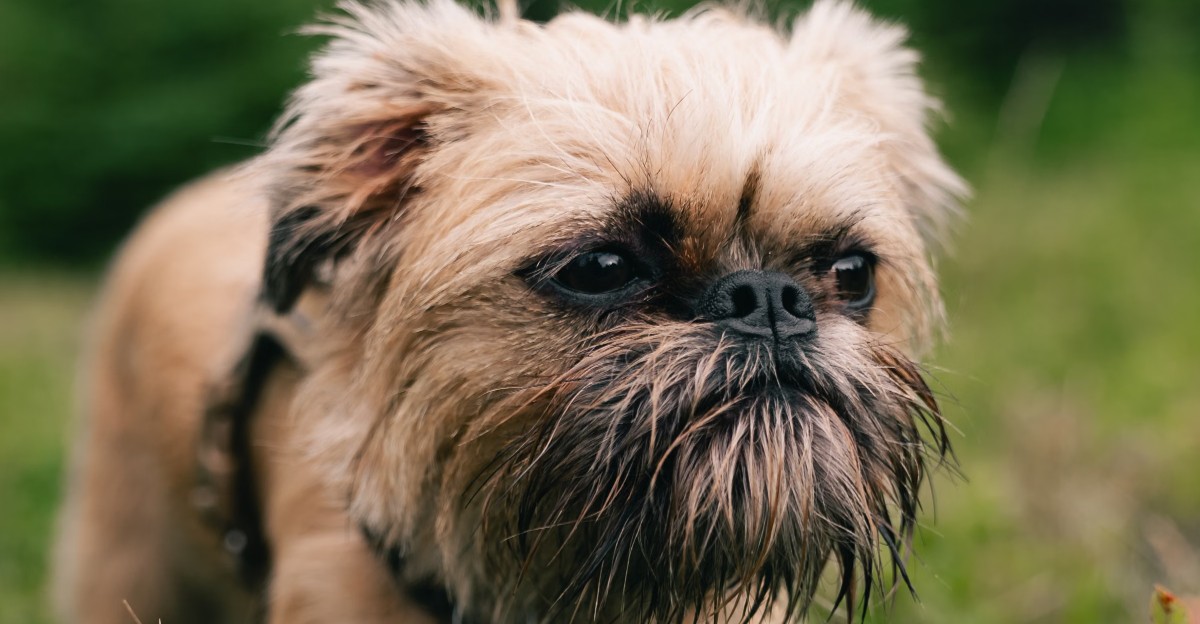
Some dogs were never meant to herd sheep or hunt foxes. Instead, they were bred to sit on laps, warm beds, and keep people happy for hundreds or even thousands of years.
Learning their stories helps you pick a pet that fits your home and shows how deeply people and dogs are connected. Here are some of the oldest and most loved companion breeds still around today.
Pekingese: The Little Lion of China
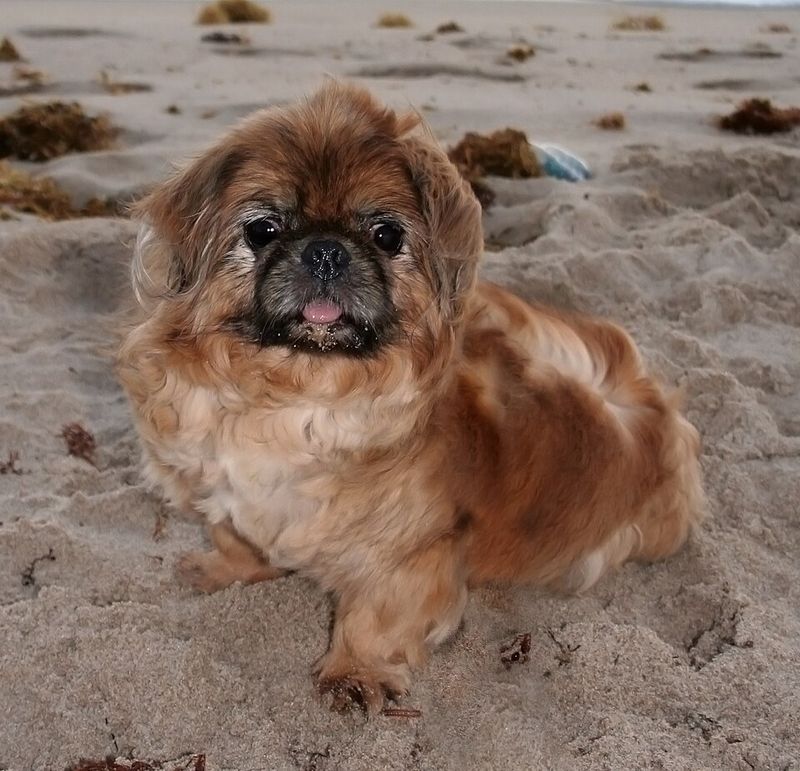
Long ago, only Chinese royalty could own a Pekingese. Stealing one from the palace in Beijing could even lead to a death sentence!
Legend says the breed came from a lion who fell in love with a marmoset. With its mane-like coat and bold strut, the story almost makes sense.
Today, a Pekingese still acts like royalty. Expect a confident, independent buddy who needs daily brushing and cool rooms on hot days.
Maltese: A Mediterranean Treasure
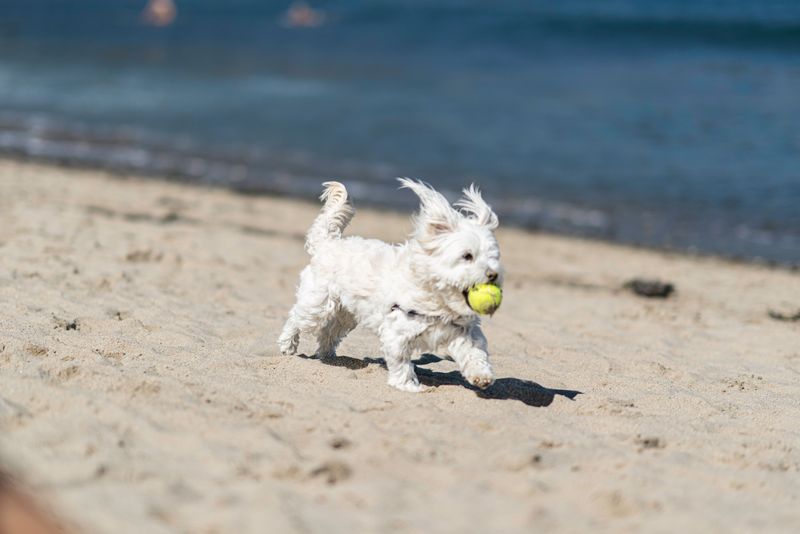
Picture ancient Greek sailors carrying tiny white dogs on trade ships. Historians think the Maltese has existed for over 2,000 years, making it one of Europe’s oldest toy breeds.
Roman ladies tucked these pups into their sleeves for warmth. Pretty clever, right?
Modern Maltese owners love the breed’s cheerful spirit and low shedding. Plan on regular grooming, though, because that silky white coat tangles quickly and shows every speck of dirt.
Shih Tzu: The Chrysanthemum Dog
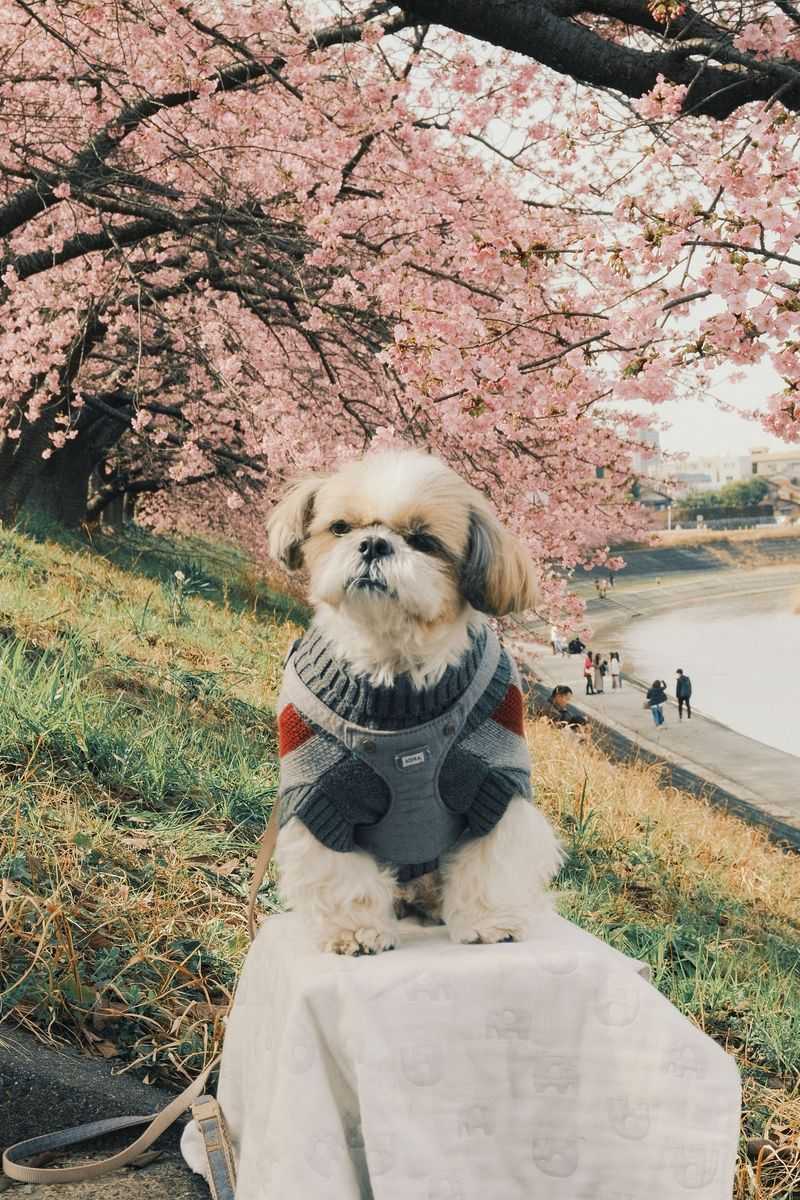
Nicknamed the chrysanthemum dog because its face hair grows outward like flower petals, the Shih Tzu is pure charm.
Tibetan monks may have gifted early versions to Chinese emperors. Palace eunuchs then bred them carefully, keeping their secrets for centuries.
Nearly lost during the 1900s, the breed was saved from just fourteen dogs. Today it thrives as a friendly apartment pal that loves attention, short walks, and plenty of snuggle time on the couch.
Pug: Big Personality, Ancient Roots
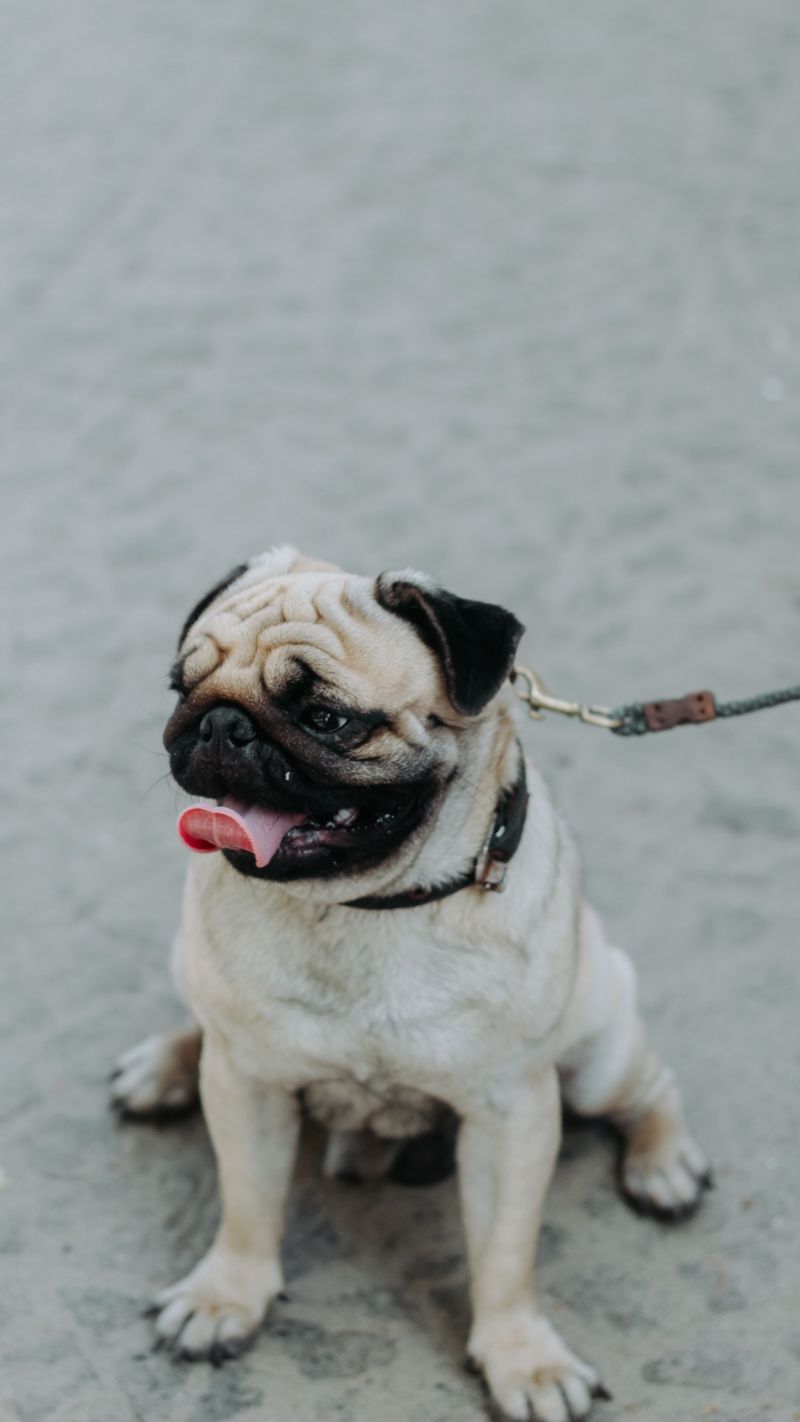
Multum in parvo. That Latin motto means a lot in a little, and it fits the pug perfectly.
Bred in China over 2,000 years ago, pugs later traveled to Holland. One even saved Prince William of Orange by barking at approaching assassins in 1572.
Got a family that laughs a lot? A pug will fit right in.
Just watch its weight and avoid exercise in hot weather, since that flat face makes breathing harder.
Cavalier King Charles Spaniel: A King’s Favorite
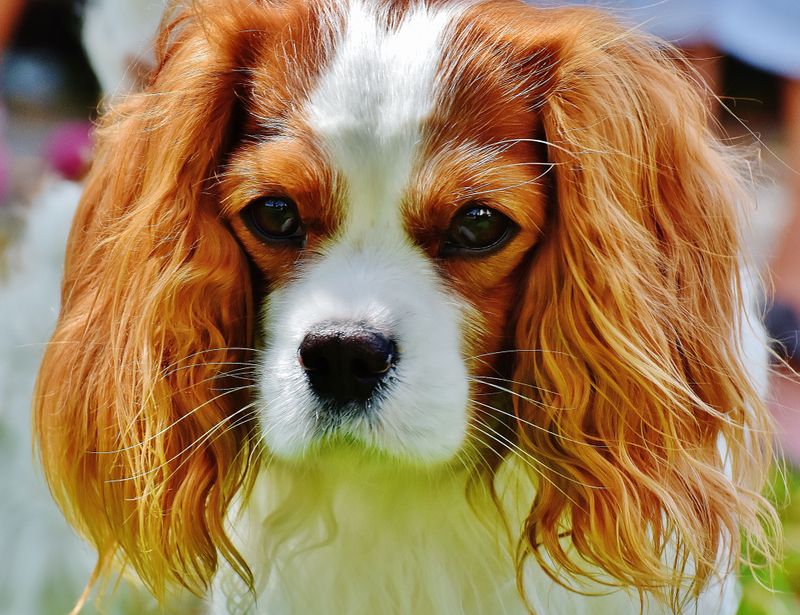
King Charles II of England adored his spaniels so much that people complained he ignored state business to play with them.
Paintings from the 1600s show these silky dogs curled at royal feet. The modern Cavalier was rebuilt in the 1920s to match those old portraits.
With soft eyes and a wagging tail, this breed bonds closely with its people. Regular heart checkups at the vet are smart, as the breed can face heart issues.
Japanese Chin: The Cat-Like Aristocrat
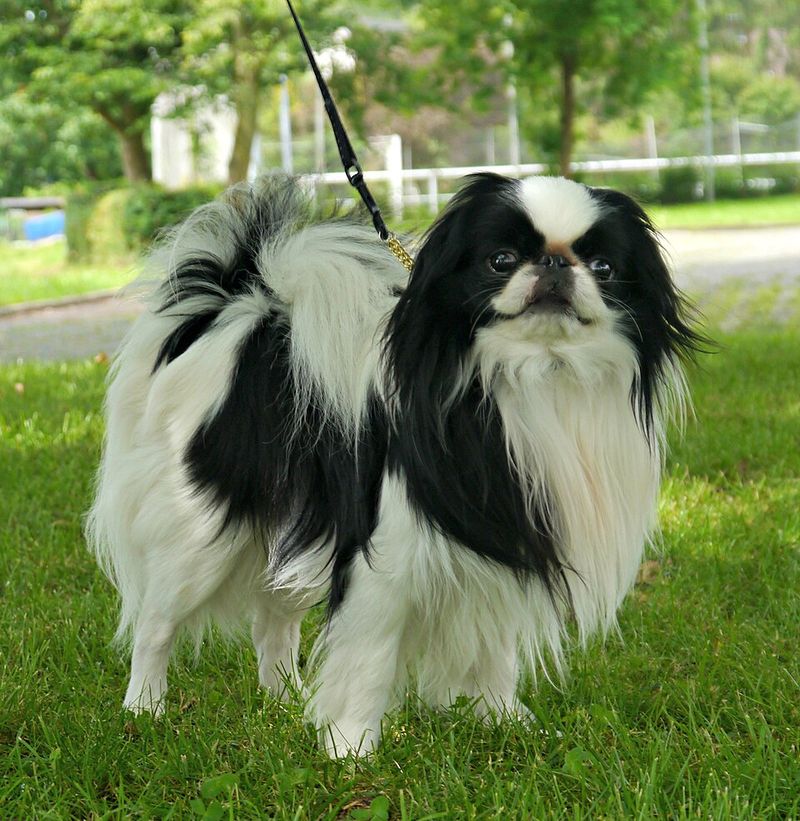
Ever met a dog that acts like a cat? The Japanese Chin washes its face with its paws and loves perching on high spots.
Japanese nobles treasured these little dogs for centuries, sometimes keeping them in bird cages. Commodore Perry brought some to the West in the 1850s as gifts.
Quiet, tidy, and graceful, the Chin suits calm homes. Some even do a happy spinning dance called the Chin spin when excited.
Lhasa Apso: Guardian of Tibetan Monasteries
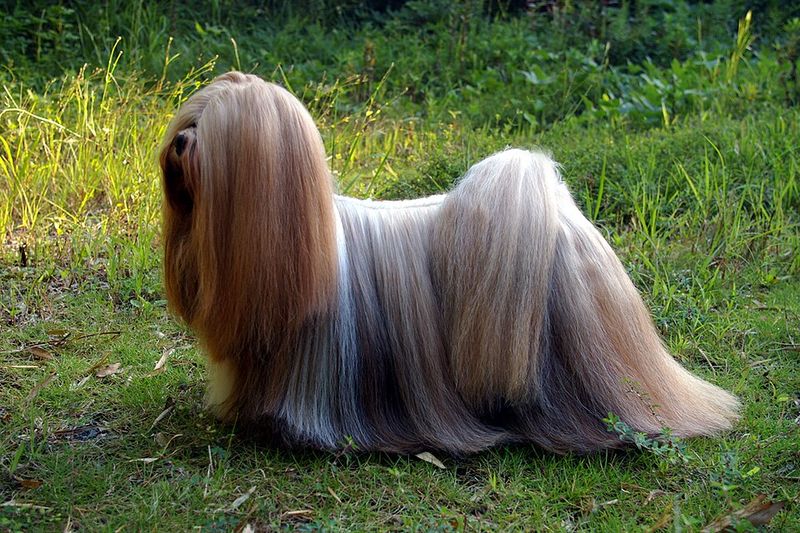
High in the Himalayan mountains, monks trusted the Lhasa Apso to bark whenever strangers came near their temples.
For about a thousand years, these dogs were never sold. They could only be given as gifts, often believed to bring good luck to the owner.
Don’t let the cute face fool you. A Lhasa is smart, alert, and a little stubborn, so patient training with treats works far better than harsh words.
Bichon Frise: The Circus Star
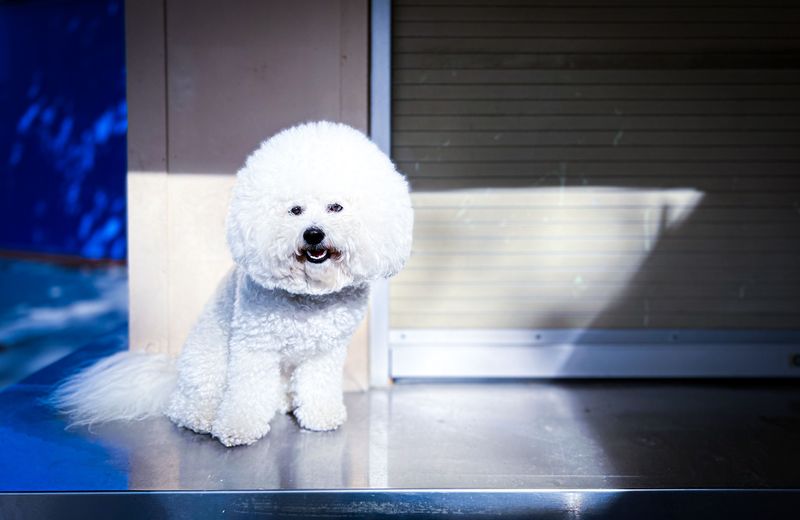
Spanish sailors once traded these powder-puff pups across the Mediterranean, and French kings later pampered them in royal courts.
When royalty fell out of fashion, Bichons found new jobs. They performed tricks for crowds at street fairs and circuses, winning hearts everywhere.
That playful showmanship never left. Bichons learn tricks fast, rarely shed, and often suit families with mild allergies.
Professional grooming every few weeks keeps their cloud-like coat looking fresh.
Chihuahua: Tiny Dog, Ancient Past
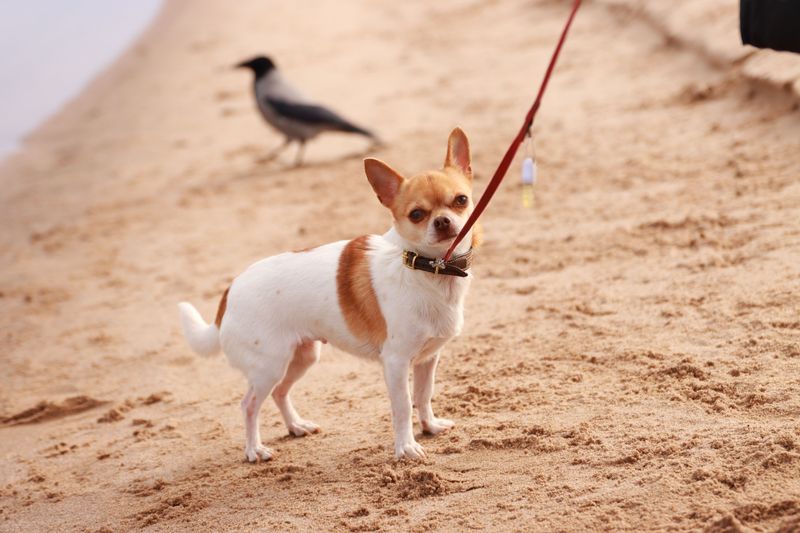
Weighing as little as two pounds, the Chihuahua carries a huge history. Experts link it to the Techichi, a small dog kept by the Toltec people of Mexico over a thousand years ago.
Aztecs later believed these dogs had spiritual value.
Modern Chihuahuas are fiercely loyal, often picking one favorite person. Keep a sweater handy for chilly days, and teach kids to handle these fragile little pups gently.
Italian Greyhound: Speed in a Small Package
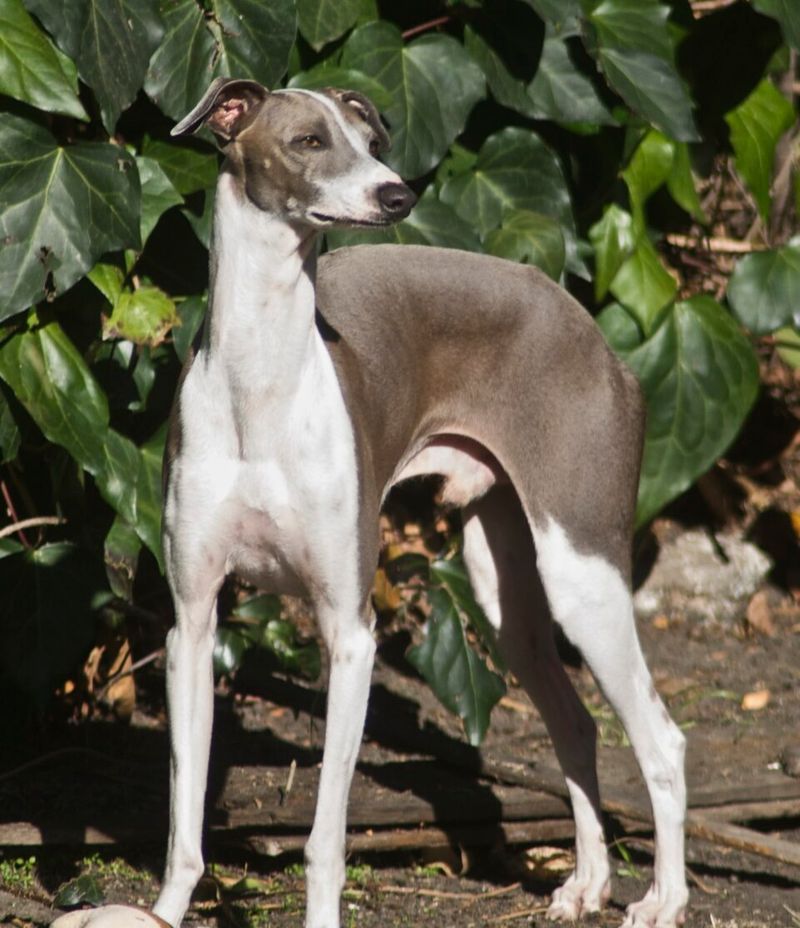
Archaeologists have found images of tiny greyhound-like dogs in Pompeii and ancient Egypt. The Italian Greyhound has been charming people for at least 2,000 years.
During the Renaissance, Italian nobles loved them. Even Catherine the Great of Russia owned one!
These sleek dogs can sprint fast, yet they adore blankets and warm laps. Because their legs are thin, protect them from big jumps, and use a secure leash outdoors.
Papillon: Butterfly Ears and Brains
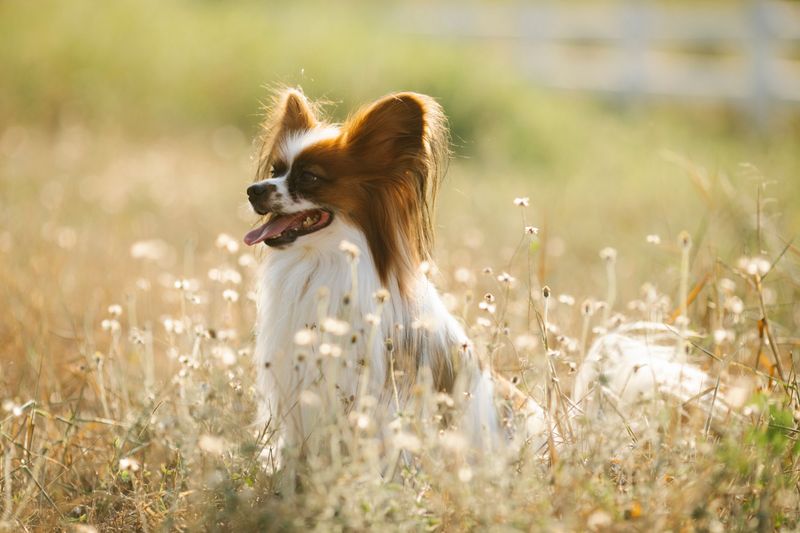
Papillon means butterfly in French, and one look at those fringed, wing-shaped ears explains why.
Famous painters like Titian and Rubens included these dogs in portraits. Marie Antoinette reportedly owned one too, carrying it around the palace at Versailles.
Here’s a surprise: Papillons rank among the smartest toy breeds. They shine in agility courses and trick training, so give yours puzzles and games to keep that busy brain happy.
Havanese: Cuba’s National Dog
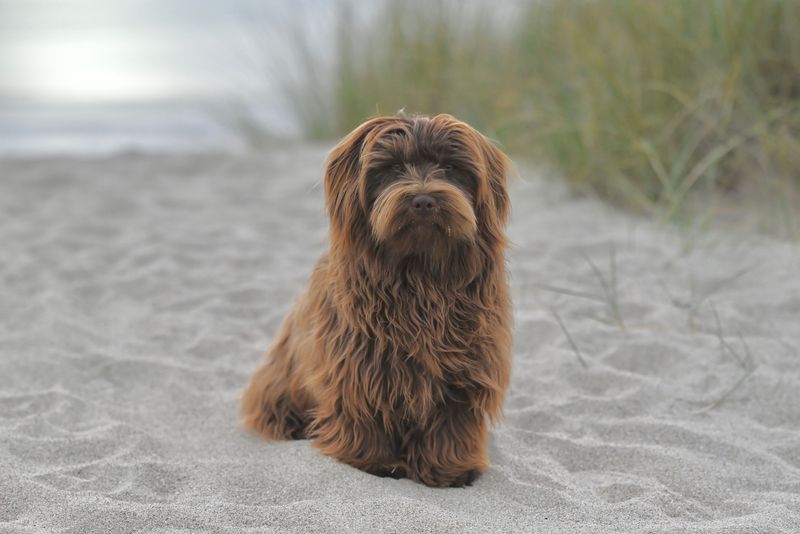
Spanish settlers brought small dogs to Cuba in the 1500s, and wealthy Cuban families turned them into the Havanese.
After the Cuban Revolution, only a handful left the island with fleeing families. Breeders in America rebuilt the breed from about eleven dogs.
Friendly and sociable, Havanese hate being left alone for long hours. They’re happiest following you from room to room, so they fit best with people who are home often.
Brussels Griffon: The Bearded Charmer
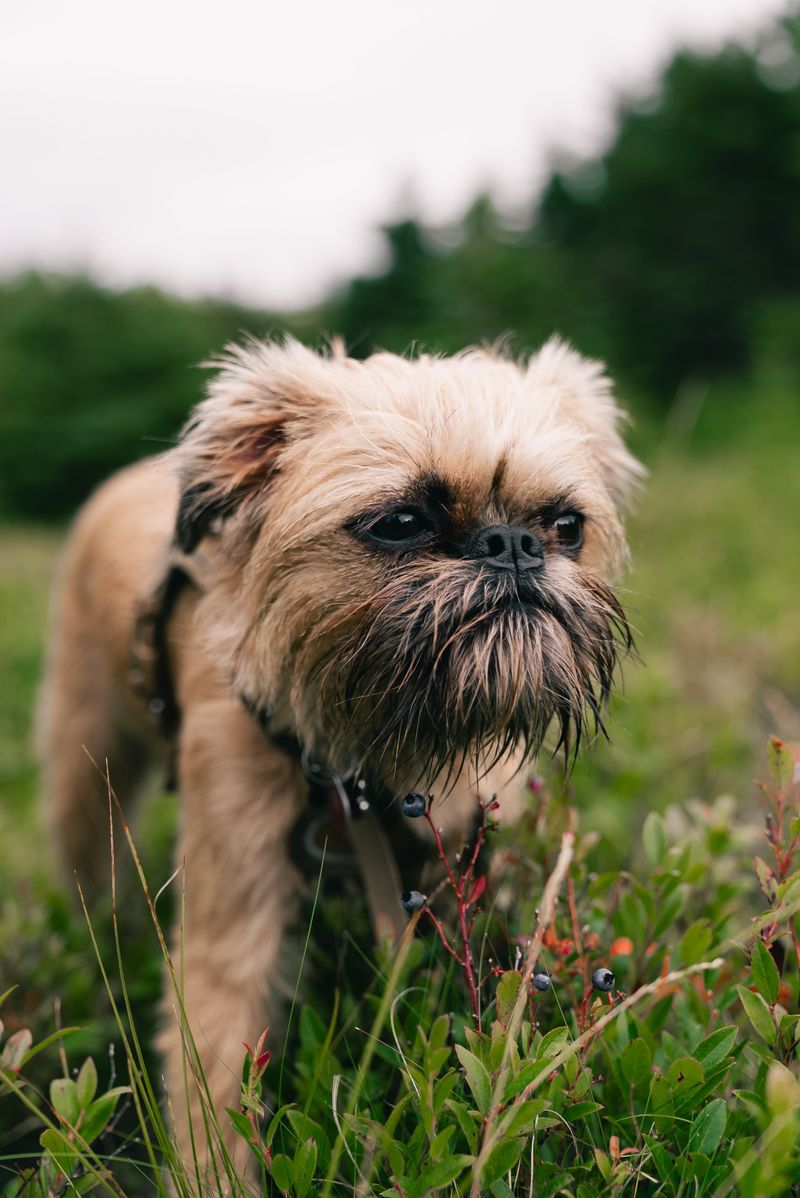
Stable rat catchers in 1800s Brussels slowly became palace pets when Queen Marie Henriette fell for their funny bearded faces.
With its almost human expression, the Brussels Griffon often looks like it’s thinking deep thoughts. Many say it inspired the Ewoks in Star Wars.
This breed is sensitive and craves closeness. Gentle praise works wonders, and early socialization helps a Griffon feel brave around new people and noisy places.