
Any dog can get an ear infection, but some breeds seem to battle them again and again. Floppy ears, hairy ear canals, allergies, and a love of swimming can all trap moisture and germs inside.
Knowing which breeds face higher risk helps you spot trouble early and keep your pup comfortable. Here are the breeds that deserve a little extra ear care.
Cocker Spaniel
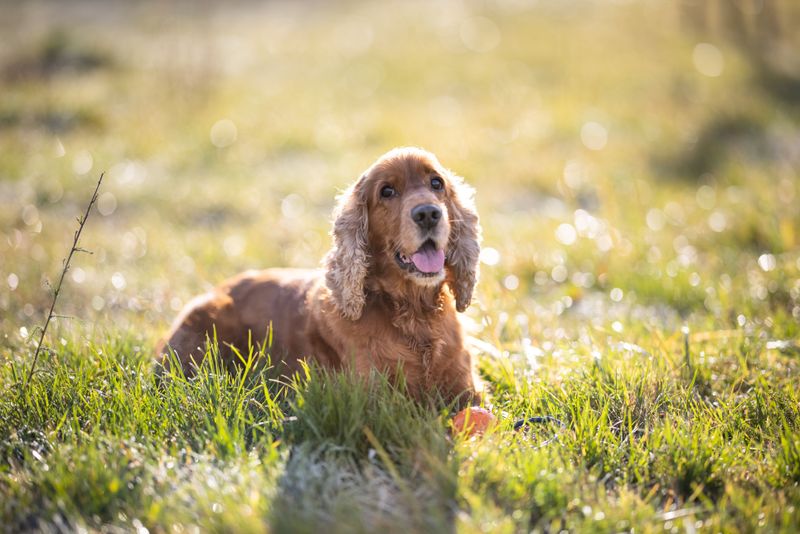
Those long, wavy ears are the first thing people fall in love with. Sadly, they are also the reason Cocker Spaniels top many vet lists for ear infections.
Heavy ear flaps block airflow, and the canals often grow extra hair and wax. Warm, damp spaces like that are a playground for yeast and bacteria.
Check their ears weekly for a bad smell or redness. A gentle vet-approved cleaner every couple of weeks can make a big difference.
Basset Hound
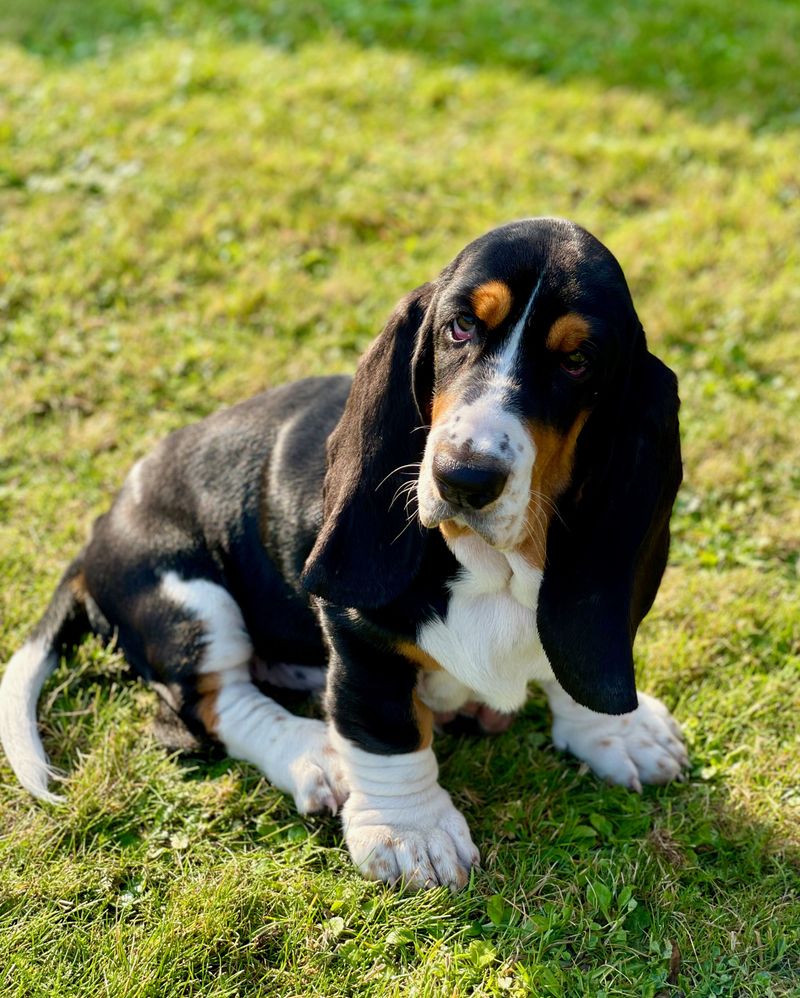
Picture ears so long they drag through puddles and food bowls. Basset Hounds were bred to sweep scents toward their noses, which works great on the trail.
At home, though, those velvety flaps trap dirt and moisture. Their skin also tends to be oily, adding fuel for infections.
Try wiping the outside of the ears after meals and walks. A snood or narrow bowl can keep ear tips out of dinner too.
Labrador Retriever
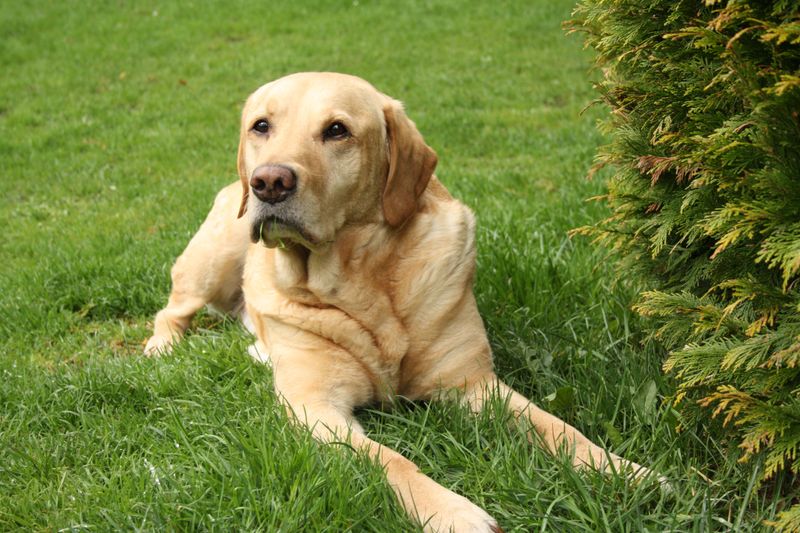
Ask any Lab owner, and they will tell you their dog cannot pass a pond without jumping in. That water-loving spirit is pure joy, but it comes with a catch.
Water left in the ear canal creates a soggy home for germs. Labs also commonly have food and skin allergies, which inflame the ears.
After every swim, dry the ears with a soft towel. A drying ear rinse recommended by your vet adds extra protection.
Golden Retriever
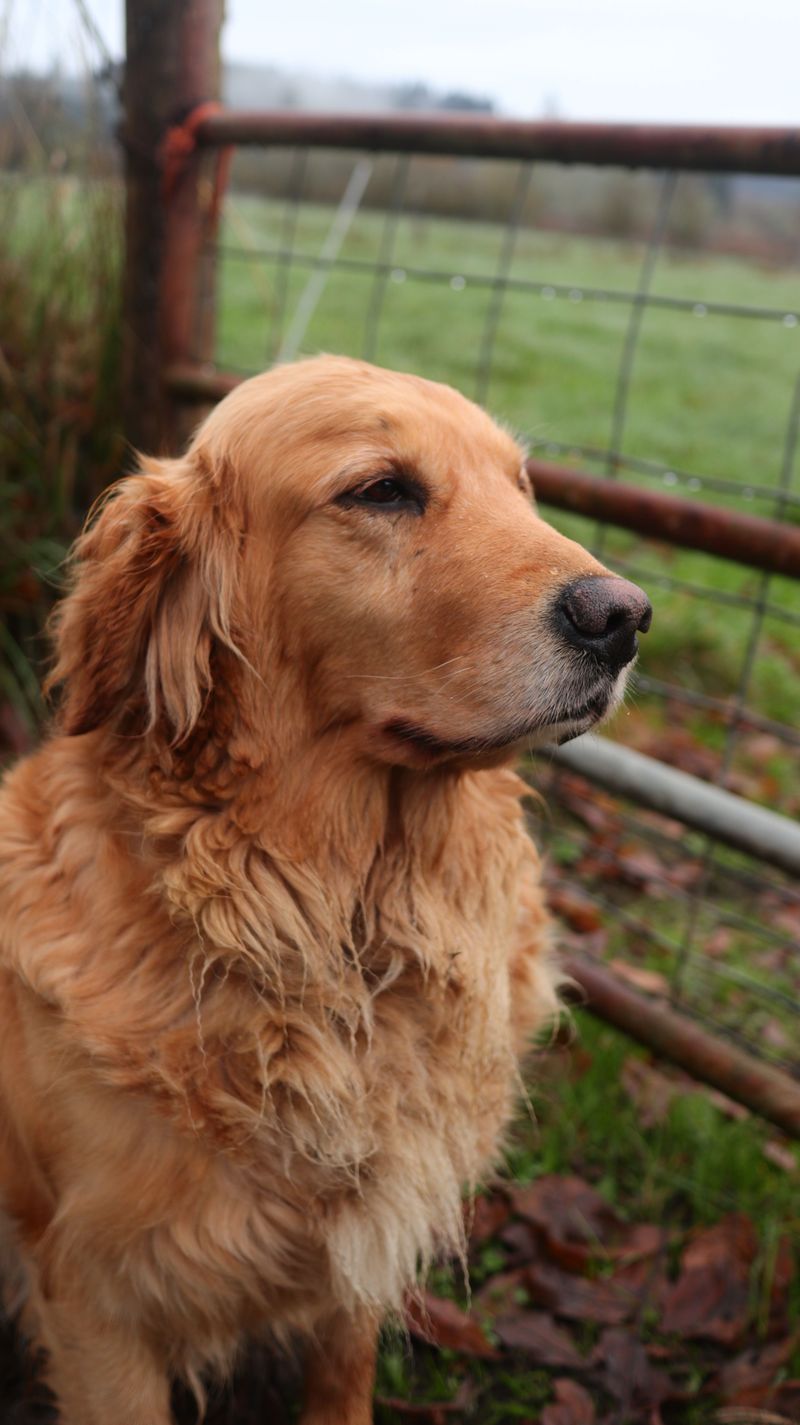
Sunny smiles and wagging tails hide a common problem. Golden Retrievers often deal with allergies, and itchy skin frequently shows up first in the ears.
Their feathered, floppy ears also hold in heat and moisture. If your Golden keeps shaking its head or scratching, take note.
Fun fact: Goldens were first developed in Scotland in the 1800s to fetch birds from water. Regular grooming of ear fur helps keep those canals breathing.
Poodle
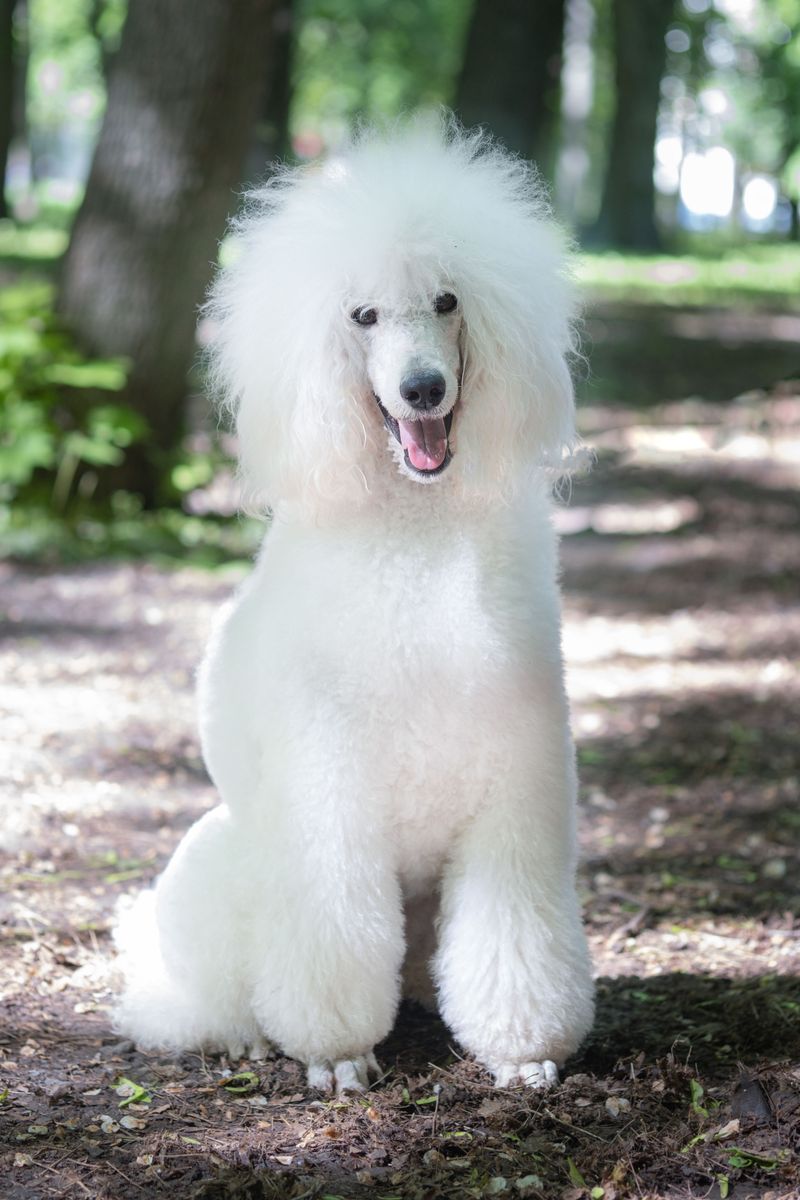
Did you know Poodles grow hair right inside their ear canals? Unlike many dogs, their curly coat keeps growing, even deep in the ears.
That hair catches wax and debris, forming little clogs. Without care, those clogs can lead to painful infections.
Talk with your groomer or vet about safe ear hair care. Some dogs do better with plucking, while others need only trimming and cleaning, so ask what suits your Poodle best.
Shar-Pei
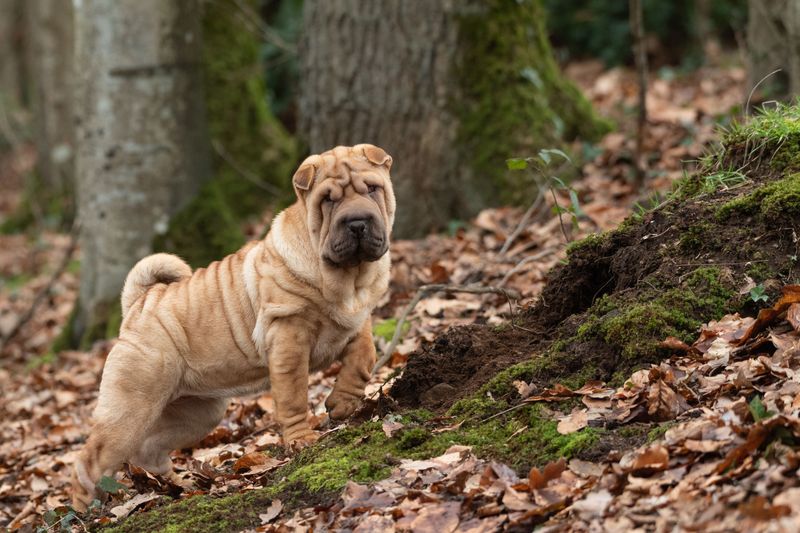
Wrinkles make the Shar-Pei look like a wise old soul. Those adorable folds, though, extend to some very tight, narrow ear canals.
Small openings mean less air gets in and gunk has trouble getting out. Many Shar-Peis also struggle with skin conditions that affect the ears.
Cleaning can be tricky, so ask your vet to show you the right technique. Watch for dark discharge or a sour smell between visits.
French Bulldog
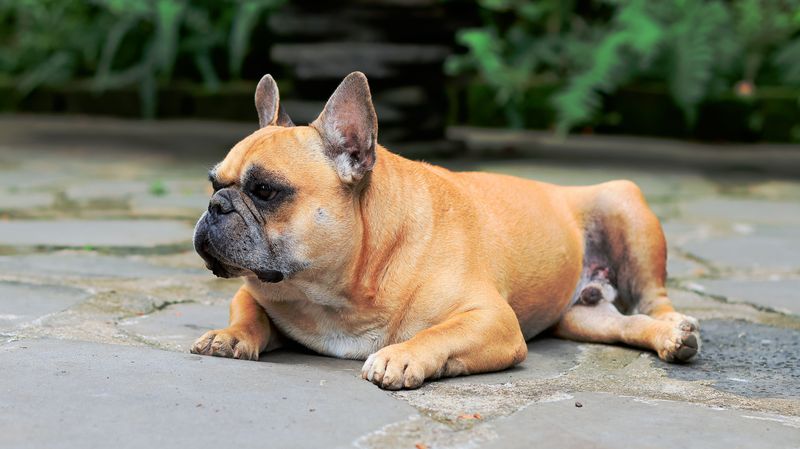
Bat ears stand tall and proud, so you might think Frenchies are safe. Not quite!
These little clowns are famous for allergies.
When allergies flare, ear canals swell and produce extra wax. Their short, curvy canals can make the trouble worse.
Wipe the big outer ear gently with a soft pad once a week. Red skin, head tilting, or constant pawing are your cue to call the vet.
Bloodhound
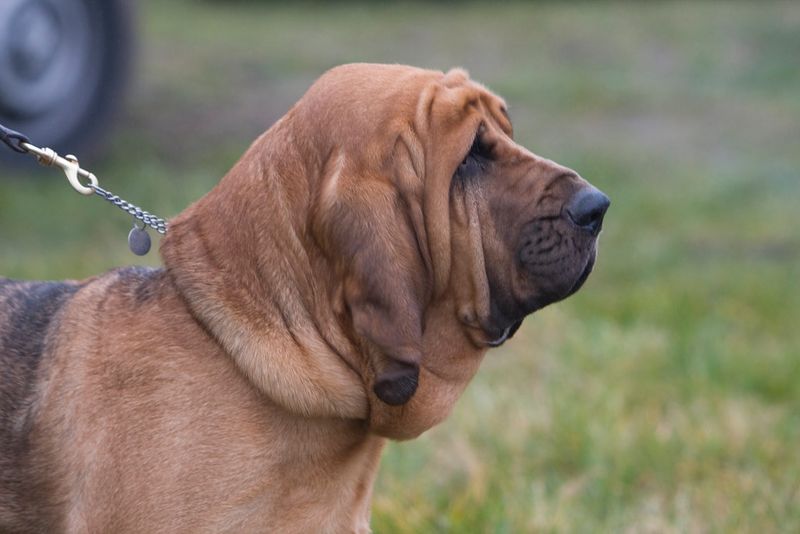
A Bloodhound’s nose can follow a trail days old, and its ears help. Long, heavy flaps stir up scents while the dog sniffs along.
Unfortunately, those flaps act like curtains closing off the ear. Moisture builds, and infections can sneak in unnoticed.
Lift the ears during regular brushing and take a quick sniff. Healthy ears smell mild.
Anything yeasty or sour means it is time for a checkup.
German Shepherd
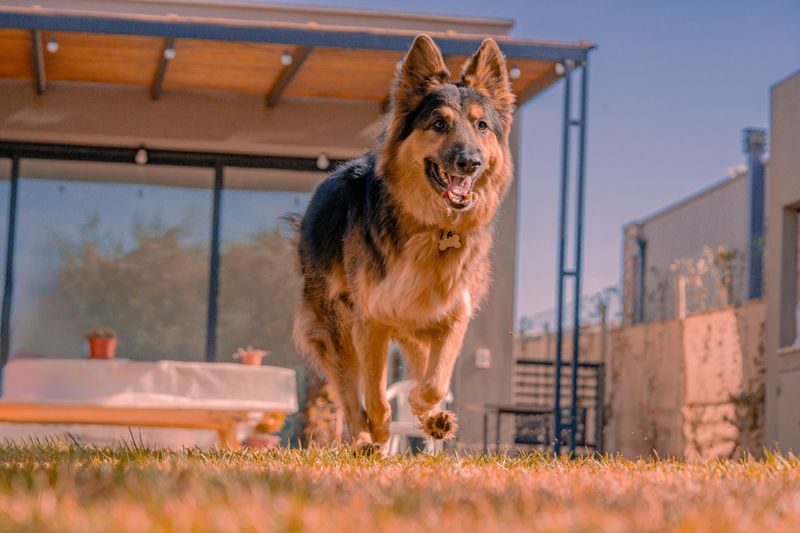
Upright ears do not always mean trouble-free ears. German Shepherds have wide ear openings that collect dust, seeds, and debris during outdoor adventures.
Many also have skin allergies passed down in their families. Itchy ears often lead to scratching, and scratching opens the door for infection.
After hikes, peek inside for grass awns or dirt. A monthly cleaning keeps those satellite-dish ears ready for duty.
Shih Tzu
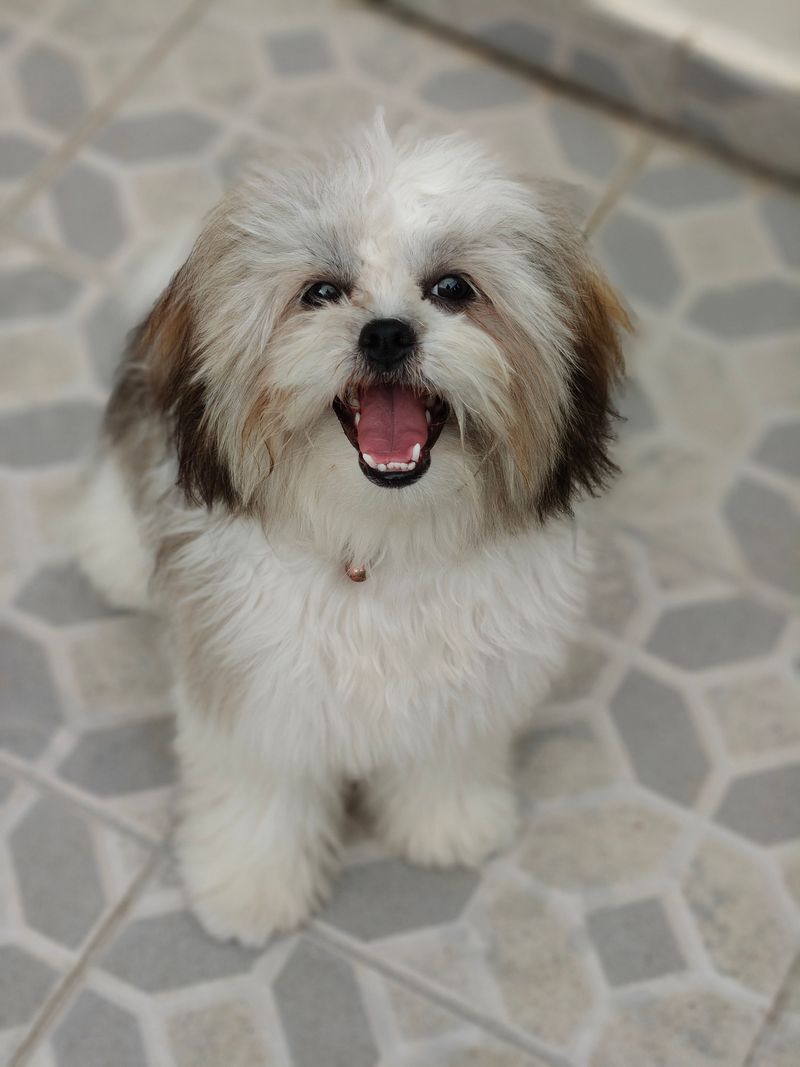
Royal pups of ancient China, Shih Tzus were once pampered palace pets. Their long, flowing coats still need a royal level of care today.
Hair covers their ears and grows inside the canals, holding in wax and moisture. Add allergies, and infections can become a repeat problem.
Keep ear fur tidy with regular grooming visits. Gently dry the ears after baths, and watch for scratching or head shaking.