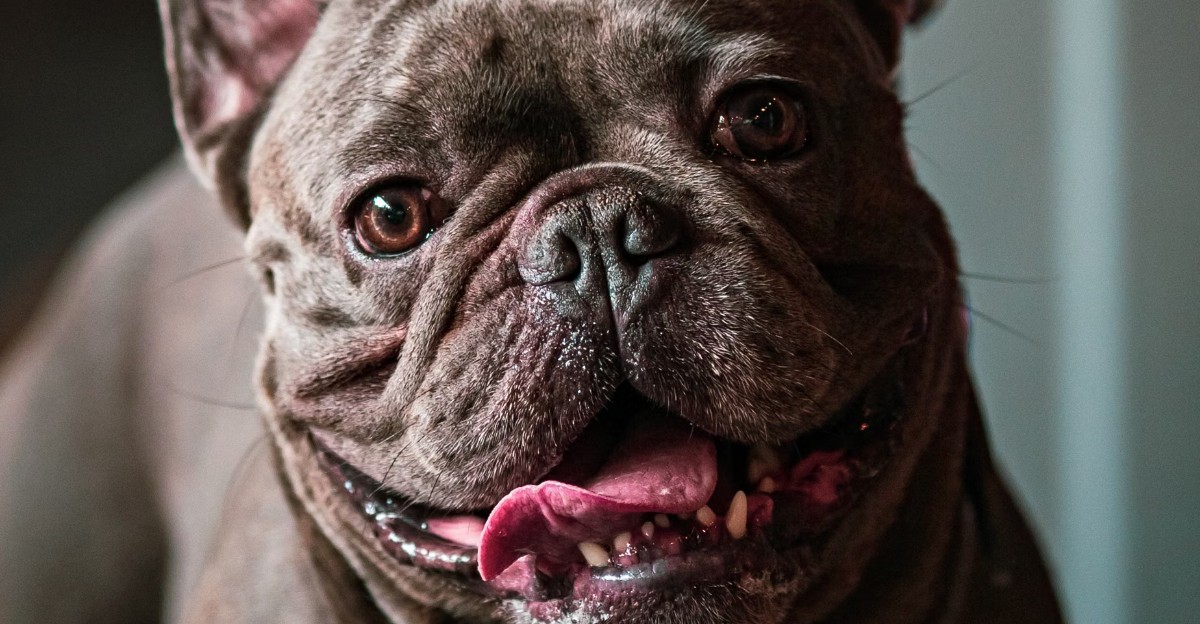
Itchy paws, red patches, and constant scratching can make any dog miserable. Some breeds are simply born with skin that needs a little extra care.
Knowing which dogs face higher risks helps you catch problems early, before they turn painful or costly. Here are the breeds to know and the warning signs worth watching.
Bulldog
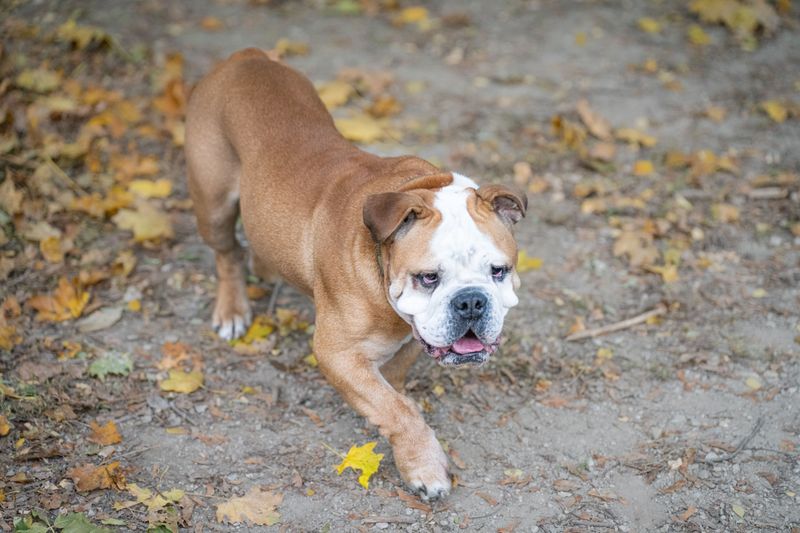
Those adorable face folds are a big reason people fall for Bulldogs. Sadly, the same wrinkles trap moisture, food bits, and bacteria, which can lead to fold dermatitis.
Watch for redness, a sour smell, or a greasy feel between the folds. Many Bulldogs also battle allergies that cause itchy paws.
Wipe the wrinkles daily with a gentle pet wipe, then dry them completely. A dry fold is a happy fold.
Shar-Pei

Did you know the Shar-Pei was once bred to guard farms in China? Its loose, baggy skin helped it wiggle free from attackers.
Today, that famous wrinkly coat comes with risks. Shar-Peis often get skin infections, mites, and a condition that causes thick, swollen skin.
Check the folds weekly for bumps, flaking, or hair loss. Regular vet visits and a gentle shampoo can keep this ancient breed comfortable.
Golden Retriever

Picture a Golden splashing happily through a pond. Fun?
Absolutely. But a damp, thick coat can create the perfect spot for hot spots to form.
Hot spots are red, oozing patches that spread fast. Goldens also tend to develop food and pollen allergies.
After swims, dry your dog thoroughly, especially under the ears and around the neck. If you notice nonstop licking in one area, call your vet quickly.
Labrador Retriever

America’s favorite family dog has a sneaky weakness: allergies. Labs often react to dust, grass, or certain proteins in their food.
Common clues include chewing paws, rubbing the face on carpet, and repeated ear infections. Brown stains on light fur can also signal heavy licking.
Try keeping a simple diary of symptoms and seasons. That record helps your vet figure out the trigger faster, saving your pup weeks of discomfort.
West Highland White Terrier

Westies look like fluffy snowballs with big attitudes. Underneath all that white fur, though, many hide very sensitive skin.
This breed is well known for atopic dermatitis, a lifelong allergy that causes itching, darkened skin, and a musty odor. Yeast infections often follow.
Gently part the coat once a week and look for pink or gray patches. Medicated baths and omega-3 supplements may help your little terrier feel like itself again.
Boxer

Goofy, bouncy, and endlessly loyal, Boxers bring the party everywhere. Their short coats, however, offer little protection for their skin.
Boxers are more likely than many breeds to develop skin lumps, including mast cell tumors. Allergies and sunburn on light patches also happen.
Here is an easy habit: give your Boxer a belly rub and full body pat-down every week. Any new lump deserves a vet check, even if it seems tiny.
Cocker Spaniel
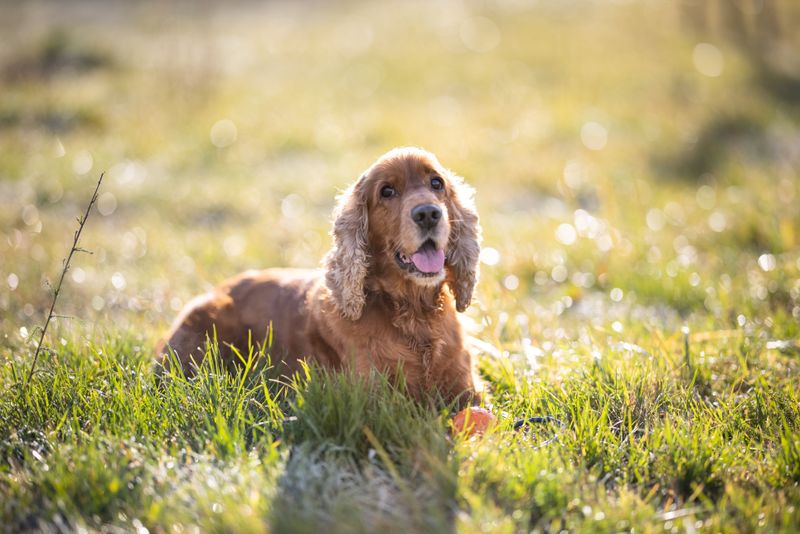
Those long, silky ears are pure charm, yet they come with a catch. Cocker Spaniels often struggle with seborrhea, a condition causing greasy, flaky skin.
You might notice dandruff, a waxy smell, or crusty spots along the back and ears. Ear infections are also very common.
Brush the coat several times a week and clean the ears gently. Your vet may suggest a special shampoo to calm oily skin.
German Shepherd
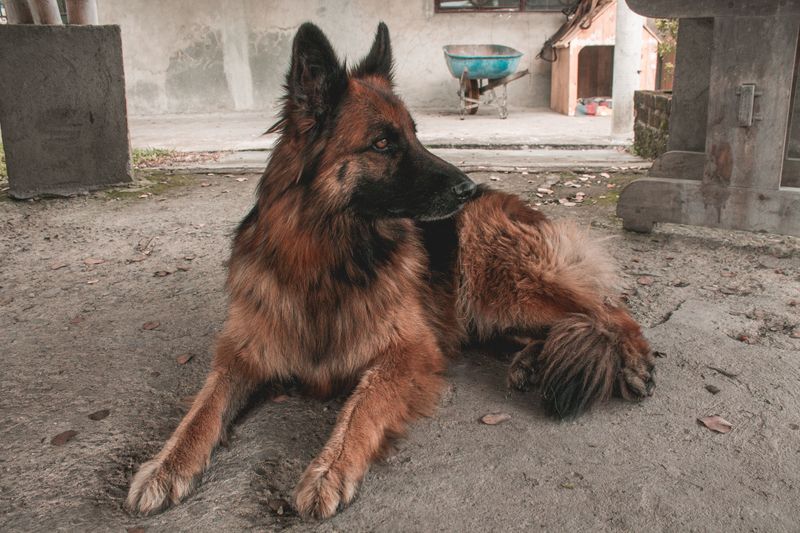
Brave, smart, and hardworking, German Shepherds can handle almost any job. Fleas, though, can knock them off their game.
Many Shepherds have flea allergy dermatitis, meaning a single bite can spark intense itching near the tail. Some also develop deep skin infections called pyoderma.
Stay consistent with flea prevention all year long. Watch for hair loss, scabs on the lower back, or your dog chewing its hind end.
French Bulldog
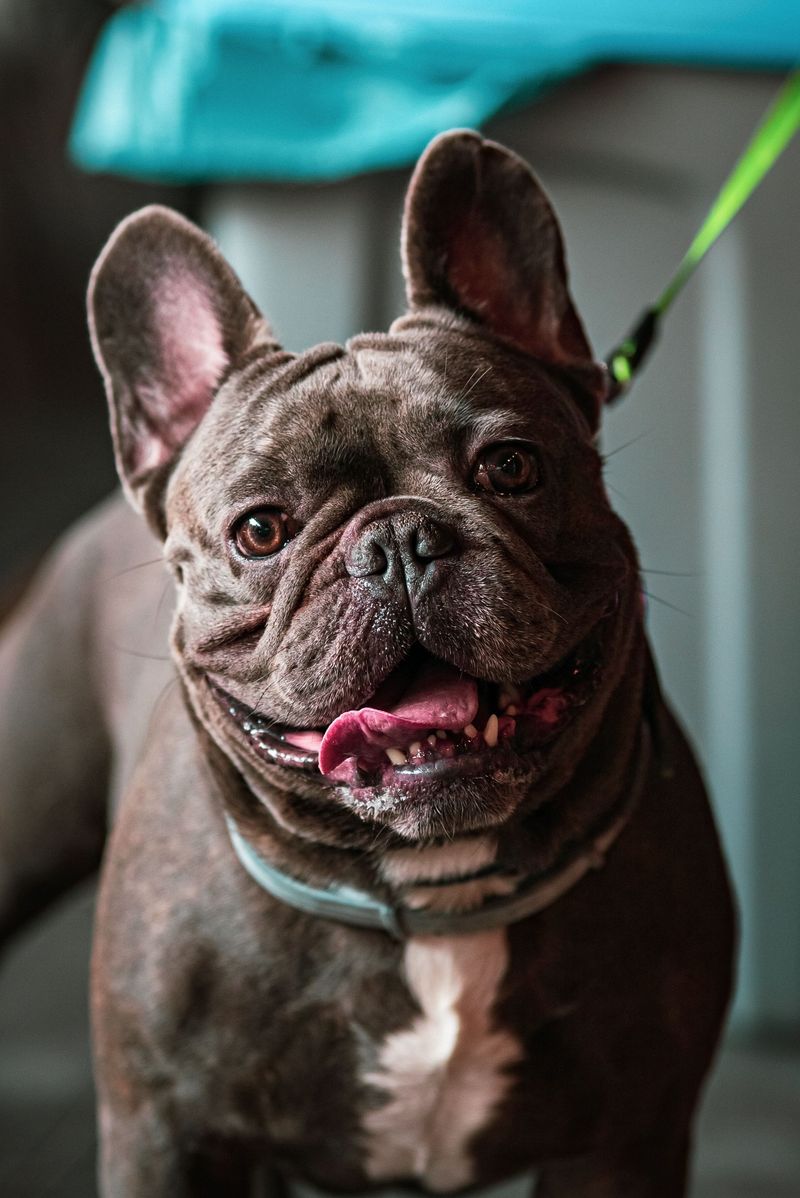
Frenchies have taken over city apartments with their bat ears and silly snorts. Behind the cuteness sits a breed prone to allergies and skin fold trouble.
Keep an eye on the tail pocket and nose wrinkle, where gunk loves to collect. Red bellies and itchy paws are other warning signs.
A quick daily wipe and a high-quality diet go a long way. Small steps, big comfort.
Dalmatian
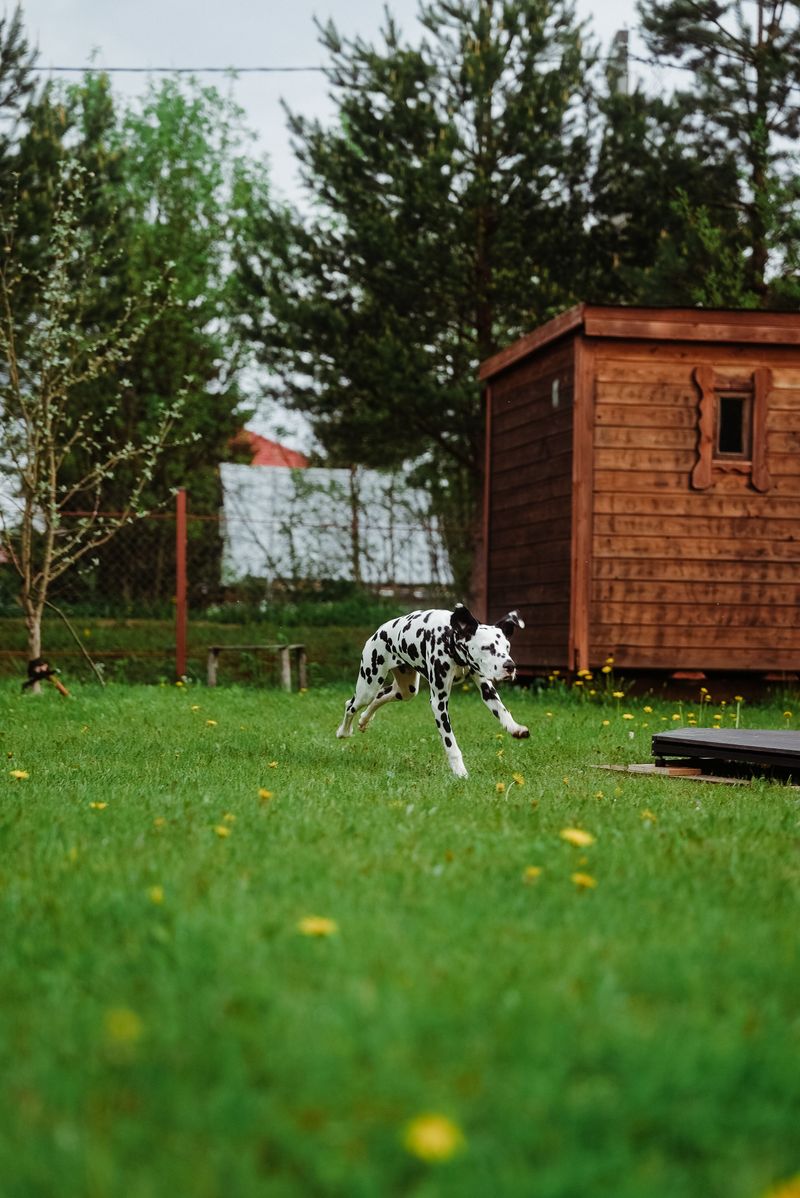
Once trotting beside horse-drawn fire wagons, Dalmatians are famous for their spots. Their thin white coat, however, lets sunlight reach the skin easily.
Sunburn, allergies, and itchy bumps called bronzing can show up. Some Dalmatians react strongly to certain foods.
Offer plenty of shade on hot days and ask your vet about pet-safe sunscreen for the nose and belly. Rashes that keep returning are worth investigating.
Chinese Crested
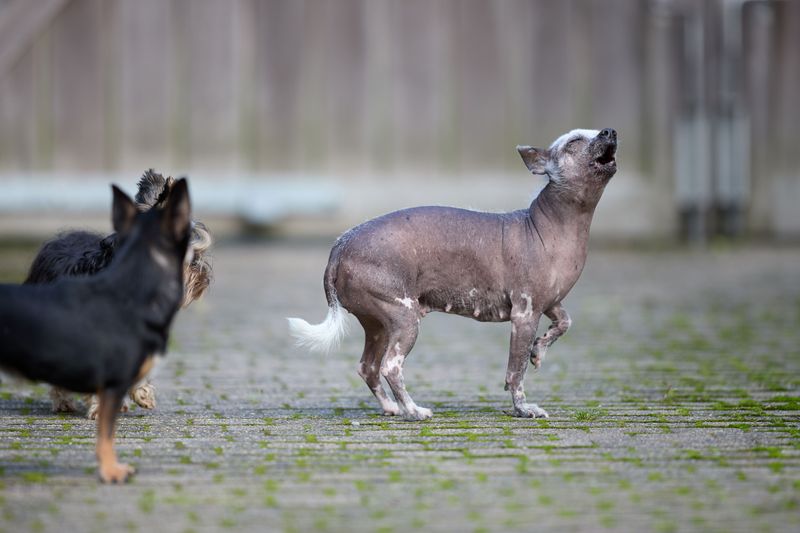
With bare skin and a fluffy hairdo, the Chinese Crested looks like a tiny rock star. Without fur, its skin faces the world head-on.
Acne, blackheads, sunburn, and dry patches are common in hairless Cresteds. Even harsh soaps can cause irritation.
Treat their skin a lot like your own. Use gentle cleansers, a light moisturizer, and sun protection.
A soft shirt on bright days also helps.