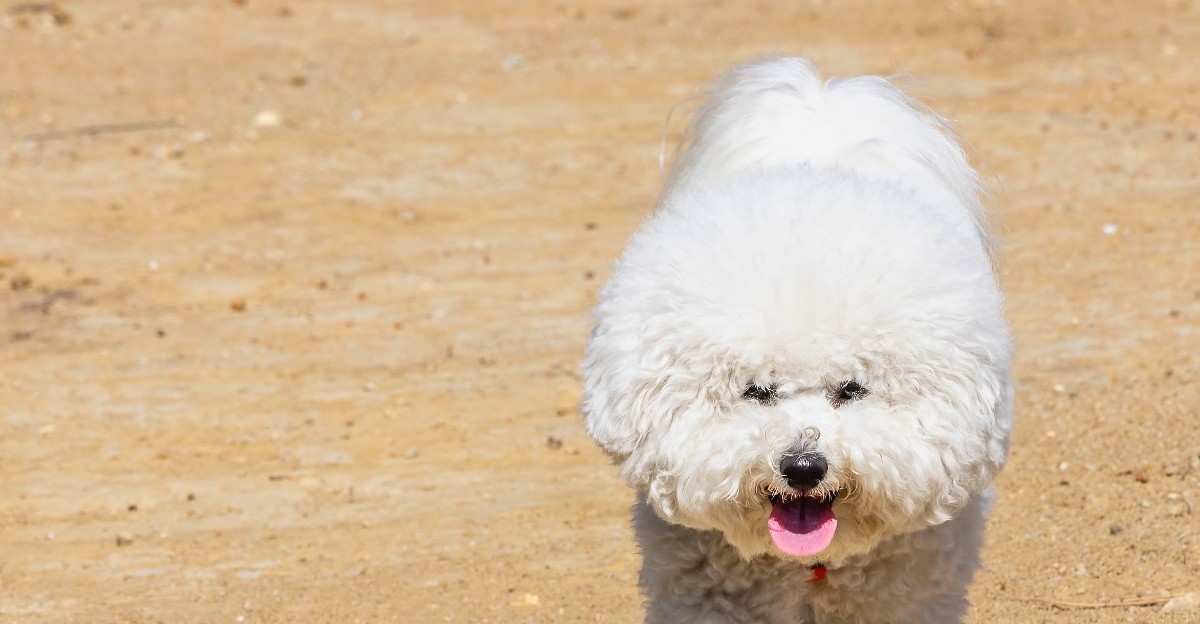
Sneezing, itchy eyes, and a stuffy nose can make loving a dog feel tough. The good news is that some breeds shed less and spread fewer allergens around your home.
No dog is totally allergy-free, but picking the right breed can make a huge difference. Read on to compare popular low-shedding dogs and find the one that fits your family and your sinuses.
Poodle
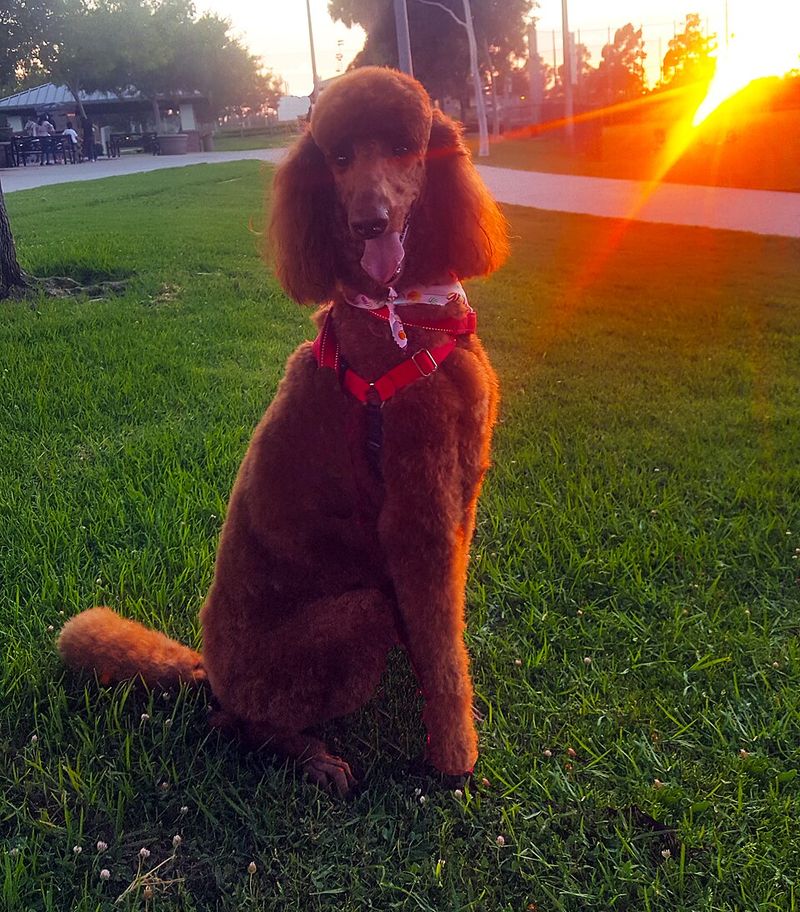
Curly coats work like little nets. A Poodle’s tight curls trap loose hair and dander, so less of it lands on your couch or floats into your nose.
Poodles come in toy, miniature, and standard sizes, which makes them easy to match with any home. They are also very smart and learn tricks quickly.
Plan on professional grooming every four to six weeks. Regular trims keep those curls from tangling and holding extra allergens.
Bichon Frise
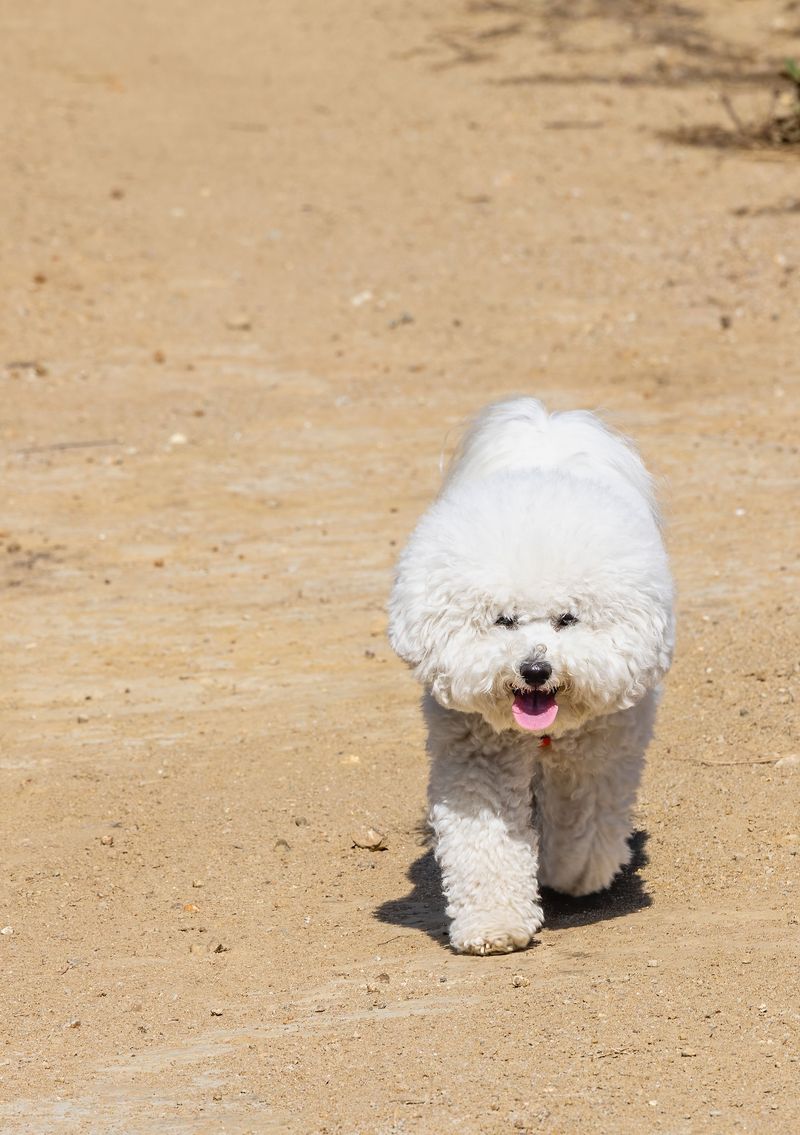
Picture a cotton ball that wags its tail. That’s the Bichon Frise, a cheerful little dog with a soft double coat that barely sheds.
Fun fact: sailors once carried Bichons on ships, and they later became favorites in royal courts across Europe.
Brush this pup a few times each week to stop mats from forming. A happy Bichon loves games and cuddles, so expect plenty of giggles around the house.
Portuguese Water Dog
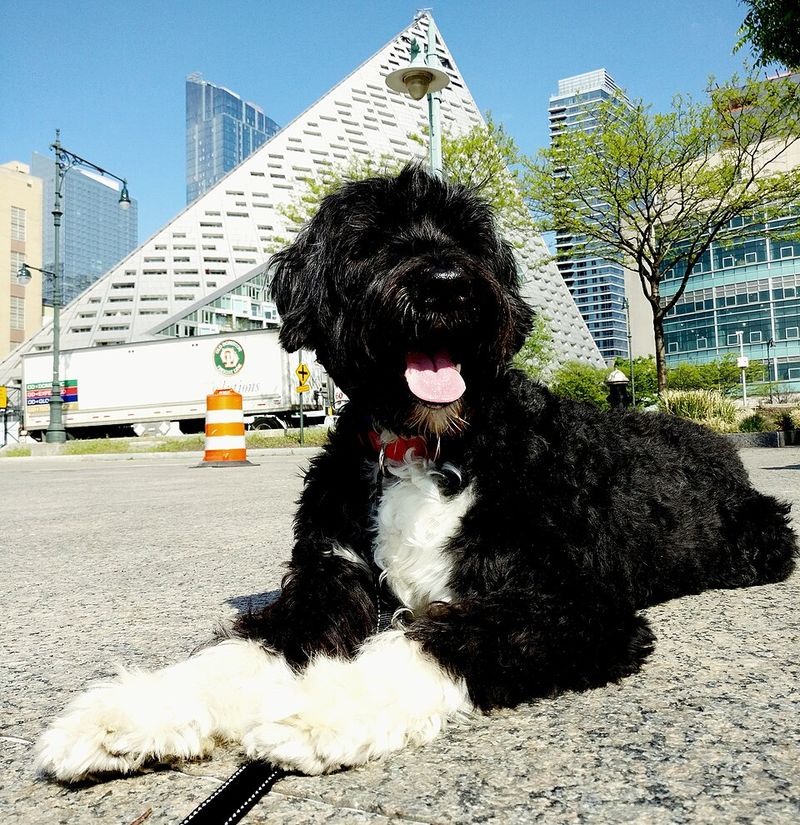
Former President Barack Obama picked a Portuguese Water Dog partly because his daughter had allergies. Bo and Sunny became famous White House pets.
Fishermen in Portugal used this breed to herd fish into nets and fetch lost gear from the water. Their wavy or curly coat sheds very little.
Got an active family? These dogs need daily exercise, swimming time, and jobs to do.
A bored one may chew your shoes.
Maltese
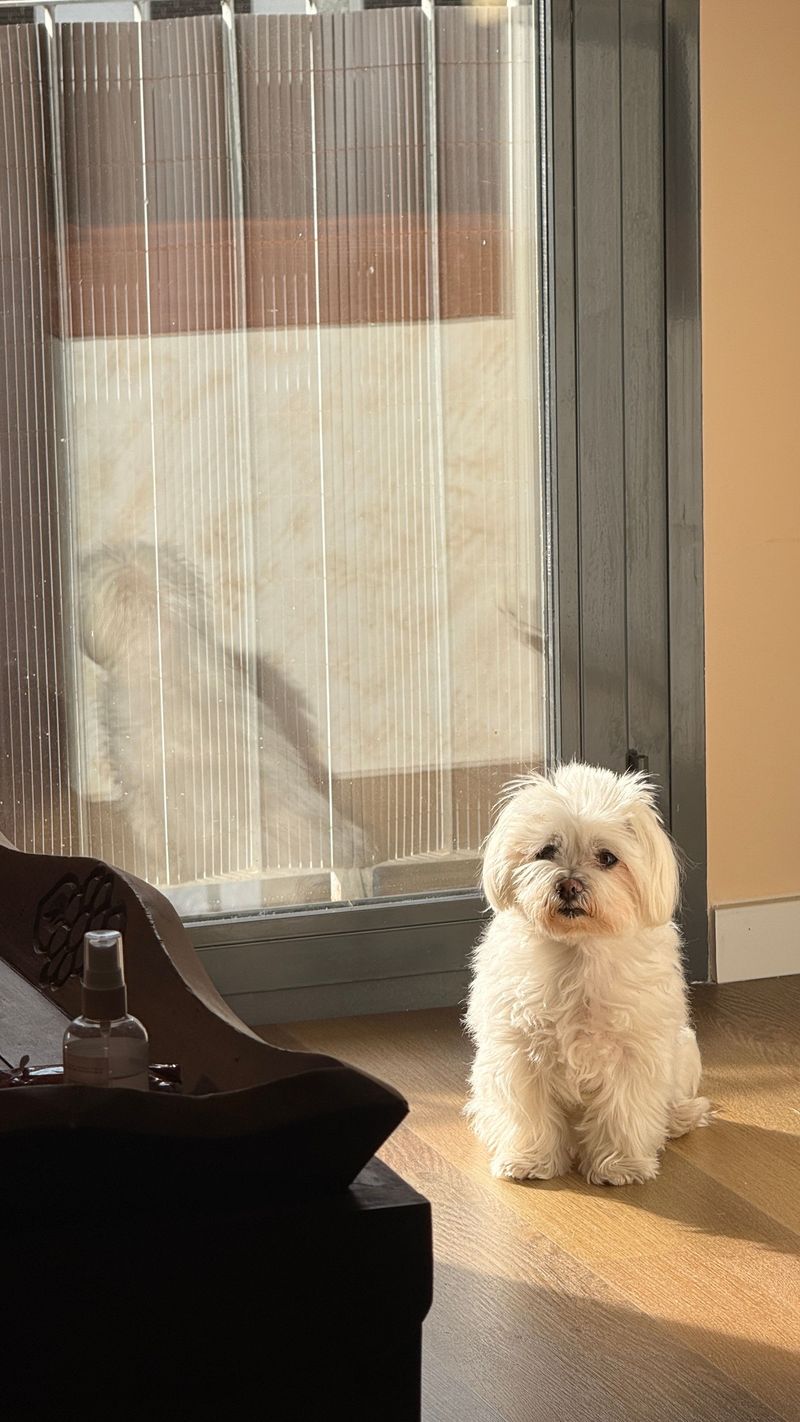
Tiny, silky, and full of charm, the Maltese weighs under seven pounds but acts like the boss of the house.
Instead of fur, this breed grows hair that keeps getting longer, much like yours. Without a thick undercoat, less dander floats around the room.
Daily brushing keeps that coat shiny. Many owners choose a short puppy cut to save time.
Small homes and apartments suit this lap-loving pal just fine.
Yorkshire Terrier
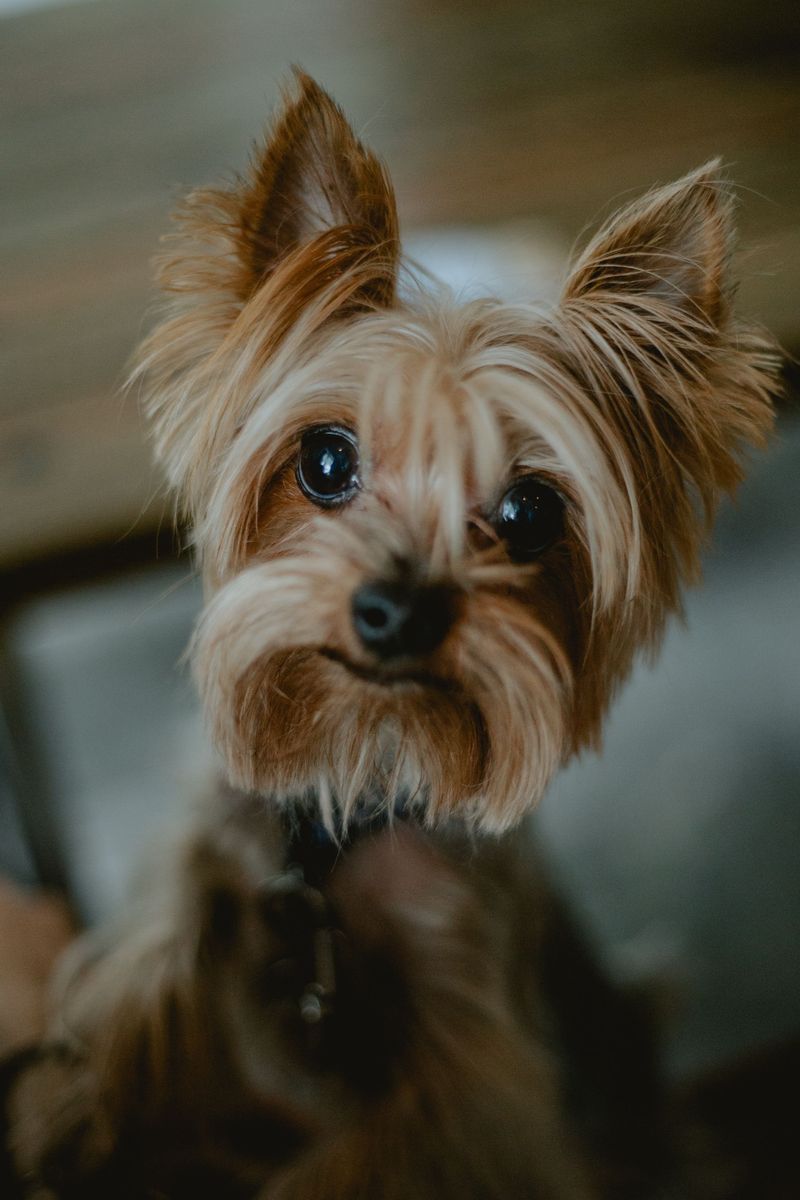
Back in the 1800s, Yorkies chased rats in English clothing mills. Today they mostly chase toys and attention.
Their fine, silky hair is similar to human hair, so shedding stays low. Because they are small, they also produce less dander overall than bigger dogs.
Be ready for a bold attitude. Yorkies are brave and bark at strangers, so early training helps.
A quick daily brush keeps their coat neat and tangle-free.
Shih Tzu
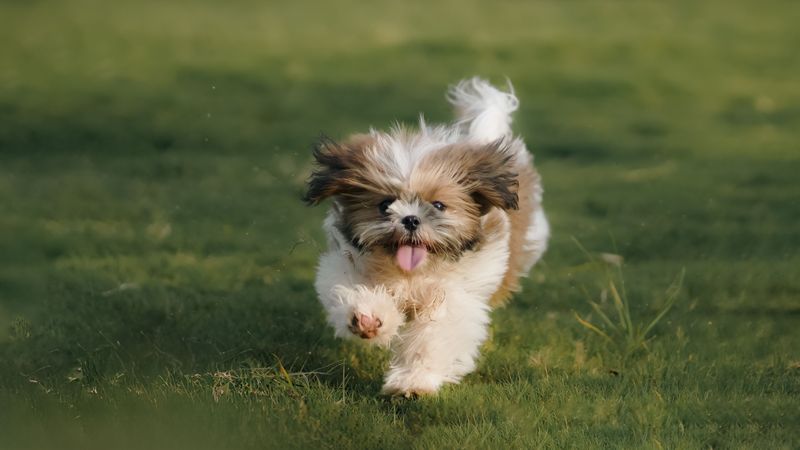
Chinese emperors once kept Shih Tzus in their palaces. The name even means little lion, though these pups are more snuggly than fierce.
Their long, flowing hair sheds very little, which helps people with mild allergies. Many owners keep a short cut to make care easier.
Wipe their face often, since food and tears can collect in the hair. Shih Tzus enjoy calm homes and short walks rather than long runs.
Miniature Schnauzer
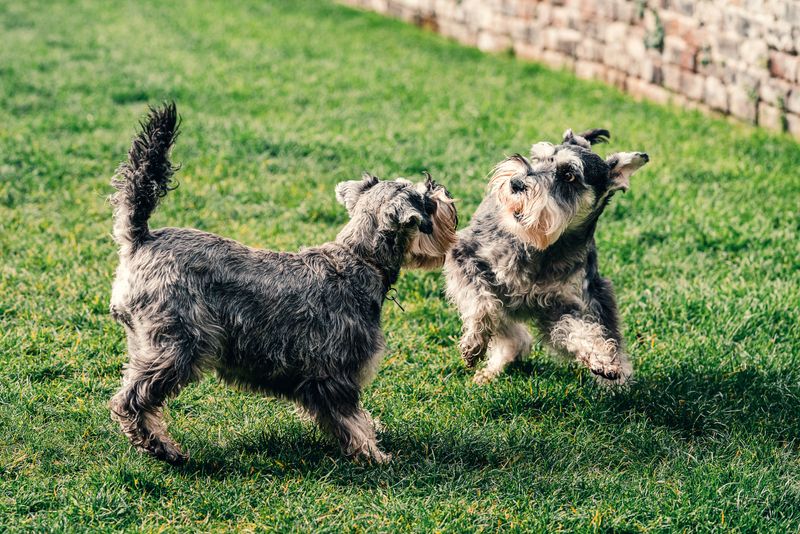
Those bushy eyebrows and that grandpa beard give the Miniature Schnauzer a funny, wise look. Expect lots of personality packed into a sturdy little body.
A wiry outer coat means very little shedding. Grooming every few weeks keeps the beard clean and the coat crisp.
Schnauzers make alert watchdogs and enjoy playtime with kids. They do like to bark, so teach a quiet command early on.
Havanese
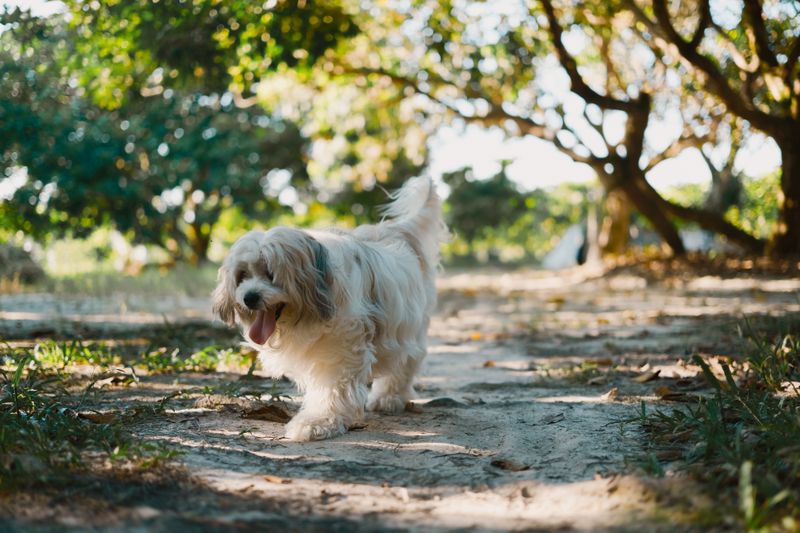
Cuba’s national dog is a happy-go-lucky charmer. The Havanese loves people so much that it often follows owners from room to room.
Its light, silky coat was made for warm weather and sheds very little. Brushing a few times each week prevents knots.
Families with kids or seniors often adore this breed because it’s playful but not too wild. Just don’t leave it alone for long days, since it gets lonely.
Soft Coated Wheaten Terrier
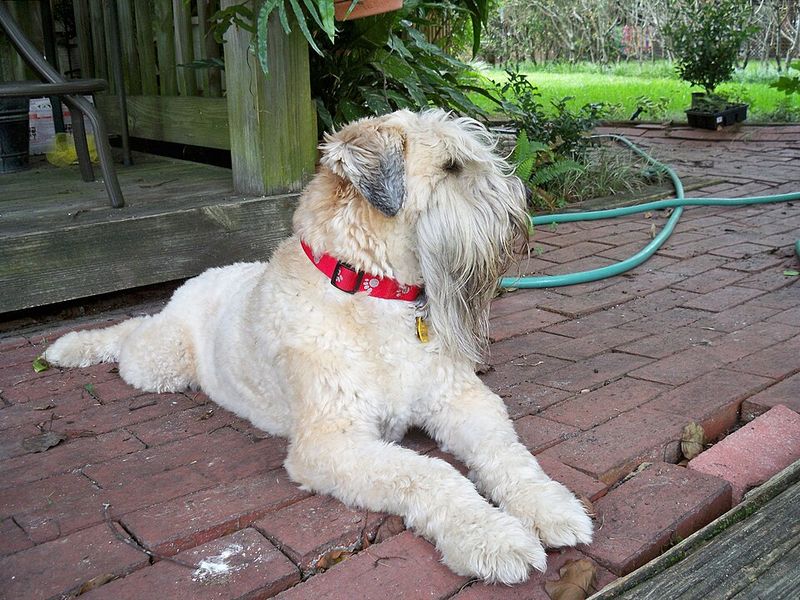
Wheatie greetings are legendary. These Irish farm dogs jump, wiggle, and spin with joy when you walk through the door.
Their single coat feels like warm silk and sheds very little. It does grab dirt and leaves, so regular baths and brushing matter.
Wheatens need daily walks and play to burn energy. Gentle training helps calm that famous bouncy hello, especially around small children or older visitors.
Bedlington Terrier
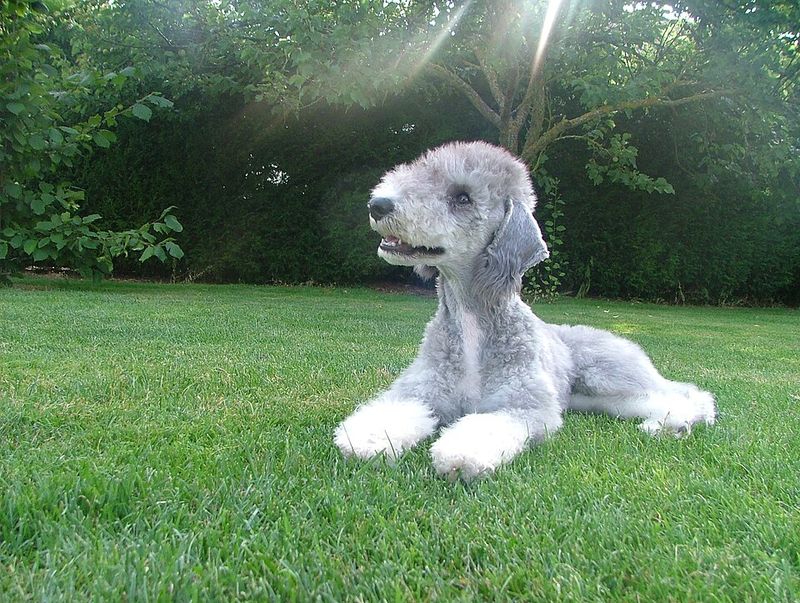
Is it a lamb or a dog? People often do a double take when they spot a Bedlington Terrier strolling down the sidewalk.
That woolly, curly coat barely sheds, which makes it a smart pick for sneezy households. Trims every couple of months keep the unique shape.
Don’t let the sweet look fool you. Bedlingtons are quick runners with brave hearts and enjoy a good game of fetch.
Chinese Crested
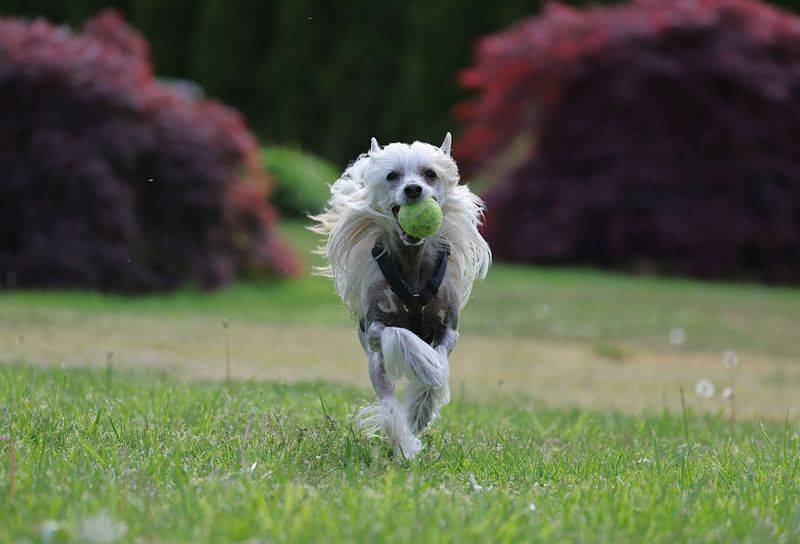
Spiky hair on top, bare skin everywhere else. The hairless Chinese Crested looks like a tiny rock star.
With almost no body hair, there’s very little to shed. A powderpuff version with soft fur also exists and sheds lightly.
Bare skin needs care, though. Use dog-safe sunscreen outside and a sweater on chilly days.
Gentle baths help remove dander, which still comes from the skin.
Lagotto Romagnolo
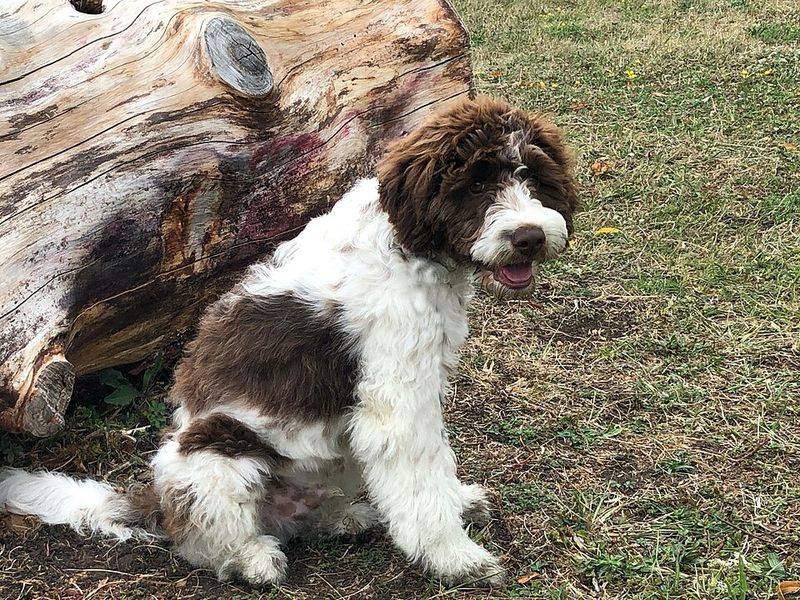
Here’s a dog with a fancy job. In Italy, the Lagotto Romagnolo sniffs out expensive truffles hidden underground.
Its thick, curly coat feels a bit like lamb’s wool and sheds very little. Regular clipping stops the curls from forming mats.
Lagottos are smart, curious, and love using their noses. Try hide-and-seek games with treats at home.
A busy brain keeps this pup calm and happy.
Labradoodle
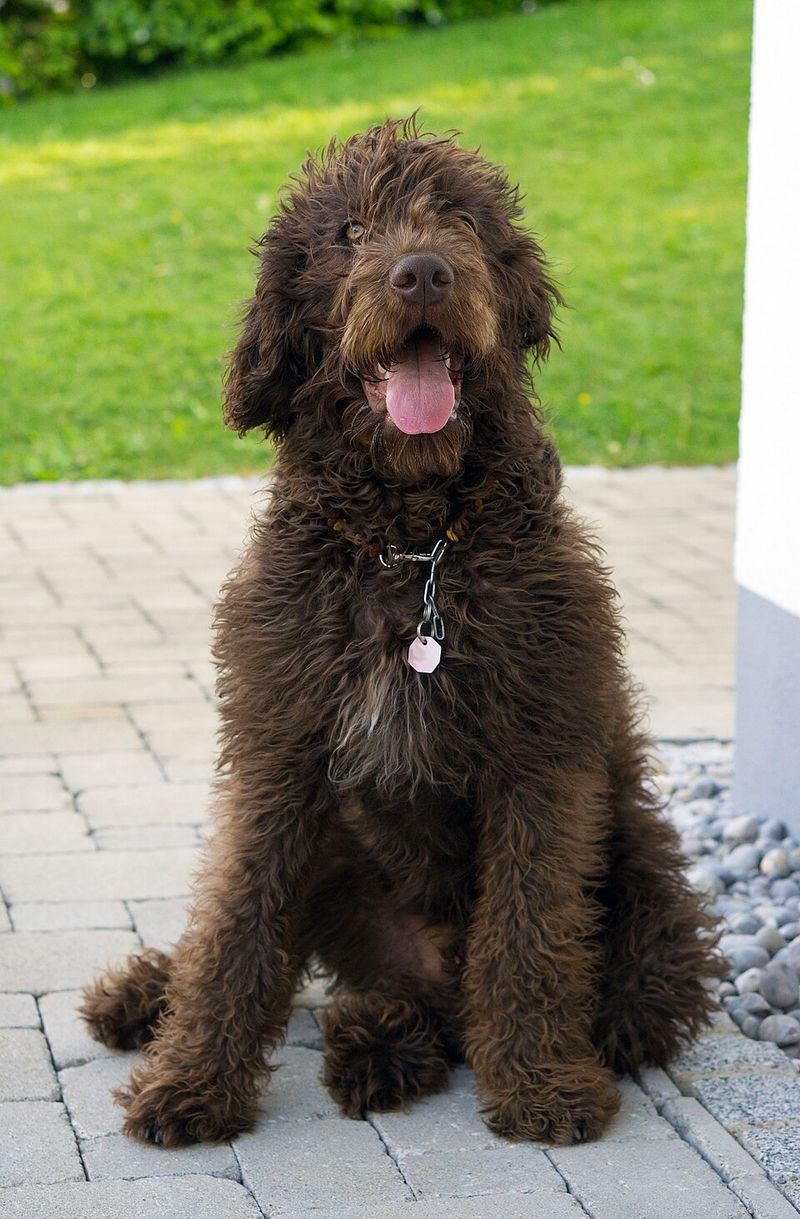
Labradoodles were first bred in Australia in the 1980s to help a blind woman whose husband had dog allergies.
Mixing a Labrador with a Poodle often creates a low-shedding coat. Still, every puppy is different, and some shed more than others.
Tip: meet the puppy and its parents before adopting. Spend an hour with them to see how your allergies react.
Friendly and energetic, they love fetch and family fun.