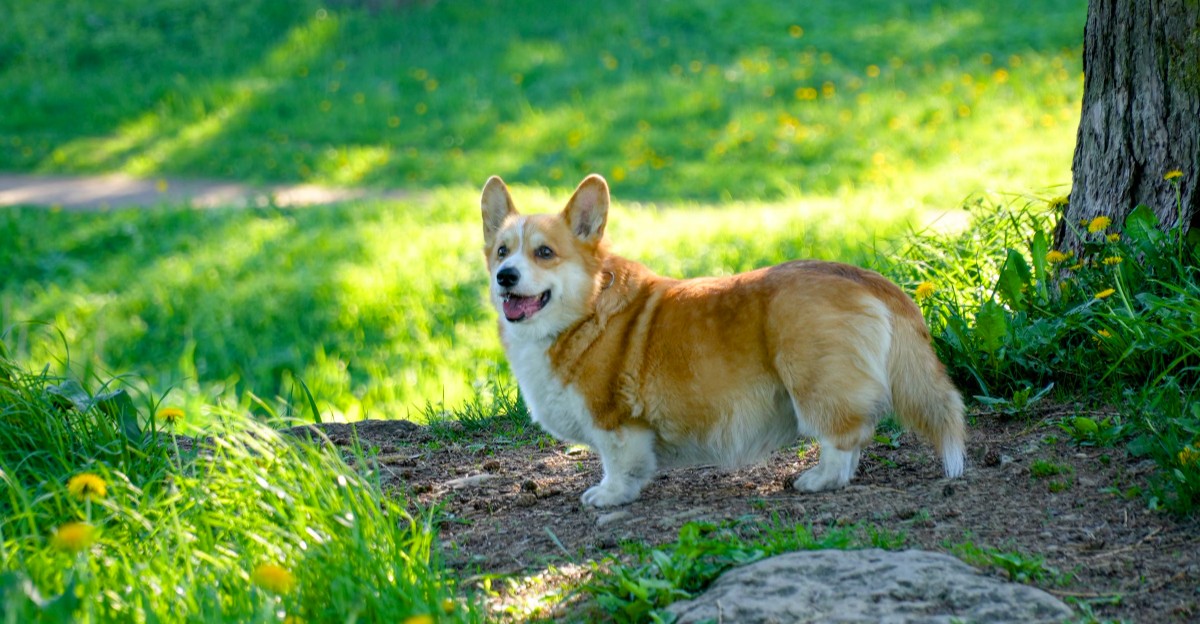
Some dogs leave a little fur behind, while others leave enough to knit a sweater every week. If you love fluffy breeds, it helps to know which ones will keep your vacuum busy.
Picking a dog that fits your grooming time can save you stress and keep your pup healthy. Here are some furry favorites that need extra brushing compared to their short-haired cousins.
Siberian Husky
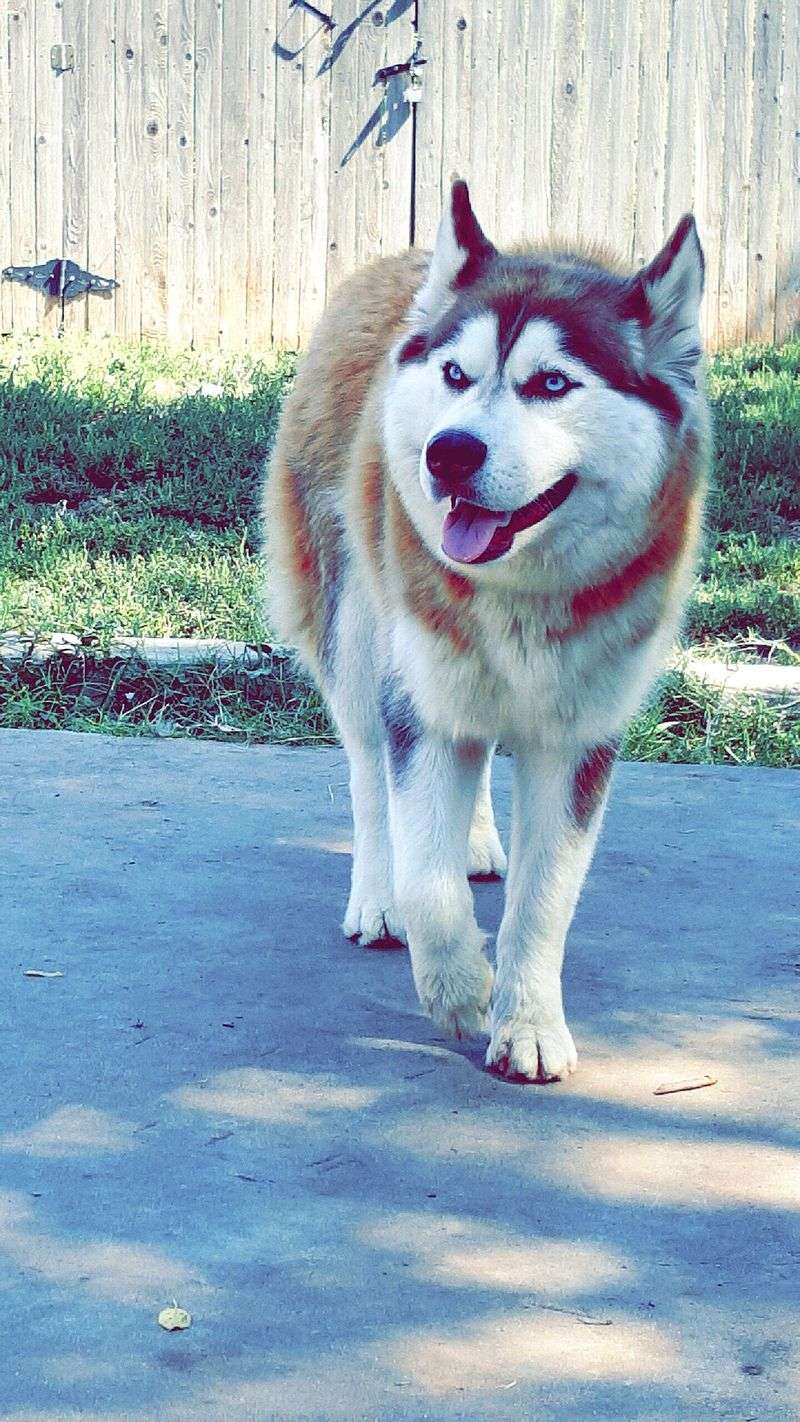
Twice a year, a Husky blows its coat, and it can look like a snowstorm hit your living room. Bred to pull sleds across icy Siberia, this dog wears a thick double layer of fur.
Brushing three or four times a week keeps things under control. During shedding season, grab an undercoat rake daily.
Never shave a Husky, since that coat also protects it from summer heat.
German Shepherd
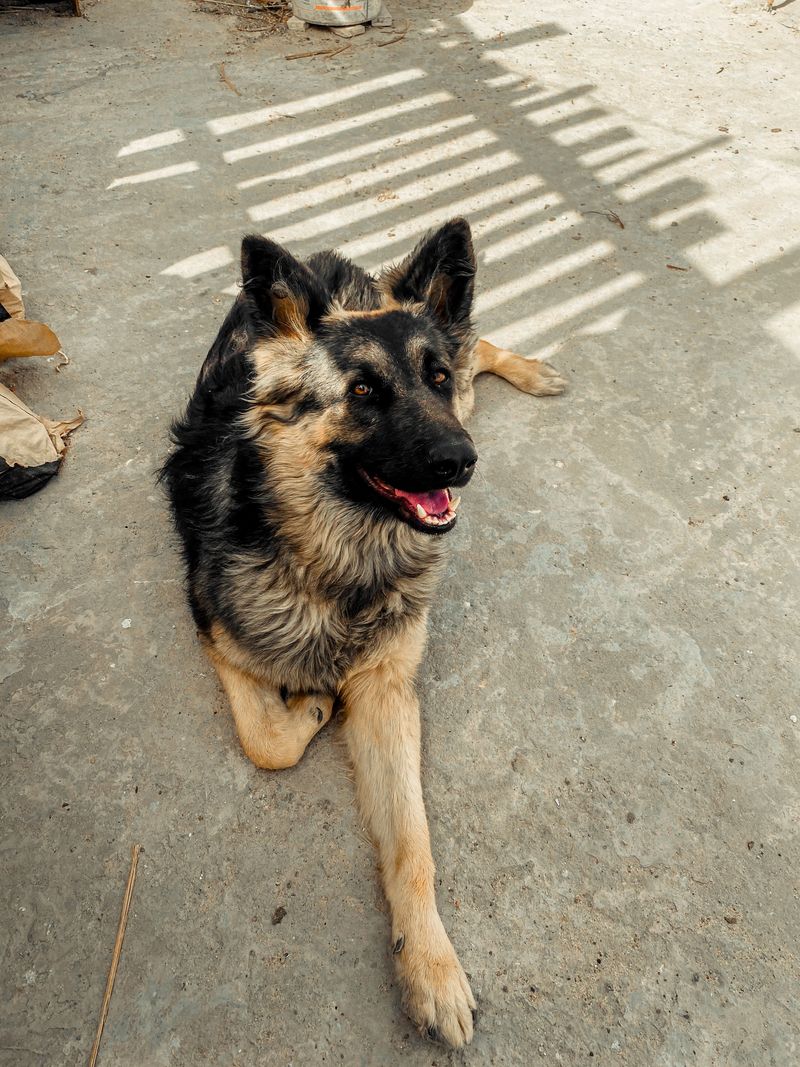
Owners joke that German Shepherds should be called German Shedders. Honestly, they are not wrong.
These loyal, smart dogs drop hair all year, with extra heavy waves in spring and fall. A slicker brush plus a de-shedding tool works wonders.
Plan on brushing several times a week. A good diet with healthy fats also helps the coat stay strong, so less of it ends up on your couch.
Alaskan Malamute
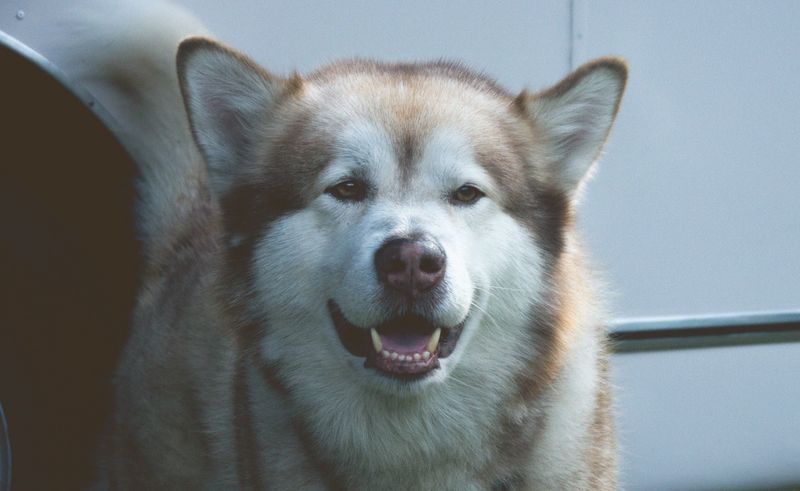
Picture a Husky, then make it bigger and fluffier. That is the mighty Malamute, a freight-hauling dog from Alaska.
Its coarse outer coat and woolly undercoat trap warmth beautifully, but they also trap dirt and drop clumps everywhere. Weekly brushing is the minimum.
When shedding season arrives, expect daily sessions. A high-velocity dryer after baths can blast loose fur out fast, saving your arms from extra work.
Golden Retriever
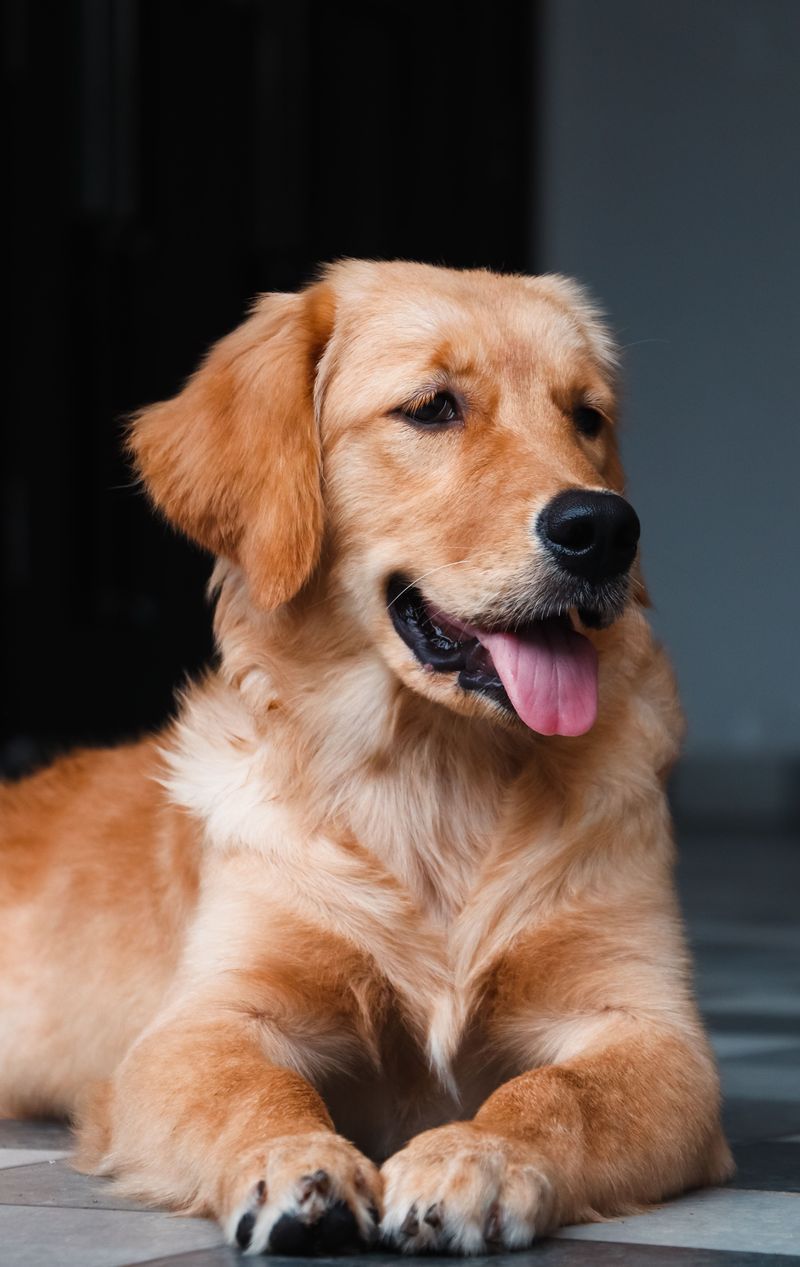
Sunny, goofy, and always ready for a game of fetch, Goldens win hearts fast. Their feathery coats, though, scatter golden hairs on every surface you own.
Brush a few times weekly, paying close attention to the fluffy spots behind the ears and on the legs. Those areas tangle quickly.
Fun fact: the breed began in Scotland in the 1800s, where it fetched birds from chilly lakes.
Bernese Mountain Dog
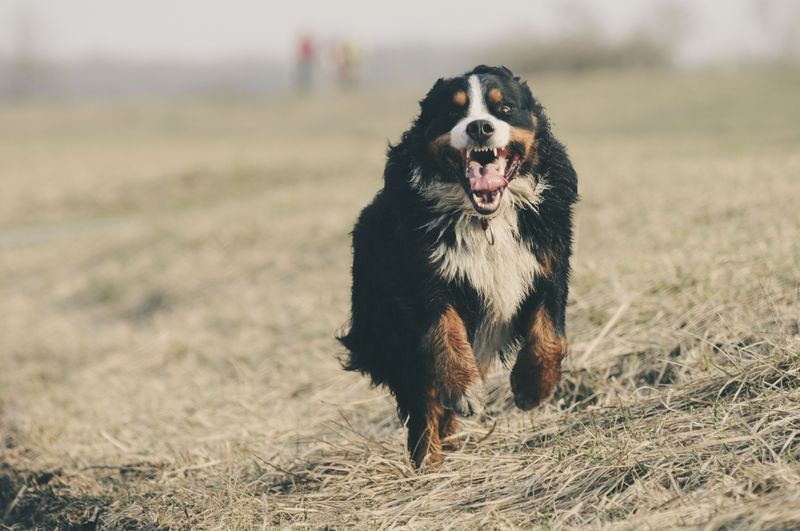
Born in the Swiss Alps to pull carts of cheese and milk, the Bernese is a sweet, sturdy giant. Its long, silky tricolor coat sheds steadily all year.
Big dog means big fur piles. Brushing two or three times a week keeps mats from forming near the collar and tail.
Keep a lint roller by the door. Guests in dark clothes will thank you.
Samoyed
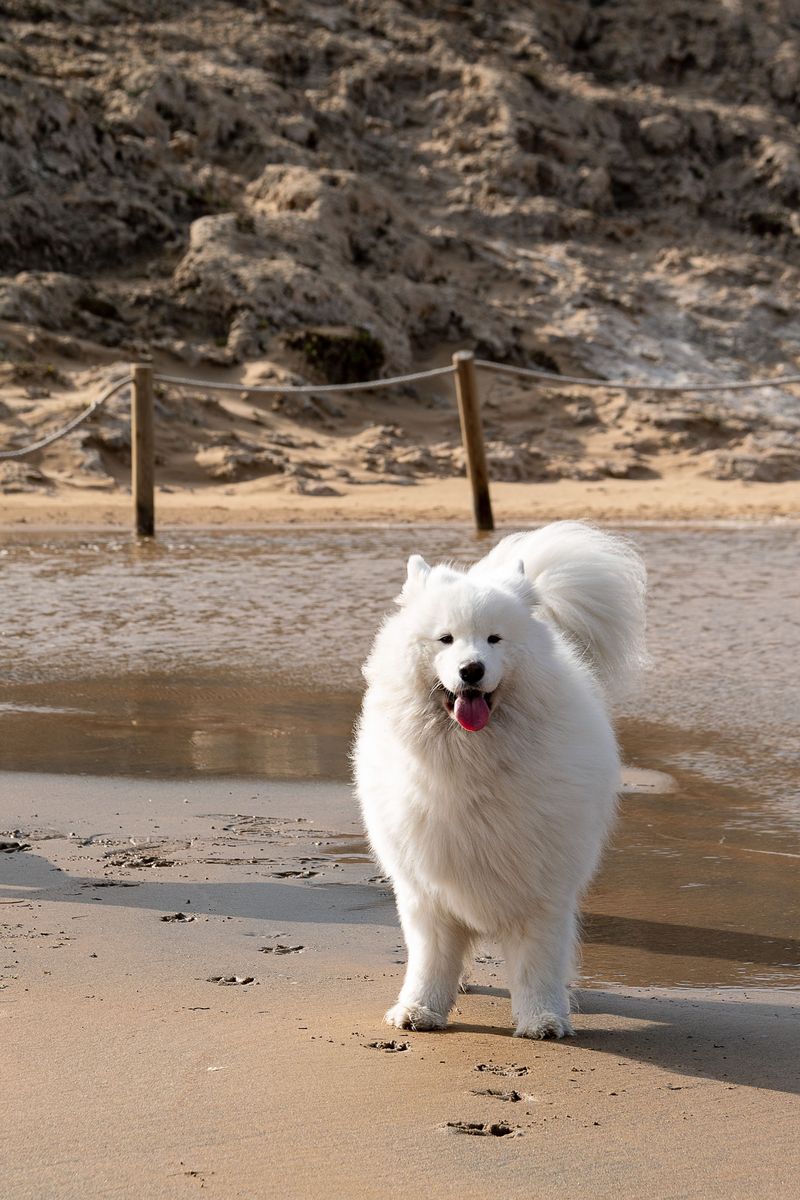
Ever seen a cloud with a grin? Meet the Samoyed, famous for its upturned mouth called the Sammy smile.
Behind that cheerful face hides a dense white coat that sheds heavily. Fur gets everywhere, even inside your socks somehow.
Line brushing down to the skin prevents painful mats. Luckily, the coat naturally sheds dirt, so frequent baths are not needed, only lots of patient brushing.
Great Pyrenees
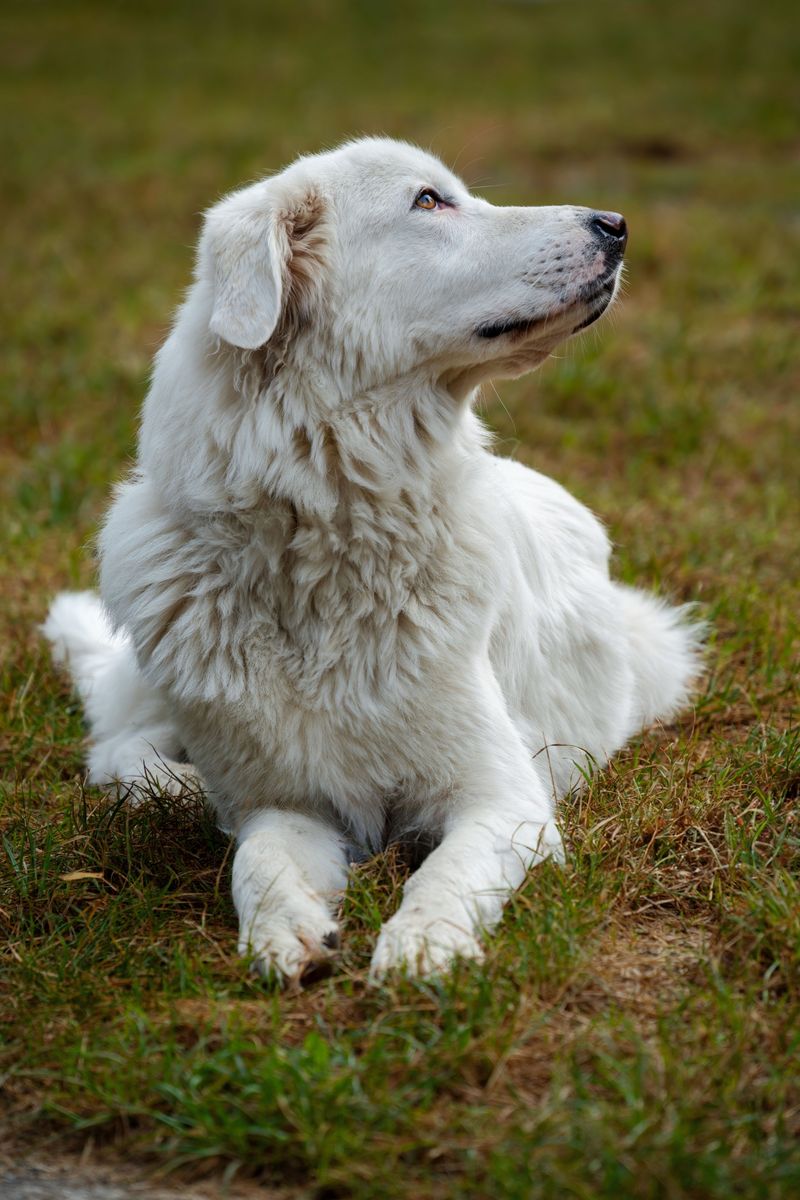
Shepherds in the mountains between France and Spain trusted this fluffy guardian to protect flocks from wolves. Today, it mostly protects couches.
The weather-resistant double coat sheds a lot, especially in warm months. A weekly deep brushing is a must, with extra effort during spring.
Check the double dewclaws on the back legs, too. Hair grows around them and can hide dirt or long nails.
Chow Chow
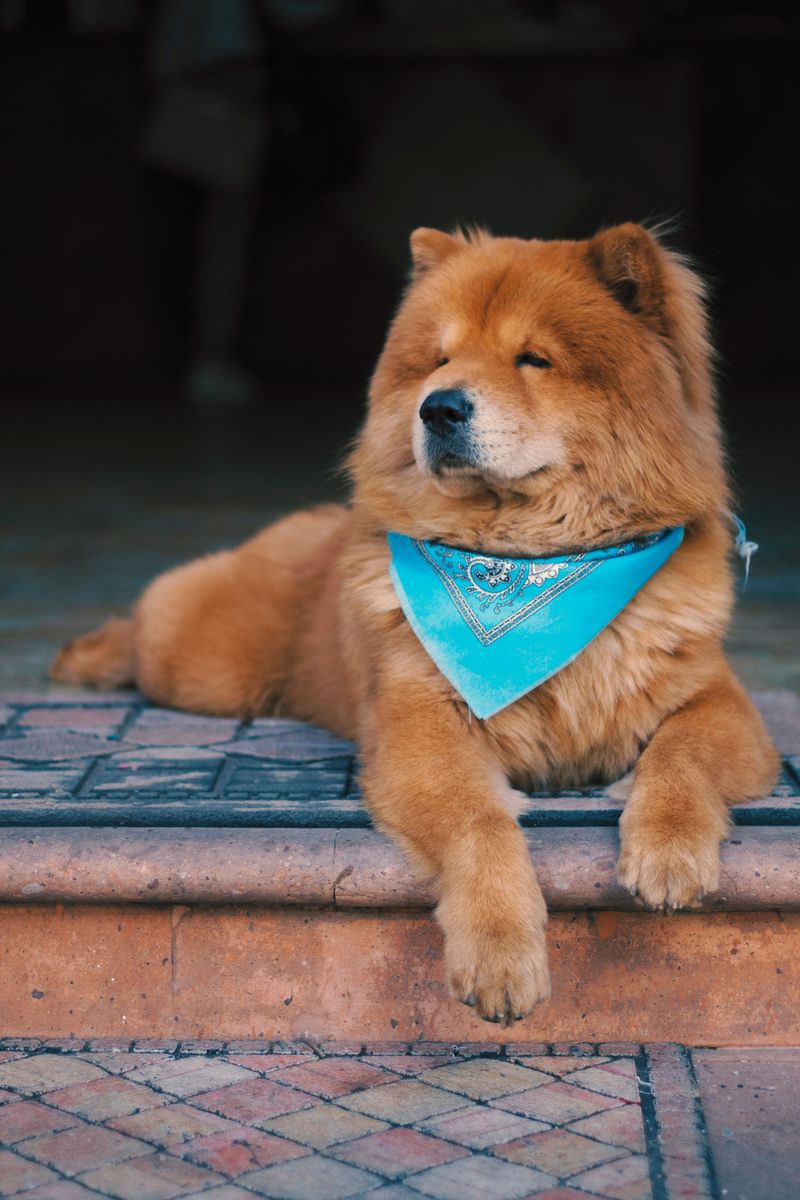
With its lion-like mane and blue-black tongue, the Chow Chow looks like royalty. It acts a bit like royalty too, calm and independent.
That thick mane needs real attention. Brush several times a week to stop mats, especially around the neck and rear.
Shedding peaks twice yearly. Start grooming early in puppyhood so your Chow learns brushing time is normal, not something to grumble about.
Pembroke Welsh Corgi
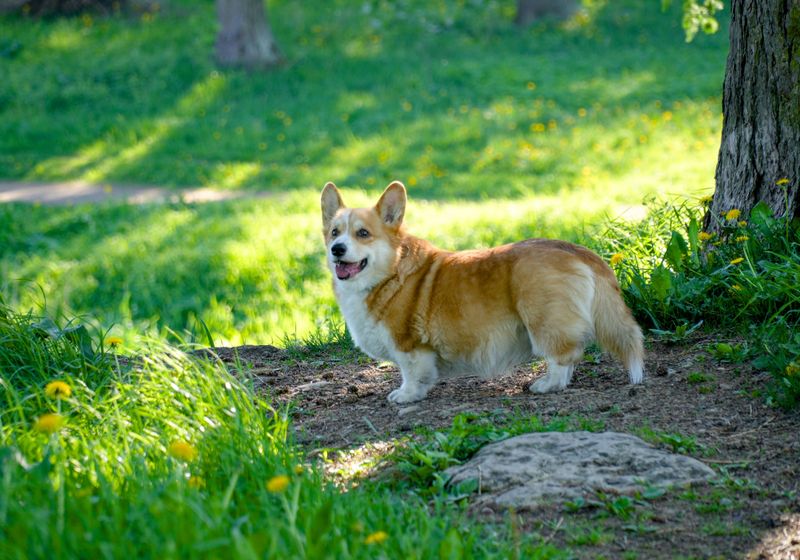
Short legs, big ears, and a surprisingly huge amount of fur. People often assume a small dog means small shedding, but Corgis prove otherwise.
Their double coats drop hair daily and blow out seasonally. Brush at least twice a week with a slicker brush.
Did you know? Queen Elizabeth II owned more than 30 Corgis, so the palace staff surely knew a thing or two about vacuuming.
Newfoundland
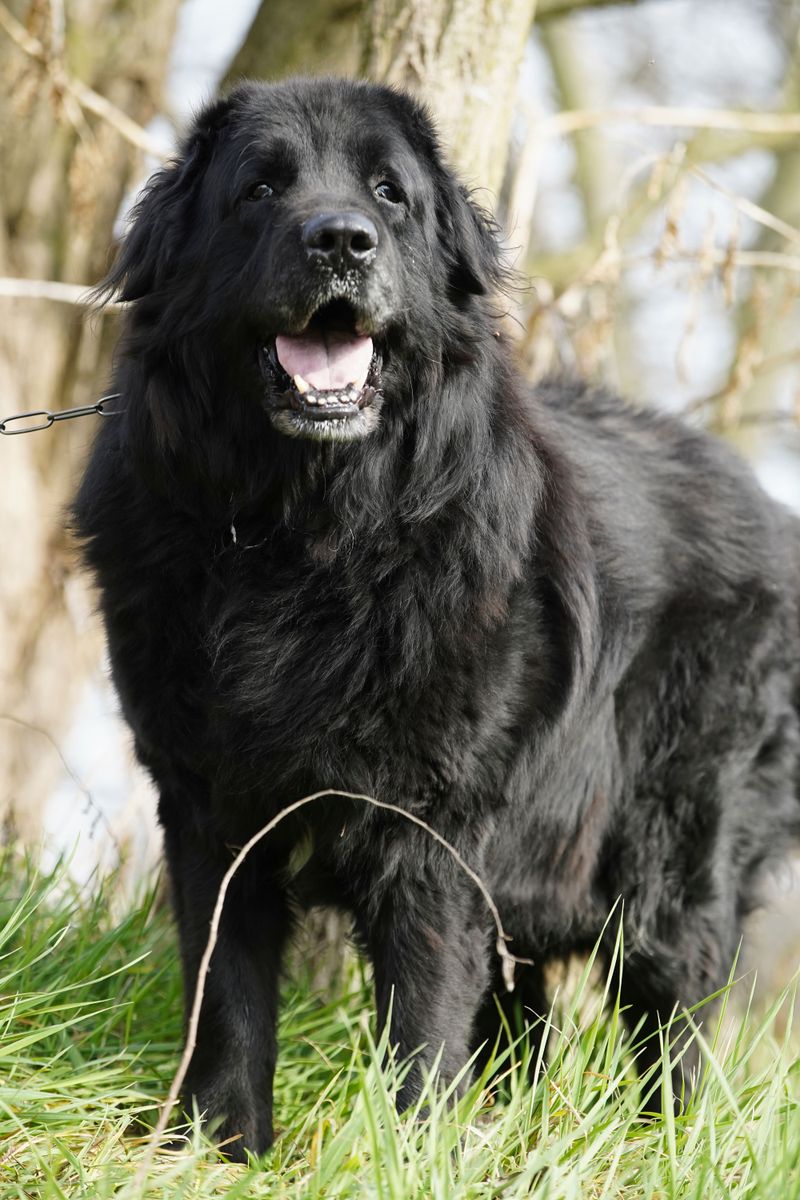
Famous for rescuing swimmers off the coast of Canada, the Newfoundland has a water-resistant coat built for cold seas.
That heavy, oily fur sheds plenty and tangles easily, especially after swims. Brushing a few times weekly keeps knots away.
Drool is part of the package too, so keep towels handy. A gentle giant like this rewards your grooming effort with endless calm cuddles on the floor.
Australian Shepherd
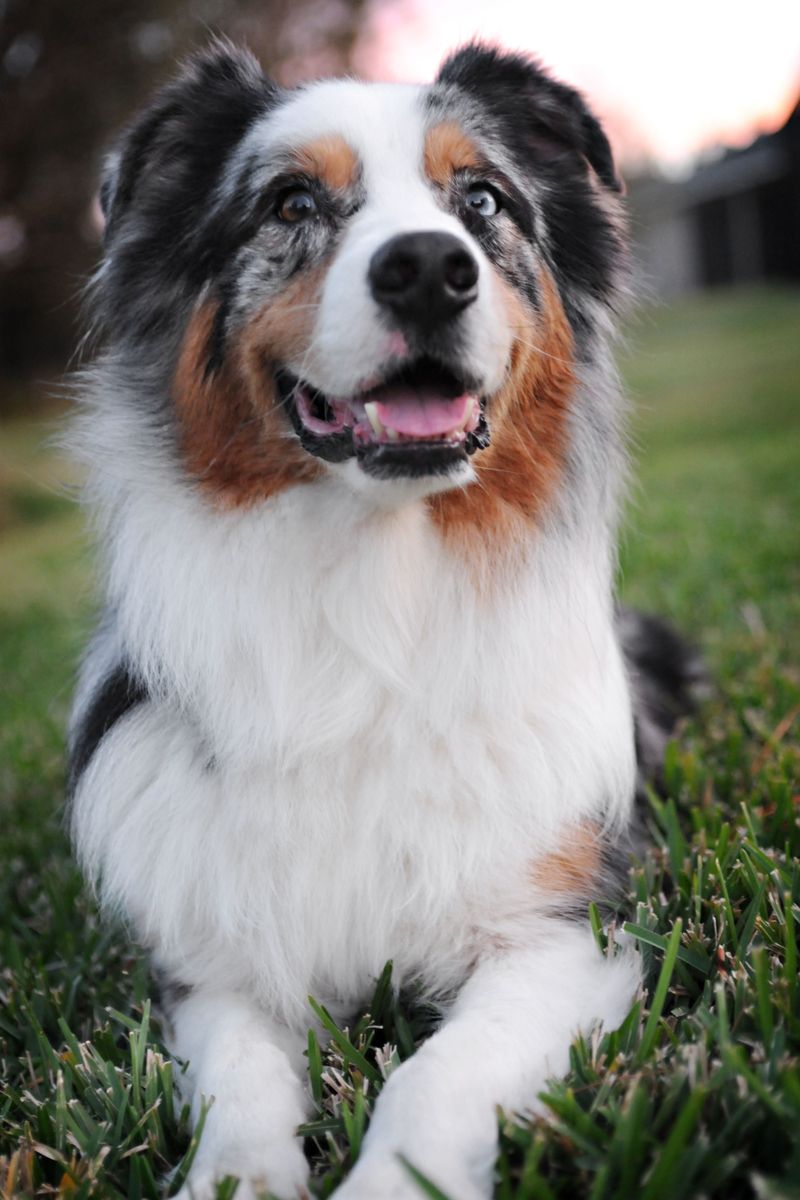
Despite the name, Aussies were developed on American ranches. These energetic herders love jobs, games, and plenty of running.
Their medium-length coat sheds moderately all year and heavily each season. Weekly brushing keeps burrs and tangles from building up, especially after outdoor adventures.
Pay attention to the feathering behind the legs. A quick comb after hikes stops small knots from turning into big, stubborn mats.