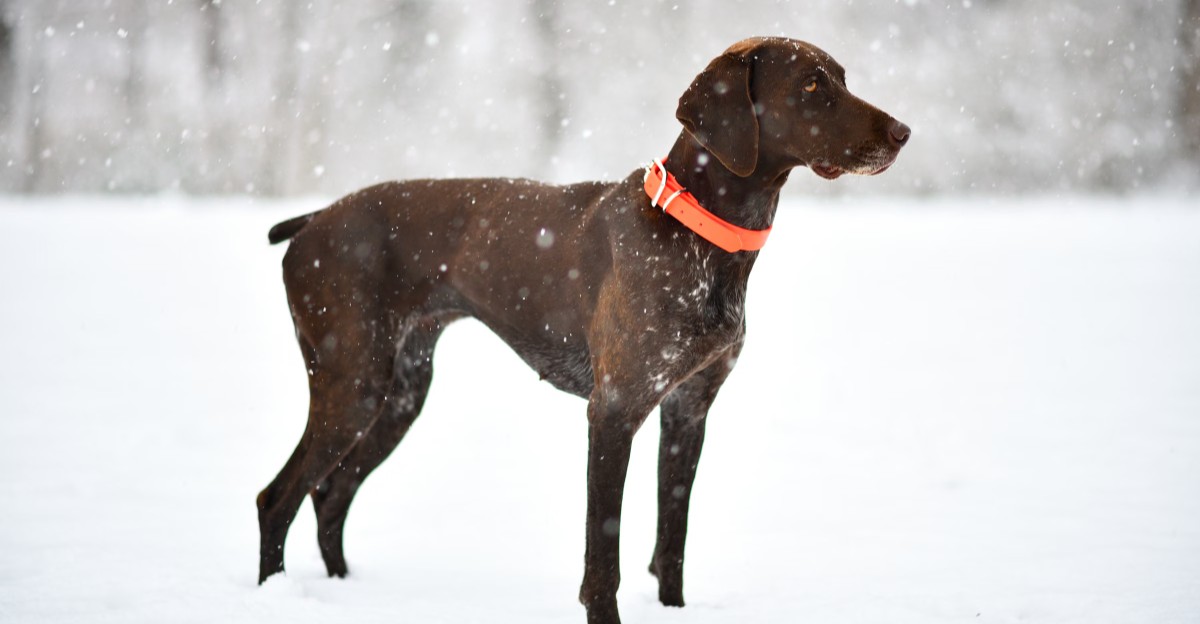
Some dogs are born with big engines and busy brains. When they do not get enough exercise or mental games, that extra energy has to go somewhere, and it often ends up in chewed shoes, nonstop barking, or a wrecked backyard.
Knowing which breeds need more activity can help you pick the right dog and keep your home calm. Here are some of the most energetic breeds and simple ways to keep them happy.
Border Collie
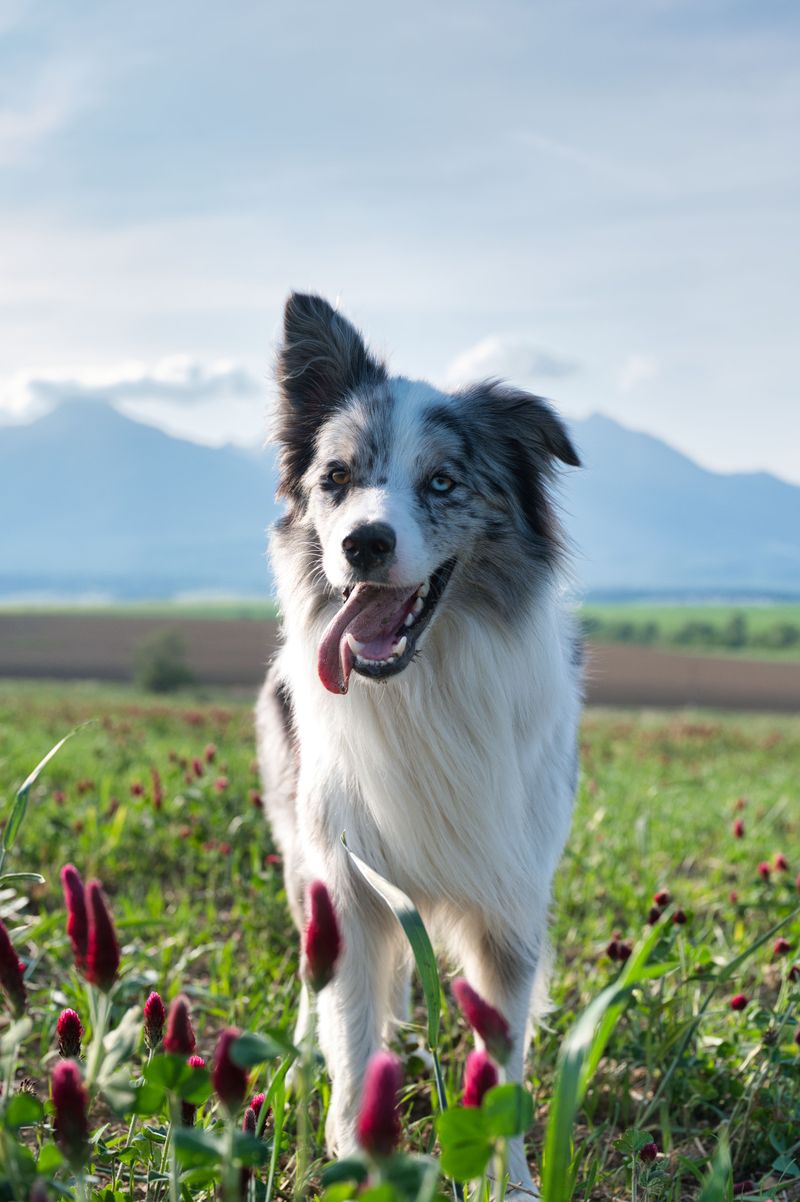
Picture a dog that can learn hundreds of words and still want more homework. Border Collies were bred to herd sheep across rough Scottish hills for hours.
Without a job, they may herd kids, chase cars, or circle the couch. A bored collie often invents its own chores, and you might not like them.
Try puzzle feeders, agility classes, and daily fetch sessions. Teaching new tricks each week keeps that sharp mind busy and content.
Belgian Malinois
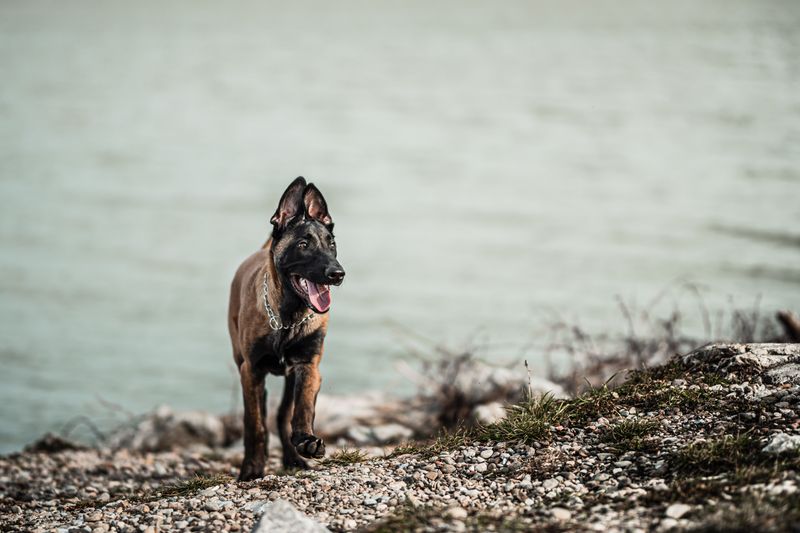
Police and military teams love the Belgian Malinois for a reason. Their drive is almost endless, and they focus like laser beams.
In a quiet apartment with short walks, that drive can turn into spinning, biting at leashes, or chewing through doors. Owners sometimes call them maligators, and the nickname is earned.
Structured training is the answer. Scent work, tug games, and obedience drills every day give this athlete the purpose it craves.
Siberian Husky
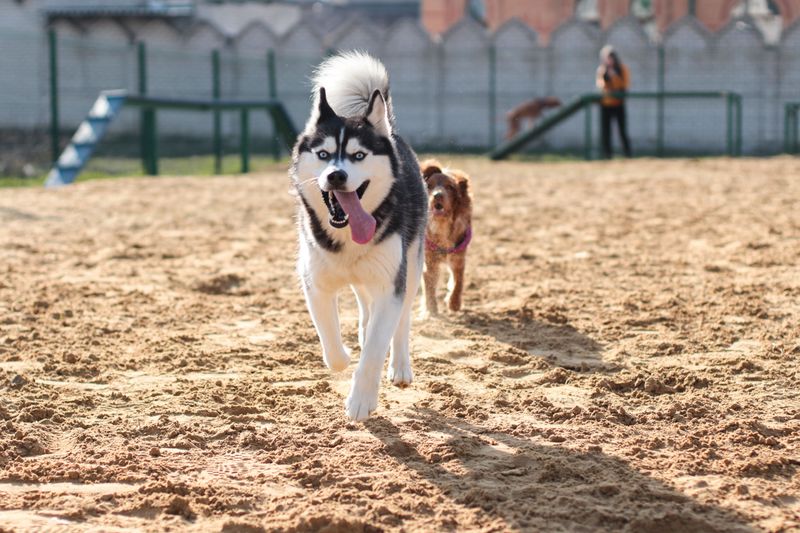
Did you know Huskies helped deliver medicine across Alaska in 1925? They were made to run long distances in freezing weather.
Put one in a small yard with nothing to do, and you may find giant holes or an empty fence line. Huskies are famous escape artists and loud talkers who howl their complaints.
Running, biking with a harness, or canicross can drain their energy. Secure fencing matters too, since curiosity often wins.
Australian Shepherd
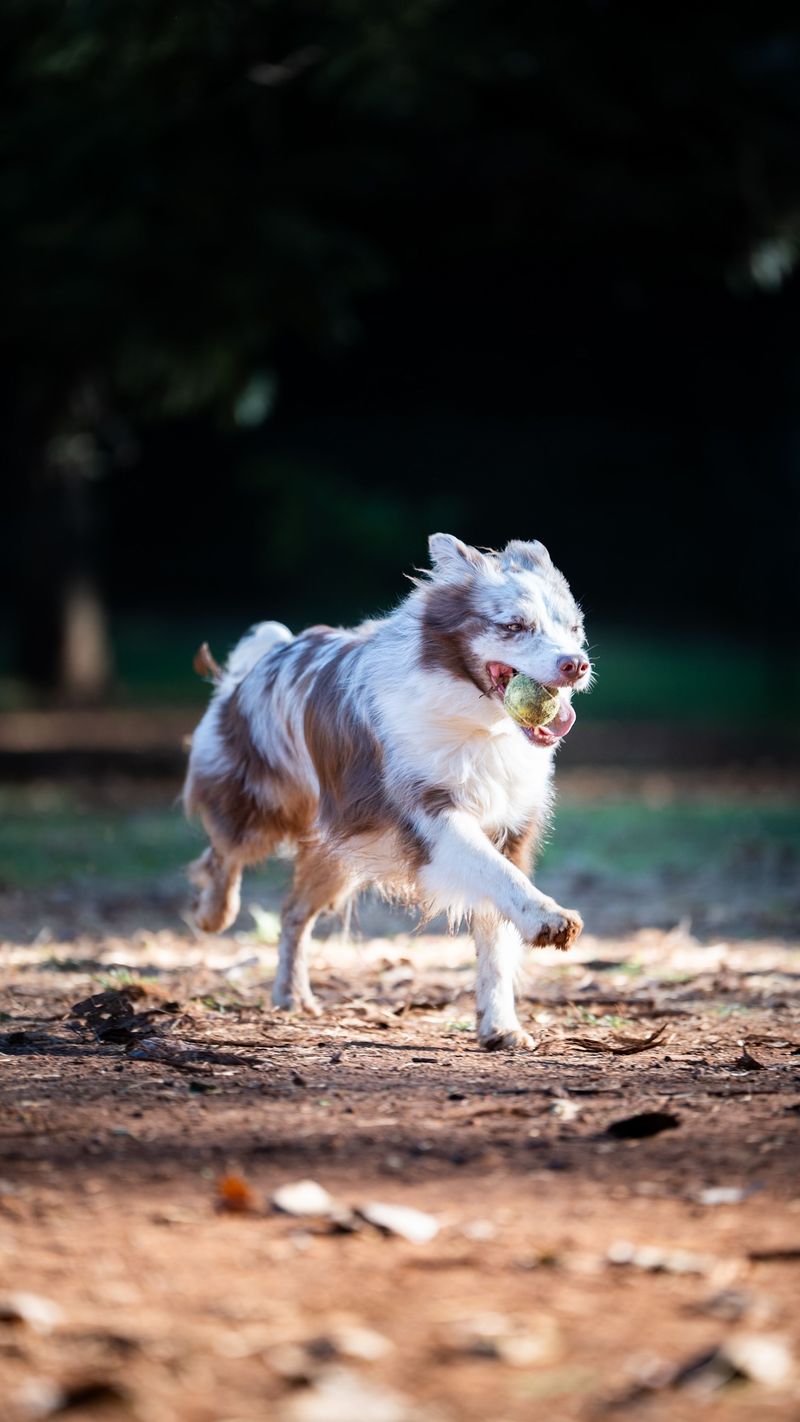
Funny enough, the Australian Shepherd was actually developed on American ranches, not in Australia. These clever cowdogs love working beside people all day.
Skip their activity, and you might see nipping at heels, restless pacing, or barking at every leaf. They get anxious when life feels too dull.
Frisbee, hiking, and herding lessons are fantastic outlets. Even ten minutes of focused training before work can make a calmer evening for everyone.
Jack Russell Terrier
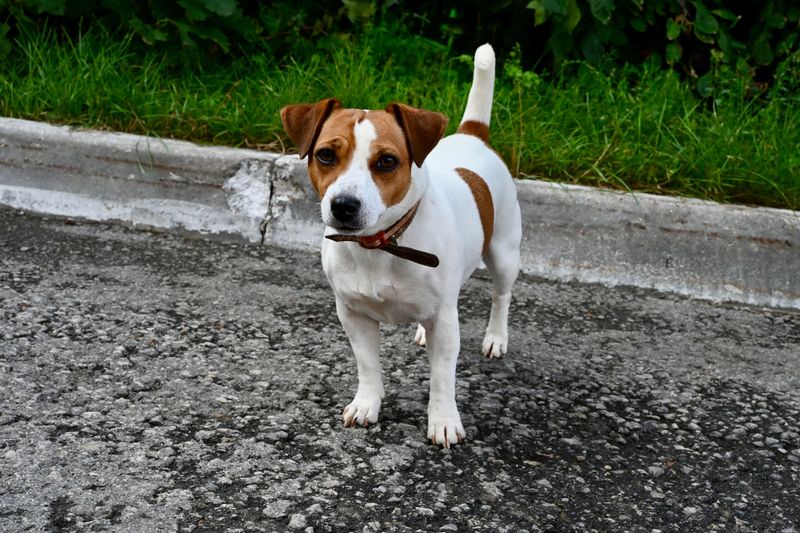
Small body, huge attitude. Jack Russells were bred to chase foxes into dens, so they are fearless, fast, and full of spring.
Many people pick them for their size and get surprised. A bored Jack can dig up flower beds, shred pillows, and bark at squirrels all afternoon.
Give them flirt poles, digging boxes, and earthdog games. Short, quick training rounds suit their bouncy brains and stop mischief before it starts.
Weimaraner
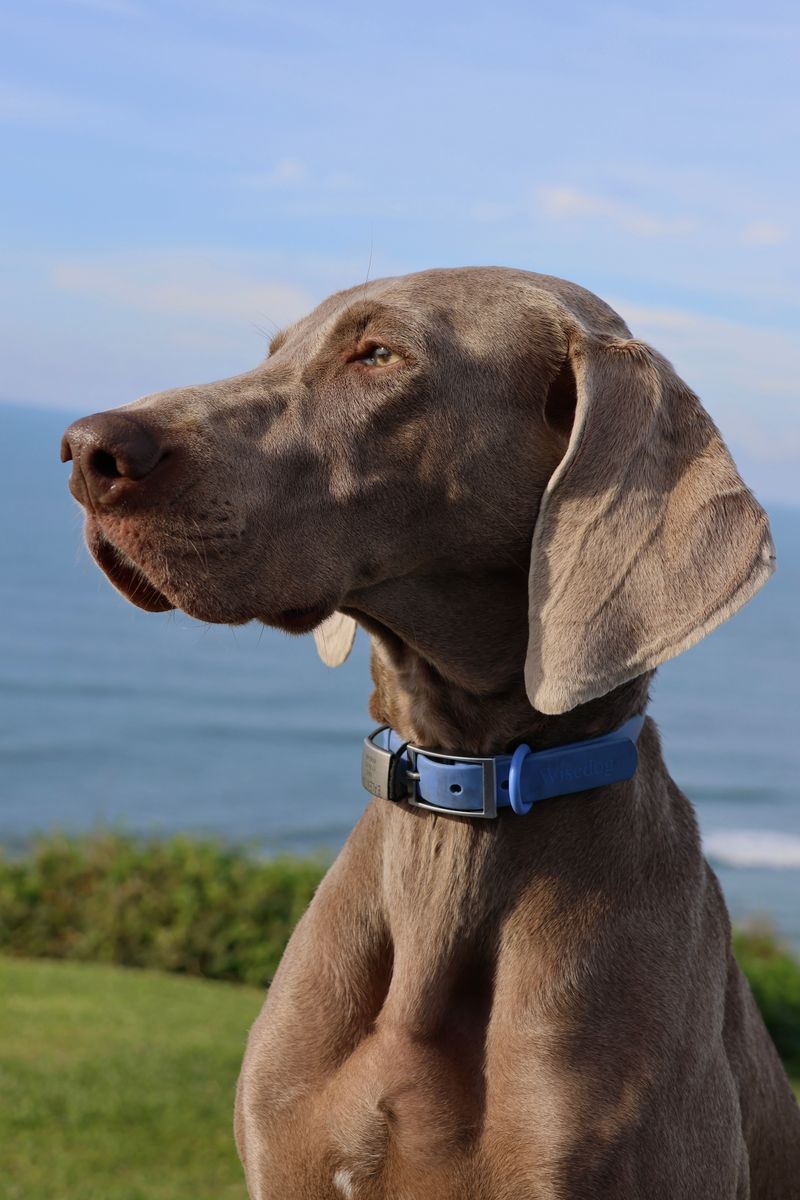
Nicknamed the gray ghost, the Weimaraner was once a hunting partner for German nobles. Those silver coats hide an engine that rarely idles.
Weimaraners also bond tightly with family. Left alone too long without exercise, they can develop separation stress and chew through crates or walls.
Long runs, swimming, and retrieving games work wonders. Pair activity with calm alone-time practice so your dog learns that quiet moments are okay too.
Dalmatian
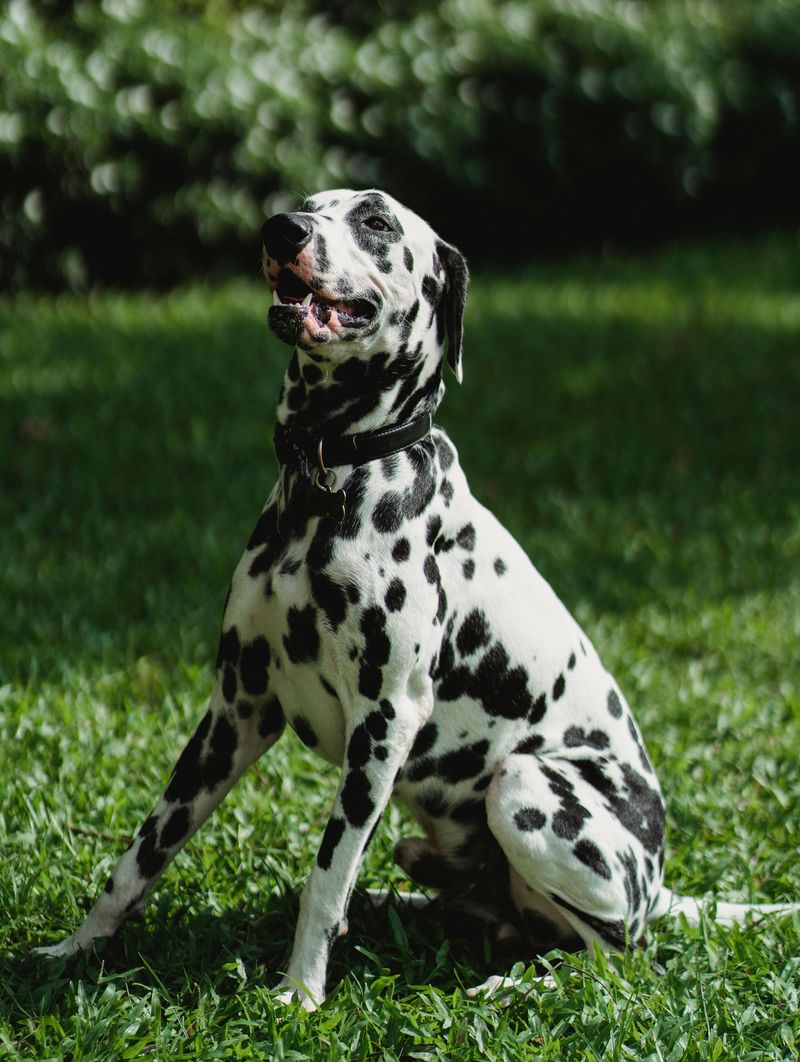
Long ago, Dalmatians ran beside horse-drawn carriages for miles, guarding them on the road. That stamina did not disappear when cars came along.
Movies made spotted pups look like easy family pets, but many ended up in shelters. Without daily running, they may get pushy, jumpy, and stubborn.
Jogging partners, long walks, and fetch in a fenced field suit them best. Consistent rules help too, since these dogs test boundaries happily.
Labrador Retriever
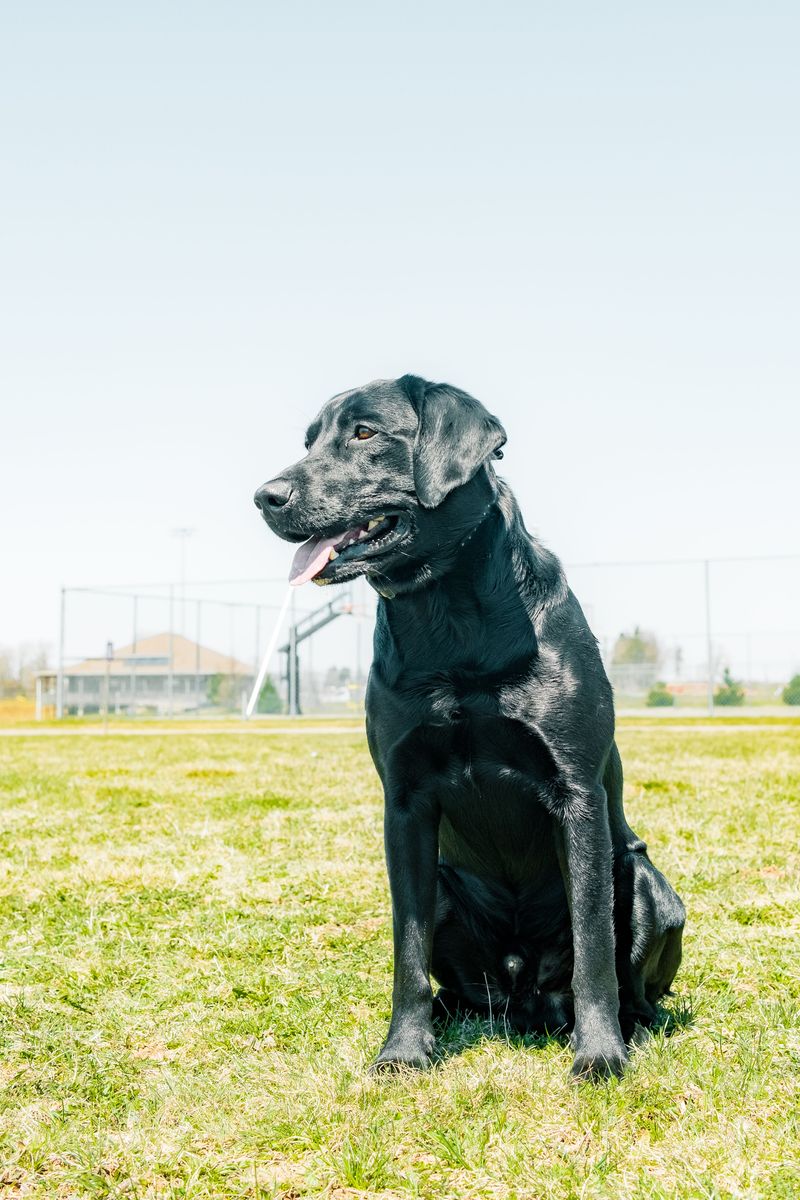
America loves Labs, and it is easy to see why. They are friendly, goofy, and eager to please.
Here is the catch, though. Young Labs are chewing machines with bottomless energy, and a bored one can eat socks, remote controls, or drywall.
Weight gain also creeps in fast without activity.
Swimming and retrieving games are perfect. Use food puzzles at mealtime, and the snacking urge becomes a fun brain game instead.
Vizsla
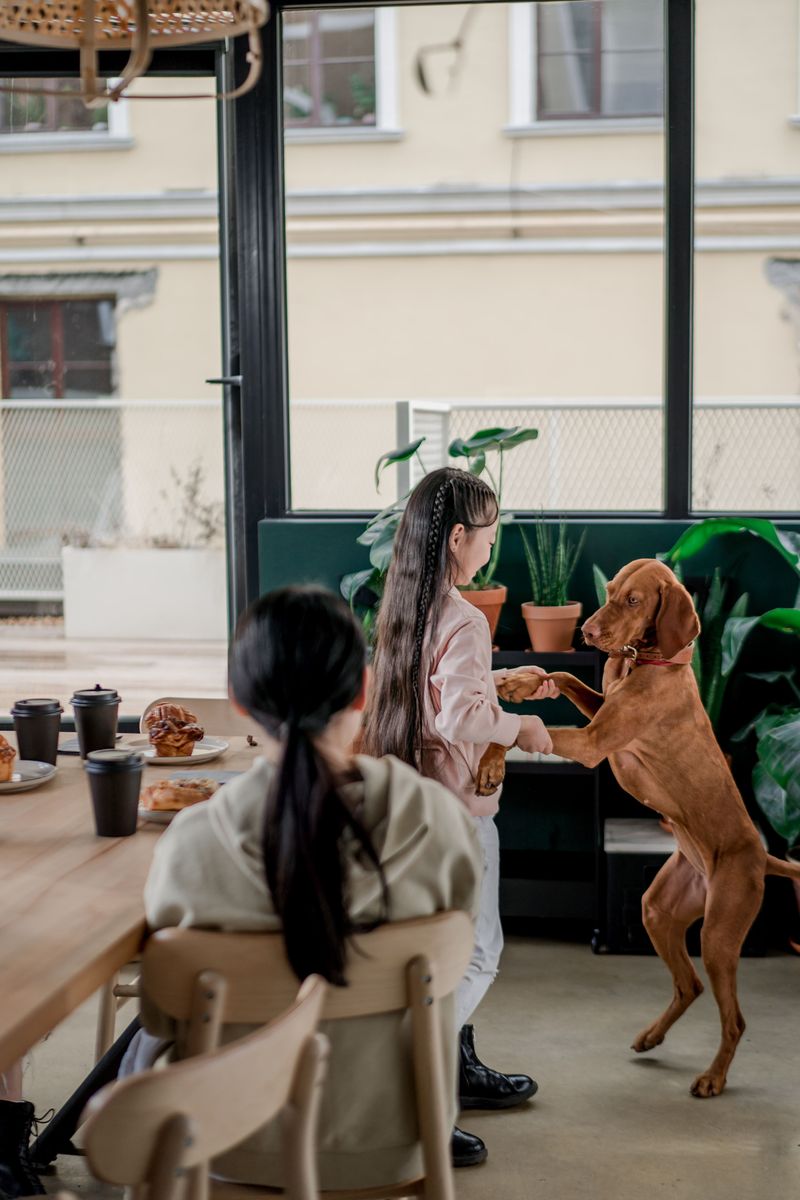
People call Vizslas velcro dogs because they stick right by your side. This Hungarian pointer is sweet, sensitive, and always ready to move.
When cooped up, a Vizsla may whine, pace, and follow you room to room with nervous energy. Their sensitive hearts mean harsh scolding backfires.
Off-leash running in safe areas, nose games, and gentle training work beautifully. Plenty of cuddles afterward will make this loving pup feel complete.
German Shorthaired Pointer
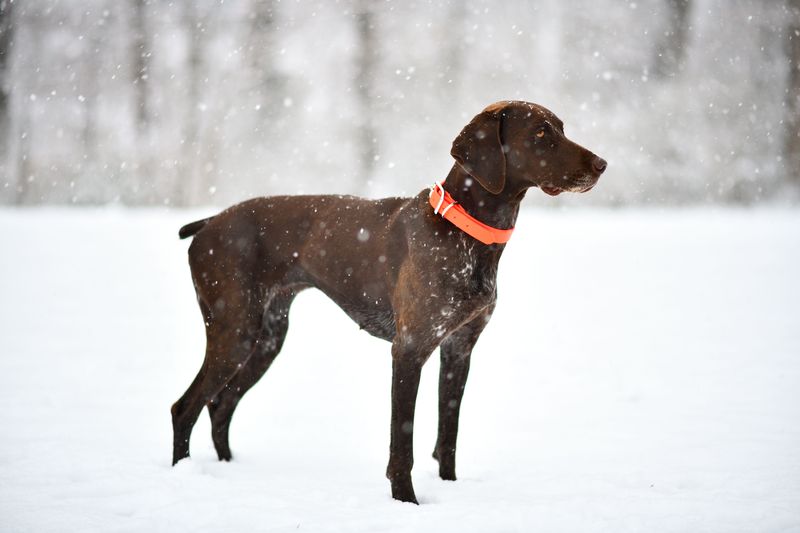
Ask any GSP owner about free time, and they might laugh. These versatile hunters can track, point, retrieve, and swim, all in one day.
Without enough exercise, they get creative in all the wrong ways. Counter surfing, fence jumping, and chasing cats are common complaints.
Try hiking, dock diving, or hiding treats around the yard for a scent hunt. A tired pointer is a polite pointer, almost every time.
Cattle Dog
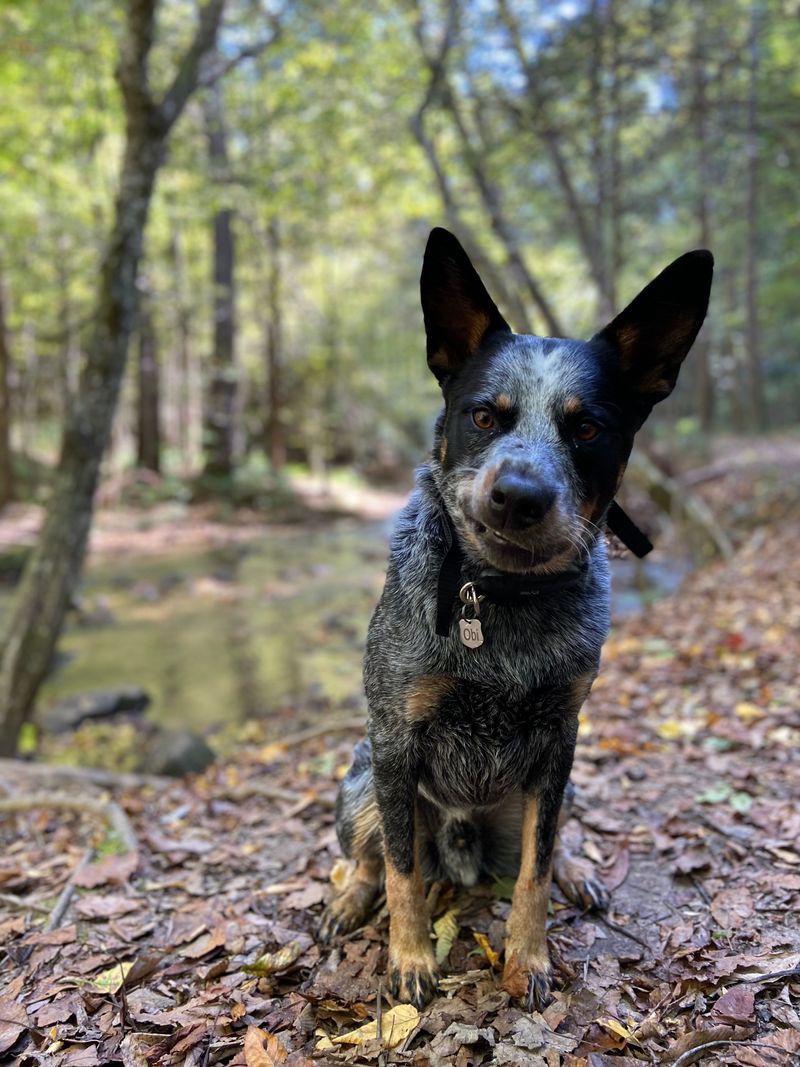
Tough as old boots, the Australian Cattle Dog was built to move stubborn cattle across hot outback land. Some carry wild dingo ancestry.
A heeler with nothing to do may nip ankles, guard the house a bit too seriously, or destroy toys within minutes. They are thinkers who hate boredom.
Give them tasks like carrying items, learning tricks, or herding balls. Treibball, a sport where dogs push big balls, is a great match.
Beagle
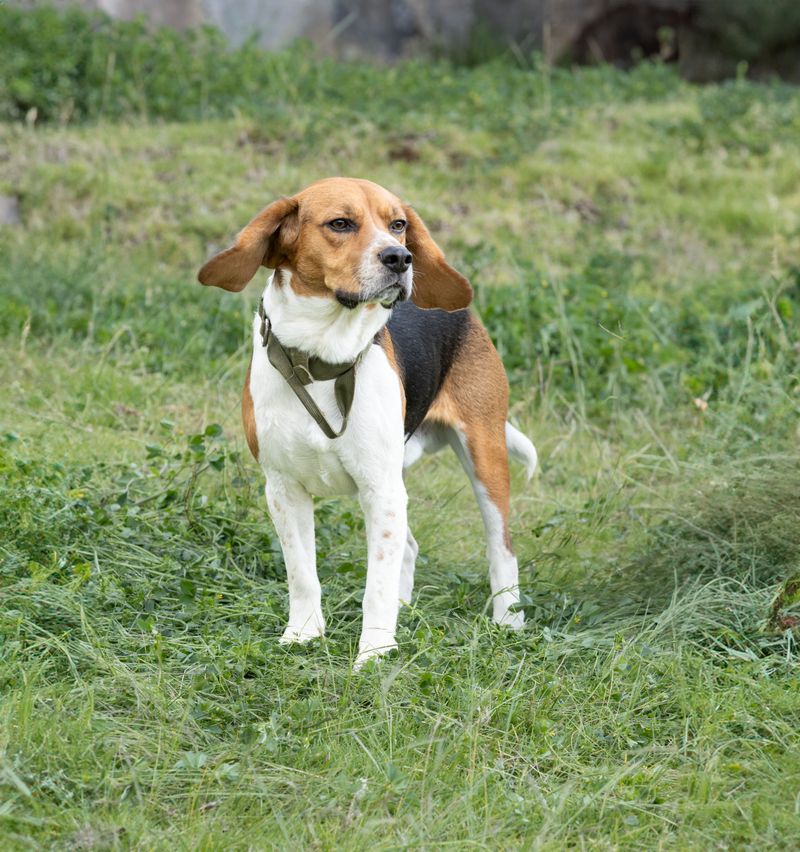
That adorable howl? It comes from generations of tracking rabbits in packs.
A Beagle’s nose has about 220 million scent receptors.
When that nose has nothing to explore, trouble follows. Beagles may raid trash cans, howl for hours, or slip out to follow an interesting smell down the street.
Sniff walks are a must, so let them take time exploring. Snuffle mats and hide-and-seek treat games also turn boredom into happy sniffing.