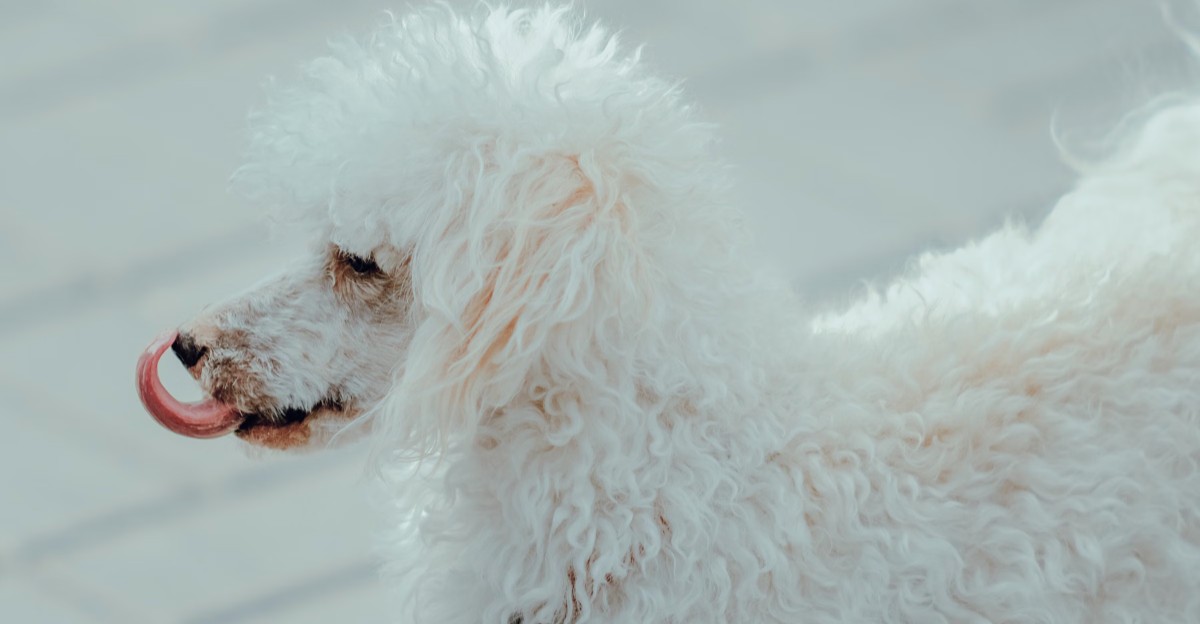
Fluffy, curly, and silky dogs look amazing, but their beautiful coats can tangle fast. When loose hair gets trapped and twisted, it forms tight knots called mats that pull on the skin and can even hide sores.
Some breeds are much more likely to mat than others, so knowing which ones need extra brushing can save your pup a lot of pain. Here are the breeds that need a little more grooming love to stay comfy.
Poodle
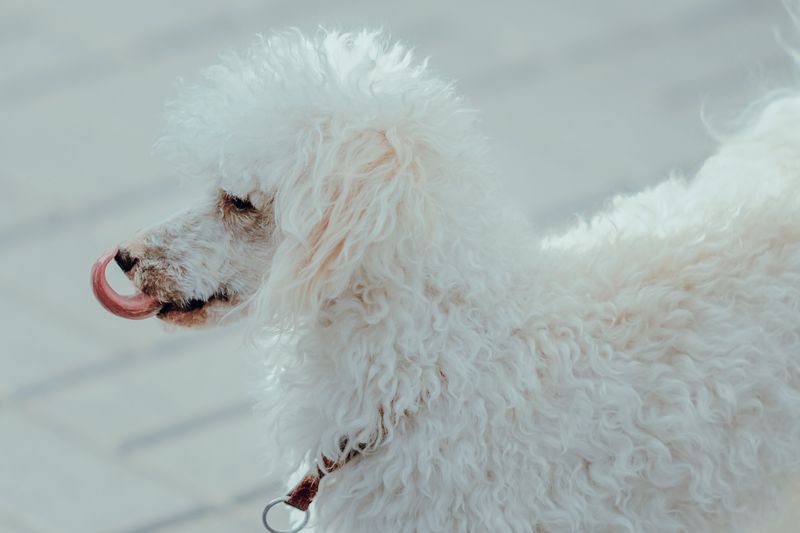
Curls are a Poodle’s crown, and they can also be its biggest headache. Poodle hair keeps growing instead of shedding much, so loose strands get trapped inside those tight coils.
Without brushing several times a week, mats can form close to the skin, especially behind the ears and under the legs. Fun fact: Poodles were first bred in Germany as water retrievers.
A line comb and regular trips to a groomer every four to six weeks keep things smooth.
Bichon Frise
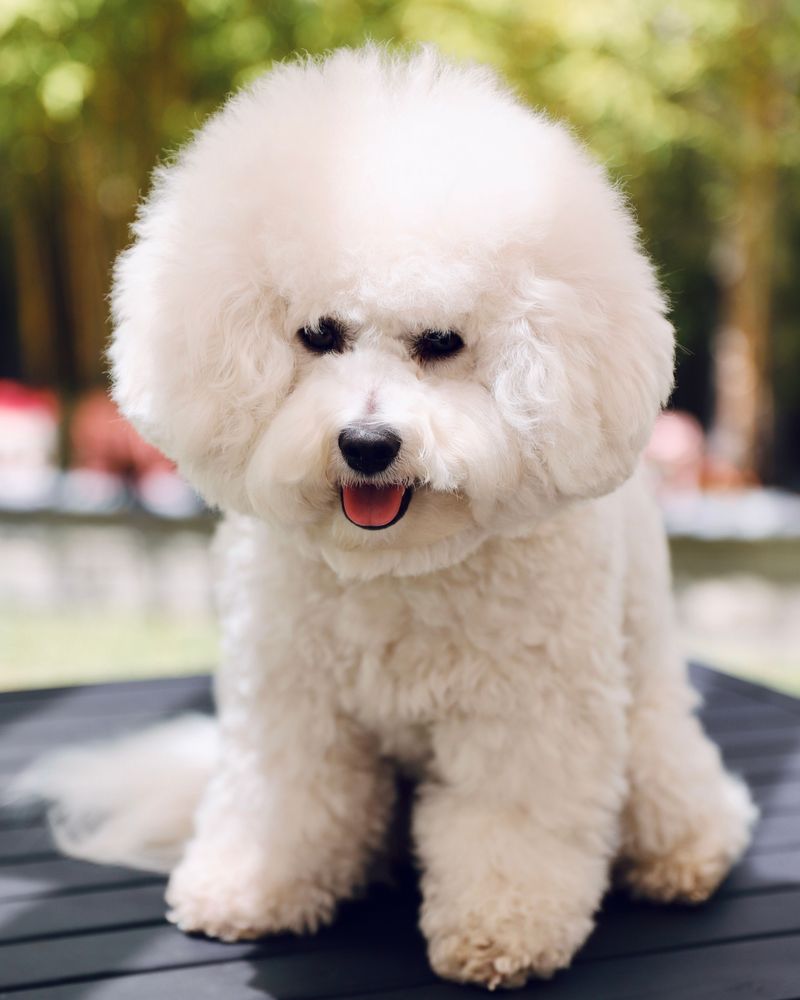
Picture a walking cotton ball with a big smile. That’s the Bichon Frise, and its puffy look comes with a catch.
The double coat has a soft undercoat and a curly outer layer that grab onto each other like velcro. Skip a few brushing sessions and you might find felt-like clumps near the collar or armpits.
Try brushing daily with a slicker brush, then check your work with a metal comb. If it snags, keep going gently.
Shih Tzu
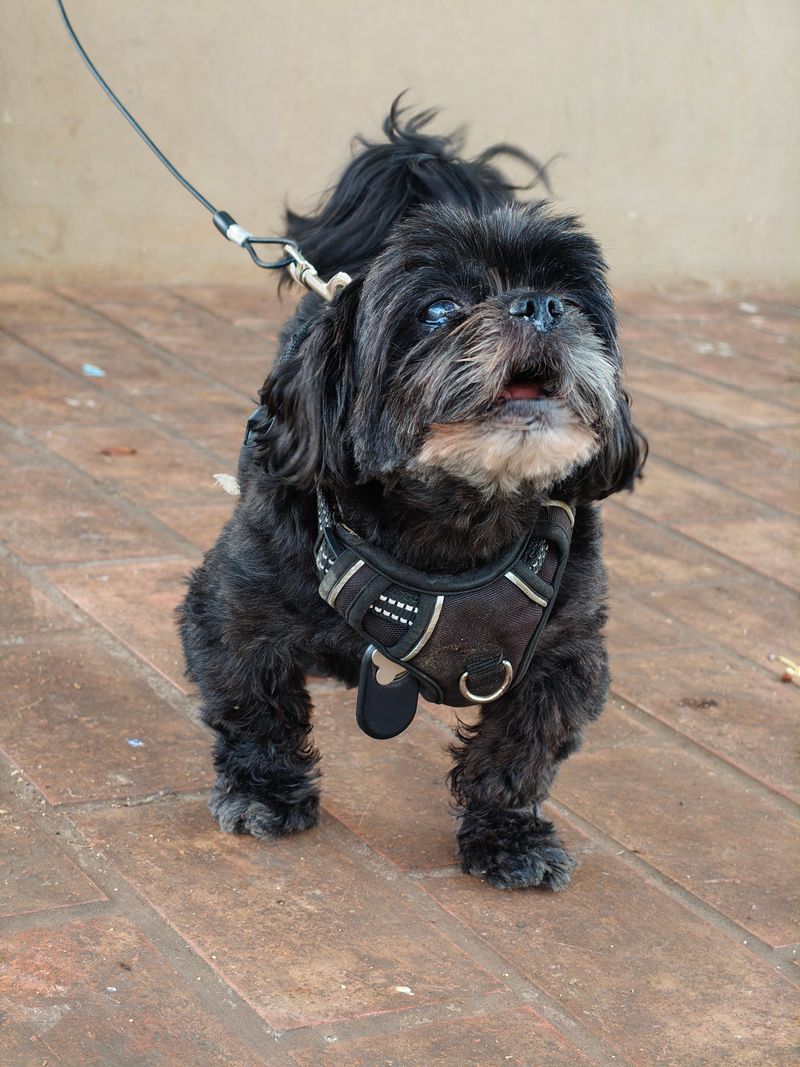
Ancient Chinese royalty once kept the Shih Tzu as a palace pet, and that long, flowing coat still looks fit for a king.
Keeping it that way takes work, though. The silky hair tangles easily when your dog rolls around, plays, or simply lies down for naps.
Many owners pick a short puppy cut to make life easier. If you love the long look, plan on brushing every single day and using a light detangling spray.
Old English Sheepdog
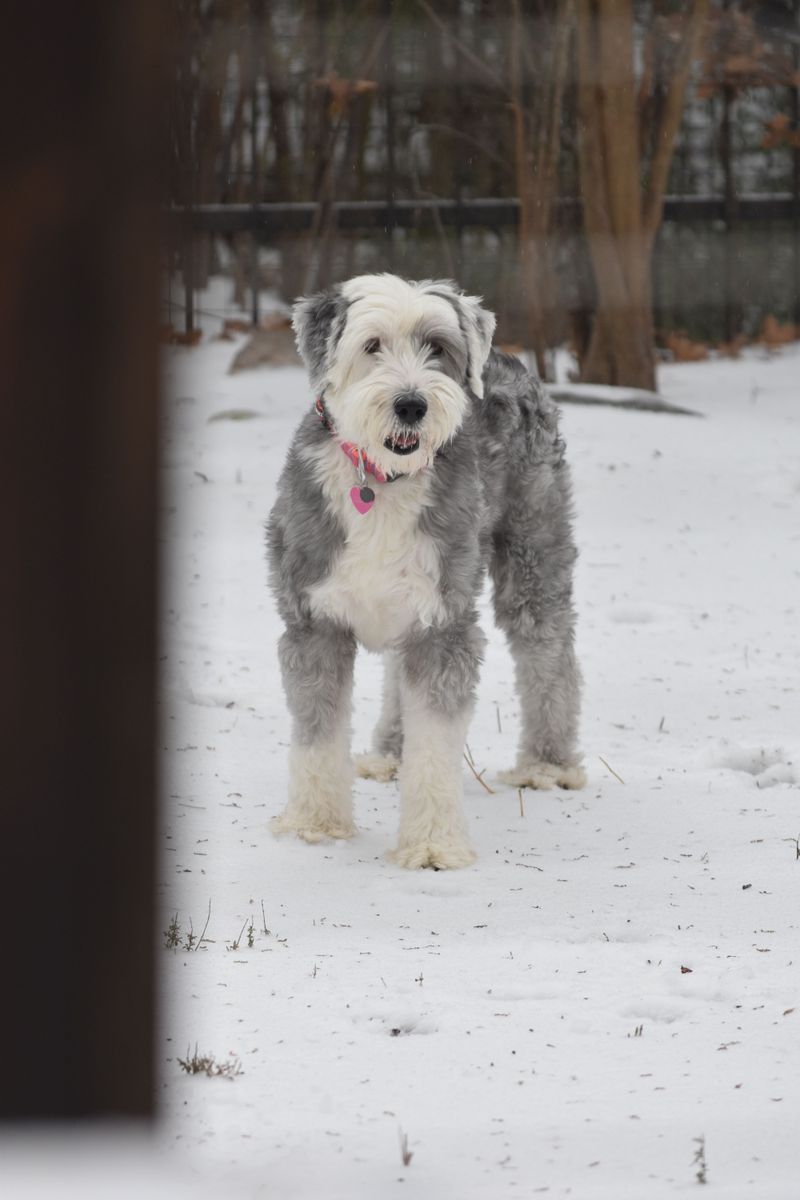
Ever seen a dog that looks like a giant mop with legs? Meet the Old English Sheepdog, a lovable, bouncy herder with tons of shaggy fur.
All that hair hides a thick undercoat that sheds into the outer layer and gets stuck. Mats often grow in the back legs and belly, where you might not look.
Set aside an hour or two each week for deep brushing. Working in small sections makes the job way less overwhelming.
Maltese
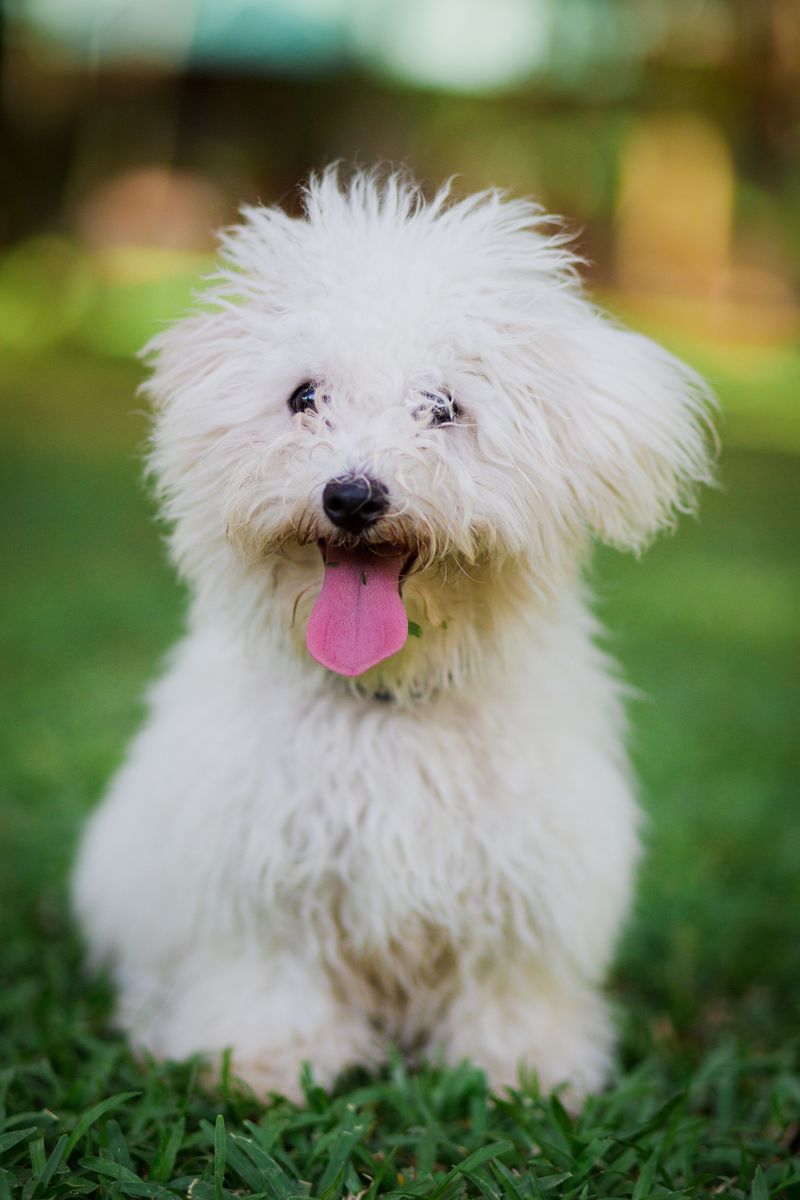
Tiny, sweet, and draped in snow-white silk, the Maltese has charmed people for over 2,000 years.
Its single coat has no undercoat, which sounds easy, but the fine hair is very delicate. It knots fast around the ears, legs, and face, and tear stains can add sticky clumps too.
Gentle daily brushing with a pin brush works best. Also wipe around the eyes each day so crusty gunk doesn’t glue the hair together.
Havanese
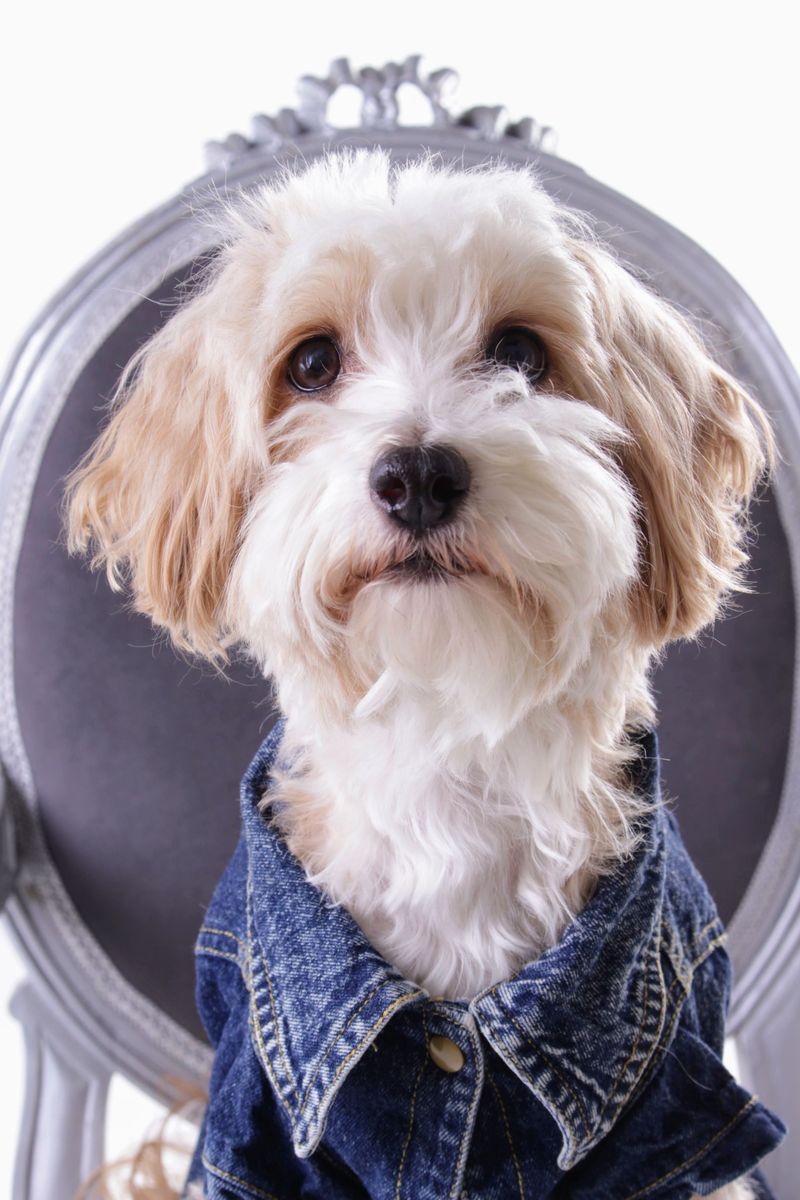
Cuba’s national dog is a little clown with a big personality. Havanese love to play, cuddle, and follow you from room to room.
Their soft, wavy coat is light and fluffy, but it mats quickly, especially in dogs that love to roll on carpets. Some owners even let the hair form cords on purpose, which needs its own special care.
For a brushed look, comb your Havanese every day or two and keep the coat clean.
Bearded Collie
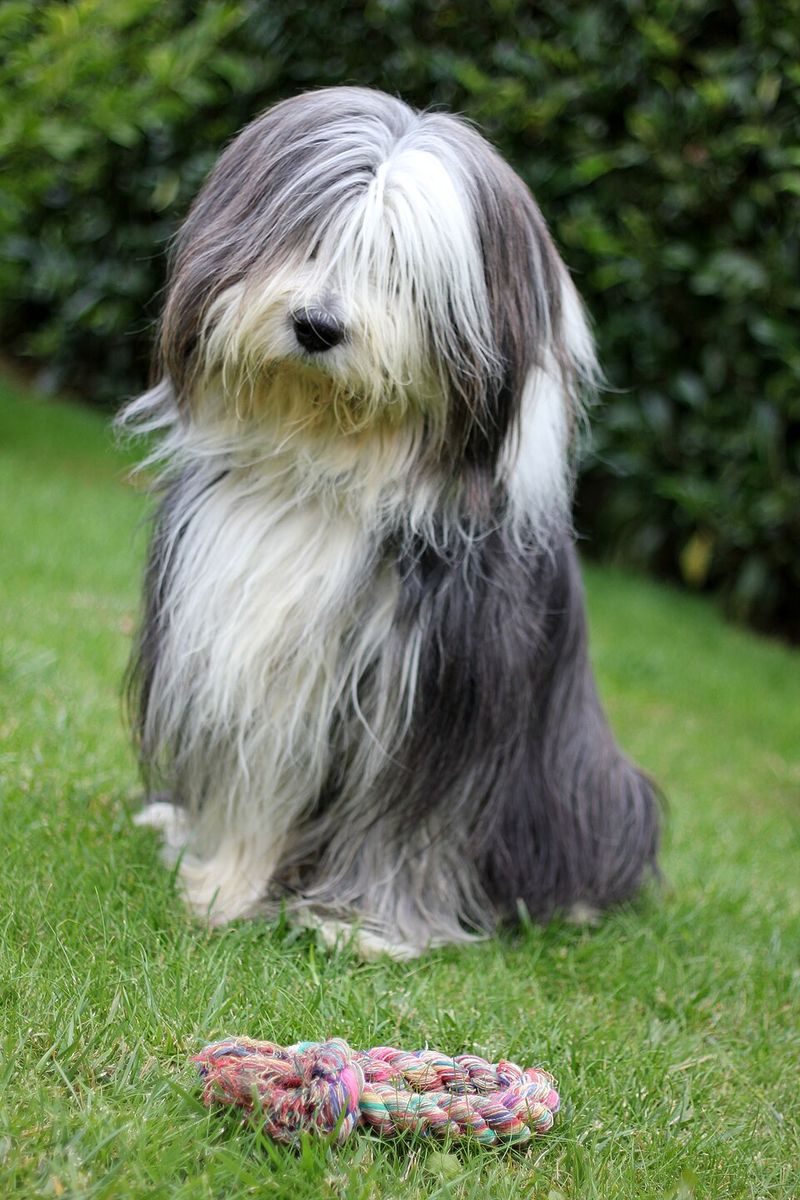
Bouncy, goofy, and full of energy, the Bearded Collie was built for herding sheep in the Scottish hills.
That active lifestyle means sticks, burrs, and leaves love to hitch a ride in its long double coat. Once debris gets stuck, mats form around it fast.
After every outdoor adventure, do a quick hand check for hidden snags. A full brushing session once or twice a week, misting the coat with water first, helps prevent breakage.
Cocker Spaniel
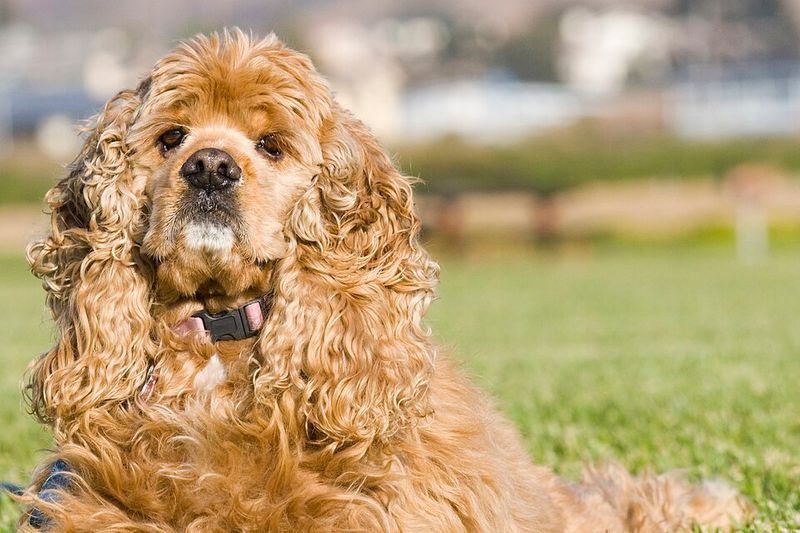
Those long, floppy ears are probably what made you fall in love. Sadly, they’re also prime spots for knots.
Cocker Spaniels have feathery fur on their ears, chest, belly, and legs that tangles easily, especially after swims or muddy walks. Food bowls can make ear hair sticky too.
A snood or narrow bowl keeps ears clean at mealtime. Brush the feathering a few times a week and dry your pup fully after baths.
Lhasa Apso
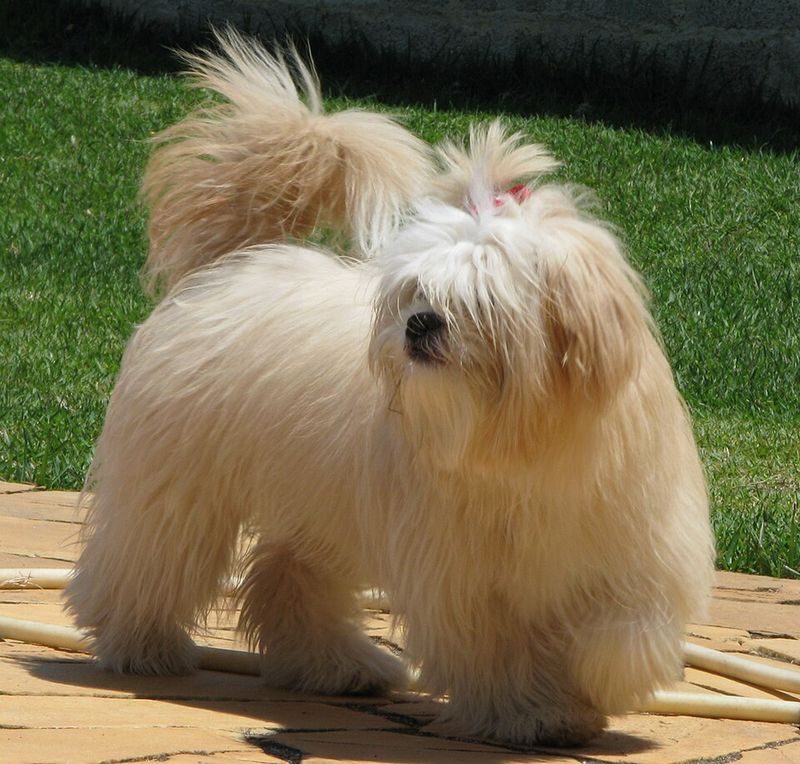
Monks in Tibet trusted the Lhasa Apso as a watchdog inside their monasteries. It may be small, but it carries itself with serious confidence.
Its heavy, floor-length coat was made for cold mountain weather. At home, that thick hair can mat behind the ears and under the legs within days.
Line brushing, where you part the hair and brush from the skin outward, really helps. Many families choose a shorter trim for easier care.
Goldendoodle
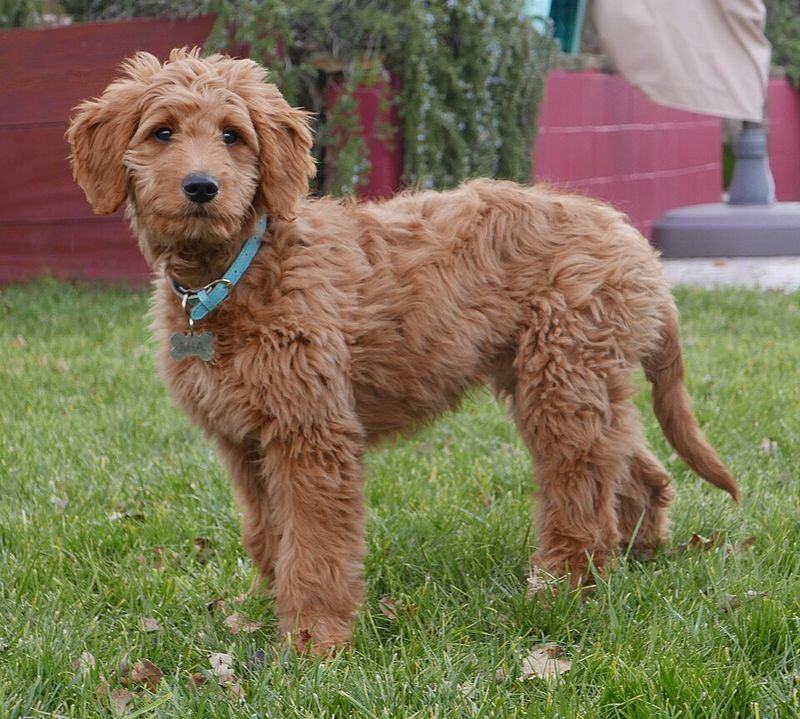
Teddy bear looks have made Goldendoodles super popular. Many new owners are surprised, though, by how fast that cuddly fur can turn into a matted mess.
Mixing a Golden Retriever and a Poodle often creates a coat that sheds a little and traps a lot. Puppies changing into adult coats around six to twelve months mat especially quickly.
Brush at least three times a week, and book professional grooms regularly. Shaving out bad mats is common.
Afghan Hound
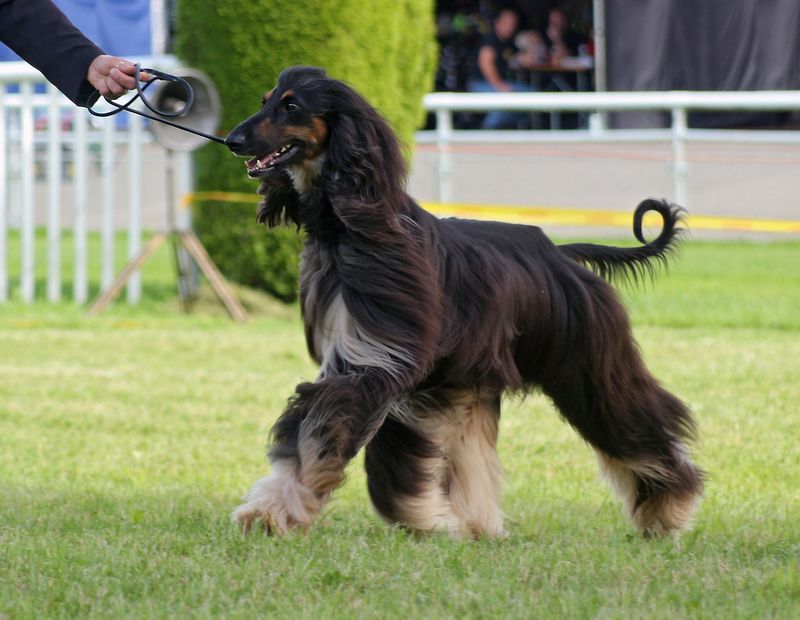
Few dogs turn heads like an Afghan Hound gliding by with its silky hair flowing in the breeze. It’s basically a supermodel on four legs.
Behind that glamour is a lot of grooming. The long, fine coat tangles easily, and mats can tighten painfully under the legs and around the collar.
Bathing once a week, followed by careful brushing and blow drying, keeps it in top shape. Never brush the coat completely dry, since that causes breakage.
Komondor
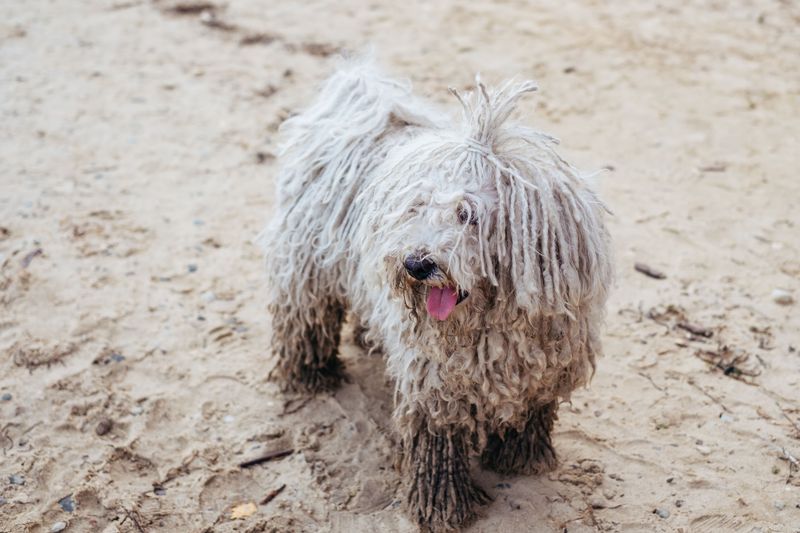
Did you know some dogs grow natural dreadlocks? The Komondor, a big Hungarian guardian, wears cords that help it blend in with sheep.
Those cords form when the coat mats on purpose, but they still need careful hands. Owners must separate them by hand so they don’t fuse into one giant slab against the skin.
Drying takes a whole day after a bath, so mildew can become a problem. Experienced groomers are a huge help here.